
Weather
Atlantic Fury: North Carolina Homes Collapse into the Ocean
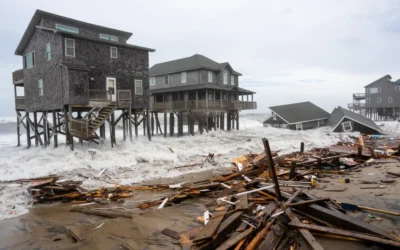
Recent storms battered the North Carolina coast, and the damage was dramatic. On September 30, powerful waves generated by Hurricanes Humberto and Imelda caused at least six beachfront homes in Buxton—on the Outer Banks—to crumble and fall into the sea. Fortunately, no one was hurt because the houses were unoccupied at the time. These collapses highlight how vulnerable the barrier islands are to erosion, shifting sands, and storm surge. This is not the first time it has happened. Since 2020, nearly 20 privately owned homes in the same region have already been lost to surf and erosion. (MORE NEWS: General Motors CEO Pulls Back on EV Ambitions) Storms Offshore, Damage Onshore Although both Humberto and Imelda stayed offshore, their effects reached the coast. Hurricane Imelda, despite not making landfall, pushed strong winds, rain, and heavy surf toward the U.S. East Coast. Meanwhile, Humberto added to the turmoil by sending more swells toward the shoreline of North Carolina. Because the storms remained out at sea, many inland areas escaped serious flooding and wind damage. However, the surf zones bore the full force of pounding waves. The National Park Service warned that hazardous debris and shifting sands would linger along the beaches and require caution for days. The Collapse: How It Happened In Buxton, five houses on stilts collapsed within a 45-minute span on Tuesday afternoon. Later that night, a sixth home fell. Dramatic footage showed one structure swaying precariously before disintegrating and plunging into the surf. Wood, debris, and pieces of siding littered the beach in the aftermath. Drone video captured homes that collapsed into the ocean on North Carolina’s Outer Banks on Tuesday amid rough surf from dual hurricanes off the Southeast coast. Five homes fell within a 45-minute period on Tuesday afternoon, and a sixth fell overnight. https://t.co/f8zQoRYVLd pic.twitter.com/U66IOjihPN — AccuWeather (@accuweather) October 1, 2025 These were not ordinary homes. Most were built on pilings or stilts to protect against tides, but the combined assault of waves and undermined foundations proved too much. The erosive power undercut the supports until the structures lost balance and tipped into the water. Officials closed off the area around the collapses. They also shut down parts of Highway 12 and halted ferry service between Ocracoke and Hatteras, citing danger from debris and unstable roadways. Official Response: National Park Service and Local Agencies The National Park Service (NPS) has confirmed the collapse of the homes and urged caution. A spokesperson for the Cape Hatteras National Seashore said staff were actively working to remove debris and monitor risk areas. They also told the public to avoid walking on the beach near the collapse zone. In a previous collapse in Buxton, NPS officials said they would clean the area south of the site, and the homeowner had hired a contractor to remove remaining structure and debris. That incident was the 12th home to collapse along the seashore in five years. Dare County’s Planning Director, Noah Gillman, has also weighed in. He noted that more than 30 structures in the area had been decertified for occupancy due to erosion damage, including harm to stairs and septic systems. He pointed out that many of the collapsed properties had already lost the required separation from the shoreline. Local governments are now discussing options such as potential relocations, stricter setbacks, or buyouts. Officials from the North Carolina transportation department closed parts of Highway 12 and halted ferry crossings in the area until safety could be assured. The closures aimed to protect residents and travelers from danger posed by debris, shifting sands, and instability. A Coast Under Pressure These events are part of an ongoing struggle along the Outer Banks, North Carolina. Beach erosion has steadily eaten away at the shoreline, leaving some homes standing precariously close to the surf. Even when storms remain offshore, their wave energy can be destructive enough to trigger collapses like those seen in Buxton. The geography of the barrier islands makes them particularly vulnerable. Shifting sands, narrow beaches, and exposure to open Atlantic swells mean that conditions can change quickly. For residents and property owners, this creates constant uncertainty. The Human and Policy Dimension While no one was injured in these North Carolina collapses, the impact on property owners and the community is significant. For many, these homes represented investments, memories, and part of the local economy. Their loss raises difficult questions about the future of oceanfront development. Local officials face the challenge of balancing safety, tourism, and property rights. Stronger building codes and better enforcement of setback requirements may help, but erosion continues to place many structures at risk. In some cases, officials may have to consider buyouts or relocation programs for the most threatened properties. The costs of cleanup also fall on local agencies and the National Park Service. Debris removal, beach safety patrols, and roadway repairs require time, labor, and funding. Looking Ahead: Lessons and Warnings North Carolina is no stranger to hurricanes and flooding. But the collapse of homes in Buxton is still a stark reminder that the ocean’s power should never be underestimated. Even when hurricanes remain offshore, the waves and surf they generate can cause serious destruction. When homes are built too close to the waterline in areas that see high water during hurricanes, disaster is not a surprise — it is expected. The ocean shifts beaches, pushes storm surge inland, and leaves little margin of safety for houses standing only feet from the tide. And this isn’t about climate change. You can’t blame the consequences of risky building decisions on the climate. When people choose to build in the path of storm surge and pounding waves, the risk is built in from the start. The shoreline is always moving. Homes positioned too near the surf will remain in jeopardy, and events like this will continue to shape the future of the Outer Banks. By planning ahead and preparing, local communities may reduce losses — but the ocean’s power will always be a formidable force. Unmask the Narrative….
Hurricane Warnings Ramp Up For Summer With ‘Above Normal’ Forecast
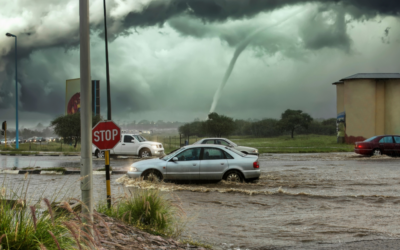
Atlantic hurricane season starts this month and pretty much no one is excited for it, especially since it may be an “above” average year. Hurricane season start on June 1 and runs through November 30 each year, according to Live Science. This turbulent time in our annual calendar could be 60% more active than normal, the National Oceanic and Atmospheric Administration said in late May. Anywhere from 13 to 19 named tropical storms are anticipated, with anywhere from six to 10 of them turning into hurricanes. Thankfully, NWS has predicted highly active hurricane seasons for as long as any of our editorial team can remember. It is smarter to over-warn and under-deliver when it comes to Mother Nature, especially with so many of our major cities and urban centers lying in flood zones. Is This A Fair Forecast? Even in the most recent forecast, LiveScience notes that “normal” years see roughly 14 named storms, seven of which become hurricanes, with three being classed as “major” hurricanes. Is it fair to say that a forecast ranging from under to slightly over the “average” is so significantly “above normal?” Technically, yes. Socially … no. This will probably (hopefully) be a hurricane season like any other … we pray. (MORE NEWS: Best Crops To Grow During A Nuclear Apocalypse, According To Scientists) “NOAA has a 70% confidence in its predictions of this year’s storm frequency. Last year, before the 2024 hurricane season, NOAA predicted that there would be 17 to 25 named storms, eight to 13 hurricanes, and four to seven major hurricanes — an even more severe forecast than this year’s outlook. However, the season actually resulted in 18 named storms, 11 hurricanes, and five major hurricanes,”the outlet wrote. What Prompted The Forecast? Warmer-than-average water temperatures in our oceans and potential for high activity throughout the West African Monsoon season. “This outlook is a call to action: be prepared. Take proactive steps now to make a plan and gather supplies to ensure you’re ready before a storm threatens,” NWS Director Ken Graham said in a statement. (RELATED: Guys, We May Have Found The Most Addictive New Outdoors Show On YouTube) Graham’s comments come a year after members of Congress wrote him to express serious concerns about reports of NWS network and equipment outages during extreme weather events. What Will The 2026 Storms Be Named? Andrea, Barry, Chantal, Dexter, Erin, Fernand, Gabrielle, Humberto, Imelda, Jerry, Karen, Lorenzo, Melissa, Nestor, Olga, Pablo, Rebekah, Sebastien, Tanya, Van, and Wendy. (RELATED: Soviet Spacecraft May Hit US Thanks To Uncontrolled Reentry) “NOAA and the National Weather Service are using the most advanced weather models and cutting-edge hurricane tracking systems to provide Americans with real-time storm forecasts and warnings,” Commerce Secretary Howard Lutnick said in a statement shared by NOAA. “With these models and forecasting tools, we have never been more prepared for hurricane season.” Hurricane helene, Boone NCpic.twitter.com/OYskw00jqW — Terrifying Nature (@TerrifyingNatur) October 2, 2024 Trucks hauled away debris piled up at a city park in Treasure Island, Florida, following Hurricane Milton. pic.twitter.com/Bs2tBvt0G0 — AccuWeather (@accuweather) October 28, 2024 HurricaneSandyAftermathHobokenFloodedStreet TMM Analysis Hurricane season is only a threat if you ignore the warnings. On the TMM Scale of Danger, we’d rank them a 0/10 if you get out of dodge; a 10 if you’re an idiot and stick around to ride out the carnage. Don’t believe us? Go back and watch the videos above. One of the other things we recommend most folks do is check out the NOAA Seven-Day Graphical Tropical Weather Outlook, which is a pretty accurate (and cool) tool for seeing storms as they develop over our oceans.