
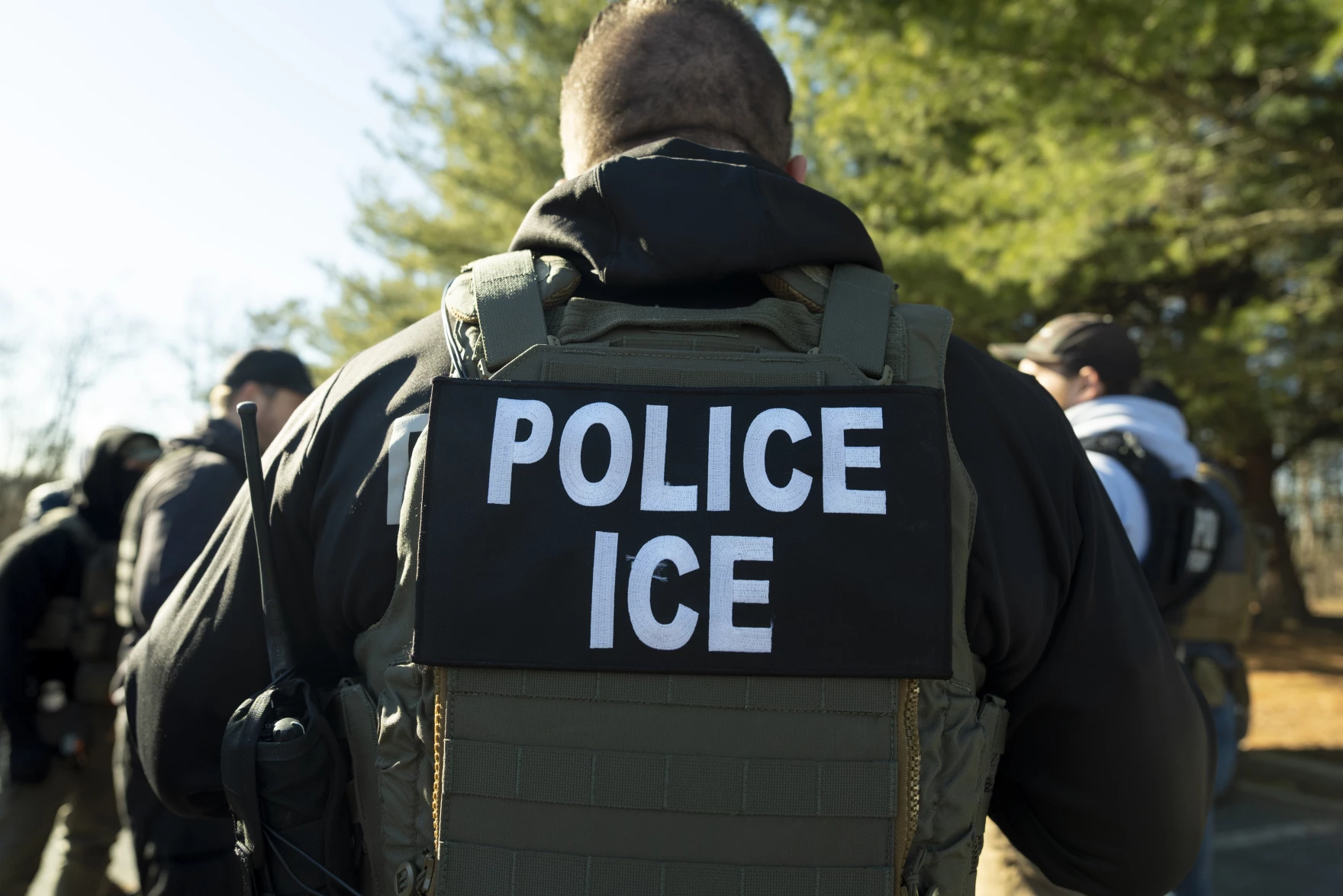
Mesa County, Colorado, is at the center of a heated battle over immigration enforcement, law enforcement accountability, and controversial state sanctuary laws. The issue erupted after federal immigration agents detained a Utah college student who was in the U.S. illegally following a traffic stop. Instead of focusing on the individual violating federal law, Colorado’s Attorney General chose to sue a sheriff’s deputy for cooperating with ICE. This has sparked outrage across the state.
The Traffic Stop That Sparked Outrage
On June 5, 2025, Deputy Alexander Zwinck pulled over 19-year-old Caroline Dias-Goncalves near Fruita, Colorado. She was allegedly tailgating a semi-truck. Zwinck issued a warning and let her go. Roughly 20 minutes later, Immigration and Customs Enforcement agents stopped her vehicle and arrested her for overstaying her visa.
Clearly, Colorado leadership should be holding non-citizens accountable for breaking U.S. law—not punishing officers for helping enforce it. This case raises a serious question that deserves repeating. How can someone trusted to handle patient medications as a future nurse fail to manage something as basic as a legal visa? Instead of holding her accountable, state leaders cast her as the victim, and punish those who did their jobs.

How Information Was Shared with ICE
Deputy Zwinck worked on a multi-agency drug task force. It included local, state, and federal officers such as Homeland Security and ICE agents. After the traffic stop, Zwinck shared Dias-Goncalves’ location and vehicle description in a Signal chat group used by the task force. As a result, ICE acted on that information and made the arrest.
Nevertheless, Colorado’s new sanctuary law, Senate Bill 25-276, banned this kind of cooperation. It was signed by Colorado Governor Jared Polis only 13 days before the traffic stop. Many officers, including Deputy Zwinck, say they were unaware or confused about the sudden change imposed by the state. Long-standing practices conflicted with the new rules, leaving deputies exposed to legal action.
Attorney General Sues Deputy for Doing His Job
Colorado Attorney General Phil Weiser filed a lawsuit against Deputy Zwinck for sharing information with Immigration Customs Enforcement. This move shocked many in law enforcement. They believe the unfair lawsuit is politically motivated. (RELATED: EXCLUSIVE: Cash Flowing Into Anti-ICE Group’s Coffers Came From Chinese Gov’t-Linked Sources)
To address the fallout, Sheriff Todd Rowell said in a statement, the lawsuit “sends a demoralizing message to law enforcement officers across Colorado—that the law may be wielded selectively and publicly for maximum political effect rather than applied fairly and consistently.” He asked the Attorney General to “apply the law equally to all law enforcement and government officials instead of making Deputy Zwinck an example.”
Rowell revealed that other agencies in the same task force had also shared information with ICE. None of them faced lawsuits. Even the state’s governor reportedly violated a previous sanctuary law four times without consequences.
Without a doubt, the actions by this attorney general show clear political bias in how immigration laws are enforced by the state.

Deputies Disciplined Amid ICE – Sanctuary Law Confusion
Rowell said an internal review resulted in the department disciplining all deputies involved:
- “Zwinck received three weeks of unpaid leave and was reassigned to patrol.
- Olson received two weeks of unpaid leave and the department also reassigned him.
- Joe LeMoine received two days suspension.
- Two other commanding officers received written reprimands or counseling.”
Sheriff Rowell accepted responsibility for his office’s role. He admitted deputies needed more training to clarify state law changes.
Sanctuary Laws Shield Lawbreakers and Negatively Impact Law Enforcement
This case highlights a larger problem. Colorado’s sanctuary laws protect those breaking immigration laws while punishing those who enforce them. The laws safeguard immigrant communities, compromise public safety, and demoralize law enforcement.
The facts are clear:
- Dias-Goncalves overstayed her visa, a federal violation.
- ICE agents enforced federal law.
- A deputy helped by sharing information.
- The state punished the deputy instead of the violator.
The State of Colorado openly ignores federal immigration law while punishing those who assist in enforcing it. Ultimately, officers who cooperate with federal agents do so at their own peril, facing lawsuits, career damage, and public backlash. This is unfair and undermines law and order.
Conflicting state and federal directives create chaos for law enforcement. Federal law is clear: overstaying a visa is illegal, and Immigration and Customs Enforcement is tasked with handling such violations. Yet Colorado’s sanctuary policies block local officers from even sharing information with federal authorities. State policies force deputies to choose between upholding federal law or protecting themselves from political retaliation by the state.
This climate of fear has shaken deputies across Colorado. Many now hesitate to work with federal agents. Multi-agency task forces risk falling apart if officers fear legal action for sharing basic information. These task forces are critical for combating drug trafficking and other serious crimes.
Sheriff Rowell has urged Homeland Security Investigations (HSI) to release the full Signal chat from the task force. Access to this information would show that Zwinck’s actions were not unique and that multiple officers followed long-standing protocols. Yet, state officials only singled one deputy out for legal action.
In the end, this legal tug-of-war leaves law enforcement trapped. As long as political agendas override federal law, cooperation between agencies will erode and public safety will continue to suffer.
What Comes Next: ICE, Accountability, and Colorado’s Crossroads
Rowell not only promised better training on immigration laws, he also demanded fair treatment for his deputies. Targeting one officer while ignoring similar conduct by others undermines public trust.
Many residents across Colorado are now speaking up. They want the state’s sanctuary laws to be repealed or at least revised. They believe local officers should be able to help federal agencies without fearing lawsuits. Public safety, they say, must come before politics. (MORE NEWS: Hawley Champions $600 Tariff Rebate as Trump Signals Surge in Revenue)
The Mesa County case is a warning. Politics is replacing common sense in law enforcement. Sheriff Rowell’s statement shows frustrated many officers are. Unquestionably, state leaders are applying law for political gain. If they continue targeting officers instead of putting safety first, Colorado will keep making headlines—for all the wrong reasons.
Cut Through the Noise. Slice Through the Lies. Share the Truth.
At The Modern Memo, we don’t tiptoe around the narrative—we swing a machete through it. The mainstream won’t say it, so we will.
If you’re tired of spin, censorship, and sugar-coated headlines, help us rip the cover off stories that matter. Share this article. Wake people up. Give a voice to the truth the powerful want buried.
This fight isn’t just ours—it’s yours. Join us in exposing what they won’t tell you. America needs bold truth-tellers, and that means you.
