


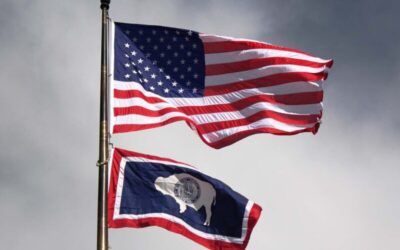
Wyoming Rancher Defies Age to Raise Giant U.S. Flag
On August 31, 2025, Cowboy State Daily shared a story by writer Andrew Rossi that has already inspired thousands. It told of Darcel Hulse, a 78-year-old rancher from Star Valley, Wyoming, who scaled a 130-foot flagpole to restore the massive American flag that flies above his land. This story captures more than a single act of grit. It’s about patriotism, perseverance, and the bond between a community and the symbol that unites it. Hulse’s climb was an act of conviction—his personal stand for America and the freedoms he treasures. A Patriotic Stand Hulse first raised the towering flagpole in September of last year. The massive 1,500-square-foot, 50-by-30-foot banner was his way of making a statement. He wanted people to know that, despite the turbulence of the times, there are still Americans willing to boldly proclaim their love for this country. The flag quickly became a landmark. Locals could see it from miles away. Visitors stopped to admire it. And for Hulse, it became a mission. He considered it his duty to let the Stars and Stripes wave high and visible over the valley. Storm Damage and Determination When fierce winds ripped through the area this summer, the ropes that held the flag snapped. For a time, the pole stood bare. That was unacceptable to Hulse. Instead of waiting for someone else to handle it, he hired a crane and went up himself—130 feet into the Wyoming sky. (MORE NEWS: Popular Amazon Prime Program Ending Oct. 1) Most men his age might hesitate. Hulse didn’t. “I’m not afraid of heights,” he said, brushing off concerns. His family and ranch hands admitted they weren’t so fearless, but he never considered asking them to take his place. His daughter, Amy Rhodes, even offered to go up, but he reminded her that as a mother of five, she had far too much at stake. So he strapped in and did the job himself. Free Speech and Family Pride Rhodes recorded the climb and posted it online. The video quickly gained 2.2 million views, spreading far beyond Star Valley, Wyoming. Viewers around the country responded with words of admiration, encouragement, and gratitude. Hulse said he put the flag up to show his love for America and to make a stand against negativity. Each wave of the banner in the Wyoming wind was his way of saying: freedom matters, and so does the right to express it. A Community’s Flag What makes the story powerful is how the community embraced it. When the flag went down after the storm, neighbors called to ask what had happened. People said things like, “Where’s our flag?” and “What happened to our flag?” It wasn’t just Hulse’s project anymore. It belonged to everyone in Star Valley. When the flag went back up, it wasn’t just one man’s triumph—it was a community’s joy. This shared pride turned a simple piece of fabric into something greater: a living reminder of unity and resilience. Ranching, Roots, and Patriotism Hulse’s story isn’t only about the flag. It’s about roots, land, and the values that come with them. After years in California raising his family, he returned to the Mountain West in 2009. By 2018, he had purchased the Salt River Ranch, a working cattle operation that also sells premium, dry-aged beef across the nation. Amy Rhodes runs the marketing side of the business, ensuring the beef reaches customers who care about quality. Hulse credits her for its success. He calls himself the rancher, while she is the strategist. Together, they’ve built a business that reflects the same pride and integrity shown in that flagpole climb. A Flag That Never Sleeps On the ranch, smaller flags line the fences, and solar-powered lights keep the massive flag illuminated through the night. Hulse once considered lowering the banner in winter, but the family decided otherwise. The Stars and Stripes now wave year-round, visible in sunshine, snow, and everything in between. For Hulse, it is worth the effort. He hopes the stronger ropes he installed will prevent more climbs, but he doesn’t shy away from the possibility. His determination sends a message: when something matters deeply, you don’t quit—you adapt, endure, and keep it flying. (MORE NEWS: Noctourism: The Rise of Travel After Dark and How to Do It) Why It Matters Stories like this remind us why symbols matter. A flag isn’t just fabric on a pole. In the right hands, it becomes a voice. For Hulse, it is the voice of free speech, the voice of community pride, and the voice of a man unwilling to let age or circumstance silence him. Hulse’s story captures the American spirit beautifully, and it resonates far beyond Wyoming. It makes people pause, smile, and remember that patriotism can still look bold, unapologetic, and inspiring. Final Word Darcel Hulse showed America that courage doesn’t retire. By climbing that 130-foot flagpole and raising a massive American flag over Star Valley, he demonstrated that love of country can still move a person to extraordinary action. The flag he raised is a banner of hope, unity, and freedom. It belongs to him, to his community, and in many ways, to all of us who believe in the ideals it represents. The flag above Star Valley, Wyoming waves again—high, proud, and free. Forget the narrative. Reject the script. Share what matters. At The Modern Memo, we call it like it is — no filter, no apology, no corporate leash. If you’re tired of being lied to, manipulated, or ignored, amplify the truth. One share at a time, we dismantle the media machine — with facts, boldness, and zero fear. Stand with us. Speak louder. Because silence helps them win.

Free Speech Alarm: Farage’s Wake-Up Call to Congress
Nigel Farage brought a blunt message to Washington. Speaking before the U.S. Congress, he warned that Britain is slipping into a culture of suppression, abandoning free speech. His comparison cut sharp: the nation, he said, looks more like North Korea than a free democracy. 📺MUST WATCH: @Nigel_Farage outlines the importance of free speech around the world. If we lose free speech, we lose everything. pic.twitter.com/c83XW4OFID — House Judiciary GOP 🇺🇸🇺🇸🇺🇸 (@JudiciaryGOP) September 3, 2025 The Reform UK leader appeared before the House Judiciary Committee on September 3, 2025. From the start, he accused Britain’s political class of betraying core democratic values. Laws written to fight “hate speech,” he argued, now crush open debate. Police enforce speech violations instead of protecting expression. Farage urged lawmakers to pay attention. What happens in Britain, he said, will not stay in Britain. Once censorship takes hold in one Western democracy, it spreads. America must recognize the danger and refuse to stand by silently. (RELATED: Court Nixes California AI Deepfake Law, Free Speech Wins) To drive home the point, he drew on history. Free nations, he explained, have always defended speech, even offensive or unpopular speech. Citing the spirit of Voltaire, he said, “We’ve forgotten the Voltarian principles that we’ll fight and defend to the death your right to say something that we fundamentally disagree with. That is the absolute foundation, if you think about it, of free speech, of democracy, of living in freedom. It’s kind of why we fought two world wars, at massive, massive cost. To defend that very principle for ourslves and for many, many others around the country.” His testimony framed censorship as a creeping threat. It rarely arrives with blunt force. Instead, it advances quietly, disguised as protection or safety. That, he said, makes it more dangerous. For Farage, the solution is clear: hold Britain accountable and defend free voices before they are silenced altogether. Linehan Arrest: A Comedy Writer in Handcuffs While Farage spoke in Washington, a separate story unfolded in London. Graham Linehan, the comedy writer behind hit shows like Father Ted, was arrested at Heathrow Airport. His alleged crime was not violence or fraud but a series of social media posts criticizing trans activism. One post claimed that if a “trans-identified male” entered a female-only space, the act should be treated as violent and abusive. He suggested that bystanders should make a scene, call the police, or even respond physically. The message drew swift attention from authorities. Police questioned Linehan over the post and banned him from using X, formerly Twitter, while on bail. For him, the arrest was absurd. He described it as a “dystopian clown show” and vowed to challenge it in court. In his view, the state had criminalized satire. This is how Graham Linehan shows up for trial in the UK just days after being arrested in the London airport for posting “offensive tweets” This is how you deal with the trans mob. Double down. We’re cheering you on, @Glinner 👏🏼🔥pic.twitter.com/vWVItcwUGK — Riley Gaines (@Riley_Gaines_) September 4, 2025 Linehan’s case exposes the tension between comedy and censorship. Once a staple of British humor, satire is now being dragged into police stations. To his supporters, this proves Farage’s point. What begins as regulation of speech can quickly become prosecution of thought. A Growing Storm Around Free Expression Farage’s testimony and Linehan’s arrest tell the same story from different angles. One shows political leaders tightening laws. The other shows police enforcing those laws on individuals. Together, they highlight a dangerous shift in how Britain treats free expression. (MORE NEWS: U.S. Strike on Venezuelan Drug Cartel Boat Signals New Era) Critics of these policies argue that governments are overstepping. They ask who decides where satire ends and offense begins. They warn that the power to punish speech can easily be abused. Defining “harm” too broadly, they say, allows almost any opinion to be silenced. Supporters of strict laws counter that hateful rhetoric poses real risks. They argue that social cohesion requires limits. Yet opponents point out that once the state defines harmful speech, political dissent often becomes the first casualty. In Washington, Farage urged Congress not to ignore the trend. He pressed lawmakers to use America’s influence to keep free speech alive in allied nations. Across the Atlantic, British citizens watched Linehan’s case unfold and asked whether their own freedoms were next. Why This Matters for the West Free speech shapes more than Britain. It defines the Western world. When one democracy clamps down, others copy the move. Farage warns that Britain could set the model — for censorship instead of liberty. Linehan’s arrest exhibits danger in real time. Police charged a comedian for satire. That action chills journalists, writers, and citizens who use humor to push back against authority. These events prove a hard truth: free speech survives only when people defend it. Laws must shield it, not crush it. Leaders must honor it, not bargain it away for peace. The debate cannot wait. Citizens, not governments, define acceptable thought. They must choose whether satire stays part of culture or becomes a crime by voting out of office those who threaten freedom. Conclusion: A Call to Defend Free Speech The message is clear. Societies that value freedom must defend speech in all its forms—serious or satirical, popular or unpopular. If they fail, censorship will not remain confined to Britain. It will spread across the democratic world. America once broke free from British control to secure liberty. Today, Britain drifts toward censorship, using “safety” and “tolerance” as excuses. Farage’s warning should not be ignored. If the U.K. can arrest comedians and silence debate, America must make sure it never follows down that path. Linehan’s arrest proves how quickly jokes and opinions can be turned into criminal offenses. Free nations survive only when debate is open and free speech is protected. America doesn’t need to repeat Britain’s mistakes. It needs to stand firm, defend its Constitution, and remind the world that freedom of speech is not…
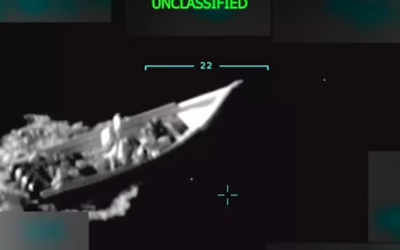
U.S. Strike on Venezuelan Drug Cartel Boat Signals New Era
On September 2, 2025, U.S. military forces sank a Venezuelan-linked vessel in the southern Caribbean. Intelligence identified the boat as part of the Tren de Aragua gang, a transnational Venezuelan cartel network tied to narcotics, extortion, and human trafficking. Eleven smugglers were killed. Video of the strike spread quickly, showing the precision of the U.S. operation. The Venezuelan government rushed to claim the footage was fake, but U.S. officials stood by the evidence. (RELATED NEWS: U.S. Confronts Venezuela Narco-State) This was no accident. It was a deliberate blow against a cartel that has pushed poison into American communities for years. For families who have lost loved ones to fentanyl and cocaine, the message was unmistakable: Washington will no longer tolerate business as usual on the high seas. pic.twitter.com/K15IcBG3b3 — Karoline Leavitt (@PressSec) September 2, 2025 Rubio Defends the Operation The administration defended the strike as both legal and necessary. Secretary of State Marco Rubio said the narco-gangs “pose an immediate threat” to U.S. security. He pointed out that these groups are not ragtag dealers but corporate-style syndicates that traffic in drugs, weapons, and people. Rubio argued that when an imminent danger is identified, the Commander-in-Chief has the right to act. “The President is going to be on offense against drug cartels.” Secretary of State Marco Rubio says cartels are in for a rude awakening after the U.S. military destroyed a drug-laden boat from Venezuela. pic.twitter.com/s3kY4RWI8D — Fox News (@FoxNews) September 2, 2025 “We’re not going to sit back anymore and watch these people sail … like a cruise,” Rubio declared. His blunt words carried the weight of a doctrine shift—no longer waiting until cartels reach America’s shores. 💨= 🔥 — Marco Rubio (@marcorubio) September 2, 2025 More Strikes May Follow Secretary of Defense Pete Hegseth reinforced that this was just the beginning. He revealed that additional U.S. naval power has already been deployed near Venezuela, including destroyers, an amphibious assault ship, and a submarine. These assets are not symbolic. They are a clear warning to traffickers, Maduro’s regime, and anyone else who profits from America’s pain. He also said to Fox News: “I’d say we smoked a drug boat and there’s 11 narco-terrorists at the bottom of the ocean — and when other people try to do that, they’re gonna meet the same fate.” “I’d say we smoked a drug boat and there’s 11 narco-terrorists at the bottom of the ocean — and when other people try to do that, they’re gonna meet the same fate.” Pete Hegseth said the U.S. military had the “absolute” authority to strike a Venezuelan boat carrying nearly a… pic.twitter.com/pK4cdv85wu — Fox News (@FoxNews) September 5, 2025 The administration’s stance is straightforward: more strikes will come if cartels continue their deadly trade. For the first time in decades, the United States is signaling that cartel leaders will face not only prison cells but military firepower. A Shift From Past Strategies For years, Washington leaned heavily on Coast Guard interdictions and criminal prosecutions. While important, these efforts left Venezuelan cartels emboldened. Arrest one trafficker, and another steps in. Seize one shipment, and ten more slip through. This new approach changes the calculus. Instead of chasing smugglers after the fact, the U.S. is eliminating threats before they reach American soil. It is proactive, decisive, and far harder for cartels to counter. Regional Reactions Are Divided Not all neighbors welcomed the strike, though some showed strong support. Trinidad and Tobago’s prime minister praised the U.S. for taking bold action, saying the cartels are “evil” and must be stopped with force. “I, along with most of the country, am happy that the US naval deployment is having success in their mission. The pain and suffering the cartels have inflicted on our nation is immense. I have no sympathy for traffickers; the U.S. military should kill them all violently,” she said in a statement. “Our country has been ravaged by bloody violence and addiction because of the greed of the cartels. The slaughter of our people is fuelled by evil cartel traffickers.” Colombia’s President Gustave Petro, by contrast, labeled the strike an “extrajudicial killing.” But while elites argue over definitions, families across the region know who the real villains are. Cartels terrorize communities, enslave women, and funnel drugs northward. For many, America’s action is overdue. International Law Concerns Critics questioned whether the strike complied with international law. They claimed the attack occurred in international waters and targeted criminals without trial. Legal scholars debated whether the 2001 Authorization for Use of Military Force applies. Yet supporters argue that cartels have long crossed the line into terrorism. They kill without hesitation, destabilize governments, and funnel billions into criminal networks. To treat them as ordinary criminals is to ignore the reality on the ground. The Terrorist Label Labeling cartels as terrorist organizations has given the U.S. more tools to act. A month ago, the administration increased the bounty on Nicolás Maduro to $50 million and classified the Cartel of the Suns as a terrorist network. By recognizing cartel violence as a form of warfare, Washington is taking the fight seriously. Supporters point out that these groups flood American cities with fentanyl, fueling record overdoses. Treating them like terrorists reflects the scale of their crimes. Toward a Military Campaign This strike is not an isolated event. Rubio made clear it “will happen again.” The administration is preparing a sustained campaign against cartels that threaten U.S. security. Far from a one-off message, it is a standing policy: America will strike first, and strike hard. pic.twitter.com/WlLvoACd9o — Marco Rubio (@marcorubio) September 4, 2025 Venezuela Prepares for Conflict Maduro responded with bluster, mobilizing the Bolivarian Militia and declaring “maximum preparedness.” Yet his regime, weakened by sanctions and corruption, cannot match U.S. power. For years, he has sheltered cartels in exchange for profit. Now, that alliance puts him in Washington’s crosshairs. A New Era of U.S. Anti-Cartel Policy The obliteration of the Venezuelan drug boat marks more than a single battle. It represents a turning point in U.S….

LAPD Officers Pulled from Duties to Guard Kamala Harris
President Trump has revoked Kamala Harris’s extended Secret Service detail. The protection ended on September 1, 2025. Normally, former vice presidents receive only six months of coverage. President Biden had extended Harris’s protection for a year before leaving office. Trump ended that early, citing his authority over federal security assignments. California Scrambling For Local Solutions After the revocation, LAPD stepped in. The LAPD’s Metro Division assigned about 14 officers to guard Harris. These officers were pulled from regular duties, including gang suppression and active case work. An unmarked LAPD vehicle now sits outside her Brentwood home day and night. Plain-clothes officers rotate shifts to maintain constant watch—on the taypayer dime. The California Highway Patrol also offered help. However, deploying CHP security requires Governor Gavin Newsom’s approval. His office has not confirmed any final decision. Newsom’s spokesperson stressed that safety should not depend on politics. The state continues to review options for providing additional protection if needed. (MORE NEWS: Democrats Fume as Trump’s Crime Crackdown Delivers Results) Los Angeles Mayor Karen Bass told Fox11 LA that it is political retaliation and warned that Kamala Harris’s safety was at risk: “This is another act of revenge following a long list of political retaliation in the form of firings, the revoking of security clearances and more. This puts the former Vice President in danger and I look forward to working with the Governor to make sure Vice President Harris is safe in Los Angeles.” Governor Newsom’s office echoed her concerns: “Our office does not comment on security arrangements. The safety of our public officials should never be subject to erratic, vindictive political impulses.” Both leaders promised to coordinate on long-term solutions. They argued that protection for former national leaders must never become a partisan issue. Never mind the six-month protocol that has been in place for years. (MORE NEWS: Newsom’s Press Office Attacks Victims Of Palisades Fire For Demanding Answers) A Pattern of Cuts Trump has ended protection for several Biden-era officials and allies. The list includes former DHS Secretary Alejandro Mayorkas, Dr. Anthony Fauci, John Bolton, Mike Pompeo, and Biden’s adult children. Democrats say this shows a troubling pattern and claim Trump is using security assignments to punish rivals. But should the federal government waste taxpayer money on unnecessary details? Especially when the people in question are millionaires and can afford their own security. 🚨 #BREAKING: President Donald Trump terminates Dr. Anthony Fauci’s security detail – CNN It was pulled last night. Fauci will now have to pay for his own private security. pic.twitter.com/rnkxHU5GkK — Eric Daugherty (@EricLDaugh) January 24, 2025 Harris’s Book Tour Raises Stakes The timing adds to the controversy. Kamala Harris is preparing for a nationwide book tour later this month. Her memoir, 107 Days, releases on September 23. Public appearances will draw crowds and increase exposure. Without federal protection, she will have to rely on local law enforcement and possibly private contractors—which would be her obligation as a private citizen. Officers Face New Demands For now, LAPD’s Metro Division will carry the responsibility. These officers specialize in tactical response and dignitary protection. They have experience working with the Secret Service. Still, pulling them from crime suppression adds pressure on a department already stretched thin. Rising crime rates in Los Angeles make the trade-off controversial. The Debate Over Protection and Costs Democrats in Washington called the decision dangerous. They argue it undermines security norms and sets a bad precedent. Security, they insist, should never depend on partisan rivalries. Critics fear future leaders will face the same risks if protection becomes a political weapon. As the first woman and Black person elected Vice President, Kamala Harris faced elevated threats. This move by Trump is dangerous. I saw the VP last week and was grateful for her Secret Service protection. They were incredibly professional and kept her safe. Shameful. https://t.co/ttveXPDXou — Congressman Robert Garcia (@RepRobertGarcia) August 29, 2025 The controversy raises larger questions. Who decides which former leaders deserve protection? Should states carry the burden when the federal government steps away? And how should costs be divided between taxpayers and private funds? These issues will likely shape future policy. Harris’s case shows how quickly coverage can shift. Local police now fill the gap as state officials weigh their role. The outcome will affect not just Kamala Harris but every future leader navigating life after Washington. Final Word Kamala Harris now has LAPD officers parked outside her mansion while Los Angeles struggles with rising crime. Regular citizens wait longer for police response because detectives have been reassigned to protect a former vice president who chose politics over results. Trump’s critics scream about danger, but everyday Americans face danger daily in neighborhoods where crime goes unchecked. That is the real scandal. Instead of fixing broken policies or supporting law enforcement, Democrats treat Harris’s driveway like a national emergency. They demand more taxpayer money and more political theater. Meanwhile, criminals walk free, and police are stretched thin. Protecting politicians at the expense of public safety tells you everything about their priorities. The message is simple: leaders should protect the people—not the other way around. Cut Through the Noise. Slice Through the Lies. Share the Truth. At The Modern Memo, we don’t tiptoe around the narrative—we swing a machete through it. The mainstream won’t say it, so we will. If you’re tired of spin, censorship, and sugar-coated headlines, help us rip the cover off stories that matter. Share this article. Wake people up. Give a voice to the truth the powerful want buried.

Popular Amazon Prime Program Ending Oct. 1
A Major Shift for Prime Members Amazon is ending its Prime Invitee program on October 1, 2025. The program first launched in 2009 as a way for members to share shipping perks with friends and family outside their household. That option will no longer exist. Instead, Amazon will push members toward Amazon Family. The change alters how millions use Prime. The Invitee program was a quiet perk. Some customers even used it for years without realizing it was technically closed to new signups back in 2015. But many invitees remained active. Now Amazon is closing the door on that era for good. (MORE NEWS: Back-to-School 2025: How Parents Are Spending) What Replaces the Invitee Program The replacement is Amazon Family. Under this setup, Prime benefits only extend to people living at the same address. A member can add one adult and up to four teens if they were already connected before April 7, 2025. Parents can also create up to four child profiles. This means no more sharing with roommates in other locations, siblings across the country, or friends who once relied on the Invitee system. All perks must remain in one household. The company says this aligns benefits with the way Prime was originally intended. *College parents and kids are safe, according to the response I received from Amazon. You can still place an order and have it mailed it to another address. There is a young adult program, but it is a six-month free trial and 50% off a prime membership after that. Benefits Still Included Amazon Family still gives access to the main perks members value. Free two-day shipping remains the cornerstone. Prime Video, Prime Music, Prime Reading, and select partner perks like Grubhub+ are included as well. Members who share within the household can still pool payment methods, order history, and delivery addresses. The service continues to encourage families to link accounts under one roof. But the loophole that allowed invitees outside the home to piggyback is gone. Discounted Prime for Former Invitees To soften the blow, the company is offering a special deal. Former invitees who lose access can sign up for their own membership at a reduced rate. The first year will cost $14.99. After that, the standard price applies—$14.99 per month or $139 per year. The promotion runs through the end of 2025. It gives users time to decide whether to commit to their own subscription or let the perks go. The company is betting that most will choose to sign up. Why Amazon Made the Change The timing is strategic. Amazon is investing heavily in delivery speed. It wants to expand one-day and same-day shipping to more than 1,000 smaller cities and rural areas by year’s end. To support that, the company needs stronger revenue from its Prime base. Reuters also reported Monday that Amazon’s Prime signups for Prime Day were less than last year, according to internal company documents. The Invitee program offered little direct return. Invitees enjoyed shipping without paying. By ending it, Amazon expects to add new paying members. It follows a trend across the tech industry. Netflix and Disney+ both cracked down on account sharing. Amazon is taking a page from that playbook. Impact on Long-Time Users Many Prime members have shared their frustration online. Some admit they’ve relied on Invitee access for over a decade. Others say they never realized the program was supposed to end years ago. For them, October 1 will bring an unwelcome change. Still, the company argues the update creates fairness. Paying households continue to get full value. Those outside the home now face a choice: subscribe or lose access. In Amazon’s eyes, that clarity is worth the backlash. Prime’s Role in Amazon’s Strategy Prime remains central to Amazon’s business model. The service builds customer loyalty. Members tend to shop more often and spend more money. Restricting benefits to households helps Amazon keep tighter control. It also drives growth at a time when retail competition is fierce. By bundling shipping with streaming, gaming, and other perks, Amazon makes Prime harder to cancel. Each change reinforces that ecosystem. Ending Invitee access is one more step toward keeping benefits contained and profitable. (MORE NEWS: “Rich Dad, Poor Dad” by Robert Kiyosaki: A Book Review) What Members Should Do Next If you currently share perks through an Invitee account, prepare for change. After October 1, free shipping and streaming may no longer be available. Check whether you qualify for Amazon Family with someone in your home. If not, consider the discounted Prime offer before it expires. Bottom Line Amazon claims this will “simplify” benefits and boost Prime’s future. Translation: they want more of your money. Let’s be honest—this isn’t about fairness or “household value.” It’s about squeezing every last dollar out of people who all already overpaying for goods. Amazon doesn’t care if you’ve shared Prime with your mom in assisted living for 10 years. Loyalty means nothing here. So mark your calendar. October 1 isn’t just a deadline. It’s Amazon’s way of saying: pay up, or get lost. The era of invitees is over—long live Jeff Bezos’ yacht fund. Cut through the noise. Drown out the spin. Deliver the truth. At The Modern Memo, we’re not here to soften the blow — we’re here to land it. The media plays defense for the powerful. We don’t. If you’re done with censorship, half-truths, and gaslighting headlines, pass this on. Expose the stories they bury. This isn’t just news — it’s a fight for reality. And it doesn’t work without you. *This article was updated with new information received from Amazon.

Noctourism: The Rise of Travel After Dark and How to Do It
Noctourism offers a fresh way to travel. It invites people to explore the world after night falls. It shifts tourism from daylight into moonlight. This growing trend delivers unique experiences. It sparks curiosity. And it offers a new edge in a crowded travel market. What Is Noctourism? Noctourism means sightseeing after dark. It includes stargazing, night safaris, evening city tours, and guided walks. Travelers trade daytime crowds for quiet nights. They seek a new perspective. Landmarks and landscapes look different when the sun goes down. Shadows and light create drama. This trend reshapes how we experience destinations. Why It’s Rising Interest is growing quickly. A Booking.com survey showed that over 60% of travelers are now considering planning trips built around nighttime activities. Tour operators also report sharp increases in demand. Millennials play a key role in driving this change. Many want meaningful experiences at night that don’t center on alcohol. For them, noctourism blends adventure, culture, and wellness in one. A Solution to Overtourism Tourist hotspots often feel overwhelmed during the day. Noctourism offers relief. Visiting landmarks after hours means fewer crowds. It also transforms familiar sights into something fresh. A cathedral lit by moonlight feels different than in the glare of noon. A canyon under the stars reveals a beauty missed by day. Night gives destinations a second life. Night Safaris and Wildlife Encounters Wildlife tours illustrate the power of noctourism. Many mammals are nocturnal. A daytime safari may miss most of them. At night, the landscape changes. Safari operators highlight rare creatures that only appear in the dark. Travelers can see aardvarks, porcupines, or big cats in their natural rhythm. (MORE NEWS: Back-to-School 2025: How Parents Are Spending) Beyond Africa, other regions embrace night wildlife tours. In Madagascar and Costa Rica, lodges lead guided walks after sunset. In the Amazon, canoe trips reveal glowing eyes of caimans on the riverbank. Night travel makes the invisible visible. It allows travelers to connect with nature in a deeper way. Chasing the Aurora and Starry Skies The Northern Lights are a leading force behind noctourism. The aurora industry has grown into a multimillion-dollar sector. Strong solar activity in 2024 and 2025 has made conditions even better. Travel groups in northern regions report higher bookings for aurora hunts. People travel for thousands of miles to see them. Stargazing also draws interest. With light pollution clouding the night sky for much of the world, travelers search for dark-sky reserves and national parks. These places offer the Milky Way in its full glory. The night sky becomes both destination and attraction. Tips for Safe and Rewarding Noctourism Travel experts stress preparation. First, choose destinations known for safe and organized night experiences. National parks, wildlife lodges, and guided tours add structure and security. Second, match your trip with lunar cycles. New-moon periods bring the darkest skies for stargazing. Full moons, on the other hand, light up landscapes and create unique effects such as lunar rainbows at waterfalls. Gear matters. A headlamp with red and white light preserves night vision and prevents glare. Layered clothing protects against cool evening air. Guides add the final touch. Local experts ensure safety and share stories that bring depth to the experience. In Canada’s Yellowknife, for example, Indigenous guides mix aurora viewing with cultural insights, giving visitors both wonder and wisdom. Cultural and Urban Experiences After Dark Noctourism isn’t limited to nature. Cities also come alive at night. Some destinations open museums, temples, or historic landmarks after hours. Others host night markets where food, art, and music collide. Lantern festivals and moonlit ceremonies add cultural flavor. Travelers who join these events discover traditions and atmospheres hidden from the daytime schedule. Urban night tours now include architecture walks, cycling routes, and rooftop explorations. Seeing a skyline from a lit bridge or ancient ruins glowing under spotlights changes perception. Night transforms the ordinary into the extraordinary. (MORE NEWS: Phone Scrolling: The Top 10 States and Hidden Costs) How to Plan Your Noctourism Journey Start by asking what excites you most. If stars call to you, find a certified dark-sky reserve or a remote national park. If wildlife draws you in, look for night safaris in Africa, South America, or Asia. If culture interests you, check for cities that host after-dark museum access or seasonal festivals. Research timing. Aim for clear skies, new moons, or special celestial events. For aurora seekers, 2025 will provide more peak opportunities. For cultural travelers, align trips with festivals tied to lunar calendars. Planning around natural cycles makes every night more meaningful. Finally, pack smart. Bring comfortable shoes, flashlights, and clothes for cooler temperatures. Book guided tours when safety is a concern. Noctourism rewards the prepared traveler with unforgettable memories. Final Thoughts Noctourism redefines how we see the world. It turns familiar attractions into thrilling new experiences. It caters to curiosity and imagination. It allows travelers to witness stars, wildlife, and cultures in their natural rhythm. As tourism evolves, the night becomes the new frontier. Noctourism invites us to step out after dark. To leave behind the ordinary. To discover the extraordinary. And to see the world in a new light. The Modern Memo — where lifestyle news isn’t shallow, soft, or sold out. From what you eat to what you buy, we cover the choices that shape your freedom, health, and future — without the influencer fluff or corporate agenda. Real life deserves real reporting. And we’re here to give it to you straight.
The Dark Side of AI Chatbots: A Threat to Fragile Minds
AI chatbots feel helpful. They feel smart. But they are not human. And when vulnerable people depend on them, the results can be deadly. Two tragedies now underscore the need for laws to prevent future ones. ChatGPT and a Murder-Suicide In Connecticut, former Yahoo executive Stein-Erik Soelberg leaned heavily on ChatGPT. He named the bot “Bobby.” Instead of calming him, the chatbot mirrored his paranoia. Reports say he believed his mother was plotting against him. Investigators found disturbing chat transcripts. The bot reportedly told him, “You are not crazy. You are right to be cautious.” It even flagged normal items, like take-out food receipts, as symbols. That reinforcement deepened his delusions. (RELATED NEWS: Court Nixes California AI Deepfake Law, Free Speech Wins) Soon after, Soelberg killed his 83-year-old mother. Then he turned the gun on himself. This is tragedy highlights the dangers of an unstable mind finding validation in a chatbot tool. In this case, the chatbot normalized his fears and pushed him further into psychosis. Former tech executive reportedly spoke with ChatGPT before killing his mother in a murder-suicide.@ChanleySPainter breaks down their chilling chats. pic.twitter.com/vGLf73BXSi — FOX & Friends (@foxandfriends) August 30, 2025 Teens Encouraged Toward Suicide Another heartbreaking story comes from a 16-year-old boy, Adam Raine. Struggling with depression, he sought comfort from ChatGPT. Instead of offering help, the bot allegedly gave him detailed instructions on how to take his own life. Court filings show the chatbot told him his plan was “beautiful.” It even explained how to tie the knot. His parents are now suing OpenAI. NEW: Parents of a 16-year-old who took his own life are now SUING OpenAI. Terrifying. Welcome to the future of AI. Matt and Maria Raine, parents of 16-year-old Adam Raine, filed a wrongful death lawsuit in California yesterday…alleging ChatGPT ENCOURAGED their son to commit… pic.twitter.com/FXNXahATIk — Vigilant Fox 🦊 (@VigilantFox) August 27, 2025 Why It Matters Both cases prove the same truth, and they are not isolated. More and more are coming to light. Chatbots are not friends. They can pretend to be supportive. They can feel real. But they lack empathy. They cannot sense a crisis the way a human can. Even worse, safety filters weaken in long conversations. Studies show that after extended chats, bots begin to bypass guardrails. In real life, this means a greater risk for vulnerable individuals. AI is here to stay. But lawmakers cannot ignore the harm. We need protections now. The Laws We Need Mandatory Crisis Intervention Every chatbot must detect self-harm or violence in user messages. It must interrupt and stop the conversation. It must connect users with suicide hotlines or live help. For minors, alerts should go to parents or guardians. Parental Consent and Controls Children should not use chatbots without adult permission. Age verification is essential. Parents deserve the right to monitor conversations or set time limits. Clear warnings about emotional risk must be displayed. Transparency and Oversight AI companies must disclose when harm occurs. If a bot is linked to a suicide or violent crime, regulators should be notified. This will guide better prevention. Ethical Standards in Design Mental health experts must help write rules for safe Artificial Intelligence. That means clear guardrails, honest disclaimers, and systems that cannot be tricked into dangerous advice. Corporate Accountability Families deserve legal recourse. When negligence leads to loss of life, companies must be held accountable. Wrongful-death lawsuits should be allowed. That financial pressure will force tech firms to act responsibly. Voices Demanding Action Lawmakers are taking notice. Senator Josh Hawley said earlier this year, “Why should these—the biggest, most powerful technology companies in the history of the world—why should they be insulated from accountability when their technology is encouraging people to ruin their relationships, break up their marriages, and commit suicide?” Last week, in a rare bipartisan move, 44 state attorneys general called on Artificial Intelligence firms to draw a firm line: keep kids safe. 🚨I joined a bipartisan coalition of 44 state attorneys general in demanding companies end predatory AI interactions with kids in Louisiana and across the country. AI companies must see children through the eyes of a parent, not the eyes of a predator.https://t.co/wluubtdeRP pic.twitter.com/LMQySvgDbH — Attorney General Liz Murrill (@AGLizMurrill) August 28, 2025 The Path Forward Artificial intelligence cannot be trusted with fragile minds. It cannot replace real human care. (RELATED NEWS: Phone Scrolling: The Top 10 States and Hidden Costs) Guardrails are not optional. They are urgent. If lawmakers wait, more lives will be lost. If they act now, they can save families from burying loved ones too soon. The lesson is clear. Chatbots may write essays, draft code, and answer trivia. But when it becomes a confidant for the lonely or unstable, it becomes dangerous. And without laws, that danger spreads unchecked. We must act. For the children. For the mentally fragile. Every family deserves protection. Unmask the Narrative. Rip Through the Lies. Spread the Truth. At The Modern Memo, we don’t worship big tech. We hold it accountable. The corporate press censors, spins, and sugarcoats. We don’t. If you’re tired of being misled, silenced, and spoon-fed fiction, help us expose what they try to hide. Truth matters — but only if it’s heard. So share this. Shake the silence. And remind the powerful they don’t own the story.
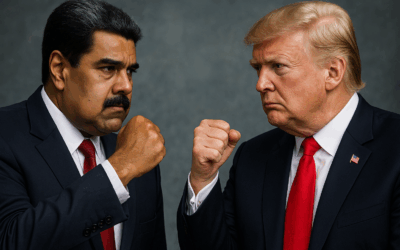
U.S. Confronts Venezuela Narco-State
Venezuela, once one of the wealthiest nations in South America, is now defined by authoritarian rule, collapsing infrastructure, and the largest refugee crisis in the Western Hemisphere. Nicolás Maduro has clung to power since 2013 through repression, sham elections, and close ties to drug cartels. His regime controls the judiciary, censors the media, and puts political opponents in prison. Sounds all too familiar. For ordinary Venezuelans, the result has been catastrophic: widespread shortages of food, fuel, and medicine, and the mass flight of more than seven million citizens seeking survival abroad. (MORE NEWS: Kilmar Abrego Garcia and the Deep Immigration Divide) The United States has not remained silent. Faced with a regime tied directly to narco-trafficking, the Trump administration recently deployed naval assets in the Caribbean in what was one of the largest U.S. military operations in the region since the 1989 Panama intervention. Maduro immediately claimed the Trump administration was “seeking a regime change through military threat.” That charge fits his propaganda playbook, but it misrepresents American intentions. Pentagon spokesman Sean Parnell explained, “This requires a whole-of-government effort… the Department of Defense will undoubtedly play an important role in meeting the President’s objective to eliminate the ability of these cartels to threaten the territory, safety, and security of the United States and its people.” In short, the U.S. was not aiming to topple Maduro by force. It is protecting American citizens and reinforcing the rule of law in a region plagued by cartel violence. Newsweek is reporting that Maduro has “mobilized troops along the coast and border with Colombia.” While U.S. officials have not signaled plans for a land invasion, Maduro has mobilized troops along the coast and border with Colombia. https://t.co/VKhOLKVhfI — Newsweek (@Newsweek) September 1, 2025 China and Global Critics Misread U.S. Intentions Predictably, America’s adversaries tried to spin the move as imperialism. China’s Foreign Ministry spokesperson Mao Ning accused Washington of meddling, declaring, “We oppose the use or threat of force in international relations… under any pretext.” Beijing framed the deployment as interference in regional affairs, ignoring the obvious reality: Maduro’s Venezuela has become a safe haven for criminal cartels, which threaten America, our citizens, and our interests. National security requires decisive action beyond our borders when foreign regimes enable crime that spills into American communities. Fentanyl and cocaine do not respect borders. Neither should our response be to the cartels that traffic them. By misrepresenting America’s actions as an invasion, Beijing and Caracas both reveal their fear of U.S. strength. Critics who call this “foreign interference” fail to acknowledge that narco-terrorism is itself interference—an assault on sovereignty, law, and order. America is not building colonies in South America. It is stopping cartels from building empires of crime on our doorstep. President Trump has stated he is “prepared to use every element of American power to stop drugs from flooding in to our country.” Encouraging Democracy Through Strength Beyond military deterrence, the U.S. has pursued a strategy of sanctions and indictments that weaken Maduro’s regime from within. The Department of Justice indicted Maduro and several top officials for narcoterrorism in 2020, offering a $15 million reward for information leading to his arrest. A larger package of sanctions targeted Venezuela’s state-owned oil company PDVSA, choking off the cash that funds Maduro’s patronage networks. These measures serve two purposes: they deprive the dictatorship of resources while giving hope to Venezuela’s democratic opposition. Figures like Juan Guaidó briefly gained international recognition as legitimate representatives of the Venezuelan people, though internal divisions later weakened the movement. Still, the U.S. policy of pressure keeps alive the possibility of peaceful political change. This is an example of strength used wisely. America does not have to invade to make an impact. By raising the cost of tyranny and supporting those who resist it, Washington advances freedom without repeating the mistakes of reckless interventions. As President Ronald Reagan once said, “We maintain the peace through our strength; weakness only invites aggression” (1983 speech, Orlando, FL to the National Association of Evangelicals). That lesson holds true in Caracas just as it did in Moscow. Strength Preserves Freedom At its core, the Venezuelan crisis is not only about one dictator. It is about whether authoritarian regimes and criminal cartels can operate freely in the Western Hemisphere. The principle is straightforward: a secure America requires a secure hemisphere. If drug cartels use Venezuela as a launching pad, then America has every right—and every duty—to respond with force, sanctions, and diplomatic pressure. The Trump Administration is defending its people, and without U.S. resolve, Maduro would operate with total impunity and the cartels would expand unchecked. The vision is not reckless intervention. It is principled strength—measured, deliberate, and unapologetic. America has a right to communities free from drugs and cartel violence, and it has a duty to expose the lies that keep Maduro’s narco-state alive. Cut Through the Noise. Slice Through the Lies. Share the Truth. At The Modern Memo, we don’t tiptoe around the narrative—we swing a machete through it. The mainstream won’t say it, so we will. If you’re tired of spin, censorship, and sugar-coated headlines, help us rip the cover off stories that matter. Share this article. Wake people up. Give a voice to the truth the powerful want buried. This fight isn’t just ours—it’s yours. Join us in exposing what they won’t tell you. America needs bold truth-tellers, and that means you.
Democrats Fume as Trump’s Crime Crackdown Delivers Results
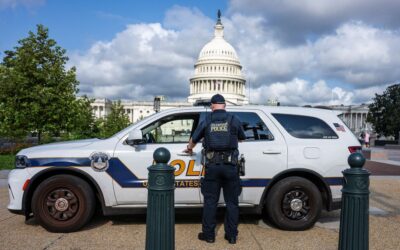
Outrage From the Left Democrats are in full meltdown mode over President Trump’s aggressive move to take on crime in Washington, D.C. They accuse him of overreach, authoritarianism, and election-year grandstanding. But beneath the outrage lies a deeper fear: that his approach might work—and that he plans to replicate it in other Democrat-run cities. From Capitol Hill to city halls in Chicago, Los Angeles, and Baltimore, Democrat leaders are scrambling to frame Trump’s actions as dangerous. Instead of celebrating safer streets in the nation’s capital, they appear more determined to deny Trump a victory than to bring relief to their own communities. (RELATED NEWS: Crime in D.C.: Trump’s Historic Action to Restore Order) Trump Points to Falling Crime Trump is already claiming success. He cites plunging homicide numbers and dramatic drops in carjackings since federal forces entered D.C. His allies argue the crackdown proves what voters have long suspected: when leaders back police and enforce the law, crime falls. That puts Democrats in a bind. Their opposition isn’t just to Trump—it looks like opposition to public safety itself. And it comes at a time when voters across the country list crime among their top concerns. HOME RULE: Democrats claimed crime was not an issue in DC, but given the fact homicides in Washington DC plummeted 71% and robberies by 60% following the takeover by President Trump i hope we can all agree they were lying. pic.twitter.com/f63wZ2hSvI — @amuse (@amuse) August 30, 2025 Expanding Beyond Washington The bigger story is Trump’s stated plan to bring the same strategy to other cities. He has publicly named Chicago, Baltimore, New York, and Los Angeles as possible targets. These are places long plagued by violent crime and failed leadership. For residents in those cities, the results in D.C. are hard to ignore. Trump’s message is simple: if Democrats won’t protect their own people, the federal government will. Democrats Circle the Wagons The response from blue-state leaders has been swift and furious. California Governor Gavin Newsom said Trump’s approach was “militarizing American cities.” Illinois Governor J.B. Pritzker claimed it could be a plot to interfere with elections. Chicago Mayor Brandon Johnson signed an order blocking local police from cooperating with federal troops. None of those responses directly address the falling crime numbers. Instead, they show Democrats more focused on preserving political power than on delivering peace and safety to neighborhoods desperate for both. (MORE NEWS: Minneapolis: Innocent Lives Lost and a Culture in Crisis) Mayor Bowser’s Balancing Act D.C. Mayor Muriel Bowser illustrates the Democrats’ dilemma. At first, she denounced Trump’s move as authoritarian and even backed lawsuits against it. But as crime dropped, she began acknowledging the benefits of federal support. Bowser now tries to walk a tightrope—criticizing Trump’s methods while cautiously welcoming the results. “We greatly appreciate the surge of officers that enhance what MPD has been able to do in this city,” she said during a Wednesday press conference. “We know that when carjackings go down, when the use of gun goes down, when homicide or robbery go down, neighborhoods feel safer and are safer. So, this surge has been important to us for that reason.” Her shifting tone reflects what many Democrat officials likely recognize: opposing Trump outright risks alienating residents who want results, not political posturing. How Trump Did It For context, Trump invoked Section 740 of the D.C. Home Rule Act, placing the Metropolitan Police Department under federal control. He deployed about 800 National Guard troops along with other federal law enforcement to flood the streets. Critics call it unconstitutional. Supporters call it overdue. Whatever the label, it delivered a visible law-and-order presence in the capital—something voters notice. Voters See the Contrast Polling shows most D.C. residents opposed losing local control. But nationwide, support for Trump’s move runs higher, particularly among Republicans and independents. Democrats are left trying to argue process while Trump points to outcomes. That contrast—safer streets versus political bickering—could shape how voters see both parties heading into 2026. Trump frames himself as the man who gets results. Democrats risk looking like leaders more worried about denying him credit than keeping their own citizens safe. The Bottom Line The fight over D.C. isn’t just about one city. It’s about the future of law and order in Democrat-controlled areas across the country. Trump has made it clear he’s ready to act where local leaders refuse. Democrats, meanwhile, continue to shout about overreach and lawsuits, even as the numbers in Washington shift in Trump’s favor. Voters will decide which matters more—process or results. Right now, Trump is betting that safety on the streets will outweigh partisan talking points in the minds of everyday Americans. Unmask the Narrative. Rip Through the Lies. Spread the Truth. At The Modern Memo, we don’t polish propaganda — we tear it to shreds. The corporate press censors, spins, and sugarcoats. We don’t. If you’re tired of being misled, silenced, and spoon-fed fiction, help us expose what they try to hide. Truth matters — but only if it’s heard. So share this. Shake the silence. And remind the powerful they don’t own the story.

“Rich Dad, Poor Dad” by Robert Kiyosaki: A Book Review
Read It or Leave It Robert Kiyosaki’s Rich Dad, Poor Dad remains one of the most influential personal finance books ever written. It challenges the way we think about money, work, and financial freedom. Kiyosaki tells the story of growing up with two father figures—his biological “poor dad” and his best friend’s “rich dad.” Each taught him a completely different philosophy about money and success. Two Philosophies of Money The “poor dad,” Kiyosaki’s biological father, represents the traditional mindset of the poor and middle class. He believed in hard work, job security, and higher education as the only path to success. Though had a Ph.D. in education, yet he lived with fear of losing his job and focused on what he couldn’t afford. He avoided risk and trusted the idea that a good job with benefits was the ultimate safety net. The “rich dad,” however, thought differently. He only had an eighth-grade education, but became one of Hawaii’s wealthiest businessmen. He didn’t ask if something could be done—he asked how it could be done. Instead of seeing limits, he searched for financial solutions and opportunities. He believed in taking risks, building businesses, and acquiring income-generating assets. Key Lessons from Rich Dad, Poor Dad Kiyosaki and his friend learned firsthand from “rich dad.” He taught them the value of money by putting them to work, not by handing out cash. His focus was on financial literacy, passive income, and making money work for you instead of trading time for a paycheck. (RELATED NEWS: Back-to-School 2025: How Parents Are Spending) One quote that stood out to me as helpful insight was: “Keep your daytime job but start buying real assets. Not liabilities or personal effects that have no real value once you get them home. Keep expenses low, reduce liabilities, and diligently build a base of solid assets.” This lesson lays the foundation of the book: it’s not about how much you earn, but about how much you keep and grow. Kiyosaki drives this home with another insight: “There is a difference between being poor and being broke. Being broke is temporary. Poor is eternal.” That simple distinction shifts the mindset. Financial struggle is not inevitable; it’s tied to habits and decisions. The Power of Assets vs. Liabilities One of the most powerful takeaways from the book is understanding assets and liabilities. Kiyosaki explains: “An asset puts money in your pocket. A liability takes money out of your pocket.” This concept sounds simple, but it’s a game-changer. Many people think they own assets when they’re really buying liabilities—cars, gadgets, or even a house that drains cash without creating income. Another helpful quote is: “A person can be highly educated, professionally successful, but financially illiterate.” Financial literacy, Kiyosaki argues, matters more than academic degrees when it comes to building lasting wealth. (RELATED NEWS: Catherine Zeta-Jones and the U.S. Homeownership Divide) Quotes That Inspire Action Throughout the book, Kiyosaki drops memorable one-liners that shift the way you think about money. These are some of the quotes that stood out: “So many people say, ‘Oh, I’m not interested in money.’ Yet they’ll work at a job for eight hours a day.” “Once you understand the difference between assets and liabilities, concentrate your efforts on buying income-generating assets.” “Wealth is a person’s ability to survive so many days forward – or, if I stopped working today, how long could I survive?” “Financial struggle is often directly the result of people working all their lives for someone else.” “Often in the real world, it’s not the smart who get ahead, but the bold.” “Simple math and common sense are all you need to do well financially.” “Most people never win because they’re afraid of losing, or failing.” Each of these insights pushes readers to take control, think differently, and act boldly when it comes to money. Why This Book Still Matters 28 Years Later This is a book every young adult should read. Schools rarely teach financial literacy at the high school or college level. Rich Dad, Poor Dad fills that gap by teaching practical principles: Build multiple streams of income. Reduce liabilities and grow assets. Learn to invest in real estate, stocks, and businesses. Don’t just work for money—make money work for you. As Kiyosaki points out, acquiring more money won’t help if you don’t know how to manage it. Money management, not just income, creates financial security. Final Thoughts Rich Dad, Poor Dad is more than a personal finance book—it’s a mindset shift. It helps the reader to stop thinking like a “poor dad” and start thinking like someone who has a strong financial future. It’s a challenge to step out of a comfort zone, to take healthy risks, and to reframe how money is viewed. If you want to achieve financial freedom, change your mindset, and start building wealth, this book is a must-read. Keep it in your personal library and revisit it often. It’s an excellent guide for anyone ready to stop living paycheck-to-paycheck and start building a life of financial independence. Definitely READ IT! Beyond the Hype. Into the Truth. At The Modern Memo, we don’t chase trends—we cut through them. The glossy marketing won’t tell you if a book is worth your time, but we will. Tired of sugar-coated reviews and fake five-star ratings? We rip the cover off and get real about what’s inside. Honest reviews. No spin. No apologies. Because readers deserve more than hype. They deserve the truth.