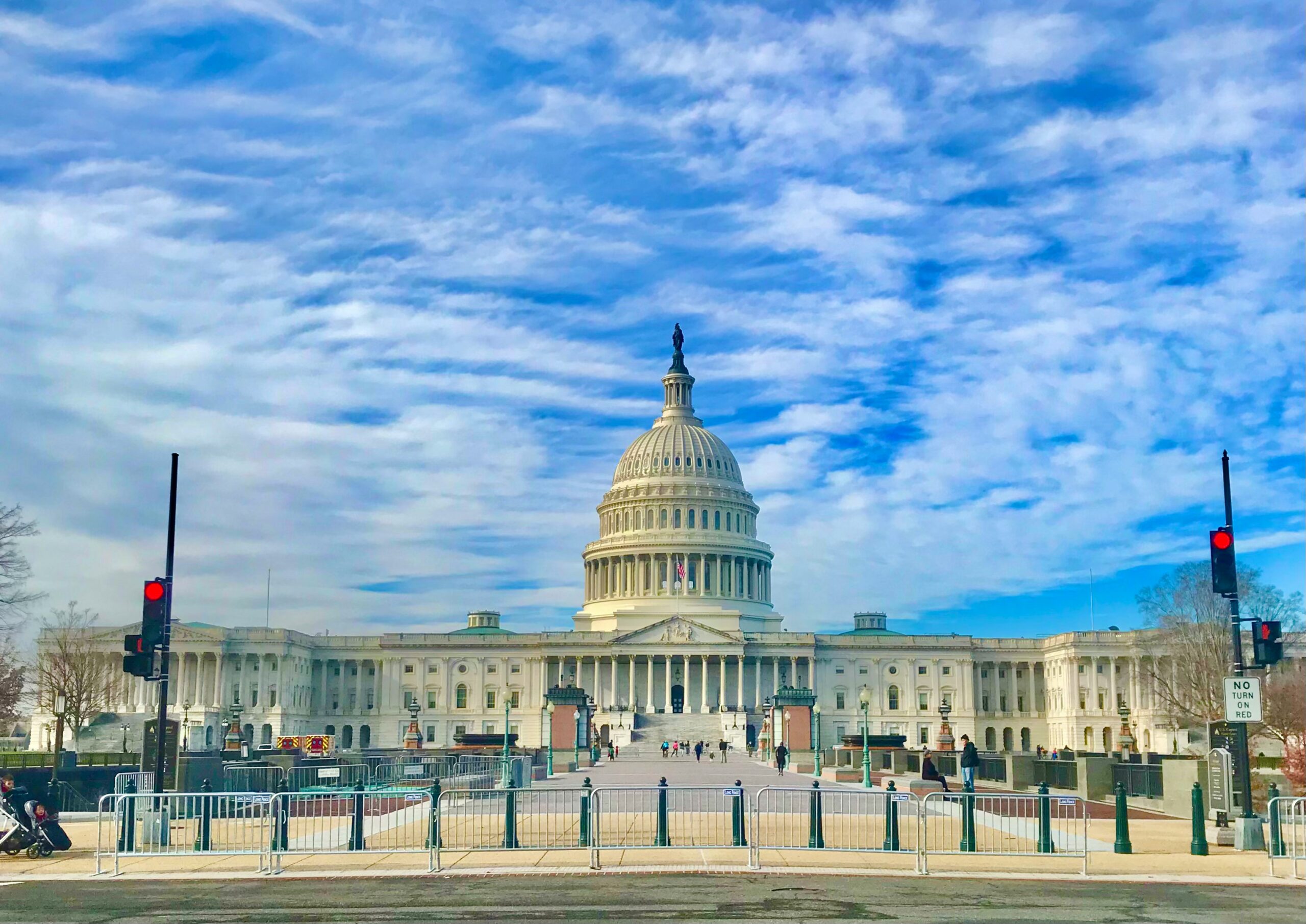

Sports

Tadej Pogačar Wins Historic Fifth Tour de France, Joining Cycling’s Greatest Ever
Slovenian cyclist Tadej Pogačar completed one of the most dominant runs in modern cycling history this week, capturing his fifth Tour de France title and becoming just the fifth rider ever to win the race three years running, joining an elite club that includes some of the sport’s most legendary names. A Dominant Three Weeks Pogačar entered the race’s final stage in Paris with a commanding seven-minute lead, all but guaranteeing the win before the peloton even hit the Champs-Élysées. His total time across the grueling three-week race — which spanned more than 3,321 kilometers and 54,450 meters of elevation gain, starting in Barcelona — came in at 73 hours, 56 minutes, and 26 seconds, nearly six and a half minutes faster than his nearest competitor, Belgium’s Remco Evenepoel. Dutch rider Mathieu van der Poel won the final stage itself by the thinnest of margins, edging out Pogačar in a two-man sprint after the pair broke away from the pack late in the race — but the stage win did nothing to change the overall outcome, which had been effectively sealed days earlier. Joining Cycling Royalty With this fifth overall title, Pogačar becomes just the fifth cyclist in history to win the Tour de France three years in a row, joining a group that includes Jacques Anquetil, Eddy Merckx, Bernard Hinault, and Miguel Induráin — legendary names in the sport’s history. He’s the first rider to pull off three straight wins since Chris Froome accomplished the feat from 2015 to 2018. “Unbelievable,” Pogačar told reporters after crossing the finish line, thanking his fans and team for the support that carried him through another grueling campaign. A Race Marked by More Than Racing This year’s edition wasn’t without disruption. The final stage’s route was shortened after security and police resources originally assigned to the race were reassigned to help battle wildfires burning in southwest France, a reminder of how extreme summer conditions across Europe are increasingly bleeding into major sporting events. Even with the shortened course, the finale delivered one of the more dramatic sprint finishes of the tournament, capping off a Tour that once again cemented Pogačar’s place among the sport’s all-time greats. This story is developing.

MLB Trade Deadline Heats Up as Contenders Circle Tarik Skubal and a Loaded Seller Market
Major League Baseball’s trade deadline is shaping up to be one of the most active in recent memory, with the clock ticking toward Monday, Aug. 3, at 6 p.m. ET — moved later than the traditional July 31 date for the first time in years — and contenders scrambling to lock down the final pieces of their playoff pushes. The Biggest Name on the Board All eyes remain on Detroit Tigers ace Tarik Skubal, the two-time reigning AL Cy Young winner who can hit free agency after this season. The Tigers are reportedly weighing a middle-path approach — trading Skubal for a package that includes both a controllable rotation piece and long-term prospects — while also considering simply keeping their ace and pushing for the postseason themselves. Elsewhere, hard-throwing Athletics right-hander Mason Miller, who carries a minuscule 0.86 ERA with 78 strikeouts in just 41 2/3 innings this season, is drawing interest from the Mariners, Pirates, and Yankees, though he remains under club control through 2029 and wouldn’t be a rental for whoever lands him. Deals Already in Motion The Red Sox struck early, acquiring infielder Curtis Mead from the Nationals in exchange for rookie left-hander Connelly Early, a former Top 100 prospect with a 3.24 ERA through his first 21 big-league starts. The Pirates and White Sox also swapped pieces, with Pittsburgh sending Jacob Gonzalez and Brandon Eisert to Chicago. Buyers and Sellers Taking Shape With the Dodgers, Brewers, Cubs, Braves, Yankees, Rays, and Phillies all eyeing deep playoff runs, expect a busy final week of dealing. On the seller side, the Giants and Angels both have productive right-handed bats to dangle — San Francisco’s Heliot Ramos, Willy Adames, and Matt Chapman among them — while the Mets’ Luis Robert Jr. and starter Freddy Peralta are drawing looks from multiple contenders as New York’s season slips away. The Reds and Marlins, meanwhile, appear headed toward selling as their seasons unravel, giving contenders even more options to fortify their rosters before the deadline hits. This story is developing.

The Line in the Sand: Riley Gaines and MyKayla Skinner Direct Warning to Simone Biles Over Women’s Sports as WNBA Stars Are Urged to Join the Fight
The tectonic legal shifts transforming America’s cultural and athletic landscape have triggered an explosive confrontation at the pinnacle of women’s sports. Following a historic Supreme Court ruling that permanently fortified biological sex protections and dismantled backdoor gender-identity mandates, a powerful alliance of female athletes has issued a direct, public challenge to Olympic legend Simone Biles. Former Kentucky swim champion Riley Gaines and Tokyo Olympic silver medalist gymnast MyKayla Skinner have united, sending an unyielding message to Biles following her highly publicized defense of transgender athletes. Concurrently, Gaines has shifted her sights to the hardcourt, explicitly calling on WNBA megastar Caitlin Clark and teammate Sophie Cunningham to stop playing defense on the sidelines and actively step into the national foxhole to preserve the future of female competition. At The Modern Memo, we break down the explosive clash between Skinner and Biles, the high-stakes cultural momentum generated by the Supreme Court’s Title IX intervention, and the strategic campaign to force basketball’s biggest icons to take a definitive stand. The Team USA Fallout: Skinner Backs Gaines Against Biles The internal friction dominating elite gymnastics has spilled over into raw political warfare, following a viral back-and-forth involving Simone Biles and Riley Gaines over a biological male participating on a girls’ regional softball team. The Spat: The firestorm originally ignited when Biles lambasted Gaines on social media, labeling the anti-trans advocate “sick” and a “sore loser.” Though Biles later issued a formal apology for the intense tone of the post, the insult drew immediate condemnation from across the sports world. The Skinner Intervention: Seizing the moment, former Olympic teammate MyKayla Skinner formally announced an alliance with Gaines through XX-XY Athletics, an athletic sportswear brand explicitly dedicated to protecting biological female divisions. The “Belittled” Reality: In an emotional interview with CBN News, Skinner revealed that witnessing Biles attack Gaines brought back deep, personal scars from her own tenure on Team USA, where she claims Biles and others “belittled, dismissed, and ostracized” her. “Just seeing the bullying, the belittling, it just really hit close to home because I had experienced the same thing Riley had,” Skinner explained. “That’s why it’s deeply troubling to see Simone Biles publicly label a fellow female athlete a ‘sore loser’—simply for expressing valid concerns about fairness.” The Next Generation: Skinner emphasized that her choice to break with the gymnastics establishment was entirely about protecting the future for her young daughter, stating that “there is no training for moral courage” and that elite female icons have an ethical obligation to stop cowering in fear of social media mobs. The Legal Catalyst: The SCOTUS Effect The public pressure directed at Biles does not exist in a vacuum; it is the direct consequence of a massive, structural correction handed down by the highest court in the United States. The Supreme Court’s decisive ruling thoroughly dismantled previous administrative attempts to bypass the text of Title IX by injecting gender identity into women’s private locker rooms and sports rosters. By legally cementing biological sex as the unyielding standard for female categories, the high court effectively stripped athletic federations of their primary legal shield. The ruling has emboldened athletes like Skinner and Gaines to transition from an ideological defense to an offensive campaign, framing any public figure who opposes biological boundaries as actively working against the legal and physical safety of women. Activating the WNBA: The Call to Clark and Cunningham With the legal foundation secured by the high court, Gaines has launched a calculated public campaign to draft the most influential icons in modern women’s basketball into the athletic border defense. Targeting Caitlin Clark: In a series of media appearances and online claps back against sports analysts who have labeled Indiana Fever star Caitlin Clark a “distraction,” Gaines vociferously defended the rookie, calling her “the best thing to ever happen to the WNBA.“ The Silence Dilemma: However, Gaines paired her defense with a direct challenge, urging Clark to use her unprecedented, historic media platform to speak out for the preservation of the sport that made her a global icon. Populist advocates argue that by remaining entirely silent on the gender debate, stars like Clark inadvertently allow progressive sports executives to continue pushing trans-inclusive policies behind the scenes. The Cunningham Vector: Gaines concurrently extended the call to Clark’s Indiana Fever teammate, Sophie Cunningham—who recently captured massive national attention and viral internet fame following an intense on-court confrontation with Phoenix Mercury forward Alyssa Thomas. The Ultimate Leverage: For Gaines, the calculation is simple: if cultural heavyweights like Clark and Cunningham combine their massive cultural leverage with the legal backing of the Supreme Court, they can permanently end the inclusion of biological males in women’s professional and collegiate sports overnight. Final Word The coordinated push by Riley Gaines and MyKayla Skinner is the definitive proof that the era of female athletes staying silent out of fear of corporate censorship is officially over. When you look past the theatrical headlines of a “gymnastics feud” and focus entirely on the hard data—the Supreme Court permanently anchoring Title IX to biological sex, a decorated Olympic medalist joining a specialized anti-trans athletic brand, and a targeted campaign to draft Caitlin Clark into the legal trenches—you gain an unvarnished view of a historic cultural counter-offensive. Quality information replaces the progressive media narrative of “inclusion” with the cold reality of structural self-preservation. Simone Biles’ previous public retreat and apology prove that the political leverage has radically shifted. By forcing the biggest icons in gymnastics and basketball to explicitly choose a side, Gaines and Skinner have laid down an unyielding marker: you cannot claim to champion women’s empowerment while remaining silent as the biological boundaries of women’s sports are dismantled.
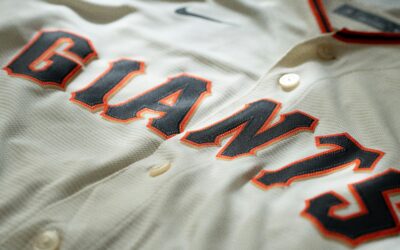
The Rainbow Covenant: MLB Sparks Holy War After Cracking Down on Pitchers’ Pride Night Bible Verses
The ongoing cultural battle over corporate social messaging and religious expression has officially landed on the pitching mound. In a move that has ignited an immediate national firestorm, Major League Baseball (MLB) intervened against three San Francisco Giants pitchers who used their official “Pride Night” uniforms to display a handwritten biblical message. While widespread rumors across social media initially claimed the athletes faced immediate financial penalties, the league clarified that it has stopped short of issuing direct fines, opting instead for a formal, verbal warning regarding uniform violations. However, the warning has drawn intense backlash from federal lawmakers and conservative public figures, with high-profile celebrities stepping forward with open checkbooks to cover any future financial blowback. At The Modern Memo, we break down the tactical uniform choices made by the Giants’ pitching staff, the exact biblical text that triggered the league’s rulebook, and the growing political fallout hitting the commissioner’s desk. The Display: Etching Genesis Onto the Rainbow The controversy unfolded at Oracle Park during the Giants’ annual Pride Night game against the Chicago Cubs. As part of the team’s promotion to support the LGBTQ+ community, players were issued special-edition caps featuring a rainbow-colored version of the classic interlocking “SF” logo. The Pitching Trio: Starting pitcher Landen Roupp, along with relievers JT Brubaker and Ryan Walker, took the field with handwritten white lettering clearly etched directly onto their caps. The Rainbow Passage: The inscription read “Gen 9:12-16,” a direct reference to the Book of Genesis where God establishes the rainbow as the physical sign of His eternal covenant with humanity following the great flood. On Roupp’s cap, the text was strategically written so it partially overlapped the team’s rainbow logo. The Opt-Out Option: Highlighting the internal divide within the clubhouse, a fourth Giants pitcher, left-hander Sam Hentges, completely declined to wear the Pride-themed cap altogether. Instead, Hentges took the mound wearing the team’s standard, traditional black and orange cap. The Rulebook Defense: Content-Neutral vs. Double Standards Following a wave of viral social media coverage, MLB’s corporate offices quickly moved to enforce compliance, triggering an immediate debate over free speech in professional sports. The Verbal Warning: Pat Courtney, MLB’s chief communications officer, confirmed that the league officially flagged the writing as a uniform violation. “The writing on the cap violates our rules and consistent with normal practice we have warned the players about future violations,” Courtney stated in an official dispatch. The No-Writing Mandate: To defuse allegations of targeted religious discrimination, the league issued a secondary statement emphasizing that its uniform policy is strictly content-neutral. Under MLB uniform regulations, players are completely barred from writing, embroidering, or affixing any personal messages, nicknames, or family names onto their apparel or game gear. The league noted it has handed down identical warnings in the past to players writing messages like “Dad” or “Happy Mother’s Day”. The Stand on Faith: Speaking to reporters after the game, Roupp stood firm on his actions, emphasizing that the display was an expression of personal belief rather than an act of hostility. “There’s no hate at all, it’s just what I stand for and what I stand on,” Roupp explained. “I believe in God. It’s just about God’s covenant and a promise that he makes to us.” The Political Fallout: Checkbooks and Congressional Letters The league’s intervention has completely transformed a routine uniform enforcement action into a polarized, national debate over religious freedom and corporate overreach. Schneider’s Open Checkbook: As rumors of hypothetical financial penalties circulated online, actor and comedian Rob Schneider publicly blasted the league on social media, labeling the organization “anti-Christian”. Schneider vowed to personally bankroll any future financial fallout hitting the athletes: “I will pay the fines for any @MLB Christian player who wears a Bible verse on their uniform.” Hawley Demands Answers: On Capitol Hill, U.S. Senator Josh Hawley (R-Mo.) sent a scathing letter to MLB Commissioner Robert Manfred, demanding an exhaustive review of the league’s disciplinary history. Hawley accused the league of enforcing a “dubious” double standard, pointing out that the MLB openly designs and promotes political and social viewpoints on the field while aggressively reaching for the rulebook the second a player expresses traditional Christian beliefs. The Executive Threat: Vice President J.D. Vance also injected himself into the controversy, signaling that the administration views the crackdown as part of an outdated cultural paradigm, posting on X: “Trump won, we don’t have to do this anymore.” Final Word The MLB’s swift intervention against the San Francisco Giants pitchers is the definitive proof that the intersection of corporate branding and personal faith remains a volatile powder keg. When you strip away the social media hyperbole claiming the players were heavily fined and look strictly at the data—three pitchers using a specific biblical verse to reclaim the original meaning of the rainbow, a league scrambling to enforce a rigid, content-neutral uniform policy, and federal lawmakers demanding an accounting of the league’s disciplinary history—you gain a clear view of an institutional elite caught in a trap of its own making. Quality information replaces the outrage narrative with a lesson in structural boundaries. It allows you to see that when a professional sports league chooses to turn its official uniforms into a billboard for cultural causes, it forfeits the moral authority to act surprised when players use that exact same canvas to declare their allegiance to God.

‘Stolen Dreams’: Parents of California Track Star Blast Newsom as Title IX Crisis Hits State Finals
The finish line at the California state track and field championships in Moorpark this weekend represented more than just a race—it was the site of a breaking point for a family caught in the crosshairs of a national debate. As their daughter, a standout senior, competed in her final high school meet, her parents issued a blistering critique of Governor Gavin Newsom, accusing his administration of abandoning biological female athletes in a quest for radical gender ideology. At The Modern Memo, we analyze the emotional testimony from the trackside, the collapse of Title IX protections in the Golden State, and why the “Last Chance” for this senior has become a rallying cry for parents across the country. The Moorpark Standoff: A Final High School Chapter For the family of the “senior star”—whose name is being withheld to protect her from the vitriol of online activists—the meet in Moorpark was supposed to be the culmination of four years of grueling training and sacrifice. The Uneven Field: The athlete competed in the 400m dash against a field that included a transgender competitor who had previously competed in the boys’ division. The Parents’ Plea: Speaking to reporters outside the stadium, the girl’s father was visibly shaken. “Our daughter has worked every single morning since she was twelve for this moment,” he said. “To see a state championship taken by someone with a clear biological advantage isn’t ‘progress’—it’s a theft of her hard work and her future.” The “Last Chance”: Because the athlete is graduating, this was her final opportunity to secure a state title and the collegiate scouting interest that comes with it. Her mother noted that “seconds matter at this level, and you cannot train away a biological reality.” The Newsom Failure: “War on Women’s Sports” The parents directed their sharpest criticism at Governor Newsom, whose administration has doubled down on policies that allow biological males to compete in female divisions. Betraying Title IX: The family argued that Newsom’s office has effectively dismantled the intent of Title IX, the landmark 1972 law designed to ensure equal opportunity for women. “The Governor talks about ‘inclusion,’ but his version of inclusion means excluding our daughters from their own podiums,” the mother stated. The Sacramento Shield: Despite rising public opposition and the “fairness” concerns Newsom himself admitted to in early 2025, his administration continues to hide behind state laws like AB 1266 to maintain the status quo. Political Cowardice: “He knows this is wrong,” the father added. “But he’s more afraid of the activists in his party than he is of the parents who just want a fair shake for their kids.” The Federal Reckoning: Trump’s Title IX Reversal The plight of the California parents is being used as a primary case study for the U.S. Department of Justice (DOJ) as it prepares to dismantle California’s gender-identity-based sports policies. Withholding Funds: Under the direction of the President, the Department of Education has signaled that it will begin the process of withholding federal education grants from states that fail to protect “biological female” sports. The “Save Women’s Sports” Act: Pro-family groups are using this weekend’s events to lobby for the federal Protection of Women and Girls in Sports Act, which would codify biological sex as the only metric for female sports competition nationwide. Final Word The scene in Moorpark was a heartbreaking illustration of the real-world consequences of “progressive” policy. When you look past the noise of “inclusive” slogans and focus on the data—the thousands of hours of training rendered moot and the collapse of a 50-year-old civil rights protection—you gain a clearer picture of a state government that has lost its way. Quality information replaces the narrative of “bigotry” with the reality of biological fairness. It allows you to see that while the Newsom administration may see this as a “cynical weaponization,” the parents in the stands see it for exactly what it is: the end of fair competition for their daughters. By choosing to stay silent in Moorpark, Gavin Newsom has shouted his priorities to the world. Where Facts, Context, and Perspective Matter At The Modern Memo, our goal is simple: to provide clear, well-researched reporting in a media landscape that often feels overwhelming. We focus on substance over sensationalism, and context over commentary. If you value thoughtful analysis, transparent sourcing, and stories that go beyond the headline, we invite you to share our work. Informed conversations start with reliable information, and sharing helps ensure important stories reach a wider audience. Journalism works best when readers engage, question, and participate. By reading and sharing, you’re supporting a more informed public and a healthier media ecosystem. The Modern Memo may be compensated and/or receive an affiliate commission if you click or buy through our links. Featured pricing is subject to change. 📩 Love what you’re reading? Don’t miss a headline! Subscribe to The Modern Memo here!

The Final Road: 2026 March Madness Final Four Fields Set
After a weekend of high-stakes drama and elite-level execution, the dust has finally settled on the Elite Eight. The fields for both the Men’s and Women’s Final Four are officially locked, setting the stage for a historic finish in Indianapolis and Phoenix. At The Modern Memo, we break down the blue-blood matchups, the dominant top seeds, and the corrected venue details for the final push to the podium. The Men’s Final Four: Indianapolis Bound The men’s bracket has delivered a heavyweight lineup for the trip to Lucas Oil Stadium. With a heavy concentration of Big Ten and Big East powerhouses, the “Center of the Basketball Universe” officially shifts to the Midwest this weekend. The Matchups (Saturday, April 4) No. 3 Illinois vs. No. 2 UConn: The Illini, making their first Final Four appearance since 2005, face a surging UConn squad. The Huskies reached Indy after a stunning 19-point comeback win over Duke, punctuated by a game-winning buzzer-beater from local hero Braylon Mullins. No. 1 Michigan vs. No. 1 Arizona: A true clash of titans. Michigan dominated Tennessee to secure their spot, while Arizona has remained the tournament favorite since the opening round. This matchup features as many as nine potential NBA first-round prospects. Location: Lucas Oil Stadium — Indianapolis, Indiana Championship Game: Monday, April 6 The Women’s Final Four: All-No. 1 Seed Showdown in Phoenix For the first time in recent memory, the women’s bracket has held firm at the top. All four No. 1 seeds have successfully navigated their regions, ensuring that the games at the Mortgage Matchup Center will feature the absolute peak of the sport. The Matchups (Friday, April 3) No. 1 South Carolina vs. No. 1 UConn: A high-octane rematch of last year’s National Championship. Dawn Staley’s Gamecocks have been an unstoppable force, winning their first three games by an average of 45 points before ousting TCU in the Elite Eight. They face a UConn team that has found its rhythm at exactly the right time. No. 1 Texas vs. No. 1 UCLA: The Longhorns punched their ticket with a dominant 77-41 victory over Michigan. They will face a UCLA Bruins squad that has been consistently elite and physically dominant all season. Location: Mortgage Matchup Center — Phoenix, Arizona Championship Game: Sunday, April 5 Strategic Analysis: The Power Shifts The 2026 tournament has highlighted a significant shift back toward established powerhouses. While “Cinderella” stories dominated recent years, this year’s Final Four is defined by depth, coaching pedigree, and the effective use of the transfer portal. Big Ten Resurgence: With Illinois and Michigan both in the Final Four, the Big Ten has its best chance to snap a 26-year championship drought. The Dynasty Factor: South Carolina and UConn (on both the men’s and women’s sides) continue to prove that championship culture is the ultimate advantage in March. Venue Rebranding: The shift to the Mortgage Matchup Center in Phoenix marks a new era for the Suns’ home court, which will be packed to capacity for Friday’s historic doubleheader. Final Word March Madness is entering its most clinical phase. When you look past the “madness” and focus on the data—the all-No. 1 seed field in the women’s bracket and the Big Ten’s dominant presence in the men’s—you gain a clearer picture of a season where the best teams have simply refused to blink. Quality information replaces the hype of “upsets” with the reality of elite preparation. It allows you to see these Final Four matchups not just as games, but as the final exam for the most disciplined programs in the country. By choosing to watch these top-tier collisions, you align your perspective with the highest standard of American sport. Where Facts, Context, and Perspective Matter At The Modern Memo, our goal is simple: to provide clear, well-researched reporting in a media landscape that often feels overwhelming. We focus on substance over sensationalism, and context over commentary. If you value thoughtful analysis, transparent sourcing, and stories that go beyond the headline, we invite you to share our work. Informed conversations start with reliable information, and sharing helps ensure important stories reach a wider audience. Journalism works best when readers engage, question, and participate. By reading and sharing, you’re supporting a more informed public and a healthier media ecosystem. The Modern Memo may be compensated and/or receive an affiliate commission if you click or buy through our links. Featured pricing is subject to change. 📩 Love what you’re reading? Don’t miss a headline! Subscribe to The Modern Memo here!
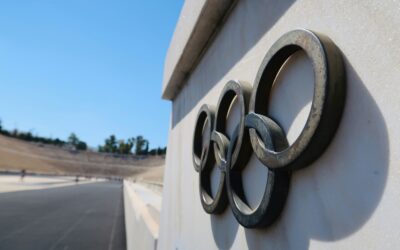
Fairness First: IOC Mandates Biological Female Requirement for Women’s Sports
In a historic reversal that marks the end of a decade-long debate over “inclusive” sports, the International Olympic Committee (IOC) has announced a definitive new policy: effective immediately, participation in the female category of all Olympic-sanctioned events will be restricted to biological females. The announcement, delivered by IOC President Kristy Coventry, represents a total pivot from the 2021 framework that deferred eligibility rules to individual sporting federations. At The Modern Memo, we analyze the science-led “fairness” mandate, the end of the testosterone-suppression era, and why this decision is being hailed as a victory for the integrity of women’s athletics. The Coventry Doctrine: Defining Fairness The move comes after years of mounting pressure from female athletes, sports scientists, and advocacy groups who argued that the previous “inclusion-first” approach ignored the permanent physical advantages of male puberty. The Clear Mandate: “It is absolutely clear that it would not be fair for biological males to compete in the female category,” President Coventry stated. “Our primary responsibility is to protect the integrity of the female category and ensure that women have a level playing field to achieve excellence.” Abandoning Testosterone Thresholds: The new policy effectively scraps the previous standard that allowed trans-identified males to compete if they suppressed their testosterone for 12 months. Recent longitudinal studies presented to the IOC confirmed that even with suppression, biological males retain significant advantages in bone density, lung capacity, and muscle explosive power. Protecting the Podium: Impact on Global Competition The ripple effects of this policy will be felt across every Olympic discipline, from swimming and track to combat sports. The IOC is now requiring international federations to align their rules with this “biological reality” standard to remain eligible for Olympic inclusion. Scientific Consensus: The IOC cited a comprehensive meta-analysis showing that male biological advantages—developed during puberty—cannot be fully reversed by hormonal therapy. This data was pivotal in convincing the committee that “inclusion” and “fairness” were, in this specific context, mutually exclusive. The “Open” Category Alternative: To remain inclusive of all athletes, the IOC has proposed the creation of an “Open” category. This would allow transgender athletes to continue competing at the highest levels without compromising the protected space of the female category. The Cultural Shift: A Return to Common Sense While the decision has sparked predictable backlash from some activist circles, the overwhelming response from the athletic community has been one of relief. The Athlete Voice: Former Olympians like Sharron Davies and Martina Navratilova, who have long campaigned for this change, characterized the move as a “restoration of common sense.” They argue that women’s sports were created as a protected category based on biological sex, not gender identity. The Legislative Landscape: The IOC’s move mirrors a growing trend in the United States and Europe, where dozens of states and national governing bodies (such as World Aquatics and World Athletics) had already moved to restrict the female category to biological women. Final Word The IOC’s new policy is a definitive acknowledgment that biology, not identity, is the governing factor in athletic performance. When you look past the noise of “exclusion” narratives and focus on the data—the irreversible advantages of male puberty and the dwindling opportunities for female athletes—you gain a clearer picture of why this correction was necessary. Quality information replaces the confusion of subjective identity with the clarity of objective science. It allows you to see this decision not as a “ban,” but as the essential preservation of a category that millions of women have fought to build. By choosing to prioritize fairness, the IOC has ensured that the Olympic motto—Citius, Altius, Fortius—remains a meaningful pursuit for women worldwide. Where Facts, Context, and Perspective Matter At The Modern Memo, our goal is simple: to provide clear, well-researched reporting in a media landscape that often feels overwhelming. We focus on substance over sensationalism, and context over commentary. If you value thoughtful analysis, transparent sourcing, and stories that go beyond the headline, we invite you to share our work. Informed conversations start with reliable information, and sharing helps ensure important stories reach a wider audience. Journalism works best when readers engage, question, and participate. By reading and sharing, you’re supporting a more informed public and a healthier media ecosystem. The Modern Memo may be compensated and/or receive an affiliate commission if you click or buy through our links. Featured pricing is subject to change. 📩 Love what you’re reading? Don’t miss a headline! Subscribe to The Modern Memo here!

Championship Clash: USA and Venezuela Meet in Miami for the WBC Final
The 2026 World Baseball Classic has reached its peak. Tonight, March 17, at loanDepot park in Miami, Team USA and Team Venezuela will square off in a winner-take-all championship game. For the United States, it is a chance to secure their second title in three tournaments; for Venezuela, it is the opportunity to claim their first-ever gold on the world’s biggest stage. At The Modern Memo, we analyze the dramatic path to the final, the clash of baseball philosophies, and the high-stakes pitching matchup that will decide the crown. The Road to Miami: Battle-Tested vs. History-Makers Neither team coasted to the final. Both rosters had to survive high-tension nail-biters to earn their spot in tonight’s championship. USA’s Grit: After an early-tournament scare against Italy, Team USA has been the definition of “clutch.” They narrowly escaped a semifinal thriller against the Dominican Republic with a 2-1 victory, fueled by solo home runs from Gunnar Henderson and Roman Anthony. The U.S. is appearing in its third consecutive final, a testament to the depth and consistency of American talent. Venezuela’s Historic Rally: Venezuela is the story of the tournament. After upsetting the defending champions, Japan, in the quarterfinals, they ended Italy’s “Cinderella” run in the semifinals. Down 2-1 in the seventh inning, Venezuela ignited a three-run rally with two outs, powered by the bats of Ronald Acuña Jr., Maikel Garcia, and Luis Arraez. This is Venezuela’s first-ever appearance in a WBC final. The Pitching Matchup: McLean vs. Rodriguez In a tournament defined by pitch counts and strategic bullpen usage, tonight’s starters carry the weight of their nations. Nolan McLean (USA): The Americans are handing the ball to the hard-throwing right-hander. McLean represents the “new breed” of American arm—high velocity with a devastating breaking ball. After a rested day on Monday, the U.S. bullpen is fully available, meaning McLean likely only needs to navigate the lineup twice before turning it over to the relief corps. Eduardo Rodriguez (Venezuela): The veteran lefty gets the start for Venezuela. Rodriguez brings years of big-game MLB experience and a savvy approach that relies on location and changing speeds. His goal will be to neutralize the power-heavy left-handed bats in the American lineup, such as Henderson and Anthony. A Clash of Styles Tonight is also a study in contrast. Team USA has adopted a business-like, “mission-focused” demeanor, with many players citing a desire to play for the servicemen and women of the United States. Conversely, Team Venezuela has played with a joyful, “winter ball” energy—dancing in the dugout and feeding off the exuberant, flag-waving crowds in Miami. A pre-game coin flip determined that Team USA will be the home team, giving them the critical advantage of the last at-bat in front of a raucous, sold-out crowd of over 36,000. Final Word Tonight, the world stops to watch the two best teams in the sport. When you look past the regional rivalries and focus on the data—the lockdown American bullpen and the resilient Venezuelan two-out hitting—you gain a clearer picture of a final that is too close to call. Quality information replaces the noise of partisan predictions with the reality of a statistical toss-up. It allows you to see this game as the ultimate validation of the WBC’s growth: a championship where the “established” power and the “rising” nation are on perfectly equal footing. By choosing to tune in tonight, you align your perspective with the pinnacle of international competition. Where Facts, Context, and Perspective Matter At The Modern Memo, our goal is simple: to provide clear, well-researched reporting in a media landscape that often feels overwhelming. We focus on substance over sensationalism, and context over commentary. If you value thoughtful analysis, transparent sourcing, and stories that go beyond the headline, we invite you to share our work. Informed conversations start with reliable information, and sharing helps ensure important stories reach a wider audience. Journalism works best when readers engage, question, and participate. By reading and sharing, you’re supporting a more informed public and a healthier media ecosystem. The Modern Memo may be compensated and/or receive an affiliate commission if you click or buy through our links. Featured pricing is subject to change. 📩 Love what you’re reading? Don’t miss a headline! Subscribe to The Modern Memo here!

WBC Quarterfinals: USA and Canada Clash for Semifinal Spot
The lights of Daikin Park in Houston will shine on one of the most storied rivalries in North American sports tonight as Team USA faces Team Canada in a high-stakes World Baseball Classic (WBC) quarterfinal. With a trip to Miami’s semifinals on the line, tonight’s “Border Battle” carries the weight of national pride and a shot at global redemption. At The Modern Memo, we analyze the road to the quarterfinals, the tactical pitching matchup, and the pressure on a star-studded American roster to find its rhythm. The Road to the Quarterfinals: Shock and Resilience Both teams enter tonight with 3-1 records from pool play, but their paths to Houston couldn’t have been more different. Team USA’s Wake-Up Call: After dominant early wins, the Americans suffered a stunning 8-6 upset at the hands of Italy. The loss sent shockwaves through the tournament and left the U.S. briefly vulnerable to elimination. They advanced as the runner-up in Pool B, now facing a “must-win” narrative to silence critics who claim the superstar-laden roster is coasting. Canada’s Historic Run: For the first time in program history, Canada has advanced beyond the opening round. By defeating baseball powerhouses like Cuba and Puerto Rico, the Canadians topped Pool A. This breakthrough, following the Blue Jays’ deep postseason run last fall, has sparked a “baseball boom” across the Great White North. The Pitching Matchup: Webb vs. Soroka The outcome tonight will likely be decided by the chess match between two right-handers with a history of big-game experience. Logan Webb (USA): The Giants’ ace gets the nod for the U.S. Known for his elite sinker and ability to eat innings, Webb is tasked with keeping a hot Canadian lineup off balance. After the Italy upset, the U.S. bullpen is rested, but the pressure is on Webb to provide a “shut-down” start and save the relief arms for Miami. Michael Soroka (Canada): The Canadians turn to the resilient Michael Soroka. After navigating years of injury hurdles, Soroka has looked sharp in 2026, recently touching 97 mph in his WBC debut against Colombia. His mission is to use his heavy sinker and command to induce ground balls against an American lineup that thrives on power. Venue and Atmosphere: Deep in the Heart of Texas A sell-out crowd of over 41,000 is expected at Houston’s Daikin Park. While the venue is on American soil, the Canadian “Snowbirds” and traveling fans are expected to make their presence felt, creating the kind of electric, soccer-style atmosphere that has defined this year’s WBC. Final Word Tonight isn’t just a baseball game; it’s a collision of two different national trajectories. When you look past the star power and focus on the data—Team USA’s narrow escape from Pool B and Canada’s breakthrough win over Cuba—you gain a clearer picture of the volatility in this single-elimination format. Quality information replaces the noise of “David vs. Goliath” clichés with the reality of two teams that are statistically evenly matched in this tournament. It allows you to see this game as a critical test of whether the U.S. can handle the target on its back. By choosing to follow the verified pitch-by-pitch drama tonight, you align your perspective with a new era of international baseball where no outcome is guaranteed. Where Facts, Context, and Perspective Matter At The Modern Memo, our goal is simple: to provide clear, well-researched reporting in a media landscape that often feels overwhelming. We focus on substance over sensationalism, and context over commentary. If you value thoughtful analysis, transparent sourcing, and stories that go beyond the headline, we invite you to share our work. Informed conversations start with reliable information, and sharing helps ensure important stories reach a wider audience. Journalism works best when readers engage, question, and participate. By reading and sharing, you’re supporting a more informed public and a healthier media ecosystem. The Modern Memo may be compensated and/or receive an affiliate commission if you click or buy through our links. Featured pricing is subject to change. 📩 Love what you’re reading? Don’t miss a headline! Subscribe to The Modern Memo here!

100 Days to Go: The Countdown to the 2026 FIFA World Cup is Officially On
The world is officially on the clock. With exactly 100 days remaining until the opening whistle, the excitement for the 2026 FIFA Men’s World Cup™ has shifted into high gear. As the largest and most ambitious edition of the tournament in history, the 2026 event will span three nations—the United States, Canada, and Mexico—featuring 48 teams competing across 16 host cities. At The Modern Memo, we break down the coast-to-coast fan celebrations, the “Soccer Forward” initiative, and how you can get in on the action as the countdown begins. A Nationwide Celebration: The 100-Day Countdown U.S. Soccer has officially launched its 100-day campaign, designed to turn the tournament into a nationwide cultural moment rather than just a series of matches. The Federation is moving beyond the stadiums, bringing the experience directly into communities. Soccer Forward Fests: These community-driven events are the centerpiece of the countdown. Powered by the Soccer Forward Foundation and Common Goal, these locally led experiences—ranging from youth tournaments to cultural festivals and block parties—are designed to expand access to the game and celebrate its impact in every corner of the country. Anchor Hubs: Two major activations are anchoring the national campaign: U.S. Soccer House (Los Angeles): Opening June 11 in Venice Beach, this immersive space will serve as the ultimate fan destination, featuring watch parties, appearances by legends of the game, and a dedicated stage for live programming. New York City Roster Reveal: A high-energy launch event in the Big Apple has set the tone for the final stretch, highlighting the massive scale of the tournament’s conclusion at the New York New Jersey Stadium. Tournament Snapshot: What to Expect The 2026 World Cup is a milestone event, marking the first time the tournament has been hosted by three countries. The Scope: A record 104 matches will be played, significantly expanding the competition from previous editions. The Schedule: The tournament runs from June 11 to July 19, 2026. Opening Match: Mexico City Stadium (Estadio Azteca) will host the kickoff on June 11, making history as the first stadium to host three World Cup openers. The Final: The tournament will culminate on July 19, 2026, at the New York New Jersey Stadium in East Rutherford, New Jersey. Getting Involved: Insider Access and Tickets For fans looking to be part of the experience, the window for ticket access is opening soon. Ticket Draw: Applications for the U.S. Soccer World Cup ticket draw open on March 9, 2026. This opportunity is exclusive to U.S. Soccer Insiders (Premium tier and above), reinforcing the benefit of joining the Federation’s fan program. Community Activation: Organizations nationwide can still register their own “Soccer Forward Fests” via the official U.S. Soccer portal, accessing toolkits that help bring the World Cup atmosphere to local neighborhoods. Final Word The 100-day mark isn’t just about the calendar; it signals the transition from anticipation to activation. When you look past the logistical scope of 104 matches and 16 cities, you see an attempt to weave soccer into the American cultural fabric on an unprecedented scale. Quality information replaces the noise of uncertainty with the clarity of official schedules and community resources. It allows you to see this tournament as a catalyst for long-term growth in the sport, from the grassroot Fests in small towns to the massive fan houses on the coasts. By choosing to engage with the official U.S. Soccer roadmap, you align your fan experience with the realities of the tournament’s scale and support a more informed, connected soccer community. Where Facts, Context, and Perspective Matter At The Modern Memo, our goal is simple: to provide clear, well-researched reporting in a media landscape that often feels overwhelming. We focus on substance over sensationalism, and context over commentary. If you value thoughtful analysis, transparent sourcing, and stories that go beyond the headline, we invite you to share our work. Informed conversations start with reliable information, and sharing helps ensure important stories reach a wider audience. Journalism works best when readers engage, question, and participate. By reading and sharing, you’re supporting a more informed public and a healthier media ecosystem. The Modern Memo may be compensated and/or receive an affiliate commission if you click or buy through our links. Featured pricing is subject to change. 📩 Love what you’re reading? Don’t miss a headline! Subscribe to The Modern Memo here!
- 1
- 2