

World News

Peace Through Strength: Global Capitals Salute the “Islamabad Accord” as a Strategic Triumph
Following weeks of high-intensity kinetic operations that brought the Islamic Republic to its knees, the world has entered a new era of stability. On April 8, 2026, world leaders began lining up to praise the “Islamabad Accord”—the historic two-week ceasefire negotiated by the Trump administration. The consensus from global capitals is clear: by combining overwhelming military might with decisive diplomacy, the U.S. has achieved what decades of “soft power” could not. At The Modern Memo, we analyze the international reaction to the truce, the shift in the global power dynamic, and why the “Trump Doctrine” of peace through strength is being hailed as the new gold standard for conflict resolution. A Global Sigh of Relief: Market and Moral Support From the European Union to the Pacific Rim, the response to the ceasefire has been overwhelmingly positive. Leaders who were previously critical of the administration’s aggressive posture are now acknowledging the results. Reopening the Arteries: In Brussels, EU leaders praised the restoration of transit through the Strait of Hormuz. With oil prices plummeting 13% following the announcement, the “energy blackmail” that threatened the global economy has been neutralized. The “Islamabad” Endorsement: Pakistani Prime Minister Shehbaz Sharif, whose government facilitated the final talks, characterized the accord as a “triumph for regional stability.” He credited the President’s willingness to negotiate—but only after the Iranian military’s “offensive teeth” were removed—as the catalyst for the breakthrough. The Israeli Perspective: Security Over Promises Prime Minister Benjamin Netanyahu joined the chorus of praise, though his endorsement came with the “ironclad” caveat that Israel remains vigilant. Validation of Force: The Israeli leadership noted that the ceasefire was only possible because the U.S.-Israeli coalition successfully dismantled 90% of Iran’s missile launchers. “We have shown that the path to peace is paved with the credible threat of force,” an IDF spokesperson noted. Continued Pressure: While Jerusalem supports the pause in infrastructure strikes, they credited the Trump administration for allowing Israel the “strategic space” to continue dismantling Hezbollah’s command structure in Lebanon, which is not covered by the truce. Changing the Narrative: The “Bully” vs. The “Stabilizer” For years, the corporate press labeled the President’s foreign policy as “isolationist” or “reckless.” The Islamabad Accord has effectively shredded that narrative. The Return of Deterrence: Even traditionally neutral nations like Switzerland and India have issued statements commending the “rapid de-escalation.” By setting an 8 PM deadline and then successfully pivoting to a diplomatic framework when the enemy flinched, the President demonstrated a level of strategic agility that has left his domestic critics silent. The “Art of the Deal” 2.0: Supporters point to the release of high-profile hostages and the reopening of trade lanes as tangible “America First” victories that didn’t require a ten-year “forever war” to achieve. Final Word The praise pouring in from world leaders is more than just diplomatic courtesy; it is an admission that strength works. When you look past the noise of the “anti-war” protestors and focus on the data—the cratering oil prices, the reopened shipping lanes, and the regime in Tehran finally coming to the table—you gain a clearer picture of a world that is safer because America stopped apologizing. Quality information replaces the fear of “escalation” with the reality of “restoration.” It allows you to see the Islamabad Accord not as a lucky break, but as the inevitable result of an administration that values American lives and global stability over bureaucratic process. By choosing to support a policy of strength, these world leaders are finally acknowledging that the only way to end a war is to be willing to win it. Where Facts, Context, and Perspective Matter At The Modern Memo, our goal is simple: to provide clear, well-researched reporting in a media landscape that often feels overwhelming. We focus on substance over sensationalism, and context over commentary. If you value thoughtful analysis, transparent sourcing, and stories that go beyond the headline, we invite you to share our work. Informed conversations start with reliable information, and sharing helps ensure important stories reach a wider audience. Journalism works best when readers engage, question, and participate. By reading and sharing, you’re supporting a more informed public and a healthier media ecosystem. The Modern Memo may be compensated and/or receive an affiliate commission if you click or buy through our links. Featured pricing is subject to change. 📩 Love what you’re reading? Don’t miss a headline! Subscribe to The Modern Memo here!

A Royal Oversight? King Charles Faces Backlash for Skipping Easter Message After High-Profile Ramadan Tributes
The British monarchy is navigating a fresh wave of public discontent this week as King Charles III faces intense criticism from Christian leaders and royal observers for failing to deliver a formal televised Easter message. The decision has sparked a heated debate over the King’s role as “Defender of the Faith,” especially after the Palace released high-profile video contributions from the King earlier this year to mark the beginning of Ramadan and the celebration of Eid. At The Modern Memo, we analyze the strategic silence from Buckingham Palace, the growing “parity” argument from the British public, and why this communications choice is being labeled a “grave mistake” by royal experts. The Silence Heard ‘Round the UK Easter Sunday, the most significant date on the Christian calendar, passed without the traditional personal address many expected from the Supreme Governor of the Church of England. While the King attended a service at St. George’s Chapel in Windsor, the lack of a broadcasted message left a void that was quickly filled by public frustration. The Palace Defense: Buckingham Palace officials clarified that an Easter broadcast is not a “set annual tradition” in the same way as the Christmas Message. They noted that the late Queen Elizabeth II only delivered one such message during her 70-year reign (during the 2020 lockdown). The Experts’ Rebuttal: Royal commentator Neil Sean told Fox News Digital that the decision “came as a shock to most U.K. Christians.” He noted that because Charles delivered a special Easter message in 2025, his sudden silence this year felt like a withdrawal from his religious duties. The Coronation Oath: Critics, including royals expert Ian Pelham Turner, pointed out that the King swore a sacred oath at his coronation to uphold the Protestant faith. “Simply do not follow decades of tradition… it just leaves people angry,” Turner remarked. The Comparison: Ramadan vs. Easter The core of the backlash stems from what many perceive as an imbalance in royal acknowledgment. Earlier this season, the King recorded warm, personal video messages for the UK’s Muslim community, celebrating the spirit of Ramadan and wishing a joyous Eid. Demanding Parity: “People sense his favor towards Islam and are asking for parity at least,” argued Gavin Ashenden, a former chaplain to the late Queen. He suggested the King missed a vital moment to speak the Gospel into a nation increasingly unsure of its religious identity. The “Secret Muslim” Narrative: On social media, the frustration has taken a darker turn, with some critics baselessly labeling the monarch as a “secret Muslim.” While these claims are dismissed by historians, experts warn that the Palace’s failure to “read the room” has provided unnecessary ammunition for these fringe narratives. A Missed Opportunity for the Church of England The controversy comes at a delicate time for the Church of England, which is currently navigating its own internal transitions, including the recent appointment of the first female Archbishop of Canterbury in centuries. Strategic Error: Royal biographer Richard Fitzwilliams noted that while the King’s inter-religious work is commendable, skipping the Easter message was a “mistake” that could have easily been avoided. The “Belated” Statement: Following the initial wave of anger, the Palace eventually issued a short written social media post wishing a “joyous Easter Sunday” to Christians. However, many Britons dismissed the post as “second-hand” and “simply not good enough” compared to the personal video tributes seen for other faiths. Final Word The King’s decision to remain silent on Easter is a textbook example of a “preventable crisis.” When you look past the noise of “tradition” and focus on the data—the high-production video messages for Ramadan contrasted with the belated social media text for Easter—you gain a clearer picture of why the British public feels sidelined. Quality information replaces the excuse of “no tradition” with the reality of optics in a digital age. It allows you to see this not as an attack on other faiths, but as a demand for the “Defender of the Faith” to actually defend it. By choosing to prioritize inclusivity at the expense of his own core constituency, the King has inadvertently signaled that the crown’s foundational pillars are no longer the priority. Where Facts, Context, and Perspective Matter At The Modern Memo, our goal is simple: to provide clear, well-researched reporting in a media landscape that often feels overwhelming. We focus on substance over sensationalism, and context over commentary. If you value thoughtful analysis, transparent sourcing, and stories that go beyond the headline, we invite you to share our work. Informed conversations start with reliable information, and sharing helps ensure important stories reach a wider audience. Journalism works best when readers engage, question, and participate. By reading and sharing, you’re supporting a more informed public and a healthier media ecosystem. The Modern Memo may be compensated and/or receive an affiliate commission if you click or buy through our links. Featured pricing is subject to change. 📩 Love what you’re reading? Don’t miss a headline! Subscribe to The Modern Memo here!

Wartime Terror: Mojtaba Khamenei Regime Hangs Champion Wrestler Amid Brutal Dissent Crackdown
In a chilling demonstration of the new leadership’s intolerance for internal dissent, the Iranian judiciary carried out the secret execution of 19-year-old wrestling champion Saleh Mohammadi on Thursday, March 19, 2026. The hanging, conducted at dawn in Qom Central Prison, marks a grim milestone in the wartime crackdown orchestrated by the regime of Mojtaba Khamenei, who recently assumed power following the death of his father. At The Modern Memo, we analyze the systematic silencing of Iran’s athletic elite, the “expedited” execution process currently being used to stifle anti-war sentiment, and the mounting list of protesters being sent to the gallows. The Execution of Saleh Mohammadi Saleh Mohammadi, a member of Iran’s national wrestling team and a bronze medalist at the 2024 Saitiev Cup in Russia, was executed alongside two other young men. The Charges: Mohammadi was convicted of moharebeh (“waging war against God”) and the alleged killing of two police officers during the January 2026 protests. Forced Confessions: Despite repeated denials in court, Mohammadi’s family and human rights observers maintain that his “confession” was extracted through severe physical and psychological torture. Exculpatory evidence, including CCTV footage that reportedly showed he was not at the scene of the crime, was dismissed by the judiciary. Echoes of Navid Afkari: The international community has drawn direct parallels to the 2020 execution of wrestler Navid Afkari. The regime’s targeting of popular athletes is widely seen as a calculated attempt to break the spirit of the Iranian youth who view these champions as symbols of national pride rather than regime loyalty. The “War-Time” Purge: Mehdi Ghasemi and Saeed Davoudi The gallows in Qom were not reserved for Mohammadi alone. On the same morning, the regime executed two other protesters who had become symbols of the December–January unrest. Mehdi Ghasemi and Saeed Davoudi: Arrested during the same wave of anti-government demonstrations, these men were subjected to the same “expedited” legal proceedings. Under the new wartime directives issued by Mojtaba Khamenei, the time between arrest, sentencing, and execution has been slashed, leaving virtually no room for international appeal or legal defense. Swedish-Iranian Execution: Just 24 hours prior, the regime also executed Kourosh Keyvani, a Swedish-Iranian citizen, on charges of espionage. This move, which drew a fierce condemnation from Stockholm, signals that the Khamenei administration is no longer deterred by the risk of diplomatic isolation. Mojtaba Khamenei’s Hardline Ascendance The surge in executions is inextricably linked to the consolidation of power by Mojtaba Khamenei. Since the death of Ali Khamenei in late February, the younger Khamenei has utilized the ongoing regional war as a pretext to eliminate domestic threats. A “Security-First” Doctrine: Internal state television broadcasts have characterized dissenters as “traitors in a time of war.” By framing protesters as assets of foreign intelligence, the regime has granted itself the moral and legal leeway to carry out what rights groups are calling a “massacre in the shadow of war.” Athletes in the Crosshairs: The list of those currently at risk remains long. Footballer Mohammad Hossein Hosseini, kickboxing champion Benjamin Naghdi, and marathon runner Niloufar Pas are all reportedly in custody, with fears mounting that they may be next as the regime seeks to “cleanse” the sports community of anti-government influence. Final Word The execution of Saleh Mohammadi is a stark reminder that for the clerical regime, the real war is being fought not just on the borders, but in the streets of Qom and Tehran. When you look past the official judiciary reports and focus on the data—the coerced confessions, the secret dawn hangings, and the systematic targeting of athletes—you gain a clearer picture of a regime that is terrified of its own people. Quality information replaces the noise of state propaganda with the clarity of human rights documentation. It allows you to see these executions not as “justice,” but as the desperate survival tactics of a hereditary dictatorship under siege. By choosing to remember the names of Mohammadi, Ghasemi, and Davoudi, you align your perspective with the reality that true strength is found in those who stand for freedom, even in the face of the gallows. Where Facts, Context, and Perspective Matter At The Modern Memo, our goal is simple: to provide clear, well-researched reporting in a media landscape that often feels overwhelming. We focus on substance over sensationalism, and context over commentary. If you value thoughtful analysis, transparent sourcing, and stories that go beyond the headline, we invite you to share our work. Informed conversations start with reliable information, and sharing helps ensure important stories reach a wider audience. Journalism works best when readers engage, question, and participate. By reading and sharing, you’re supporting a more informed public and a healthier media ecosystem. The Modern Memo may be compensated and/or receive an affiliate commission if you click or buy through our links. Featured pricing is subject to change. 📩 Love what you’re reading? Don’t miss a headline! Subscribe to The Modern Memo here!

Strategic Developments: Israeli Operations Target Iranian Intelligence Leadership
In a significant escalation of regional tensions, Israeli officials confirmed on Wednesday, March 18, 2026, that an Israeli Air Force strike in Tehran resulted in the death of Iranian Intelligence Minister Esmaeil Khatib. The overnight operation follows a series of high-profile strikes over the last 48 hours, marking a shift toward targeting senior command structures within the Islamic Republic. At The Modern Memo, we analyze the removal of a key figure in Iran’s security apparatus, the reaction from Tehran, and the evolving military landscape as both sides brace for further developments. The Operation in Tehran The strike targeting Khatib took place at the Ministry of Intelligence and Security (MOIS) headquarters. Khatib, a veteran cleric who managed Iran’s domestic and international intelligence networks, is the third high-ranking official reported killed this week, following National Security Secretary Ali Larijani and Basij Commander Gholamreza Soleimani. Impact on Intelligence: As the head of MOIS, Khatib was central to the regime’s information-gathering and cyber-espionage capabilities. His absence creates an immediate void in the leadership of Iran’s internal security services during a period of heightened external pressure. Israeli Objectives: Israeli Defense Minister Israel Katz stated that the operations are part of a broader strategy to degrade the regime’s ability to coordinate proxy activities. By focusing on individual leaders, the IDF aims to disrupt the decision-making cycle of the Iranian Revolutionary Guard Corps (IRGC). Retaliatory Measures and “Multiple-Warhead” Technology Tehran has responded to the loss of its senior leadership with a surge in missile activity, demonstrating its intent to maintain a credible deterrent despite the degradation of its command staff. Targeting Central Israel: Following the earlier strikes this week, Iran launched a salvo of “multiple-warhead” ballistic missiles toward the Tel Aviv metropolitan area. While the majority were neutralized by the Arrow and David’s Sling defense systems, debris and impacts in areas like Ramat Gan have resulted in civilian casualties and property damage. Broadened Scope: There are increasing reports of hostilities extending beyond the primary combatants. On Wednesday, security alerts were issued near energy facilities and military bases in the UAE and Saudi Arabia, suggesting a desperate attempt by Tehran to internationalize the conflict and pressure global energy markets into seeking a ceasefire. Operational Shifts in the North While the strikes in Iran target the central government, the military theater in Lebanon is undergoing a simultaneous transformation. Severing Supply Lines: The IDF has moved to permanently isolate Hezbollah forces by targeting all major bridges on the Litani River. This tactical shift is designed to prevent the replenishment of rocket stockpiles and the movement of personnel toward the border. The “Surprise” Doctrine: Minister Katz hinted that further “significant surprises” are planned for the coming days. Analysts suggest this could involve further cyber operations or the targeting of underground munitions manufacturing sites that have previously been shielded from standard aerial bombardment. Final Word The neutralization of Esmaeil Khatib represents a critical juncture in the ongoing conflict. When you look past the headlines of “chaos” and focus on the data—the targeted removal of three top-tier officials and the demonstrated reach of Israeli intelligence—you gain a clearer picture of a conflict that has moved far beyond border skirmishes. Quality information replaces the noise of regional panic with the clarity of a systematic military campaign. It allows you to see these events as a calculated effort to force a total reset of the regional balance of power. By staying informed on these high-level shifts, you align your perspective with the reality of a Middle East where the old rules of engagement no longer apply. Where Facts, Context, and Perspective Matter At The Modern Memo, our goal is simple: to provide clear, well-researched reporting in a media landscape that often feels overwhelming. We focus on substance over sensationalism, and context over commentary. If you value thoughtful analysis, transparent sourcing, and stories that go beyond the headline, we invite you to share our work. Informed conversations start with reliable information, and sharing helps ensure important stories reach a wider audience. Journalism works best when readers engage, question, and participate. By reading and sharing, you’re supporting a more informed public and a healthier media ecosystem. The Modern Memo may be compensated and/or receive an affiliate commission if you click or buy through our links. Featured pricing is subject to change. 📩 Love what you’re reading? Don’t miss a headline! Subscribe to The Modern Memo here!
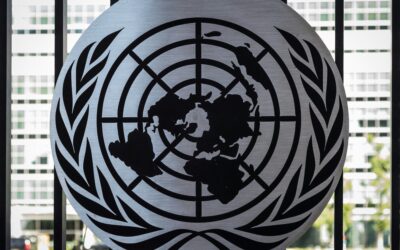
A Historic Gavel: First Lady Melania Trump Presides Over UN Security Council in “Age of Imagination” Address
In an unprecedented move that has redefined the diplomatic role of the American First Lady, Melania Trump presided over a United Nations Security Council meeting on Monday, March 2, 2026. As the United States assumed the rotating presidency of the 15-member council for the month of March, Mrs. Trump became the first spouse of a sitting world leader in history to occupy the president’s chair at the horseshoe table, leading a high-level session on the intersection of children, technology, and education in conflict zones. At The Modern Memo, we analyze the historic nature of this gavel handoff, the core tenets of her “Age of Imagination” framework, and the intense geopolitical backdrop that turned this session into a lightning rod for global tensions. A Historic First on the Global Stage While previous First Ladies have engaged with UN agencies, none have ever taken the gavel to chair a formal Security Council session. The decision by the White House to place Mrs. Trump at the helm of this meeting signaled a deliberate attempt to prioritize child welfare diplomacy as a signature pillar of the administration’s foreign policy agenda. Symbolic Shift: UN spokesman Stephane Dujarric noted that the move demonstrated “the importance that the United States feels towards the Security Council and the subject.” “Peace Does Not Need to be Fragile”: In her opening remarks, Mrs. Trump set a defiant tone for the session. Rather than dwelling on the status quo of diplomatic gridlock, she challenged council members to move beyond “rigid thinking” and embrace a more proactive role in fostering international stability through the democratization of knowledge. The “Age of Imagination”: An AI-Driven Diplomacy The central theme of the First Lady’s address was the concept of the “Age of Imagination”—a vision she has been refining since early 2026. Mrs. Trump argued that artificial intelligence (AI) is not merely a technological advancement but a “primary engine for creative exploration” that can dismantle the barriers of geography, religion, and socioeconomic status. Democratizing Knowledge: Mrs. Trump argued that AI disrupts the traditional, often gate-kept academic paths to information, allowing a “quiet genius in Somalia” or a “dreamer in uptown Manhattan” to access the same vast treasury of human knowledge. The “Elevate” Mandate: Her call to action was clear: “Now is the time for our generation to elevate our children above ideology through access to wisdom.” She posited that conflict is often born of ignorance and that providing children in the most remote corners of the globe with digital connectivity and AI-enhanced learning tools creates an infrastructure of understanding that transcends national borders. The Backdrop: A Council in Crisis The historic nature of the session was starkly contrasted by the immediate reality of the region. The First Lady’s call for the protection of children and education coincided with the third day of U.S.-led military operations in Iran, following strikes that hit targets including an elementary school in the town of Minab. Diplomatic Friction: The session became a stage for international theater. Iran’s ambassador to the UN, Amir Saeid Iravani, condemned the meeting as “deeply shameful and hypocritical,” characterizing the hosting of a summit on child safety while simultaneously conducting airstrikes as a fundamental betrayal of the UN Charter. The “General Silence”: Notably, in her prepared remarks, Mrs. Trump did not explicitly name the ongoing conflict or the Iranian school strikes, focusing instead on her broader educational initiative. This omission led to criticism from some humanitarian advocacy organizations, which argued that the focus on “future education” felt incongruous with the current survival crisis facing children in the war zone. A Counter-Narrative: Conversely, proponents of the administration’s strategy argue that the First Lady’s refusal to engage in the day-to-day “noise” of the conflict allows the mission to remain focused on its long-term goals—building a coalition of nations committed to the well-being of the next generation rather than being pulled into the immediate political theater. Final Word The decision to have Melania Trump chair the UN Security Council is a bold, high-stakes signal that the White House is prioritizing its own “soft power” agenda over traditional diplomatic protocols. When you look past the immediate geopolitical firestorm and focus on the data of the gavel handoff and the specific “Age of Imagination” educational framework, you gain a clearer picture of an administration attempting to bypass the slow-moving bureaucracies of the UN. Quality information replaces the noise of partisan condemnation with the clarity of the session’s stated goals and the evolving role of the First Lady. It allows you to see this event as a strategic move to define the American footprint on the global stage. By choosing to analyze the substance of her remarks on technology and intellectual freedom rather than just the optics of the gavel, you align your perspective with the realities of modern statecraft and support a more informed, resilient outlook on international relations. Where Facts, Context, and Perspective Matter At The Modern Memo, our goal is simple: to provide clear, well-researched reporting in a media landscape that often feels overwhelming. We focus on substance over sensationalism, and context over commentary. If you value thoughtful analysis, transparent sourcing, and stories that go beyond the headline, we invite you to share our work. Informed conversations start with reliable information, and sharing helps ensure important stories reach a wider audience. Journalism works best when readers engage, question, and participate. By reading and sharing, you’re supporting a more informed public and a healthier media ecosystem. The Modern Memo may be compensated and/or receive an affiliate commission if you click or buy through our links. Featured pricing is subject to change. 📩 Love what you’re reading? Don’t miss a headline! Subscribe to The Modern Memo here!

Misconduct in Public Office: Andrew Mountbatten-Windsor Arrest Sends Ripples
In a historic and unprecedented fall from grace, the man formerly known as Prince Andrew—now Andrew Mountbatten-Windsor—was arrested by Thames Valley Police early this morning, Thursday, February 19, 2026. The arrest, which took place on the former royal’s 66th birthday, follows a months-long investigation into allegations of misconduct in public office stemming from newly unredacted “Epstein Files.” At The Modern Memo, we analyze the specific trade envoy allegations, the stunning lack of royal privilege in custody, and King Charles’s “law must take its course” response. The Allegations: Selling Out the Crown? The arrest centers on Andrew’s tenure as the U.K.’s Special Representative for International Trade and Investment (2001–2011). While previous scandals focused on personal misconduct, this criminal probe targets the alleged abuse of his official government position. Confidential Briefings: Newly released U.S. Department of Justice documents reportedly show that Andrew shared “confidential government reports” with the late sex offender Jeffrey Epstein. Targeted Intelligence: The shared documents allegedly included sensitive investment briefs on Asian markets—specifically Singapore, Hong Kong, and Vietnam—as well as potential opportunities in southern Afghanistan during the height of the British military presence there. The “Stern” Connection: Investigators are also looking into Andrew’s relationship with David Stern, an Epstein associate who allegedly facilitated communications between the two men as late as 2018, long after Andrew claimed to have cut ties. The Arrest: Wood Farm and Sandringham The operation began shortly after 8:00 AM local time. Six unmarked police vehicles and roughly eight plain-clothed officers arrived at Wood Farm, the modest residence on the King’s Sandringham Estate where Andrew was forced to move after being evicted from Royal Lodge earlier this month. Simultaneous Raids: While Andrew was being taken into custody in Norfolk, officers were also seen conducting searches at Royal Lodge in Berkshire, his former longtime home near Windsor Castle. Birthday in a Cell: Despite it being his 66th birthday, the former prince was processed like any other suspect. He is expected to be interviewed under criminal caution by detectives throughout the day. No Special Treatment: “A Bed and a Toilet” In a statement that underscored the end of royal immunity, policing experts confirmed that the former prince would receive no special privileges while in custody. Standard Custody: Andrew is being held in a standard “custody suite.” According to policing commentators, his cell consists of a “bed and a toilet,” with the same basic meals provided to all detainees. 96-Hour Limit: Under U.K. law, he can be held for an initial 24 hours, which can be extended to a maximum of 96 hours with a magistrate’s approval if the investigation into misconduct—a charge that carries a maximum sentence of life imprisonment—requires further questioning. The Crown’s Response: “Deepest Concern” King Charles III issued a brief but firm statement shortly after the news broke. While expressing “deepest concern” for his brother, the King effectively removed the final layer of royal protection. Support for Police: The King stated that the law “must take its course” and pledged the royal family’s “full and wholehearted support and cooperation” with the investigation. The Prime Minister’s Stance: Prime Minister Keir Starmer echoed these sentiments, telling the BBC that “nobody is above the law” and that it is the duty of anyone with information to come forward, regardless of their status. Final Word The arrest of Andrew Mountbatten-Windsor is more than a tabloid headline; it is a seismic shift in the British constitutional landscape. When you look past the drama of the 66th-birthday raid and focus on the data of the misconduct in public office charge—specifically the alleged sharing of confidential trade documents—you gain a clearer picture of an accountability movement that is no longer deterred by titles. Quality information replaces the noise of royal gossip with the clarity of criminal procedure. It allows you to see this arrest as a pivotal moment for the rule of law in the United Kingdom. By choosing to follow the facts of the Thames Valley Police investigation rather than the spin of royal apologists, you align your perspective with the realities of modern justice and support a more informed, resilient public consciousness. Where Facts, Context, and Perspective Matter At The Modern Memo, our goal is simple: to provide clear, well-researched reporting in a media landscape that often feels overwhelming. We focus on substance over sensationalism, and context over commentary. If you value thoughtful analysis, transparent sourcing, and stories that go beyond the headline, we invite you to share our work. Informed conversations start with reliable information, and sharing helps ensure important stories reach a wider audience. Journalism works best when readers engage, question, and participate. By reading and sharing, you’re supporting a more informed public and a healthier media ecosystem. The Modern Memo may be compensated and/or receive an affiliate commission if you click or buy through our links. Featured pricing is subject to change. 📩 Love what you’re reading? Don’t miss a headline! Subscribe to The Modern Memo here!

Tragedy in Tumbler Ridge: Nine Dead in Canada’s Deadliest School Shooting in Decades
A quiet mining town in northeastern British Columbia has been shattered by a horrific mass shooting that left nine people dead, including the perpetrator. On Tuesday, February 10, 2026, 18-year-old Jesse Van Rootselaar carried out a deadly rampage that began at a private residence and ended at Tumbler Ridge Secondary School. As of Friday, February 13, the town of 2,400 people is observing seven days of mourning, with flags across Canada flying at half-staff. Timeline of the Attack The violence unfolded in a terrifyingly short window on Tuesday afternoon, catching the remote community completely off guard. The Initial Attack: Police believe Van Rootselaar first killed her 39-year-old mother, Jennifer Strang, and her 11-year-old stepbrother, Emmett Jacobs, at their home on Fellers Avenue. A young relative managed to flee to a neighbor’s house to raise the alarm. The School Shooting: At approximately 1:20 PM MST, the shooter arrived at the secondary school armed with a long gun and a modified handgun. The first victim was shot in a stairwell, followed by a lethal assault in the school library. The Lockdown: Students and staff barricaded doors with tables and benches as the principal shouted “Lockdown!” over the alarms. The Conclusion: Royal Canadian Mounted Police (RCMP) arrived within minutes. Upon entering the school, they found the suspect dead from a self-inflicted gunshot wound. The Victims: A Community in Mourning The RCMP has officially confirmed the names of the eight victims lost in the tragedy. The loss has hit the small, tight-knit town particularly hard, as most victims were children just beginning their teenage years. At the School: Education assistant Shannda Aviugana-Durand (39), and students Abel Mwansa (12), Ezekiel Schofield (13), Kylie Smith (12), Zoey Benoit (12), and Ticaria Lampert (12). At the Home: Jennifer Strang (39) and Emmett Jacobs (11). The Injured: Twenty-seven others were treated for injuries. Two victims—a 12-year-old girl and a 19-year-old woman—remain in critical condition after being airlifted to specialized hospitals. The Suspect and Motive The RCMP identified the shooter as Jesse Van Rootselaar, a former student and high school dropout. Prior History: Authorities confirmed that Van Rootselaar was known to police due to prior mental health calls. Firearms had previously been removed from the home but were later returned to the “lawful owner” after a petition. Identity: Deputy Commissioner Dwayne McDonald confirmed that Van Rootselaar was a transgender woman who had been transitioning for six years. Motive: Police have found no suicide note or manifesto. Investigations are ongoing, but officials state there is currently no evidence that specific individuals were targeted at the school. National and Global Response Prime Minister Mark Carney cancelled an international trip to Europe to visit Tumbler Ridge today for a community vigil. He described the event as an “unimaginable tragedy” and “one of the country’s worst acts of mass violence.” The attack is the deadliest school shooting in Canada since the 1989 École Polytechnique massacre. World leaders, including King Charles III and President Donald Trump, have sent messages of solidarity to the grieving families. Final Word Staying informed on the Tumbler Ridge tragedy isn’t just about reading a headline—it plays a powerful role in your understanding of the systemic gaps in mental health and the ongoing debate over firearm accessibility. When you look past the shock and focus on the data of the prior police calls and the timeline of the attack, you gain a clearer picture of how “red flag” warnings are managed in modern society. Quality information replaces the noise of social media rumors with the clarity of verified RCMP briefings. It allows you to see this tragedy not just as a statistic, but as a critical moment for national reflection on safety and support systems. By choosing to follow the facts of the investigation rather than the speculation surrounding the perpetrator, you align your perspective with the realities of the victims’ lives and support a more informed, resilient public consciousness. Where Facts, Context, and Perspective Matter At The Modern Memo, our goal is simple: to provide clear, well-researched reporting in a media landscape that often feels overwhelming. We focus on substance over sensationalism, and context over commentary. If you value thoughtful analysis, transparent sourcing, and stories that go beyond the headline, we invite you to share our work. Informed conversations start with reliable information, and sharing helps ensure important stories reach a wider audience. Journalism works best when readers engage, question, and participate. By reading and sharing, you’re supporting a more informed public and a healthier media ecosystem. The Modern Memo may be compensated and/or receive an affiliate commission if you click or buy through our links. Featured pricing is subject to change. 📩 Love what you’re reading? Don’t miss a headline! Subscribe to The Modern Memo here!
Tehran Defiant: Pezeshkian Blames “Foreign Plot” for Economic Unrest
In a move that has become a hallmark of the Islamic Republic’s response to domestic dissent, Iranian President Masoud Pezeshkian has formally accused the United States and Israel of orchestrating the massive wave of protests currently sweeping across Iran. Speaking in a televised address on January 31, 2026, Pezeshkian characterized the unrest—which began over economic grievances—as a “foreign-backed plot” designed to sow division and destabilize the nation. At Modern Memo, we analyze the administration’s claims of outside interference, the underlying economic crisis, and the escalating “war of words” between Tehran and the West. The Narrative of “Foreign Instigation” President Pezeshkian’s comments follow weeks of the largest anti-government demonstrations Iran has seen in decades. While the protests initially focused on the collapse of the national currency (the rial), the government’s narrative has shifted toward a framework of national defense against external enemies. The Accusation: Pezeshkian alleged that the U.S. and Israel have “exploited” Iran’s economic hardships to incite “violent rioters.” He claimed that foreign intelligence agencies have trained “terrorist elements” inside and outside the country to attack mosques, banks, and government buildings. The “12-Day War” Context: Tehran is increasingly framing the protests as a continuation of the June 2025 conflict between Iran and Israel. The administration argues that after failing to topple the regime through military strikes last summer, Western powers have pivoted to “hybrid warfare” and domestic subversion. The “National Resistance” Label: Official state statements have begun to frame security personnel killed in the crackdown as “martyrs of the resistance,” suggesting they are fighting a foreign invasion rather than domestic protestors. Economic Realities vs. Regime Rhetoric While the President points to foreign interference, independent observers and economists highlight a domestic system under immense pressure. The “economic blackout” in Iran is driven by several factors that the administration has struggled to manage: Currency Collapse: In late December 2025, the rial hit a record low of approximately 1.4 million rials to the U.S. dollar. This hyper-devaluation triggered the initial strikes among shopkeepers in Tehran’s Grand Bazaar. Subsidy Reforms: In an attempt to stabilize the market, Pezeshkian has pushed through major subsidy cuts on essential goods like wheat and oil. While intended to boost purchasing power in the long term, the immediate result has been a 60% spike in food prices, fueling public anger. Sanctions Pressure: The U.S. has intensified “maximum pressure” sanctions following the June 2025 hostilities, effectively cutting off Iran’s ability to access global financial markets and deteriorating the standard of living for the average citizen. The Crackdown: Security Forces and Information Control The government’s response to the protests has been described by international monitors as “unprecedented.” To regain control, the regime has deployed a strategy of total isolation: The Internet Shutdown: Since January 8, 2026, a near-total telecommunications blackout has blanketed the country. This “digital curtain” is designed to prevent protestors from coordinating and to stop images of the crackdown from reaching the global press. Arrest and Casualty Figures: While Iran’s Foreign Ministry claims roughly 3,100 deaths, international rights groups like HRANA and Amnesty International have reported significantly higher numbers, with some estimates suggesting over 6,000 confirmed deaths and more than 40,000 arrests. Judiciary Action: The Iranian judiciary has vowed to fast-track trials for those arrested, with officials suggesting that charges of “terrorism” and “enmity against God”—which carry the death penalty—will be applied to “rioters” deemed to be working for foreign powers. Final Word Understanding the rhetoric of the Iranian presidency isn’t just about foreign policy—it plays a powerful role in your understanding of how authoritarian regimes maintain control during a crisis. When you look at the raw data of currency devaluation alongside claims of “foreign plots,” you gain a clearer picture of the survival tactics being used in Tehran. Quality information improves your mental health by replacing the noise of propaganda with the clarity of economic and political analysis. It reduces “civic cynicism” by helping you realize that even the most aggressive narratives are often a response to deep-seated internal vulnerabilities. By choosing to analyze both the regime’s stance and the documented economic data, you protect your perspective and support a more informed, resilient global community. Where Facts, Context, and Perspective Matter At The Modern Memo, our goal is simple: to provide clear, well-researched reporting in a media landscape that often feels overwhelming. We focus on substance over sensationalism, and context over commentary. If you value thoughtful analysis, transparent sourcing, and stories that go beyond the headline, we invite you to share our work. Informed conversations start with reliable information, and sharing helps ensure important stories reach a wider audience. Journalism works best when readers engage, question, and participate. By reading and sharing, you’re supporting a more informed public and a healthier media ecosystem. The Modern Memo may be compensated and/or receive an affiliate commission if you click or buy through our links. Featured pricing is subject to change. 📩 Love what you’re reading? Don’t miss a headline! Subscribe to The Modern Memo here!
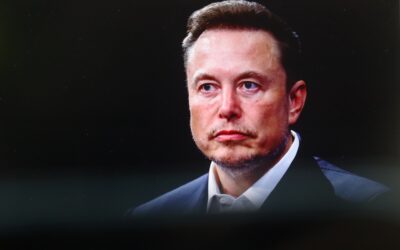
Elon Musk Calls for EU to be Abolished After Hefty Fine
Elon Musk made waves once again — and this time, he went straight for the European Union. On December 6, 2025, right after the EU hit his platform X with a massive €120 million ($140 million) fine, Musk fired back with a bold message. He said the EU should be abolished completely, and that member countries should take back full control of their own governments. As expected, his comments spread like wildfire. Everyone from policymakers to everyday social media users had something to say about it. The people of Europe should withdraw from the EU to regain their sovereignty https://t.co/QTbkSgePrh — Elon Musk (@elonmusk) December 6, 2025 Musk has never been shy about sharing his views, but this statement hit differently. It wasn’t just about a fine or a disagreement over rules. It was a full-on challenge to one of the world’s most powerful political institutions. Whether people agreed with him or not, it was clear that his comments struck a nerve across the globe. Fine: What Triggered the Outrage The spark that set everything off was the European Commission’s fine against X under the Digital Services Act (DSA). The DSA is the EU’s big effort to rein in online platforms by making them more transparent, more responsible, and more accountable for harmful or illegal content. According to regulators, X wasn’t doing enough — especially when it came to dealing with misinformation and extremist material. Musk didn’t take the accusation lightly. He said the fine had nothing to do with safety or compliance and everything to do with trying to control free speech online. To him, the EU’s enforcement felt like punishment for allowing open discussion, even when that discussion included unpopular or controversial opinions. Instead of quietly paying the fine, Musk escalated the situation in a way only he could. More Stories Drowning in Bills? These Debt Solutions Could Be the Break You Need Out-of-Town Renters Are Driving Up Demand in These Five Cities Under Siege: My Family’s Fight to Save Our Nation – Book Review & Analysis Growing US-European Diplomatic Strain Musk’s comments didn’t stay in the business world. They quickly became a diplomatic issue when top American officials weighed in. U.S. Secretary of State Marco Rubio slammed the fine, calling it an attack on American companies and American innovation. His message was clear: the EU was crossing a line by imposing such a heavy penalty on X. U. S. Ambassador to the EU, Andrew Puzder, also spoke out about the incident: Today’s excessive €120M fine is the result of EU regulatory overreach targeting American innovation. The Trump Administration has been clear: we oppose censorship and will challenge burdensome regulations that target US companies abroad. We expect the EU to engage in fair, open,… https://t.co/EAld2QJaen — U.S. Ambassador to the EU (@USAmbEU) December 6, 2025 All of this made a tense situation even more complicated. What started as a regulatory fine quickly turned into a broader political debate between two major global players. Musk’s Broader Pattern of Opposition to EU Influence If you’ve followed Musk over the past few years, his criticism of the European Union probably doesn’t surprise you. He has repeatedly questioned the union’s authority, especially when it comes to digital policy and speech regulation. Critics insist Musk is looking out for his own interests. After all, the EU’s regulations could affect everything from Tesla to SpaceX to X. They argue that he wants the union weakened because its oversight makes it harder for tech giants to operate freely. But his supporters see him as a champion of personal freedom and innovation. Whether people view him as a disruptor or a defender, one thing is clear: Musk has become one of the most vocal opponents of EU regulatory power. What’s at Stake: Democracy, Regulation, and Global Tech The fight between Musk and the European Union isn’t really about one fine. It’s part of a much bigger debate about how digital spaces should be governed. European officials say the DSA is essential for protecting citizens from misinformation, dangerous content, and foreign manipulation. They believe strong rules help maintain order and keep the online world safer. Musk, however, argues that too much regulation can become a threat in itself. He believes it limits creativity, restricts the exchange of ideas, and gives too much power to unelected officials. He sees X as a platform where people should be able to talk openly, even if those conversations get messy. From his perspective, the EU’s approach leans too far toward control, while his vision champions freedom and innovation. This clash of philosophies is at the heart of the debate. And because it involves global tech giants, European governments, and the United States, the consequences reach far beyond one company’s bottom line. Musk isn’t likely to let this go. His comments could inspire other tech leaders to question EU authority, and they may also influence public opinion in several countries already debating issues of sovereignty. The conflict may even shape upcoming elections or policy discussions as governments decide how much control they want to hand over to Brussels. Final Word Elon Musk’s stand against the European Union is a direct challenge to a system that has grown far too controlling. He’s calling out a bureaucracy that restricts free speech, slows innovation, and tries to dictate how tech platforms operate. Musk’s push for national sovereignty and open communication aligns with the values many Americans already champion. By confronting EU overreach head-on, he’s defending the principle that people and individual nations — not distant institutions — should shape the future of technology. His willingness to speak plainly and push back is driving a conversation that needed to happen, and he’s showing once again that he isn’t afraid to take on powerful systems when freedom is on the line. Cut Through the Noise. Slice Through the Lies. Share the Truth. At The Modern Memo, we don’t tiptoe around the narrative—we swing a machete through it. The mainstream won’t say it, so we will. If you’re…

British Baronet Seeks Young “Breeder” to Produce Male Heir
Sir Benjamin Slade, a 79-year-old British baronet, has stepped into the spotlight again after publicly announcing a detailed search for a much younger wife. His goal, he says, is to find a partner who can help manage his estate and ideally produce a male heir. Because of the specificity of his requirements, his announcement quickly spread across news outlets and social media. A Public Search for a Very Specific Partner Slade explains that he is looking for a woman who is at least twenty years younger than he is. He prefers someone physically strong, taller than 5’6″ and capable of participating in an active and hands-on lifestyle. He has described the ideal candidate as confident, organized, and comfortable overseeing a historic property with extensive grounds, buildings, and staff. To make the opportunity appealing, the baronet offers a salary of roughly £50,000 ($60,000) per year, along with room, board, and additional estate benefits. According to him, the role includes access to transportation, varied activities, and training opportunities. Even with these incentives, many observers note that the description resembles a comprehensive job listing rather than a traditional search for companionship. An Extensive List of Requirements Slade’s expectations include a surprisingly long list of skills and qualifications. He indicates that he would prefer a woman who holds a British standard driver’s license and potentially even a helicopter license. He also favors someone who can ride horses, use a shotgun safely, and assist with practical responsibilities such as managing accounts or reviewing legal documents. Because these duties span many fields, the woman he seeks would need to be multi-talented and highly adaptable. In addition to skills, Slade also lists several personal preferences and exclusions. Reports say the baronet has expressed preferences regarding nationalities, reading habits, and even zodiac signs. These details drew strong public curiosity due to how specific and unusual the criteria seemed. More Stories Drowning in Bills? These Debt Solutions Could Be the Break You Need Out-of-Town Renters Are Driving Up Demand in These Five Cities Under Siege: My Family’s Fight to Save Our Nation – Book Review & Analysis A Focus on Legacy and Inheritance Traditions Slade has spoken openly about his desire to secure the future of his estate. He owns a large historic property in Somerset, and like many hereditary titles in the UK, his baronetcy follows traditional primogeniture. This means the title typically passes to a male heir. Because of those long-standing rules, Slade has said he wants a son — or ideally two sons — to ensure continuity. Although the baronet already has a daughter, the title cannot pass through the female line under the current hereditary structure. His daughter, Violet, was born through IVF with poet and composer Sahara Sunday Spain. Slade and Spain do not remain in contact, and he has not met Violet. In a previous interview, Violet’s mother commented on the circumstances, saying: “I know Ben wanted a boy … But he has no interest in meeting Violet.” Public Reaction to His Announcement Once Slade’s list circulated, public response grew quickly. Some people viewed the announcement as humorous due to its unusual level of detail, while others found it surprising or curious. Many noted that few modern dating requests include references to helicopter training or estate management. Others commented on how rare it is for a hereditary estate to seek a partner through such a direct and open call. Despite differing opinions, one consistent theme emerged: people were fascinated. Social media filled with discussions about traditional inheritance systems, unusual matchmaking strategies, and the unique expectations that sometimes accompany aristocratic life. The Intersection of Old Traditions and Modern Life Slade’s story highlights an interesting tension between long-established British customs and the realities of modern society. For centuries, estates and hereditary titles often followed rigid rules based on lineage and succession. Today, however, people approach relationships differently, and many no longer encounter environments where lineage plays a central role. Because of these contrasting contexts, Slade’s announcement struck many as something from another era. Yet at the same time, his circumstances illustrate the practical challenges individuals may face when navigating old systems that still exist today. While many hereditary rules remain unchanged, the world around them continues to evolve. An Uncertain Path Forward At this time, no publicly verified candidates have stepped forward to express interest. The baronet has said he will continue his search and is willing to explore international options. He also mentioned the possibility of using matchmakers or structured agencies to widen the pool of applicants. The future of his estate, his personal life, and his ongoing search all remain open questions. Whether he successfully finds someone who meets his criteria or whether circumstances change in other ways is unknown. What is clear, however, is that his story has generated widespread conversation. A Story That Continues to Capture Attention Slade’s announcement contains elements that naturally draw interest: aristocratic tradition, unusual expectations, public declarations, and a broad mix of practical, personal, and historical factors. Combined, these details create a story that feels both distinctive and deeply rooted in long-established customs. As long as his search continues, the public will likely remain curious. His call reflects a very specific lifestyle, a unique set of priorities, and the ongoing presence of inheritance traditions in the United Kingdom. These elements ensure that his efforts to find a partner remain a subject of discussion — not only as a personal matter, but also as a reflection of how old systems and modern life intersect. Forget the narrative. Reject the script. Share what matters. At The Modern Memo, we call it like it is — no filter, no apology, no corporate leash. If you’re tired of being lied to, manipulated, or ignored, amplify the truth. One share at a time, we dismantle the media machine — with facts, boldness, and zero fear. Stand with us. Speak louder. Because silence helps them win. 📩 Love what you’re reading? Don’t miss a headline! Subscribe to The Modern Memo here! Explore…