

World News
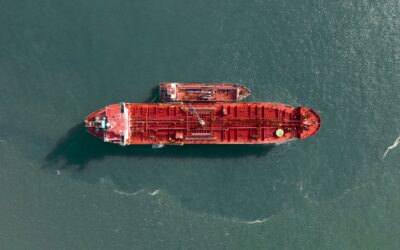
Iran Moves to Permanently Ban US and Israeli Ships From Hormuz Even as It Nears Deal With Oman
Just days after touting progress toward a shipping agreement with Oman, Iran’s parliament is now reviewing legislation that would permanently bar American and Israeli vessels from the Strait of Hormuz altogether — a move that undercuts the optimistic tone coming out of Washington in recent days and that the Trump administration has flatly rejected. What the Bill Would Do According to Iran’s semi-official Fars news agency, a parliamentary committee is reviewing a preliminary bill that would block “hostile” vessels — explicitly naming the United States and Israel — from transiting the strait. The restrictions reportedly wouldn’t be limited to those two countries alone; they would extend more broadly to “countries and individuals that have caused damage to Iran,” and would remain in place until Tehran considers itself compensated for that damage. The proposal would also impose a transit fee of up to 7% of a cargo’s value on other commercial vessels passing through, with steeper penalties — up to 20% of cargo value — for any vessel that violates the terms. The legislation remains under expert review, with parliament inviting outside specialists to weigh in before a final version is drafted, according to the lawmaker cited by Fars. Washington Pushes Back Hard The Trump administration wasted no time rejecting the proposal outright. “Any temporary routes will be without any impediments — meaning no approvals or permissions and no tolls or charges,” a U.S. official told CNBC in response to the report. “The Strait of Hormuz is an international waterway and no party controls the lanes or the ability to transit through them,” the official added, directly rebutting Iran’s underlying claim of sovereign authority over the passage. A Confusing Diplomatic Picture The bill’s emergence complicates what had appeared, just days earlier, to be genuine momentum toward de-escalation. Iran and Oman announced they’d agreed on the geographic coordinates for a new shipping corridor, with vessels reportedly set to enter through a northern route near the Iranian coast and exit through a southern route near the Omani coast. But Iranian officials have been careful to separate that Oman-specific arrangement from any broader resolution involving the United States, with deputy foreign minister Kazem Gharibabadi stating explicitly that “the path of understanding is between Iran and Oman, and no negotiations with the US have taken place during this period.” That stands in some tension with President Trump’s own public statements. Trump had accused Iranian leaders of being “duplicitous” about the state of peace talks earlier in the week, insisting negotiations were underway “whether Iran wants to admit it or not” — a claim Tehran has repeatedly and directly denied. Testing the Limits of an Earlier Ceasefire The current standoff traces back to a memorandum of understanding signed between the U.S. and Iran on June 17, under which Tehran agreed to allow commercial vessels to transit the strait toll-free for 60 days, in exchange for the U.S. lifting its naval blockade of Iranian vessels and easing other pressure. That framework ultimately broke down, reigniting the fighting and the shipping disruption that has persisted since. Iran has separately warned Gulf states that any renewed U.S. attack on Iranian territory would trigger retaliation against regional energy infrastructure, a threat that underscores just how much is riding on whether the current round of negotiations holds. Reading the Standoff Supporters of the administration’s hardline posture argue this latest legislative maneuver is exactly the kind of move that justifies continued pressure on Tehran rather than premature optimism: a regime that claims to be negotiating in good faith on one hand while advancing legislation to permanently exclude American and allied shipping on the other is not a regime that has abandoned its broader objectives, even as it seeks sanctions relief and an end to strikes on its territory. Iran, for its part, continues to frame its demands as a matter of legitimate sovereign control over waters it considers within its jurisdiction — an argument the U.S. and most of the international community reject given the strait’s status as vital international shipping lane carrying roughly a fifth of the world’s oil and gas. What Happens Next The bill remains in committee and is not yet finalized, meaning its ultimate provisions could still shift before a floor vote. In the meantime, the dueling signals — apparent progress with Oman paired with hardline legislation aimed squarely at the U.S. and Israel — leave the broader question of when, or whether, the Strait of Hormuz fully reopens to normal international shipping traffic as unresolved as ever. This story is developing.
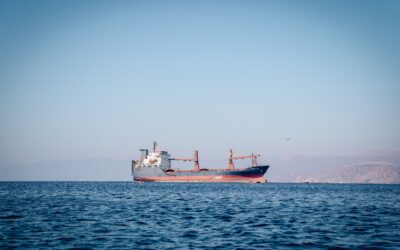
Iran and Oman Agree on Hormuz Shipping Coordinates, But Tehran Makes Clear the Strait Isn’t Reopening Yet
Iran and Oman announced Wednesday that they’ve agreed on the geographic coordinates for a new commercial shipping route through the Strait of Hormuz, a step toward de-escalation that comes even as Tehran insists it has no intention of fully reopening the critical waterway anytime soon — a reminder that the diplomatic progress touted by U.S. officials in recent days remains far more fragile than the headlines might suggest. What Was Actually Agreed Iranian Foreign Ministry spokesperson Esmaeil Baghaei told reporters that after roughly two months of negotiations, the two countries have settled on coordinates for a proposed shipping route, and that a joint statement covering the technical, legal, security, and environmental details of the arrangement is now in its final stages of drafting. “The geographical coordinates of the route proposed by the two sides have been agreed upon,” Baghaei said, adding the caveat that the joint statement would only move forward “provided that certain third parties do not obstruct the process” — a clear reference to the United States. Iran’s deputy foreign minister for legal and international affairs, Kazem Gharibabadi, told state news agency IRNA that the two countries have reached understanding on “almost all” outstanding issues in the negotiation. The Catch: Iran Still Wants the US Blockade Lifted First Despite the apparent breakthrough on coordinates, Baghaei was explicit that an agreement with Oman alone won’t be enough to make the strait safe for shipping. “An understanding with Oman cannot, in itself, mean that the strait has become safe for passing vessels, because the factors creating insecurity in the Strait of Hormuz — particularly the U.S. naval blockade and other actions against Iran and its interests — remain in place,” he said. That’s a significant condition. Reuters reported that the proposed arrangement would give Tehran control over ships entering the Gulf through the strait — described by sources as one of the biggest concessions to Iran since the war began — while regional officials cautioned that important details still needed to be finalized despite President Trump’s recent public optimism that a deal reopening the strait was close at hand. How We Got Here Iran effectively closed the Strait of Hormuz in March in response to the U.S. and Israeli strikes that launched the war in late February, and its forces have repeatedly threatened commercial vessels attempting to transit the waterway with drones, missiles, small boats, and mines ever since. An earlier ceasefire framework, the Islamabad Memorandum of Understanding, collapsed in July, triggering a fresh wave of strikes and reigniting the standoff over the strait that has disrupted roughly 20% of the world’s oil and liquefied natural gas exports and pushed global energy prices higher for months. At its narrowest point, the strait is just 21 miles wide, meaning any agreement over shipping lanes and territorial control carries outsized strategic weight — there’s essentially no room for a truly neutral international shipping lane if both countries insist on standard 12-mile territorial waters. Reading the Administration’s Position Trump administration officials have been eager to characterize the negotiations as evidence that sustained American pressure is finally working. Treasury Secretary Scott Bessent said earlier this week that a deal could come within days, and noted that vessel traffic has already picked back up despite the continued uncertainty. Whether that optimism proves justified will depend heavily on what happens next: Iran’s insistence on tying any final resolution to an end of the U.S. naval presence in the region suggests Tehran still believes it holds real leverage, even after months of American and Israeli strikes on its military and nuclear infrastructure. Supporters of the administration’s approach argue that extracting even partial concessions from Iran — a country that had effectively shut down a fifth of the world’s oil shipping for months — represents real progress from a position of strength, and that Tehran’s public hedging is standard negotiating posture rather than a sign the pressure campaign has stalled. Skeptics counter that a deal requiring the U.S. to lift its naval blockade in exchange for Iranian control over Gulf-bound shipping lanes would hand Tehran a durable strategic win, not a defeat, regardless of how the administration chooses to frame it. What Comes Next Officials on both sides say the joint statement between Iran and Oman is nearly finished, but its release — and any broader resolution to the shipping standoff — still hinges on decisions well above either country’s negotiating teams. Reports suggest the broader framework may also require sign-off from Iran’s Supreme Leader before anything becomes final. In the meantime, the war itself continues, with American and Israeli strikes ongoing and no comprehensive ceasefire yet in place covering anything beyond the narrow question of Gulf shipping routes. This story is developing.

Venezuela Earthquake Death Toll Surpasses 5,500 a Month After Twin Quakes Devastate the Country
More than a month after twin earthquakes struck Venezuela, the human toll continues to climb, with officials confirming the death toll has now surpassed 5,500 and thousands more still unaccounted for as the country struggles to recover from one of the most devastating natural disasters in its recent history. A Staggering Toll The official death count now stands above 5,500, with more than 16,700 people reported injured. Damage from the twin quakes is estimated at $19.6 billion, and thousands of Venezuelans remain homeless more than a month after the disaster struck. The number of people still listed as missing has not been updated since late June, raising concerns that the final toll could climb even higher as search and recovery efforts continue. A Country Already Under Strain The earthquakes hit a nation already grappling with a battered economy and years of political instability under the Maduro regime, complicating both the government’s ability to respond and the international community’s efforts to deliver aid. The scale of destruction has strained local infrastructure and emergency services that were already stretched thin before the disaster struck. International Response The disaster has drawn attention from humanitarian organizations and foreign governments assessing how to best deliver aid to affected communities, though the specifics of international relief efforts continue to evolve as the scope of the damage becomes clearer. With thousands still displaced and rebuilding likely to take years, the long-term recovery effort is expected to remain a major humanitarian concern in the region well beyond the immediate aftermath. This story is developing.

US Halts Iran Airstrikes to “Give Talks Some Space” as Fragile Off-Ramp Emerges
The United States has paused its military campaign against Iran after nearly two weeks of intensifying airstrikes, as diplomatic efforts push forward in an attempt to pull the two countries back from the brink of all-out war — though it remains far from clear whether the lull will hold. President Trump halted lethal strikes over the weekend following 13 days of escalating attacks, and said the pause came at Iran’s own request. “They asked us very nicely, ‘Please stop, let’s meet,’” Trump told reporters aboard Air Force One. “And that’s where we are right now, see what happens. If we don’t make a deal, we go back to the same thing.” Mixed Signals From Tehran Iran’s messaging has been notably inconsistent. U.S. Ambassador to the United Nations Mike Waltz said the pause was meant to give ongoing negotiations “some space,” and said mediators had indicated real progress was being made. But Iranian Foreign Ministry spokesperson Esmaeil Baghaei pushed back hard on that framing, telling reporters Monday that “we have no negotiations with the United States at present” and that Iran “will never allow the United States to determine the timing of war and peace.” Baghaei added that Tehran does not consider the current lull a genuine ceasefire. What Sparked the Latest Escalation The nearly two-week bombing campaign was touched off after Iran began firing on ships attempting to transit the Strait of Hormuz, shredding an earlier ceasefire brokered in Islamabad. According to one official familiar with the talks, both sides now want to return to that interim ceasefire framework, with a potential compromise centered on Iran overseeing vessel transit through the strait under looser restrictions. The Stakes Keep Rising The conflict is set to reach its five-month mark this week, far exceeding early administration predictions that it could be resolved within roughly 60 days. Oil prices spiked to a two-month high above $100 a barrel during the fighting before easing back to around $92, and reporting suggests dwindling U.S. munitions stockpiles may be factoring into military planning as officials weigh their next move. Complicating matters further, Israeli Prime Minister Benjamin Netanyahu is set to visit Washington next week for talks with Trump, adding another variable to an already unpredictable diplomatic moment. This story is developing.

US Rewards UAE’s Support in Iran War With Easier Access to Advanced AI Chips, Drawing Democrat Fire
The Trump administration has cleared the way for expanded sales of America’s most advanced AI chips to the United Arab Emirates, crediting the Gulf nation’s cooperation during the Iran war and its steps to safeguard sensitive U.S. technology — a move the administration says strengthens a key ally while critics warn could open a backdoor for China. The Commerce Department’s Bureau of Industry and Security reclassified the UAE into the highest-trust Country Group A:5, allowing license-free export of advanced Nvidia and AMD AI chips, high-performance servers, commercial satellites, and certain military items. The rule change cited both the UAE’s steps to protect sensitive American technology and its support for the U.S. in the war against Iran. A Boost for American Industry The policy accelerates development of the $30 billion Stargate UAE AI campus, a massive AI compute facility in Abu Dhabi, and removes previous license requirements for approved entities like the UAE’s G42. Supporters say the move deepens an important strategic and commercial partnership at a moment when the UAE has proven itself a reliable regional ally, while ensuring American firms — not foreign competitors — supply the infrastructure powering the next generation of Gulf AI development. UAE Ambassador Yousef Al Otaiba praised the decision, saying it “affirms and advances decades of deep and dependable UAE-US cooperation in technology, security, trade and investment.” Democrats Demand Answers The decision hasn’t gone unchallenged. Sen. Elizabeth Warren, D-Mass., called on Commerce Secretary Howard Lutnick and Under Secretary Jeffrey Kessler to testify before the Senate Banking Committee, arguing the move happened “despite reported concerns about the diversion of sensitive technology to China and other national security risks.” Warren has also raised questions about financial ties between UAE-linked entities and Trump-connected business ventures, though administration officials maintain the export decision was made purely on national security and alliance grounds. Balancing Security and Strategy Some China hawks in Washington remain wary, warning the move could allow sensitive AI technology to reach China through cloud computing access or physical transfer of chips, particularly given G42’s past ties to Huawei — though G42 says it has since distanced itself from the Chinese firm. The administration has countered that keeping the UAE firmly in America’s technological orbit, rather than pushing it toward Chinese suppliers, is the more strategically sound long-term choice — especially given the UAE’s cooperation during the ongoing Iran conflict. This story is developing.

Andrew and Tristan Tate Face Federal Detention as UK Seeks Extradition on Dozens of New Charges
Andrew and Tristan Tate, the influencer brothers long known for their controversial online personas, are sitting in federal detention in Miami after U.S. Marshals arrested them on a sealed warrant tied to a sweeping new set of charges out of the United Kingdom. British prosecutors have added dozens of new charges against the pair, bringing the total to 59 combined — including rape, sex trafficking, assault, and, in Andrew Tate’s case, additional charges relating to indecent images of children. Andrew Tate faces 42 charges, including rape, human trafficking, indecent images of a child and assault, while Tristan Tate faces 17 charges, including sexual assault, rape and trafficking. The allegations were brought forward by seven women and are said to have occurred in England between 2010 and 2017. From Romania to Florida to Federal Court The brothers, dual U.S.-U.K. citizens, were first arrested in Romania in December 2022 on separate human trafficking charges, which they have denied and continue to fight. After Romanian authorities lifted a travel ban last year, the Tates flew to Florida on a private jet — a move that drew criticism from advocates who said it allowed them to evade accountability. Following their arrest in Miami, the brothers appeared before a U.S. magistrate, where their attorney, Joseph McBride, said they intend to fight extradition. McBride has also publicly appealed to the Trump administration to intervene on their behalf, calling the newest charges “filth and slander.” The Justice Department has pushed back on suggestions the arrest was improperly authorized, telling reporters it was approved at the leadership level of its Criminal Division. Advocates Welcome the Arrest Groups that work with trafficking victims say the arrests are a long-overdue step toward accountability. Dani Pinter, chief legal officer at the National Center on Sexual Exploitation, said her organization was thankful U.S. and U.K. authorities pursued the arrest and extradition of the brothers, adding that her client and the client’s family, who she says were harassed and intimidated by the Tates, are now safer. A U.S. district judge will determine in the coming weeks whether the brothers meet the legal conditions for extradition to the United Kingdom. This story is developing.

Outbreak On Board: Alaska Cruise Ship Hit with Third Stomach Illness Sweep in Two Months as CDC Review Underway
What was intended to be an intimate, bucket-list voyage through the pristine wilderness of Alaska has turned into a recurring medical nightmare for passengers aboard an expedition cruise vessel. Federal public health authorities have confirmed that the National Geographic Sea Bird—a specialized 62-passenger vessel operated by Lindblad Expeditions—has been struck by its third major gastrointestinal outbreak in less than two months. The latest outbreak, occurring during a five-day voyage between Sitka and Juneau, sickened nearly a third of all guests on board. The repeating pattern of severe illness has triggered a comprehensive review by the U.S. Centers for Disease Control and Prevention (CDC), raising sharp questions from maritime health watchdogs over whether the ship’s sanitation and quarantine protocols are sufficient to stop the virus. At The Modern Memo, we break down the operational profile of the three consecutive outbreaks, the physical environment making small ships uniquely vulnerable, and the regulatory pressure mounting on federal health inspectors to intervene. The Outbreak Timeline: A Summer of Recurring Sickness The primary concern for public health inspectors is not merely a single isolated event, but a persistent, multi-week cycle of infection that has plagued the vessel throughout its summer 2026 deployment. Voyage 1 (Late May): The initial outbreak was logged during a May 26–May 31 itinerary, sickening 9 of 66 passengers and 3 crew members. Stool sample testing conducted by the CDC confirmed the causative agent as norovirus. Voyage 2 (Late June): Less than four weeks later, during a June 25–June 30 trip between Juneau and Ketchikan, the ship was hit again. A second wave sickened 20 out of 95 total passengers and crew, with norovirus once again verified as the culprit. Voyage 3 (Mid-July): The most recent crisis struck the July 10–July 15 sailing. According to official CDC Vessel Sanitation Program (VSP) logs, 18 of the 62 passengers (29%) fell violently ill with severe abdominal cramps and projectile vomiting. While the specific pathogen for the third wave remains under laboratory evaluation, the clinical symptoms match the prior norovirus sweeps. The Transmission Trap: Why Expedition Ships Face Unique Risks While large mega-ships make headlines when hundreds fall ill, small expedition vessels face a different, highly acute set of operational challenges when dealing with contagious stomach bugs. The Math of Small Numbers: Because the Sea Bird carries only 62 passengers, it takes just two or three sick individuals to hit the CDC’s 3% mandatory outbreak threshold. When 18 passengers fall ill at once, it represents nearly one out of every three guests on board, severely straining the ship’s limited medical resources. The Disinfection Gap: Norovirus is a non-enveloped virus, meaning it possesses an extraordinarily tough outer shell. It is largely immune to standard alcohol-based hand sanitizers and can survive on hard surfaces—such as cabinet handles, buffet utensils, and Zodiac boat railings—for weeks unless non-stop, industrial-grade chlorine deep cleaning is applied between voyages. Regulatory Pressure: Will the CDC Issue a No-Sail Order? The frequency of the outbreaks on a single vessel has sparked intense debate among maritime legal experts and public health advocates regarding the limits of voluntary cruise line sanitation plans. Regulatory Step Standard Outbreak Protocol Escalated Multi-Outbreak Action Cleaning Procedures Increase crew wiping of high-touch surfaces with EPA-approved disinfectants. Terminal deep-cleansing using electrostatic fogging and total crew isolation. Passenger Protocols In-cabin isolation for symptomatic guests until 48 hours symptom-free. Mandatory pre-boarding health screenings and stool sample tracking. CDC Intervention Remote tracking via the Vessel Sanitation Program (VSP). Field Response / No-Sail Order: Sending inspectors on board or grounding the ship. Under VSP guidelines, Lindblad Expeditions reported that crews responded by isolating sick passengers, collecting clinical specimens, and executing enhanced cleaning protocols. However, maritime law experts point out that when a single ship suffers three documented outbreaks across a span of seven weeks, standard cleaning during rapid port turnarounds is clearly failing to break the chain of infection. Calls are growing from consumer advocacy groups for the CDC to deploy a full field team to inspect the ship’s water, ventilation, and food-handling networks—or temporarily pull the vessel out of service until a total, uninterrupted sanitization cycle can be verified. Final Word The recurring wave of gastrointestinal illness aboard the National Geographic Sea Bird is the definitive proof that once a virulent stomach bug gets a foothold inside a ship’s tight quarters, standard surface wiping is simply not enough. When you look past the standard corporate press statements about “enhanced sanitation protocols” and analyze the hard data—three separate CDC-tracked outbreaks on a single small vessel in seven weeks, nearly 30% of passengers on the latest voyage struck with severe vomiting, and norovirus repeatedly defying turnaround cleanings—you gain an unvarnished view of an active public health risk. Quality information replaces travel marketing promises with the cold, unvarnished reality of maritime hygiene challenges. Lindblad Expeditions and federal health regulators face an immediate responsibility: either fully halt operations to execute an uncompromised, ground-zero decontamination of the ship, or risk sending yet another wave of paying passengers straight into a floating infirmary.

The 30-Day Failure: Trump’s 60-Day Iran Ceasefire Shatters at Halfway Mark as War Erupts in the Strait of Hormuz
The highly touted diplomatic window engineered to defuse total war in the Persian Gulf has completely collapsed. Exactly three weeks after the United States and the Islamic Republic of Iran signed a dramatic, 60-day Memorandum of Understanding (MOU) in Geneva, the performance-based truce has vanished. In its place is a ferocious, multi-front kinetic conflict for absolute physical sovereignty over the world’s most vital energy shipping artery. The provisional framework—brokered on June 17, 2026, to guarantee a 60-day window of toll-free commercial transit and halt open military campaigns—imploded at its precise halfway threshold. Following successive Iranian attacks on merchant vessels using an alternative southern shipping channel, President Donald Trump declared the diplomatic track officially “over” at the NATO summit in Ankara. Within days, the standoff transformed into full-scale air and maritime warfare. U.S. Central Command (CENTCOM) launched relentless waves of precision bombardments, hitting more than 300 Iranian military targets across consecutive nights. Concurrently, Washington has fully reinstated its crippling naval blockade on Iranian ports, drawing retaliatory ballistic missile barrages from Tehran against American bases throughout the region. At The Modern Memo, we break down the operational anatomy of the 300-target blitz, the maritime ambush that triggered the ceasefire’s demise, and the deepening economic shockwaves rippling through global energy security. The Five-Day Blitz: CENTCOM Pounds the Iranian Coastline The massive air operations carried out by the U.S. military represent a systematic effort to strip the Islamic Revolutionary Guard Corps (IRGC) of its ability to threaten civilian mariners. The Target Dragnet: Spanning five straight days of intensive bombardment, precision weapons launched from land- and sea-based fighter aircraft, unmanned drones, and naval warships targeted over 300 discrete military sites deep within Iran. Dismantling Infrastructure: CENTCOM confirmed the strikes successfully neutralized key IRGC coastal surveillance locations, primary communication networks, hidden cruise missile storage hubs on Greater Tunb Island, ammunition depots, and active surface-to-air defense systems. The Northern Escalation: For the first time in this phase of the war, U.S. strike networks expanded far north of the Persian Gulf. Air defense sirens and heavy explosions echoed directly throughout Iran’s capital city, Tehran, signaling a vast structural expansion of the American target list. The Undoing: Maritime Ambushes and the Toll Dispute The primary catalyst behind the sudden collapse of the June 17 ceasefire lies in a irreconcilable dispute over the legal and operational administration of the Strait of Hormuz. The underlying text of the MOU committed Iran to allowing safe passage at no charge for a strict duration of sixty days. However, the clerical regime quickly asserted that the language granted them the ultimate sovereign right to permanently manage and tax the waterway after the initial 60-day block expired. Rejecting this interpretation, the U.S. and its regional partners mapped a defensive, southern transit route running strictly through Omani territorial waters to bypass the Iranian perimeter entirely. When the IRGC’s naval branch launched successive drone and missile strikes against commercial container ships utilizing that specific channel—declaring the route “unapproved”—the truce permanently ruptured. The Blockade Re-Imposed: Firing on the Kharg Island Line With the peace agreement effectively dead, the White House ordered the U.S. Navy to immediately restore its total naval blockade on all primary Iranian shipping terminals. The enforcement of the renewed blockade has already turned lethal. On Thursday morning, U.S. naval forces fired multiple Hellfire missiles directly into the smokestack of an unladen oil tanker that had aggressively ignored repeated maritime warnings while attempting to break the blockade to reach Iran’s vital oil export hub at Kharg Island. Tehran has responded by widening the regional battlefield. The IRGC launched synchronized ballistic missile salvos targeting major Arab nations hosting American military assets. Severe damage was reported at Jordan’s Prince Hassan Air Base—where drone hangars were destroyed—while parallel strikes targeted the massive Al Udeid Air Base in Qatar, alongside U.S. logistics facilities in Kuwait, Oman, and Bahrain. The Energy Friction: Markets React to the Red Line The rapid transition from an interim truce back to a state of unrestricted maritime warfare has instantly reversed the temporary economic relief global consumers enjoyed in June. Economic Indicator June Ceasefire Baseline Present War Escalation (July 2026) Direct Consumer Threat Brent Crude Oil Dropped to a low of $69 / barrel post-signing. Ticked sharply back up, holding near $80 / barrel. Threatens an immediate, localized 10-15% increase in global fuel production costs. Waterway Traffic Began a gradual rise toward prewar levels. Plummeted to critically reduced, dangerous levels. Prompts international war insurers to freeze standard maritime coverage for the Gulf. Regional Transit toll-free arrangement for civilian hulls. IRGC declares the Strait “closed until further notice”. Spreads widespread fears of a prolonged, structural gridlock in the global energy supply. Military commanders in Tehran have drawn an unyielding line, warning that they will target the entire industrial and power infrastructure of the region if the United States continues to strike its soil. Col. Ebrahim Zolfaghari, speaking for Iran’s high military command, summarized the geopolitical deadlock: “Under no circumstances will we allow America to interfere in the Strait of Hormuz. This is Iran’s invincible red line.” Final Word The catastrophic collapse of the 60-day interim Iran deal at its exact halfway mark is the definitive proof that structural conflicts cannot be resolved with short-term diplomatic band-aids. When you look past the sterile, hopeful statements initially issued in Geneva and focus entirely on the hard data—more than 300 Iranian coastal and command targets systematically obliterated by CENTCOM, the immediate re-imposition of a total American naval blockade, and Tehran responding with ballistic missile strikes against five sovereign regional neighbors—you gain an unvarnished view of an inescapable reality. Quality information replaces the naive media narrative of an “imminent peace” with the cold truth of a prolonged war of attrition. The Trump administration attempted to use a temporary, 60-day pause to coerce the clerical regime into structural submission; instead, both sides have merely used the window to reload their weapons, and the resulting firestorm in the Strait of Hormuz ensures that the global economy will continue to pay the price…

The King of the North’s New Grid: Who is Andy Burnham, the Trump Critic Set to Become Britain’s Next Prime Minister?
The turbulent landscape of British politics has delivered yet another extraordinary executive transition. Following the sudden resignation of Sir Keir Starmer after a two-year premiership marred by strategic missteps, the governing Labour Party has completed a lightning-fast coronation. Andy Burnham, the newly elected Member of Parliament for Makerfield and former Mayor of Greater Manchester, is officially locked in to become the United Kingdom’s next Prime Minister. Burnham’s transition through the doors of 10 Downing Street is finalized. After securing a landslide 349 nominations from Parliamentary Labour MPs—leaving it mathematically impossible for any internal rival to even launch a challenge—Burnham will formally assume the Labour leadership before kissing hands with the King to become Prime Minister. However, as Burnham prepares his domestic platform, a severe diplomatic storm is already gathering across the Atlantic. Positioned structurally to Starmer’s left, Burnham inherits a strained “Special Relationship” with Washington. His extensive track record of fierce, public attacks against U.S. President Donald Trump has set the stage for a highly volatile, rocky initiation with the White House. At The Modern Memo, we break down the operational profile of the UK’s incoming leader, his signature brand of regional populism, and the imminent geopolitical friction threatening the Westminster-Washington axis. The Rise of “Manchesterism”: From Cabinet to Devolution For international observers, Andy Burnham’s sudden ascension to the absolute apex of British power represents the culmination of a decade-long tactical pivot away from the Westminster bubble. The New Labour Veteran: Far from an outsider, Burnham, 56, is a seasoned political operator. He served as a high-profile Cabinet minister under Gordon Brown’s administration, holding the critical briefs of Chief Secretary to the Treasury, Culture Secretary, and Health Secretary. The Mayoralty Rebirth: After twice losing internal Labour leadership contests in 2010 and 2015, Burnham abandoned traditional parliamentary politics to run for the newly created position of Mayor of Greater Manchester in 2017. Over nearly a decade in the North of England, he cultivated a powerful, highly visible brand of regional populism dubbed “Manchesterism”—systematically fighting the central government for local transport integration, localized housing controls, and major economic devolution. The Makerfield By-Election Launchpad: Recognizing Starmer’s mounting vulnerabilities, Burnham executed a swift return to Westminster, resigning his mayoralty to capture the safe Labour seat of Makerfield in a highly calculated special election, positioning himself perfectly to seize the crown when Starmer collapsed. The Washington Friction: Navigating the Left-Wing Legacy The primary concern consuming civil servants within the Foreign, Commonwealth & Development Office (FCDO) is the absolute ideological mismatch between the incoming Prime Minister and the current resident of the Oval Office. The Anti-Trump Rhetoric: Unlike Starmer, who desperately attempted to maintain a professional, managerial neutrality toward Washington, Burnham has historically thrown hard rhetorical punches. He previously accused Trump of bringing toxic “instability to the world” and aggressively catered to British progressive activists who viewed the populist administration with total hostility. The Oval Office Scorn: President Trump has wasted zero time returning fire. Speaking from the Oval Office alongside NATO leadership, Trump dismissed Burnham as an “extremely liberal” politician and scoffed at his municipal credentials. “I see that he was, I guess, the mayor of a town,” Trump remarked to reporters. “I hear he’s extremely liberal. Extremely… No, I think we’re probably of a different persuasion.” The Defense and Energy Flashpoints: Titrating the Tension To survive on the global stage, Burnham’s incoming administration must execute what foreign policy experts call an intricate “art of titration”—fractional adjustments to appease the White House without alienating his own left-wing parliamentary base. Policy Arena The Left-Wing Domestic Push The Washington Realist Constraint NATO Defense Spending Grassroots demands to divert funds away from foreign deployments. Burnham has officially committed to a massive 3.5% GDP defense target to pacify Trump. Middle East & Gaza Massive internal pressure to implement a total arms embargo on Israel. Risks an immediate, full-scale diplomatic rupture with the Trump administration. North Sea Oil & Gas Environmental factions demanding an absolute end to fossil extraction. Trump explicitly warned the UK to “Open the North Sea” or face economic fallout. Burnham has already begun dropping calculated hints designed to avoid an immediate trade war. Despite his progressive domestic alignment, he signaled to industrial groups that he does not hold a “fixed position” on blocking North Sea oil and gas production—a clear nod to Trump’s explicit warning that failing to exploit domestic energy reserves would constitute a strategic failure. Final Word The sweeping coronation of Andy Burnham as the United Kingdom’s next Prime Minister is the definitive proof that the Labour movement has rejected the sterile, cautious centrist project of Keir Starmer in favor of northern regional populism. Yet, when you look past the internal party celebrations and analyze the cold, hard data—349 MPs installing a leader explicitly positioned to the left of the previous administration, a 3.5% NATO spending commitment that must be paid for amid a severe domestic cost-of-living crisis, and a U.S. President who has already branded the incoming leader an “extremely liberal town mayor”—you gain an unvarnished view of an impending collision. Quality information replaces the media’s romanticism of “Manchesterism” with the reality of international isolation. Andy Burnham successfully conquered the North of England by picking fights with Westminster; by stepping into Number 10, he will quickly discover that managing a hostile, unyielding White House during a global energy and security crisis requires far more than a charismatic regional stump speech.

The Gas Conduit Contradiction: Europe Banks Funds Into Putin’s War Machine While NATO Scrambles to Fortify the Ankara Front
The geopolitical architecture of the Western alliance has exposed a profound, structural hypocrisy at the heart of the European energy defense perimeter. At the historic NATO Summit in Ankara, Turkey, allied heads of state triumphantly celebrated a massive, record-breaking surge in military defense allocations across Europe, moving decisively toward an unprecedented 4% to 5% GDP spending trajectory to counter the long-term threat of a militarized Russian Federation. Yet, behind the sterile announcements of multi-billion-dollar joint defense ventures and bolstered air shields, a silent economic reality tells an entirely different story. Fresh compliance monitoring data compiled by European energy regulators reveals that Europe is actively bankrolling the very war machine it is spending billions to defend against. Despite the formal activation of the European Union’s long-debated REPowerEU Gas Regulation (EU/2026/261)—which ostensibly aims to systematically phase out Russian energy—a massive loophole protecting pre-existing long-term delivery contracts has triggered a shocking, counter-intuitive result: Russian natural gas and liquefied natural gas (LNG) imports into the EU actually rose significantly year-on-year over the first five months of 2026. The ongoing financial pipeline has drawn blistering, unyielding condemnation from President Donald Trump, who has lambasted Europe’s continued dependence as a total strategic failure, while an aggressive, bipartisan coalition of U.S. senators moves to advance devastating secondary sanctions designed to completely choke off foreign buyers of Russian energy. At The Modern Memo, we break down the operational energy data exposing Europe’s surge in Russian gas imports, the defense procurement paradox out of the Ankara summit, and the legislative mechanics of Washington’s impending secondary sanctions firewall. The Import Paradox: Inside the 2026 Gas Surge The primary shockwave fracturing transatlantic relations is the hard, unvarnished data released by the European Union Agency for the Cooperation of Energy Regulators (ACER) in its July 2026 monitoring dossier. The Year-on-Year Spike: The ACER data explicitly documents that despite a theoretical ban on new short-term supply contracts, Russian pipeline imports into the EU surged by 7% year-on-year between January and May 2026. Concurrently, Russian LNG imports defied all reduction rhetoric, climbing by 11%. The Long-Term Loophole: The mechanism driving this influx is the legal architecture of the EU’s recent phase-out regulation. While the law successfully prohibited all new contracts signed after June 2025, it built expansive “transitional windows” protecting pre-existing authorized long-term supply agreements. These grandfathered volumes represent a staggering 45 to 55 billion cubic meters (bcm) of annual capacity. The Transit Hubs: The flow of Kremlin-backed cash is highly concentrated. Russian LNG continues to flood western maritime gates via long-term terminals in Spain, France, Belgium, and the Netherlands, which recorded an active 17% year-on-year spike in Russian deliveries immediately following the regulation’s implementation window. Meanwhile, landlocked states like Hungary, Slovakia, and Greece continue to draw massive, unyielding flows of Russian pipeline gas, directly pumping billions of euros into Moscow’s central treasury. The Ankara Divergence: Upgraded Defenses vs. Funded Threats The energy pipeline data stands in stark, awkward contrast to the historic defense industrial expansion finalized at NATO’s Ankara Summit. The administration’s strategy at the summit focused heavily on forcing European industrial equalisation. Under intense pressure from the White House, NATO Secretary General Mark Rutte confirmed that European and Canadian allies had successfully injected an extra $258 billion into core defense lines, fast-tracking a 10-year trajectory to hit a historic, unprecedented 4% to 5% GDP spending benchmark. The White House concurrently formalized over $3 billion in major joint ventures—including domestic European production facilities for Patriot (PAC-3) missiles, ATACMS artillery, and Raytheon Stinger defense networks. Yet, Trump consistently cut through the triumphalist summit atmosphere, publicly berating European leaders for maintaining their Russian fossil fuel dependencies. The President warned that Europe’s refusal to rapidly sever its long-term gas contracts forces American taxpayers to shoulder an unsustainable double burden: spending resources to protect a continent that is actively subsidizing its own primary adversary. The Congressional Hammer: Unveiling Secondary Sanctions Faced with Europe’s bureaucratic delays and the multi-year timelines extending out to late 2027 under current EU phase-out schedules, a powerful bipartisan group of U.S. senators has introduced a radical legislative override. Proposed U.S. Statutory Mechanism Operational Target Direct Sanction Penalty Secondary Energy Sanctions Any foreign entity, bank, or port operator facilitating Russian gas purchases. Total Exclusion: Immediate cutoff from the U.S. financial system and global dollar transactions. The Long-Term Contract Nullification Grandfathered European LNG/pipeline contracts extending into 2027. Imposes severe compliance penalties on European energy brokers who honor pre-existing volumes. The Tariff Firewall EU nations that fail to replace Russian flows with American or allied energy. Imposes defensive border adjustment fees on non-compliant European industrial exports. The draft legislation represents a total, aggressive expansion of unilateral American economic power. By transitioning from primary sanctions—which only block U.S. firms from doing business with Russia—to secondary sanctions, Washington is threatening to weaponize the global U.S. dollar clearing matrix against its own allies. Under the proposed statute, any European energy utility or banking conglomerate that authorizes a payment to Gazprom or Novatek for long-term gas deliveries would find its assets instantly frozen and its corporate access to American markets permanently terminated. The bill is explicitly engineered to strip Brussels of its gradual transition timelines, forcing European capitals to execute an immediate, cold-turkey detachment from Russian energy grids, regardless of localized economic friction or supply disruptions. Final Word The shocking surge in European imports of Russian gas over the first half of 2026 is the definitive proof that Europe’s rhetoric of collective security is profoundly compromised by economic self-interest. When you look past the theatrical press conferences of the Ankara summit and analyze the hard data—Russian pipeline and LNG imports rising up to 11% despite a formal EU ban, long-term loopholes shielding 55 billion cubic meters of Kremlin-backed energy volume, and a bipartisan U.S. Senate moving to deploy secondary financial guillotines against Western buyers—you gain an unvarnished view of a fractured alliance. Quality information replaces the progressive narrative of Western solidarity with the cold reality of ongoing energy dependency. By continuing to write multi-billion-dollar checks to Vladimir Putin’s treasury…