

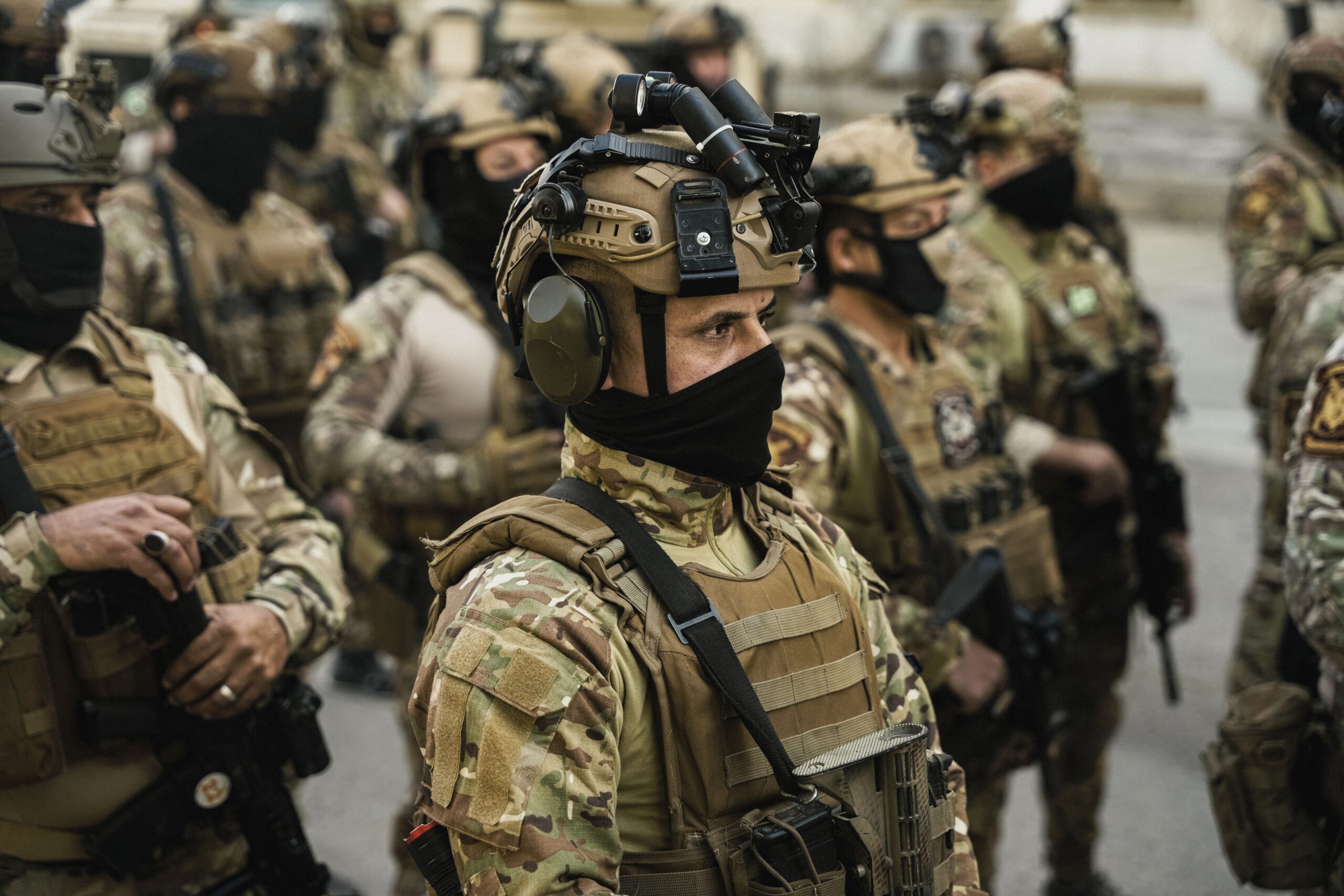
The highly touted diplomatic window engineered to defuse total war in the Persian Gulf has completely collapsed. Exactly three weeks after the United States and the Islamic Republic of Iran signed a dramatic, 60-day Memorandum of Understanding (MOU) in Geneva, the performance-based truce has vanished. In its place is a ferocious, multi-front kinetic conflict for absolute physical sovereignty over the world’s most vital energy shipping artery.
The provisional framework—brokered on June 17, 2026, to guarantee a 60-day window of toll-free commercial transit and halt open military campaigns—imploded at its precise halfway threshold. Following successive Iranian attacks on merchant vessels using an alternative southern shipping channel, President Donald Trump declared the diplomatic track officially “over” at the NATO summit in Ankara.
Within days, the standoff transformed into full-scale air and maritime warfare. U.S. Central Command (CENTCOM) launched relentless waves of precision bombardments, hitting more than 300 Iranian military targets across consecutive nights. Concurrently, Washington has fully reinstated its crippling naval blockade on Iranian ports, drawing retaliatory ballistic missile barrages from Tehran against American bases throughout the region.
At The Modern Memo, we break down the operational anatomy of the 300-target blitz, the maritime ambush that triggered the ceasefire’s demise, and the deepening economic shockwaves rippling through global energy security.
The Five-Day Blitz: CENTCOM Pounds the Iranian Coastline
The massive air operations carried out by the U.S. military represent a systematic effort to strip the Islamic Revolutionary Guard Corps (IRGC) of its ability to threaten civilian mariners.
-
The Target Dragnet: Spanning five straight days of intensive bombardment, precision weapons launched from land- and sea-based fighter aircraft, unmanned drones, and naval warships targeted over 300 discrete military sites deep within Iran.
-
Dismantling Infrastructure: CENTCOM confirmed the strikes successfully neutralized key IRGC coastal surveillance locations, primary communication networks, hidden cruise missile storage hubs on Greater Tunb Island, ammunition depots, and active surface-to-air defense systems.
-
The Northern Escalation: For the first time in this phase of the war, U.S. strike networks expanded far north of the Persian Gulf. Air defense sirens and heavy explosions echoed directly throughout Iran’s capital city, Tehran, signaling a vast structural expansion of the American target list.
The Undoing: Maritime Ambushes and the Toll Dispute
The primary catalyst behind the sudden collapse of the June 17 ceasefire lies in a irreconcilable dispute over the legal and operational administration of the Strait of Hormuz.
The underlying text of the MOU committed Iran to allowing safe passage at no charge for a strict duration of sixty days. However, the clerical regime quickly asserted that the language granted them the ultimate sovereign right to permanently manage and tax the waterway after the initial 60-day block expired.
Rejecting this interpretation, the U.S. and its regional partners mapped a defensive, southern transit route running strictly through Omani territorial waters to bypass the Iranian perimeter entirely. When the IRGC’s naval branch launched successive drone and missile strikes against commercial container ships utilizing that specific channel—declaring the route “unapproved”—the truce permanently ruptured.
The Blockade Re-Imposed: Firing on the Kharg Island Line
With the peace agreement effectively dead, the White House ordered the U.S. Navy to immediately restore its total naval blockade on all primary Iranian shipping terminals.
The enforcement of the renewed blockade has already turned lethal. On Thursday morning, U.S. naval forces fired multiple Hellfire missiles directly into the smokestack of an unladen oil tanker that had aggressively ignored repeated maritime warnings while attempting to break the blockade to reach Iran’s vital oil export hub at Kharg Island.
Tehran has responded by widening the regional battlefield. The IRGC launched synchronized ballistic missile salvos targeting major Arab nations hosting American military assets. Severe damage was reported at Jordan’s Prince Hassan Air Base—where drone hangars were destroyed—while parallel strikes targeted the massive Al Udeid Air Base in Qatar, alongside U.S. logistics facilities in Kuwait, Oman, and Bahrain.
The Energy Friction: Markets React to the Red Line
The rapid transition from an interim truce back to a state of unrestricted maritime warfare has instantly reversed the temporary economic relief global consumers enjoyed in June.
| Economic Indicator | June Ceasefire Baseline | Present War Escalation (July 2026) | Direct Consumer Threat |
| Brent Crude Oil | Dropped to a low of $69 / barrel post-signing. | Ticked sharply back up, holding near $80 / barrel. | Threatens an immediate, localized 10-15% increase in global fuel production costs. |
| Waterway Traffic | Began a gradual rise toward prewar levels. | Plummeted to critically reduced, dangerous levels. | Prompts international war insurers to freeze standard maritime coverage for the Gulf. |
| Regional Transit | toll-free arrangement for civilian hulls. | IRGC declares the Strait “closed until further notice”. | Spreads widespread fears of a prolonged, structural gridlock in the global energy supply. |
Military commanders in Tehran have drawn an unyielding line, warning that they will target the entire industrial and power infrastructure of the region if the United States continues to strike its soil. Col. Ebrahim Zolfaghari, speaking for Iran’s high military command, summarized the geopolitical deadlock: “Under no circumstances will we allow America to interfere in the Strait of Hormuz. This is Iran’s invincible red line.”
Final Word
The catastrophic collapse of the 60-day interim Iran deal at its exact halfway mark is the definitive proof that structural conflicts cannot be resolved with short-term diplomatic band-aids. When you look past the sterile, hopeful statements initially issued in Geneva and focus entirely on the hard data—more than 300 Iranian coastal and command targets systematically obliterated by CENTCOM, the immediate re-imposition of a total American naval blockade, and Tehran responding with ballistic missile strikes against five sovereign regional neighbors—you gain an unvarnished view of an inescapable reality.
Quality information replaces the naive media narrative of an “imminent peace” with the cold truth of a prolonged war of attrition. The Trump administration attempted to use a temporary, 60-day pause to coerce the clerical regime into structural submission; instead, both sides have merely used the window to reload their weapons, and the resulting firestorm in the Strait of Hormuz ensures that the global economy will continue to pay the price in blood and oil.
