
Ceasefire
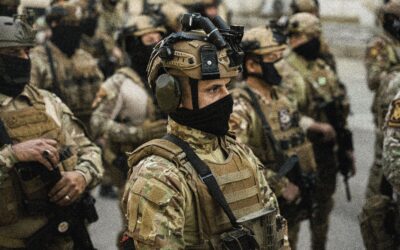
The 30-Day Failure: Trump’s 60-Day Iran Ceasefire Shatters at Halfway Mark as War Erupts in the Strait of Hormuz
The highly touted diplomatic window engineered to defuse total war in the Persian Gulf has completely collapsed. Exactly three weeks after the United States and the Islamic Republic of Iran signed a dramatic, 60-day Memorandum of Understanding (MOU) in Geneva, the performance-based truce has vanished. In its place is a ferocious, multi-front kinetic conflict for absolute physical sovereignty over the world’s most vital energy shipping artery. The provisional framework—brokered on June 17, 2026, to guarantee a 60-day window of toll-free commercial transit and halt open military campaigns—imploded at its precise halfway threshold. Following successive Iranian attacks on merchant vessels using an alternative southern shipping channel, President Donald Trump declared the diplomatic track officially “over” at the NATO summit in Ankara. Within days, the standoff transformed into full-scale air and maritime warfare. U.S. Central Command (CENTCOM) launched relentless waves of precision bombardments, hitting more than 300 Iranian military targets across consecutive nights. Concurrently, Washington has fully reinstated its crippling naval blockade on Iranian ports, drawing retaliatory ballistic missile barrages from Tehran against American bases throughout the region. At The Modern Memo, we break down the operational anatomy of the 300-target blitz, the maritime ambush that triggered the ceasefire’s demise, and the deepening economic shockwaves rippling through global energy security. The Five-Day Blitz: CENTCOM Pounds the Iranian Coastline The massive air operations carried out by the U.S. military represent a systematic effort to strip the Islamic Revolutionary Guard Corps (IRGC) of its ability to threaten civilian mariners. The Target Dragnet: Spanning five straight days of intensive bombardment, precision weapons launched from land- and sea-based fighter aircraft, unmanned drones, and naval warships targeted over 300 discrete military sites deep within Iran. Dismantling Infrastructure: CENTCOM confirmed the strikes successfully neutralized key IRGC coastal surveillance locations, primary communication networks, hidden cruise missile storage hubs on Greater Tunb Island, ammunition depots, and active surface-to-air defense systems. The Northern Escalation: For the first time in this phase of the war, U.S. strike networks expanded far north of the Persian Gulf. Air defense sirens and heavy explosions echoed directly throughout Iran’s capital city, Tehran, signaling a vast structural expansion of the American target list. The Undoing: Maritime Ambushes and the Toll Dispute The primary catalyst behind the sudden collapse of the June 17 ceasefire lies in a irreconcilable dispute over the legal and operational administration of the Strait of Hormuz. The underlying text of the MOU committed Iran to allowing safe passage at no charge for a strict duration of sixty days. However, the clerical regime quickly asserted that the language granted them the ultimate sovereign right to permanently manage and tax the waterway after the initial 60-day block expired. Rejecting this interpretation, the U.S. and its regional partners mapped a defensive, southern transit route running strictly through Omani territorial waters to bypass the Iranian perimeter entirely. When the IRGC’s naval branch launched successive drone and missile strikes against commercial container ships utilizing that specific channel—declaring the route “unapproved”—the truce permanently ruptured. The Blockade Re-Imposed: Firing on the Kharg Island Line With the peace agreement effectively dead, the White House ordered the U.S. Navy to immediately restore its total naval blockade on all primary Iranian shipping terminals. The enforcement of the renewed blockade has already turned lethal. On Thursday morning, U.S. naval forces fired multiple Hellfire missiles directly into the smokestack of an unladen oil tanker that had aggressively ignored repeated maritime warnings while attempting to break the blockade to reach Iran’s vital oil export hub at Kharg Island. Tehran has responded by widening the regional battlefield. The IRGC launched synchronized ballistic missile salvos targeting major Arab nations hosting American military assets. Severe damage was reported at Jordan’s Prince Hassan Air Base—where drone hangars were destroyed—while parallel strikes targeted the massive Al Udeid Air Base in Qatar, alongside U.S. logistics facilities in Kuwait, Oman, and Bahrain. The Energy Friction: Markets React to the Red Line The rapid transition from an interim truce back to a state of unrestricted maritime warfare has instantly reversed the temporary economic relief global consumers enjoyed in June. Economic Indicator June Ceasefire Baseline Present War Escalation (July 2026) Direct Consumer Threat Brent Crude Oil Dropped to a low of $69 / barrel post-signing. Ticked sharply back up, holding near $80 / barrel. Threatens an immediate, localized 10-15% increase in global fuel production costs. Waterway Traffic Began a gradual rise toward prewar levels. Plummeted to critically reduced, dangerous levels. Prompts international war insurers to freeze standard maritime coverage for the Gulf. Regional Transit toll-free arrangement for civilian hulls. IRGC declares the Strait “closed until further notice”. Spreads widespread fears of a prolonged, structural gridlock in the global energy supply. Military commanders in Tehran have drawn an unyielding line, warning that they will target the entire industrial and power infrastructure of the region if the United States continues to strike its soil. Col. Ebrahim Zolfaghari, speaking for Iran’s high military command, summarized the geopolitical deadlock: “Under no circumstances will we allow America to interfere in the Strait of Hormuz. This is Iran’s invincible red line.” Final Word The catastrophic collapse of the 60-day interim Iran deal at its exact halfway mark is the definitive proof that structural conflicts cannot be resolved with short-term diplomatic band-aids. When you look past the sterile, hopeful statements initially issued in Geneva and focus entirely on the hard data—more than 300 Iranian coastal and command targets systematically obliterated by CENTCOM, the immediate re-imposition of a total American naval blockade, and Tehran responding with ballistic missile strikes against five sovereign regional neighbors—you gain an unvarnished view of an inescapable reality. Quality information replaces the naive media narrative of an “imminent peace” with the cold truth of a prolonged war of attrition. The Trump administration attempted to use a temporary, 60-day pause to coerce the clerical regime into structural submission; instead, both sides have merely used the window to reload their weapons, and the resulting firestorm in the Strait of Hormuz ensures that the global economy will continue to pay the price…

The Hormuz Firestorm: Trump Ends Ceasefire with Massive Blitzo-Strike on 90 Iranian Targets as Oil Markets Bracing for Escalation
The fragile peace in the Middle East has completely shattered. Months after an April truce temporarily halted open warfare, President Donald Trump declared the U.S.–Iran ceasefire officially “over,” releasing the full kinetic power of the American military against the Iranian coastline. In a massive, second consecutive night of heavy aerial bombardment, U.S. Central Command (CENTCOM) launched precise strikes against roughly 90 strategic targets deep inside Iranian territory. The intensive operation targeted the Islamic Revolutionary Guard Corps (IRGC) naval and missile networks lining the crucial Strait of Hormuz. The high-stakes military escalation has drawn an immediate, fiery response from Tehran, with Iranian officials warning of “grave consequences” and launching retaliatory missile strikes against regional targets in Kuwait, Qatar, and Bahrain. As the critical global shipping lane plunges back into a hot war, global oil markets have fractured into deep anxiety, triggering immediate spikes in crude prices and fueling widespread fears of an imminent surge at the gas pump. At The Modern Memo, we break down the operational anatomy of the 90-target blitz, the rapid unraveling of the performance-based April ceasefire, and the compounding shockwaves ripping through global energy security. The Coastal Blitz: CENTCOM Targets the IRGC Stranglehold The massive air operations executed on Wednesday night represent a calculated, structural effort to dismantle Iran’s ability to hold international commerce hostage in the Persian Gulf. The Two-Night Tally: Following an initial wave that neutralized 80 targets on Tuesday, the second night of operations expanded the dragnet to over 90 additional high-value sites. In total, the U.S. military has pounded more than 170 Iranian installations in less than 48 hours. The Target Profile: CENTCOM confirmed that the strikes utilized precision-guided munitions to obliterate active IRGC naval capabilities along the coast. The primary targets included air defense systems, coastal surveillance radars, surface-to-air missile batteries, hidden drone launch platforms, and military logistics hubs. Shredding the Swarm Fleet: Crucially, the initial waves of the offensive successfully eliminated more than 60 armed fast-attack small boats—the asymmetric backbone of the IRGC Navy used to swarm and hijack commercial oil tankers transiting the narrow waterway. The Broken Truce: Why Trump Canceled the Ceasefire The sudden slide back into full-scale hostilities is the direct consequence of what the White House labeled a series of unprovoked, “unacceptable” acts of maritime aggression by Tehran. The administration emphasized that the April agreement was entirely performance-based. Rather than utilizing the diplomatic window to de-escalate, intelligence analysts from the Institute for the Study of War (ISW) verified that Iran used the lull to covertly rebuild its strike capacity, deploy portable radar units, and reinforce its coastal missile batteries. When the IRGC launched successive projectile attacks against three separate commercial merchant ships within a 24-hour window, President Trump arrived at the NATO summit in Ankara, Turkey, and permanently tore up the deal. “Grave Consequences”: Iran Hits Back Across the Gulf Refusing to yield to the overwhelming display of American airpower, the Iranian regime has made it clear that it values absolute control over the traffic lanes of the Strait of Hormuz more than avoiding a catastrophic, large-scale conflict with Washington. The Regional Counter-Strike: Minutes after the smoke cleared from the second wave of U.S. strikes, the Iranian Ministry of Foreign Affairs issued an emergency declaration promising “unyielding retaliation.” Tehran rapidly activated its ballistic missile and drone arsenals, launching synchronized retaliatory strikes against military and logistical sites in neighboring Kuwait, Qatar, and Bahrain—nations that host critical American military infrastructure. The Shipping Lockout: The United Kingdom Maritime Trade Operations Centre immediately raised the threat level in the Strait of Hormuz to “severe.” Major maritime war insurers have issued emergency directives advising global shipowners to completely pause all voyages through the strait, leaving hundreds of vital commercial vessels stranded at regional anchorages. The Energy Shock: Oil Spikes as Summer Heatwaves Intensify The abrupt closure of a waterway that traditionally carries up to 20% of the world’s liquefied natural gas and petroleum supplies has sent immediate shockwaves through the global economy, threatening everyday consumers. Economic Indicator Immediate Market Reaction Long-Term Consumer Risk Brent Crude Oil Surged immediately following the U.S. strike announcements. High risk of pushing retail gasoline prices up by 15-20% within weeks. Maritime Insure Rates Multiplied overnight; some providers refusing coverage entirely. Adds massive premium surcharges to all international shipping costs. The Grid Burden Strained by record summer heatwaves under a strong El Niño. Compounds rolling blackout risks as fuel availability for utilities drops. Financial analysts warn that the timing of the conflict is uniquely catastrophic. A powerful, El Niño-fueled summer heatwave is currently baking Eastern Europe and the Mediterranean, driving public utility cooling demands to all-time highs. With global fuel reserves already lean after more than 100 days of sporadic shipping disruptions, a prolonged hot war in the Persian Gulf risks plunging international energy grids into severe volatility. Final Word The unprecedented American bombardment of 90 targets along the Iranian coastline is the definitive proof that the United States has completely abandoned the policy of diplomatic appeasement in favor of a total, kinetic restoration of maritime law. When you look past the standard geopolitical panicking and analyze the hard data—170 IRGC coastal targets obliterated in a 48-hour window, the immediate revocation of Iran’s multi-billion-dollar oil sanctions waivers, and the immediate spike in global energy markets as insurers flee the Strait of Hormuz—you gain an unvarnished view of a superpower closing a vise. Quality information replaces the theatrical diplomatic statements with the cold reality of raw structural warfare. Iran has gambled its entire economic and military future on its ability to threaten international waters; by completely erasing their maritime infrastructure and absorbing their regional counter-strikes, Washington has issued a permanent, unyielding declaration to the world: the freedom of international navigation is non-negotiable, and any regime that attempts to choke the lifeblood of the global economy will see its military assets turned to ash on the shore.
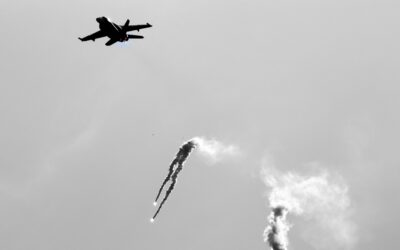
The Ceasefire Fiction: U.S. and Split Iranian Regime Trade Heavy Air Strikes as Diplomatic Track Stalls
The fragile, highly scrutinized ceasefire in the Persian Gulf effectively collapsed into a nominal fiction over the weekend. Despite a supposed truce brokered back in April, the United States and Iran engaged in a series of intense, tit-for-tat airstrikes across regional waters. The kinetic escalation comes as high-stakes diplomatic talks in Islamabad hit a total standstill, exposing deep, functional fractures within Tehran’s ruling elite. At The Modern Memo, we analyze the raw operational data behind the weekend’s naval and air engagements, the shifting terms paralyzing negotiators, and how a divided Iranian regime is playing a dangerous double game on the world stage. The Weekend Exchanges: Drone Clashes and Air Base Retaliation The illusion of a quiet maritime truce dissolved rapidly following an aggressive aerial encounter over international waters, forcing U.S. Central Command (CENTCOM) to order immediate, targeted counter-strikes along Iran’s Gulf coast. The MQ-1 Shootdown: The escalation sequence began when Iranian air defense assets targeted and successfully shot down an uncrewed U.S. MQ-1 surveillance drone operating entirely within international airspace over regional waters. The CENTCOM Response: In swift retaliation, U.S. fighter aircraft launched precision strikes along Iran’s vulnerable coast. CENTCOM confirmed the systematic elimination of multiple Iranian air defense nodes, an IRGC ground control station, and two one-way attack drones that posed an immediate, physical threat to commercial shipping transiting international corridors. The Base Strike Counter: By Monday morning, Iran’s Islamic Revolutionary Guard Corps (IRGC) claimed it had retaliated by targeting a regional airbase utilized by American forces—believed by defense analysts to be located in Kuwait. The Kuwaiti Foreign Ministry confirmed it had actively repelled drone and missile attacks, reserving the right to take “all necessary measures” to safeguard its sovereign territory. The Diplomatic Bottleneck: The Nuclear Hardline The battlefield friction directly mirrors the total gridlock paralyzing Pakistani- and Qatari-mediated peace talks. Draft proposals aimed to implement a stable 60-day extension of the April truce, but the diplomatic track has completely stalled due to fundamental disagreements over long-term strategic concessions. The Trump Ultimatum: During a critical Situation Room briefing, the White House explicitly demanded a hardening of terms. The administration is refusing to sign off on an extension or authorize the unfreezing of assets without tougher, uncompromised language restricting Iran’s domestic uranium enrichment and nuclear program. The Transponder Shuffle: While the diplomats bicker, commercial reality forces compliance. U.S. naval forces have quietly helped coordinate the passage of roughly 70 commercial vessels through the tight chokehold of the Strait of Hormuz. To survive the transit and escape IRGC detection, the vast majority of these vessels are running dark, completely turning off their electronic transponders. A Regime Divided: The Frontline Contradiction The escalating violence exposes a severe structural fracture inside Tehran, where diplomatic officials are trying to spin a narrative of comprehensive peace while hardline military factions intentionally provoke conflict. The Total Truce Claim: On Monday, Iranian Foreign Minister Abbas Araghchi took to social media to aggressively assert that the U.S. ceasefire is unequivocal and covers “all fronts, including in Lebanon.” Araghchi warned that any Western or Israeli escalation on the northern front would be treated as a total breach of the agreement. The Proxy Realities: This diplomatic posture stands in direct contradiction to the actions of the IRGC and its regional proxies. Even as Araghchi claimed the truce covers Lebanon, Israeli Prime Minister Benjamin Netanyahu ordered a sweeping expansion of defensive airstrikes targeting Hezbollah infrastructure north of the Litani River and into the southern suburbs of Beirut, citing continuous violations by the Iran-backed militant group. The Strategic Trap: Defense analysts point out that the Iranian regime is attempting to use the U.S. ceasefire as a legal shield to protect its proxy network from being systematically dismantled. By threatening “consequences” for actions in Lebanon while simultaneously shooting down U.S. drones in the Gulf, Tehran’s fractured leadership is betting that Washington lacks the appetite for a wider, unconstrained war. Final Word The weekend’s violent exchange of airstrikes is the definitive proof that a ceasefire written on paper is completely useless when one side is run by a divided, duplicitous regime. When you look past the noise of diplomatic messaging and focus on the data—a downed American MQ-1 drone, neutralized Iranian air defenses, and 70 commercial ships forced to run dark through the Strait of Hormuz—you gain a clearer picture of a geopolitical conflict approaching a definitive tipping point. Quality information replaces the progressive fantasy of a stable, open-ended truce with the reality of an aggressive adversary testing boundaries. It allows you to see that while the Iranian foreign ministry talks about regional peace, the IRGC is actively launching missiles at American allies. By refusing to tolerate these gray-zone provocations, the administration has made it clear that the United States will protect its assets and allies—regardless of whether Tehran’s diplomats are ready to face reality.

The Camp David Crunch: Trump Convenes Rare Mountain Summit as Hormuz Strikes Push Ceasefire to the Brink
The illusion of a quiet diplomatic resolution in the Persian Gulf shattered over the weekend, prompting an extraordinary structural shift from the White House. President Donald Trump has ordered his entire Cabinet to bypass traditional Washington channels and assemble on Wednesday at the secluded Camp David presidential retreat in Maryland. The emergency mountain summit comes as intensive, high-stakes peace negotiations in Qatar hit a critical bottleneck, compounded by fresh American military strikes against Iranian forces inside the Strait of Hormuz. At The Modern Memo, we look past the generic press briefings to analyze the structural fracture within the GOP over the proposed “Hormuz-Only” memorandum, the precise data behind Sunday’s naval engagements, and why the administration’s focus is rapidly shifting from tactical restraint to an absolute deadline. The Emergency Summit: Why Camp David? The choice of the heavily guarded, forested retreat in the Catoctin Mountains—a location this President rarely utilizes—is the first major indicator of how volatile the geopolitical calculus has become. Isolating the Cabinet: According to White House and congressional sources, the unscheduled assembly is designed to lock down internal communication. By removing Cabinet secretaries, including Secretary of State Marco Rubio, Defense Secretary Pete Hegseth, and outgoing Director of National Intelligence Tulsi Gabbard, from the media echo chamber of Washington, the President is enforcing a unified front before delivering a final terms package to Tehran. The Looming Midterms: While foreign policy dominates the itinerary, internal memos show the administration is highly sensitive to the economic realities of the conflict. With the pivotal 2026 midterm elections fast approaching, voter anger over the domestic affordability crisis and skyrocketing energy costs has forced the White House to treat the reopening of the Strait of Hormuz as an immediate domestic necessity. A History of Escalation: This marks only the second time the Cabinet has relocated to Camp David during this term. The first mountain session occurred in June 2025, just 48 hours before the United States launched its historic, devastating airstrikes against Iran’s domestic nuclear infrastructure. The Sunday Engagement: Pounding the Mine-Layers The diplomatic leverage being discussed at Camp David is backed by cold, kinetic reality. On Sunday, U.S. Central Command (CENTCOM) ordered localized “self-defense strikes” in southern Iran after surveillance assets caught Iranian forces attempting to re-lock their grip on international shipping lanes. Targeting the Chokehold: U.S. Navy assets and warplanes struck direct targets around Bandar Abbas, a highly strategic port city on the rim of the Strait of Hormuz. The targets included mobile surface-to-air missile launchers that had locked onto American aircraft, alongside several Islamic Revolutionary Guard Corps (IRGC) small boats caught actively trying to emplace naval mines. The Attrition Data: CENTCOM confirmed that two IRGC mine-laying vessels were completely neutralized and a primary missile site was systematically dismantled. Iranian state media later acknowledged that at least four Guard troops were killed in the engagement. The Red Line: CENTCOM spokesperson Captain Tim Hawkins characterized the operation as entirely defensive, stating that the U.S. is exercising maximum operational restraint to protect the fragile, seven-week-old ceasefire, but will not tolerate active mining operations in international waters. The Qatar Friction: The Nuclear Loophole The military friction directly mirrors the diplomatic gridlock currently unfolding in Doha, Qatar, where a high-level Iranian delegation led by parliamentary speaker Mohammad Bagher Ghalibaf is attempting to hammer out a Memorandum of Understanding (MOU). The Proposed Compromise: Under the interim framework currently backed by the White House, Washington would agree to unfreeze select Iranian financial assets held in foreign banks (including Qatari institutions) and ease port blockades. In exchange, Iran would immediately restore unhindered commercial shipping through the Strait, where roughly 20% of the world’s liquefied natural gas and oil flows. The Nuclear Omission: The explosive point of contention—and the driving force behind the Camp David meeting—is that the proposed text completely excludes immediate nuclear concessions. Instead, negotiations regarding Iran’s highly enriched uranium stockpile would be delayed for a 30-to-60-day window after the maritime corridor reopens. The GOP Backlash: This structural delay has triggered fierce pushback from within the President’s own party. Senior Republican lawmakers have openly slammed the plan as a “disastrous compromise,” arguing that unfreezing assets without securing the total destruction or surrender of Tehran’s remaining nuclear material gives the regime an economic lifeline to rebuild its proxy network in Lebanon and Yemen. Final Word The rare Cabinet assembly at Camp David is the definitive proof that the Trump administration is preparing to either close the biggest deal of the decade or unleash an unprecedented level of military force. When you look past the noise of “ceasefire diplomacy” and focus on the hard data—the destroyed IRGC mine-laying boats in Bandar Abbas, the $12 billion economic stakes of the midterms, and the furious pushback from GOP realists—you gain a clearer picture of a superpower running out of patience. Quality information replaces the corporate narrative of an elusive, open-ended peace process with the reality of a President who has backed his opponent into a corner. By choosing to gather his leadership team in the mountains of Maryland, Donald Trump is sending an unmistakable signal: the time for tactical restraint is over, and the Strait of Hormuz will open—either by pen or by fire.
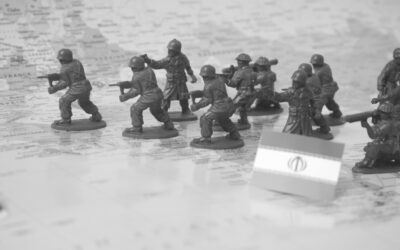
Ceasefire Met with Fire: Iran Attacks Two Ships in the Strait After Trump’s Diplomatic Extension
In a chilling display of bad faith, the Islamic Republic has responded to American restraint with renewed aggression. Today, April 22, 2026, just hours after President Trump extended the U.S. ceasefire to allow for a “unified proposal” from Tehran, Iranian forces opened fire on two commercial vessels transiting the Strait of Hormuz. The attack has effectively torpedoed the diplomatic track, leading to the immediate cancellation of high-stakes peace talks previously scheduled for this morning in Islamabad, Pakistan. At The Modern Memo, we analyze the failure of the Iranian regime to choose peace, the tactical details of the morning’s maritime assault, and why the President’s patience with the “Islamabad stalling tactic” has officially reached its limit. The Extension and the Betrayal Late Tuesday evening, the White House announced that the President would extend the current pause on offensive kinetic operations. The goal was simple: give the fractured Iranian leadership a final window to present a serious, unified proposal for the negotiations in Pakistan. The Trump Olive Branch: “I’m giving them one last chance to show they are a real country and not just a collection of terror cells,” the President stated. The Iranian Response: Instead of a proposal, Tehran delivered a provocation. At approximately 8:15 AM local time, Iranian fast-attack craft engaged two tankers—one flying a Liberian flag and the other a Panamanian flag—with heavy machine-gun fire and rocket-propelled grenades. The “Islamabad” Cancellation: As a direct result of the violence, the Pakistani government confirmed that the Wednesday morning sessions have been scrubbed. U.S. negotiators reportedly left the hotel for the airport shortly after the reports of the firing reached Islamabad. On the Water: “Absolute Anchor” Moves to Intercept The U.S. Navy’s 5th Fleet, which has maintained the “Absolute Anchor” blockade throughout the ceasefire, responded immediately to the distress calls. Engagement Details: U.S. destroyers moved to intercept the Iranian craft, which fled back toward the Iranian coastline as soon as American air cover appeared on the horizon. Neither commercial vessel was sunk, but both reported structural damage and minor injuries among the crew. The Ceasefire Paradox: Critics of the extension argue that the “pause” merely allowed the IRGC to reposition its small-boat swarms for this exact type of “hit-and-run” harassment. Force Protection: The Pentagon has issued a notice that the “Ceasefire Extension” does not apply to active defense. “If they fire, we finish it,” a CENTCOM spokesperson noted, signaling that the rules of engagement are shifting back to “Maximum Lethality.” The End of the “Unified Proposal” Myth For weeks, diplomatic circles have held out hope that “moderates” within the Iranian government could rein in the hardline IRGC. Today’s attack proves that theory is a dangerous fantasy. A Regime Divided: The fact that the military fired during a presidential extension suggests that either the Iranian government has no control over its forces, or the “peace talks” were a coordinated ruse from the start. No More Games: Washington insiders suggest the President is “livid” over the betrayal. The narrative of a “unified proposal” is dead; the administration is now pivoting back to the reality that only total maritime and economic asphyxiation will bring Tehran to its knees. Final Word The firing in the Strait of Hormuz is the final nail in the coffin of Iranian “diplomacy.” When you look past the noise of the “cancelled talks” and focus on the data—the unprovoked attack during a ceasefire extension and the cowardly retreat of the IRGC boats—you gain a clearer picture of a regime that is terrified of peace. Quality information replaces the hope of a “negotiated settlement” with the reality of a strategic necessity: the blockade must be tightened until the regime is incapable of even lifting a finger. It allows you to see that the President’s extension wasn’t a sign of weakness, but a final test that Iran failed in spectacular fashion. By choosing to fire today, the mullahs have ensured that the only “unified proposal” they’ll be receiving from Washington is a demand for total surrender. Where Facts, Context, and Perspective Matter At The Modern Memo, our goal is simple: to provide clear, well-researched reporting in a media landscape that often feels overwhelming. We focus on substance over sensationalism, and context over commentary. If you value thoughtful analysis, transparent sourcing, and stories that go beyond the headline, we invite you to share our work. Informed conversations start with reliable information, and sharing helps ensure important stories reach a wider audience. Journalism works best when readers engage, question, and participate. By reading and sharing, you’re supporting a more informed public and a healthier media ecosystem. The Modern Memo may be compensated and/or receive an affiliate commission if you click or buy through our links. Featured pricing is subject to change. 📩 Love what you’re reading? Don’t miss a headline! Subscribe to The Modern Memo here!
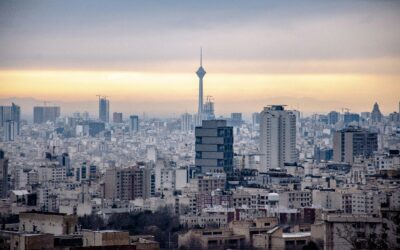
The Final Countdown: Iran Rejects Ceasefire as Trump’s 8 PM Deadline Looms
The clock is ticking toward a high-stakes moment of truth in the Middle East. As of Tuesday, April 7, 2026, the Islamic Republic has officially rejected a 45-day temporary ceasefire proposal, opting instead to demand a permanent end to hostilities and “guarantees” against future strikes. The move sets the stage for a massive escalation as President Trump’s final deadline of 8:00 PM Washington time draws near. At The Modern Memo, we analyze the breakdown of diplomacy, the “Stone Age” warning from the Oval Office, and the tactical strikes already underway as Operation Epic Fury enters its most decisive phase. The Ultimatum: “Cry Uncle” or Face the Consequences President Trump has been unambiguous about the consequences of Tehran’s defiance. During an address on the White House lawn, the President confirmed that the 8:00 PM deadline is final. The Infrastructure Threat: “If they don’t cry uncle, no bridges, no power plants, no anything,” the President warned. The administration’s goal is clear: the total neutralization of Iran’s ability to function as a modern state unless the Strait of Hormuz is fully reopened to all international shipping. Widening the Target List: While previous phases of Operation Epic Fury focused on the IRGC and missile sites, the President suggested that if a deal isn’t reached, the U.S. will pivot to “taking the oil”—targeting the economic lifeblood that funds the regime’s regional aggression. A Civilization at Risk: In a sober warning on Truth Social, the President stated, “A whole civilization will die tonight… I don’t want that to happen, but it probably will.” Rejection at the Eleventh Hour Despite mediation efforts by Egypt, Pakistan, and Turkey, the Iranian Foreign Ministry characterized the U.S. position as “incompatible with negotiations.” The Demand for Permanence: Tehran has refused a temporary 45-day pause, claiming it no longer trusts the Trump administration after previous “surgical strikes” occurred during diplomatic windows. The “Negotiating Table” Claim: Iranian officials accused the White House of “assassinating the negotiating table,” while the U.S. maintains that only overwhelming force will ensure the free flow of global energy. Regime Defiance: Iran’s President Masoud Pezeshkian claimed that “14 million Iranians” are ready to defend the nation, even as the Israeli Defense Forces (IDF) issued urgent warnings for Iranian civilians to avoid railways and infrastructure targets. Pre-Deadline Strikes: Hitting the “Backbone” Even as the clock winds down, the kinetic campaign has not stopped. Reports indicate that the “mopping up” of strategic assets is already accelerating. South Pars Gas Field: Israeli strikes have successfully targeted a major petrochemical plant in the South Pars field—the world’s largest gas field. This strike aimed to sever a primary revenue stream for the regime. Kharg Island Under Fire: Multiple strikes have been reported on Kharg Island, often described as the backbone of Iran’s oil export infrastructure. Dismantling Logistics: Strategic rail networks in Karaj, Kashan, and Zanjan have been hit, effectively paralyzing the regime’s ability to move heavy military equipment across the country. Final Word The rejection of a ceasefire by the Islamic Republic is a gamble of historic proportions. When you look past the noise of “diplomatic channels” and focus on the data—the decimation of the Iranian Navy, the destruction of 90% of their missile launchers, and the looming 8 PM deadline—you gain a clearer picture of a regime that has run out of time. Quality information replaces the fear of “escalation” with the reality of an administration that values decisive results over endless stalemate. It allows you to see this deadline not as a threat, but as the final enforcement of global stability. By choosing to stand firm, the U.S. is ensuring that the “bully of the Middle East” is permanently retired. Where Facts, Context, and Perspective Matter At The Modern Memo, our goal is simple: to provide clear, well-researched reporting in a media landscape that often feels overwhelming. We focus on substance over sensationalism, and context over commentary. If you value thoughtful analysis, transparent sourcing, and stories that go beyond the headline, we invite you to share our work. Informed conversations start with reliable information, and sharing helps ensure important stories reach a wider audience. Journalism works best when readers engage, question, and participate. By reading and sharing, you’re supporting a more informed public and a healthier media ecosystem. The Modern Memo may be compensated and/or receive an affiliate commission if you click or buy through our links. Featured pricing is subject to change. 📩 Love what you’re reading? Don’t miss a headline! Subscribe to The Modern Memo here!