
The fragile peace in the Middle East has completely shattered. Months after an April truce temporarily halted open warfare, President Donald Trump declared the U.S.–Iran ceasefire officially “over,” releasing the full kinetic power of the American military against the Iranian coastline.
In a massive, second consecutive night of heavy aerial bombardment, U.S. Central Command (CENTCOM) launched precise strikes against roughly 90 strategic targets deep inside Iranian territory. The intensive operation targeted the Islamic Revolutionary Guard Corps (IRGC) naval and missile networks lining the crucial Strait of Hormuz.
The high-stakes military escalation has drawn an immediate, fiery response from Tehran, with Iranian officials warning of “grave consequences” and launching retaliatory missile strikes against regional targets in Kuwait, Qatar, and Bahrain. As the critical global shipping lane plunges back into a hot war, global oil markets have fractured into deep anxiety, triggering immediate spikes in crude prices and fueling widespread fears of an imminent surge at the gas pump.
At The Modern Memo, we break down the operational anatomy of the 90-target blitz, the rapid unraveling of the performance-based April ceasefire, and the compounding shockwaves ripping through global energy security.
The Coastal Blitz: CENTCOM Targets the IRGC Stranglehold
The massive air operations executed on Wednesday night represent a calculated, structural effort to dismantle Iran’s ability to hold international commerce hostage in the Persian Gulf.
-
The Two-Night Tally: Following an initial wave that neutralized 80 targets on Tuesday, the second night of operations expanded the dragnet to over 90 additional high-value sites. In total, the U.S. military has pounded more than 170 Iranian installations in less than 48 hours.
-
The Target Profile: CENTCOM confirmed that the strikes utilized precision-guided munitions to obliterate active IRGC naval capabilities along the coast. The primary targets included air defense systems, coastal surveillance radars, surface-to-air missile batteries, hidden drone launch platforms, and military logistics hubs.
-
Shredding the Swarm Fleet: Crucially, the initial waves of the offensive successfully eliminated more than 60 armed fast-attack small boats—the asymmetric backbone of the IRGC Navy used to swarm and hijack commercial oil tankers transiting the narrow waterway.
The Broken Truce: Why Trump Canceled the Ceasefire
The sudden slide back into full-scale hostilities is the direct consequence of what the White House labeled a series of unprovoked, “unacceptable” acts of maritime aggression by Tehran.
The administration emphasized that the April agreement was entirely performance-based. Rather than utilizing the diplomatic window to de-escalate, intelligence analysts from the Institute for the Study of War (ISW) verified that Iran used the lull to covertly rebuild its strike capacity, deploy portable radar units, and reinforce its coastal missile batteries. When the IRGC launched successive projectile attacks against three separate commercial merchant ships within a 24-hour window, President Trump arrived at the NATO summit in Ankara, Turkey, and permanently tore up the deal.
“Grave Consequences”: Iran Hits Back Across the Gulf
Refusing to yield to the overwhelming display of American airpower, the Iranian regime has made it clear that it values absolute control over the traffic lanes of the Strait of Hormuz more than avoiding a catastrophic, large-scale conflict with Washington.
-
The Regional Counter-Strike: Minutes after the smoke cleared from the second wave of U.S. strikes, the Iranian Ministry of Foreign Affairs issued an emergency declaration promising “unyielding retaliation.” Tehran rapidly activated its ballistic missile and drone arsenals, launching synchronized retaliatory strikes against military and logistical sites in neighboring Kuwait, Qatar, and Bahrain—nations that host critical American military infrastructure.
-
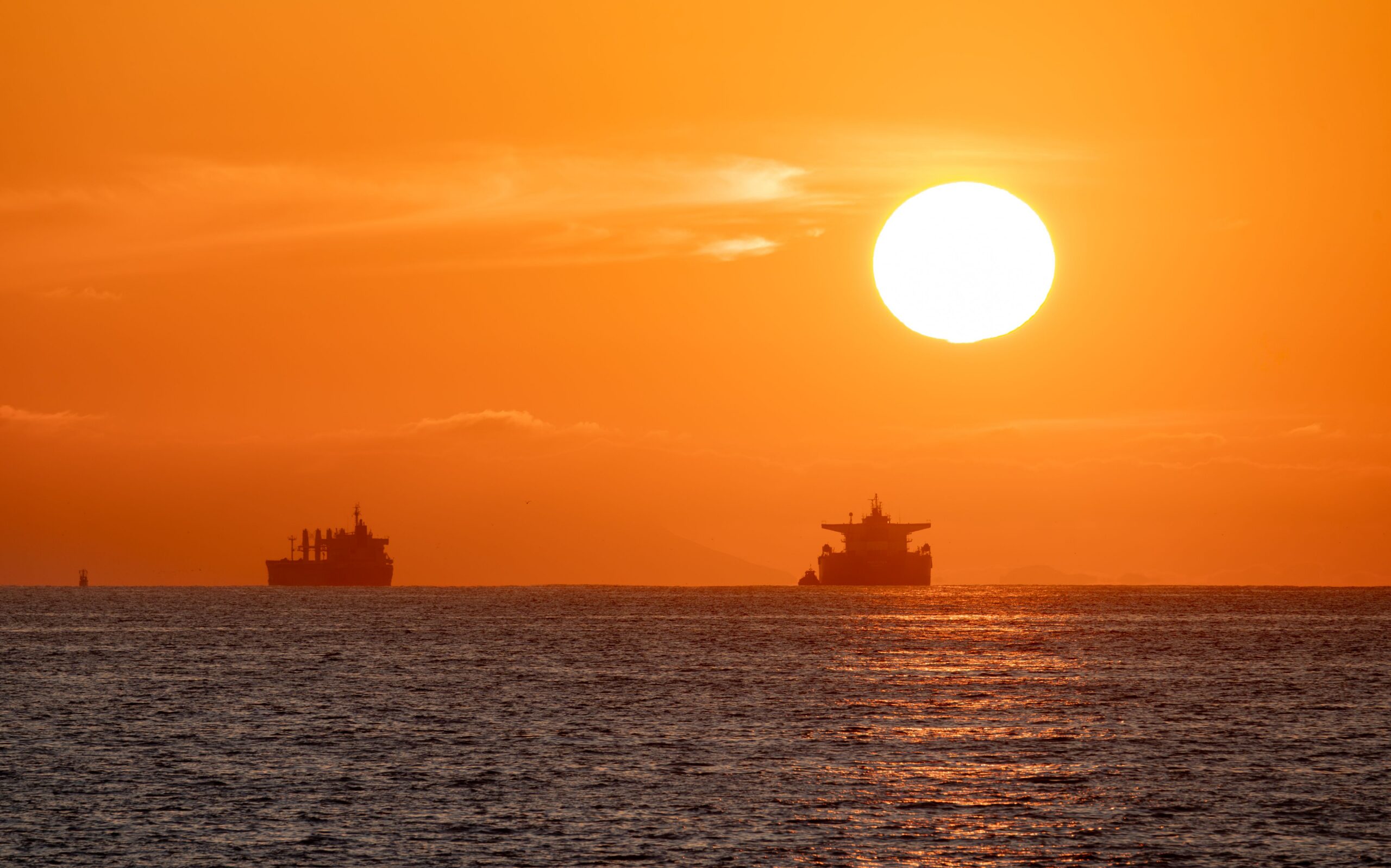
The Shipping Lockout: The United Kingdom Maritime Trade Operations Centre immediately raised the threat level in the Strait of Hormuz to “severe.” Major maritime war insurers have issued emergency directives advising global shipowners to completely pause all voyages through the strait, leaving hundreds of vital commercial vessels stranded at regional anchorages.
The Energy Shock: Oil Spikes as Summer Heatwaves Intensify
The abrupt closure of a waterway that traditionally carries up to 20% of the world’s liquefied natural gas and petroleum supplies has sent immediate shockwaves through the global economy, threatening everyday consumers.
| Economic Indicator | Immediate Market Reaction | Long-Term Consumer Risk |
| Brent Crude Oil | Surged immediately following the U.S. strike announcements. | High risk of pushing retail gasoline prices up by 15-20% within weeks. |
| Maritime Insure Rates | Multiplied overnight; some providers refusing coverage entirely. | Adds massive premium surcharges to all international shipping costs. |
| The Grid Burden | Strained by record summer heatwaves under a strong El Niño. | Compounds rolling blackout risks as fuel availability for utilities drops. |
Financial analysts warn that the timing of the conflict is uniquely catastrophic. A powerful, El Niño-fueled summer heatwave is currently baking Eastern Europe and the Mediterranean, driving public utility cooling demands to all-time highs. With global fuel reserves already lean after more than 100 days of sporadic shipping disruptions, a prolonged hot war in the Persian Gulf risks plunging international energy grids into severe volatility.
Final Word
The unprecedented American bombardment of 90 targets along the Iranian coastline is the definitive proof that the United States has completely abandoned the policy of diplomatic appeasement in favor of a total, kinetic restoration of maritime law. When you look past the standard geopolitical panicking and analyze the hard data—170 IRGC coastal targets obliterated in a 48-hour window, the immediate revocation of Iran’s multi-billion-dollar oil sanctions waivers, and the immediate spike in global energy markets as insurers flee the Strait of Hormuz—you gain an unvarnished view of a superpower closing a vise. Quality information replaces the theatrical diplomatic statements with the cold reality of raw structural warfare. Iran has gambled its entire economic and military future on its ability to threaten international waters; by completely erasing their maritime infrastructure and absorbing their regional counter-strikes, Washington has issued a permanent, unyielding declaration to the world: the freedom of international navigation is non-negotiable, and any regime that attempts to choke the lifeblood of the global economy will see its military assets turned to ash on the shore.
