

Middle East

The Hormuz Firestorm: Trump Ends Ceasefire with Massive Blitzo-Strike on 90 Iranian Targets as Oil Markets Bracing for Escalation
The fragile peace in the Middle East has completely shattered. Months after an April truce temporarily halted open warfare, President Donald Trump declared the U.S.–Iran ceasefire officially “over,” releasing the full kinetic power of the American military against the Iranian coastline. In a massive, second consecutive night of heavy aerial bombardment, U.S. Central Command (CENTCOM) launched precise strikes against roughly 90 strategic targets deep inside Iranian territory. The intensive operation targeted the Islamic Revolutionary Guard Corps (IRGC) naval and missile networks lining the crucial Strait of Hormuz. The high-stakes military escalation has drawn an immediate, fiery response from Tehran, with Iranian officials warning of “grave consequences” and launching retaliatory missile strikes against regional targets in Kuwait, Qatar, and Bahrain. As the critical global shipping lane plunges back into a hot war, global oil markets have fractured into deep anxiety, triggering immediate spikes in crude prices and fueling widespread fears of an imminent surge at the gas pump. At The Modern Memo, we break down the operational anatomy of the 90-target blitz, the rapid unraveling of the performance-based April ceasefire, and the compounding shockwaves ripping through global energy security. The Coastal Blitz: CENTCOM Targets the IRGC Stranglehold The massive air operations executed on Wednesday night represent a calculated, structural effort to dismantle Iran’s ability to hold international commerce hostage in the Persian Gulf. The Two-Night Tally: Following an initial wave that neutralized 80 targets on Tuesday, the second night of operations expanded the dragnet to over 90 additional high-value sites. In total, the U.S. military has pounded more than 170 Iranian installations in less than 48 hours. The Target Profile: CENTCOM confirmed that the strikes utilized precision-guided munitions to obliterate active IRGC naval capabilities along the coast. The primary targets included air defense systems, coastal surveillance radars, surface-to-air missile batteries, hidden drone launch platforms, and military logistics hubs. Shredding the Swarm Fleet: Crucially, the initial waves of the offensive successfully eliminated more than 60 armed fast-attack small boats—the asymmetric backbone of the IRGC Navy used to swarm and hijack commercial oil tankers transiting the narrow waterway. The Broken Truce: Why Trump Canceled the Ceasefire The sudden slide back into full-scale hostilities is the direct consequence of what the White House labeled a series of unprovoked, “unacceptable” acts of maritime aggression by Tehran. The administration emphasized that the April agreement was entirely performance-based. Rather than utilizing the diplomatic window to de-escalate, intelligence analysts from the Institute for the Study of War (ISW) verified that Iran used the lull to covertly rebuild its strike capacity, deploy portable radar units, and reinforce its coastal missile batteries. When the IRGC launched successive projectile attacks against three separate commercial merchant ships within a 24-hour window, President Trump arrived at the NATO summit in Ankara, Turkey, and permanently tore up the deal. “Grave Consequences”: Iran Hits Back Across the Gulf Refusing to yield to the overwhelming display of American airpower, the Iranian regime has made it clear that it values absolute control over the traffic lanes of the Strait of Hormuz more than avoiding a catastrophic, large-scale conflict with Washington. The Regional Counter-Strike: Minutes after the smoke cleared from the second wave of U.S. strikes, the Iranian Ministry of Foreign Affairs issued an emergency declaration promising “unyielding retaliation.” Tehran rapidly activated its ballistic missile and drone arsenals, launching synchronized retaliatory strikes against military and logistical sites in neighboring Kuwait, Qatar, and Bahrain—nations that host critical American military infrastructure. The Shipping Lockout: The United Kingdom Maritime Trade Operations Centre immediately raised the threat level in the Strait of Hormuz to “severe.” Major maritime war insurers have issued emergency directives advising global shipowners to completely pause all voyages through the strait, leaving hundreds of vital commercial vessels stranded at regional anchorages. The Energy Shock: Oil Spikes as Summer Heatwaves Intensify The abrupt closure of a waterway that traditionally carries up to 20% of the world’s liquefied natural gas and petroleum supplies has sent immediate shockwaves through the global economy, threatening everyday consumers. Economic Indicator Immediate Market Reaction Long-Term Consumer Risk Brent Crude Oil Surged immediately following the U.S. strike announcements. High risk of pushing retail gasoline prices up by 15-20% within weeks. Maritime Insure Rates Multiplied overnight; some providers refusing coverage entirely. Adds massive premium surcharges to all international shipping costs. The Grid Burden Strained by record summer heatwaves under a strong El Niño. Compounds rolling blackout risks as fuel availability for utilities drops. Financial analysts warn that the timing of the conflict is uniquely catastrophic. A powerful, El Niño-fueled summer heatwave is currently baking Eastern Europe and the Mediterranean, driving public utility cooling demands to all-time highs. With global fuel reserves already lean after more than 100 days of sporadic shipping disruptions, a prolonged hot war in the Persian Gulf risks plunging international energy grids into severe volatility. Final Word The unprecedented American bombardment of 90 targets along the Iranian coastline is the definitive proof that the United States has completely abandoned the policy of diplomatic appeasement in favor of a total, kinetic restoration of maritime law. When you look past the standard geopolitical panicking and analyze the hard data—170 IRGC coastal targets obliterated in a 48-hour window, the immediate revocation of Iran’s multi-billion-dollar oil sanctions waivers, and the immediate spike in global energy markets as insurers flee the Strait of Hormuz—you gain an unvarnished view of a superpower closing a vise. Quality information replaces the theatrical diplomatic statements with the cold reality of raw structural warfare. Iran has gambled its entire economic and military future on its ability to threaten international waters; by completely erasing their maritime infrastructure and absorbing their regional counter-strikes, Washington has issued a permanent, unyielding declaration to the world: the freedom of international navigation is non-negotiable, and any regime that attempts to choke the lifeblood of the global economy will see its military assets turned to ash on the shore.
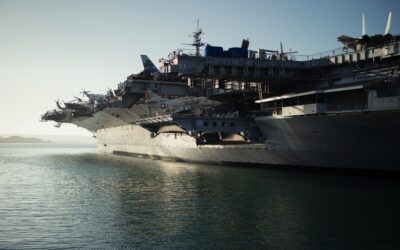
The 10:00 AM Ultimatum: U.S. Navy Seals Iranian Coastline as Islamabad Peace Talks Explode
The window for diplomacy has officially slammed shut. Following the spectacular collapse of 21 hours of grueling, face-to-face negotiations in Pakistan, the United States has transitioned from surgical strikes to a total stranglehold. As of 10:00 AM ET today, April 13, 2026, the U.S. Navy has officially initiated a full-scale blockade of all Iranian ports and coastal territories. At The Modern Memo, we analyze the failure of the Islamabad Accord, the “No Port” threat from Tehran, and the disappointing betrayal by our closest allies in London. The Stranglehold: Operation “Absolute Anchor” The failure of the Islamabad talks has shifted the Trump administration’s strategy from “Maximum Pressure” to “Total Containment.” The blockade is designed to ensure that not a single drop of Iranian oil—or a single shipment of weapons—leaves the Islamic Republic. Sealing the Coast: U.S. carrier strike groups and littoral combat ships have taken positions across the Persian Gulf and the Gulf of Oman. The blockade effectively turns Iran into a landlocked pariah state until the regime agrees to unconditional nuclear and ballistic disarmament. The Negotiating Failure: Insiders report that Iranian officials used the 21-hour window in Pakistan not to negotiate in good faith, but to stall for time while moving mobile missile launchers. “We gave them a chair at the table; they chose to kick it over,” one senior U.S. official remarked. Tehran’s Response: “No Port is Safe” True to their nature as a regional “bully,” the regime in Tehran responded to the blockade with a chilling threat of total maritime anarchy. Regional Terror: Iranian state media declared this morning that “NO PORT” in the Middle East will remain safe. This is a direct threat to the commercial hubs of the UAE, Saudi Arabia, and Kuwait. The Asymmetric Threat: While their navy is decimated, the IRGC continues to threaten the use of “suicide” drone swarms and submerged mines to shutter the entire Gulf of Oman. The Trump Response: The White House has made it clear: any strike on a commercial port in the region will be viewed as an act of war against the United States, potentially triggering “Phase 3” of the campaign—targeting the regime’s internal command centers. Allied Friction: The Starmer “Opt-Out” In a move that has sent shockwaves through the “Special Relationship,” UK Prime Minister Keir Starmer announced this morning that Britain will stay on the sidelines. London’s Retreat: Citing a desire to avoid being “dragged further” into a regional war, Starmer confirmed the Royal Navy will not participate in the blockade. This marks a significant diplomatic split, leaving the U.S. to carry the burden of global maritime security alone. Economic Pain: The market reaction was instantaneous. Crude oil has spiked back above $103 per barrel, and American families are feeling the squeeze as gas prices flatten at a painful $4.12 per gallon. Final Word The 10:00 AM blockade is the inevitable result of a regime that mistakes restraint for weakness. When you look past the noise of “diplomatic failure” and focus on the data—the collapse of the 21-hour talks and the U.S. Navy’s total control of the coastline—you gain a clearer picture of an administration that refuses to be played for a fool. Quality information replaces the fear of “escalation” with the reality of a superpower finally drawing a line in the sand. It allows you to see the UK’s hesitation as a missed opportunity for Western unity, while American resolve remains the only thing standing between global trade and Iranian piracy. By choosing to seal the coast, the U.S. is ensuring that the “Islamabad stall” was the last game the mullahs will ever play. Where Facts, Context, and Perspective Matter At The Modern Memo, our goal is simple: to provide clear, well-researched reporting in a media landscape that often feels overwhelming. We focus on substance over sensationalism, and context over commentary. If you value thoughtful analysis, transparent sourcing, and stories that go beyond the headline, we invite you to share our work. Informed conversations start with reliable information, and sharing helps ensure important stories reach a wider audience. Journalism works best when readers engage, question, and participate. By reading and sharing, you’re supporting a more informed public and a healthier media ecosystem. The Modern Memo may be compensated and/or receive an affiliate commission if you click or buy through our links. Featured pricing is subject to change. 📩 Love what you’re reading? Don’t miss a headline! Subscribe to The Modern Memo here!

The Islamabad Accord: Trump’s “Peace Through Strength” Forces Iran to the Table
In a stunning vindication of the administration’s “Maximum Pressure” doctrine, the United States, Israel, and the Islamic Republic of Iran have officially ratified a two-week ceasefire. Dubbed the “Islamabad Accord,” the agreement was finalized today, April 8, 2026, following high-stakes mediation in Pakistan. The move brings a halt to a “civilizational” conflict that many feared would ignite a global firestorm, but which instead appears to have resulted in a total tactical victory for the U.S.-Israeli coalition. At The Modern Memo, we analyze the 10-point framework that paused the war, the reopening of the world’s most vital energy artery, and why the “Islamabad” breakthrough happened only after the regime’s military teeth were pulled. The 11th Hour Deal: Negotiating from Absolute Power The accord comes just hours after President Trump’s “8 PM Deadline” threatened the total destruction of the regime’s remaining infrastructure. The President announced the breakthrough early this morning, characterizing the ceasefire as a result of undeniable American military superiority. A “Workable” Basis: The President revealed that the U.S. accepted a proposal from Tehran as a “workable basis” for long-term peace. “We have already met and exceeded all Military objectives,” Trump stated. Military analysts point to the fact that with 90% of Iran’s missile launchers already neutralized, the regime was left with zero leverage. The “Islamabad” Venue: Official delegations are scheduled to arrive in Pakistan this Friday, April 10, to begin hammering out a permanent settlement. The choice of venue highlights Pakistan’s emerging role as a regional stabilizer capable of facilitating dialogue between Washington and Tehran. Reopening the Strait: A Win for Global Markets The most immediate impact of the Islamabad Accord is the restoration of transit through the Strait of Hormuz, which had been effectively shuttered during the kinetic phase of the war. Ending the Blockade: Iranian Foreign Minister Abbas Araghchi confirmed that safe passage is now being restored. For the American consumer, this is the definitive end to “war-pricing” at the pump. The “Peace Dividend”: Global energy markets reacted instantly to the news, with crude prices plummeting nearly 13% as the threat of a prolonged blockade evaporated. Strategic Oversight: While the Strait is “open,” U.S. carrier groups remain on high alert. The administration has made it clear that any attempt by the IRGC to harass commercial shipping during the two-week window will be met with immediate, overwhelming force. The “Fragile” Peace: The Lebanon Factor Despite the high-level handshake, the Islamabad Accord is being described by White House insiders as a “fragile truce” that depends entirely on Iranian compliance. The Israeli Clarification: Prime Minister Benjamin Netanyahu issued a stark reminder today: the deal with Iran does not cover the IDF’s ongoing operations against Hezbollah in Lebanon. “We will continue to dismantle the proxy shield,” Netanyahu stated, as Israeli strikes continued to target command centers in Tyre. The Uranium Ultimatum: Defense Secretary Pete Hegseth maintained a hard line, stating that while the bombing of infrastructure has paused, the U.S. objective remains the total surrender of Iran’s highly enriched uranium. Final Word The Islamabad Accord is a masterclass in the application of “Maximum Pressure” followed by “Maximum Diplomacy.” When you look past the noise of “ceasefire” headlines and focus on the data—the neutralization of the Iranian missile threat and the restoration of global energy lanes—you gain a clearer picture of a conflict that was won before the diplomats even sat down. Quality information replaces the fear of a “quagmire” with the reality of a surgical, high-intensity victory that has brought a rogue state to its knees. By choosing to back a strategy of strength, the U.S. has ensured that this peace was bought not with concessions, but with courage. Where Facts, Context, and Perspective Matter At The Modern Memo, our goal is simple: to provide clear, well-researched reporting in a media landscape that often feels overwhelming. We focus on substance over sensationalism, and context over commentary. If you value thoughtful analysis, transparent sourcing, and stories that go beyond the headline, we invite you to share our work. Informed conversations start with reliable information, and sharing helps ensure important stories reach a wider audience. Journalism works best when readers engage, question, and participate. By reading and sharing, you’re supporting a more informed public and a healthier media ecosystem. The Modern Memo may be compensated and/or receive an affiliate commission if you click or buy through our links. Featured pricing is subject to change. 📩 Love what you’re reading? Don’t miss a headline! Subscribe to The Modern Memo here!
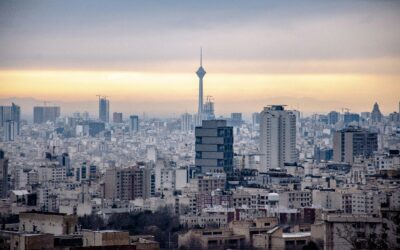
The Final Countdown: Iran Rejects Ceasefire as Trump’s 8 PM Deadline Looms
The clock is ticking toward a high-stakes moment of truth in the Middle East. As of Tuesday, April 7, 2026, the Islamic Republic has officially rejected a 45-day temporary ceasefire proposal, opting instead to demand a permanent end to hostilities and “guarantees” against future strikes. The move sets the stage for a massive escalation as President Trump’s final deadline of 8:00 PM Washington time draws near. At The Modern Memo, we analyze the breakdown of diplomacy, the “Stone Age” warning from the Oval Office, and the tactical strikes already underway as Operation Epic Fury enters its most decisive phase. The Ultimatum: “Cry Uncle” or Face the Consequences President Trump has been unambiguous about the consequences of Tehran’s defiance. During an address on the White House lawn, the President confirmed that the 8:00 PM deadline is final. The Infrastructure Threat: “If they don’t cry uncle, no bridges, no power plants, no anything,” the President warned. The administration’s goal is clear: the total neutralization of Iran’s ability to function as a modern state unless the Strait of Hormuz is fully reopened to all international shipping. Widening the Target List: While previous phases of Operation Epic Fury focused on the IRGC and missile sites, the President suggested that if a deal isn’t reached, the U.S. will pivot to “taking the oil”—targeting the economic lifeblood that funds the regime’s regional aggression. A Civilization at Risk: In a sober warning on Truth Social, the President stated, “A whole civilization will die tonight… I don’t want that to happen, but it probably will.” Rejection at the Eleventh Hour Despite mediation efforts by Egypt, Pakistan, and Turkey, the Iranian Foreign Ministry characterized the U.S. position as “incompatible with negotiations.” The Demand for Permanence: Tehran has refused a temporary 45-day pause, claiming it no longer trusts the Trump administration after previous “surgical strikes” occurred during diplomatic windows. The “Negotiating Table” Claim: Iranian officials accused the White House of “assassinating the negotiating table,” while the U.S. maintains that only overwhelming force will ensure the free flow of global energy. Regime Defiance: Iran’s President Masoud Pezeshkian claimed that “14 million Iranians” are ready to defend the nation, even as the Israeli Defense Forces (IDF) issued urgent warnings for Iranian civilians to avoid railways and infrastructure targets. Pre-Deadline Strikes: Hitting the “Backbone” Even as the clock winds down, the kinetic campaign has not stopped. Reports indicate that the “mopping up” of strategic assets is already accelerating. South Pars Gas Field: Israeli strikes have successfully targeted a major petrochemical plant in the South Pars field—the world’s largest gas field. This strike aimed to sever a primary revenue stream for the regime. Kharg Island Under Fire: Multiple strikes have been reported on Kharg Island, often described as the backbone of Iran’s oil export infrastructure. Dismantling Logistics: Strategic rail networks in Karaj, Kashan, and Zanjan have been hit, effectively paralyzing the regime’s ability to move heavy military equipment across the country. Final Word The rejection of a ceasefire by the Islamic Republic is a gamble of historic proportions. When you look past the noise of “diplomatic channels” and focus on the data—the decimation of the Iranian Navy, the destruction of 90% of their missile launchers, and the looming 8 PM deadline—you gain a clearer picture of a regime that has run out of time. Quality information replaces the fear of “escalation” with the reality of an administration that values decisive results over endless stalemate. It allows you to see this deadline not as a threat, but as the final enforcement of global stability. By choosing to stand firm, the U.S. is ensuring that the “bully of the Middle East” is permanently retired. Where Facts, Context, and Perspective Matter At The Modern Memo, our goal is simple: to provide clear, well-researched reporting in a media landscape that often feels overwhelming. We focus on substance over sensationalism, and context over commentary. If you value thoughtful analysis, transparent sourcing, and stories that go beyond the headline, we invite you to share our work. Informed conversations start with reliable information, and sharing helps ensure important stories reach a wider audience. Journalism works best when readers engage, question, and participate. By reading and sharing, you’re supporting a more informed public and a healthier media ecosystem. The Modern Memo may be compensated and/or receive an affiliate commission if you click or buy through our links. Featured pricing is subject to change. 📩 Love what you’re reading? Don’t miss a headline! Subscribe to The Modern Memo here!

The Loyalty Test: Trump Challenges NATO to Step Up or Face a “Very Bad Future”
As the U.S.-led operation in the Middle East enters a critical phase, President Trump has delivered a blunt “loyalty test” to America’s NATO allies. In a series of high-stakes statements this week, the President warned that the future of the North Atlantic Treaty Organization depends on whether its members are willing to support the United States in reopening the Strait of Hormuz—or if they will continue to be “one-way street” partners. At The Modern Memo, we analyze the President’s transactional approach to Article 5, the historic 5% spending pledge he secured in The Hague, and why Washington is losing patience with “free-riding” allies. The Strait of Hormuz: A Litmus Test for Allies With global energy prices spiking due to the Iranian blockade, President Trump has recast the military effort to clear the Strait as a definitive test of alliance value. The Demand: Trump stated that it is “only appropriate” that nations benefiting from the waterway help police it. “If there’s no response, or if it’s a negative response, I think it will be very bad for the future of NATO,” he told reporters. The “Loyalty Test” Framing: On Monday, the President admitted he issued the call for warships not necessarily because the U.S. needs the help—boasting that “we’re the strongest nation in the world”—but to see how allies would react. “I want to find out,” he said, adding that he’s long suspected allies “won’t be there” when the U.S. truly needs them. The Rebuff: While some “numerous countries” are reportedly on the way, heavyweights like Germany have already declined, with Chancellor Friedrich Merz stating that the Gulf conflict “is not a matter for NATO.” The Hague Breakthrough: From 2% to 5% While the current standoff is tense, the administration is pointing to a massive structural victory: the 5% Spending Pledge. Following the 2025 Hague Summit, the President successfully pressured the alliance to more than double its previous defense spending floor. Ending the “Free Ride”: Under Trump’s persistent pressure, 23 of the 32 NATO members now meet the original 2% target, up from just three a decade ago. The New Era: The alliance has now committed to reaching 5% of GDP on defense by 2035. White House officials argue this shift represents the most decisive move in the alliance’s history, finally forcing Europe to take responsibility for its own backyard. Deterrence First: Supporters argue that by “strongarming” allies into funding their own militaries, Trump is actually saving NATO from its own obsolescence. “We Don’t Need Anyone”: A Shift in Article 5 Sentiment The President’s rhetoric has recently taken a more isolationist turn, specifically regarding the “sacred” nature of Article 5 (collective defense). The Afghanistan Comments: Trump sparked backlash earlier this year by suggesting NATO troops in Afghanistan “stayed a little off the front lines,” claiming the U.S. “never needed them.” Transactional Security: The administration’s message is clear: the U.S. commitment to defend Europe is not unconditional. If allies refuse to assist in American-led security priorities like the Strait of Hormuz or the protection of Greenland, the “mutual” part of “mutual defense” is effectively dead. Final Word President Trump has moved the NATO conversation from diplomatic pleasantries to the cold reality of a balance sheet. When you look past the “petulant” headlines and focus on the data—the 5% spending agreement and the unrelenting focus on burden-sharing—you gain a clearer picture of an alliance being modernized through friction. Quality information replaces the noise of “isolationism” with the clarity of a leader demanding a return on investment. It allows you to see this “loyalty test” not as a threat to leave, but as a demand for a partnership that actually works in both directions. By staying informed on these strategic shifts, you align your perspective with the reality that American protection is a privilege, not a permanent entitlement. Where Facts, Context, and Perspective Matter At The Modern Memo, our goal is simple: to provide clear, well-researched reporting in a media landscape that often feels overwhelming. We focus on substance over sensationalism, and context over commentary. If you value thoughtful analysis, transparent sourcing, and stories that go beyond the headline, we invite you to share our work. Informed conversations start with reliable information, and sharing helps ensure important stories reach a wider audience. Journalism works best when readers engage, question, and participate. By reading and sharing, you’re supporting a more informed public and a healthier media ecosystem. The Modern Memo may be compensated and/or receive an affiliate commission if you click or buy through our links. Featured pricing is subject to change. 📩 Love what you’re reading? Don’t miss a headline! Subscribe to The Modern Memo here!
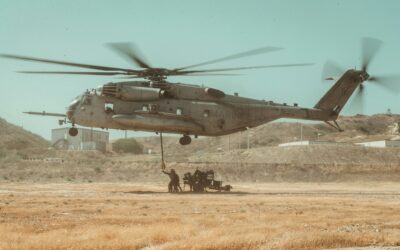
Operation Epic Fury: U.S. Reinforces the Front as Conflict with Iran Escalates
As the war against the Islamic Republic enters its third decisive week, the United States is significantly expanding its military footprint in the Middle East. Under the direction of Defense Secretary Pete Hegseth, the Pentagon has ordered thousands of Marines and a powerful amphibious strike group to the region—a move that signals Washington’s unwavering commitment to absolute naval dominance and the total reopening of the world’s most critical energy corridors. At The Modern Memo, we analyze the strategic arrival of the USS Tripoli, the mission to secure the Strait of Hormuz, and why this buildup is the necessary response to a regime that has “abandoned all restraint.” The Arrival of the “Floating Fortress” The centerpiece of this reinforcement is the USS Tripoli (LHA-7) and the 31st Marine Expeditionary Unit (MEU). Sailing from Japan, this amphibious assault carrier functions as a mobile airbase, bringing a specialized set of capabilities to Operation Epic Fury. Elite Rapid Response: The MEU consists of roughly 2,200 to 2,500 combat-ready Marines trained for high-intensity raids, amphibious landings, and the securing of strategic infrastructure. Air Superiority from the Sea: The Tripoli carries a lethal contingent of F-35B Lightning II stealth fighters and V-22 Ospreys, providing commanders with “over-the-horizon” strike options that do not depend on land-based foreign runways. Strategic Positioning: Joining the USS Abraham Lincoln and USS Gerald R. Ford strike groups, the Tripoli’s arrival creates one of the most concentrated displays of American naval power in the region since 2003. Securing the Strait: Ending the “Iranian Veto” The primary objective of the increased presence is the contested Strait of Hormuz. Following Iran’s illegal closure of the waterway on March 2, global energy markets have been roiled, and the administration has made it clear that the “veto” on global oil flow will not stand. Clearing the Shoreline: Military analysts suggest the Marines may be utilized for targeted raids on hardened Iranian missile bunkers and drone launch sites along the coastline—targets that are often difficult to eliminate through airstrikes alone. Escort Operations: Treasury Secretary Scott Bessent and Defense Secretary Hegseth have both signaled that U.S. Navy escorts for commercial tankers could begin “very soon.” The addition of the Tripoli’s ESG (Expeditionary Strike Group) provides the necessary Aegis-class protection to shield merchant ships from Iranian “suicide” boats and cruise missiles. Kharg Island Warning: President Trump has already confirmed that U.S. forces “obliterated” military sites on Kharg Island. The deployment of ground-capable Marines serves as a final warning: should the interference continue, the regime’s critical oil infrastructure will be next. A Posture of Strength Amidst Domestic Strain This surge in Middle Eastern forces comes despite the ongoing political gridlock in Washington regarding the Department of Homeland Security (DHS) shutdown. While critics point to the strain on domestic agencies, the administration maintains that national security is a global, indivisible priority. Decisive Command: Secretary Hegseth has remained focused on the mission, noting that over 15,000 enemy targets have been struck since the war began. “We have a plan for every option,” Hegseth told reporters, emphasizing that the U.S. will not allow the Strait to remain a contested zone. The Deterrence Factor: By moving ground-capable forces into the theater, the U.S. is signaling that it is prepared for a wider confrontation if Tehran continues its asymmetric attacks on American assets and allies. Final Word The deployment of the 31st MEU is a cold, calculated message to Tehran: the era of “strategic patience” has ended. When you look past the noise of regional escalation and focus on the data—the 2,500 Marines, the F-35B squadrons, and the systematic dismantling of the Iranian Navy—you gain a clearer picture of an administration that prioritizes results over rhetoric. Quality information replaces the fear of a “forever war” with the clarity of a targeted, high-tech campaign designed to restore order to the global commons. It allows you to see this buildup not as an act of aggression, but as the essential enforcement of maritime law. By choosing to support this decisive posture, you align your perspective with the reality that a secure world is only possible through undisputed strength. Where Facts, Context, and Perspective Matter At The Modern Memo, our goal is simple: to provide clear, well-researched reporting in a media landscape that often feels overwhelming. We focus on substance over sensationalism, and context over commentary. If you value thoughtful analysis, transparent sourcing, and stories that go beyond the headline, we invite you to share our work. Informed conversations start with reliable information, and sharing helps ensure important stories reach a wider audience. Journalism works best when readers engage, question, and participate. By reading and sharing, you’re supporting a more informed public and a healthier media ecosystem. The Modern Memo may be compensated and/or receive an affiliate commission if you click or buy through our links. Featured pricing is subject to change. 📩 Love what you’re reading? Don’t miss a headline! Subscribe to The Modern Memo here!

Decisive Strike: US and Israel Dismantle Iranian Regime Capabilities in Historic Weekend Operation
In a massive, coordinated military operation that began Saturday, February 28, the United States and Israel launched a series of high-intensity strikes against Iranian targets, effectively decapitating the clerical leadership that has long destabilized the Middle East. At The Modern Memo, we break down the tactical success of “Operation Epic Fury” and “Operation Roaring Lion,” the neutralization of Supreme Leader Ali Khamenei, and why this weekend marks a fundamental pivot toward regional peace. The Strategy: “Not a Regime Change War, but the Regime Did Change” For years, the American political establishment debated “containment.” Over the weekend, that strategy was replaced by decisive action. The goal, as framed by administration officials, was not a long-term nation-building project but the systematic dismantling of the regime’s capacity to threaten the region. The Takedown: A synchronized barrage of U.S. Tomahawk missiles, B-2 stealth bomber sorties, and Israeli fighter jets targeted over 2,000 sites, including intelligence headquarters, ballistic missile facilities, and the compounds of senior officials. Khamenei Neutralized: Iranian state media has confirmed the death of Supreme Leader Ali Khamenei. Defense Secretary Pete Hegseth summarized the sentiment of the operation: “This is not a so-called regime change war, but the regime sure did change.” Degrading Capabilities: Initial reports indicate the destruction of nine Iranian naval vessels and the systematic suppression of Iranian air defenses, granting the U.S.-Israeli coalition total air superiority. Regional Reaction: The Failed “Axis of Resistance” While the Iranian regime attempted to mobilize its proxy network to lash out in retaliation, the expected “regional wildfire” has met with significant resistance. The Retaliatory Flop: Tehran launched a series of drone and missile strikes targeting Israel and U.S. military assets in Gulf states. However, these attacks were largely uncoordinated and ineffective, with regional partners—many of whom are tired of Tehran’s decades of interference—condemning the strikes as violations of sovereignty. The “Axis” Faltering: With Iranian command-and-control disrupted, the “Axis of Resistance”—Hezbollah, Iraqi militias, and the Houthis—are finding themselves cut off from their primary benefactor. Reports indicate that the combined coalition force is systematically dismantling these networks as they scramble for new orders. The Path Forward: “Take Back Your Country” As the smoke clears, the administration is making a direct appeal to the Iranian people rather than the deposed clerical class. Support for the People: President Trump’s message has been clear: The U.S. military is targeting the regime’s ability to repress its own citizens and project terror abroad, not the Iranian people. The Diplomatic “Off-Ramp”: In a calculated move, the President indicated a willingness to speak to new leadership, provided they are willing to abandon nuclear ambitions and regional terror. Iran’s top security officials are currently scrambling to formulate a response to this new reality. Global Energy Stability: While critics raise alarms about oil prices, the reality is that the Strait of Hormuz remains contested but open. By knocking out Iran’s naval ability to close the strait, the U.S. has protected a vital global artery, signaling that “business as usual” for regime-sponsored chaos is over. Final Word The weekend’s events represent the collapse of the “appeasement” era and the return of a clear-eyed “Peace Through Strength” doctrine. When you look past the alarmist narratives of “escalation” from legacy outlets and focus on the data—the neutralization of the regime’s supreme leadership, the degradation of its ballistic capabilities, and the overwhelming superiority of the coalition force—you see a region that is finally being unshackled from the threats of the Islamic Republic. Quality information replaces the noise of uncertainty with the clarity of strategic results. It allows you to see this operation not as the start of a “forever war,” but as the decisive end of a decades-long struggle. By choosing to follow the facts of the coalition’s success, you align your perspective with the realities of modern security and support a more informed, resilient global future. Where Facts, Context, and Perspective Matter At The Modern Memo, our goal is simple: to provide clear, well-researched reporting in a media landscape that often feels overwhelming. We focus on substance over sensationalism, and context over commentary. If you value thoughtful analysis, transparent sourcing, and stories that go beyond the headline, we invite you to share our work. Informed conversations start with reliable information, and sharing helps ensure important stories reach a wider audience. Journalism works best when readers engage, question, and participate. By reading and sharing, you’re supporting a more informed public and a healthier media ecosystem. The Modern Memo may be compensated and/or receive an affiliate commission if you click or buy through our links. Featured pricing is subject to change. 📩 Love what you’re reading? Don’t miss a headline! Subscribe to The Modern Memo here!
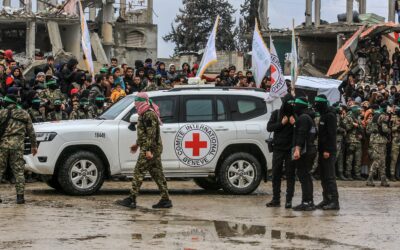
BREAKING: All 20 Living Israeli Hostages Released From Hamas Captivity
The world watched in relief and gratitude as all 20 Israeli hostages were released into the care of the International Committee of the Red Cross (ICRC). This marks a historic turning point in the pursuit of lasting peace between Israel and Hamas. Early Monday, Red Cross convoys were seen moving through Gaza as the first seven hostages were freed under the new ceasefire peace agreement. Hours later, 13 more hostages joined them, completing the full transfer to Israeli custody. The handover began around 8 a.m. and continued throughout the morning under careful coordination by the Red Cross and Israeli Defense Forces. BREAKING: The remaining 13 hostages were just received by the Red Cross. They are now heading toward IDF positions in Gaza and will back in Israel soon pic.twitter.com/pIJomXYeD3 — Visegrád 24 (@visegrad24) October 13, 2025 This moment — the safe release of all 20 hostages — represents the first step in the 20-point plan toward peace. The framework was built to restore stability, rebuild trust, and lay the groundwork for a new era of cooperation in the region. (RELATED NEWS: Hamas Accepts Trump Peace Plan to End Gaza War, Return Hostages) Emotional Scenes Across Israel As news of the first releases spread, emotional scenes unfolded across Israel. Families gathered in homes, public squares, and synagogues to celebrate. In Tel Aviv, crowds cheered and waved flags as live coverage showed the Red Cross convoys crossing into Israeli territory. Many held signs reading “Welcome Home” and “We Prayed for You,” echoing the deep relief felt across the nation. Prime Minister Benjamin Netanyahu and his wife, Sara, prepared special care kits for each returning hostage. Each kit included clothing, personal items, and digital devices to help reconnect them with loved ones. Inside, a handwritten note from the Netanyahus read: “On behalf of all the people of Israel, welcome back! We have been waiting for you. We embrace you. — Sara and Benjamin Netanyahu.” The Role of the Red Cross and the Ceasefire Agreement The International Committee of the Red Cross (ICRC) played a vital role in the hostage exchange. The organization protected civilians, coordinated humanitarian operations, and ensured safe passage for both hostages and prisoners. Red Cross convoys moved steadily between Gaza and Israel throughout the day, carrying with them the fragile but tangible hope of renewed peace. Under the ceasefire terms, Israel released more than 1,900 Palestinian prisoners in exchange for 20 Israeli hostages. The exchange followed weeks of intensive negotiations led by Israeli, Palestinian, American, and regional mediators. Their tireless diplomatic work broke the cycle of violence that has divided the region for generations and opened the door to reconciliation. Trump’s Leadership and Global Cooperation Israeli officials confirmed that this day would not have been possible without President Trump’s leadership. He brokered the peace framework and will be central in holding all parties to their commitments. Caroline Glick, Prime Minister Netanyahu’s international affairs advisor, affirmed Israel’s confidence in Trump’s leadership, calling him “a sincere friend of Israel” and “a man of peace through strength.” “We have deep faith in President Trump — in his sincerity, his support for Israel, and his leadership,” Glick told Fox News Digital. “We are confident in his commitment to holding all parties accountable to the deal, in partnership with Prime Minister Netanyahu.” (MORE NEWS: Trump Orders Military Pay Amid Government Shutdown) The partnership between Washington and Jerusalem delivered immediate humanitarian results and built the foundation for long-term stability. Trump’s plan prioritizes accountability and opportunity, ensuring that every step toward peace rests on transparency, action, and shared responsibility — not empty promises. President Trump’s Visit to Israel and the Region President Trump arrived in Tel Aviv today, drawing intense global attention to this landmark moment — the release of hostages from Gaza and the renewed push for peace. He came to demonstrate his personal commitment to the process, meet with key Israeli leaders and affected families, and then travel to Egypt for a major peace summit. A VIEW FROM AIR FORCE ONE, flying over the beach front of the U.S. Embassy branch in Tel Aviv… 🙏🏼🕊️ pic.twitter.com/CA9EZ1R89f — Dan Scavino (@Scavino47) October 13, 2025 Arrival in Israel After landing at Ben Gurion Airport, Trump praised the “unbreakable bond” between the United States and Israel and called the moment a rare opportunity to bring stability and progress to a turbulent region. Israeli officials welcomed him warmly, and he promised to engage directly with those most affected by the conflict. pic.twitter.com/02DCbpsBru — Dan Scavino (@Scavino47) October 13, 2025 Speaking to the Knesset Trump will address Israel’s Knesset today in what officials describe as a historic speech. His remarks will highlight unity, reconciliation, and the path forward as the ceasefire and hostage-release agreement move ahead. Meeting With Hostage Families Before leaving Israel, Trump plans to meet privately with families of the released hostages. Their voices shaped public support and helped build momentum behind the agreement. The Hostages & Missing Families Forum formally invited him to meet, saying the visit shows genuine solidarity and compassion from the U.S. toward those who endured unimaginable hardship. On to the Peace Summit in Egypt After his visit to Israel, Trump will travel to Sharm El-Sheikh, Egypt, where he will join world leaders for a regional peace summit focused on implementing the ceasefire, ensuring humanitarian access, and determining Gaza’s future governance. He reportedly insisted on being present for this historic moment — not only as a symbolic figure but as a hands-on participant in the negotiations. His presence signals that he intends to serve not just as a broker of peace but as a witness and guarantor to its success. The 20-Point Plan Toward Peace The release of all 20 hostages launches the first phase of the 20-point peace plan — a detailed framework that drives demilitarization, reconstruction, and reconciliation across Gaza. Phase One secures the hostages’ freedom and enforces an immediate ceasefire. Phase Two, now underway, calls on Israel and its partners to demobilize and disarm Hamas, then lead efforts to deradicalize…

Trump Issues a Grim Ultimatum to Hamas
On September 30, 2025, President Donald Trump announced that Hamas has “three or four days” to accept a 20-point peace plan aimed at ending the war in Gaza. If Hamas refuses, he warned, the group “will meet a very sad end.” Trump framed his ultimatum in sharp terms, signaling that his patience is limited—and that consequences will follow swiftly. He stated, “We’re going to do about 3 or 4 days. We’ll see how it is … And if it’s not, it’s going to be a very sad end.” His message stressed that all Arab and Muslim nations—including Israel—have already backed his proposal, leaving Hamas isolated unless it joins. (RELATED NEWS: Trump’s Leaked Gaza Peace Plan: A Bold 21-Point Vision for Lasting Stability) Trump also added, “All Arab countries have signed, all Muslim countries have signed, Israel has signed. We are just waiting for Hamas, and Hamas will do it or not – and if not, it will be a very sad end.” President Trump: “All Arab countries have signed, all Muslim countries have signed, Israel has signed. We are just waiting for Hamas, and Hamas will do it or not – and if not, it will be a very sad end.” pic.twitter.com/k5cL06LubL — Eyal Yakoby (@EYakoby) September 30, 2025 What the Proposed Plan Includes The 20-point proposal envisions a path toward ending hostilities, disarming Hamas, securing hostages’ release, and rebuilding Gaza. Israel already endorsed the plan, committing to halt military operations once it is in place. Meanwhile, high-level envoys from Egypt and Qatar reportedly presented the plan to Hamas negotiators, requesting a response in “good faith.” The plan also includes international backing: several Muslim and Arab nations released a joint statement supporting Trump’s proposal. Signatories included Saudi Arabia, Jordan, the United Arab Emirates, Indonesia, Pakistan, Turkey, Qatar, and Egypt. They hailed the proposal as supportive of both Palestinian rights and Israeli security. Reactions from Israel’s Leadership Although Prime Minister Benjamin Netanyahu accepted the plan, he faces dissent within his own right-wing coalition. Some coalition members strongly object, calling acceptance of the plan a “diplomatic failure” that ignores lessons learned from past conflicts. Moreover, Netanyahu’s finance minister, Bezalel Smotrich, publicly criticized the move, warning it could undermine Israel’s long-term security. Yet even in opposition, figures like Yair Lapid and Benny Gantz expressed cautious support. Lapid argued that, given time pressure around hostages and conflicting priorities, Trump’s offer might be the only viable path. Gantz pledged to keep party politics from derailing the effort. (MORE NEWS: Miami Mayor’s Warning: NYC’s Mamdani Echoes Castro) Thus, Israel’s leadership appears divided: one part ready to gamble on the plan, the other anxious about its risks. Hamas’s Likely Rejection A senior Hamas figure told the BBC that the group is likely to reject Trump’s peace plan. According to the official, the proposal “serves Israel’s interests” and “ignores those of the Palestinian people.” The source stressed that Hamas is unlikely to agree to disarming and handing over weapons—one of the plan’s central requirements. Hamas also reportedly opposes the deployment of an International Stabilisation Force (ISF) in Gaza. Leaders view such a force as a new form of occupation, something they cannot accept. While Israeli Prime Minister Netanyahu accepted Trump’s plan during White House talks, Hamas has not issued an official response. Still, the BBC report underscores the growing likelihood of rejection. This stance reflects Hamas’s long-standing insistence on retaining its armed capacity. It also highlights deep mistrust toward any foreign military presence in Gaza. Such objections set up a direct clash with the very conditions at the heart of Trump’s proposal. Why the Timing Matters The three-to-four-day timeline adds urgency. Such a short window may be intended to minimize stalling or political maneuvering. In this way, Trump keeps pressure high and leaves minimal room for delay. Global momentum favors the plan. With Israel, Arab nations, and many Muslim countries aligned, Trump seeks to create a diplomatic consensus that corners Hamas. By claiming all other parties are “signed up,” Trump frames rejection as purely Hamas’s choice. The hostage situation remains a critical driver. The urgency to free all 46 hostages adds emotional and political weight. The war cannot linger indefinitely without mounting costs—human, economic, and reputational. Internal politics in Israel add complexity. Netanyahu must balance coalition pressure against international obligation. His maneuvering around acceptance and coalition fractures could destabilize the government just when peace talks are reaching a climax. Possible Outcomes and Risks If Hamas accepts the plan, hostilities could end swiftly. Gaza would begin rebuilding, and displaced people might return. International aid flows could resume. Yet, the threat of future insurgency or rearmament would persist. If Hamas rejects it, military action might resume at full scale. Trump’s phrasing—“very sad end”—hints at harsher measures or public condemnation. That path risks full escalation, wider casualties, and regional backlash. Either way, any plan faces serious hurdles: ensuring disarmament, verifying compliance, providing long-term security, and building trust. Even more, breaking the cycle of violence in Gaza will require continual diplomacy, monitoring, and guarantees—not just a signed agreement. The Takeaway Trump’s ultimatum places Hamas at the center of a diplomatic storm. With only days to decide, the group faces a stark choice: accept sweeping demands that could bring relief to Gaza or reject them and face consequences that Trump has promised will be severe. Israel and nearly every major Arab and Muslim nation have already signaled support for the plan. That leaves Hamas standing alone, clinging to weapons and rhetoric while the rest of the region pushes for peace. Internal disputes within Israel may exist, but they do not change the fact that Hamas is increasingly isolated. The clock is ticking. The coming days will determine whether Hamas chooses cooperation or destruction. If it accepts the deal, the war could shift toward peace and rebuilding. If it refuses, the “very sad end” Trump warned of will not be a figure of speech—it will become a reality. Cut Through the Noise. Slice Through the Lies. Share the Truth. At The Modern Memo, we don’t…