

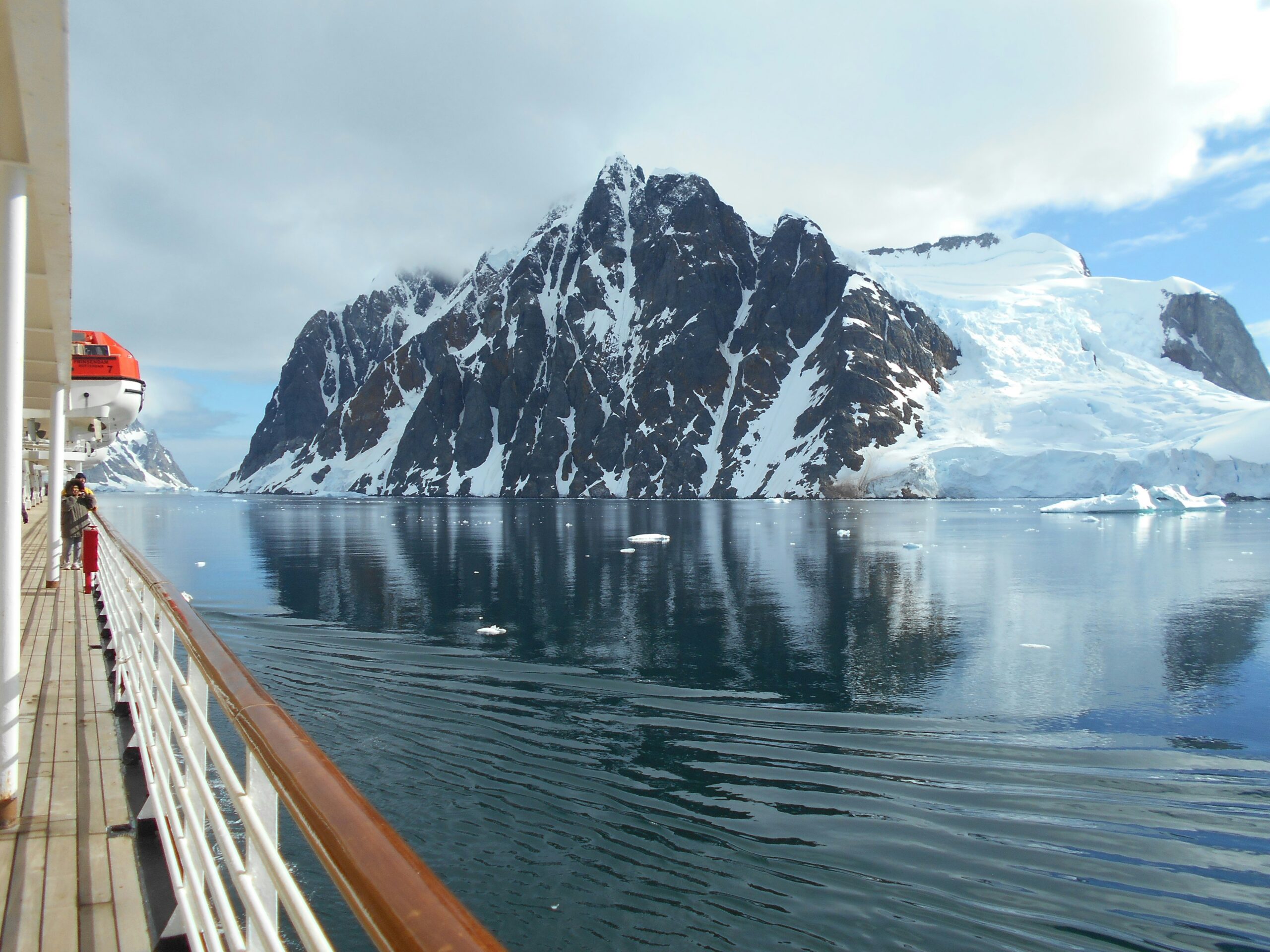
The dream of an Antarctic expedition has dissolved into a maritime nightmare for the passengers of the M/V Hondius, as the vessel remains stalled off the coast of Cape Verde under a cloud of medical uncertainty. Following the deaths of three passengers—including a Dutch couple and a German national—the World Health Organization (WHO) has launched an investigation into a suspected outbreak of the rare and deadly hantavirus.
At The Modern Memo, we analyze the chilling timeline of the “Hondius Outbreak,” the bureaucratic standoff in West Africa, and the reality of being trapped on a “Polar Class” vessel while a rodent-borne killer stalks the ventilation.
The Trail of the Virus: From Argentina to the Atlantic
The M/V Hondius, operated by Oceanwide Expeditions, departed Ushuaia, Argentina, in March for what was marketed as a high-end nature expedition. The voyage, costing between $16,000 and $25,000 per berth, has instead become a case study in isolation.
-
The First Fatality: A 70-year-old Dutch man died on board and was offloaded at the British territory of Saint Helena.
-
The “Widow’s Collapse”: In a tragic sequence, the man’s wife collapsed days later at an airport in South Africa while attempting to return home; she subsequently died at a nearby hospital.
-
Intensive Care: A third victim, a German national, died on the ship, while a British passenger was medically evacuated from Ascension Island and remains in critical condition in a Johannesburg hospital.
-
The Current Toll: As of Tuesday, May 5, 2026, the WHO has confirmed two cases of hantavirus, with five more suspected among the passengers and crew.
“Calm But Composed”: The View from the Cabins
With 149 passengers representing more than 20 nationalities currently trapped on board, the atmosphere is described by the operator as “calm,” though for those inside, the uncertainty is mounting.
-
The Cape Verde Standoff: The ship is currently anchored off Praia Port, but local authorities have refused to allow anyone to disembark. Request for medical screenings on land have been denied as the island nation seeks to protect its own public health.
-
Rodent Risks: Hantavirus is typically spread through contact with the urine, droppings, or saliva of infected rodents. For an “expedition” ship that visits remote islands like Tristan da Cunha, the source of the contamination is a major focus of the federal probe.
-
Airborne Anxiety: While the WHO maintains the risk to the wider public is low, the fact that hantavirus can lead to Hantavirus Pulmonary Syndrome (HPS)—where lungs fill with fluid—has passengers understandably on edge.
The Global Response: Coordination and Evacuation
The Dutch government is currently leading a joint effort to organize the repatriation of symptomatic individuals, but the logistical hurdles of a hantavirus outbreak on the high seas are immense.
-
Medical Evacuation: Two crew members are reportedly in urgent need of medical care, but their transfer to Cape Verdean facilities remains stalled.
-
The Next Stop: The ship’s operator is considering sailing for Las Palmas or Tenerife in Spain’s Canary Islands, hoping for a more robust medical infrastructure that can handle the quarantine and decontamination requirements.
Final Word
The M/V Hondius crisis is a sobering reminder that even the most “exclusive” expeditions are subject to the raw realities of nature. When you look past the noise of “Antarctic luxury” and focus on the data—the three confirmed deaths and the refusal of port authorities to let passengers land—you gain a clearer picture of the vulnerability of the global cruise industry.
Quality information replaces the “flu-like symptoms” narrative with the reality of a high-mortality virus that turned a vacation into a floating quarantine. It allows you to see that while the world has moved on from the pandemic era, the sea remains a place where the rules of isolation are still written in real-time.
Where Facts, Context, and Perspective Matter
At The Modern Memo, our goal is simple: to provide clear, well-researched reporting in a media landscape that often feels overwhelming. We focus on substance over sensationalism, and context over commentary.
If you value thoughtful analysis, transparent sourcing, and stories that go beyond the headline, we invite you to share our work. Informed conversations start with reliable information, and sharing helps ensure important stories reach a wider audience.
Journalism works best when readers engage, question, and participate. By reading and sharing, you’re supporting a more informed public and a healthier media ecosystem.
The Modern Memo may be compensated and/or receive an affiliate commission if you click or buy through our links. Featured pricing is subject to change.
Subscribe to The Modern Memo here!
