

Cruise
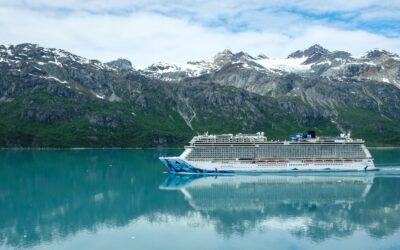
Outbreak On Board: Alaska Cruise Ship Hit with Third Stomach Illness Sweep in Two Months as CDC Review Underway
What was intended to be an intimate, bucket-list voyage through the pristine wilderness of Alaska has turned into a recurring medical nightmare for passengers aboard an expedition cruise vessel. Federal public health authorities have confirmed that the National Geographic Sea Bird—a specialized 62-passenger vessel operated by Lindblad Expeditions—has been struck by its third major gastrointestinal outbreak in less than two months. The latest outbreak, occurring during a five-day voyage between Sitka and Juneau, sickened nearly a third of all guests on board. The repeating pattern of severe illness has triggered a comprehensive review by the U.S. Centers for Disease Control and Prevention (CDC), raising sharp questions from maritime health watchdogs over whether the ship’s sanitation and quarantine protocols are sufficient to stop the virus. At The Modern Memo, we break down the operational profile of the three consecutive outbreaks, the physical environment making small ships uniquely vulnerable, and the regulatory pressure mounting on federal health inspectors to intervene. The Outbreak Timeline: A Summer of Recurring Sickness The primary concern for public health inspectors is not merely a single isolated event, but a persistent, multi-week cycle of infection that has plagued the vessel throughout its summer 2026 deployment. Voyage 1 (Late May): The initial outbreak was logged during a May 26–May 31 itinerary, sickening 9 of 66 passengers and 3 crew members. Stool sample testing conducted by the CDC confirmed the causative agent as norovirus. Voyage 2 (Late June): Less than four weeks later, during a June 25–June 30 trip between Juneau and Ketchikan, the ship was hit again. A second wave sickened 20 out of 95 total passengers and crew, with norovirus once again verified as the culprit. Voyage 3 (Mid-July): The most recent crisis struck the July 10–July 15 sailing. According to official CDC Vessel Sanitation Program (VSP) logs, 18 of the 62 passengers (29%) fell violently ill with severe abdominal cramps and projectile vomiting. While the specific pathogen for the third wave remains under laboratory evaluation, the clinical symptoms match the prior norovirus sweeps. The Transmission Trap: Why Expedition Ships Face Unique Risks While large mega-ships make headlines when hundreds fall ill, small expedition vessels face a different, highly acute set of operational challenges when dealing with contagious stomach bugs. The Math of Small Numbers: Because the Sea Bird carries only 62 passengers, it takes just two or three sick individuals to hit the CDC’s 3% mandatory outbreak threshold. When 18 passengers fall ill at once, it represents nearly one out of every three guests on board, severely straining the ship’s limited medical resources. The Disinfection Gap: Norovirus is a non-enveloped virus, meaning it possesses an extraordinarily tough outer shell. It is largely immune to standard alcohol-based hand sanitizers and can survive on hard surfaces—such as cabinet handles, buffet utensils, and Zodiac boat railings—for weeks unless non-stop, industrial-grade chlorine deep cleaning is applied between voyages. Regulatory Pressure: Will the CDC Issue a No-Sail Order? The frequency of the outbreaks on a single vessel has sparked intense debate among maritime legal experts and public health advocates regarding the limits of voluntary cruise line sanitation plans. Regulatory Step Standard Outbreak Protocol Escalated Multi-Outbreak Action Cleaning Procedures Increase crew wiping of high-touch surfaces with EPA-approved disinfectants. Terminal deep-cleansing using electrostatic fogging and total crew isolation. Passenger Protocols In-cabin isolation for symptomatic guests until 48 hours symptom-free. Mandatory pre-boarding health screenings and stool sample tracking. CDC Intervention Remote tracking via the Vessel Sanitation Program (VSP). Field Response / No-Sail Order: Sending inspectors on board or grounding the ship. Under VSP guidelines, Lindblad Expeditions reported that crews responded by isolating sick passengers, collecting clinical specimens, and executing enhanced cleaning protocols. However, maritime law experts point out that when a single ship suffers three documented outbreaks across a span of seven weeks, standard cleaning during rapid port turnarounds is clearly failing to break the chain of infection. Calls are growing from consumer advocacy groups for the CDC to deploy a full field team to inspect the ship’s water, ventilation, and food-handling networks—or temporarily pull the vessel out of service until a total, uninterrupted sanitization cycle can be verified. Final Word The recurring wave of gastrointestinal illness aboard the National Geographic Sea Bird is the definitive proof that once a virulent stomach bug gets a foothold inside a ship’s tight quarters, standard surface wiping is simply not enough. When you look past the standard corporate press statements about “enhanced sanitation protocols” and analyze the hard data—three separate CDC-tracked outbreaks on a single small vessel in seven weeks, nearly 30% of passengers on the latest voyage struck with severe vomiting, and norovirus repeatedly defying turnaround cleanings—you gain an unvarnished view of an active public health risk. Quality information replaces travel marketing promises with the cold, unvarnished reality of maritime hygiene challenges. Lindblad Expeditions and federal health regulators face an immediate responsibility: either fully halt operations to execute an uncompromised, ground-zero decontamination of the ship, or risk sending yet another wave of paying passengers straight into a floating infirmary.
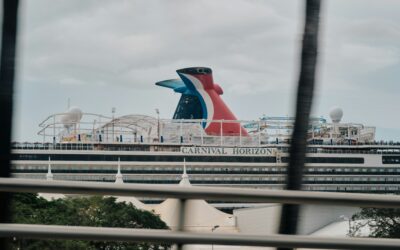
Pretrial Reckoning: Teen Accused in Cruise Ship Slaying Faces Immediate Jail Time After High-Stakes Adult Court Turn
A federal courtroom in Miami became the epicenter of an agonizing family tragedy and a fierce legal battle over public safety as federal prosecutors presented a blistering argument demanding that 16-year-old Timothy Hudson be stripped of his electronic monitoring privileges and immediately remanded into federal custody as he awaits trial for the brutal sexual assault and murder of his 18-year-old stepsister, Anna Kepner, aboard a Carnival cruise ship. At The Modern Memo, we break down the horrific details of the international waters slaying, the sweeping jurisdictional shift from juvenile to adult court, and why legal experts say the defense’s bid to keep the accused teenager out of jail has reached its absolute end. The Cruise Ship Nightmare: Murder on the High Seas The details of the case, which had been tightly wrapped in juvenile confidentiality laws for months, have shocked the public since a federal judge unsealed the indictments. The Stateroom Discovery: Anna Kepner—a vibrant high school cheerleader from Titusville, Florida—was on a family vacation aboard the Carnival Horizon in international waters. The day before the ship was scheduled to dock in Miami, her body was found concealed under a bed inside the stateroom she shared with Hudson and another teenager. The Cause of Death: The Miami-Dade Medical Examiner ruled that Kepner died from mechanical asphyxia, indicating that direct physical force was used to cut off her breathing. The unsealed federal indictment added charges of aggravated sexual abuse, detailing a horrific assault preceding her death. The Blindside: Assistant U.S. Attorney Alejandra López emphasized the lack of any warning signs or domestic escalation prior to the voyage. “He committed these crimes against a victim with whom he had no apparent relational strife, and whom he was being raised to view as a sibling,” López wrote in a chilling court memorandum. The Legal Shift: From Delinquency to Life in Prison The core reason Hudson is suddenly facing immediate detention stems from a massive, structural upgrade to the severity of the prosecution. The Juvenile Loophole: Following his initial arrest, Hudson was charged as a juvenile delinquent due to his age. Under those relaxed parameters, U.S. Magistrate Judge Edwin Torres allowed the teen to remain free on an electronic tether, living under the supervision of an uncle in Central Florida. The Adult Indictment: That leniency collapsed when U.S. District Judge Beth Bloom granted a government request to transfer the case to adult court. A federal grand jury subsequently indicted the 16-year-old for first-degree murder and aggravated sexual abuse—severe adult charges that carry a mandatory sentence of life in prison upon conviction. The Danger Argument: With the juvenile safety nets gone, prosecutors are moving aggressively to revoke his release order. “The defendant’s exposure to punishment has changed substantially,” Lopez argued, asserting that Hudson represents an acute danger to the community and a high flight risk given the permanent stakes of an adult conviction. A Family Fractured in the Search for Justice The tragic nature of the case is magnified by the deep, internal fracture it has caused within the victims’ immediate family, who must simultaneously process the loss of a daughter and the prosecution of a son. Deeply Troubled: Christopher Kepner, Anna’s father, broke his silence following the adult indictment, expressing profound disbelief that his daughter’s accused killer had been allowed to walk free for months. “At the same time, we are deeply troubled that, despite the seriousness of the charges, he has not been taken into custody,” Kepner stated, adding that the situation remains “deeply painful and complex for the entire family.” Trusting the Truth: The family has stated they are placing their absolute trust in the federal justice system to pursue the truth with integrity, even as Hudson’s federal public defenders decline to comment on the nature of the evidence or their defense strategy. Final Word The emergency detention hearing for Timothy Hudson is the definitive proof that the gravity of a crime must eventually dictate the severity of the custody. When you look past the noise of “juvenile status” protections and focus on the raw data—an 18-year-old girl asphyxiated under a cruise ship bed, an adult indictment for first-degree murder, and the shattering reality of a life sentence requirement—you gain a clearer picture of a system shifting from rehabilitation to absolute deterrence. Quality information replaces the narrative of a standard juvenile infraction with the reality of an adult-tier predator facing adult-tier consequences. It allows you to see that while an uncle’s home and an electronic ankle monitor were deemed sufficient for a minor, they are an insult to the memory of Anna Kepner now that the true weight of the charges has been exposed. By choosing to demand his immediate detention, federal prosecutors are ensuring that the cruise ship horror story is met with the unyielding hand of federal law.
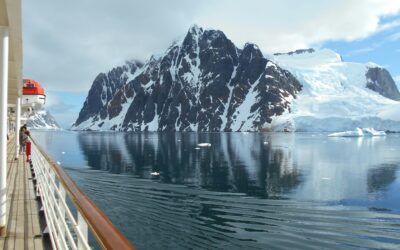
Floating Quarantine: Uncertainty Grips M/V Hondius as Hantavirus Probe Follows Three Mid-Atlantic Deaths
The dream of an Antarctic expedition has dissolved into a maritime nightmare for the passengers of the M/V Hondius, as the vessel remains stalled off the coast of Cape Verde under a cloud of medical uncertainty. Following the deaths of three passengers—including a Dutch couple and a German national—the World Health Organization (WHO) has launched an investigation into a suspected outbreak of the rare and deadly hantavirus. At The Modern Memo, we analyze the chilling timeline of the “Hondius Outbreak,” the bureaucratic standoff in West Africa, and the reality of being trapped on a “Polar Class” vessel while a rodent-borne killer stalks the ventilation. The Trail of the Virus: From Argentina to the Atlantic The M/V Hondius, operated by Oceanwide Expeditions, departed Ushuaia, Argentina, in March for what was marketed as a high-end nature expedition. The voyage, costing between $16,000 and $25,000 per berth, has instead become a case study in isolation. The First Fatality: A 70-year-old Dutch man died on board and was offloaded at the British territory of Saint Helena. The “Widow’s Collapse”: In a tragic sequence, the man’s wife collapsed days later at an airport in South Africa while attempting to return home; she subsequently died at a nearby hospital. Intensive Care: A third victim, a German national, died on the ship, while a British passenger was medically evacuated from Ascension Island and remains in critical condition in a Johannesburg hospital. The Current Toll: As of Tuesday, May 5, 2026, the WHO has confirmed two cases of hantavirus, with five more suspected among the passengers and crew. “Calm But Composed”: The View from the Cabins With 149 passengers representing more than 20 nationalities currently trapped on board, the atmosphere is described by the operator as “calm,” though for those inside, the uncertainty is mounting. The Cape Verde Standoff: The ship is currently anchored off Praia Port, but local authorities have refused to allow anyone to disembark. Request for medical screenings on land have been denied as the island nation seeks to protect its own public health. Rodent Risks: Hantavirus is typically spread through contact with the urine, droppings, or saliva of infected rodents. For an “expedition” ship that visits remote islands like Tristan da Cunha, the source of the contamination is a major focus of the federal probe. Airborne Anxiety: While the WHO maintains the risk to the wider public is low, the fact that hantavirus can lead to Hantavirus Pulmonary Syndrome (HPS)—where lungs fill with fluid—has passengers understandably on edge. The Global Response: Coordination and Evacuation The Dutch government is currently leading a joint effort to organize the repatriation of symptomatic individuals, but the logistical hurdles of a hantavirus outbreak on the high seas are immense. Medical Evacuation: Two crew members are reportedly in urgent need of medical care, but their transfer to Cape Verdean facilities remains stalled. The Next Stop: The ship’s operator is considering sailing for Las Palmas or Tenerife in Spain’s Canary Islands, hoping for a more robust medical infrastructure that can handle the quarantine and decontamination requirements. Final Word The M/V Hondius crisis is a sobering reminder that even the most “exclusive” expeditions are subject to the raw realities of nature. When you look past the noise of “Antarctic luxury” and focus on the data—the three confirmed deaths and the refusal of port authorities to let passengers land—you gain a clearer picture of the vulnerability of the global cruise industry. Quality information replaces the “flu-like symptoms” narrative with the reality of a high-mortality virus that turned a vacation into a floating quarantine. It allows you to see that while the world has moved on from the pandemic era, the sea remains a place where the rules of isolation are still written in real-time. Where Facts, Context, and Perspective Matter At The Modern Memo, our goal is simple: to provide clear, well-researched reporting in a media landscape that often feels overwhelming. We focus on substance over sensationalism, and context over commentary. If you value thoughtful analysis, transparent sourcing, and stories that go beyond the headline, we invite you to share our work. Informed conversations start with reliable information, and sharing helps ensure important stories reach a wider audience. Journalism works best when readers engage, question, and participate. By reading and sharing, you’re supporting a more informed public and a healthier media ecosystem. The Modern Memo may be compensated and/or receive an affiliate commission if you click or buy through our links. Featured pricing is subject to change. 📩 Love what you’re reading? Don’t miss a headline! Subscribe to The Modern Memo here!