

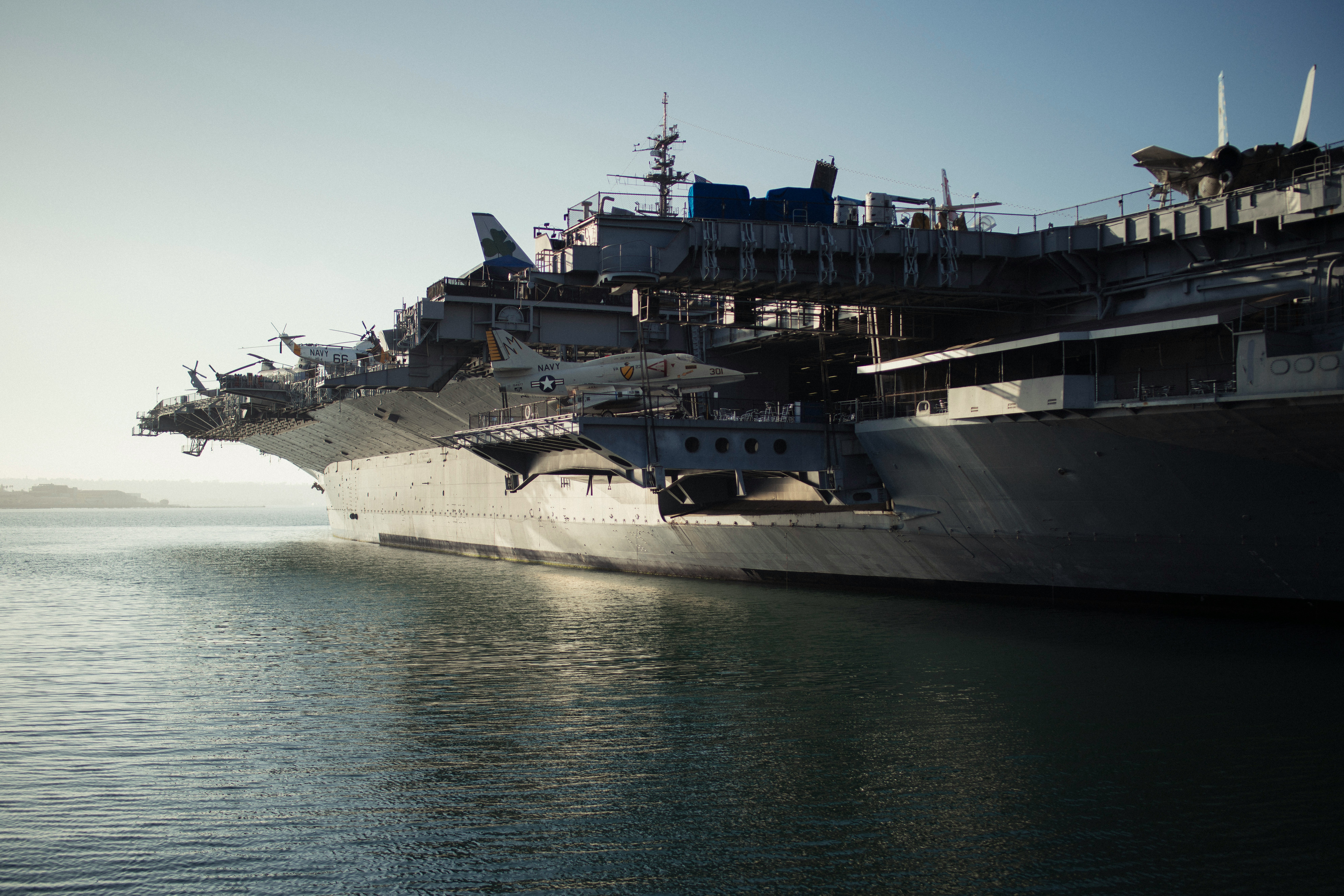
The window for diplomacy has officially slammed shut. Following the spectacular collapse of 21 hours of grueling, face-to-face negotiations in Pakistan, the United States has transitioned from surgical strikes to a total stranglehold. As of 10:00 AM ET today, April 13, 2026, the U.S. Navy has officially initiated a full-scale blockade of all Iranian ports and coastal territories.
At The Modern Memo, we analyze the failure of the Islamabad Accord, the “No Port” threat from Tehran, and the disappointing betrayal by our closest allies in London.
The Stranglehold: Operation “Absolute Anchor”
The failure of the Islamabad talks has shifted the Trump administration’s strategy from “Maximum Pressure” to “Total Containment.” The blockade is designed to ensure that not a single drop of Iranian oil—or a single shipment of weapons—leaves the Islamic Republic.
-
Sealing the Coast: U.S. carrier strike groups and littoral combat ships have taken positions across the Persian Gulf and the Gulf of Oman. The blockade effectively turns Iran into a landlocked pariah state until the regime agrees to unconditional nuclear and ballistic disarmament.
-
The Negotiating Failure: Insiders report that Iranian officials used the 21-hour window in Pakistan not to negotiate in good faith, but to stall for time while moving mobile missile launchers. “We gave them a chair at the table; they chose to kick it over,” one senior U.S. official remarked.
Tehran’s Response: “No Port is Safe”
True to their nature as a regional “bully,” the regime in Tehran responded to the blockade with a chilling threat of total maritime anarchy.
-
Regional Terror: Iranian state media declared this morning that “NO PORT” in the Middle East will remain safe. This is a direct threat to the commercial hubs of the UAE, Saudi Arabia, and Kuwait.
-
The Asymmetric Threat: While their navy is decimated, the IRGC continues to threaten the use of “suicide” drone swarms and submerged mines to shutter the entire Gulf of Oman.
-
The Trump Response: The White House has made it clear: any strike on a commercial port in the region will be viewed as an act of war against the United States, potentially triggering “Phase 3” of the campaign—targeting the regime’s internal command centers.
Allied Friction: The Starmer “Opt-Out”
In a move that has sent shockwaves through the “Special Relationship,” UK Prime Minister Keir Starmer announced this morning that Britain will stay on the sidelines.
-
London’s Retreat: Citing a desire to avoid being “dragged further” into a regional war, Starmer confirmed the Royal Navy will not participate in the blockade. This marks a significant diplomatic split, leaving the U.S. to carry the burden of global maritime security alone.
-
Economic Pain: The market reaction was instantaneous. Crude oil has spiked back above $103 per barrel, and American families are feeling the squeeze as gas prices flatten at a painful $4.12 per gallon.
Final Word
The 10:00 AM blockade is the inevitable result of a regime that mistakes restraint for weakness. When you look past the noise of “diplomatic failure” and focus on the data—the collapse of the 21-hour talks and the U.S. Navy’s total control of the coastline—you gain a clearer picture of an administration that refuses to be played for a fool.
Quality information replaces the fear of “escalation” with the reality of a superpower finally drawing a line in the sand. It allows you to see the UK’s hesitation as a missed opportunity for Western unity, while American resolve remains the only thing standing between global trade and Iranian piracy. By choosing to seal the coast, the U.S. is ensuring that the “Islamabad stall” was the last game the mullahs will ever play.
Where Facts, Context, and Perspective Matter
At The Modern Memo, our goal is simple: to provide clear, well-researched reporting in a media landscape that often feels overwhelming. We focus on substance over sensationalism, and context over commentary.
If you value thoughtful analysis, transparent sourcing, and stories that go beyond the headline, we invite you to share our work. Informed conversations start with reliable information, and sharing helps ensure important stories reach a wider audience.
Journalism works best when readers engage, question, and participate. By reading and sharing, you’re supporting a more informed public and a healthier media ecosystem.
The Modern Memo may be compensated and/or receive an affiliate commission if you click or buy through our links. Featured pricing is subject to change.
Subscribe to The Modern Memo here!
