U.S. Navy
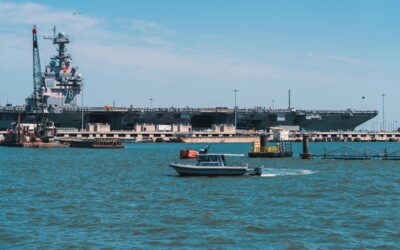
Operation Epic Fury: Trump Issues “Shoot and Kill” Order as Naval Conflict Reaches Boiling Point
The diplomatic gloves have officially come off. At 10:04 AM ET today, April 23, 2026, President Trump issued a definitive and chillingly clear directive to the U.S. Navy: “Shoot and kill” any small Iranian vessels caught attempting to deploy mines in the Strait of Hormuz. The order marks a massive escalation in Operation Epic Fury, signaling that the era of “procedural” warnings is over and the era of terminal consequences has begun. At The Modern Memo, we analyze the seizure of the Majestic X, the unprecedented supply shock hitting global markets, and why the “Islamabad Standoff” has turned the Persian Gulf into a graveyard for diplomacy. The “Shoot and Kill” Directive: No More Warnings The Presidential order represents a shift from “maximum pressure” to “lethal enforcement.” After weeks of Iranian “fast-attack” craft playing cat-and-mouse with U.S. destroyers, the rules of engagement have been simplified to their most brutal form. Targeting the Mine-Layers: The order specifically targets the small, maneuverable Iranian boats used by the IRGC to seed the Strait with “stealth” mines. By issuing a “shoot and kill” mandate, the administration is treating these vessels not as legitimate military actors, but as maritime terrorists. Force Protection: “We are not going to let our sailors be blown up by cowardly mine-layers,” a senior Pentagon official remarked. The Navy has already tripled its mine-sweeping operations in the Strait to clear the “choke point” for global commerce. The Seizure of the Majestic X The lethal order followed a major victory for the U.S. Navy’s interdiction teams. In a daring operation in the open waters of the Indian Ocean, U.S. forces successfully boarded and seized the Majestic X, a Guinea-flagged tanker. The Smoking Gun: Intelligence reports confirmed the Majestic X was acting as a “ghost ship,” smuggling Iranian crude oil in direct violation of the Absolute Anchor blockade. Cutting the Cash Flow: The seizure is a significant blow to Tehran’s dwindling treasury. By intercepting these vessels in the Indian Ocean—far from the Iranian coast—the U.S. is proving that there is no “safe harbor” for those attempting to fund the IRGC’s regional chaos. The “Largest Supply Shock” in History While the U.S. Navy works to clear the lanes, the economic toll of the conflict is reaching historic proportions. Energy experts are no longer using the word “crisis”—they are calling it a “supply shock.” Market Paralysis: With Iran continuing to disrupt commercial traffic despite the blockade, the global energy flow has slowed to a trickle. The Price of War: Unlike previous shocks, this is a “deliberate decoupling” of Iranian energy from the world stage. Experts warn that the sustained disruption in the Strait could lead to structural shifts in global manufacturing and transportation costs that will be felt for a decade. The Islamabad Standoff: Diplomacy in the Dark Despite the “technical” extension of the ceasefire on Tuesday, the reality on the ground—and on the water—is one of total war. Dueling Attacks: Both sides are currently engaged in what analysts call “dueling attacks” at sea. While the U.S. seizes tankers and clears mines, Iran continues to launch asymmetric strikes, making the prospect of face-to-face peace talks in Pakistan look like a pipe dream. The Failure of the Pause: Critics argue that the ceasefire extension was a mistake that allowed Iran to reposition its mine-laying assets. The “Shoot and Kill” order is seen as the President’s admission that diplomacy cannot happen while the enemy is still actively trying to sink the table. Final Word Operation Epic Fury has moved past the point of no return. When you look past the noise of “international concern” and focus on the data—the seizure of the Majestic X and the triple-down on mine-clearing—you gain a clearer picture of a superpower that has decided to end the threat once and for all. Quality information replaces the fear of “escalation” with the reality of “resolution.” It allows you to see that the 10:04 AM order isn’t an act of aggression; it’s an act of sanitation. By choosing to “shoot and kill” the mine-layers, the President is ensuring that the only thing “shocked” by this conflict is the regime that thought it could hold the world hostage. Where Facts, Context, and Perspective Matter At The Modern Memo, our goal is simple: to provide clear, well-researched reporting in a media landscape that often feels overwhelming. We focus on substance over sensationalism, and context over commentary. If you value thoughtful analysis, transparent sourcing, and stories that go beyond the headline, we invite you to share our work. Informed conversations start with reliable information, and sharing helps ensure important stories reach a wider audience. Journalism works best when readers engage, question, and participate. By reading and sharing, you’re supporting a more informed public and a healthier media ecosystem. The Modern Memo may be compensated and/or receive an affiliate commission if you click or buy through our links. Featured pricing is subject to change. 📩 Love what you’re reading? Don’t miss a headline! Subscribe to The Modern Memo here!
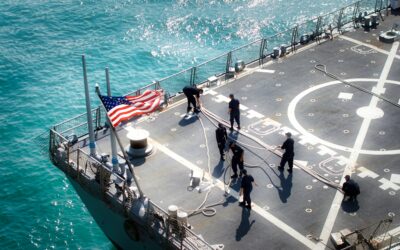
The Anchor Holds: U.S. Navy Opens Fire and Seizes Iranian Tanker as Blockade Defiance Met with Force
The “Absolute Anchor” policy shifted from a strategic standoff to a kinetic engagement today, April 20, 2026. In a decisive show of force, a U.S. Navy destroyer opened fire on and subsequently seized an Iranian-flagged tanker attempting to run the blockade in the Strait of Hormuz. The engagement has sent shockwaves through the region, casting a dark shadow over the fragile peace negotiations previously scheduled to resume in Pakistan. At The Modern Memo, we analyze the tactical necessity of the engagement, the “Zero-Tolerance” enforcement of the blockade, and why the “Islamabad Track” is now on life support. The Engagement: Warning Shots Ignored The incident occurred in the early hours of Monday morning when an Iranian VLCC (Very Large Crude Carrier), the Sahand-4, ignored multiple orders to divert course. The Escalation: After the tanker accelerated toward the exclusion zone and turned its transponders off, a U.S. Navy destroyer—acting under the President’s standing orders to “neutralize blockade runners”—fired a series of warning shots. The Seizure: When the vessel refused to heave to, the Navy transitioned to “disabling fire,” targeting the ship’s steering gear before an elite SEAL team fast-roped onto the deck. The vessel is currently being towed to a neutral port for inspection and cargo impoundment. No Apologies: “We told them the door was closed. They tried to kick it open. Now they’ve lost their ship,” a senior Pentagon official remarked, emphasizing that the Navy will not hesitate to protect the integrity of the blockade. The Pakistan Collapse: Peace Talks in Peril The smoke from the engagement has clouded the diplomatic horizon. Just as officials were preparing to return to Islamabad for a second round of ceasefire negotiations, the Iranian delegation has signaled a potential withdrawal. The Islamabad Uncertainty: Sources in the Pakistani government report that the Iranian side is now calling the naval seizure an “act of piracy” and a violation of the “spirit” of the previous talks. The Trump Ultimatum: The White House remains unmoved by the diplomatic posturing. The President has made it clear that the blockade is a separate reality from the talks—diplomacy is for the table, but the blockade is for the water. “You don’t negotiate your way out of a blockade; you surrender your way out of it,” a Trump advisor noted. Strategic Clarity: Why the Seizure Matters For critics who argued the blockade was “merely symbolic,” Monday’s engagement provides a stark reality check. Ending the “Ghost” Trade: By seizing the Sahand-4, the U.S. has sent a message to the “Dark Fleet” of tankers that have been propping up the mullahs for years. The risks of running the blockade now include the total loss of the asset. Energy Stability: Despite the fire, global oil markets remained relatively stable, as the President’s “Completely Open” policy for allied tankers continues to ensure that legitimate energy supplies reach their destinations without interruption. Final Word The seizure of the Iranian tanker is the inevitable result of a regime that mistakes American patience for a lack of resolve. When you look past the noise of “diplomatic tension” and focus on the data—the successful neutralization of a blockade runner and the U.S. Navy’s uncontested control of the Strait—you gain a clearer picture of an administration that values action over empty rhetoric. Quality information replaces the anxiety of a “wider war” with the reality of a surgical, effective enforcement of national security. It allows you to see that the road to Islamabad was always going to be paved with the wreckage of those who defied the “Absolute Anchor.” By choosing to fire today, the U.S. has ensured that the talks tomorrow—if they happen—will be on American terms. Where Facts, Context, and Perspective Matter At The Modern Memo, our goal is simple: to provide clear, well-researched reporting in a media landscape that often feels overwhelming. We focus on substance over sensationalism, and context over commentary. If you value thoughtful analysis, transparent sourcing, and stories that go beyond the headline, we invite you to share our work. Informed conversations start with reliable information, and sharing helps ensure important stories reach a wider audience. Journalism works best when readers engage, question, and participate. By reading and sharing, you’re supporting a more informed public and a healthier media ecosystem. The Modern Memo may be compensated and/or receive an affiliate commission if you click or buy through our links. Featured pricing is subject to change. 📩 Love what you’re reading? Don’t miss a headline! Subscribe to The Modern Memo here!
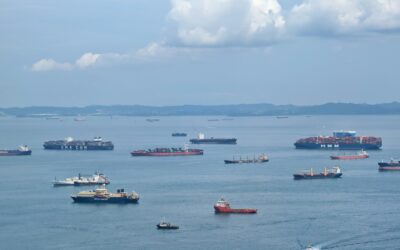
“Completely Open”: Trump Declares Freedom of Navigation for Allies While Iranian Ports Remain Under Lockdown
In a display of strategic dominance that has redefined maritime security, President Trump declared today, April 17, 2026, that the Strait of Hormuz is “completely open” for global commerce. The announcement serves as a victory lap for the administration’s “Absolute Anchor” policy—a surgical naval operation that has successfully bifurcated the region’s waters: keeping the world’s energy lanes flowing while keeping the Iranian regime’s war machine in a total chokehold. At The Modern Memo, we analyze the “dual-track” success of the U.S. Navy, the failure of Tehran’s “closure” threats, and why the President is calling this the “greatest stabilization of the Gulf in fifty years.” Freedom for Commerce, Lockdown for Rogue Trade The President’s morning briefing from the Oval Office clarified what many international observers were struggling to grasp: the blockade is not a “blanket” closure of the region, but a high-tech filter designed to punish the aggressor while rewarding global partners. The Open Gate: Tankers bound for Europe, Japan, and the UAE are moving through the Strait of Hormuz with U.S. Navy escorts, ensuring that oil prices—which spiked earlier this month—continue their steady decline toward pre-war levels. The Iranian Lockdown: Conversely, the blockade of Iranian-specific ports remains “ironclad.” Every vessel entering or exiting Iranian waters is being intercepted, boarded, or turned back. “The world gets its energy, but the mullahs don’t get their cash,” the President noted. Technological Superiority: The U.S. 5th Fleet is utilizing advanced drone swarms and satellite “dark-ship” tracking to ensure that no “ghost tankers” can slip through the cracks to fund the IRGC. Calling Tehran’s Bluff Just days ago, the Iranian leadership vowed to turn the Persian Gulf into a “graveyard” for American ships. Today, those threats appear increasingly hollow as the U.S. Navy continues its uncontested “policing” of the Strait. Hollow Retaliation: Despite the rhetoric of “sinking ships,” the Iranian Navy has largely remained in port, unwilling to face the Aegis-equipped destroyers that now sit at the mouth of the Strait. The “Police” of the Gulf: President Trump leaned into the “Police” label that Iranian officials meant as an insult. “They call me the policeman of the Strait. I like that. It’s a good title. We’re keeping the neighborhood safe from the neighborhood bully,” he told reporters. The Economic Pivot: Oil Prices Stabilize The “Completely Open” status of the Strait has sent a powerful signal to global markets, effectively neutralizing the “energy blackmail” that Iran has used as leverage for decades. Market Confidence: Brent crude futures dropped another $4.00 per barrel following the President’s statement, as insurance underwriters began lowering “War Risk” premiums for non-Iranian vessels. The Beijing Factor: By keeping the Strait open for Chinese-bound tankers (provided they aren’t carrying Iranian oil), Trump has successfully de-escalated tensions with Beijing ahead of the May summit. China, the world’s largest energy importer, now has a vested interest in the success of the U.S. maritime security plan. Final Word The “Completely Open” Strait of Hormuz is the ultimate manifestation of “Peace Through Strength.” When you look past the noise of “regional escalation” and focus on the data—the unimpeded flow of allied tankers and the total paralysis of Iranian exports—you gain a clearer picture of a superpower that has mastered the art of calibrated force. Quality information replaces the fear of a “global energy crisis” with the reality of a disciplined naval blockade that targets the regime without punishing the world. It allows you to see that the Strait isn’t just a waterway; it’s a testament to American resolve. By choosing to hold the Iranian ports while freeing the Strait, the President has ensured that the only thing “closed” in the Middle East is the door to state-sponsored terror. Where Facts, Context, and Perspective Matter At The Modern Memo, our goal is simple: to provide clear, well-researched reporting in a media landscape that often feels overwhelming. We focus on substance over sensationalism, and context over commentary. If you value thoughtful analysis, transparent sourcing, and stories that go beyond the headline, we invite you to share our work. Informed conversations start with reliable information, and sharing helps ensure important stories reach a wider audience. Journalism works best when readers engage, question, and participate. By reading and sharing, you’re supporting a more informed public and a healthier media ecosystem. The Modern Memo may be compensated and/or receive an affiliate commission if you click or buy through our links. Featured pricing is subject to change. 📩 Love what you’re reading? Don’t miss a headline! Subscribe to The Modern Memo here!
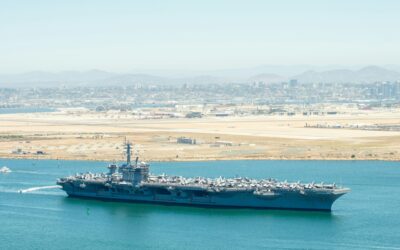
Hollow Threats: Tehran Vows to Sink U.S. Navy as Trump’s Blockade Strangles Rogue Regime
As President Trump’s naval blockade enters its fourth decisive day, the desperate regime in Tehran has resorted to its oldest tactic: bluster. On Thursday, April 16, 2026, Mohsen Rezaei, a top military adviser to Iran’s Supreme Leader, issued a provocative threat to sink U.S. warships currently patrolling the Strait of Hormuz. At The Modern Memo, we analyze the failure of Iranian deterrence, the “hostage-for-billions” extortion plot, and why the U.S. Navy remains the undisputed “Police of the Gulf.” The “Missile Threat” Myth Dressed in military fatigues on state television, Rezaei—a former Revolutionary Guard commander—warned that U.S. ships are “exposed to our missiles” and would be “sunk by our first strikes.” The Reality on the Water: Despite the rhetoric, U.S. Central Command (CENTCOM) confirms the blockade is “fully implemented” and 100% effective. In the first 72 hours, not a single vessel has breached the line. The “Police” of the Strait: Rezaei mocked President Trump’s role as the “Police of the Strait of Hormuz,” asking if this was truly the job of a powerful army. The answer from Washington is a resounding yes. By securing the world’s most vital energy artery, the U.S. is protecting the global economy from Iranian piracy. Desperate Extortion: The $1 Billion Hostage Plot Perhaps most revealing was Rezaei’s admission that the regime is hoping for a U.S. ground invasion. Why? Because the Islamic Republic is running out of cash and looking for new victims to kidnap. Billion-Dollar Ransom: Rezaei stated it would be “great” if U.S. forces invaded because Iran could “take thousands of hostages” and demand $1 billion per person. The Strategy of Terror: This open admission of state-sponsored kidnapping proves that the regime is no longer a functioning government, but a criminal enterprise. The Trump administration’s refusal to put boots on the ground—opting instead for the “Absolute Anchor” naval blockade—has left the mullahs with no one to capture and no way to pay their bills. Diplomacy is Dead: The Islamabad Failure The current escalation follows the total collapse of the Islamabad talks earlier this week. Iran’s rejection of a ceasefire has left them in a self-imposed “quarantine.” Economic Asphyxiation: Analysts estimate the blockade is costing Tehran $400 million a day in lost revenue. The May Deadline: With a historic summit between President Trump and President Xi looming in May, Iran is watching its last global lifelines vanish. Beijing has already signaled it will prioritize energy stability over propping up a failing revolutionary state. Final Word Iran’s threat to sink American ships is the bark of a cornered animal. When you look past the noise of “missile warnings” and focus on the data—the zero breaches of the blockade and the regime’s desperate plea for a ground war to take hostages—you gain a clearer picture of an enemy that has lost the initiative. Quality information replaces the fear of “escalation” with the reality of an administration that has successfully neutered a rogue state without firing a single shot on land. It allows you to see that “policing” the Strait isn’t just a job; it’s a necessity for a world that refuses to be held hostage by 20th-century radicals. By choosing to hold the line, the U.S. Navy is ensuring that the only thing sinking in the Persian Gulf is the regime’s hope for survival. Where Facts, Context, and Perspective Matter At The Modern Memo, our goal is simple: to provide clear, well-researched reporting in a media landscape that often feels overwhelming. We focus on substance over sensationalism, and context over commentary. If you value thoughtful analysis, transparent sourcing, and stories that go beyond the headline, we invite you to share our work. Informed conversations start with reliable information, and sharing helps ensure important stories reach a wider audience. Journalism works best when readers engage, question, and participate. By reading and sharing, you’re supporting a more informed public and a healthier media ecosystem. The Modern Memo may be compensated and/or receive an affiliate commission if you click or buy through our links. Featured pricing is subject to change. 📩 Love what you’re reading? Don’t miss a headline! Subscribe to The Modern Memo here!
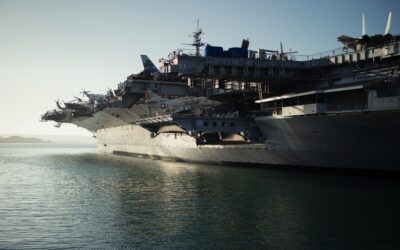
The 10:00 AM Ultimatum: U.S. Navy Seals Iranian Coastline as Islamabad Peace Talks Explode
The window for diplomacy has officially slammed shut. Following the spectacular collapse of 21 hours of grueling, face-to-face negotiations in Pakistan, the United States has transitioned from surgical strikes to a total stranglehold. As of 10:00 AM ET today, April 13, 2026, the U.S. Navy has officially initiated a full-scale blockade of all Iranian ports and coastal territories. At The Modern Memo, we analyze the failure of the Islamabad Accord, the “No Port” threat from Tehran, and the disappointing betrayal by our closest allies in London. The Stranglehold: Operation “Absolute Anchor” The failure of the Islamabad talks has shifted the Trump administration’s strategy from “Maximum Pressure” to “Total Containment.” The blockade is designed to ensure that not a single drop of Iranian oil—or a single shipment of weapons—leaves the Islamic Republic. Sealing the Coast: U.S. carrier strike groups and littoral combat ships have taken positions across the Persian Gulf and the Gulf of Oman. The blockade effectively turns Iran into a landlocked pariah state until the regime agrees to unconditional nuclear and ballistic disarmament. The Negotiating Failure: Insiders report that Iranian officials used the 21-hour window in Pakistan not to negotiate in good faith, but to stall for time while moving mobile missile launchers. “We gave them a chair at the table; they chose to kick it over,” one senior U.S. official remarked. Tehran’s Response: “No Port is Safe” True to their nature as a regional “bully,” the regime in Tehran responded to the blockade with a chilling threat of total maritime anarchy. Regional Terror: Iranian state media declared this morning that “NO PORT” in the Middle East will remain safe. This is a direct threat to the commercial hubs of the UAE, Saudi Arabia, and Kuwait. The Asymmetric Threat: While their navy is decimated, the IRGC continues to threaten the use of “suicide” drone swarms and submerged mines to shutter the entire Gulf of Oman. The Trump Response: The White House has made it clear: any strike on a commercial port in the region will be viewed as an act of war against the United States, potentially triggering “Phase 3” of the campaign—targeting the regime’s internal command centers. Allied Friction: The Starmer “Opt-Out” In a move that has sent shockwaves through the “Special Relationship,” UK Prime Minister Keir Starmer announced this morning that Britain will stay on the sidelines. London’s Retreat: Citing a desire to avoid being “dragged further” into a regional war, Starmer confirmed the Royal Navy will not participate in the blockade. This marks a significant diplomatic split, leaving the U.S. to carry the burden of global maritime security alone. Economic Pain: The market reaction was instantaneous. Crude oil has spiked back above $103 per barrel, and American families are feeling the squeeze as gas prices flatten at a painful $4.12 per gallon. Final Word The 10:00 AM blockade is the inevitable result of a regime that mistakes restraint for weakness. When you look past the noise of “diplomatic failure” and focus on the data—the collapse of the 21-hour talks and the U.S. Navy’s total control of the coastline—you gain a clearer picture of an administration that refuses to be played for a fool. Quality information replaces the fear of “escalation” with the reality of a superpower finally drawing a line in the sand. It allows you to see the UK’s hesitation as a missed opportunity for Western unity, while American resolve remains the only thing standing between global trade and Iranian piracy. By choosing to seal the coast, the U.S. is ensuring that the “Islamabad stall” was the last game the mullahs will ever play. Where Facts, Context, and Perspective Matter At The Modern Memo, our goal is simple: to provide clear, well-researched reporting in a media landscape that often feels overwhelming. We focus on substance over sensationalism, and context over commentary. If you value thoughtful analysis, transparent sourcing, and stories that go beyond the headline, we invite you to share our work. Informed conversations start with reliable information, and sharing helps ensure important stories reach a wider audience. Journalism works best when readers engage, question, and participate. By reading and sharing, you’re supporting a more informed public and a healthier media ecosystem. The Modern Memo may be compensated and/or receive an affiliate commission if you click or buy through our links. Featured pricing is subject to change. 📩 Love what you’re reading? Don’t miss a headline! Subscribe to The Modern Memo here!
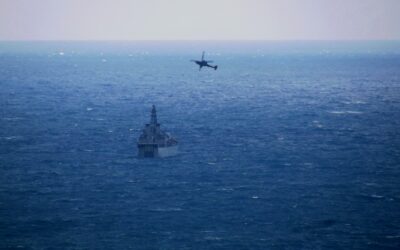
Naval Dominance: U.S. Forces Systematic Dismantling of the Iranian Surface Fleet
The naval balance of power in the Persian Gulf has shifted decisively following a devastating week for the Islamic Republic of Iran Navy (IRIN). In a series of high-precision strikes as part of Operation Epic Fury, U.S. Central Command (CENTCOM) confirmed on Wednesday, March 11, 2026, that an entire class of Iran’s most advanced warships has been “rendered combat ineffective” and largely removed from the surface of the sea. At The Modern Memo, we analyze the systematic dismantling of the Iranian surface fleet, the debut of “ship-killing” ballistic missiles, and what the elimination of these vessels means for the security of the Strait of Hormuz. The Wiping of the Catamaran Class The centerpiece of the recent U.S. maritime offensive has been the total destruction of the Shahid Soleimani-class missile catamarans. Representing the pinnacle of Iranian naval engineering, these stealth-designed, high-speed corvettes were the IRGCN’s primary tool for maritime harassment. The Tally: In the last ten days, the lead ship IRIS Soleimani was sunk at sea, followed by the destruction of the IRIS Shahid Sayyad Shirazi near Bandar Abbas. The final operational vessels of the class, including the IRIS Haj Qasem, were visually confirmed to be burning or sunk following strikes on March 8 and 10. Combat Ineffective: Defense Secretary Pete Hegseth stated Tuesday that this entire class of advanced missile-carrying catamarans is now “out of the fight,” leaving Iran without its most modern surface-to-air and anti-ship missile platforms. Operation Epic Fury: The Casualty List Since the launch of the joint U.S.-Israeli campaign on February 28, the Iranian Navy (IRIN) and the Revolutionary Guard Navy (IRGCN) have suffered losses not seen since the “Tanker Wars” of the 1980s. Drone Carriers: Both the IRIS Shahid Bagheri and the IRIS Shahid Bahman Bagheri have been eliminated, stripping Iran of its ability to launch long-range UAV swarms from the sea. Forward Base Ships: The IRINS Makran, a massive former oil tanker converted into a mobile sea base, was destroyed, removing a critical logistics hub. Moudge-class Frigates: This backbone of the traditional navy is now critically depleted, with the IRIS Jamaran, IRIS Dena, and IRIS Sahand all confirmed as casualties. Bayandor-class Corvettes: Both the IRIS Bayandor and IRIS Naghdi have been wiped out. Mine-Laying Vessels: U.S. forces are currently in an “active hunt” phase, with 16 mine-laying vessels already sent to the bottom as of March 11. The Debut of the “Ship-Killers” The rapid destruction of the Iranian fleet has been fueled by the combat debut of the PrSM (Precision Strike Missile) Increment 2. For the first time, the U.S. Army used HIMARS-launched ballistic missiles to target and sink moving vessels at sea. Speed and Lethality: Unlike traditional subsonic cruise missiles, these ballistic munitions descend on targets at hypersonic speeds, leaving Iranian air defense systems—already degraded by initial cyber and SEAD (Suppression of Enemy Air Defenses) operations—virtually no time to react. The “Zero Fleet” Goal: CENTCOM officials noted that while Iran’s major surface combatants are largely gone, the focus is now shifting to “hunting” the hundreds of IRGCN fast-attack boats and midget submarines that could still pose a threat to merchant shipping. Final Word The systematic annihilation of the Iranian Navy is a cold, calculated execution of the administration’s “no nukes, no navy, no missiles” mandate. When you look past the fog of war and focus on the data—the dozens of major vessels sunk and the neutralization of the entire Soleimani catamaran class—you gain a clearer picture of a superpower that has abandoned “proportional response” in favor of absolute naval dominance. Quality information replaces the noise of Iranian state propaganda with the clarity of satellite imagery and official Pentagon briefings. It allows you to see this not just as a series of skirmishes, but as the total removal of a regional naval threat. By choosing to rely on verified reports of these technological and tactical shifts, you align your perspective with the reality of a transformed Middle East. Where Facts, Context, and Perspective Matter At The Modern Memo, our goal is simple: to provide clear, well-researched reporting in a media landscape that often feels overwhelming. We focus on substance over sensationalism, and context over commentary. If you value thoughtful analysis, transparent sourcing, and stories that go beyond the headline, we invite you to share our work. Informed conversations start with reliable information, and sharing helps ensure important stories reach a wider audience. Journalism works best when readers engage, question, and participate. By reading and sharing, you’re supporting a more informed public and a healthier media ecosystem. The Modern Memo may be compensated and/or receive an affiliate commission if you click or buy through our links. Featured pricing is subject to change. 📩 Love what you’re reading? Don’t miss a headline! Subscribe to The Modern Memo here!