

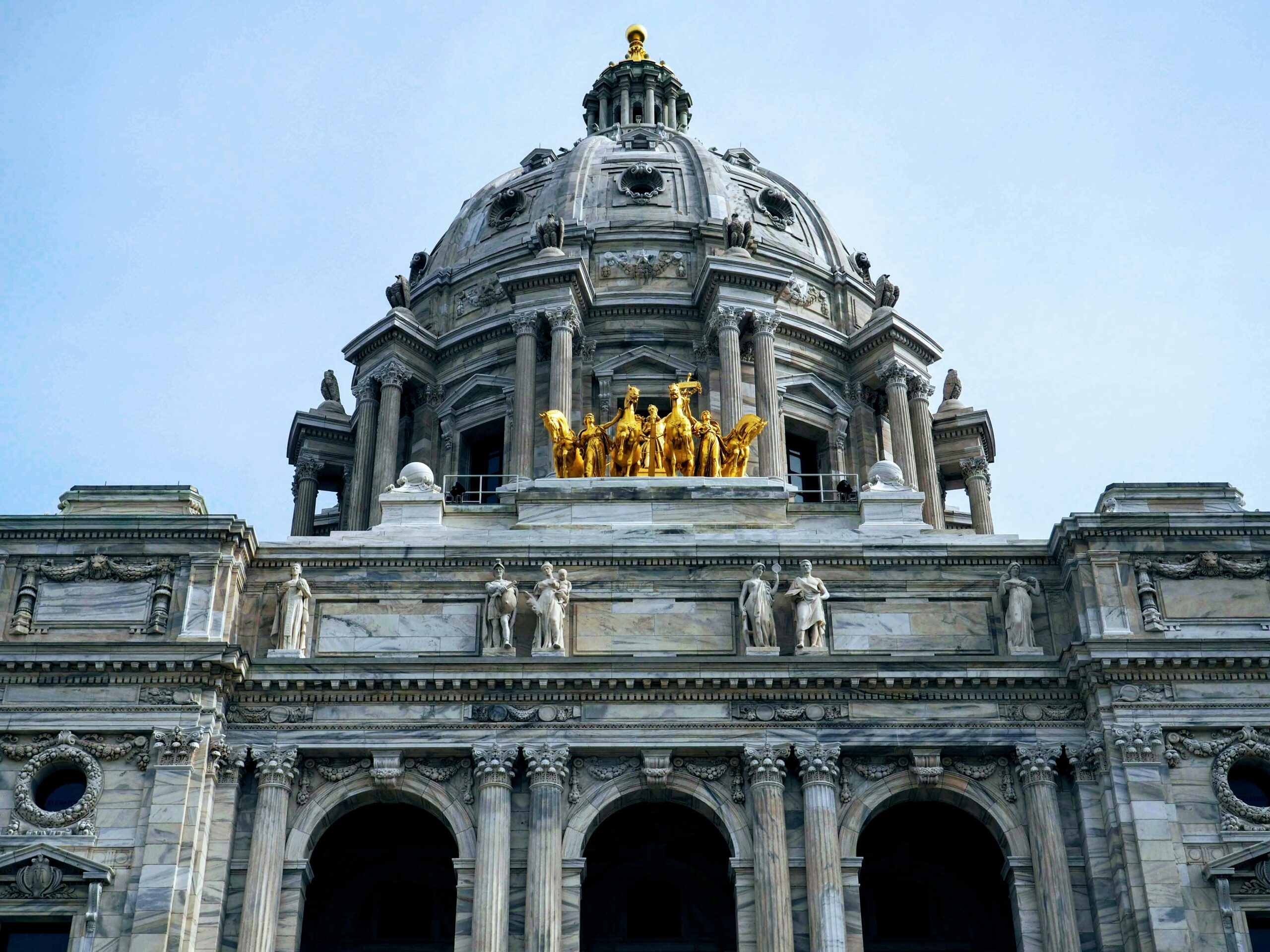
A high-stakes showdown at the Minnesota State Capitol reached a boiling point yesterday, April 15, 2026, as a Republican-led effort to impeach Governor Tim Walz and Attorney General Keith Ellison hit a partisan wall. In a vote that mirrored the deep ideological fractures of the state, the measure failed with an 8-8 tie along party lines, effectively stalling—for now—a push for accountability regarding what critics label the largest financial scandal in state history.
At The Modern Memo, we break down the $9 billion fraud allegations, the “party-first” protectionism of the Twin Cities establishment, and why the “Medicaid Meltdown” is just beginning to haunt the Walz administration.
The Allegations: A $9 Billion Hole in the Safety Net
The impeachment articles centered on a staggering figure: $9 billion. Republican lawmakers, led by state conservatives who have spent months poring over audit data, allege that the Walz-Ellison administration oversaw a catastrophic failure of oversight within the state’s Medicaid program.
-
Systemic Fraud: The GOP case argues that “gross negligence” allowed billions in taxpayer funds to be funneled to ineligible recipients and fraudulent providers.
-
The Ellison Connection: Attorney General Keith Ellison faced specific scrutiny for a perceived failure to aggressively prosecute the bad actors within the system, with critics suggesting a “revolving door” of political interests hindered justice.
-
The “Feeding Our Future” Echo: Many observers see this as a massive escalation of the 2022 fraud scandals, suggesting that the “culture of complacency” in St. Paul has only grown more expensive for the Minnesota taxpayer.
The Partisan Shield: 8-8 and No Accountability
Despite the astronomical dollar amounts involved, the vote followed a predictable script. Every Democrat on the panel voted to dismiss the articles, while every Republican voted to move forward.
-
Party over Public Trust: “Eight billion or nine billion—it doesn’t seem to matter to the Democrats as long as their guy is in the governor’s mansion,” remarked one Republican state representative following the vote.
-
The Defense’s Narrative: Supporters of Walz and Ellison dismissed the impeachment push as “political theater” and a “baseless distraction” intended to derail the Governor’s 2026 legislative agenda. They argued that the errors were administrative and are already being corrected.
-
The Standoff: Because a tie-vote fails to move the measure forward, the administration effectively dodged a formal trial, leaving the $9 billion question unanswered in any court of law.
The Political Fallout: A State in “Financial Limbo”
While the impeachment effort failed to clear the committee, the political damage is far from over. The standoff has left the state’s fiscal reputation in tatters just as the midterms loom.
-
Taxpayer Outrage: Across Greater Minnesota, the “8-8” vote is being seen as a slap in the face to working families who are struggling with inflation while the state “loses” billions in the Medicaid system.
-
A Campaign Issue: National GOP strategists are already eyeing the Minnesota Medicaid scandal as a blueprint for the 2026 cycle, using it to highlight the dangers of “unchecked progressive governance” in the Midwest.
Final Word
The 8-8 standoff in St. Paul is a classic example of the “Blue Wall” protecting its own. When you look past the noise of “administrative errors” and focus on the data—the $9 billion in missing or mismanaged funds and the refusal of a single Democrat to demand an investigation—you gain a clearer picture of a state government that has prioritized its survival over its solvency.
Quality information replaces the “procedural” excuses with the reality of a massive breach of the public trust. It allows you to see that while the impeachment may have died in committee, the debt remains on the shoulders of every Minnesotan. By choosing to block the truth today, the St. Paul establishment has only guaranteed a louder reckoning tomorrow.
Where Facts, Context, and Perspective Matter
At The Modern Memo, our goal is simple: to provide clear, well-researched reporting in a media landscape that often feels overwhelming. We focus on substance over sensationalism, and context over commentary.
If you value thoughtful analysis, transparent sourcing, and stories that go beyond the headline, we invite you to share our work. Informed conversations start with reliable information, and sharing helps ensure important stories reach a wider audience.
Journalism works best when readers engage, question, and participate. By reading and sharing, you’re supporting a more informed public and a healthier media ecosystem.
The Modern Memo may be compensated and/or receive an affiliate commission if you click or buy through our links. Featured pricing is subject to change.
Subscribe to The Modern Memo here!
