Strait of Hormuz
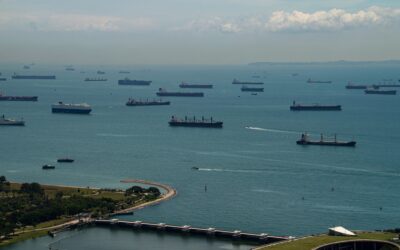
Iran Rejects Trump’s Claim of Controlling the Strait of Hormuz, Insists Waterway Is Fully Under Its Command
Iran’s military dismissed as “lies” comments from President Trump this week in which he claimed the United States now controls the Strait of Hormuz, with Tehran insisting the strategically vital waterway remains fully under Iranian control — the latest sign that the diplomatic momentum touted by American officials in recent weeks remains far shakier than the administration’s public messaging has suggested. The Dispute Over Who’s Actually in Control President Trump has repeatedly claimed in recent public remarks that the sustained American and allied pressure campaign against Iran has succeeded in securing the Strait of Hormuz for international shipping, framing it as a direct outcome of the administration’s military and diplomatic strategy toward Tehran. Iran’s military flatly rejected that characterization Thursday, calling the claim false and asserting that the waterway — one of the most critical oil shipping chokepoints in the world — remains under Iranian jurisdiction and control, not American. The disagreement underscores a pattern that has persisted throughout recent negotiations over the strait: American officials have repeatedly signaled optimism about breakthroughs in shipping arrangements, while Iranian officials have just as consistently pushed back on the specifics of that optimism, insisting that any agreements reached are narrower, more conditional, or more favorable to Iran than U.S. statements have implied. A Familiar Pattern of Mixed Signals This isn’t the first time the two sides have offered conflicting accounts of the same negotiations. Iran and Oman had separately announced progress toward agreeing on shipping corridor coordinates through the strait, but Iranian officials were careful at the time to insist that any Oman-specific arrangement was entirely separate from, and did not represent, a broader resolution involving the United States. Iran’s deputy foreign minister said explicitly that “the path of understanding is between Iran and Oman, and no negotiations with the U.S. have taken place during this period” — a direct contradiction of Trump’s own public statements insisting that talks with Iran were underway “whether Iran wants to admit it or not.” Adding another layer of complication, Iranian lawmakers have separately advanced legislation in parliament that would permanently bar U.S. and Israeli vessels from the strait altogether, alongside a broader fee structure targeting other commercial shipping — hardly the posture of a country that considers the waterway’s control question settled or resolved in America’s favor. Why the Strait Matters So Much The Strait of Hormuz sits at the mouth of the Persian Gulf and is one of the most strategically significant shipping corridors on Earth, with roughly a fifth of the world’s oil and liquefied natural gas exports passing through it. At its narrowest point, the strait is just 21 miles wide, meaning any dispute over territorial control and shipping lanes carries substantial weight for global energy markets — a fact reflected in oil price movements that have swung repeatedly in recent weeks based on even incremental developments in the standoff. Iran effectively closed the strait to normal shipping traffic in March in response to joint U.S.-Israeli strikes that launched the broader war in late February, and Iranian forces have since repeatedly threatened commercial vessels attempting to transit the waterway. An earlier ceasefire framework covering safe passage collapsed in July, reigniting both the fighting and the shipping disruption that has weighed on global energy prices for months. The Administration’s Framing Versus the Reality on the Ground Trump administration officials, including Secretary of State Marco Rubio and Treasury Secretary Scott Bessent, have continued to express public confidence that a comprehensive resolution to the shipping standoff is close at hand, pointing to the progress in Iran-Oman talks and the resumption of some vessel traffic through the strait in recent days as evidence the pressure campaign is working. Supporters of that framing argue that Iran’s public denials and defiant rhetoric are standard negotiating theater from a government that doesn’t want to appear to be capitulating to American pressure, even as its actual conduct — allowing more ships through, engaging in serious talks with Oman — tells a different story. Skeptics of that optimistic reading point to Thursday’s blunt rejection of Trump’s control claim, together with the parliamentary bill targeting American and Israeli shipping specifically, as evidence that Iran continues to view itself as negotiating from a position of real strength and sovereign authority over the strait — not as a country capitulating to outside pressure. From that perspective, American officials’ repeated public claims of progress may be running ahead of what Tehran has actually agreed to accept. What Happens Next With Iran continuing to publicly and directly contradict American claims about the state of affairs in the strait, and with hardline legislation targeting U.S. and Israeli shipping still moving through Iran’s parliament, a fully resolved, mutually acknowledged agreement over Hormuz appears to remain elusive despite months of on-and-off negotiations. How much further diplomatic progress can realistically be made while the two sides can’t even agree on the basic factual premise of who currently controls the waterway is likely to remain one of the more difficult underlying questions shaping the broader path toward ending the conflict. This story is developing.
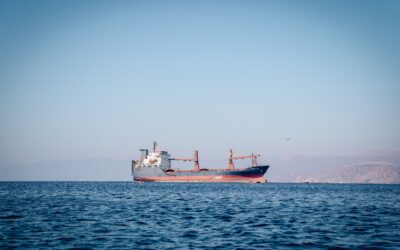
Iran and Oman Agree on Hormuz Shipping Coordinates, But Tehran Makes Clear the Strait Isn’t Reopening Yet
Iran and Oman announced Wednesday that they’ve agreed on the geographic coordinates for a new commercial shipping route through the Strait of Hormuz, a step toward de-escalation that comes even as Tehran insists it has no intention of fully reopening the critical waterway anytime soon — a reminder that the diplomatic progress touted by U.S. officials in recent days remains far more fragile than the headlines might suggest. What Was Actually Agreed Iranian Foreign Ministry spokesperson Esmaeil Baghaei told reporters that after roughly two months of negotiations, the two countries have settled on coordinates for a proposed shipping route, and that a joint statement covering the technical, legal, security, and environmental details of the arrangement is now in its final stages of drafting. “The geographical coordinates of the route proposed by the two sides have been agreed upon,” Baghaei said, adding the caveat that the joint statement would only move forward “provided that certain third parties do not obstruct the process” — a clear reference to the United States. Iran’s deputy foreign minister for legal and international affairs, Kazem Gharibabadi, told state news agency IRNA that the two countries have reached understanding on “almost all” outstanding issues in the negotiation. The Catch: Iran Still Wants the US Blockade Lifted First Despite the apparent breakthrough on coordinates, Baghaei was explicit that an agreement with Oman alone won’t be enough to make the strait safe for shipping. “An understanding with Oman cannot, in itself, mean that the strait has become safe for passing vessels, because the factors creating insecurity in the Strait of Hormuz — particularly the U.S. naval blockade and other actions against Iran and its interests — remain in place,” he said. That’s a significant condition. Reuters reported that the proposed arrangement would give Tehran control over ships entering the Gulf through the strait — described by sources as one of the biggest concessions to Iran since the war began — while regional officials cautioned that important details still needed to be finalized despite President Trump’s recent public optimism that a deal reopening the strait was close at hand. How We Got Here Iran effectively closed the Strait of Hormuz in March in response to the U.S. and Israeli strikes that launched the war in late February, and its forces have repeatedly threatened commercial vessels attempting to transit the waterway with drones, missiles, small boats, and mines ever since. An earlier ceasefire framework, the Islamabad Memorandum of Understanding, collapsed in July, triggering a fresh wave of strikes and reigniting the standoff over the strait that has disrupted roughly 20% of the world’s oil and liquefied natural gas exports and pushed global energy prices higher for months. At its narrowest point, the strait is just 21 miles wide, meaning any agreement over shipping lanes and territorial control carries outsized strategic weight — there’s essentially no room for a truly neutral international shipping lane if both countries insist on standard 12-mile territorial waters. Reading the Administration’s Position Trump administration officials have been eager to characterize the negotiations as evidence that sustained American pressure is finally working. Treasury Secretary Scott Bessent said earlier this week that a deal could come within days, and noted that vessel traffic has already picked back up despite the continued uncertainty. Whether that optimism proves justified will depend heavily on what happens next: Iran’s insistence on tying any final resolution to an end of the U.S. naval presence in the region suggests Tehran still believes it holds real leverage, even after months of American and Israeli strikes on its military and nuclear infrastructure. Supporters of the administration’s approach argue that extracting even partial concessions from Iran — a country that had effectively shut down a fifth of the world’s oil shipping for months — represents real progress from a position of strength, and that Tehran’s public hedging is standard negotiating posture rather than a sign the pressure campaign has stalled. Skeptics counter that a deal requiring the U.S. to lift its naval blockade in exchange for Iranian control over Gulf-bound shipping lanes would hand Tehran a durable strategic win, not a defeat, regardless of how the administration chooses to frame it. What Comes Next Officials on both sides say the joint statement between Iran and Oman is nearly finished, but its release — and any broader resolution to the shipping standoff — still hinges on decisions well above either country’s negotiating teams. Reports suggest the broader framework may also require sign-off from Iran’s Supreme Leader before anything becomes final. In the meantime, the war itself continues, with American and Israeli strikes ongoing and no comprehensive ceasefire yet in place covering anything beyond the narrow question of Gulf shipping routes. This story is developing.
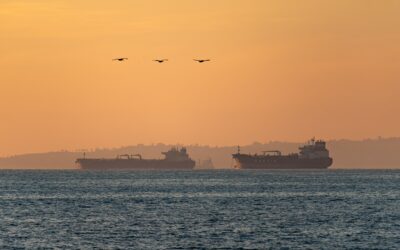
The Guardian Toll: Trump Reinstates Iran Blockade and Demands 20% Fee to Keep Strait of Hormuz Open
The operational standoff over the world’s most critical energy artery has escalated into a direct economic and military takeover. Following a massive weekend wave of U.S. airstrikes that hit roughly 140 targets across Iran, President Donald Trump officially declared the temporary, interim ceasefire dead, announcing a complete reimposition of the naval blockade on the Islamic Republic. In a characteristic and unprecedented policy shift announced Monday morning during a phone interview with Fox & Friends and detailed further on Truth Social, Trump proclaimed that the United States military would assume absolute control over the vital trade corridor. Declaring that the nation will henceforth be known as “THE GUARDIAN OF THE HORMUZ STRAIT,” the President announced that the U.S. will begin levying a mandatory 20% transit fee on all eligible commercial cargo passing through the waterway to reimburse Washington for the cost of securing the region. The drastic executive action has completely upended global maritime trade protocols, drawing immediate legal resistance from the United Nations and sending fresh shockwaves through international oil markets as the conflict slides back into full-scale kinetic warfare. At The Modern Memo, we break down the operational parameters of the U.S. Navy’s newly ordered port blockade, the financial math behind the 20% guardian toll, and the immediate multi-national legal resistance forming against Washington’s maritime decree. The Blockade Restored: Strangling the Iranian Port Grid The primary military directive signed by the President transitions U.S. forces from defensive escort missions to an aggressive, offensive stranglehold on Iran’s entire commercial shipping footprint. The Total Maritime Lockout: The U.S. Navy-led Joint Maritime Information Center confirmed that the blockade will formally commence at 20:00 GMT on Tuesday, July 14, 2026. The mandate covers all Iranian ports, coastal zones, and major crude oil terminals, legally barring any Iranian-flagged vessel or country doing business with Tehran from entering or exiting. The “Fair and Open” Exception: In his policy blueprint, Trump emphasized that the naval blockade is explicitly targeted, not a general shutdown of global shipping. “We are reinstating THE IRANIAN BLOCKADE, so named because it is only stopping Iran’s ships or customers from entering or leaving,” Trump posted. “All other countries will have fair and open use of the Strait.” The Preceding Kinetic Blast: The enforcement order arrives on the heels of devastating U.S. airstrikes that neutralized dozens of coastal threats, systematically erasing Iranian air defense networks, radar arrays, drone launch pads, and the IRGC fast-attack boat fleets that Tehran had previously deployed to assert control over the passage. The Guardian Toll: “We Expect to Be Reimbursed” The most disruptive element of the administration’s new Middle East strategy is the introduction of a premium security tariff imposed directly on global commerce. The 20% fee represents a massive geopolitical counter-strike against Iran’s recent attempts to establish a localized “Strait Authority” to tax merchant vessels. Trump made it clear that if American service members are going to absorb the physical risk of neutralizing Iranian aggression, foreign beneficiaries must foot the bill. “We’re going to keep the strait, and we’ll probably run it,” Trump told Fox & Friends. “Maybe we’ll call it the guardian angel of the strait. And we should be reimbursed for that… because the other nations are very wealthy. They’re on our side, and we can’t be expected to do that for nothing.” The collected revenues are slated to directly offset the ballooning operational costs incurred by CENTCOM naval deployments. The Legal and Diplomatic Chasm: UN Pushes Back While the White House frames the 20% fee as a matter of baseline structural fairness, the policy has triggered immediate, intense friction with international maritime organizations and even members of Trump’s own cabinet. Global Entity Official Position on Waterway Tolls Immediate Policy Impact International Maritime Organization (IMO) Stands firmly against any mandatory tolls used simply to transit international straits. Asserts there is no international legal basis to charge merchant ships for safe passage. European Union (EU) Foreign Policy Chief Kaja Kallas demands total freedom of navigation. Reaffirms that passage through the strait must remain free of arbitrary local charges. U.S. State Department Secretary Marco Rubio previously insisted international law bars any waterway fees. Creates an immediate internal diplomatic alignment challenge for U.S. envoys. The tension is particularly acute given that just last month in Bahrain, Secretary of State Marco Rubio explicitly told reporters that there was “zero support among the Gulf countries for any sort of toll or fees,” asserting that international law strictly guarantees unimpeded, non-discriminatory transit passage. By completely overriding existing global maritime conventions, the administration is betting that the physical reality of American naval dominance will force international shipping conglomerates to comply with the 20% toll, regardless of theoretical objections raised in Brussels or Geneva. Final Word The unilateral declaration of the United States as the sovereign “Guardian of the Hormuz Strait” is the definitive proof that the Trump administration has permanently discarded conventional international law in favor of raw transactional realism. When you look past the panic reverberating through European diplomatic suites and analyze the hard data—a total naval blockade of all Iranian ports taking effect tomorrow night, a 20% security fee levied on a passage that carries one-fifth of the world’s energy supply, and a decisive sequence of 140 airstrikes proving the U.S. possesses the absolute kinetic power to back its financial demands—you gain an unvarnished view of a total strategic reset. Quality information replaces the idealistic narrative of free global navigation with the cold reality of a fee-for-service security grid. Iran gambled that it could use its geographical proximity to hold global oil markets hostage; instead, Washington has physically seized the toll booth, ensuring that the clerical regime is completely starved of maritime revenues while forcing the rest of the world to pay the American military to keep the lights on.

The Hormuz Firestorm: Trump Ends Ceasefire with Massive Blitzo-Strike on 90 Iranian Targets as Oil Markets Bracing for Escalation
The fragile peace in the Middle East has completely shattered. Months after an April truce temporarily halted open warfare, President Donald Trump declared the U.S.–Iran ceasefire officially “over,” releasing the full kinetic power of the American military against the Iranian coastline. In a massive, second consecutive night of heavy aerial bombardment, U.S. Central Command (CENTCOM) launched precise strikes against roughly 90 strategic targets deep inside Iranian territory. The intensive operation targeted the Islamic Revolutionary Guard Corps (IRGC) naval and missile networks lining the crucial Strait of Hormuz. The high-stakes military escalation has drawn an immediate, fiery response from Tehran, with Iranian officials warning of “grave consequences” and launching retaliatory missile strikes against regional targets in Kuwait, Qatar, and Bahrain. As the critical global shipping lane plunges back into a hot war, global oil markets have fractured into deep anxiety, triggering immediate spikes in crude prices and fueling widespread fears of an imminent surge at the gas pump. At The Modern Memo, we break down the operational anatomy of the 90-target blitz, the rapid unraveling of the performance-based April ceasefire, and the compounding shockwaves ripping through global energy security. The Coastal Blitz: CENTCOM Targets the IRGC Stranglehold The massive air operations executed on Wednesday night represent a calculated, structural effort to dismantle Iran’s ability to hold international commerce hostage in the Persian Gulf. The Two-Night Tally: Following an initial wave that neutralized 80 targets on Tuesday, the second night of operations expanded the dragnet to over 90 additional high-value sites. In total, the U.S. military has pounded more than 170 Iranian installations in less than 48 hours. The Target Profile: CENTCOM confirmed that the strikes utilized precision-guided munitions to obliterate active IRGC naval capabilities along the coast. The primary targets included air defense systems, coastal surveillance radars, surface-to-air missile batteries, hidden drone launch platforms, and military logistics hubs. Shredding the Swarm Fleet: Crucially, the initial waves of the offensive successfully eliminated more than 60 armed fast-attack small boats—the asymmetric backbone of the IRGC Navy used to swarm and hijack commercial oil tankers transiting the narrow waterway. The Broken Truce: Why Trump Canceled the Ceasefire The sudden slide back into full-scale hostilities is the direct consequence of what the White House labeled a series of unprovoked, “unacceptable” acts of maritime aggression by Tehran. The administration emphasized that the April agreement was entirely performance-based. Rather than utilizing the diplomatic window to de-escalate, intelligence analysts from the Institute for the Study of War (ISW) verified that Iran used the lull to covertly rebuild its strike capacity, deploy portable radar units, and reinforce its coastal missile batteries. When the IRGC launched successive projectile attacks against three separate commercial merchant ships within a 24-hour window, President Trump arrived at the NATO summit in Ankara, Turkey, and permanently tore up the deal. “Grave Consequences”: Iran Hits Back Across the Gulf Refusing to yield to the overwhelming display of American airpower, the Iranian regime has made it clear that it values absolute control over the traffic lanes of the Strait of Hormuz more than avoiding a catastrophic, large-scale conflict with Washington. The Regional Counter-Strike: Minutes after the smoke cleared from the second wave of U.S. strikes, the Iranian Ministry of Foreign Affairs issued an emergency declaration promising “unyielding retaliation.” Tehran rapidly activated its ballistic missile and drone arsenals, launching synchronized retaliatory strikes against military and logistical sites in neighboring Kuwait, Qatar, and Bahrain—nations that host critical American military infrastructure. The Shipping Lockout: The United Kingdom Maritime Trade Operations Centre immediately raised the threat level in the Strait of Hormuz to “severe.” Major maritime war insurers have issued emergency directives advising global shipowners to completely pause all voyages through the strait, leaving hundreds of vital commercial vessels stranded at regional anchorages. The Energy Shock: Oil Spikes as Summer Heatwaves Intensify The abrupt closure of a waterway that traditionally carries up to 20% of the world’s liquefied natural gas and petroleum supplies has sent immediate shockwaves through the global economy, threatening everyday consumers. Economic Indicator Immediate Market Reaction Long-Term Consumer Risk Brent Crude Oil Surged immediately following the U.S. strike announcements. High risk of pushing retail gasoline prices up by 15-20% within weeks. Maritime Insure Rates Multiplied overnight; some providers refusing coverage entirely. Adds massive premium surcharges to all international shipping costs. The Grid Burden Strained by record summer heatwaves under a strong El Niño. Compounds rolling blackout risks as fuel availability for utilities drops. Financial analysts warn that the timing of the conflict is uniquely catastrophic. A powerful, El Niño-fueled summer heatwave is currently baking Eastern Europe and the Mediterranean, driving public utility cooling demands to all-time highs. With global fuel reserves already lean after more than 100 days of sporadic shipping disruptions, a prolonged hot war in the Persian Gulf risks plunging international energy grids into severe volatility. Final Word The unprecedented American bombardment of 90 targets along the Iranian coastline is the definitive proof that the United States has completely abandoned the policy of diplomatic appeasement in favor of a total, kinetic restoration of maritime law. When you look past the standard geopolitical panicking and analyze the hard data—170 IRGC coastal targets obliterated in a 48-hour window, the immediate revocation of Iran’s multi-billion-dollar oil sanctions waivers, and the immediate spike in global energy markets as insurers flee the Strait of Hormuz—you gain an unvarnished view of a superpower closing a vise. Quality information replaces the theatrical diplomatic statements with the cold reality of raw structural warfare. Iran has gambled its entire economic and military future on its ability to threaten international waters; by completely erasing their maritime infrastructure and absorbing their regional counter-strikes, Washington has issued a permanent, unyielding declaration to the world: the freedom of international navigation is non-negotiable, and any regime that attempts to choke the lifeblood of the global economy will see its military assets turned to ash on the shore.
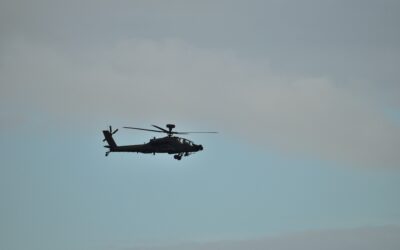
The Hormuz Ambush: Trump Vows Retaliation After Iranian Drone Downs U.S. Apache Helicopter
A fragile regional ceasefire completely shattered over the Persian Gulf. In an escalation that threatens to plunge the Middle East back into all-out war, President Donald Trump announced that Iranian forces shot down a U.S. Army AH-64 Apache attack helicopter patrolling near the strategic Strait of Hormuz. While initial military reports were guarded, U.S. defense officials subsequently confirmed that Iran utilized an uncrewed aerial vehicle (UAV) to down the American aircraft off the coast of Oman. The high-stakes shootdown occurred just hours after Trump declared that long-sought peace negotiations with Tehran were in their “final throes.” At The Modern Memo, we break down the tactical data behind this unprecedented drone-on-helicopter engagement, the historic maritime robotic rescue that saved the American crew, and the retaliatory options sitting on the Resolute Desk. The Engagement: A Drone In The Dark The shootdown materialized around 3:30 a.m. local time on Tuesday during a routine maritime patrol mission conducted by the U.S. Army’s attack helicopter fleet. The Fateful Patrol: The AH-64 Apache—the heavy backbone of American low-altitude deterrence in the gulf—was flying a defensive perimeter to cover commercial shipping vessels navigating the narrow chokehold of the Strait of Hormuz. The Drone Strike: Two U.S. defense officials confirmed that an Iranian drone was the kinetic mechanism responsible for taking down the multi-million-dollar attack helicopter. Investigators are actively parsing telemetry data to determine whether the Iranian drone executed a deliberate ramming maneuver or deployed specialized air-to-air munitions to destroy the helicopter’s rotor systems. The War of Attrition: The loss adds to a growing list of American hardware consumed by the conflict. A Congressional Research Service report reveals that the U.S. military has lost or sustained damage to dozens of aircraft since major hostilites erupted on February 28, highlighting the extreme lethality of Iran’s layered asymmetric air defense network. The Rescue: First-Ever Sea Drone Recovery While the loss of the aircraft is a major strategic blow, the survival of the crew has been hailed as a triumph of cutting-edge robotic warfare, marking a definitive first in the history of the United States Armed Forces. The Search Window: Following the impact, both Army aviators managed to successfully emergency-land or eject into the dark waters off the coast of Oman. Stranded in hostile territory, a frantic countdown began to locate the airmen before Iranian fast boats could capture them. Task Force 59 Steps In: Operating out of the U.S. Fifth Fleet in Bahrain, the military deployed a Saronic Corsair unmanned surface vessel (USV)—a high-tech autonomous sea drone operated by the elite Task Force 59. The Operation: Within approximately two hours, the autonomous sea drone successfully localized the two pilots, pulled them from the water, and transported them to a secure maritime staging point where a crewed helicopter hoisted them to safety. U.S. Central Command (CENTCOM) confirmed both soldiers are currently in stable, uninjured condition. The Trump Ultimatum: “Of Necessity, Respond” The downing of the Apache has completely upended Washington’s diplomatic calculus, forcing President Trump to shift from projecting imminent peace to projecting overwhelming military deterrence. The Truth Social Threat: Taking to social media on Tuesday morning, Trump directly blamed Tehran for the assault. “I have just been informed by our Great Military that last night the Iranians shot down one of our highly sophisticated Apache Helicopters while patrolling over the Strait of Hormuz,” Trump wrote. “There were two pilots involved, both are safe and uninjured. Nevertheless, the United States must, of necessity, respond to this attack.” The Stalled Accord: The attack directly torpedoes a wave of diplomatic optimism. Just hours prior, while speaking to journalists at JFK International Airport after watching the NBA Finals, Trump insisted that a comprehensive peace deal with Iran was “largely negotiated” and could be signed within “two or three days.” The Bombing Option: Trump laid bare the stark choices now facing his administration, warning Tehran that the U.S. possesses the immediate capability to decisively flatten its remaining leadership structure. “If we go and bomb—which we could do very easily if we want, and we spend another two or three weeks bombing—they’ll have nothing left whatsoever,” Trump warned, though he noted a massive kinetic campaign would keep the vital oil transit strait locked down for months. Final Word The downing of an American Apache helicopter by an Iranian drone is the definitive proof that Tehran views diplomatic negotiations as a weakness to be exploited rather than a pathway to peace. When you look past the noise of the “final throes” peace rhetoric and focus entirely on the hard data—a U.S. attack helicopter dragged out of the sky, an unprecedented rescue executed entirely by autonomous sea drones, and an adversary willing to strike U.S. assets during a active ceasefire window—you gain an unvarnished view of a geopolitical conflict that cannot be solved by a handshake. Quality information replaces the illusion of a diplomatic breakthrough with the reality of an unyielding proxy war. It allows you to see that while Trump prefers a historic signing ceremony, the Islamic Revolutionary Guard Corps is only interested in testing American resolve. By promising an uncompromised, necessary response, the administration must now prove that the cost of striking an American pilot is a price the Iranian regime simply cannot afford to pay.

The Camp David Crunch: Trump Convenes Rare Mountain Summit as Hormuz Strikes Push Ceasefire to the Brink
The illusion of a quiet diplomatic resolution in the Persian Gulf shattered over the weekend, prompting an extraordinary structural shift from the White House. President Donald Trump has ordered his entire Cabinet to bypass traditional Washington channels and assemble on Wednesday at the secluded Camp David presidential retreat in Maryland. The emergency mountain summit comes as intensive, high-stakes peace negotiations in Qatar hit a critical bottleneck, compounded by fresh American military strikes against Iranian forces inside the Strait of Hormuz. At The Modern Memo, we look past the generic press briefings to analyze the structural fracture within the GOP over the proposed “Hormuz-Only” memorandum, the precise data behind Sunday’s naval engagements, and why the administration’s focus is rapidly shifting from tactical restraint to an absolute deadline. The Emergency Summit: Why Camp David? The choice of the heavily guarded, forested retreat in the Catoctin Mountains—a location this President rarely utilizes—is the first major indicator of how volatile the geopolitical calculus has become. Isolating the Cabinet: According to White House and congressional sources, the unscheduled assembly is designed to lock down internal communication. By removing Cabinet secretaries, including Secretary of State Marco Rubio, Defense Secretary Pete Hegseth, and outgoing Director of National Intelligence Tulsi Gabbard, from the media echo chamber of Washington, the President is enforcing a unified front before delivering a final terms package to Tehran. The Looming Midterms: While foreign policy dominates the itinerary, internal memos show the administration is highly sensitive to the economic realities of the conflict. With the pivotal 2026 midterm elections fast approaching, voter anger over the domestic affordability crisis and skyrocketing energy costs has forced the White House to treat the reopening of the Strait of Hormuz as an immediate domestic necessity. A History of Escalation: This marks only the second time the Cabinet has relocated to Camp David during this term. The first mountain session occurred in June 2025, just 48 hours before the United States launched its historic, devastating airstrikes against Iran’s domestic nuclear infrastructure. The Sunday Engagement: Pounding the Mine-Layers The diplomatic leverage being discussed at Camp David is backed by cold, kinetic reality. On Sunday, U.S. Central Command (CENTCOM) ordered localized “self-defense strikes” in southern Iran after surveillance assets caught Iranian forces attempting to re-lock their grip on international shipping lanes. Targeting the Chokehold: U.S. Navy assets and warplanes struck direct targets around Bandar Abbas, a highly strategic port city on the rim of the Strait of Hormuz. The targets included mobile surface-to-air missile launchers that had locked onto American aircraft, alongside several Islamic Revolutionary Guard Corps (IRGC) small boats caught actively trying to emplace naval mines. The Attrition Data: CENTCOM confirmed that two IRGC mine-laying vessels were completely neutralized and a primary missile site was systematically dismantled. Iranian state media later acknowledged that at least four Guard troops were killed in the engagement. The Red Line: CENTCOM spokesperson Captain Tim Hawkins characterized the operation as entirely defensive, stating that the U.S. is exercising maximum operational restraint to protect the fragile, seven-week-old ceasefire, but will not tolerate active mining operations in international waters. The Qatar Friction: The Nuclear Loophole The military friction directly mirrors the diplomatic gridlock currently unfolding in Doha, Qatar, where a high-level Iranian delegation led by parliamentary speaker Mohammad Bagher Ghalibaf is attempting to hammer out a Memorandum of Understanding (MOU). The Proposed Compromise: Under the interim framework currently backed by the White House, Washington would agree to unfreeze select Iranian financial assets held in foreign banks (including Qatari institutions) and ease port blockades. In exchange, Iran would immediately restore unhindered commercial shipping through the Strait, where roughly 20% of the world’s liquefied natural gas and oil flows. The Nuclear Omission: The explosive point of contention—and the driving force behind the Camp David meeting—is that the proposed text completely excludes immediate nuclear concessions. Instead, negotiations regarding Iran’s highly enriched uranium stockpile would be delayed for a 30-to-60-day window after the maritime corridor reopens. The GOP Backlash: This structural delay has triggered fierce pushback from within the President’s own party. Senior Republican lawmakers have openly slammed the plan as a “disastrous compromise,” arguing that unfreezing assets without securing the total destruction or surrender of Tehran’s remaining nuclear material gives the regime an economic lifeline to rebuild its proxy network in Lebanon and Yemen. Final Word The rare Cabinet assembly at Camp David is the definitive proof that the Trump administration is preparing to either close the biggest deal of the decade or unleash an unprecedented level of military force. When you look past the noise of “ceasefire diplomacy” and focus on the hard data—the destroyed IRGC mine-laying boats in Bandar Abbas, the $12 billion economic stakes of the midterms, and the furious pushback from GOP realists—you gain a clearer picture of a superpower running out of patience. Quality information replaces the corporate narrative of an elusive, open-ended peace process with the reality of a President who has backed his opponent into a corner. By choosing to gather his leadership team in the mountains of Maryland, Donald Trump is sending an unmistakable signal: the time for tactical restraint is over, and the Strait of Hormuz will open—either by pen or by fire.
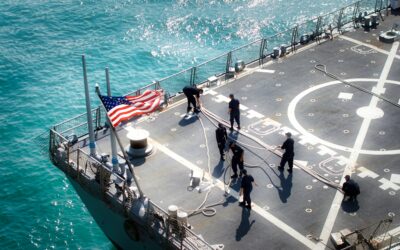
The Anchor Holds: U.S. Navy Opens Fire and Seizes Iranian Tanker as Blockade Defiance Met with Force
The “Absolute Anchor” policy shifted from a strategic standoff to a kinetic engagement today, April 20, 2026. In a decisive show of force, a U.S. Navy destroyer opened fire on and subsequently seized an Iranian-flagged tanker attempting to run the blockade in the Strait of Hormuz. The engagement has sent shockwaves through the region, casting a dark shadow over the fragile peace negotiations previously scheduled to resume in Pakistan. At The Modern Memo, we analyze the tactical necessity of the engagement, the “Zero-Tolerance” enforcement of the blockade, and why the “Islamabad Track” is now on life support. The Engagement: Warning Shots Ignored The incident occurred in the early hours of Monday morning when an Iranian VLCC (Very Large Crude Carrier), the Sahand-4, ignored multiple orders to divert course. The Escalation: After the tanker accelerated toward the exclusion zone and turned its transponders off, a U.S. Navy destroyer—acting under the President’s standing orders to “neutralize blockade runners”—fired a series of warning shots. The Seizure: When the vessel refused to heave to, the Navy transitioned to “disabling fire,” targeting the ship’s steering gear before an elite SEAL team fast-roped onto the deck. The vessel is currently being towed to a neutral port for inspection and cargo impoundment. No Apologies: “We told them the door was closed. They tried to kick it open. Now they’ve lost their ship,” a senior Pentagon official remarked, emphasizing that the Navy will not hesitate to protect the integrity of the blockade. The Pakistan Collapse: Peace Talks in Peril The smoke from the engagement has clouded the diplomatic horizon. Just as officials were preparing to return to Islamabad for a second round of ceasefire negotiations, the Iranian delegation has signaled a potential withdrawal. The Islamabad Uncertainty: Sources in the Pakistani government report that the Iranian side is now calling the naval seizure an “act of piracy” and a violation of the “spirit” of the previous talks. The Trump Ultimatum: The White House remains unmoved by the diplomatic posturing. The President has made it clear that the blockade is a separate reality from the talks—diplomacy is for the table, but the blockade is for the water. “You don’t negotiate your way out of a blockade; you surrender your way out of it,” a Trump advisor noted. Strategic Clarity: Why the Seizure Matters For critics who argued the blockade was “merely symbolic,” Monday’s engagement provides a stark reality check. Ending the “Ghost” Trade: By seizing the Sahand-4, the U.S. has sent a message to the “Dark Fleet” of tankers that have been propping up the mullahs for years. The risks of running the blockade now include the total loss of the asset. Energy Stability: Despite the fire, global oil markets remained relatively stable, as the President’s “Completely Open” policy for allied tankers continues to ensure that legitimate energy supplies reach their destinations without interruption. Final Word The seizure of the Iranian tanker is the inevitable result of a regime that mistakes American patience for a lack of resolve. When you look past the noise of “diplomatic tension” and focus on the data—the successful neutralization of a blockade runner and the U.S. Navy’s uncontested control of the Strait—you gain a clearer picture of an administration that values action over empty rhetoric. Quality information replaces the anxiety of a “wider war” with the reality of a surgical, effective enforcement of national security. It allows you to see that the road to Islamabad was always going to be paved with the wreckage of those who defied the “Absolute Anchor.” By choosing to fire today, the U.S. has ensured that the talks tomorrow—if they happen—will be on American terms. Where Facts, Context, and Perspective Matter At The Modern Memo, our goal is simple: to provide clear, well-researched reporting in a media landscape that often feels overwhelming. We focus on substance over sensationalism, and context over commentary. If you value thoughtful analysis, transparent sourcing, and stories that go beyond the headline, we invite you to share our work. Informed conversations start with reliable information, and sharing helps ensure important stories reach a wider audience. Journalism works best when readers engage, question, and participate. By reading and sharing, you’re supporting a more informed public and a healthier media ecosystem. The Modern Memo may be compensated and/or receive an affiliate commission if you click or buy through our links. Featured pricing is subject to change. 📩 Love what you’re reading? Don’t miss a headline! Subscribe to The Modern Memo here!
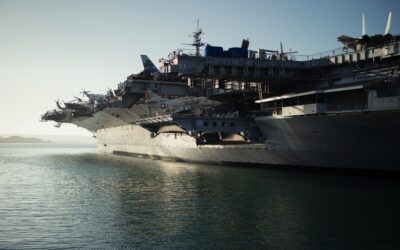
The 10:00 AM Ultimatum: U.S. Navy Seals Iranian Coastline as Islamabad Peace Talks Explode
The window for diplomacy has officially slammed shut. Following the spectacular collapse of 21 hours of grueling, face-to-face negotiations in Pakistan, the United States has transitioned from surgical strikes to a total stranglehold. As of 10:00 AM ET today, April 13, 2026, the U.S. Navy has officially initiated a full-scale blockade of all Iranian ports and coastal territories. At The Modern Memo, we analyze the failure of the Islamabad Accord, the “No Port” threat from Tehran, and the disappointing betrayal by our closest allies in London. The Stranglehold: Operation “Absolute Anchor” The failure of the Islamabad talks has shifted the Trump administration’s strategy from “Maximum Pressure” to “Total Containment.” The blockade is designed to ensure that not a single drop of Iranian oil—or a single shipment of weapons—leaves the Islamic Republic. Sealing the Coast: U.S. carrier strike groups and littoral combat ships have taken positions across the Persian Gulf and the Gulf of Oman. The blockade effectively turns Iran into a landlocked pariah state until the regime agrees to unconditional nuclear and ballistic disarmament. The Negotiating Failure: Insiders report that Iranian officials used the 21-hour window in Pakistan not to negotiate in good faith, but to stall for time while moving mobile missile launchers. “We gave them a chair at the table; they chose to kick it over,” one senior U.S. official remarked. Tehran’s Response: “No Port is Safe” True to their nature as a regional “bully,” the regime in Tehran responded to the blockade with a chilling threat of total maritime anarchy. Regional Terror: Iranian state media declared this morning that “NO PORT” in the Middle East will remain safe. This is a direct threat to the commercial hubs of the UAE, Saudi Arabia, and Kuwait. The Asymmetric Threat: While their navy is decimated, the IRGC continues to threaten the use of “suicide” drone swarms and submerged mines to shutter the entire Gulf of Oman. The Trump Response: The White House has made it clear: any strike on a commercial port in the region will be viewed as an act of war against the United States, potentially triggering “Phase 3” of the campaign—targeting the regime’s internal command centers. Allied Friction: The Starmer “Opt-Out” In a move that has sent shockwaves through the “Special Relationship,” UK Prime Minister Keir Starmer announced this morning that Britain will stay on the sidelines. London’s Retreat: Citing a desire to avoid being “dragged further” into a regional war, Starmer confirmed the Royal Navy will not participate in the blockade. This marks a significant diplomatic split, leaving the U.S. to carry the burden of global maritime security alone. Economic Pain: The market reaction was instantaneous. Crude oil has spiked back above $103 per barrel, and American families are feeling the squeeze as gas prices flatten at a painful $4.12 per gallon. Final Word The 10:00 AM blockade is the inevitable result of a regime that mistakes restraint for weakness. When you look past the noise of “diplomatic failure” and focus on the data—the collapse of the 21-hour talks and the U.S. Navy’s total control of the coastline—you gain a clearer picture of an administration that refuses to be played for a fool. Quality information replaces the fear of “escalation” with the reality of a superpower finally drawing a line in the sand. It allows you to see the UK’s hesitation as a missed opportunity for Western unity, while American resolve remains the only thing standing between global trade and Iranian piracy. By choosing to seal the coast, the U.S. is ensuring that the “Islamabad stall” was the last game the mullahs will ever play. Where Facts, Context, and Perspective Matter At The Modern Memo, our goal is simple: to provide clear, well-researched reporting in a media landscape that often feels overwhelming. We focus on substance over sensationalism, and context over commentary. If you value thoughtful analysis, transparent sourcing, and stories that go beyond the headline, we invite you to share our work. Informed conversations start with reliable information, and sharing helps ensure important stories reach a wider audience. Journalism works best when readers engage, question, and participate. By reading and sharing, you’re supporting a more informed public and a healthier media ecosystem. The Modern Memo may be compensated and/or receive an affiliate commission if you click or buy through our links. Featured pricing is subject to change. 📩 Love what you’re reading? Don’t miss a headline! Subscribe to The Modern Memo here!
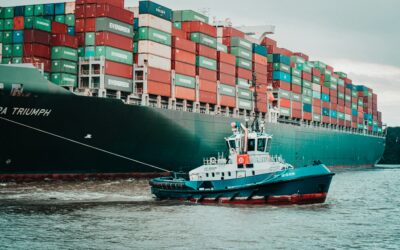
The Bottleneck of Chaos: Iran’s Ceasefire Promise Shatters as 3,200 Vessels Choke the Strait
The ink on the “Islamabad Accord” is barely dry, yet the “peace” it promised is already showing signs of a calculated betrayal. As of April 10, 2026, a massive logjam of over 3,200 commercial vessels—ranging from VLCC oil tankers to massive container ships—has piled up outside the Strait of Hormuz. Despite Tehran’s weekend promise to allow safe passage, the waterway remains a “no-go zone” of bureaucratic delays and lingering IRGC threats. At The Modern Memo, we analyze the breakdown of the ceasefire’s most critical pillar, the economic toll of the “Hormuz Pile-up,” and why the Trump administration is signaling that the B-52s may need to return to the skies. The Broken Promise: Safe Passage or Selective Sabotage? Under the terms of the Islamabad Accord ratified on Wednesday, Iran committed to the immediate and unconditional reopening of the Strait. However, the reality on the water tells a far more sinister story. The “Technical” Excuse: Iranian port authorities and the IRGC Navy are claiming that “unexploded ordnance” and “navigational hazards” from the recent U.S. strikes require a slow, controlled entry of ships. The Pile-Up Data: Satellite imagery confirms that over 3,200 vessels are currently idling in the Gulf of Oman and the Arabian Sea. This includes approximately 65 million barrels of oil that are desperately needed to stabilize global markets. Strategic Throttling: Experts believe the regime is intentionally “throttling” the flow of traffic to maintain high oil prices and leverage the ceasefire as a shield while they move remaining military assets into hardened bunkers. The Economic Toll: A $1.8 Billion-a-Day Crisis The maritime logjam is not just a logistical headache; it is a direct assault on global trade. Every day the Strait remains “technically” closed, the global economy pays a staggering price. Insurance Skyrockets: Maritime insurance premiums for “War Risk” have failed to drop despite the ceasefire, as Lloyd’s of London cites “unverified safety conditions” within the Strait. Supply Chain Ripples: Container ships carrying electronics, automotive parts, and grain are missing their arrival windows at Jebel Ali and Abu Dhabi, threatening a secondary inflationary spike in the West just as prices began to settle. The “Wait and See” Cost: Analysts estimate the idling cost of this fleet exceeds $1.8 billion per day in fuel, crew wages, and lost opportunity. The Washington Response: “The Clock is Still Ticking” The White House has issued a stern warning to Tehran: a “technical” delay is the same as a “hostile” delay. Hegseth’s Warning: Defense Secretary Pete Hegseth stated this morning that U.S. Navy minesweepers are ready to clear the lanes without Iranian assistance. “If they can’t clear the path, we will,” Hegseth remarked, suggesting that any IRGC interference with U.S. minesweeping operations would be treated as a violation of the truce. No More Games: President Trump has reportedly instructed the Pentagon to maintain “Full Combat Readiness” for the carrier groups in the region. The administration views this “pile-up” as a clear violation of the “spirit” of the Islamabad Accord. Final Word The 3,200 ships idling outside the Strait are a physical monument to Iranian duplicity. When you look past the noise of “navigational safety” and focus on the data—the unprecedented vessel backlog and the regime’s refusal to facilitate U.S. minesweeping—you gain a clearer picture of an enemy that is using the word “peace” as a tactical maneuver. Quality information replaces the hope of a “diplomatic breakthrough” with the reality of a strategic bottleneck. It allows you to see that the Islamabad Accord was only the beginning of the pressure, not the end. By choosing to hold Tehran’s feet to the fire, the U.S. is ensuring that “safe passage” is a fact, not a favor. Where Facts, Context, and Perspective Matter At The Modern Memo, our goal is simple: to provide clear, well-researched reporting in a media landscape that often feels overwhelming. We focus on substance over sensationalism, and context over commentary. If you value thoughtful analysis, transparent sourcing, and stories that go beyond the headline, we invite you to share our work. Informed conversations start with reliable information, and sharing helps ensure important stories reach a wider audience. Journalism works best when readers engage, question, and participate. By reading and sharing, you’re supporting a more informed public and a healthier media ecosystem. The Modern Memo may be compensated and/or receive an affiliate commission if you click or buy through our links. Featured pricing is subject to change. 📩 Love what you’re reading? Don’t miss a headline! Subscribe to The Modern Memo here!
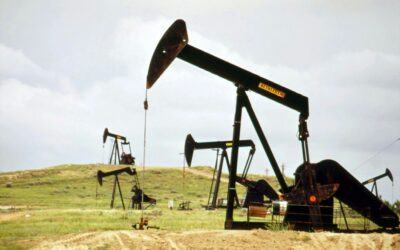
The Trump Dividend: Oil Prices Crater 13% as “Maximum Pressure” Reopens the Strait
In a massive win for the American consumer and a devastating blow to global inflation, global oil benchmarks plummeted by over 13% overnight. The historic collapse in prices follows the ratification of the “Islamabad Accord,” a two-week ceasefire that has successfully forced the reopening of the Strait of Hormuz—the world’s most critical energy artery. At The Modern Memo, we analyze the “Peace Through Strength” market surge, the end of the Iran war premium, and why this price drop is the ultimate validation of the administration’s energy sovereignty strategy. The Great Reset: Crude Below $95 The announcement of the ceasefire sent shockwaves through the trading floors in London and New York. Brent Crude and West Texas Intermediate (WTI), which had been flirting with the $115 mark during the height of the “Operation Epic Fury” strikes, fell into the low $90s within hours of the deal being signed. Ending the Blockade: The reopening of the Strait of Hormuz by the U.S.-Israeli coalition removes the “geopolitical risk premium” that has haunted global markets since the conflict began. The “Peace Dividend”: Market analysts at Goldman Sachs and Morgan Stanley noted that the 13% drop is one of the largest single-day movements in history, representing a massive shift in global liquidity toward the West. Supply Surge: With the threat of Iranian mine-laying neutralized by U.S. carrier groups, millions of barrels of oil that were “floating” in tankers off the coast of Oman are now flooding into the global supply chain. Victory for the Pump: Relief for American Families President Trump was quick to highlight the impact on domestic fuel prices, characterizing the market crash as a “massive tax cut” for the American people. Gas Prices Retreat: Internal projections suggest that if the Islamabad Accord holds, the national average for a gallon of gas could drop by as much as $0.45 to $0.60 within the next ten days. Crushing Inflation: Lower energy costs act as a “reverse-multiplier” on inflation, lowering the cost of logistics, farming, and manufacturing across the board. Strategic Leverage: The President pointed out that while the U.S. remains the world’s top energy producer, the stabilization of global lanes ensures that American exports remain competitive and the domestic economy remains “bulletproof” against foreign blackmail. The “Weakened Regime” Reality The price plunge isn’t just a win for the U.S.; it’s a strategic nightmare for the Islamic Republic, which relies on high oil prices and “black market” premiums to fund its regional proxies. Drying Up the War Chest: Every dollar oil drops is a dollar less that the IRGC has to spend on Hezbollah or the Houthis. By forcing the price down, the Trump administration is effectively de-funding the regime’s military capabilities from the outside in. The “Liquid Gold” Doctrine: Secretary of State Marco Rubio noted that the administration’s commitment to “unleashing American energy” has ensured that the U.S. is no longer at the mercy of OPEC+ or rogue state volatility. Final Word The 13% plunge in oil prices is the definitive metric of a conflict won. When you look past the noise of “diplomatic nuance” and focus on the data—the cratering of crude prices and the reopening of the world’s most vital waterway—you gain a clearer picture of an administration that understands how to use military might to secure economic stability. Quality information replaces the fear of a “recession-driving war” with the reality of a “strength-driven boom.” It allows you to see this price drop not as a market fluke, but as the inevitable result of a superpower finally acting like one. By choosing to support energy dominance, you align your perspective with the reality that a strong America means a cheaper, safer world. Where Facts, Context, and Perspective Matter At The Modern Memo, our goal is simple: to provide clear, well-researched reporting in a media landscape that often feels overwhelming. We focus on substance over sensationalism, and context over commentary. If you value thoughtful analysis, transparent sourcing, and stories that go beyond the headline, we invite you to share our work. Informed conversations start with reliable information, and sharing helps ensure important stories reach a wider audience. Journalism works best when readers engage, question, and participate. By reading and sharing, you’re supporting a more informed public and a healthier media ecosystem. The Modern Memo may be compensated and/or receive an affiliate commission if you click or buy through our links. Featured pricing is subject to change. 📩 Love what you’re reading? Don’t miss a headline! Subscribe to The Modern Memo here!