
Iran’s military dismissed as “lies” comments from President Trump this week in which he claimed the United States now controls the Strait of Hormuz, with Tehran insisting the strategically vital waterway remains fully under Iranian control — the latest sign that the diplomatic momentum touted by American officials in recent weeks remains far shakier than the administration’s public messaging has suggested.
The Dispute Over Who’s Actually in Control
President Trump has repeatedly claimed in recent public remarks that the sustained American and allied pressure campaign against Iran has succeeded in securing the Strait of Hormuz for international shipping, framing it as a direct outcome of the administration’s military and diplomatic strategy toward Tehran. Iran’s military flatly rejected that characterization Thursday, calling the claim false and asserting that the waterway — one of the most critical oil shipping chokepoints in the world — remains under Iranian jurisdiction and control, not American.
The disagreement underscores a pattern that has persisted throughout recent negotiations over the strait: American officials have repeatedly signaled optimism about breakthroughs in shipping arrangements, while Iranian officials have just as consistently pushed back on the specifics of that optimism, insisting that any agreements reached are narrower, more conditional, or more favorable to Iran than U.S. statements have implied.
A Familiar Pattern of Mixed Signals
This isn’t the first time the two sides have offered conflicting accounts of the same negotiations. Iran and Oman had separately announced progress toward agreeing on shipping corridor coordinates through the strait, but Iranian officials were careful at the time to insist that any Oman-specific arrangement was entirely separate from, and did not represent, a broader resolution involving the United States. Iran’s deputy foreign minister said explicitly that “the path of understanding is between Iran and Oman, and no negotiations with the U.S. have taken place during this period” — a direct contradiction of Trump’s own public statements insisting that talks with Iran were underway “whether Iran wants to admit it or not.”
Adding another layer of complication, Iranian lawmakers have separately advanced legislation in parliament that would permanently bar U.S. and Israeli vessels from the strait altogether, alongside a broader fee structure targeting other commercial shipping — hardly the posture of a country that considers the waterway’s control question settled or resolved in America’s favor.
Why the Strait Matters So Much
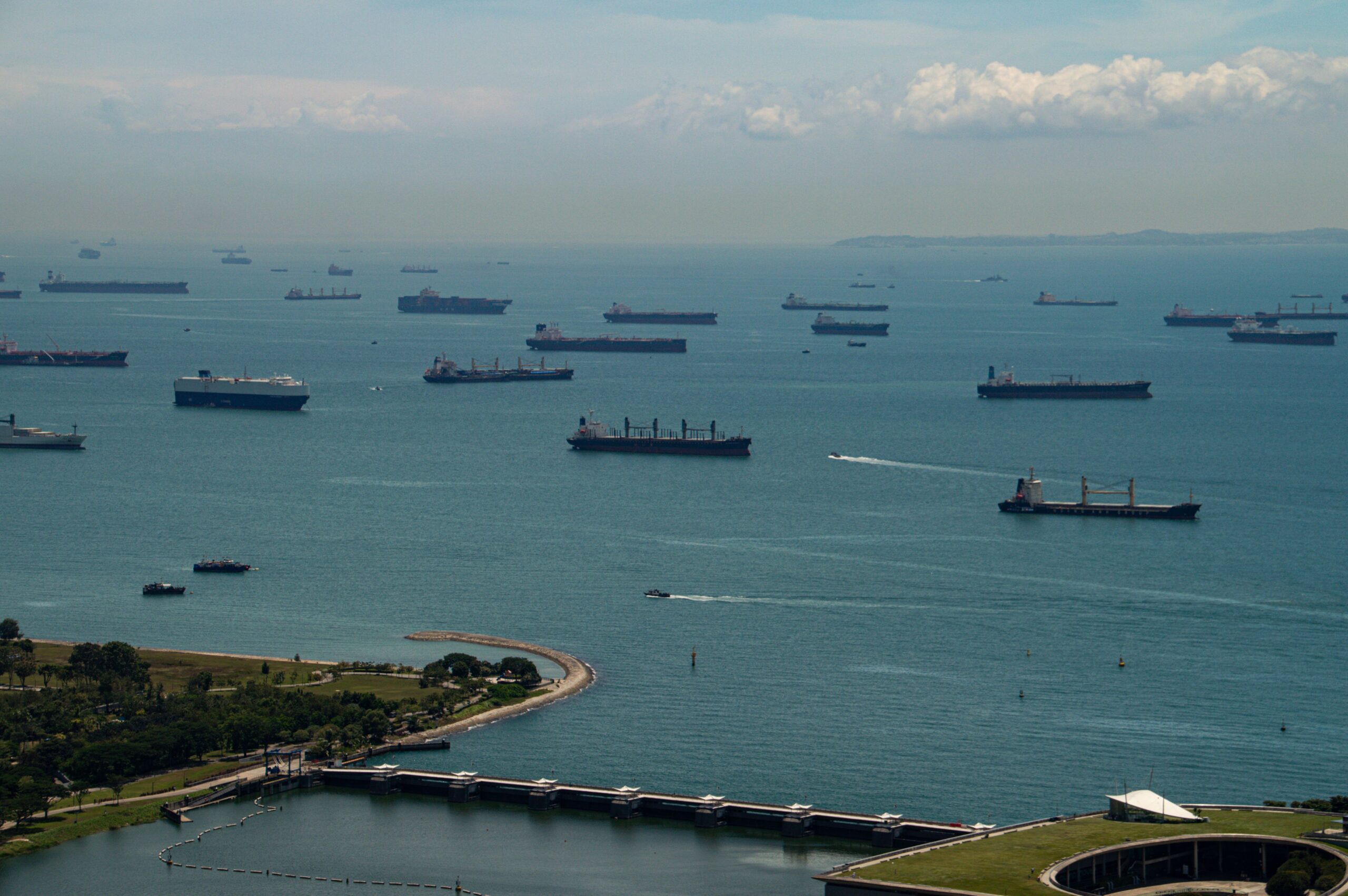
The Strait of Hormuz sits at the mouth of the Persian Gulf and is one of the most strategically significant shipping corridors on Earth, with roughly a fifth of the world’s oil and liquefied natural gas exports passing through it. At its narrowest point, the strait is just 21 miles wide, meaning any dispute over territorial control and shipping lanes carries substantial weight for global energy markets — a fact reflected in oil price movements that have swung repeatedly in recent weeks based on even incremental developments in the standoff.
Iran effectively closed the strait to normal shipping traffic in March in response to joint U.S.-Israeli strikes that launched the broader war in late February, and Iranian forces have since repeatedly threatened commercial vessels attempting to transit the waterway. An earlier ceasefire framework covering safe passage collapsed in July, reigniting both the fighting and the shipping disruption that has weighed on global energy prices for months.
The Administration’s Framing Versus the Reality on the Ground
Trump administration officials, including Secretary of State Marco Rubio and Treasury Secretary Scott Bessent, have continued to express public confidence that a comprehensive resolution to the shipping standoff is close at hand, pointing to the progress in Iran-Oman talks and the resumption of some vessel traffic through the strait in recent days as evidence the pressure campaign is working. Supporters of that framing argue that Iran’s public denials and defiant rhetoric are standard negotiating theater from a government that doesn’t want to appear to be capitulating to American pressure, even as its actual conduct — allowing more ships through, engaging in serious talks with Oman — tells a different story.
Skeptics of that optimistic reading point to Thursday’s blunt rejection of Trump’s control claim, together with the parliamentary bill targeting American and Israeli shipping specifically, as evidence that Iran continues to view itself as negotiating from a position of real strength and sovereign authority over the strait — not as a country capitulating to outside pressure. From that perspective, American officials’ repeated public claims of progress may be running ahead of what Tehran has actually agreed to accept.
What Happens Next
With Iran continuing to publicly and directly contradict American claims about the state of affairs in the strait, and with hardline legislation targeting U.S. and Israeli shipping still moving through Iran’s parliament, a fully resolved, mutually acknowledged agreement over Hormuz appears to remain elusive despite months of on-and-off negotiations. How much further diplomatic progress can realistically be made while the two sides can’t even agree on the basic factual premise of who currently controls the waterway is likely to remain one of the more difficult underlying questions shaping the broader path toward ending the conflict.
This story is developing.
