

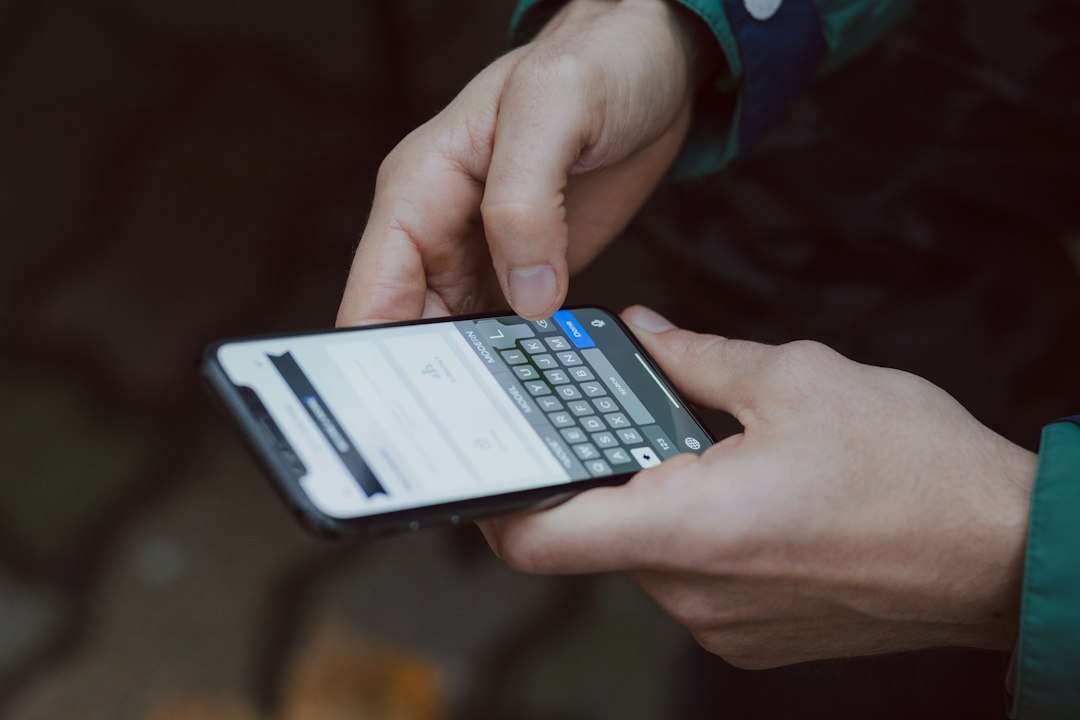
The short version: Scammers ramp up during the holidays, when people are shopping, shipping and donating more than usual. Here are six to know and how to avoid them.
1. Fake delivery texts
Messages claiming a package is delayed and asking you to click a link or pay a small fee are a common trick. Check deliveries directly on the retailer’s or carrier’s official app or site instead.
2. Too-good-to-be-true deal sites
Lookalike websites advertise popular items at very low prices, then never ship. Stick to retailers you know and type the address yourself.
3. Gift card payment requests
No legitimate business or agency will ask you to pay a bill with gift cards. If someone does, it’s a scam.
4. Fake charities
Scammers use names that sound like real charities. Give through the organization’s official website, and be wary of high-pressure requests.
5. Social media gift exchanges
“Secret Santa” chain posts that ask you to send money or gifts to strangers are often pyramid schemes.
6. Account “security alerts”
Emails or calls claiming there’s a problem with your bank or shopping account and asking for passwords or codes are almost always phishing. Contact the company using the number on your card or its official site.
How to protect yourself
- Pay with a credit card for added protection.
- Turn on two-factor authentication for important accounts.
- Never share one-time codes with anyone.
- If you’re scammed, contact your bank right away and report it to the FTC at ReportFraud.ftc.gov.
This page may include sponsored offers.
