

Iran

Iran Accuses US of Using Nuclear Watchdog as Pretext for Strikes as IAEA Reports Tehran Still Blocking Inspectors
Iran has accused the United States of using the International Atomic Energy Agency’s inspection findings as political cover to justify military strikes on its nuclear facilities, escalating a standoff that shows no sign of resolution more than a year after American and Israeli warplanes bombed some of the country’s most sensitive atomic sites. The accusation, leveled by Iranian officials this week, comes just days after the IAEA’s confidential quarterly report documented that Tehran continues to deny inspectors access to more than 20 nuclear-related sites and has refused to account for its stockpile of roughly 440 kilograms of uranium enriched to near weapons-grade levels — enough material, according to nuclear experts cited in the report, to produce several nuclear weapons if enriched further. Iran maintains, as it has throughout the crisis, that it has no intention of building a nuclear weapon and says its program exists solely for civilian energy and research purposes. IAEA Director General Rafael Grossi has repeatedly pressed Tehran to restore the access it suspended in the aftermath of last year’s strikes, telling the agency’s Board of Governors in Vienna on September 7 that he was calling “on Iran to engage with the Agency constructively in order to make possible the full and effective implementation of Agency safeguards in Iran.” Iranian officials have responded by casting the IAEA’s reporting itself as compromised, arguing that Washington and its allies have weaponized the agency’s technical findings to manufacture justification for military action rather than to genuinely verify the peaceful nature of Iran’s program. The dispute traces back to June 2025, when Israel launched a 12-day bombing campaign against Iranian military and nuclear infrastructure, a campaign the United States joined less than two weeks later with strikes on the heavily fortified enrichment facilities at Natanz, Fordow and Isfahan. Iranian Foreign Minister Abbas Araghchi has previously dismissed the notion that the strikes were prompted by an “imminent nuclear threat” from Iran as a “heinous lie,” arguing the claim had been “thoroughly debunked” even by Grossi’s own agency and by Oman’s foreign minister, who had been mediating indirect talks between Tehran and Washington before the bombing campaign began. Those talks, which had reached five rounds of negotiation aimed at easing American sanctions in exchange for constraints on Iran’s nuclear activities, collapsed once the strikes began. Araghchi has insisted Iran did not “kill diplomacy,” saying instead that “those who blew up the negotiating table did.” Tensions flared again in February 2026, when a second round of conflict brought additional strikes on Iranian nuclear facilities, further hardening Tehran’s position toward international inspectors. In June 2026, American and Iranian negotiators reached a framework agreement under which Iran would dilute its stockpile of highly enriched uranium under IAEA supervision, a deal that both sides hoped might de-escalate the standoff and restore some measure of international oversight. That agreement, however, remains unimplemented three months later, with Washington and Tehran each accusing the other of failing to uphold its end of the bargain — a dynamic that has left the IAEA effectively locked out of much of Iran’s nuclear infrastructure even as international concern over the unaccounted-for enriched uranium stockpile continues to grow. Iran suspended its cooperation with IAEA inspectors almost immediately after the June 2025 strikes, arguing that continuing to grant international access to facilities that had just been bombed by two of the same countries pushing for that access amounted to a security risk it could not accept. Tehran has also pointed to what it characterizes as a pattern of politically motivated resolutions from the IAEA’s Board of Governors, arguing that the agency has allowed itself to become an instrument of pressure from Washington and Israel rather than functioning as a neutral technical body. Iranian state media and officials have periodically floated the idea that the agency’s own reporting effectively provided Israel and the United States with a roadmap for targeting, a claim the IAEA has firmly rejected as both false and dangerous, since it undermines the case for the kind of transparency that would actually reduce the risk of further military action. For the Trump administration, the unresolved standoff presents a genuine dilemma. Officials have continued to cite Iran’s stockpile of near-weapons-grade uranium and its refusal to grant inspectors access as justification for maintaining maximum economic pressure and keeping the option of further military action on the table. At the same time, the administration has faced criticism from arms-control advocates who argue that walking away from verified inspections — even inspections Iran itself suspended — leaves the international community with far less visibility into Iran’s actual nuclear activities than it had before the strikes, potentially making it harder, not easier, to detect a genuine dash toward weaponization if Tehran ever decided to pursue one. Regional dynamics add further urgency to the standoff. Israel has continued to describe Iran’s nuclear program as an existential threat and has signaled it would consider additional strikes if it judged Tehran to be reconstituting its enrichment capacity at any of the damaged or newly hardened facilities. Gulf Arab states, meanwhile, have expressed a mix of relief that Iran’s program has been set back and anxiety that the unresolved standoff could reignite into a broader regional conflict with little warning, particularly given the unrelated but overlapping tensions already playing out between Saudi Arabia and Iran-aligned Houthi forces in Yemen. Diplomats tracking the dispute say a durable resolution likely requires Iran to accept some restoration of IAEA access in exchange for tangible sanctions relief, mirroring the broad contours of the framework agreement reached in June — but implementing even that limited arrangement has proven difficult given the deep mistrust on both sides following two rounds of military strikes in less than a year. Grossi has continued to describe the situation as urgent, warning that the international community’s ability to verify Iran’s nuclear intentions deteriorates further with each month that inspectors remain locked out, while Iranian officials counter that restoring the access Washington and Israel now demand would mean trusting the same governments…

Trump Declares “Economic D-Day” Against Iran, Warns Any Nation Aiding Tehran Will Face “Tremendous” Consequences
President Trump announced an all-out escalation of economic pressure against Iran this week, declaring what he called “the most crushing economic operation ever taken against any country” and warning that any nation helping Iran evade sanctions — from oil buyers to shipping registries — will face severe financial retaliation of its own. What Trump Announced In an all-caps Truth Social post Wednesday evening, Trump declared “ECONOMIC D-DAY” against Iran, writing that the country’s military has been effectively dismantled and its economy is on the brink. “Their navy is gone, their air force is destroyed, their military factories are now rubble, their currency is worthless, and their country is hanging by a thread,” Trump wrote. He went on to warn that “ANY country that allows its financial institutions, businesses, airports, or government entities to provide any type of lifeline to Iran will itself face TREMENDOUS Economic Consequences.” Trump specifically called out the mechanisms he wants shut down: “Oil smuggling, swap lines, cash transfers, exchange houses, ship registries, front companies — It all needs to stop NOW. You know who you are,” he wrote, without naming specific countries. “This will be an ECONOMIC D-DAY, and we need all of our Allies to stand with the United States of America to isolate, and defeat, the Iran threat.” Building on an Existing Pressure Campaign Wednesday’s announcement extends a sanctions effort the administration has waged since April under the name Operation Economic Fury. Treasury Secretary Scott Bessent had previewed the escalation in comments the prior week, signaling that a fresh round of financial pressure was coming as diplomatic talks over ending the war remained stalled. The timing is notable: Trump’s announcement came just two days after the 60-day deadline for a comprehensive U.S.-Iran peace deal quietly expired without an agreement, and after Trump had said Tuesday he wasn’t interested in resuming talks with Iran at all — only to strike a somewhat more open tone by Wednesday, saying he remained willing to negotiate even as he unveiled the new economic offensive. Who Could Be in the Crosshairs Trump did not name specific countries in his post, but analysts note the threat carries real weight for several major economies. According to World Bank data, Iran exported to 147 countries and imported from 114 countries as of the most recent figures available, with China standing out as by far Iran’s largest trading partner, accounting for the bulk of both its oil and non-oil exports. That means Trump’s threat could realistically put pressure on relationships with China, India, and even Germany, depending on how aggressively the administration chooses to enforce it — a reminder that “economic D-Day” rhetoric, if followed through, carries diplomatic complications well beyond Iran itself. Notably, the announcement came just a day after the United Arab Emirates — a longtime U.S. ally — announced it would sever all financial and economic ties with Iran, following a fresh missile threat from Tehran. That move suggests at least some regional partners are already moving to align themselves with Washington’s posture ahead of any formal enforcement action. Iran’s Response Iranian Foreign Minister Abbas Araghchi dismissed Trump’s announcement as a distraction from problems at home. “Economic D-Day’ is a diversion from America’s own crisis: unprecedented debt and surging interest costs,” Araghchi wrote on X, pointing to a New York Times report that the U.S. national debt has now surpassed $40 trillion. He went on to accuse Washington of “economic terrorism,” arguing the campaign threatens the broader global economy and the sovereignty of countries well beyond Iran itself. “Doubling down on failed policies will only bring further defeat — and enmity of Iranians,” Araghchi added. A Pattern of Escalating Rhetoric Araghchi’s dismissal echoes a pattern he’s followed throughout the conflict, having previously accused Washington of ratcheting up sanctions every time an earlier round failed to change Tehran’s underlying position. That said, independent data on Iran’s economic condition lends some credibility to Trump’s framing: Iran has been grappling with a serious economic crisis since well before this latest round of pressure, with inflation having climbed above 48% at points over the past year and a substantial share of the population living below the poverty line, according to various estimates. The Market Reaction Trump’s threat had an immediate effect on global energy markets. Oil prices rose to their highest levels in a month following the announcement, as traders weighed the possibility that a serious crackdown on Iranian oil exports and the shipping networks that move them could tighten global supply. That’s a familiar dynamic in this conflict: virtually every major escalation, on either side, has rippled through energy markets given the ongoing standoff over the Strait of Hormuz, one of the world’s most critical oil shipping chokepoints. Reading the Strategy Supporters of the administration’s approach argue that after nearly six months of war and a missed diplomatic deadline, ratcheting up financial pressure on Iran and the networks helping it evade existing sanctions is a logical and appropriately aggressive next step — one that avoids further direct military escalation while still working to force Tehran back to the negotiating table on more favorable terms for the U.S. From this view, targeting the shadow economy that has allowed Iran to partially sustain itself despite existing sanctions is precisely the kind of comprehensive pressure that could finally break the current stalemate. Skeptics, including voices within Iran’s own government, argue that repeatedly escalating sanctions without offering a credible diplomatic off-ramp risks entrenching the conflict indefinitely rather than resolving it, and that framing the campaign in maximalist terms — an “economic D-Day” — sets an extremely high bar for what would actually count as success. Iran’s pointed counterattack referencing America’s own debt crisis also underscores a broader rhetorical strategy Tehran has employed throughout the war: reframing U.S. pressure campaigns as evidence of American overreach and financial strain rather than a position of strength. What Happens Next Trump has not yet specified exactly what mechanisms or timeline the new sanctions regime will follow, leaving considerable uncertainty about…
US and Iran Blow Through 60-Day Deadline for War Deal as Both Sides Dig In Over Control of Hormuz
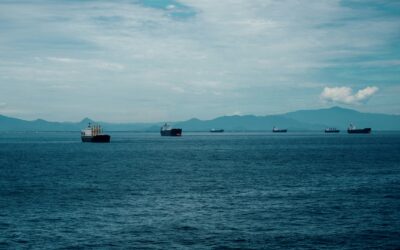
The 60-day deadline President Trump set in June for reaching a comprehensive deal to end the war with Iran and resolve the dispute over its nuclear program quietly expired Monday, with both sides at a genuine impasse and neither showing meaningful signs of budging — a milestone that is largely symbolic at this point, since both American and Iranian officials had already acknowledged in recent weeks that the underlying agreement had effectively collapsed. What Was Supposed to Happen President Trump signed the memorandum of understanding with great fanfare at a ceremony in Versailles back in June, presenting it as the framework that would finally bring the war — then already several months old — to a close. The 14-point agreement, negotiated in Islamabad, called for an immediate halt to military operations and set a 60-day window for the two countries to negotiate a lasting deal covering two central issues: the lifting of sanctions on Iran and a longer-term resolution of the dispute over Iran’s nuclear program. The deadline could have been extended by mutual consent if both sides wanted more time and were making genuine progress. Instead, the agreement began unraveling almost immediately after it was signed. Disputes over implementation, and specifically over control of the Strait of Hormuz, took center stage almost from the start, effectively pushing the nuclear negotiations — ostensibly the more consequential issue — to the back burner entirely. How the Ceasefire Fell Apart The core problem, according to multiple officials and analysts who have tracked the negotiations closely, is that the U.S. and Iran walked away from the June agreement with fundamentally different understandings of what they had actually agreed to regarding the strait. Iranian officials pointed to what they characterized as ambiguous language in the ceasefire deal to declare that certain vessels were passing through the waterway without proper Iranian permission, and Iranian forces fired on some of those ships. U.S. forces retaliated by bombarding targets in southern Iran, touching off a cycle of attacks and counterattacks that ultimately reignited nearly two full weeks of direct fighting before Trump abruptly halted the American bombing campaign in an effort to salvage the broader deal. Iran’s Foreign Ministry has been blunt about where it places blame for the breakdown. Spokesperson Esmaeil Baghaei said this week that due to what he called “the flagrant and widespread violation of the memorandum of understanding by the United States,” meaningful dialogue never even began in the weeks following the June signing. “As a result, the discussion of the 60-day deadline completely lost its relevance,” Baghaei said, adding that U.S. sanctions have “no impact” on Iran and that the real obstacle to resolving the dispute isn’t a shortage of potential mediators — pointing to Pakistan and Qatar as countries already playing an active role, alongside several European nations that have signaled willingness to offer their own diplomatic good offices. Iran, notably, doesn’t even consider the 60-day countdown to have properly begun in the first place. A senior Iranian source told Reuters last week that Tehran never engaged in discussions with Washington about extending the ceasefire deadline, precisely because it doesn’t view the deadline as having been triggered given the U.S. actions Iran considers violations of the original agreement. The Sticking Point: Who Controls Hormuz Control of the Strait of Hormuz — the narrow waterway through which roughly a fifth of the world’s traded oil and gas passes — has emerged as the fundamental issue blocking any broader resolution, effectively sidelining the nuclear question that Trump had originally cited as central to his case for going to war in the first place. There has been no visible sign of compromise on the strait, and no indication that detailed, substantive nuclear talks have even started between the two sides. Nader Itayim, a political economist following the negotiations, captured the sense of drift surrounding Monday’s deadline bluntly: “Why are we still hanging on to this 17 August date like it means something?” That skepticism reflects a broader consensus among analysts that the deadline’s expiration changes little on the ground, since the practical reality — a stalemate over the strait, no active nuclear negotiations, and a war now well into its sixth month — was already well established before the calendar caught up to it. Neither Side Has an Easy Way Out Both countries face genuinely difficult trade-offs in deciding how to proceed from here. For the United States, acceding to Iran’s demands over the strait would mean effectively conceding control of a critical international waterway to Tehran — a outcome that would be widely read as a significant setback for the war’s stated objectives, including curbing Iran’s nuclear ambitions. At the same time, further escalating the conflict would draw down American supplies of advanced missile interceptors, continue rattling global energy markets, and risk pushing gas prices higher domestically ahead of November’s congressional elections — a politically unwelcome outcome for an administration that has repeatedly promised the war would be resolved quickly and cited economic strength as a core selling point. For Iran’s part, the government appears to feel considerably emboldened by how the standoff has played out so far, having successfully resisted American and Israeli military pressure for close to six months without capitulating on its core demands regarding the strait. That posture carries its own risks for Tehran, however, given the toll continued conflict and Western sanctions continue to take on Iran’s already strained economy. Where Things Stand for American Policy Supporters of the administration’s approach argue that refusing to cave to Iran’s demands over Hormuz — even at the cost of a missed diplomatic deadline — reflects appropriate resolve rather than failure, and that a war fought to prevent Iran from ever obtaining a nuclear weapon shouldn’t be judged a disappointment simply because a symbolic 60-day clock expired without a finalized agreement. Critics counter that the missed deadline underscores a broader pattern in which the administration’s stated war aims have consistently outpaced what it has actually been able to achieve on…
Iran Rejects Trump’s Claim of Controlling the Strait of Hormuz, Insists Waterway Is Fully Under Its Command
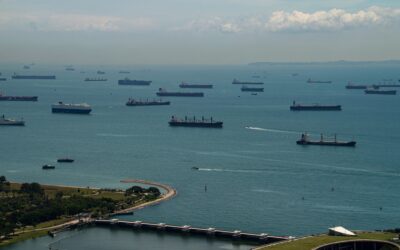
Iran’s military dismissed as “lies” comments from President Trump this week in which he claimed the United States now controls the Strait of Hormuz, with Tehran insisting the strategically vital waterway remains fully under Iranian control — the latest sign that the diplomatic momentum touted by American officials in recent weeks remains far shakier than the administration’s public messaging has suggested. The Dispute Over Who’s Actually in Control President Trump has repeatedly claimed in recent public remarks that the sustained American and allied pressure campaign against Iran has succeeded in securing the Strait of Hormuz for international shipping, framing it as a direct outcome of the administration’s military and diplomatic strategy toward Tehran. Iran’s military flatly rejected that characterization Thursday, calling the claim false and asserting that the waterway — one of the most critical oil shipping chokepoints in the world — remains under Iranian jurisdiction and control, not American. The disagreement underscores a pattern that has persisted throughout recent negotiations over the strait: American officials have repeatedly signaled optimism about breakthroughs in shipping arrangements, while Iranian officials have just as consistently pushed back on the specifics of that optimism, insisting that any agreements reached are narrower, more conditional, or more favorable to Iran than U.S. statements have implied. A Familiar Pattern of Mixed Signals This isn’t the first time the two sides have offered conflicting accounts of the same negotiations. Iran and Oman had separately announced progress toward agreeing on shipping corridor coordinates through the strait, but Iranian officials were careful at the time to insist that any Oman-specific arrangement was entirely separate from, and did not represent, a broader resolution involving the United States. Iran’s deputy foreign minister said explicitly that “the path of understanding is between Iran and Oman, and no negotiations with the U.S. have taken place during this period” — a direct contradiction of Trump’s own public statements insisting that talks with Iran were underway “whether Iran wants to admit it or not.” Adding another layer of complication, Iranian lawmakers have separately advanced legislation in parliament that would permanently bar U.S. and Israeli vessels from the strait altogether, alongside a broader fee structure targeting other commercial shipping — hardly the posture of a country that considers the waterway’s control question settled or resolved in America’s favor. Why the Strait Matters So Much The Strait of Hormuz sits at the mouth of the Persian Gulf and is one of the most strategically significant shipping corridors on Earth, with roughly a fifth of the world’s oil and liquefied natural gas exports passing through it. At its narrowest point, the strait is just 21 miles wide, meaning any dispute over territorial control and shipping lanes carries substantial weight for global energy markets — a fact reflected in oil price movements that have swung repeatedly in recent weeks based on even incremental developments in the standoff. Iran effectively closed the strait to normal shipping traffic in March in response to joint U.S.-Israeli strikes that launched the broader war in late February, and Iranian forces have since repeatedly threatened commercial vessels attempting to transit the waterway. An earlier ceasefire framework covering safe passage collapsed in July, reigniting both the fighting and the shipping disruption that has weighed on global energy prices for months. The Administration’s Framing Versus the Reality on the Ground Trump administration officials, including Secretary of State Marco Rubio and Treasury Secretary Scott Bessent, have continued to express public confidence that a comprehensive resolution to the shipping standoff is close at hand, pointing to the progress in Iran-Oman talks and the resumption of some vessel traffic through the strait in recent days as evidence the pressure campaign is working. Supporters of that framing argue that Iran’s public denials and defiant rhetoric are standard negotiating theater from a government that doesn’t want to appear to be capitulating to American pressure, even as its actual conduct — allowing more ships through, engaging in serious talks with Oman — tells a different story. Skeptics of that optimistic reading point to Thursday’s blunt rejection of Trump’s control claim, together with the parliamentary bill targeting American and Israeli shipping specifically, as evidence that Iran continues to view itself as negotiating from a position of real strength and sovereign authority over the strait — not as a country capitulating to outside pressure. From that perspective, American officials’ repeated public claims of progress may be running ahead of what Tehran has actually agreed to accept. What Happens Next With Iran continuing to publicly and directly contradict American claims about the state of affairs in the strait, and with hardline legislation targeting U.S. and Israeli shipping still moving through Iran’s parliament, a fully resolved, mutually acknowledged agreement over Hormuz appears to remain elusive despite months of on-and-off negotiations. How much further diplomatic progress can realistically be made while the two sides can’t even agree on the basic factual premise of who currently controls the waterway is likely to remain one of the more difficult underlying questions shaping the broader path toward ending the conflict. This story is developing.
Iran Moves to Permanently Ban US and Israeli Ships From Hormuz Even as It Nears Deal With Oman
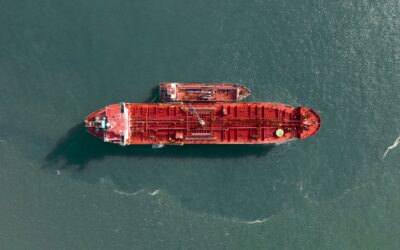
Just days after touting progress toward a shipping agreement with Oman, Iran’s parliament is now reviewing legislation that would permanently bar American and Israeli vessels from the Strait of Hormuz altogether — a move that undercuts the optimistic tone coming out of Washington in recent days and that the Trump administration has flatly rejected. What the Bill Would Do According to Iran’s semi-official Fars news agency, a parliamentary committee is reviewing a preliminary bill that would block “hostile” vessels — explicitly naming the United States and Israel — from transiting the strait. The restrictions reportedly wouldn’t be limited to those two countries alone; they would extend more broadly to “countries and individuals that have caused damage to Iran,” and would remain in place until Tehran considers itself compensated for that damage. The proposal would also impose a transit fee of up to 7% of a cargo’s value on other commercial vessels passing through, with steeper penalties — up to 20% of cargo value — for any vessel that violates the terms. The legislation remains under expert review, with parliament inviting outside specialists to weigh in before a final version is drafted, according to the lawmaker cited by Fars. Washington Pushes Back Hard The Trump administration wasted no time rejecting the proposal outright. “Any temporary routes will be without any impediments — meaning no approvals or permissions and no tolls or charges,” a U.S. official told CNBC in response to the report. “The Strait of Hormuz is an international waterway and no party controls the lanes or the ability to transit through them,” the official added, directly rebutting Iran’s underlying claim of sovereign authority over the passage. A Confusing Diplomatic Picture The bill’s emergence complicates what had appeared, just days earlier, to be genuine momentum toward de-escalation. Iran and Oman announced they’d agreed on the geographic coordinates for a new shipping corridor, with vessels reportedly set to enter through a northern route near the Iranian coast and exit through a southern route near the Omani coast. But Iranian officials have been careful to separate that Oman-specific arrangement from any broader resolution involving the United States, with deputy foreign minister Kazem Gharibabadi stating explicitly that “the path of understanding is between Iran and Oman, and no negotiations with the US have taken place during this period.” That stands in some tension with President Trump’s own public statements. Trump had accused Iranian leaders of being “duplicitous” about the state of peace talks earlier in the week, insisting negotiations were underway “whether Iran wants to admit it or not” — a claim Tehran has repeatedly and directly denied. Testing the Limits of an Earlier Ceasefire The current standoff traces back to a memorandum of understanding signed between the U.S. and Iran on June 17, under which Tehran agreed to allow commercial vessels to transit the strait toll-free for 60 days, in exchange for the U.S. lifting its naval blockade of Iranian vessels and easing other pressure. That framework ultimately broke down, reigniting the fighting and the shipping disruption that has persisted since. Iran has separately warned Gulf states that any renewed U.S. attack on Iranian territory would trigger retaliation against regional energy infrastructure, a threat that underscores just how much is riding on whether the current round of negotiations holds. Reading the Standoff Supporters of the administration’s hardline posture argue this latest legislative maneuver is exactly the kind of move that justifies continued pressure on Tehran rather than premature optimism: a regime that claims to be negotiating in good faith on one hand while advancing legislation to permanently exclude American and allied shipping on the other is not a regime that has abandoned its broader objectives, even as it seeks sanctions relief and an end to strikes on its territory. Iran, for its part, continues to frame its demands as a matter of legitimate sovereign control over waters it considers within its jurisdiction — an argument the U.S. and most of the international community reject given the strait’s status as vital international shipping lane carrying roughly a fifth of the world’s oil and gas. What Happens Next The bill remains in committee and is not yet finalized, meaning its ultimate provisions could still shift before a floor vote. In the meantime, the dueling signals — apparent progress with Oman paired with hardline legislation aimed squarely at the U.S. and Israel — leave the broader question of when, or whether, the Strait of Hormuz fully reopens to normal international shipping traffic as unresolved as ever. This story is developing.

Iran and Oman Agree on Hormuz Shipping Coordinates, But Tehran Makes Clear the Strait Isn’t Reopening Yet
Iran and Oman announced Wednesday that they’ve agreed on the geographic coordinates for a new commercial shipping route through the Strait of Hormuz, a step toward de-escalation that comes even as Tehran insists it has no intention of fully reopening the critical waterway anytime soon — a reminder that the diplomatic progress touted by U.S. officials in recent days remains far more fragile than the headlines might suggest. What Was Actually Agreed Iranian Foreign Ministry spokesperson Esmaeil Baghaei told reporters that after roughly two months of negotiations, the two countries have settled on coordinates for a proposed shipping route, and that a joint statement covering the technical, legal, security, and environmental details of the arrangement is now in its final stages of drafting. “The geographical coordinates of the route proposed by the two sides have been agreed upon,” Baghaei said, adding the caveat that the joint statement would only move forward “provided that certain third parties do not obstruct the process” — a clear reference to the United States. Iran’s deputy foreign minister for legal and international affairs, Kazem Gharibabadi, told state news agency IRNA that the two countries have reached understanding on “almost all” outstanding issues in the negotiation. The Catch: Iran Still Wants the US Blockade Lifted First Despite the apparent breakthrough on coordinates, Baghaei was explicit that an agreement with Oman alone won’t be enough to make the strait safe for shipping. “An understanding with Oman cannot, in itself, mean that the strait has become safe for passing vessels, because the factors creating insecurity in the Strait of Hormuz — particularly the U.S. naval blockade and other actions against Iran and its interests — remain in place,” he said. That’s a significant condition. Reuters reported that the proposed arrangement would give Tehran control over ships entering the Gulf through the strait — described by sources as one of the biggest concessions to Iran since the war began — while regional officials cautioned that important details still needed to be finalized despite President Trump’s recent public optimism that a deal reopening the strait was close at hand. How We Got Here Iran effectively closed the Strait of Hormuz in March in response to the U.S. and Israeli strikes that launched the war in late February, and its forces have repeatedly threatened commercial vessels attempting to transit the waterway with drones, missiles, small boats, and mines ever since. An earlier ceasefire framework, the Islamabad Memorandum of Understanding, collapsed in July, triggering a fresh wave of strikes and reigniting the standoff over the strait that has disrupted roughly 20% of the world’s oil and liquefied natural gas exports and pushed global energy prices higher for months. At its narrowest point, the strait is just 21 miles wide, meaning any agreement over shipping lanes and territorial control carries outsized strategic weight — there’s essentially no room for a truly neutral international shipping lane if both countries insist on standard 12-mile territorial waters. Reading the Administration’s Position Trump administration officials have been eager to characterize the negotiations as evidence that sustained American pressure is finally working. Treasury Secretary Scott Bessent said earlier this week that a deal could come within days, and noted that vessel traffic has already picked back up despite the continued uncertainty. Whether that optimism proves justified will depend heavily on what happens next: Iran’s insistence on tying any final resolution to an end of the U.S. naval presence in the region suggests Tehran still believes it holds real leverage, even after months of American and Israeli strikes on its military and nuclear infrastructure. Supporters of the administration’s approach argue that extracting even partial concessions from Iran — a country that had effectively shut down a fifth of the world’s oil shipping for months — represents real progress from a position of strength, and that Tehran’s public hedging is standard negotiating posture rather than a sign the pressure campaign has stalled. Skeptics counter that a deal requiring the U.S. to lift its naval blockade in exchange for Iranian control over Gulf-bound shipping lanes would hand Tehran a durable strategic win, not a defeat, regardless of how the administration chooses to frame it. What Comes Next Officials on both sides say the joint statement between Iran and Oman is nearly finished, but its release — and any broader resolution to the shipping standoff — still hinges on decisions well above either country’s negotiating teams. Reports suggest the broader framework may also require sign-off from Iran’s Supreme Leader before anything becomes final. In the meantime, the war itself continues, with American and Israeli strikes ongoing and no comprehensive ceasefire yet in place covering anything beyond the narrow question of Gulf shipping routes. This story is developing.

Bitcoin Wobbles Near $63K as Iran War and Fed Meeting Rattle Crypto Markets
Cryptocurrency markets have spent the back half of July caught between two major forces — the ongoing war with Iran and this week’s Federal Reserve rate decision — with Bitcoin swinging through a volatile range as investors weigh geopolitical risk against a resilient longer-term rally. A Choppy Month for Crypto Bitcoin fell sharply in late July, trading near $63,300 as investors trimmed risk exposure ahead of the Fed’s two-day policy meeting, extending a weekly decline that left the cryptocurrency down nearly 4% over seven days. That marked a pullback from earlier in the month, when Bitcoin had climbed back above $65,000 on the back of five consecutive days of net inflows exceeding $600 million into spot Bitcoin ETFs. Earlier still, Bitcoin had dropped below $63,000 as tensions between the U.S. and Iran sent risk assets lower and pushed crude oil above $80 a barrel, underscoring just how closely tied crypto sentiment has become to the war’s twists and turns. Institutional Money Still Flowing — Selectively Despite the volatility, institutional appetite hasn’t disappeared entirely. Spot Bitcoin and Ethereum ETFs both attracted fresh capital during stretches of July, though Ether ETFs have recently drawn more institutional interest than their Bitcoin counterparts — a sign that big money is becoming more selective about where it places crypto bets rather than pulling out of the space altogether. What’s Next Markets are now watching two key near-term catalysts: the outcome of the Fed’s rate decision, where traders had priced in over 80% odds of a hold, and a large monthly options expiration on July 31 that could trigger sharp short-term swings around the $65,000–$66,000 level. Longer term, crypto bulls are also watching progress on the Clarity Act, digital asset legislation that could provide clearer regulatory guardrails for the industry — something advocates argue is long overdue and would help unlock further institutional investment into the space. This story is developing.

US Halts Iran Airstrikes to “Give Talks Some Space” as Fragile Off-Ramp Emerges
The United States has paused its military campaign against Iran after nearly two weeks of intensifying airstrikes, as diplomatic efforts push forward in an attempt to pull the two countries back from the brink of all-out war — though it remains far from clear whether the lull will hold. President Trump halted lethal strikes over the weekend following 13 days of escalating attacks, and said the pause came at Iran’s own request. “They asked us very nicely, ‘Please stop, let’s meet,’” Trump told reporters aboard Air Force One. “And that’s where we are right now, see what happens. If we don’t make a deal, we go back to the same thing.” Mixed Signals From Tehran Iran’s messaging has been notably inconsistent. U.S. Ambassador to the United Nations Mike Waltz said the pause was meant to give ongoing negotiations “some space,” and said mediators had indicated real progress was being made. But Iranian Foreign Ministry spokesperson Esmaeil Baghaei pushed back hard on that framing, telling reporters Monday that “we have no negotiations with the United States at present” and that Iran “will never allow the United States to determine the timing of war and peace.” Baghaei added that Tehran does not consider the current lull a genuine ceasefire. What Sparked the Latest Escalation The nearly two-week bombing campaign was touched off after Iran began firing on ships attempting to transit the Strait of Hormuz, shredding an earlier ceasefire brokered in Islamabad. According to one official familiar with the talks, both sides now want to return to that interim ceasefire framework, with a potential compromise centered on Iran overseeing vessel transit through the strait under looser restrictions. The Stakes Keep Rising The conflict is set to reach its five-month mark this week, far exceeding early administration predictions that it could be resolved within roughly 60 days. Oil prices spiked to a two-month high above $100 a barrel during the fighting before easing back to around $92, and reporting suggests dwindling U.S. munitions stockpiles may be factoring into military planning as officials weigh their next move. Complicating matters further, Israeli Prime Minister Benjamin Netanyahu is set to visit Washington next week for talks with Trump, adding another variable to an already unpredictable diplomatic moment. This story is developing.

Fed Holds Rates Steady as Warsh Charts New Course Amid Iran War Pressure
The Federal Reserve held interest rates steady at its late-July meeting, sticking with its benchmark range even as war-driven oil prices and lingering inflation concerns pushed some traders to bet on a surprise hike — a decision that marks new Fed Chair Kevin Warsh’s clearest test yet as he charts his own path apart from his predecessor. Economists polled by FactSet predicted the Fed would hold its benchmark rate steady at 3.5% to 3.75%, marking the fifth consecutive meeting the central bank has left rates unchanged. Bond traders had placed roughly 64% odds on a hold and 36% odds on a hike heading into the decision, reflecting real uncertainty about how rising energy prices tied to the Iran war might affect the inflation outlook. Warsh Breaks From the Old Playbook Fed watchers say Wednesday’s decision carries extra weight because Warsh has deliberately pulled back on the kind of detailed forward guidance markets grew used to under his predecessor. Investment strategists at Glenmede noted that with little forward guidance to lean on, the post-meeting statement language and Warsh’s press conference carried outsized weight for markets trying to read where the central bank stands. A Complicated Inflation Picture The Fed’s calculus was complicated by conflicting signals. At the Fed’s June meeting, committee members had signaled their next move was more likely to be up than down, after a wartime spike in gasoline prices pushed annual inflation to 4.2% in May — its highest level in more than three years. Inflation cooled somewhat in June, giving policymakers some breathing room, but rising oil prices tied to the Strait of Hormuz standoff have kept alive the possibility of another inflation flare-up later this year. Why It Matters for Markets The decision reverberated well beyond Wall Street, with crypto markets also on edge. Bitcoin had slipped to roughly $63,300 heading into the meeting as investors trimmed risk exposure, part of a broader weekly pullback tied to both Fed uncertainty and the Iran conflict. A hold gives investors — and the Trump administration, which has pushed for lower rates — some near-term relief, though the bigger question going forward is how a Warsh-led Fed will communicate and react to a still-volatile geopolitical and economic backdrop. This story is developing.

US Rewards UAE’s Support in Iran War With Easier Access to Advanced AI Chips, Drawing Democrat Fire
The Trump administration has cleared the way for expanded sales of America’s most advanced AI chips to the United Arab Emirates, crediting the Gulf nation’s cooperation during the Iran war and its steps to safeguard sensitive U.S. technology — a move the administration says strengthens a key ally while critics warn could open a backdoor for China. The Commerce Department’s Bureau of Industry and Security reclassified the UAE into the highest-trust Country Group A:5, allowing license-free export of advanced Nvidia and AMD AI chips, high-performance servers, commercial satellites, and certain military items. The rule change cited both the UAE’s steps to protect sensitive American technology and its support for the U.S. in the war against Iran. A Boost for American Industry The policy accelerates development of the $30 billion Stargate UAE AI campus, a massive AI compute facility in Abu Dhabi, and removes previous license requirements for approved entities like the UAE’s G42. Supporters say the move deepens an important strategic and commercial partnership at a moment when the UAE has proven itself a reliable regional ally, while ensuring American firms — not foreign competitors — supply the infrastructure powering the next generation of Gulf AI development. UAE Ambassador Yousef Al Otaiba praised the decision, saying it “affirms and advances decades of deep and dependable UAE-US cooperation in technology, security, trade and investment.” Democrats Demand Answers The decision hasn’t gone unchallenged. Sen. Elizabeth Warren, D-Mass., called on Commerce Secretary Howard Lutnick and Under Secretary Jeffrey Kessler to testify before the Senate Banking Committee, arguing the move happened “despite reported concerns about the diversion of sensitive technology to China and other national security risks.” Warren has also raised questions about financial ties between UAE-linked entities and Trump-connected business ventures, though administration officials maintain the export decision was made purely on national security and alliance grounds. Balancing Security and Strategy Some China hawks in Washington remain wary, warning the move could allow sensitive AI technology to reach China through cloud computing access or physical transfer of chips, particularly given G42’s past ties to Huawei — though G42 says it has since distanced itself from the Chinese firm. The administration has countered that keeping the UAE firmly in America’s technological orbit, rather than pushing it toward Chinese suppliers, is the more strategically sound long-term choice — especially given the UAE’s cooperation during the ongoing Iran conflict. This story is developing.