
Iran
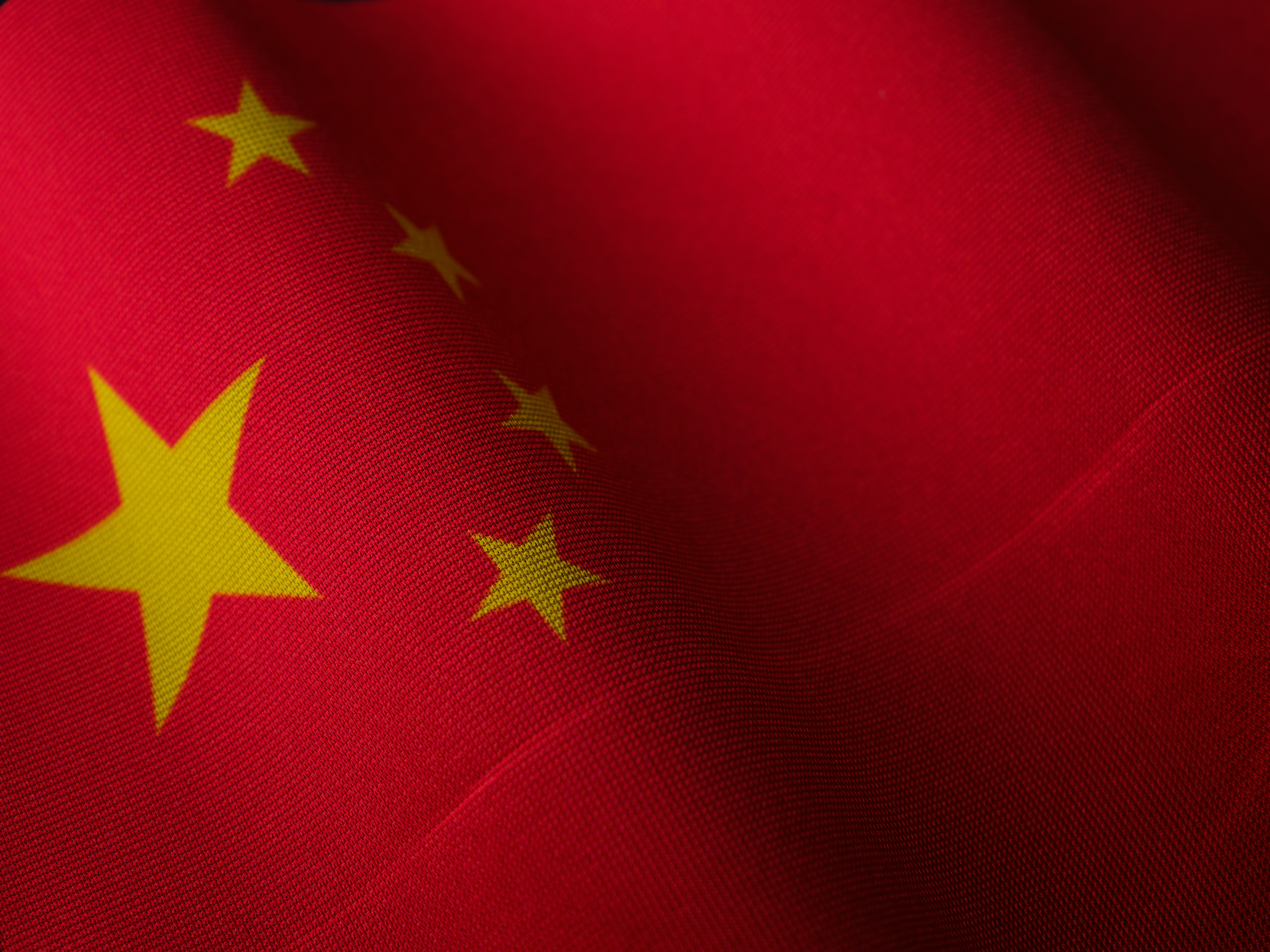
Beijing Breakthrough: Xi Jinping Pledges to Halt Military Aid to Iran and Reopen the Strait of Hormuz
In a major diplomatic pivot that has sent shockwaves through the Middle East, President Donald Trump announced that Chinese President Xi Jinping has personally pledged to help end the spiraling conflict with the Iranian regime. Speaking from Beijing at the conclusion of his historic state visit, the President revealed that China has committed to an immediate cessation of military equipment transfers to Tehran and is now actively seeking a resolution to the global energy crisis. At The Modern Memo, we analyze the “Art of the Deal” on the world stage, the strategic isolation of Iran, and why the reopening of the Strait of Hormuz is now within sight. 1. The Beijing Pledge: Cutting the Cord to Tehran The most explosive revelation from the bilateral meetings is China’s commitment to withdraw its logistical and military support for the Ayatollah’s war machine. No More Weapons: President Trump confirmed that Xi Jinping gave his “absolute word” that China would not provide any military equipment, technology, or dual-use hardware to Iran as long as hostilities persist. Ending the “Dark Fleet”: Sources indicate that the two leaders discussed a coordinated crackdown on “dark fleet” tankers—unmarked vessels that have allowed Iran to bypass American sanctions by selling oil to Chinese refineries. Strategic Reversal: For years, Beijing has acted as a financial and military lifeline for the IRGC. This sudden pivot marks a significant calculation by Xi that his relationship with a resurgent America is more valuable than his partnership with a crumbling regime in Tehran. 2. Reopening the Arteries of Global Trade The President also signaled that China is now aligned with the U.S. goal of restoring order to the world’s most critical maritime chokehold. The Hormuz Mandate: President Trump stated that Xi Jinping “would very much like to see the Strait of Hormuz reopened immediately.” The blockade, a result of the ongoing Operation Epic Fury, has sent global energy costs skyrocketing, impacting China’s manufacturing-heavy economy. Escalation vs. Stability: By advocating for the reopening of the Strait, Xi is effectively telling Iran that China will not tolerate the continued disruption of the global “energy belt.” This removes Tehran’s primary leverage against the West. Freedom of Navigation: The U.S. and China have reportedly agreed to establish a “hotline” to coordinate naval movements in the Gulf to prevent accidental escalations during the de-escalation phase. 3. The Trump Doctrine: Results Through Realism Critics of the administration’s aggressive posture in the Persian Gulf are being silenced as the “Maximum Pressure” campaign yields its biggest fruit yet: a cooperative China. Dealmaking Over Diplomacy: While previous administrations sought “consensus” through multilateral groups, this President leveraged direct trade negotiations and American naval dominance to force Beijing to the table. The “Peace Through Strength” Dividend: Analysts note that the U.S. carrier presence in the region made it clear to Xi that the Iranian conflict would only end on American terms, prompting China to pick the winning side. A Looming Ceasefire? With its largest patron turning its back, the Iranian regime is now more isolated than at any point since 1979. The President noted that “great things are going to happen” regarding a potential ceasefire, suggesting that the “Epic Fury” campaign may be entering its final chapters. Final Word The breakthrough in Beijing is the definitive proof that American leadership is once again the primary engine of global stability. When you look past the noise of “regional instability” and focus on the data—the halting of Chinese military aid and the joint push to reopen the Strait—you gain a clearer picture of a superpower that has successfully outmaneuvered its rivals. Quality information replaces the narrative of “endless war” with the reality of a strategic victory that was won through iron-fisted negotiation and unwavering strength. It allows you to see that while the conflict with Iran isn’t over, the path to peace now runs through a deal made in Beijing. By choosing to bring Xi Jinping into the fold, the President has ensured that the “Strait of Hormuz” remains an international waterway, not an Iranian playground. Where Facts, Context, and Perspective Matter At The Modern Memo, our goal is simple: to provide clear, well-researched reporting in a media landscape that often feels overwhelming. We focus on substance over sensationalism, and context over commentary. If you value thoughtful analysis, transparent sourcing, and stories that go beyond the headline, we invite you to share our work. Informed conversations start with reliable information, and sharing helps ensure important stories reach a wider audience. Journalism works best when readers engage, question, and participate. By reading and sharing, you’re supporting a more informed public and a healthier media ecosystem. The Modern Memo may be compensated and/or receive an affiliate commission if you click or buy through our links. Featured pricing is subject to change. 📩 Love what you’re reading? Don’t miss a headline! Subscribe to The Modern Memo here!
The War at the Pump: Inflation Surges to 3.8% as Middle East Conflict Rattles Energy Markets
The economic fallout from the conflict in Iran has hit American wallets with renewed force. Fresh data from the Bureau of Labor Statistics (BLS) confirms that the Consumer Price Index (CPI) accelerated to a 3.8% annual rate in April, marking the highest jump in nearly three years and underscoring the severe inflationary pressure exerted by the ongoing “Operation Epic Fury.” At The Modern Memo, we analyze the “energy shock” numbers, the ripple effects from the Strait of Hormuz, and why the administration’s battle for lower interest rates just hit a massive, war-torn roadblock. The April Surge: Energy Takes the Lead The April CPI report exceeded market expectations of 3.7%, rising significantly from March’s 3.3%. This marks the second consecutive month where Middle East hostilities have directly translated into higher costs for everyday Americans. Energy Accounting: Energy prices rose 3.8% in April alone, accounting for more than 40% of the total monthly inflation increase. Gasoline Shock: At the pump, the pain is even more acute. Gas prices surged 5.4% for the month and are now up a staggering 28.4% compared to last year. Core Inflation Creep: Even “Core CPI”—which strips out volatile food and energy—rose to 2.8%, signaling that high transportation and power costs are now “bleeding” into other sectors like apparel, household goods, and personal care. The Hormuz Chokehold: Why Prices Are Rising The primary driver of the spike is the continued disruption in the Strait of Hormuz, where one-fifth of the world’s oil supply is currently under threat or blocked. “Totally Unacceptable”: Oil prices spiked again Monday after President Trump rejected Tehran’s latest peace proposal, calling their refusal to dismantle nuclear facilities “totally unacceptable.” The $4 Gallon Reality: The national average for a gallon of gas has officially crossed the $4.00 threshold, a psychological and economic barrier that is already starting to curb consumer spending on non-essentials. Airline Agony: Travel costs have also taken flight, with airfares jumping 20.7% as carriers struggle to absorb the massive spike in jet fuel prices. The Fed Standoff: Will Warsh Pivot? The timing of this “hot” inflation report couldn’t be worse for the President’s hand-picked Federal Reserve nominee, Kevin Warsh, who is expected to be confirmed by Thursday. Pressure for Lower Rates: The administration has been vocal in its campaign for lower interest rates to bolster domestic growth. However, with inflation hitting a three-year high, the “higher-for-longer” camp at the Fed now has significant ammunition to resist any immediate cuts. The Yield Reaction: Treasury yields surged following the release, as markets quickly priced out the possibility of a rate cut at the upcoming June FOMC meeting. Final Word The April inflation report is a sobering reminder that the costs of war are rarely confined to the battlefield. When you look past the noise of “temporary disruptions” and focus on the data—the 3.8% headline rate and the 28.4% jump in gas prices—you gain a clearer picture of an economy that is being held hostage by geopolitical instability. Quality information replaces the “cooling inflation” narrative with the reality of an energy-driven shock that is making life harder for every American family. It allows you to see that while the military campaign against Iran may be yielding strategic results, the financial campaign at home is entering its most difficult phase yet. By choosing to hold the line in the Middle East, the administration has ensured that the “inflation monster” is back, and it’s hungrier than ever. Where Facts, Context, and Perspective Matter At The Modern Memo, our goal is simple: to provide clear, well-researched reporting in a media landscape that often feels overwhelming. We focus on substance over sensationalism, and context over commentary. If you value thoughtful analysis, transparent sourcing, and stories that go beyond the headline, we invite you to share our work. Informed conversations start with reliable information, and sharing helps ensure important stories reach a wider audience. Journalism works best when readers engage, question, and participate. By reading and sharing, you’re supporting a more informed public and a healthier media ecosystem. The Modern Memo may be compensated and/or receive an affiliate commission if you click or buy through our links. Featured pricing is subject to change. 📩 Love what you’re reading? Don’t miss a headline! Subscribe to The Modern Memo here!
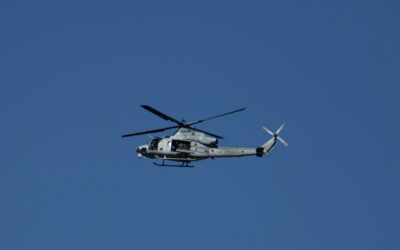
Steel in the Surf: US Helicopter Lands on USS Tripoli as Operation Epic Fury Tightens Grip on Persian Gulf
In a seamless execution of maritime power, a U.S. military heavy-lift helicopter touched down on the deck of the USS Tripoli (LHA-7), marking a critical logistical milestone in the ongoing success of Operation Epic Fury. The maneuver, executed in the volatile waters of the Persian Gulf, served as a vivid display of American naval superiority and tactical readiness. At The Modern Memo, we analyze the strategic significance of the Tripoli’s position, the “Peace Through Strength” doctrine in action, and why the current administration’s refusal to blink has the Iranian regime backed into a corner. The Landing: Precision in a War Zone The landing on the USS Tripoli wasn’t just a routine maneuver; it was a high-stakes delivery of advanced munitions and personnel to the front lines of the “Absolute Anchor” blockade. Mobile Sea Base: The Tripoli, an America-class amphibious assault ship, is acting as a “lightning carrier” in the Gulf. By hosting a fleet of F-35B stealth fighters and heavy-lift helicopters, it allows the U.S. to project power deep into Iranian territory without relying on vulnerable land bases. The “Epic Fury” Momentum: This successful landing follows a week of intense sorties that have neutralized several IRGC “swarm” boats attempting to harass commercial shipping lanes. Operational Readiness: Military observers noted the speed and frequency of the Tripoli’s deck operations, a clear indicator that the U.S. Navy is operating at a peak state of combat readiness not seen in decades. Strategic Dominance in the Persian Gulf While the globalist media frets over “escalation,” the reality on the water tells a different story: the blockade is working, and American naval assets like the Tripoli are the reason why. Suffocating the Regime: Operation Epic Fury has effectively turned the Persian Gulf into a one-way street. The U.S. Navy now controls the flow of energy in the region, ensuring that “dark fleet” tankers can no longer fund the Ayatollah’s regional terrorism. The Carrier Presence: With the Tripoli working in tandem with a full Carrier Strike Group, the U.S. has created an impenetrable wall of steel. The message to Tehran is unmistakable: any attempt to follow through on threats to sink American ships will result in the total annihilation of the Iranian Navy. The Return of American Might The effectiveness of Operation Epic Fury is being hailed by supporters of the President as the definitive return of “Peace Through Strength.” No More Apologies: Unlike the “leading from behind” strategies of previous administrations, the current posture is proactive. The Tripoli’s aggressive positioning in the Gulf shows that the U.S. is no longer asking for permission to protect its interests. High Morale: Reports from the fleet indicate that morale among sailors and Marines is at an all-time high. “They know they have a Commander-in-Chief who has their backs and is playing to win,” one retired Admiral noted. Final Word The landing of a military helicopter on the USS Tripoli is a small but vital data point in a much larger narrative of American victory. When you look past the noise of “diplomatic concerns” and focus on the data—the uncontested movement of U.S. assets and the paralysis of the IRGC—you gain a clearer picture of a superpower that has reclaimed its role as the guardian of the seas. Quality information replaces the narrative of “regional instability” with the reality of a disciplined, overwhelming force that is bringing order to a chaotic corner of the world. It allows you to see that the Tripoli isn’t just a ship; it’s a floating reminder that in the current global landscape, America First means America is everywhere it needs to be. Where Facts, Context, and Perspective Matter At The Modern Memo, our goal is simple: to provide clear, well-researched reporting in a media landscape that often feels overwhelming. We focus on substance over sensationalism, and context over commentary. If you value thoughtful analysis, transparent sourcing, and stories that go beyond the headline, we invite you to share our work. Informed conversations start with reliable information, and sharing helps ensure important stories reach a wider audience. Journalism works best when readers engage, question, and participate. By reading and sharing, you’re supporting a more informed public and a healthier media ecosystem. The Modern Memo may be compensated and/or receive an affiliate commission if you click or buy through our links. Featured pricing is subject to change. 📩 Love what you’re reading? Don’t miss a headline! Subscribe to The Modern Memo here!
Ceasefire Met with Fire: Iran Attacks Two Ships in the Strait After Trump’s Diplomatic Extension
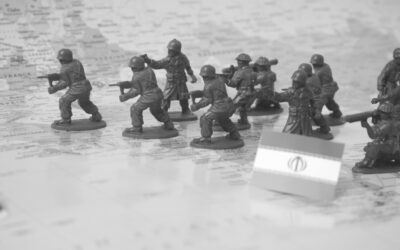
In a chilling display of bad faith, the Islamic Republic has responded to American restraint with renewed aggression. Today, April 22, 2026, just hours after President Trump extended the U.S. ceasefire to allow for a “unified proposal” from Tehran, Iranian forces opened fire on two commercial vessels transiting the Strait of Hormuz. The attack has effectively torpedoed the diplomatic track, leading to the immediate cancellation of high-stakes peace talks previously scheduled for this morning in Islamabad, Pakistan. At The Modern Memo, we analyze the failure of the Iranian regime to choose peace, the tactical details of the morning’s maritime assault, and why the President’s patience with the “Islamabad stalling tactic” has officially reached its limit. The Extension and the Betrayal Late Tuesday evening, the White House announced that the President would extend the current pause on offensive kinetic operations. The goal was simple: give the fractured Iranian leadership a final window to present a serious, unified proposal for the negotiations in Pakistan. The Trump Olive Branch: “I’m giving them one last chance to show they are a real country and not just a collection of terror cells,” the President stated. The Iranian Response: Instead of a proposal, Tehran delivered a provocation. At approximately 8:15 AM local time, Iranian fast-attack craft engaged two tankers—one flying a Liberian flag and the other a Panamanian flag—with heavy machine-gun fire and rocket-propelled grenades. The “Islamabad” Cancellation: As a direct result of the violence, the Pakistani government confirmed that the Wednesday morning sessions have been scrubbed. U.S. negotiators reportedly left the hotel for the airport shortly after the reports of the firing reached Islamabad. On the Water: “Absolute Anchor” Moves to Intercept The U.S. Navy’s 5th Fleet, which has maintained the “Absolute Anchor” blockade throughout the ceasefire, responded immediately to the distress calls. Engagement Details: U.S. destroyers moved to intercept the Iranian craft, which fled back toward the Iranian coastline as soon as American air cover appeared on the horizon. Neither commercial vessel was sunk, but both reported structural damage and minor injuries among the crew. The Ceasefire Paradox: Critics of the extension argue that the “pause” merely allowed the IRGC to reposition its small-boat swarms for this exact type of “hit-and-run” harassment. Force Protection: The Pentagon has issued a notice that the “Ceasefire Extension” does not apply to active defense. “If they fire, we finish it,” a CENTCOM spokesperson noted, signaling that the rules of engagement are shifting back to “Maximum Lethality.” The End of the “Unified Proposal” Myth For weeks, diplomatic circles have held out hope that “moderates” within the Iranian government could rein in the hardline IRGC. Today’s attack proves that theory is a dangerous fantasy. A Regime Divided: The fact that the military fired during a presidential extension suggests that either the Iranian government has no control over its forces, or the “peace talks” were a coordinated ruse from the start. No More Games: Washington insiders suggest the President is “livid” over the betrayal. The narrative of a “unified proposal” is dead; the administration is now pivoting back to the reality that only total maritime and economic asphyxiation will bring Tehran to its knees. Final Word The firing in the Strait of Hormuz is the final nail in the coffin of Iranian “diplomacy.” When you look past the noise of the “cancelled talks” and focus on the data—the unprovoked attack during a ceasefire extension and the cowardly retreat of the IRGC boats—you gain a clearer picture of a regime that is terrified of peace. Quality information replaces the hope of a “negotiated settlement” with the reality of a strategic necessity: the blockade must be tightened until the regime is incapable of even lifting a finger. It allows you to see that the President’s extension wasn’t a sign of weakness, but a final test that Iran failed in spectacular fashion. By choosing to fire today, the mullahs have ensured that the only “unified proposal” they’ll be receiving from Washington is a demand for total surrender. Where Facts, Context, and Perspective Matter At The Modern Memo, our goal is simple: to provide clear, well-researched reporting in a media landscape that often feels overwhelming. We focus on substance over sensationalism, and context over commentary. If you value thoughtful analysis, transparent sourcing, and stories that go beyond the headline, we invite you to share our work. Informed conversations start with reliable information, and sharing helps ensure important stories reach a wider audience. Journalism works best when readers engage, question, and participate. By reading and sharing, you’re supporting a more informed public and a healthier media ecosystem. The Modern Memo may be compensated and/or receive an affiliate commission if you click or buy through our links. Featured pricing is subject to change. 📩 Love what you’re reading? Don’t miss a headline! Subscribe to The Modern Memo here!
Shadow Alliance: U.S. Intel on “High Alert” as China and Russia Eye Resupply of Embattled Iranian Regime
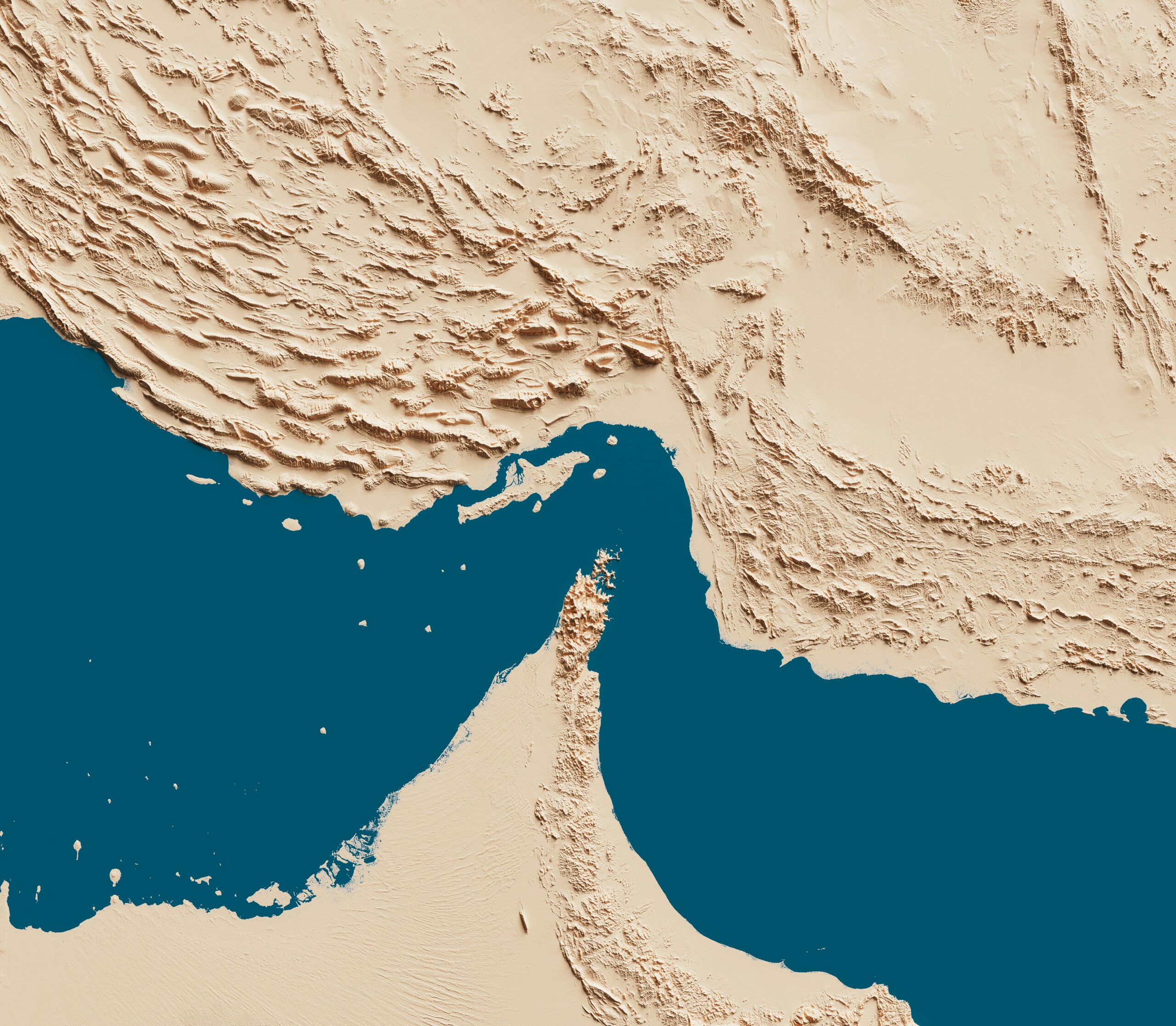
The high-stakes chess match in the Persian Gulf has entered a dangerous new phase. As of April 21, 2026, U.S. intelligence agencies have moved to a state of “high alert” following credible reports that China and Russia are actively exploring ways to bypass the “Absolute Anchor” blockade to resupply the Islamic Republic with advanced military equipment. At The Modern Memo, we analyze the emerging “Axis of Evasion,” the specific hardware Tehran is desperate to acquire, and why the Trump administration is signaling that a secondary blockade of “third-party” suppliers is no longer off the table. The “High Alert” Trigger: Signal Intelligence and Satellite Data The shift in intelligence posture follows a series of “anomalous” maritime and aerial movements detected by U.S. Cyber Command and the National Reconnaissance Office (NRO) over the last 72 hours. The Russian Cargo Surge: U.S. intel has tracked an uptick in Russian heavy-lift transport aircraft moving toward regional hubs in Central Asia, potentially carrying S-400 missile components or electronic warfare suites designed to jam U.S. naval assets. The “Dual-Use” Chinese Pipeline: Despite President Xi’s recent “letter of assurance” to the White House, analysts warn that Chinese state-linked firms are preparing shipments of “civilian” drone components and high-end semiconductors that can be rapidly repurposed for Iranian “suicide” drone swarms. The Intelligence Consensus: “We are seeing the early stages of a coordinated resupply effort,” a senior intelligence official remarked. “Moscow and Beijing realize that if Iran collapses under this blockade, their primary ‘spoiler’ in the Middle East is gone.” Desperation in Tehran: The Hardware Shopping List After nearly a month of surgical U.S. strikes and a crushing naval blockade, the Iranian military’s “offensive teeth” are nearing a breaking point. To survive, the regime is reportedly begging its northern and eastern “partners” for specific gear. Anti-Ship Missiles: Tehran is desperate for Russian Yakhont or Chinese YJ-series supersonic missiles to counter the U.S. destroyers currently “policing” the Strait of Hormuz. Air Defense Reconstitution: With their domestic air defenses largely neutralized during the initial “kinetic” phase of the conflict, the mullahs are seeking immediate replacements to protect what remains of their nuclear infrastructure. The “Shadow” Resupply: Intelligence suggests the regime is attempting to use “third-party” shell companies in Southeast Asia to mask the origin of these shipments—a tactic the Trump administration has vowed to meet with immediate sanctions. The Washington Response: Secondary Blockades and 50% Tariffs The President has been clear: any nation that fuels the Iranian fire will get burned by American economic and military might. Expanding the Blockade: The Pentagon is reportedly drafting contingency plans to intercept any vessel—regardless of flag—suspected of carrying contraband military cargo to Iran. This would represent a significant expansion of the “Absolute Anchor” mission. The Tariff Hammer: The White House has reiterated that the 50% “Conflict Tariff” remains a “loaded gun” on the desk. If China is caught red-handed supplying the IRGC, the economic fallout for Beijing would dwarf anything seen in the 2018 trade wars. Final Word The “High Alert” status of our intelligence community is a necessary response to a world where our adversaries only respect strength. When you look past the noise of “diplomatic cooperation” and focus on the data—the satellite tracking of Russian transports and the desperate Iranian shopping list—you gain a clearer picture of a regime that is only still breathing because it hopes for a foreign lifeline. Quality information replaces the hope of a “peaceful resolution” with the reality of a strategic struggle that requires total American vigilance. It allows you to see that the blockade isn’t just about ships in the water; it’s about holding the line against a global alliance of radicals. By choosing to stay on “High Alert,” the U.S. is ensuring that if China or Russia try to break the anchor, they’ll be the ones who end up sinking. Where Facts, Context, and Perspective Matter At The Modern Memo, our goal is simple: to provide clear, well-researched reporting in a media landscape that often feels overwhelming. We focus on substance over sensationalism, and context over commentary. If you value thoughtful analysis, transparent sourcing, and stories that go beyond the headline, we invite you to share our work. Informed conversations start with reliable information, and sharing helps ensure important stories reach a wider audience. Journalism works best when readers engage, question, and participate. By reading and sharing, you’re supporting a more informed public and a healthier media ecosystem. The Modern Memo may be compensated and/or receive an affiliate commission if you click or buy through our links. Featured pricing is subject to change. 📩 Love what you’re reading? Don’t miss a headline! Subscribe to The Modern Memo here!
‘Cheering for the Enemy’: Calls for Censure Mount After Senator Chris Murphy’s One-Word Reaction to Iranian Threats
The political firestorm in Washington reached a fever pitch today, April 21, 2026, as legal experts and GOP lawmakers leveled accusations of “betrayal” against Senator Chris Murphy (D-CT). The controversy stems from a social media reaction in which Murphy appeared to offer a one-word endorsement of a post detailing the Iranian regime’s latest threats against the U.S. Navy. At The Modern Memo, we analyze the fallout from the “Murphy Post,” the mounting calls for a formal Senate censure led by Mike Davis, and why critics say the Democratic Party is struggling to decide which side they are on during a time of war. The Post Heard ‘Round the Beltway The controversy ignited late yesterday after an account detailed the Iranian Revolutionary Guard’s (IRGC) claims that they could “sink the American fleet” enforcing the current naval blockade. Senator Murphy’s one-word response—widely interpreted as a “cheer” for the sentiment—sent shockwaves through a capital already on edge. The Reaction: While Murphy’s office later claimed the post was “taken out of context” or a “misinterpretation” of his diplomatic stance, the optics of a sitting U.S. Senator appearing to validate the threats of a rogue regime have proven disastrous. The “Traitor” Label: Social media exploded with the hashtag #TraitorMurphy, as veterans and military families expressed outrage that a member of the Senate Foreign Relations Committee would offer even a hint of solidarity with the mullahs in Tehran. awesome https://t.co/nRj1trI3rF — Chris Murphy 🟧 (@ChrisMurphyCT) April 20, 2026 Mike Davis Leads the Charge for Censure Renowned legal analyst and Article III Project founder Mike Davis did not mince words this morning, calling for the Senate to immediately take up a vote of censure against the Connecticut Democrat. “Cheering for the Enemy”: Davis characterized Murphy’s actions as “unforgivable” during an active military blockade. “Chris Murphy is openly cheering for America’s enemy during a time of war,” Davis stated. “This isn’t ‘dissent’; it’s a dereliction of duty that endangers our sailors in the Persian Gulf.” The Constitutional Question: Legal experts aligned with the administration are citing the 14th Amendment’s provisions regarding “aid and comfort” to enemies, arguing that Murphy’s public posturing provides a propaganda victory for the IRGC at a moment when the U.S. Navy is facing kinetic threats. A Divided Senate: The Democratic Dilemma The Murphy controversy has placed Senate Majority Leader Chuck Schumer in an impossible position, as the “progressive” wing of the party continues to criticize the President’s “Absolute Anchor” blockade. The Soft-on-Tehran Legacy: Critics argue that Murphy’s reaction is merely the “mask slipping” from a Democratic establishment that has spent years advocating for the appeasement of Iran through failed nuclear deals and unfrozen assets. The Censure Vote: Republicans are expected to introduce a formal resolution of censure by the end of the week. While it requires a simple majority to pass, it forces vulnerable Democrats in swing states to go on the record: do they stand with their colleague, or do they stand with the American servicemen currently being threatened by Iranian missiles? Final Word The Chris Murphy scandal is a sobering reminder that the most dangerous threats to American resolve often come from within our own halls of power. When you look past the noise of “social media misunderstandings” and focus on the data—the timing of the post during an active blockade and the immediate condemnation from constitutional experts like Mike Davis—you gain a clearer picture of a political class that has forgotten who the enemy is. Quality information replaces the excuse of “diplomatic nuance” with the reality of a Senator who seems more comfortable with the rhetoric of Tehran than the resolve of Washington. It allows you to see that a censure isn’t just about punishment; it’s about restoring the standard that in a time of conflict, there is no room for “one-word” betrayals. By choosing to hold Murphy accountable, the Senate has the chance to prove that America’s sovereignty is not up for debate—online or otherwise. Where Facts, Context, and Perspective Matter At The Modern Memo, our goal is simple: to provide clear, well-researched reporting in a media landscape that often feels overwhelming. We focus on substance over sensationalism, and context over commentary. If you value thoughtful analysis, transparent sourcing, and stories that go beyond the headline, we invite you to share our work. Informed conversations start with reliable information, and sharing helps ensure important stories reach a wider audience. Journalism works best when readers engage, question, and participate. By reading and sharing, you’re supporting a more informed public and a healthier media ecosystem. The Modern Memo may be compensated and/or receive an affiliate commission if you click or buy through our links. Featured pricing is subject to change. 📩 Love what you’re reading? Don’t miss a headline! Subscribe to The Modern Memo here!
“Completely Open”: Trump Declares Freedom of Navigation for Allies While Iranian Ports Remain Under Lockdown
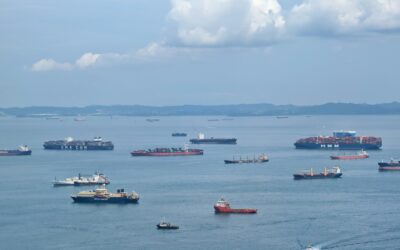
In a display of strategic dominance that has redefined maritime security, President Trump declared today, April 17, 2026, that the Strait of Hormuz is “completely open” for global commerce. The announcement serves as a victory lap for the administration’s “Absolute Anchor” policy—a surgical naval operation that has successfully bifurcated the region’s waters: keeping the world’s energy lanes flowing while keeping the Iranian regime’s war machine in a total chokehold. At The Modern Memo, we analyze the “dual-track” success of the U.S. Navy, the failure of Tehran’s “closure” threats, and why the President is calling this the “greatest stabilization of the Gulf in fifty years.” Freedom for Commerce, Lockdown for Rogue Trade The President’s morning briefing from the Oval Office clarified what many international observers were struggling to grasp: the blockade is not a “blanket” closure of the region, but a high-tech filter designed to punish the aggressor while rewarding global partners. The Open Gate: Tankers bound for Europe, Japan, and the UAE are moving through the Strait of Hormuz with U.S. Navy escorts, ensuring that oil prices—which spiked earlier this month—continue their steady decline toward pre-war levels. The Iranian Lockdown: Conversely, the blockade of Iranian-specific ports remains “ironclad.” Every vessel entering or exiting Iranian waters is being intercepted, boarded, or turned back. “The world gets its energy, but the mullahs don’t get their cash,” the President noted. Technological Superiority: The U.S. 5th Fleet is utilizing advanced drone swarms and satellite “dark-ship” tracking to ensure that no “ghost tankers” can slip through the cracks to fund the IRGC. Calling Tehran’s Bluff Just days ago, the Iranian leadership vowed to turn the Persian Gulf into a “graveyard” for American ships. Today, those threats appear increasingly hollow as the U.S. Navy continues its uncontested “policing” of the Strait. Hollow Retaliation: Despite the rhetoric of “sinking ships,” the Iranian Navy has largely remained in port, unwilling to face the Aegis-equipped destroyers that now sit at the mouth of the Strait. The “Police” of the Gulf: President Trump leaned into the “Police” label that Iranian officials meant as an insult. “They call me the policeman of the Strait. I like that. It’s a good title. We’re keeping the neighborhood safe from the neighborhood bully,” he told reporters. The Economic Pivot: Oil Prices Stabilize The “Completely Open” status of the Strait has sent a powerful signal to global markets, effectively neutralizing the “energy blackmail” that Iran has used as leverage for decades. Market Confidence: Brent crude futures dropped another $4.00 per barrel following the President’s statement, as insurance underwriters began lowering “War Risk” premiums for non-Iranian vessels. The Beijing Factor: By keeping the Strait open for Chinese-bound tankers (provided they aren’t carrying Iranian oil), Trump has successfully de-escalated tensions with Beijing ahead of the May summit. China, the world’s largest energy importer, now has a vested interest in the success of the U.S. maritime security plan. Final Word The “Completely Open” Strait of Hormuz is the ultimate manifestation of “Peace Through Strength.” When you look past the noise of “regional escalation” and focus on the data—the unimpeded flow of allied tankers and the total paralysis of Iranian exports—you gain a clearer picture of a superpower that has mastered the art of calibrated force. Quality information replaces the fear of a “global energy crisis” with the reality of a disciplined naval blockade that targets the regime without punishing the world. It allows you to see that the Strait isn’t just a waterway; it’s a testament to American resolve. By choosing to hold the Iranian ports while freeing the Strait, the President has ensured that the only thing “closed” in the Middle East is the door to state-sponsored terror. Where Facts, Context, and Perspective Matter At The Modern Memo, our goal is simple: to provide clear, well-researched reporting in a media landscape that often feels overwhelming. We focus on substance over sensationalism, and context over commentary. If you value thoughtful analysis, transparent sourcing, and stories that go beyond the headline, we invite you to share our work. Informed conversations start with reliable information, and sharing helps ensure important stories reach a wider audience. Journalism works best when readers engage, question, and participate. By reading and sharing, you’re supporting a more informed public and a healthier media ecosystem. The Modern Memo may be compensated and/or receive an affiliate commission if you click or buy through our links. Featured pricing is subject to change. 📩 Love what you’re reading? Don’t miss a headline! Subscribe to The Modern Memo here!
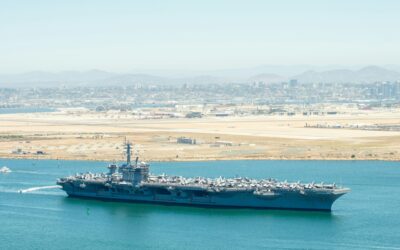
Hollow Threats: Tehran Vows to Sink U.S. Navy as Trump’s Blockade Strangles Rogue Regime
As President Trump’s naval blockade enters its fourth decisive day, the desperate regime in Tehran has resorted to its oldest tactic: bluster. On Thursday, April 16, 2026, Mohsen Rezaei, a top military adviser to Iran’s Supreme Leader, issued a provocative threat to sink U.S. warships currently patrolling the Strait of Hormuz. At The Modern Memo, we analyze the failure of Iranian deterrence, the “hostage-for-billions” extortion plot, and why the U.S. Navy remains the undisputed “Police of the Gulf.” The “Missile Threat” Myth Dressed in military fatigues on state television, Rezaei—a former Revolutionary Guard commander—warned that U.S. ships are “exposed to our missiles” and would be “sunk by our first strikes.” The Reality on the Water: Despite the rhetoric, U.S. Central Command (CENTCOM) confirms the blockade is “fully implemented” and 100% effective. In the first 72 hours, not a single vessel has breached the line. The “Police” of the Strait: Rezaei mocked President Trump’s role as the “Police of the Strait of Hormuz,” asking if this was truly the job of a powerful army. The answer from Washington is a resounding yes. By securing the world’s most vital energy artery, the U.S. is protecting the global economy from Iranian piracy. Desperate Extortion: The $1 Billion Hostage Plot Perhaps most revealing was Rezaei’s admission that the regime is hoping for a U.S. ground invasion. Why? Because the Islamic Republic is running out of cash and looking for new victims to kidnap. Billion-Dollar Ransom: Rezaei stated it would be “great” if U.S. forces invaded because Iran could “take thousands of hostages” and demand $1 billion per person. The Strategy of Terror: This open admission of state-sponsored kidnapping proves that the regime is no longer a functioning government, but a criminal enterprise. The Trump administration’s refusal to put boots on the ground—opting instead for the “Absolute Anchor” naval blockade—has left the mullahs with no one to capture and no way to pay their bills. Diplomacy is Dead: The Islamabad Failure The current escalation follows the total collapse of the Islamabad talks earlier this week. Iran’s rejection of a ceasefire has left them in a self-imposed “quarantine.” Economic Asphyxiation: Analysts estimate the blockade is costing Tehran $400 million a day in lost revenue. The May Deadline: With a historic summit between President Trump and President Xi looming in May, Iran is watching its last global lifelines vanish. Beijing has already signaled it will prioritize energy stability over propping up a failing revolutionary state. Final Word Iran’s threat to sink American ships is the bark of a cornered animal. When you look past the noise of “missile warnings” and focus on the data—the zero breaches of the blockade and the regime’s desperate plea for a ground war to take hostages—you gain a clearer picture of an enemy that has lost the initiative. Quality information replaces the fear of “escalation” with the reality of an administration that has successfully neutered a rogue state without firing a single shot on land. It allows you to see that “policing” the Strait isn’t just a job; it’s a necessity for a world that refuses to be held hostage by 20th-century radicals. By choosing to hold the line, the U.S. Navy is ensuring that the only thing sinking in the Persian Gulf is the regime’s hope for survival. Where Facts, Context, and Perspective Matter At The Modern Memo, our goal is simple: to provide clear, well-researched reporting in a media landscape that often feels overwhelming. We focus on substance over sensationalism, and context over commentary. If you value thoughtful analysis, transparent sourcing, and stories that go beyond the headline, we invite you to share our work. Informed conversations start with reliable information, and sharing helps ensure important stories reach a wider audience. Journalism works best when readers engage, question, and participate. By reading and sharing, you’re supporting a more informed public and a healthier media ecosystem. The Modern Memo may be compensated and/or receive an affiliate commission if you click or buy through our links. Featured pricing is subject to change. 📩 Love what you’re reading? Don’t miss a headline! Subscribe to The Modern Memo here!

Direct Diplomacy: Trump Secures Weapons Vow from Xi as U.S. Tightens Iranian Blockade
In a high-stakes exchange of private correspondence, President Trump revealed today, April 15, 2026, that he has secured a personal assurance from Chinese President Xi Jinping that Beijing is not supplying weapons to the Islamic Republic. The revelation comes as the U.S. military reports the “full implementation” of its naval blockade, effectively cutting off Iran’s maritime trade routes and forcing the regime into a corner. At The Modern Memo, we analyze the 50% tariff ultimatum that forced the letter, the President’s “Big, Fat Hug” prediction for his upcoming Beijing summit, and why the reopening of the Strait of Hormuz is the ultimate leverage. The Letter: “Essentially, He’s Not Doing It” During an interview with Fox Business Network’s Mornings with Maria, President Trump confirmed he initiated the exchange after reports surfaced over the weekend that a shipment of dual-use technologies and component parts was making its way from China to Iran. The Demand: “I wrote him a letter asking him not to do that,” Trump said, referring to the potential arming of the Iranian regime during the current conflict. The Response: According to the President, Xi responded with a letter stating that China was not supplying Tehran. “He wrote me a letter saying that, essentially, he’s not doing that,” Trump noted, characterizing the exchange as a win for American deterrence. The Tariff Stick: The diplomatic outreach was backed by a massive threat issued last week: any country caught supplying Iran with weapons faces an immediate 50% tariff on all exports to the United States. The Blockade: Strategic Suffocation While the letters suggest a diplomatic thaw, the reality on the water remains a “maximum pressure” environment. The U.S. naval blockade of Iranian ports is now fully operational, successfully halting the “dark transits” that previously provided the regime with vital cash. Trade Halted: U.S. Central Command confirmed on Wednesday that trade in and out of Iran by sea has been completely neutralized. The Strait of Hormuz: In a follow-up post on Truth Social, the President claimed he is “permanently opening” the Strait of Hormuz, a move he says “China is very happy about.” Energy Leverage: “He’s somebody that needs oil. We don’t,” Trump remarked, highlighting that the U.S. position of energy independence allows it to dictate terms in the Gulf that Beijing is forced to accept. Looking Toward May: The Beijing Summit The exchange of letters is seen as the groundwork for a critical face-to-face meeting between Trump and Xi scheduled for May 14–15 in Beijing. The Relationship Factor: Despite the tensions over Iran, the President maintained his optimistic tone regarding his Chinese counterpart. “President Xi will give me a big, fat, hug when I get there in a few weeks,” Trump posted, suggesting that China recognizes the U.S. as the primary stabilizer in the Middle East. The Goal: The administration’s objective for the May summit is reportedly to formalize China’s “constructive role” in ending the war, ensuring that Tehran has no remaining global lifelines. Final Word The Trump-Xi correspondence is the definitive proof that the “America First” strategy of tariffs and blockades is producing results. When you look past the noise of “diplomatic concerns” and focus on the data—the full implementation of the naval blockade and the weapons-freeze vow from Beijing—you gain a clearer picture of an administration that has successfully pulled China off the sidelines and onto the side of stability. Quality information replaces the fear of a “Great Power conflict” with the reality of a superpower that understands how to use its market and military might to secure peace. It allows you to see this letter not as a polite request, but as a recognition of a new global reality: the era of rogue states being propped up by secret shipments is over. By choosing to stand firm, the U.S. has ensured that the road to peace in the Middle East now runs through Washington. Where Facts, Context, and Perspective Matter At The Modern Memo, our goal is simple: to provide clear, well-researched reporting in a media landscape that often feels overwhelming. We focus on substance over sensationalism, and context over commentary. If you value thoughtful analysis, transparent sourcing, and stories that go beyond the headline, we invite you to share our work. Informed conversations start with reliable information, and sharing helps ensure important stories reach a wider audience. Journalism works best when readers engage, question, and participate. By reading and sharing, you’re supporting a more informed public and a healthier media ecosystem. The Modern Memo may be compensated and/or receive an affiliate commission if you click or buy through our links. Featured pricing is subject to change. 📩 Love what you’re reading? Don’t miss a headline! Subscribe to The Modern Memo here!
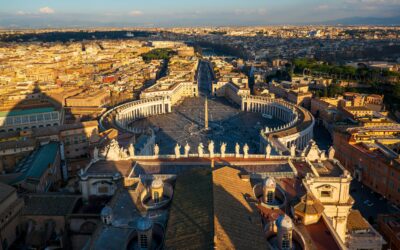
The President vs. The Pontiff: Trump Slams Pope Leo XIV as “Weak on Crime” in Global War of Words
In a clash that has pitted the world’s most powerful political office against its most significant spiritual one, President Trump and Pope Leo XIV are locked in a public and unprecedented war of words. The feud, which erupted today, April 13, 2026, centers on a sharp ideological divide over the ongoing conflict in Iran and the administration’s “Zero-Tolerance” domestic agenda. At The Modern Memo, we analyze the President’s “Foreign Policy” rebuke, the Vatican’s critique of the Iran blockade, and why the administration is doubling down on national sovereignty over globalist sentiment. The Rebuke: “Weak on Crime and Global Safety” The President did not hold back after the Pope issued a scathing “Urbi et Orbi” address from St. Peter’s Square, in which the Pontiff characterized the U.S. Navy’s 10:00 AM blockade of Iran as a “strangulation of the innocent.” The Trump Response: Taking to Truth Social, the President fired back, labeling the Pope “weak on crime” and “terrible for foreign policy.” He argued that the Vatican’s “open border” philosophy is exactly what has led to the destabilization of Western Europe. National Security First: “I have great respect for the Church, but we are running a country, not a parish,” the President told reporters. He emphasized that his first duty is to the safety of American citizens, not to the approval of a “globalist” Vatican that he claims has lost touch with the reality of rogue-state threats. The Conflict over Iran: “Just War” vs. “Total Blockade” Pope Leo XIV has emerged as the most vocal critic of Operation Absolute Anchor, the U.S.-led blockade of the Iranian coastline. The Vatican’s Critique: The Pope argued that the total blockade constitutes a “moral failure” that will lead to widespread famine. He called for an immediate return to the negotiating table in Islamabad. The Administration’s Reality: In Washington, officials were quick to point out the hypocrisy of the Pope’s stance, noting that 21 hours of face-to-face negotiations were already rejected by Tehran. “The Pope is advocating for a status quo that allows Iran to build nuclear weapons,” Secretary of State Marco Rubio remarked, noting that a “just peace” requires the total disarmament of terrorists. The Immigration Crackdown: Sovereignty at the Altar Beyond the war in the Middle East, the tension is fueled by the administration’s aggressive “Birthright Battle” and mass deportation initiatives. Compassion vs. Rule of Law: The Pope criticized the administration’s immigration crackdowns as “antithetical to the spirit of welcoming the stranger.” Trump’s Defense: The President remains steadfast, arguing that his “immigration reform” is about protecting the American worker and the sanctity of the legal system. He noted that the Vatican itself is a walled city with “extremely strict” entry requirements, suggesting the Pontiff should “practice what he preaches” regarding borders. Final Word The “Pope vs. President” showdown is the ultimate collision between utopian ideals and hard-nosed realism. When you look past the noise of “spiritual condemnation” and focus on the data—the collapse of the Islamabad talks and the necessity of the maritime blockade—you gain a clearer picture of an administration that refuses to let the safety of the American people be compromised by theological pressure. Quality information replaces the guilt-tripping of the Vatican with the clarity of national duty. It allows you to see that “Defender of the Border” is a title that carries more weight in 2026 than “Defender of the Faith” does in the eyes of a sovereign nation. By choosing to stand with the President, you are choosing a leader who puts his own people’s survival above the applause of the international elite. Where Facts, Context, and Perspective Matter At The Modern Memo, our goal is simple: to provide clear, well-researched reporting in a media landscape that often feels overwhelming. We focus on substance over sensationalism, and context over commentary. If you value thoughtful analysis, transparent sourcing, and stories that go beyond the headline, we invite you to share our work. Informed conversations start with reliable information, and sharing helps ensure important stories reach a wider audience. Journalism works best when readers engage, question, and participate. By reading and sharing, you’re supporting a more informed public and a healthier media ecosystem. The Modern Memo may be compensated and/or receive an affiliate commission if you click or buy through our links. Featured pricing is subject to change. 📩 Love what you’re reading? Don’t miss a headline! Subscribe to The Modern Memo here!