

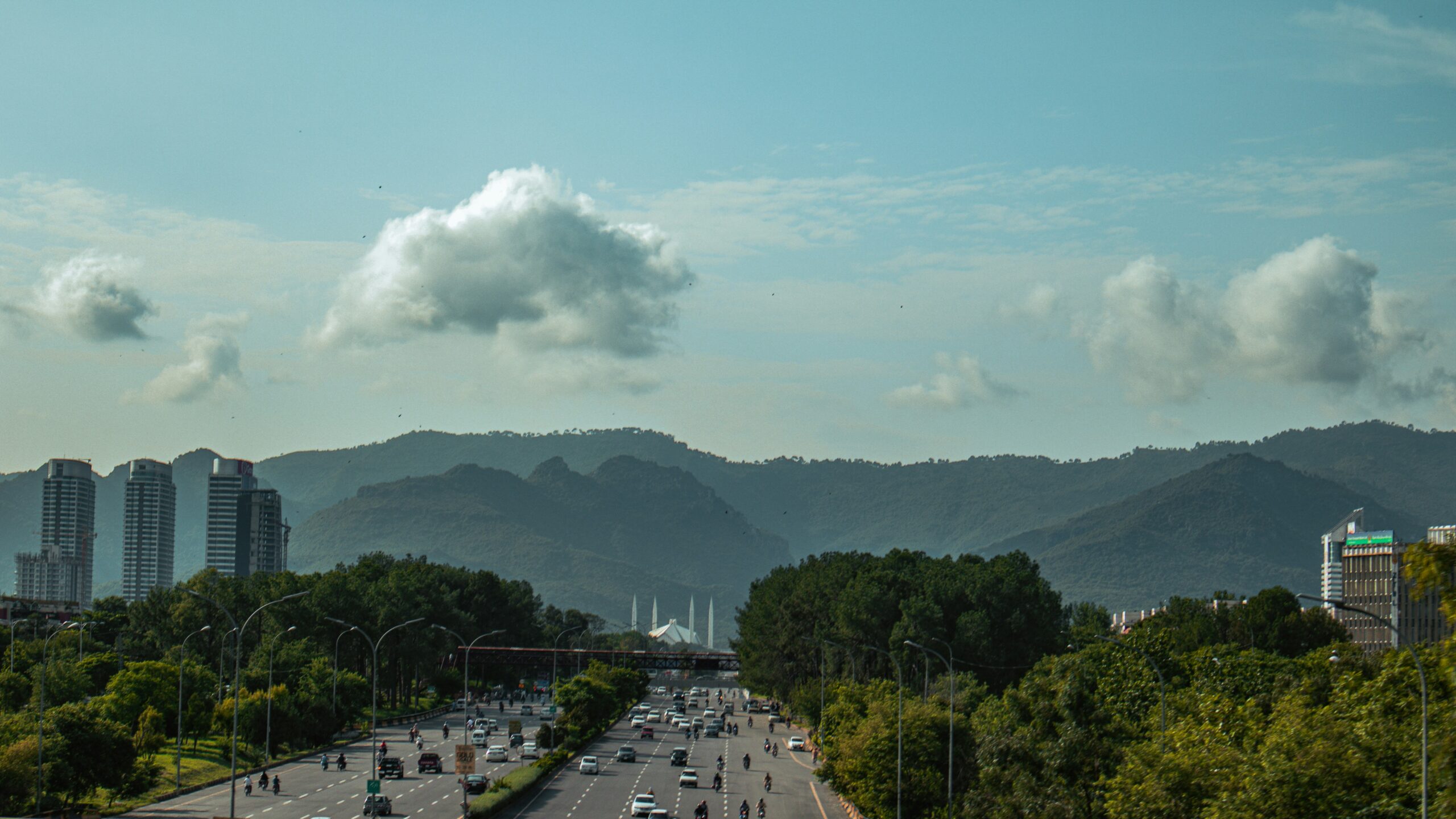
In a stunning vindication of the administration’s “Maximum Pressure” doctrine, the United States, Israel, and the Islamic Republic of Iran have officially ratified a two-week ceasefire. Dubbed the “Islamabad Accord,” the agreement was finalized today, April 8, 2026, following high-stakes mediation in Pakistan. The move brings a halt to a “civilizational” conflict that many feared would ignite a global firestorm, but which instead appears to have resulted in a total tactical victory for the U.S.-Israeli coalition.
At The Modern Memo, we analyze the 10-point framework that paused the war, the reopening of the world’s most vital energy artery, and why the “Islamabad” breakthrough happened only after the regime’s military teeth were pulled.
The 11th Hour Deal: Negotiating from Absolute Power
The accord comes just hours after President Trump’s “8 PM Deadline” threatened the total destruction of the regime’s remaining infrastructure. The President announced the breakthrough early this morning, characterizing the ceasefire as a result of undeniable American military superiority.
-
A “Workable” Basis: The President revealed that the U.S. accepted a proposal from Tehran as a “workable basis” for long-term peace. “We have already met and exceeded all Military objectives,” Trump stated. Military analysts point to the fact that with 90% of Iran’s missile launchers already neutralized, the regime was left with zero leverage.
-
The “Islamabad” Venue: Official delegations are scheduled to arrive in Pakistan this Friday, April 10, to begin hammering out a permanent settlement. The choice of venue highlights Pakistan’s emerging role as a regional stabilizer capable of facilitating dialogue between Washington and Tehran.
Reopening the Strait: A Win for Global Markets
The most immediate impact of the Islamabad Accord is the restoration of transit through the Strait of Hormuz, which had been effectively shuttered during the kinetic phase of the war.
-
Ending the Blockade: Iranian Foreign Minister Abbas Araghchi confirmed that safe passage is now being restored. For the American consumer, this is the definitive end to “war-pricing” at the pump.
-
The “Peace Dividend”: Global energy markets reacted instantly to the news, with crude prices plummeting nearly 13% as the threat of a prolonged blockade evaporated.
-
Strategic Oversight: While the Strait is “open,” U.S. carrier groups remain on high alert. The administration has made it clear that any attempt by the IRGC to harass commercial shipping during the two-week window will be met with immediate, overwhelming force.
The “Fragile” Peace: The Lebanon Factor
Despite the high-level handshake, the Islamabad Accord is being described by White House insiders as a “fragile truce” that depends entirely on Iranian compliance.
-
The Israeli Clarification: Prime Minister Benjamin Netanyahu issued a stark reminder today: the deal with Iran does not cover the IDF’s ongoing operations against Hezbollah in Lebanon. “We will continue to dismantle the proxy shield,” Netanyahu stated, as Israeli strikes continued to target command centers in Tyre.
-
The Uranium Ultimatum: Defense Secretary Pete Hegseth maintained a hard line, stating that while the bombing of infrastructure has paused, the U.S. objective remains the total surrender of Iran’s highly enriched uranium.
Final Word
The Islamabad Accord is a masterclass in the application of “Maximum Pressure” followed by “Maximum Diplomacy.” When you look past the noise of “ceasefire” headlines and focus on the data—the neutralization of the Iranian missile threat and the restoration of global energy lanes—you gain a clearer picture of a conflict that was won before the diplomats even sat down.
Quality information replaces the fear of a “quagmire” with the reality of a surgical, high-intensity victory that has brought a rogue state to its knees. By choosing to back a strategy of strength, the U.S. has ensured that this peace was bought not with concessions, but with courage.
Where Facts, Context, and Perspective Matter
At The Modern Memo, our goal is simple: to provide clear, well-researched reporting in a media landscape that often feels overwhelming. We focus on substance over sensationalism, and context over commentary.
If you value thoughtful analysis, transparent sourcing, and stories that go beyond the headline, we invite you to share our work. Informed conversations start with reliable information, and sharing helps ensure important stories reach a wider audience.
Journalism works best when readers engage, question, and participate. By reading and sharing, you’re supporting a more informed public and a healthier media ecosystem.
The Modern Memo may be compensated and/or receive an affiliate commission if you click or buy through our links. Featured pricing is subject to change.
Subscribe to The Modern Memo here!
