Lifestyle
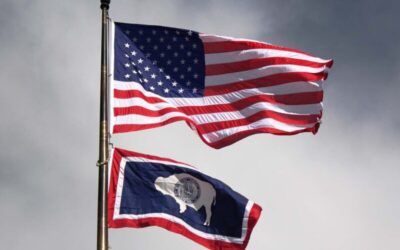
Wyoming Rancher Defies Age to Raise Giant U.S. Flag
On August 31, 2025, Cowboy State Daily shared a story by writer Andrew Rossi that has already inspired thousands. It told of Darcel Hulse, a 78-year-old rancher from Star Valley, Wyoming, who scaled a 130-foot flagpole to restore the massive American flag that flies above his land. This story captures more than a single act of grit. It’s about patriotism, perseverance, and the bond between a community and the symbol that unites it. Hulse’s climb was an act of conviction—his personal stand for America and the freedoms he treasures. A Patriotic Stand Hulse first raised the towering flagpole in September of last year. The massive 1,500-square-foot, 50-by-30-foot banner was his way of making a statement. He wanted people to know that, despite the turbulence of the times, there are still Americans willing to boldly proclaim their love for this country. The flag quickly became a landmark. Locals could see it from miles away. Visitors stopped to admire it. And for Hulse, it became a mission. He considered it his duty to let the Stars and Stripes wave high and visible over the valley. Storm Damage and Determination When fierce winds ripped through the area this summer, the ropes that held the flag snapped. For a time, the pole stood bare. That was unacceptable to Hulse. Instead of waiting for someone else to handle it, he hired a crane and went up himself—130 feet into the Wyoming sky. (MORE NEWS: Popular Amazon Prime Program Ending Oct. 1) Most men his age might hesitate. Hulse didn’t. “I’m not afraid of heights,” he said, brushing off concerns. His family and ranch hands admitted they weren’t so fearless, but he never considered asking them to take his place. His daughter, Amy Rhodes, even offered to go up, but he reminded her that as a mother of five, she had far too much at stake. So he strapped in and did the job himself. Free Speech and Family Pride Rhodes recorded the climb and posted it online. The video quickly gained 2.2 million views, spreading far beyond Star Valley, Wyoming. Viewers around the country responded with words of admiration, encouragement, and gratitude. Hulse said he put the flag up to show his love for America and to make a stand against negativity. Each wave of the banner in the Wyoming wind was his way of saying: freedom matters, and so does the right to express it. A Community’s Flag What makes the story powerful is how the community embraced it. When the flag went down after the storm, neighbors called to ask what had happened. People said things like, “Where’s our flag?” and “What happened to our flag?” It wasn’t just Hulse’s project anymore. It belonged to everyone in Star Valley. When the flag went back up, it wasn’t just one man’s triumph—it was a community’s joy. This shared pride turned a simple piece of fabric into something greater: a living reminder of unity and resilience. Ranching, Roots, and Patriotism Hulse’s story isn’t only about the flag. It’s about roots, land, and the values that come with them. After years in California raising his family, he returned to the Mountain West in 2009. By 2018, he had purchased the Salt River Ranch, a working cattle operation that also sells premium, dry-aged beef across the nation. Amy Rhodes runs the marketing side of the business, ensuring the beef reaches customers who care about quality. Hulse credits her for its success. He calls himself the rancher, while she is the strategist. Together, they’ve built a business that reflects the same pride and integrity shown in that flagpole climb. A Flag That Never Sleeps On the ranch, smaller flags line the fences, and solar-powered lights keep the massive flag illuminated through the night. Hulse once considered lowering the banner in winter, but the family decided otherwise. The Stars and Stripes now wave year-round, visible in sunshine, snow, and everything in between. For Hulse, it is worth the effort. He hopes the stronger ropes he installed will prevent more climbs, but he doesn’t shy away from the possibility. His determination sends a message: when something matters deeply, you don’t quit—you adapt, endure, and keep it flying. (MORE NEWS: Noctourism: The Rise of Travel After Dark and How to Do It) Why It Matters Stories like this remind us why symbols matter. A flag isn’t just fabric on a pole. In the right hands, it becomes a voice. For Hulse, it is the voice of free speech, the voice of community pride, and the voice of a man unwilling to let age or circumstance silence him. Hulse’s story captures the American spirit beautifully, and it resonates far beyond Wyoming. It makes people pause, smile, and remember that patriotism can still look bold, unapologetic, and inspiring. Final Word Darcel Hulse showed America that courage doesn’t retire. By climbing that 130-foot flagpole and raising a massive American flag over Star Valley, he demonstrated that love of country can still move a person to extraordinary action. The flag he raised is a banner of hope, unity, and freedom. It belongs to him, to his community, and in many ways, to all of us who believe in the ideals it represents. The flag above Star Valley, Wyoming waves again—high, proud, and free. Forget the narrative. Reject the script. Share what matters. At The Modern Memo, we call it like it is — no filter, no apology, no corporate leash. If you’re tired of being lied to, manipulated, or ignored, amplify the truth. One share at a time, we dismantle the media machine — with facts, boldness, and zero fear. Stand with us. Speak louder. Because silence helps them win.

Noctourism: The Rise of Travel After Dark and How to Do It
Noctourism offers a fresh way to travel. It invites people to explore the world after night falls. It shifts tourism from daylight into moonlight. This growing trend delivers unique experiences. It sparks curiosity. And it offers a new edge in a crowded travel market. What Is Noctourism? Noctourism means sightseeing after dark. It includes stargazing, night safaris, evening city tours, and guided walks. Travelers trade daytime crowds for quiet nights. They seek a new perspective. Landmarks and landscapes look different when the sun goes down. Shadows and light create drama. This trend reshapes how we experience destinations. Why It’s Rising Interest is growing quickly. A Booking.com survey showed that over 60% of travelers are now considering planning trips built around nighttime activities. Tour operators also report sharp increases in demand. Millennials play a key role in driving this change. Many want meaningful experiences at night that don’t center on alcohol. For them, noctourism blends adventure, culture, and wellness in one. A Solution to Overtourism Tourist hotspots often feel overwhelmed during the day. Noctourism offers relief. Visiting landmarks after hours means fewer crowds. It also transforms familiar sights into something fresh. A cathedral lit by moonlight feels different than in the glare of noon. A canyon under the stars reveals a beauty missed by day. Night gives destinations a second life. Night Safaris and Wildlife Encounters Wildlife tours illustrate the power of noctourism. Many mammals are nocturnal. A daytime safari may miss most of them. At night, the landscape changes. Safari operators highlight rare creatures that only appear in the dark. Travelers can see aardvarks, porcupines, or big cats in their natural rhythm. (MORE NEWS: Back-to-School 2025: How Parents Are Spending) Beyond Africa, other regions embrace night wildlife tours. In Madagascar and Costa Rica, lodges lead guided walks after sunset. In the Amazon, canoe trips reveal glowing eyes of caimans on the riverbank. Night travel makes the invisible visible. It allows travelers to connect with nature in a deeper way. Chasing the Aurora and Starry Skies The Northern Lights are a leading force behind noctourism. The aurora industry has grown into a multimillion-dollar sector. Strong solar activity in 2024 and 2025 has made conditions even better. Travel groups in northern regions report higher bookings for aurora hunts. People travel for thousands of miles to see them. Stargazing also draws interest. With light pollution clouding the night sky for much of the world, travelers search for dark-sky reserves and national parks. These places offer the Milky Way in its full glory. The night sky becomes both destination and attraction. Tips for Safe and Rewarding Noctourism Travel experts stress preparation. First, choose destinations known for safe and organized night experiences. National parks, wildlife lodges, and guided tours add structure and security. Second, match your trip with lunar cycles. New-moon periods bring the darkest skies for stargazing. Full moons, on the other hand, light up landscapes and create unique effects such as lunar rainbows at waterfalls. Gear matters. A headlamp with red and white light preserves night vision and prevents glare. Layered clothing protects against cool evening air. Guides add the final touch. Local experts ensure safety and share stories that bring depth to the experience. In Canada’s Yellowknife, for example, Indigenous guides mix aurora viewing with cultural insights, giving visitors both wonder and wisdom. Cultural and Urban Experiences After Dark Noctourism isn’t limited to nature. Cities also come alive at night. Some destinations open museums, temples, or historic landmarks after hours. Others host night markets where food, art, and music collide. Lantern festivals and moonlit ceremonies add cultural flavor. Travelers who join these events discover traditions and atmospheres hidden from the daytime schedule. Urban night tours now include architecture walks, cycling routes, and rooftop explorations. Seeing a skyline from a lit bridge or ancient ruins glowing under spotlights changes perception. Night transforms the ordinary into the extraordinary. (MORE NEWS: Phone Scrolling: The Top 10 States and Hidden Costs) How to Plan Your Noctourism Journey Start by asking what excites you most. If stars call to you, find a certified dark-sky reserve or a remote national park. If wildlife draws you in, look for night safaris in Africa, South America, or Asia. If culture interests you, check for cities that host after-dark museum access or seasonal festivals. Research timing. Aim for clear skies, new moons, or special celestial events. For aurora seekers, 2025 will provide more peak opportunities. For cultural travelers, align trips with festivals tied to lunar calendars. Planning around natural cycles makes every night more meaningful. Finally, pack smart. Bring comfortable shoes, flashlights, and clothes for cooler temperatures. Book guided tours when safety is a concern. Noctourism rewards the prepared traveler with unforgettable memories. Final Thoughts Noctourism redefines how we see the world. It turns familiar attractions into thrilling new experiences. It caters to curiosity and imagination. It allows travelers to witness stars, wildlife, and cultures in their natural rhythm. As tourism evolves, the night becomes the new frontier. Noctourism invites us to step out after dark. To leave behind the ordinary. To discover the extraordinary. And to see the world in a new light. The Modern Memo — where lifestyle news isn’t shallow, soft, or sold out. From what you eat to what you buy, we cover the choices that shape your freedom, health, and future — without the influencer fluff or corporate agenda. Real life deserves real reporting. And we’re here to give it to you straight.
Back-to-School 2025: How Parents Are Spending
School is in full swing for most of the country. According to the Pew Research Center, about 70% of U.S. schools start classes before Labor Day. The other 30% begin after the holiday, mostly in New England and the Mid-Atlantic states where tradition and state laws shape school calendars. This long-standing divide over school start dates often sparks debate, but no matter when the first bell rings, families are preparing in similar ways. The 2025 Deloitte Back-to-School Survey of 1,200 parents reveals how spending habits, technology, and children’s influence are shaping this year’s shopping season. Spending Stays Steady Parents are spending almost the same amount on school supplies and necessities as they did last year. Deloitte found that: $587 per child was the average spend in 2024. $570 per child is expected in 2025. Our 2025 Deloitte Back-to-School Survey: Parents plan to spend more, shop earlier 🎒 Parents expect to spend an average of $597 per student this year 🛍️ 31% of families plan to start shopping earlier than last year 📈 77% of parents are concerned about rising prices impacting… pic.twitter.com/dIwLVVQ6R1 — Paul do Forno 🛒 🇺🇸🇨🇦🇵🇹 (@dofornop) July 14, 2025 That’s a small dip, but still a significant investment for households with multiple children. Deloitte also estimates over $30 billion in sales tied to back-to-school shopping this year, proving how vital the season is for retailers. “Parents are laser-focused on preparing their children for the school year, but we expect back-to-school spending to remain flat amid economic headwinds and financial concerns across income groups,” said Natalie Martini, vice chair and U.S. Retail & Consumer Products sector leader at Deloitte. (RELATED NEWS: Catherine Zeta-Jones and the U.S. Homeownership Divide) Children Drive Many Purchases Kids are not just along for the ride. They’re influencing spending decisions in a big way: 9 in 10 parents said their child has “must haves” on their list. 62% of parents said their child influences them to buy more. 57% are willing to spend extra on first-day outfits. Extracurriculars, fashion, and technology are top priorities. Parents continue to value how these purchases support their children’s well-being and social development. Shoppers Hunt for Value Even with inflation easing—Bankrate notes it sits at 2.7%—families remain cautious. Ted Rossman, senior industry analyst at Bankrate, explained: “While inflation has come down considerably, back-to-school shoppers are still being thoughtful about their buying habits and looking to save money where possible.” The Deloitte survey backs this up: 49% spread shopping across months to chase sales. 46% took advantage of Amazon Prime Day. 75% of parents are more willing to switch brands if prices rise, compared to 67% in 2024. This mindset reflects a clear shift. Value, flexibility, and deals drive decisions more than brand loyalty. (MORE NEWS: Phone Scrolling: The Top 10 States and Hidden Costs) Technology Is Changing the Game The most striking trend is the role of technology in shopping habits. Younger parents, especially Gen Z, lean heavily on digital tools to save money and personalize their purchases. Deloitte reports: 31% of parents use AI tools to compare prices, read reviews, and build shopping lists. 67% of Gen Z parents use AI. 41% of all parents shop through social media. 75% of Gen Z parents shop through social media. “As younger generations navigate ways to value seek, they’re turning to technology to find the best deals and compare prices,” Deloitte researchers explained. “For retailers that can appeal to the tech-savvy, there could be real rewards, as respondents who plan to use social media in their shopping journey spend 1.8x compared to non-social-media shoppers.” Brian McCarthy, principal in Deloitte’s Retail Strategy group, noted: “This year, parents are strategically approaching back-to-school shopping by spreading out purchases, leveraging promotions, and shopping across multiple discount retailers to maximize their budgets. Meanwhile, younger generations are embracing technology and social media at a higher rate as they hone their value-seeking strategies.” Where Parents Are Spending Mass merchant retailers are this year’s winners. Deloitte found: 46% of parents plan to spend the most at big-box and discount retailers. That’s up from 40% in 2024. Specialty stores and online platforms still play a role, but the convenience and competitive pricing of mass merchants are attracting the bulk of spending. Parents Still Cautious, Even as Pressure Eases The share of parents who feel financially strained has dropped, but careful budgeting remains the norm. 20% feel financially pressured to overspend, according to Bankrate. That’s down from 31% in 2022 and 26% in 2024. Bankrate also reports that only 30% of shoppers are rethinking their spending habits this year, compared to 41% in 2022. These numbers suggest families may be adjusting to inflation. However, Deloitte emphasizes that parents are still strategically stretching budgets, switching brands, and shopping sales to make every dollar count. The Bigger Picture The 2025 back-to-school season highlights three major shifts: Technology is central. Gen Z parents are leading the way in using AI and social media for shopping. Children’s influence is strong. Must-have lists, first-day outfits, and extracurricular needs shape spending. Value drives choice. Families spread purchases, hunt sales, and move away from strict brand loyalty. As Brian McCarthy noted, “Value for the money is the top driver of retailer choice, and parents are increasingly willing to switch brands or retailers to find the best deals.” Education by the Numbers According to Census.gov, 54.1 million students and 5.7 million teachers will head back into classrooms this fall. Whether school begins in August or after Labor Day, every household faces the same question: how to prepare, how to save, and how to balance budgets while meeting children’s needs. Final Word The 2025 Deloitte survey—now in its 18th year—makes one thing clear: Back-to-school shopping remains a major annual event for American families. While retailers who adapt to current trends stand to gain, parents are also finding new ways to win. Families are stretching budgets more effectively, using technology to uncover deals, and teaching kids how to prioritize needs versus wants. The result is a shopping season that feels more manageable…
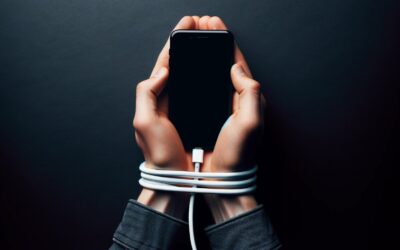
Phone Scrolling: The Top 10 States and Hidden Costs
We scroll. A lot. Researchers at Toll Free Forwarding ran the numbers and found the states racking up the most phone “scrolling mileage. ”Their baseline is stark: “The average American spend[s] 6 hours and 35 minutes a day on screens, adding up to 2,403 hours annually… People check their devices an average of 58 times a day… Half of those checks happen within just three minutes of the last.” That’s not just habit. That’s a loop. How They Calculated “Scrolling Miles” First, they converted average daily screen time into seconds. Then they used a simple model of scrolling behavior. As the report explains, they multiplied seconds by “6.3 (length of an iPhone 16 Pro screen) over 10 (frequency of a scroll, in seconds), resulting in the distance traveled in inches per day.” Next, they converted inches to feet, feet to miles, and multiplied by 365 to find annual mileage. It’s an estimate. But it’s a vivid one. And it helps us picture the invisible distance our thumbs travel. (MORE TECH NEWS: Pregnancy Robots: Miracle or Ethical Nightmare?) The Top 10 Scrolling States Some states scroll far more than others. Here are the leaders: Arizona — 8h 50m daily — 115.37 miles/year Washington — 8h 17m — 108.18 miles/year Kentucky — 8h 3m — 105.18 miles/year Missouri — 7h 49m — 102.17 miles/year New Mexico — 7h 20m — 95.90 miles/year Texas — 7h 19m — 95.77 miles/year Maryland — 7h 14m — 94.59 miles/year Louisiana — 7h 9m — 93.42 miles/year South Carolina — 7h 6m — 92.76 miles/year Georgia — 6h 58m — 91.07 miles/year Those numbers reflect daily habits. They also reflect a decade-long surge. According to HostingAdvice.com, “Mobile media consumption grew 460% from 2011 to 2021.” So the trend isn’t subtle. It’s a tidal shift in how we spend time. The Productivity Price Tag Constant checking has a cost. It fractures attention. It delays deep work. It turns minutes into hours. And it adds up globally. As the analysis notes, “Wasted productivity costs the global economy an estimated $8.8 trillion each year.” That number is staggering. But it matches what many feel at work: more notifications, fewer focused hours. Here’s the kicker. Over half of those device interruptions “happen during work hours.” So the problem doesn’t wait until evening. It steals prime time. Is It Phone Addiction? Key Symptoms to Watch Not all heavy use equals addiction. But patterns matter. If you see several of these, take notice: You reach for your phone constantly. Dangerous situations, such as driving, don’t deter you from checking. Waking up at night to check notifications is commonplace. Anxiety, anger, or sadness take over when you can’t check your phone. Screen time is hurting work, school, or relationships. Any effort to cut back doesn’t last. These behaviors fit a cycle. Check. Reward. Repeat. And that cycle runs on brain chemistry. The Brain Behind the Scroll Dopamine drives motivation. Phones can hijack it. Likes, pings, and fresh content act as micro-rewards. Over time, that can blunt the system. You may feel less pleasure from everyday life. Even loved ones. That’s why heavy scrolling can foster isolation. (MORE NEWS: Catherine Zeta-Jones and the U.S. Homeownership Divide) Mood shifts follow — Anxiety rises, stress lingers, depression can deepen. Meanwhile, late-night use delays melatonin. That pushes sleep later. Then tomorrow’s focus suffers. And the loop strengthens. Why “Short Checks” Aren’t Short We tell ourselves, “Just a second.” But each check has a switch cost. The brain must get back in focus, and that takes time. It drains energy and it breaks momentum. When “half of those checks happen within three minutes of the last,” we don’t return to flow. We never got there. How to Reduce Scrolling Mileage (Without Going Off-Grid) You don’t need to ditch your phone. You need to design for focus. Start small. Then stack wins. Use friction on purpose. Move social apps off your home screen. Turn off non-essential alerts. Set your phone to grayscale to reduce visual appeal Create phone-free zones. No phones at meals. No phones in the bedroom. Buy an alarm clock and charge devices outside the room. Designate specific times for checks. Batch messages and social in two or three short windows. Use timers. Stop at the bell. Protect deep work. Schedule 60–90 minute focus blocks. Activate Do Not Disturb. Tell teammates when you’ll be back online. Rebuild dopamine the healthy way. Move your body daily. Get morning light. Seek real-world wins: a walk, a workout, a completed task. Fix sleep first. Set a screen curfew of 30-60 minutes before bed. Dim lights at night. Keep a consistent bedtime. Each change lowers the urge to scroll. Each win brings clarity back. What This Means for Leaders If you run a team, design environments that respect attention. Shorter meetings. Clear “quiet hours.” Fewer chat pings for non-urgent items. And measure outcomes, not online presence. When you protect focus, you protect profit. The Bottom Line Screens aren’t the enemy. Unchecked habits are. Our “scrolling mileage” shows how far we go without moving an inch. But we can turn that around. Add friction. Guard focus. Prioritize sleep. Then your time—and your attention—start working for you again. Cut through the noise. Drown out the spin. Deliver the truth. At The Modern Memo, we’re not here to soften the blow — we’re here to land it. The media plays defense for the powerful. We don’t. If you’re done with censorship, half-truths, and gaslighting headlines, pass this on. Expose the stories they bury. This isn’t just news — it’s a fight for reality. And it doesn’t work without you.

Pregnancy Robots: Miracle or Ethical Nightmare?
Humanoid robots may soon replace human surrogates in pregnancy for infertile couples. Reports from Chosun Biz suggest that China is developing a pregnancy robot with an artificial womb capable of carrying a baby to term. The idea has shocked many, but it reflects a growing effort to use technology to solve infertility. This innovation could replace the complex, expensive, and sometimes controversial process of human surrogacy. It also raises profound ethical, medical, and social concerns that the world is only beginning to discuss. (MORE NEWS: Court Nixes California AI Deepfake Law, Free Speech Wins) The Reality of Infertility Infertility is not rare. In the United States, about 19% of women ages 15 to 49 experience infertility if they have never given birth. 6% struggle to conceive even after having one or more children. 9% percent of men ages 15 to 44 also face infertility, according to CCRM Infertility. The causes are divided fairly evenly. One-third of cases are due to male factors, one-third to female factors, and one-third involve a combination. A 2019 NIH study revealed that African American women ages 33 to 44 are twice as likely to face infertility compared with Caucasian women. Couples often spend years and thousands of dollars on infertility treatments with no guarantee of success. Some pursue adoption. Others hold out hope for a biological child, even if it requires experimental or unconventional methods. That desperation fuels interest in surrogacy and even possibly technology like artificial wombs. According to Southwest Surrogacy, the CDC reports that the number of gestational carrier cycles rose from 3,202 in 2012 to 8,862 in 2021, with a high of 9,195 in 2019. The shortage of willing surrogates creates a gap that technology promises to fill. The question is whether a robot womb is an acceptable answer. The Birth of the Pregnancy Robot As reported in Chosun Biz, the pregnancy robot concept came from Dr. Zhang Qifeng, founder of Kaiwa Technology in Guangzhou, China. His company hopes to have a prototype ready by 2026. Qifeng says, “The artificial womb technology is already in a mature stage, and now it needs to be implanted in the robot’s abdomen so that a real person and the robot can interact to achieve pregnancy, allowing the fetus to grow inside.” (MORE NEWS: Catherine Zeta-Jones and the U.S. Homeownership Divide) The potential financial appeal is strong. Human surrogacy in many countries costs between $100,000 and $200,000. By comparison, Dr. Zhang claims that a pregnancy robot could carry a child for about 100,000 yuan, or $14,000. The enormous price difference alone is likely to attract attention from families who cannot afford traditional surrogacy. How a Robot Pregnancy Might Work Although details remain scarce, the idea is that the robot would replicate the biological environment of a womb. It would be filled with artificial amniotic fluid and connected to the baby through tubing that provides nutrients. The process would simulate every stage of pregnancy from conception to delivery. Experiments in animals suggest this may be technically possible. In 2017, researchers at the Children’s Hospital of Philadelphia successfully kept a premature lamb alive in an artificial womb. The lamb floated in a transparent vinyl bag filled with warm water, and a tube was connected to the umbilical cord. That system acted more like an incubator than a full womb, but it showed that external gestation could sustain life beyond a very early stage. Legal Barriers Across the Globe Surrogacy is already a highly regulated or even banned practice in many countries. Italy, Germany, France, and Spain ban all forms of surrogacy. They are unlikely to approve the use of robots for pregnancy. In the United States, laws vary. States like Nebraska and Louisiana have banned surrogacy altogether, while others allow it only under strict guidelines. Introducing robot surrogates would pose new legal challenges about parentage, liability, and regulation. Ethical Concerns Safety is the most immediate question. Who decides when artificial wombs are safe for human pregnancy? If a child is harmed due to technical failure, who bears responsibility—the parents, the doctors, or the company? Child development is another concern. A mother’s body contributes not only nutrition and protection but also hormonal and biological cues that influence brain growth, bonding, and immune system development. Removing the maternal connection could have consequences that do not appear until years later. There is also the risk of social stigma. Would children born from artificial wombs be viewed as engineered products rather than natural human beings? Commercialization adds another layer. If pregnancy becomes a product sold by corporations, children risk being treated as commodities. This shifts reproduction from a personal or family matter to an industry driven by profit. Gender roles would be disrupted as well. Technology that removes women from pregnancy undermines their unique place in human life. God made women to be in the role of mother and nurturer. Assigning a generic, emotionless robot to this role would move the needle in the wrong direction for women. The Slippery Slope Toward Designer Babies Artificial wombs would further the creation of designer babies, where parents select physical or intellectual traits before birth. What begins as a solution for infertility could evolve into a system of human engineering. Governments could misuse the technology. Artificial wombs could be used for population control, eugenics, or mass manufacturing of children selected for certain traits. The line between innovation and abuse is thin. (MORE NEWS: Sydney Sweeney ‘Good Jeans’ Outrage Explained) Final Thought Artificial womb robots may sound like a solution for infertile couples, but the risks far outweigh the promises. Children are not products, and motherhood cannot be outsourced to machines. This technology threatens the sanctity of life, the God-given role of women, and the very meaning of family. Without clear moral boundaries, artificial wombs would reduce babies to commodities in a marketplace driven by profit rather than love. Once we sever pregnancy from the mother, we risk erasing the bond that defines human nurture and dignity. True solutions to infertility should support families, protect children,…

Catherine Zeta-Jones and the U.S. Homeownership Divide
Catherine Zeta-Jones, born in Swansea, Wales, to working-class parents, came from humble beginnings. She told The Sunday Times that she and her husband, Michael Douglas, enjoy a life of homeownership with four properties: one in Canada, one in Spain, and two in New York — a country house and an apartment. She said, “I know it sounds very jet set, and I love to surround myself with beauty but it’s not excessive, it’s very comfortable.” The couple spends much of their time in Spain. Michael, now 80 and retired from acting, says he likes to “watch my wife work.” The lifestyle of celebrities like Catherine Zeta-Jones and Michael Douglas, with multiple properties around the world, stands in sharp contrast to the reality for most people. Their story raises a bigger question: what does homeownership actually look like for ordinary Americans today? (RELATED: Kimmel’s Italian Citizenship: Turning Away From America) How Many Americans Are Homeowners? According to Realtor.com, 65.1% were homeowners in the first quarter of 2025. That figure is down 0.06 percentage points from the last quarter of 2024 and 0.05 from the same time last year. The rate has stayed above 62.9% since 1965, with the peak at 69.2% in 2004. Housegrail.com shows that home ownership varies by region: 62% in northeastern states like Maine and Pennsylvania 67% in the southeast and south-central U.S., from Virginia to Texas 71% in north-central states like North Dakota and Minnesota 60% in the west, from Washington to New Mexico Mortgages and Second Homes In 2023, only 39.8% of homes were mortgage-free. Mississippi and West Virginia had the highest share of mortgaged homes. California, Washington, Utah, Colorado, Virginia, and Massachusetts had the lowest. Housegrail states, “approximately 2.7% of the 78.7 million occupied homes are second homes — about 1.5 million properties. Vacant homes make up 11% of the national total.” While many Americans struggle to pay off a single mortgage, a growing number of wealthy buyers are looking beyond U.S. borders and investing in property overseas. Americans Buying Property Abroad A 2022 Coldwell Banker survey found that 67% of affluent Americans already owned investment property abroad. The largest share was held by those 55 and older. Overseas properties owned by U.S. citizens: 47,000 homes in 2019 29,800 homes in 2020 53,500 homes in 2021 61,000 homes in 2022 Top destinations to buy a home: Central America – 23% (Belize 16.2%, Costa Rica 15.2%, Honduras 15.2%, Panama 14.3%, El Salvador 13.7%, Guatemala 13.2%, Nicaragua 12.2%) North America (Canada & Mexico) – 20.5% Asia – 20.4% South America – 18.1% Europe – 14.1% Australia & New Zealand – 10.8% Caribbean – 9.4% Main reasons for buying a home abroad: rising cost of living (26.5%), surging home prices (26.5%), political climate (25.6%), and strong dollar (20.8%). While affluent buyers like Catherine Zeta-Jones and others expand their portfolios abroad, younger generations in the U.S. are finding it harder than ever to afford even a first home. The Homeownership Reality for Young Americans Younger generations are far less likely to own homes than their parents at the same age, according to Motley Fool Money: Millennials (age 27–42 in 2024): 51.5% own homes, much lower than Gen X and Boomers at the same age. Baby Boomers: At age 30, around 60% owned homes. By their early 40s, about 70%. Gen Z (under 27 years old): Only a small share own homes, in the single digits to low teens. These numbers show a sharp generational divide, but they also beg the question: why are young Americans falling so far behind? Why Young People Struggle Housing Costs: Home prices have outpaced wages. Student Debt: Younger buyers carry more education debt. Delayed Milestones: Many aren’t getting married or having kids. If they do, it’s delayed. Mortgage Barriers: High interest rates from 2022–2024 worsened affordability in recent years. Young Americans face steep barriers, making homeownership — once a standard milestone — harder to reach than ever. (RELATED: Post-COVID Homeowners Are In Dire Financial Situation And No One Is Talking About It) The Future of the American Dream From celebrities like Catherine Zeta-Jones with homes around the world to young Americans struggling to buy their first home, housing in 2025 shows a sharp divide. For many, homeownership is still the dream. But for younger generations, it feels further away than ever. For homeownership to become more attainable, interest rates must come down. Higher borrowing costs have crushed affordability and reduced purchasing power. Lower rates would ease monthly payments, open the market to first-time buyers, and make homeownership a reality for those just starting out. Without real relief, the next generation risks becoming a generation of renters, locked out of ownership and the wealth-building it brings. With the right economic conditions, however, young Americans could finally begin to turn the tide. Forget the Headlines. Challenge the Script. Deliver the Truth. At The Modern Memo, we don’t tiptoe through talking points — we swing a machete through the media’s favorite lies. They protect power. We confront it. If you’re sick of censorship, narrative control, and being told what to think — stand with us. Share the story. Wake the people. Because truth dies in silence — and you weren’t made to stay quiet.

Kimmel’s Italian Citizenship: Turning Away From America
Jimmy Kimmel Chooses Italian Citizenship Jimmy Kimmel, the well-known late-night host, recently revealed that he has obtained Italian citizenship. At 57, Kimmel took this step through his grandmother, who was originally from Italy. Why? He says it’s because of President Trump and policies he strongly disagrees with. On Sarah Silverman’s podcast—Silverman is a longtime friend and former girlfriend—Kimmel shared his thoughts about the current state of America. He said things are much worse than he expected. “A lot of people I know are thinking about where are they going to get citizenship?” Silverman said. (RELATED: Trump: New Census Will Omit Illegal Immigrants) “I did get Italian citizenship,” Kimmel replied. He added, “As bad as you thought it was going to be — it’s so much worse. It’s just unbelievable. I feel like it’s even worse than he would like it to be.” See Ya! Late night host Jimmy Kimmel announces he has secured Italian citizenship – declares Donald Trump’s presidency is “so much worse” than he ever imagined. Can we hope he will ACTUALLY leave the country? pic.twitter.com/Q1cPTRlcg1 — Conservative Brief (@ConservBrief) August 9, 2025 Choosing Another Country Over Your Own Kimmel’s choice raises a serious question: why would a U.S. citizen, with every right and opportunity here, seek citizenship elsewhere? He does not have work overseas. He is a public figure who is choosing a second country because of political policies he disagrees with. This is part of a “fashionable” trend. Celebrities like Rosie O’Donnell and Ellen DeGeneres have also pursued citizenship in other countries. The message is clear: America is easy for some to give up if policies are inconvenient or uncomfortable. Instead of staying and fighting for their beliefs, they choose to leave. Dual Citizenship and Loyalty Dual citizenship has long allowed people to live, work, and vote in two countries—depending on the laws and residency requirements of the other country. But this can create a conflict of interest. If two countries have opposing policies, where does your loyalty lie? Full allegiance should always remain with the United States. Kimmel’s decision highlights this debate. When public figures turn their back on their home country, it sends a message that America is not worth defending or supporting. (MORE NEWS: SNAP Soda Ban: Ending Taxpayer Junk Food Subsidies) Immigration Rules Abroad Kimmel’s decision also underscores a reality many ignore: other countries do not welcome immigrants as freely as some assume. Many have strict guidelines for immigration—including secure borders. Many European countries actively deport illegal immigrants. Italy deports asylum seekers to Albania and strictly controls immigration. Ireland also has strict immigration laws and has deported Nigerian nationals and others. Most countries protect their borders and citizens, and some that face immigration challenges are actively working to correct them. Americans considering foreign citizenship often overlook these restrictions. Kimmel’s move benefits from his heritage and elite celebrity status. The average U.S. citizen would not find the same opportunities. Kimmel Keeping an Open Mind on Former Trump Supporters Despite his harsh views of President Trump, Kimmel defended the right to reconsider one’s stance. “Now you see these clips of Joe Rogan saying, ‘Why is he doing this? Why are you deporting people?’ And people go, ‘…you supported him.’ I don’t buy into that,” Kimmel said. “The door has to stay open. If you want to change your mind, that’s so hard to do. If you want to admit you were wrong, that is so hard and so rare to do. You are welcome.” Contrary to what this statement implies, Rogan questioning Trump’s deportation efforts doesn’t mean he is no longer a Trump supporter. People can disagree with specific policies or actions while still supporting the administration overall. The Real Cost of Convenience Policies may change, leaders may come and go, but walking away from the United States out of protest—or as a virtue signal—is not the solution. Americans enjoy freedoms and opportunities that no other country provides. Choosing another country reflects disloyalty to the very nation that gave them the platform they are now using to criticize it. Kimmel’s story is not just about one celebrity. It illustrates a larger discussion about loyalty, dual citizenship, and the responsibilities Americans have to their own country. Leaving the U.S. demonstrates that, in difficult times, some Americans prioritize personal comfort over national pride. Should dual citizenship be allowed? Some say no. And if it is allowed, should those individuals retain the right to vote in U.S. elections? If their total allegiance is not to the United States, probably not. The fact remains that only the elite can afford to pack up and move to a different country when they dislike how things are going. It’s not a realistic option for most people, and that further exemplifies the divide between Hollywood and real life. And let’s be honest—someone should probably tell him who the current Prime Minister of Italy is. Unmask the Narrative. Rip Through the Lies. Spread the Truth. At The Modern Memo, we don’t polish propaganda — we tear it to shreds. The corporate press censors, spins, and sugarcoats. We don’t. If you’re tired of being misled, silenced, and spoon-fed fiction, help us expose what they try to hide. Truth matters — but only if it’s heard. So share this. Shake the silence. And remind the powerful they don’t own the story.

SNAP Soda Ban: Ending Taxpayer Junk Food Subsidies
The push to Make America Healthy Again (MAHA) has made significant strides with the signing of waivers by U.S. Secretary of Agriculture, Brooke Rollins. These waivers allow 12 states to ban the purchase of sugary drinks, candy, and desserts using Supplemental Nutrition Assistance Program (SNAP) vouchers, which are intended to help low-income families access nutritious food. This move marks a pivotal step in ending taxpayer subsidies for junk food. Six new states are joining the MAHA movement! Yesterday at the Great American Farmers Market, @secrollins and @seckennedy signed food choice state waivers for West Virginia , Florida, Colorado, Louisiana, Oklahoma and Texas to remove unhealthy foods from SNAP.… pic.twitter.com/Q8sAqaDBQP — Dept. of Agriculture (@USDA) August 5, 2025 A Bold Step in SNAP Reform These states have approval and are now set to remove high-calorie, nutrient-poor foods from SNAP: Florida, West Virginia, Colorado, Louisiana, Oklahoma, Texas, Utah, Iowa, Nebraska, Arkansas, Indiana, and Idaho. This reform comes amid President Trump’s broader initiative to tackle the nation’s rising health crisis and prioritize food quality. “The number one purchase by SNAP recipients is sugary drinks,” said Secretary Rollins. “SNAP is a supplemental NUTRITION program, meant to provide health food benefits to low-income families to supplement their grocery budget, so they can afford the nutritious food essential to health and well-being.” .@SecRollins announces the signing of waivers removing unhealthy foods from SNAP in six more states: “SNAP is a supplemental NUTRITION program meant to provide health food benefits to low income families… the law states it and @POTUS‘ @USDA plans to deliver on it.” pic.twitter.com/Mby4uoQIdu — Rapid Response 47 (@RapidResponse47) August 4, 2025 Despite the progress, implementing this policy at the federal level remains a challenge. Many lobbyists are fiercely advocating for the continuation of junk food eligibility, making it an uphill battle. Yet, the states are leading the charge, and 12 have now taken action, with 38 more to go. (RELATED: Tracy Beanz Reveals MAHA’s Mission & What Comes Next In Fascinating Interview) A Nationwide Call to Action Each state follows its own process to determine which foods are unhealthy and should be excluded. After this, they submit a formal request for approval from the USDA. The new food bans will take effect in 2026. The Trump administration is actively encouraging more states to apply for waivers, with each state playing a key role in shaping the future of SNAP. Health and Human Services Secretary Robert F. Kennedy, Jr. and U.S. Food and Drug Administration (FDA) Commissioner Dr. Marty Makary joined Rollins in announcing these waivers. Their support underscores the significance of this initiative in tackling the nation’s growing obesity and diabetes crisis. Ending the Sugar Subsidy Dr. Makary emphasized the importance of focusing on healthier alternatives to junk food, stating, “This begins the end of the government subsidization of our obesity, diabetes, insulin resistance epidemic.” He urged a national focus on the nutritional quality of food, rather than relying on medications to address the health crisis. “Forty percent of our nation’s kids now have a diagnosed chronic disease,” Dr. Makary added. “Thirty-one percent have diabetes, pre-diabetes, or insulin resistance. We have to talk about nutrients and fiber, not just Ozempic and other medications to medicate our nation.” Support for States and Local Leaders SNAP reform is a direct result of proactive state leadership. Governors from West Virginia, Florida, and other states have stepped up, requesting waivers and setting an example for the rest of the nation. Dr. Makary also praised the initiative, stating, “I hope to see all 50 states join this bold commonsense approach. For too long, the root causes of our chronic disease epidemic has been addressed with lip service only. It’s time for powerful changes to our nation’s SNAP program.” (MORE NEWS: Sweeney ‘Good Jeans’ Outrage Explained) What’s Next for MAHA? As the USDA and the Trump administration push forward with their efforts to reform SNAP, the question remains: Will other states follow suit? The battle is far from over. With 38 states still to act, the momentum needs to continue. But the steps taken up to this point have proven that meaningful change is possible. “It’s time for a change,” said RFK Jr. “And we’re seeing that change happen, state by state. We’re putting real food back at the center of SNAP, empowering states to lead the way in protecting public health.” Changing the Status Quo The fight to Make America Healthy Again is a real, tangible effort to reshape the way we view food, health, and public policy. With the signing of these waivers, we are witnessing the first steps toward a future where healthier food choices are accessible and where taxpayer dollars are spent wisely. As more states join this movement, the impact on public health could be profound. This is not just about banning soda and candy—it’s about changing the narrative around nutrition and ensuring that the poorest Americans are no longer subsidizing the very foods that contribute to chronic disease. The journey has just begun, but with the leadership of Secretary Rollins, Dr. Makary, and Secretary Kennedy, America is taking significant strides toward a healthier future. Forget the Headlines. Challenge the Script. Deliver the Truth. At The Modern Memo, we don’t tiptoe through talking points — we swing a machete through the media’s favorite lies. They protect power. We confront it. If you’re sick of censorship, narrative control, and being told what to think — stand with us. Share the story. Wake the people. Because truth dies in silence — and you weren’t made to stay quiet.
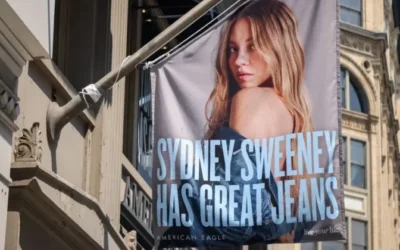
Sydney Sweeney ‘Good Jeans’ Outrage Explained
Welcome to The Modern Memo — where lifestyle news isn’t shallow, soft, or sold out. From what you eat to what you buy, we cover the choices that shape your freedom, health, and future—without the influencer fluff or corporate agenda. Real life deserves real reporting. And we’re here to give it to you straight. When a Pair of Jeans Becomes a Political Flashpoint It was just an ad. At least, that’s what most people saw—a playful nod to style and wordplay. But in 2025, even a lighthearted fashion campaign can set off a political firestorm. And when American Eagle teamed up with Sydney Sweeney, the backlash revealed more about America’s culture wars than it did about denim. (MORE NEWS: Trump: New Census Will Omit Illegal Immigrants) From Clever Wordplay to Culture War On July 23rd, American Eagle released its new campaign featuring Sydney Sweeney with the tagline: “Sydney Sweeney has good jeans.” The ad played on the words jeans and genes. In a short video, the Euphoria actress joked: “Genes are passed down from parents to offspring, often determining traits like hair color, personality and even eye color… My jeans are blue.” For most viewers, it was harmless fun. But for loudest voices on the left, it became something darker. Online commentators and media outlets compared the Sydney Sweeney American Eagle ad to “Nazi propaganda” and “white supremacist eugenics” because she’s blonde and blue-eyed. CNN even called it a “scary white supremacist dog whistle.” Why American Eagle Isn’t Backing Down Despite removing the “genes” video from social media, American Eagle hasn’t abandoned the campaign. The company is still running the Sydney Sweeney “good jeans” ads across its platforms and has issued a public statement defending its decision on their Instagram. And it’s paying off. American Eagle’s stock price is up 20% since the campaign launch, boosted by a high-profile post from President Donald Trump praising the ad. Other prominent conservative voices have rallied to Sweeney’s defense. Megyn Kelly posted on X: Look how scared they are about the Sweeney ad – “it’s all a right-wing invention!!” Their party is paying millions to learn how to talk to young male voters and then their lunatic voters say you’re a Nazi if you like this gorgeous white blonde actress & it’s all blown to hell. https://t.co/JeJntXHlyE — Megyn Kelly (@megynkelly) August 5, 2025 Vice President JD Vance also weighed in, posting: “[Democrats] have managed to so unhinge themselves over this thing. And it’s like — did you learn nothing from the November 2024 election?” “They have managed to so unhinge themselves over this thing.” Vice President JD Vance rips the left’s overreaction to Sydney Sweeney’s American Eagle ad on @RuthlessPodcast pic.twitter.com/K2A59xwfHa — Fox News (@FoxNews) August 1, 2025 These defenses underline a growing belief on the right that the backlash is only helping the brand and pushing more young voters toward conservative politics. Amid the controversy, one major part of the campaign has been largely overlooked: the cause it supports. According to the American Eagle website: “A butterfly motif on the back pocket represents domestic violence awareness, an issue Sweeney is passionate about. 100% of the purchase price from The Sydney Jean will be donated to Crisis Text Line, a nonprofit offering free, 24/7, confidential mental health support.” Woke Advertising Is Losing Its Grip For years, corporations pushed political activism into ads. Many customers walked away. They wanted products, not politics. Now brands are moving back toward the middle. Sydney Sweeney fits that shift—beautiful, stylish, and a touch of old-school appeal. The “girl next door” is making a comeback. People are tired of the chaos of leftism. Now, companies are shifting to relatable ads with <gasp> sex appeal, like the days of Marilyn Monroe and Farrah Fawcett. It’s a cultural reset, and it’s working. (RELATED: Court Nixes California AI Deepfake Law, Free Speech Wins) What’s Driving the Cultural Divide Pew Research shows men—especially under 50—are moving toward the Republican Party. 55% of men voted for Trump in 2024, up from 50% in 2020. 46% of women voted for Trump in 2024, compared with 44% in 2020. Charlie Kirk tied this shift directly to the Sweeney outrage: Everytime they call Sydney Sweeney a fascist, 100 young men become registered Republicans. — Charlie Kirk (@charliekirk11) August 4, 2025 Young men are waking up. They want to marry a “normie.” They want kids, a home, and a steady life. They don’t want the drama of woke culture. Sydney Sweeney isn’t just a woman in an ad. She represents what many men—and women—want back: normalcy, beauty, and stability. Sometimes an Ad Is Just an Ad The Sydney Sweeney “good jeans” backlash proves how quickly harmless marketing can become a political lightning rod. But here’s the truth: NO ONE should be shamed for being proud of their genes or their jeans. Appreciating beauty isn’t an insult to anyone else. We live in a culture that twists everything into controversy. Sometimes an ad really is just an ad. Unmask the Narrative. Rip Through the Lies. Spread the Truth. At The Modern Memo, we don’t polish propaganda—we tear it to shreds. The corporate press censors, spins, and sugarcoats. We don’t. If you’re tired of being misled, silenced, and spoon-fed fiction, help us expose what they try to hide. Truth matters—but only if it’s heard. So share this. Shake the silence. And remind the powerful they don’t own the story.
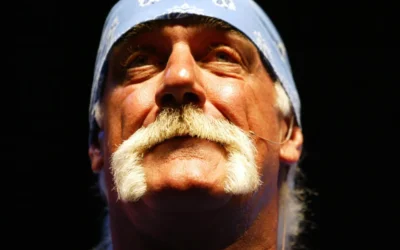
The Final Bell: Remembering Hulk Hogan, Legend of the Ring
Terry Bollea, known worldwide by his larger-than-life wrestling persona Hulk Hogan, passed away Thursday at the age of 71 in Clearwater, Florida. Local police confirmed they responded to a cardiac arrest call that morning. Hogan was pronounced dead shortly after being transported to a nearby hospital. Authorities stated there was no evidence of foul play or suspicious circumstances. His passing marks the end of an era—not just for professional wrestling, but for American pop culture itself. The Man Who Made Wrestling a Global Phenomenon To describe Hulk Hogan simply as a wrestler would be to undersell a legacy that reshaped the entire entertainment industry. With his iconic horseshoe mustache, bandana, and red-and-yellow ring gear, Hogan didn’t just dominate the ring—he became the face of professional wrestling worldwide. His presence helped catapult the WWE (then WWF) from a regional sports attraction to a mainstream global empire. In 1985, Hogan headlined the inaugural WrestleMania, teaming up with Mr. T to face off against Rowdy Roddy Piper and Paul Orndorff. The event wasn’t just a success—it was a cultural explosion. Over a million viewers watched via closed-circuit TV, and from that moment on, Hulkamania became a household term. Two years later, his legendary bout with Andre the Giant at WrestleMania III drew 80,000 fans to the Pontiac Silverdome—setting attendance records and redefining what a wrestling spectacle could look like. That match, and the iconic body slam seen around the world, remains etched in the minds of fans even decades later. Champion in the Ring and Beyond Throughout his WWE tenure, Hogan won the World Heavyweight Championship six times, holding the title for a staggering 1,474 consecutive days during his first reign. Only two other wrestlers in WWE history—Bruno Sammartino and Bob Backlund—held it longer in a single stretch. But Hogan was more than just a champion. He was a media powerhouse. He crossed over into television and film, playing Thunderlips in Rocky III and starring in his own series, Thunder in Paradise. His popularity extended beyond the ring, with appearances on countless talk shows and late-night television, cementing his place as a pop culture fixture. Reinvention and the Birth of the NWO As the 1990s ushered in a new generation of fans with different tastes, Hogan adapted. In 1996, he made wrestling history again by turning heel—becoming a villain—as the frontman for WCW’s notorious faction, the New World Order (NWO). Trading in his bright colors for black and white, “Hollywood Hogan” embraced a darker persona that mirrored the edgier, rebellious tone of the era. The NWO storyline rejuvenated wrestling at a critical time and led WCW to dominate WWE in ratings for 83 consecutive weeks. Hogan’s reinvention wasn’t just successful—it was transformative. Wrestling became appointment television again, and Hogan stood at the center of it. (MORE NEWS: Trump Takes on Crime in D.C.) A Hero’s Return By 2002, Hogan returned to WWE and faced off against The Rock at WrestleMania 18 in Toronto. Though he was technically the villain, fans refused to boo him. The crowd erupted in cheers for their childhood hero, prompting Hogan to dig out his classic red-and-yellow gear once again. That moment symbolized the deep emotional connection fans maintained with the icon—even after decades. Hogan was inducted into the WWE Hall of Fame in 2005, a formal recognition of his enduring impact on the industry. More Than a Wrestler In recent years, Hogan had faced various health struggles, including lingering issues from his many years in the ring. Still, he remained active in the wrestling world, most recently launching Real American Freestyle Wrestling and opening a bar in New York City directly across from Madison Square Garden—where so many of his iconic matches took place. Reactions poured in immediately upon news of his death. Wrestling legends like Ric Flair and Triple H paid tribute online, sharing memories of their time with the larger-than-life figure who helped shape the industry. Political Ally and Cultural Icon Outside of wrestling, Hogan remained engaged in public life. He made headlines in 2024 for speaking at the Republican National Convention in support of Donald Trump. In response to the news of Hogan’s death, Trump posted a tribute on Truth Social: “We lost a great friend today, the ‘Hulkster.’ Hulk Hogan was MAGA all the way—strong, tough, smart, but with the biggest heart… the cultural impact he had was massive… He will be greatly missed.” A Lasting Legacy Hulk Hogan’s journey from local Florida wrestler to worldwide megastar is nothing short of extraordinary. He wasn’t just part of wrestling history—he was wrestling history. His energy, charisma, and uncanny ability to capture the crowd’s imagination made him more than just a performer. He was a symbol of perseverance, showmanship, and the power of reinvention. To his wife Sky, his family, and millions of fans across the globe—he leaves behind a legacy that will live on in arenas, locker rooms, and living rooms for generations. So, to the man who told us to say our prayers, eat our vitamins, and believe in ourselves: thank you, Hulk Hogan. (RELATED: Hulk Hogan Celebrates Baptism On Social Media) You slammed giants. You turned boos into cheers. And you made the world believe in heroes—even if only for a three-count.