

The Modern Memo may be compensated and/or receive an affiliate commission if you click or buy through our links. Featured pricing is subject to change.
On November 19, 2025, President Trump signed the Epstein Files Transparency Act into law. It directs the Department of Justice to send both unclassified — and to the greatest extent allowed, classified — documents connected to Jeffrey Epstein to Congress within 30 days.
The House approved the bill by a dramatic 427–1 margin, and the Senate agreed unanimously. Those votes highlight something rare in Washington: bipartisan agreement in favour of openness.
What makes this especially significant is the subject: years of questions over how Epstein’s case was handled, which left many people feeling the story had been locked away. This law changes that dynamic.
What the Bill Requires
Here’s how the legislation works:
- All records, documents, communications and investigative materials — classified or not — must be turned over to Congress.
- Within 15 days, the Attorney General must provide a list of government officials and politically exposed individuals tied to Epstein’s case.
- The deadline to deliver the full set of materials to Congress is 30 days from the presidential signature.
Because of the tight timeline, agencies will be under pressure to act fast. Some analysts warn quick deadlines may lead to redactions, omissions or legal push-back.
The wording of the bill seems intentional: phrases like “all records” and “to the maximum extent possible” hint at a push to limit selective disclosures and hold the process accountable.
More Stories



Why the Shift Happened
The movement toward this law didn’t come out of nowhere. It was led by Representatives Thomas Massie (R-KY) and Ro Khanna (D-CA) through a somewhat uncommon tool: a discharge petition to force the vote despite resistance.
A key turn came when Trump reversed his earlier position and encouraged Republicans to support the disclosure. He said, “We have nothing to hide, and it’s time to move on from this Democrat Hoax.”
Why the U-turn? Two things: One, public demand for transparency has been persistent and loud. Two, resisting disclosure could look like protecting all those involved.
A New Layer: Jeffries Campaign Solicitation
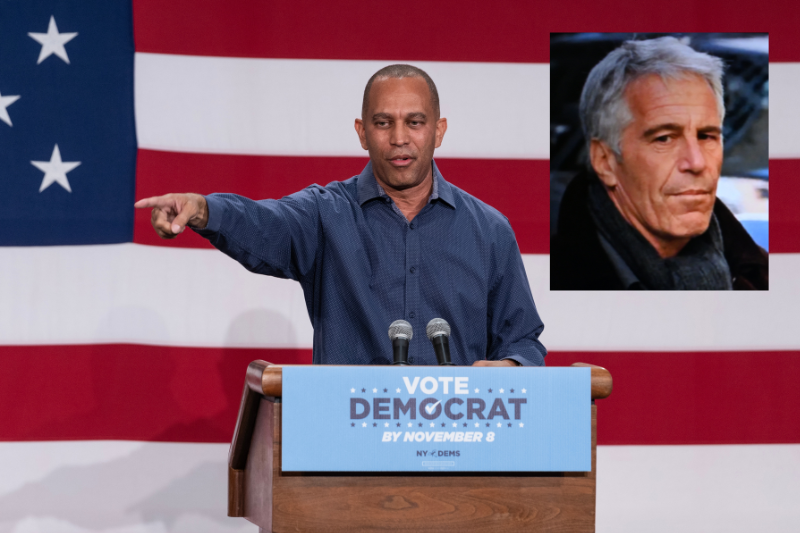
Interestingly, the story now has a new twist. Documents disclosed by the House Oversight Committee show that the campaign of Hakeem Jeffries sought contributions from Epstein years after his 2008 conviction. A May 2013 email invited Epstein to a fundraising dinner tied to Jeffries’ campaign and implied the rising star congressman was seeking support. This adds an extra dimension of oversight pressure and raises fresh questions.
The outreach to Jeffrey Epstein puts issues of influence and access back in the spotlight.
.@RepJamesComer: “I’ve taken to the floor today to respond to Minority Leader Hakeem Jeffries calling me a, quote, “stone-cold liar” during a press conference defending the recent discovery of Democrats’ communication with convicted sex offender Jeffrey Epstein.” pic.twitter.com/jKtejCvFa2
— CSPAN (@cspan) November 20, 2025
Why It Matters
This law matters for multiple reasons:
- For the victims of Epstein’s criminal operation, this represents a long-awaited push for answers.
- For Congress, it shifts the balance: from questions about what was hidden to the full weight of oversight and demand for disclosure.
- From a political perspective, it’s a change of narrative: instead of secrecy, the governing side is now pushing openness.
On top of that, the Jeffries campaign detail means this isn’t just about one administration or one individual — it runs through multiple years, multiple actors, and potentially multiple parties. That helps explain why people are paying attention.
What’s Next
So what happens now? With the 30-day clock ticking, here are the key questions:
- Will any materials still be withheld because of classification, ongoing investigations or executive privilege? Some legal experts say yes.
- How much will the public actually see? Will we have raw documents, or heavily redacted versions?
- What will the disclosures do to public figures, institutions or past investigations? Could there be renewed scrutiny or calls for reform?
- And finally: will this result in fresh revelations — or just repackaged versions of what we already know?
There’s also a logistical question: How will these documents be released? If Congress makes them public online, the scale of review could be massive — think journalists, attorneys, researchers all digging in.
Final Word
By signing the Epstein Files Transparency Act, the White House triggered what could become one of the most significant document disclosures in recent political memory. Whether it delivers a full reckoning or simply opens new political chapters remains to be seen. What is clear, though, is this: the narrative has shifted from secrecy toward accountability.
With fresh attention on not just the files, but also the fundraising and outreach tied to Epstein, we’re entering a new stage of this story. Releasing the files could bring clarity long sought by victims and investigators, or the disclosure may raise more questions than answers. Either way, the next 30 days promise to be a revealing chapter.
Cut through the noise. Drown out the spin. Deliver the truth.
At The Modern Memo, we’re not here to soften the blow — we’re here to land it. The media plays defense for the powerful. We don’t.
If you’re done with censorship, half-truths, and gaslighting headlines, pass this on. Expose the stories they bury.
This isn’t just news — it’s a fight for reality. And it doesn’t work without you.
Subscribe to The Modern Memo here!
Explore More News

AI Job Cuts Surge: How Automation Is Reshaping the U.S. Workforce in 2025

ACA Premiums Are Rising — But Not Because of Expiring Subsidies