

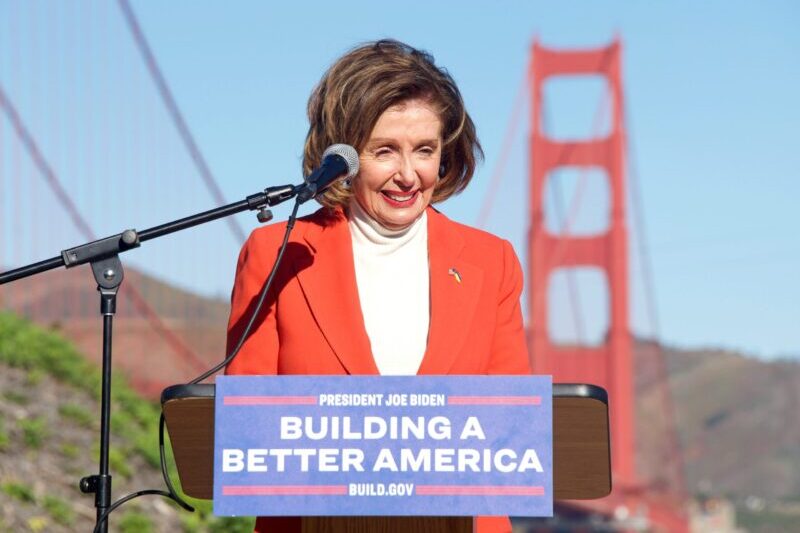
A recent report reveals that Nancy Pelosi and her husband, Paul Pelosi, earned more than $130 million in stock profits over her congressional career, including a return of approximately 16,930%, according to an exclusive from the New York Post. This startling number prompts concern about potential conflicts of interest, especially given Pelosi’s long tenure in powerful roles.
The Figures Behind the Headlines
When Pelosi entered office in 1987, she and her husband reportedly held between $610,000 and $785,000 in stocks. Over the decades, that portfolio is estimated to have grown to around $133.7 million in stock assets.
Meanwhile, the couple’s net worth is now estimated at roughly $280 million. To put the stock return in context, the 16,930% gain vastly outpaces the roughly 2,300% rise of the Dow Jones in the same period.
Why This Matters
The sheer magnitude of the gain raises questions. A public servant—especially someone who has held the office of Speaker of the House—amassing this level of profit invites scrutiny. The overlap between legislative power and personal financial gain can erode public trust.
After all, when a lawmaker benefits financially while in office, citizens may wonder whether decisions were made for policy or profit. Transparency and accountability become critical: the public deserves to know not only that officials invest, but how their trades relate to their legislative actions.
More Stories

AI Job Cuts Surge: How Automation Is Reshaping the U.S. Workforce in 2025

Holiday Travelers May Face Flight Delays as Shutdown Deepens

Daylight Saving Time Debate Heats Up Across States
Potential Conflicts of Interest
Given Pelosi’s influence over fiscal policy, her significant stock holdings pose potential conflicts. When a lawmaker votes on legislation affecting markets, industries, or regulation, having substantial personal investments in those sectors could skew incentives. Moreover, the timing of trades—or the choice of companies—can look suspicious when a public official holds both policy-power and investment power.
While no law necessarily says a member of Congress cannot invest, ethics rules demand care.
Transparency Gaps and the Need for Reform
Despite disclosure rules for members of Congress, critics argue that the system has gaps. For example, disclosures often list ranges, not precise amounts. Plus, many trades go unlinked to specific legislative actions. As a result, the public cannot always determine whether a trade happened before or after policy announcements. With Pelosi’s massive gain, these structural issues matter.
Reformers say that to rebuild trust, Congress should require trades be reported in real time, provide full amounts rather than ranges, and perhaps ban lawmakers from trading individual stocks altogether. Otherwise, large gains by lawmakers risk being interpreted as “inside” or preferential.

Why Some Argue This Is Not Enough
Defenders of Pelosi might say her stock trading was legal and reported under the rules. They might also argue that she is free to invest and that Pelosi’s financial acumen is separate from her public role. Even so, legal is not always sufficient from a public perspective: ethics standards must reflect not only legality but fairness.
When a public servant earns a fortune while holding significant legislative power, voters may reasonably ask: did the rules allow it, or did the rules permit it too easily?
The Broader Implication for Public Trust
Beyond one person, this case signals a larger issue: when lawmakers appear to profit from the system they serve, the public’s faith in government falters. Citizens expect elected officials to act without bias and to serve the public interest first. When a lawmaker becomes extraordinarily wealthy during tenure, it complicates the message. Even if innocently earned, the optics count. Therefore, the Pelosi case underscores how financial gains and policy power can blur the lines between public service and personal enrichment.
Moving Forward: What to Watch
The Pelosi stock controversy has reignited public debate over congressional ethics and financial transparency. As the spotlight grows brighter, several key actions and questions emerge that could shape the future of accountability in Washington.
- Check for any disclosure of timing: Did trades happen around major policy announcements or regulatory shifts? Timing often reveals intent, and close alignment with legislative events can raise red flags.
- Consider legislative impact: Review whether legislation she championed directly or indirectly benefited Pelosi’s portfolio. Lawmakers should ensure that public policy decisions never appear to serve private interests.
- Monitor proposed ethics reforms: Watch for any new reform efforts in Congress that may have been motivated by this revelation. These proposals could determine whether lawmakers are serious about preventing future conflicts.
- Evaluate stalled reform efforts: If reform efforts stall, that says something about how willing the legislature is to police its own. Inaction may signal complacency and a lack of political will to address corruption concerns.
- Demand accountability from representatives: Finally, voters should ask their representatives to commit to either divesting individual stocks, using blind trusts, or at least providing full transparency. Public servants must uphold integrity and restore faith in the system.
Ultimately, the public’s response to this issue will determine whether ethics in Congress evolve or remain stagnant. True reform requires both pressure from citizens and courage from lawmakers willing to lead by example.
Final Thoughts
With Nancy Pelosi leaving public life, the issue isn’t only about legality — it’s about accountability. For years, banning congressional stock trading meant challenging one of Washington’s most powerful figures, and no one dared. But this isn’t just about Pelosi’s case — lawmakers on both sides of the aisle have profited under the same system.
Now that its most visible participant is stepping down, Congress has no cover left. Will they act at last, or keep pretending the problem retires with her?
Unmask the Narrative. Rip Through the Lies. Spread the Truth.
At The Modern Memo, we don’t polish propaganda — we tear it to shreds.
The corporate press censors, spins, and sugarcoats. We don’t.
If you’re tired of being misled, silenced, and spoon-fed fiction, help us expose what they try to hide.
Truth matters — but only if it’s heard.
So share this. Shake the silence. And remind the powerful they don’t own the story.
Subscribe to The Modern Memo here!
Explore More News

President of Nigeria Responds to Trump Criticism

Election 2025 Analysis: Democrats Sweep as Shutdown Continues

General Motors Cuts Over 1,700 Jobs as EV Demand Slows

ACA Premiums Are Rising — But Not Because of Expiring Subsidies
