

Afghanistan
Top 10 States That Took in the Most Refugees
The United States continues to bring in thousands of refugees every year through the official U.S. Refugee Admissions Program. At the same time, the Trump administration has imposed new travel restrictions and entry bans on countries that officials link to security or terrorism concerns. Because of this, many people want to know how many refugees still arrive from those restricted nations and which states take in the most. According to the FY 2025 report “Arrivals by State and Nationality” from the U.S. Refugee Processing Center, a total of 38,102 refugees were admitted. These were legally admitted refugees, not illegal border crossers or other migrant categories. Top 10 States That Took in the Most Refugees The same federal report shows that refugee resettlement is not spread evenly across the country. Instead, a small group of states takes in most of the arrivals. Here are the top ten states by number of refugees received in FY 2025: 1. Texas – 3,923 2. California – 3,044 3. New York – 2,438 4. Florida – 1,513 5. Pennsylvania – 1,504 6. Ohio – 1,500 7. Illinois – 1,454 8. Georgia – 1,442 9. Minnesota – 1,337 10. Washington – 1,320 These ten states alone account for a large share of all refugees who arrived in the country last fiscal year. This makes them key destinations in any national discussion about refugee policy and resettlement. More Stories Drowning in Bills? These Debt Solutions Could Be the Break You Need Out-of-Town Renters Are Driving Up Demand in These Five Cities Under Siege: My Family’s Fight to Save Our Nation – Book Review & Analysis Which Countries Face Bans or Restrictions? In June 2025, the Trump administration issued Proclamation 10949, which restricts or bans entry from 19 countries. Twelve nations face a broad suspension of entry, while seven others face partial restrictions on certain visa types or categories. The restricted list includes Afghanistan, Burma, Chad, the Republic of the Congo, Equatorial Guinea, Eritrea, Haiti, Iran, Libya, Somalia, Sudan, Yemen, Burundi, Cuba, Laos, Sierra Leone, Togo, Turkmenistan, and Venezuela. While the policy targets security risks, the refugee program still allows some people from these countries to enter after extensive vetting and under specific exceptions. How Many Refugees Came From Restricted Countries? According to the 2025 FY Refugee Processing Center report, 21,105 refugees were admitted from the 19 countries that now face full or partial entry bans or restrictions under the Trump administration. Afghanistan led all countries with 6,758 refugees, while Venezuela followed with 4,589. Burma contributed 3,547 refugees, and Somalia added another 2,496. This number highlights a critical tension. On one hand, the federal government has tightened travel rules for certain countries. On the other hand, the United States has admitted tens of thousands of people fleeing war, persecution, and instability from those same regions. As debates over immigration and national security continue, these facts help show what is really happening on the ground in our refugee program. The Takeaway More than 21,000 refugees arrived in the United States in the last year from countries the Trump administration classifies as high-risk or dangerous. These individuals entered through the legal refugee pipeline, but the sheer volume underscores why public awareness matters. The recent National Guard attack in Washington, D.C. shows why vigilance is essential — even with vetting systems in place, dangerous individuals can still slip through, proving that current screening has not fully protected American citizens from those who choose to do harm. As a populace, we must understand the scale of these arrivals, stay informed about federal resettlement decisions, and remain aware of who is entering our towns and cities. Awareness is not fear — it is responsibility. By knowing the facts, communities can better protect their values, their safety, and their future. Where does your state stand? Expose the Spin. Shatter the Narrative. Speak the Truth. At The Modern Memo, we don’t cover politics to play referee — we swing a machete through the spin, the double-speak, and the partisan theater. While the media protects the powerful and buries the backlash, we dig it up and drag it into the light. If you’re tired of rigged narratives, selective outrage, and leaders who serve themselves, not you — then share this. Expose the corruption. Challenge the agenda. Because if we don’t fight for the truth, no one will. And that fight starts with you. 📩 Love what you’re reading? Don’t miss a headline! Subscribe to The Modern Memo here! Explore More News Trump Designates Muslim Brotherhood a Terrorist Organization Trump and Elon Musk Reunite, Boosting GOP Unity Top 5 Essential Survival Gear Items For Any Adventure Epstein Files Bill Sparks New Questions as Jeffries Email Emerges
Visa Failures Exposed: Afghan Evacuees and the Deadly Consequences of Rushed Vetting
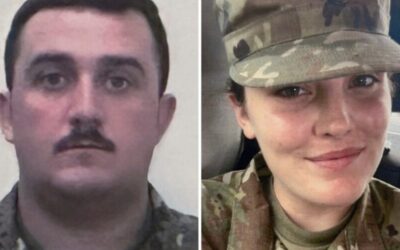
In July 2021, the U.S. House of Representatives passed the ALLIES Act, a bill that expanded and accelerated the special immigrant visa program (SIVs) for Afghan nationals who assisted the United States during the war. The bill passed by an overwhelming margin of 407–16. Those 16 “no” votes all came from Republican lawmakers, many of whom warned the bill allowed “rushed admittance and not enough scrutiny” during a dangerous and unstable moment. The 16 Republicans Who Voted NO These representatives opposed the bill to expedite the visa program: 1. Andy Biggs 2. Lauren Boebert 3. Ken Buck 4. Andrew Clyde 5. Matt Gaetz 6. Bob Good 7. Paul Gosar 8. Marjorie Taylor Greene 9. Jody Hice 10. Thomas Massie 11. Mary Miller 12. Barry Moore 13. Ralph Norman 14. Scott Perry 15. Matt Rosendale 16. Chip Roy At the time, they argued the legislation expanded eligibility too broadly and weakened visa vetting requirements, opening the door to potential security risks. Their warnings were criticized as exaggerated, politically motivated, or unfounded. But today, several years later, those concerns have resurfaced with renewed urgency. More Stories Drowning in Bills? These Debt Solutions Could Be the Break You Need Out-of-Town Renters Are Driving Up Demand in These Five Cities Under Siege: My Family’s Fight to Save Our Nation – Book Review & Analysis A Program Under Fire: Operation Allies Welcome The ALLIES Act became a key pillar of Operation Allies Welcome (OAW), the massive resettlement effort that brought more than 70,000 Afghan evacuees to the United States in a matter of months. The operation unfolded in an atmosphere of chaos and fear after former President Biden’s botched military withdrawal from Afghanistan. Supporters said speed of visa approval was essential to protect U.S. allies before the Taliban took full control. However, critics insisted the acceleration weakened vetting, relied on incomplete records, and failed to properly examine individuals with military, intelligence, or extremist backgrounds. Although government audits later stated agencies followed established vetting procedures, the question remained: Did the rush cut corners in visa issuance anyway? This week, two violent incidents have forced the country to look hard at that question. A Bomb Threat in Texas Raises Alarm Earlier this week, federal agents arrested Mohammad Dawood Alokozay, an Afghan evacuee brought in under OAW. Authorities allege he posted a video of himself constructing a bomb and threatened to blow up a building in Fort Worth, Texas. BREAKING: An Afghan national was arrested this week after posting a video of himself on TikTok indicating he was building a bomb with an intended target of the Fort Worth area, according to DHS. Mohammad Dawood Alokozay is charged at the state level with making a terroristic… pic.twitter.com/Dmbmtp3gNs — Fox News (@FoxNews) November 29, 2025 EXCLUSIVE: Video of Afghan National Mohammad Dawood Alokozay planning to mass murder Americans with a car bomb in Texas. Watch his fellow Muslims cheer him on and offer support. Dallas and Fort Worth were his targets. Mohammad was imported into America by the Biden regime… pic.twitter.com/FP5VtxL8vo — Benny Johnson (@bennyjohnson) November 29, 2025 He reportedly showed materials, gave instructions, and made direct threats — raising immediate fears that he was preparing for an actual attack. This incident alone reignited concerns about the visa vetting process, especially for evacuees displaying signs of radicalization. But it was only the first shock of the week. A Nation Stunned: Deadly Ambush of National Guard Members Then, the nation was rocked by a deadly attack in Washington, D.C. Two members of the West Virginia National Guard — 20-year-old Sarah Beckstrom and 24-year-old Andrew Wolfe — were ambushed while on duty near the White House. Beckstrom died from her injuries. Wolfe remains in critical condition, fighting for his life. Police identified the shooter as Rahmanullah Lakanwal, an Afghan national who also entered the United States under Operation Allies Welcome. According to reports, Lakanwal had ties to a CIA-backed unit in Afghanistan — a background that should have triggered heightened review. National Guard shooter Rahmanullah Lakanwal, his wife, & five kids were moved straight into Walton Place Apartments — subsidized housing partnered with the Bellingham Housing Authority. The waitlist for American families is six months to three years. American elderly, disabled,… pic.twitter.com/HQnG9aHGZ4 — Derrick Evans (@DerrickEvans4WV) November 28, 2025 Authorities are treating the attack as a targeted, ambush-style assault. The killing of a young service member and the near-fatal wounding of another have devastated their families and shook the nation. Did the Rush Create Preventable Risks? These two high-profile cases — a credible bomb threat and a deadly ambush — have intensified criticism that the 2021 SIV expansion and evacuation effort prioritized speed over safety. Opponents of the ALLIES Act had argued: – Eligibility was expanded too broadly – Vetting was rushed due to political pressure – Afghanistan’s poor record-keeping made verification difficult – Individuals with militant or extremist ties could slip through Supporters dismissed these claims in 2021. But now, with American service members dead or critically injured, the debate looks very different. A Country Reeling — and Demanding Answers Communities across America are grieving. Citizens are questioning how individuals admitted under a humanitarian program could turn violent so quickly. After the recent attacks, the Trump administration has paused Afghan immigration processing and ordered a review of how evacuees were vetted before entering the United States. U.S. Citizenship and Immigration Services issued a statement: “In the wake of the shooting of two National Guard service members in Washington, D.C., Wednesday by an Afghan national, U.S. Citizenship and Immigration Services issued new guidance allowing for negative, country-specific factors to be considered when vetting aliens from 19 high-risk countries. This guidance comes after the Trump administration halted refugee resettlement from Afghanistan and the entry of Afghan nationals in its first year of office.” Effective immediately, processing of all immigration requests relating to Afghan nationals is stopped indefinitely pending further review of security and vetting protocols. The protection and safety of our homeland and of the American people remains our singular focus…
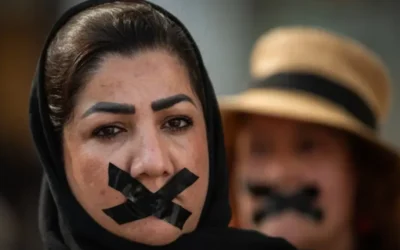
Taliban Nixes Internet in Afghanistan, Citing Morality
Much of Afghanistan has plunged into a nationwide internet blackout. The move came after the Taliban regime ordered a shutdown of web and mobile services. The regime cited moral reasons, claiming the shutdown was meant to “prevent immoral activities.” This drastic step has triggered alarm across Afghanistan and the international community. Critics warn it will worsen economic collapse, cripple basic services, and strip citizens of their rights. What Happened: Shutdown in Practice In the days before the blackout, Taliban officials reportedly began severing fiber-optic cables in several provinces. The regime spokesman in Balkh province claimed these cuts were ordered by the supreme leader, Haibatullah Akhundzada. (MORE NEWS: Trump’s Leaked Gaza Peace Plan: A Bold 21-Point Vision for Lasting Stability) Most of Afghanistan lost internet access. Mobile phone networks also suffered severe disruptions. Internet monitoring group NetBlocks confirmed that the country was in the midst of a total internet blackout as of the following Tuesday afternoon. ⚠️ Update: It has now been 24 hours since #Afghanistan imposed a national internet blackout, cutting off residents from the rest of the world; the ongoing measure marks the Taliban’s return to conservative values it espoused a quarter of a century ago limiting basic freedoms pic.twitter.com/8g04yEi4Ht — NetBlocks (@netblocks) September 30, 2025 A local shopkeeper in Kabul described the impact bluntly: “We are blind without phones and internet. All our business relies on mobiles… The market is totally frozen,” The National reported. Adding to this, a bank employee said clients could no longer complete online banking, cash withdrawals, or money authorizations. An unnamed Afghan government source told reporters that the blackout would last “until further notice.” The shutdown would affect not only banking, but customs, trade, and all sectors nationwide. In addition, international and local media operations were disrupted. Tolo News and Radio Free Europe reported difficulties in maintaining communications. Taliban Justification: Morality Over Connectivity The Taliban framed the shutdown as a morality measure. According to their spokesman, internet applications had “badly affected the ongoing economic, cultural and religious foundations of society.” (MORE NEWS: Cartel “La Diabla” Busted for Baby, Organ Ring in Mexico) He argued that such digital tools allowed immoral content to spread, undermining Afghan values. Thus, they insisted the blackout was necessary to uphold social decency. However, Taliban advisors reportedly cautioned that the economic fallout would be catastrophic. Still, the supreme leader reportedly overruled them. International and Domestic Reactions The United Nations swiftly condemned the shutdown. It called on the Taliban to restore internet and telecom services immediately. The U.N. Assistance Mission in Afghanistan (UNAMA) warned that the blackout: Leaves Afghanistan “almost completely cut off from the outside world” Threatens economic stability Exacerbates one of the world’s worst humanitarian crises Imposes further restrictions on freedom of information and expression The U.N. also noted its own operations were severely hampered, forcing staff to rely on radio communications and limited satellite links. Meanwhile, adding to the concern, Human Rights Watch researcher Fereshta Abbasi criticized the Taliban’s moral rationale and emphasized the tangible harms of the blackout. In Kabul, the airport was reported to be nearly deserted. All flights were canceled, and Airport officials said they did not expect operations to resume until at least Thursday. The Human Cost: Economy, Rights, and Daily Life The internet is more than entertainment—it is central to modern life. It enables commerce, education, communication, health services, and banking. By cutting these links, the Taliban have disrupted everything. Business and trade: Vendors, delivery services, payment processors, and supply chains all rely on digital connectivity. The blackout freezes markets. Banking and finance: Without online systems, citizens cannot access funds, transfer money, or pay bills. Information access: Citizens lose means to access news, make informed decisions, and voice dissent. Health and aid services: NGOs, hospitals, and relief groups rely on internet links to coordinate and share vital data. Freedom of expression: The shutdown is a further restriction on speech and press. Afghanistan is already navigating severe economic and humanitarian challenges. This blackout compounds the suffering by choking the country’s information lifeline and paralyzing public services. The Plight of Afghan Women: More Than Just Disconnection The Taliban’s internet shutdown deepens an already desperate crisis for Afghan women. Under the regime, women face sweeping bans on education, work, and public movement. The blackout compounds these restrictions by cutting off what little access they still had to communication, solidarity, and outside aid. Even before the shutdown, many women were forced out of schools or universities, barred from most professions, and subjected to strict dress codes and male guardianship rules. In this landscape, the internet offered a fragile lifeline: a way to read, learn quietly, seek virtual help, or connect with women’s rights groups beyond the country. Now, with connectivity severed, women lose access to critical resources: Remote education—already one of few remaining options—vanishes. Online counseling, advocacy, and support networks become inaccessible. Digital activism and reporting—tools used to amplify women’s voices under tyranny—are silenced. Information about health, legal aid, and safety disappears from reach. Without these channels, women are increasingly isolated and vulnerable. They face greater risk of abuse, disappearances, and unaccountability. The blackout strips them not only of connection to the world, but also of the hope and tools they had to resist suppression. In short, while the internet blackout hurts all Afghans, for women it is not just a disruption—it is another wall erected to lock them further into silence. Why It Matters: Lessons and Warnings The blackout shows how authoritarian regimes can weaponize infrastructure—turning the internet off as a tool of control. Once you control connectivity, you control discourse. Moreover, it underscores digital access as a human right. Access to information and communication is essential to participation in society. Cutting it off isolates citizens and shields power from scrutiny. The global community must pay attention. Such shutdowns have regional consequences — for migration, security, media, and regional stability. Above all, the Afghan people suffer most. They bear the consequences of censorship decisions made far above their control. Looking Ahead: What Comes Next? At present,…