

Finance

Insurance Drones: Hidden Home Inspections Spark Backlash
Insurers now use drones to inspect homes. Homeowners often don’t know until they get a notice from the insurance company. This shift is raising alarm. It affects coverage and threatens trust. Privacy Concerns for Homeowners Many policyholders feel surprised. They receive aerial photos that often come without explanation. Many people are calling it invasive. For example, Lynne Schueler of Massachusetts woke one morning. She found an email with a photo showing overhanging branches. It came with a six-week deadline to trim the tree or risk losing her coverage. She had no claims in twelve years. Still, she paid $1,200 to trim the branches because she had to keep her insurance. She was also concerned about the privacy aspect: “It was very invasive, because they had taken a picture of my house without me knowing, which was really kind of crazy… They were cancelling my insurance. They had showed a drone coming over the house at some point and there was some tree branches hovering over my house that they wanted removed. I wasn’t home because my car wasn’t in the driveway.” Insurance companies are now using drones to secretly fly over and photograph the homes they insure without the homeowners knowing. The images are then fed into AI systems that flag potential risks or maintenance issues. People are suddenly losing coverage after being told, “We… pic.twitter.com/DXYnsW1zyT — Shadow of Ezra (@ShadowofEzra) August 25, 2025 How Insurers Use Drone Data The use of drones is growing fast. Insurers use aerial images to flag mold, roof damage, or debris. They rely on algorithms and AI to analyze what they see. (MORE NEWS: Popular Amazon Prime Program Ending Oct. 1) Critics call this surveillance. They worry about errors. Sometimes data is outdated or flawed. Mike Arman in Florida learned this the hard way. His insurer flagged his roof as being in a state of deterioration. The image looked ancient—like a satellite photo from 1936. He had no claims in 52 years, yet the company refused an in-person inspection. They dropped him anyway. That is not rare. In California, a homeowner claimed her insurer canceled her after drone images captured yard clutter. She had been insured with them for 40 years. The insurer denied using drones, but used aerial imagery. The homeowner requested the images but never got them. These stories show a troubling pattern. Homeowners feel blindsided, while insurers defend efficiency. Trust erodes in the middle. Lawmakers Begin to Push Back This trend is getting attention from lawmakers, and regulatory responses are emerging. In Massachusetts, State Representative David LeBoeuf introduced Bill H.1242, which would hold insurance companies to a higher standard, allowing homeowners to file appeals and fix the issues. He says the bill: “Gives you the right, if your homeowner’s insurance policy is not renewed because of the use of an aerial image, to actually see that image, know when it was taken, to have the defects identified, and to create an appeals and cure process.” In California, lawmakers also acted. They want insurers to notify policyholders BEFORE using aerial images. They must also show the images afterward. Still, critics argue that these measures are insufficient. Consumer groups argue for stronger rules. They suggest insurers automatically send date-stamped photos and allow corrections, reducing unfair cancellations. Why Insurers Defend Drone Use Why are insurers doing this? The answer is efficiency. Drones and satellites enable insurers to inspect homes quickly. They can monitor thousands of properties on a tight budget. They argue this keeps premiums lower for everyone. (MORE NEWS: “Rich Dad, Poor Dad” by Robert Kiyosaki: A Book Review) Plus, after disasters, aerial data is critical. Drones can assess damage safely when it’s unsafe for humans. Insurers say this speeds recovery. But privacy advocates push back. They warn of false flags. Debris might look like damage. Shadows might mimic cracks. Yet homeowners may not have the opportunity to contest those errors. What Homeowners Can Do So, what can homeowners do? Here are some suggestions to protect your home: Maintain your property well Trim branches Remove debris Keep the roof clean Fix visible issues quickly Power wash areas to keep the exterior of your home clean Document your upkeep Take date-stamped photos Save receipts Stay ready to show proof Contact your agent proactively to ask questions Ask if aerial inspections are used Find out what flags to watch for If you get a nonrenewal notice, ask to see the image and demand to know the date and what triggered the alert. Request a chance to correct any issues. Finally, check your state laws. Many states require advance notice before cancellation and may also require justification. You may have a right to appeal. It is your responsibility to ask questions and maintain your home. The Future of Drone Surveillance in Insurance In short, the use of drones in insurance is a trend that is unlikely to end anytime soon. They boost efficiency, but they also pose risks if insurance companies remove the human element from decision-making. They may threaten coverage without warning. Homeowners need transparency and protection from unfair practices. Lawmakers and regulators are slowly responding, but that process can take time. That is why privacy laws in your state matter. Strong rules can protect homeowners from sudden cancellations. They can force insurers to share images, prove accuracy, and allow an appeal. Pushing for privacy laws at the state level gives homeowners a shield. It keeps insurers accountable. It ensures aerial technology does not replace fairness. To stay covered, stay alert. Maintain your home and know your rights. Keep records, ask questions, and press for stronger privacy protections. The drone trend may grow, but strong laws can keep it from taking away your peace of mind. Forget the narrative. Reject the script. Share what matters. At The Modern Memo, we call it like it is — no filter, no apology, no corporate leash. If you’re tired of being lied to, manipulated, or ignored, amplify the truth. One share at a time, we dismantle the media machine…
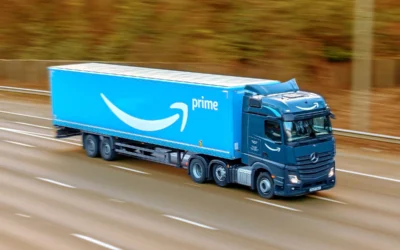
Popular Amazon Prime Program Ending Oct. 1
A Major Shift for Prime Members Amazon is ending its Prime Invitee program on October 1, 2025. The program first launched in 2009 as a way for members to share shipping perks with friends and family outside their household. That option will no longer exist. Instead, Amazon will push members toward Amazon Family. The change alters how millions use Prime. The Invitee program was a quiet perk. Some customers even used it for years without realizing it was technically closed to new signups back in 2015. But many invitees remained active. Now Amazon is closing the door on that era for good. (MORE NEWS: Back-to-School 2025: How Parents Are Spending) What Replaces the Invitee Program The replacement is Amazon Family. Under this setup, Prime benefits only extend to people living at the same address. A member can add one adult and up to four teens if they were already connected before April 7, 2025. Parents can also create up to four child profiles. This means no more sharing with roommates in other locations, siblings across the country, or friends who once relied on the Invitee system. All perks must remain in one household. The company says this aligns benefits with the way Prime was originally intended. *College parents and kids are safe, according to the response I received from Amazon. You can still place an order and have it mailed it to another address. There is a young adult program, but it is a six-month free trial and 50% off a prime membership after that. Benefits Still Included Amazon Family still gives access to the main perks members value. Free two-day shipping remains the cornerstone. Prime Video, Prime Music, Prime Reading, and select partner perks like Grubhub+ are included as well. Members who share within the household can still pool payment methods, order history, and delivery addresses. The service continues to encourage families to link accounts under one roof. But the loophole that allowed invitees outside the home to piggyback is gone. Discounted Prime for Former Invitees To soften the blow, the company is offering a special deal. Former invitees who lose access can sign up for their own membership at a reduced rate. The first year will cost $14.99. After that, the standard price applies—$14.99 per month or $139 per year. The promotion runs through the end of 2025. It gives users time to decide whether to commit to their own subscription or let the perks go. The company is betting that most will choose to sign up. Why Amazon Made the Change The timing is strategic. Amazon is investing heavily in delivery speed. It wants to expand one-day and same-day shipping to more than 1,000 smaller cities and rural areas by year’s end. To support that, the company needs stronger revenue from its Prime base. Reuters also reported Monday that Amazon’s Prime signups for Prime Day were less than last year, according to internal company documents. The Invitee program offered little direct return. Invitees enjoyed shipping without paying. By ending it, Amazon expects to add new paying members. It follows a trend across the tech industry. Netflix and Disney+ both cracked down on account sharing. Amazon is taking a page from that playbook. Impact on Long-Time Users Many Prime members have shared their frustration online. Some admit they’ve relied on Invitee access for over a decade. Others say they never realized the program was supposed to end years ago. For them, October 1 will bring an unwelcome change. Still, the company argues the update creates fairness. Paying households continue to get full value. Those outside the home now face a choice: subscribe or lose access. In Amazon’s eyes, that clarity is worth the backlash. Prime’s Role in Amazon’s Strategy Prime remains central to Amazon’s business model. The service builds customer loyalty. Members tend to shop more often and spend more money. Restricting benefits to households helps Amazon keep tighter control. It also drives growth at a time when retail competition is fierce. By bundling shipping with streaming, gaming, and other perks, Amazon makes Prime harder to cancel. Each change reinforces that ecosystem. Ending Invitee access is one more step toward keeping benefits contained and profitable. (MORE NEWS: “Rich Dad, Poor Dad” by Robert Kiyosaki: A Book Review) What Members Should Do Next If you currently share perks through an Invitee account, prepare for change. After October 1, free shipping and streaming may no longer be available. Check whether you qualify for Amazon Family with someone in your home. If not, consider the discounted Prime offer before it expires. Bottom Line Amazon claims this will “simplify” benefits and boost Prime’s future. Translation: they want more of your money. Let’s be honest—this isn’t about fairness or “household value.” It’s about squeezing every last dollar out of people who all already overpaying for goods. Amazon doesn’t care if you’ve shared Prime with your mom in assisted living for 10 years. Loyalty means nothing here. So mark your calendar. October 1 isn’t just a deadline. It’s Amazon’s way of saying: pay up, or get lost. The era of invitees is over—long live Jeff Bezos’ yacht fund. Cut through the noise. Drown out the spin. Deliver the truth. At The Modern Memo, we’re not here to soften the blow — we’re here to land it. The media plays defense for the powerful. We don’t. If you’re done with censorship, half-truths, and gaslighting headlines, pass this on. Expose the stories they bury. This isn’t just news — it’s a fight for reality. And it doesn’t work without you. *This article was updated with new information received from Amazon.
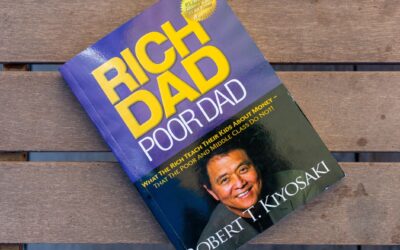
“Rich Dad, Poor Dad” by Robert Kiyosaki: A Book Review
Read It or Leave It Robert Kiyosaki’s Rich Dad, Poor Dad remains one of the most influential personal finance books ever written. It challenges the way we think about money, work, and financial freedom. Kiyosaki tells the story of growing up with two father figures—his biological “poor dad” and his best friend’s “rich dad.” Each taught him a completely different philosophy about money and success. Two Philosophies of Money The “poor dad,” Kiyosaki’s biological father, represents the traditional mindset of the poor and middle class. He believed in hard work, job security, and higher education as the only path to success. Though had a Ph.D. in education, yet he lived with fear of losing his job and focused on what he couldn’t afford. He avoided risk and trusted the idea that a good job with benefits was the ultimate safety net. The “rich dad,” however, thought differently. He only had an eighth-grade education, but became one of Hawaii’s wealthiest businessmen. He didn’t ask if something could be done—he asked how it could be done. Instead of seeing limits, he searched for financial solutions and opportunities. He believed in taking risks, building businesses, and acquiring income-generating assets. Key Lessons from Rich Dad, Poor Dad Kiyosaki and his friend learned firsthand from “rich dad.” He taught them the value of money by putting them to work, not by handing out cash. His focus was on financial literacy, passive income, and making money work for you instead of trading time for a paycheck. (RELATED NEWS: Back-to-School 2025: How Parents Are Spending) One quote that stood out to me as helpful insight was: “Keep your daytime job but start buying real assets. Not liabilities or personal effects that have no real value once you get them home. Keep expenses low, reduce liabilities, and diligently build a base of solid assets.” This lesson lays the foundation of the book: it’s not about how much you earn, but about how much you keep and grow. Kiyosaki drives this home with another insight: “There is a difference between being poor and being broke. Being broke is temporary. Poor is eternal.” That simple distinction shifts the mindset. Financial struggle is not inevitable; it’s tied to habits and decisions. The Power of Assets vs. Liabilities One of the most powerful takeaways from the book is understanding assets and liabilities. Kiyosaki explains: “An asset puts money in your pocket. A liability takes money out of your pocket.” This concept sounds simple, but it’s a game-changer. Many people think they own assets when they’re really buying liabilities—cars, gadgets, or even a house that drains cash without creating income. Another helpful quote is: “A person can be highly educated, professionally successful, but financially illiterate.” Financial literacy, Kiyosaki argues, matters more than academic degrees when it comes to building lasting wealth. (RELATED NEWS: Catherine Zeta-Jones and the U.S. Homeownership Divide) Quotes That Inspire Action Throughout the book, Kiyosaki drops memorable one-liners that shift the way you think about money. These are some of the quotes that stood out: “So many people say, ‘Oh, I’m not interested in money.’ Yet they’ll work at a job for eight hours a day.” “Once you understand the difference between assets and liabilities, concentrate your efforts on buying income-generating assets.” “Wealth is a person’s ability to survive so many days forward – or, if I stopped working today, how long could I survive?” “Financial struggle is often directly the result of people working all their lives for someone else.” “Often in the real world, it’s not the smart who get ahead, but the bold.” “Simple math and common sense are all you need to do well financially.” “Most people never win because they’re afraid of losing, or failing.” Each of these insights pushes readers to take control, think differently, and act boldly when it comes to money. Why This Book Still Matters 28 Years Later This is a book every young adult should read. Schools rarely teach financial literacy at the high school or college level. Rich Dad, Poor Dad fills that gap by teaching practical principles: Build multiple streams of income. Reduce liabilities and grow assets. Learn to invest in real estate, stocks, and businesses. Don’t just work for money—make money work for you. As Kiyosaki points out, acquiring more money won’t help if you don’t know how to manage it. Money management, not just income, creates financial security. Final Thoughts Rich Dad, Poor Dad is more than a personal finance book—it’s a mindset shift. It helps the reader to stop thinking like a “poor dad” and start thinking like someone who has a strong financial future. It’s a challenge to step out of a comfort zone, to take healthy risks, and to reframe how money is viewed. If you want to achieve financial freedom, change your mindset, and start building wealth, this book is a must-read. Keep it in your personal library and revisit it often. It’s an excellent guide for anyone ready to stop living paycheck-to-paycheck and start building a life of financial independence. Definitely READ IT! Beyond the Hype. Into the Truth. At The Modern Memo, we don’t chase trends—we cut through them. The glossy marketing won’t tell you if a book is worth your time, but we will. Tired of sugar-coated reviews and fake five-star ratings? We rip the cover off and get real about what’s inside. Honest reviews. No spin. No apologies. Because readers deserve more than hype. They deserve the truth.