

Gaza
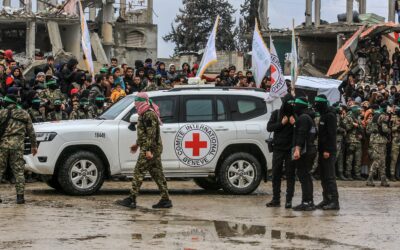
BREAKING: All 20 Living Israeli Hostages Released From Hamas Captivity
The world watched in relief and gratitude as all 20 Israeli hostages were released into the care of the International Committee of the Red Cross (ICRC). This marks a historic turning point in the pursuit of lasting peace between Israel and Hamas. Early Monday, Red Cross convoys were seen moving through Gaza as the first seven hostages were freed under the new ceasefire peace agreement. Hours later, 13 more hostages joined them, completing the full transfer to Israeli custody. The handover began around 8 a.m. and continued throughout the morning under careful coordination by the Red Cross and Israeli Defense Forces. BREAKING: The remaining 13 hostages were just received by the Red Cross. They are now heading toward IDF positions in Gaza and will back in Israel soon pic.twitter.com/pIJomXYeD3 — Visegrád 24 (@visegrad24) October 13, 2025 This moment — the safe release of all 20 hostages — represents the first step in the 20-point plan toward peace. The framework was built to restore stability, rebuild trust, and lay the groundwork for a new era of cooperation in the region. (RELATED NEWS: Hamas Accepts Trump Peace Plan to End Gaza War, Return Hostages) Emotional Scenes Across Israel As news of the first releases spread, emotional scenes unfolded across Israel. Families gathered in homes, public squares, and synagogues to celebrate. In Tel Aviv, crowds cheered and waved flags as live coverage showed the Red Cross convoys crossing into Israeli territory. Many held signs reading “Welcome Home” and “We Prayed for You,” echoing the deep relief felt across the nation. Prime Minister Benjamin Netanyahu and his wife, Sara, prepared special care kits for each returning hostage. Each kit included clothing, personal items, and digital devices to help reconnect them with loved ones. Inside, a handwritten note from the Netanyahus read: “On behalf of all the people of Israel, welcome back! We have been waiting for you. We embrace you. — Sara and Benjamin Netanyahu.” The Role of the Red Cross and the Ceasefire Agreement The International Committee of the Red Cross (ICRC) played a vital role in the hostage exchange. The organization protected civilians, coordinated humanitarian operations, and ensured safe passage for both hostages and prisoners. Red Cross convoys moved steadily between Gaza and Israel throughout the day, carrying with them the fragile but tangible hope of renewed peace. Under the ceasefire terms, Israel released more than 1,900 Palestinian prisoners in exchange for 20 Israeli hostages. The exchange followed weeks of intensive negotiations led by Israeli, Palestinian, American, and regional mediators. Their tireless diplomatic work broke the cycle of violence that has divided the region for generations and opened the door to reconciliation. Trump’s Leadership and Global Cooperation Israeli officials confirmed that this day would not have been possible without President Trump’s leadership. He brokered the peace framework and will be central in holding all parties to their commitments. Caroline Glick, Prime Minister Netanyahu’s international affairs advisor, affirmed Israel’s confidence in Trump’s leadership, calling him “a sincere friend of Israel” and “a man of peace through strength.” “We have deep faith in President Trump — in his sincerity, his support for Israel, and his leadership,” Glick told Fox News Digital. “We are confident in his commitment to holding all parties accountable to the deal, in partnership with Prime Minister Netanyahu.” (MORE NEWS: Trump Orders Military Pay Amid Government Shutdown) The partnership between Washington and Jerusalem delivered immediate humanitarian results and built the foundation for long-term stability. Trump’s plan prioritizes accountability and opportunity, ensuring that every step toward peace rests on transparency, action, and shared responsibility — not empty promises. President Trump’s Visit to Israel and the Region President Trump arrived in Tel Aviv today, drawing intense global attention to this landmark moment — the release of hostages from Gaza and the renewed push for peace. He came to demonstrate his personal commitment to the process, meet with key Israeli leaders and affected families, and then travel to Egypt for a major peace summit. A VIEW FROM AIR FORCE ONE, flying over the beach front of the U.S. Embassy branch in Tel Aviv… 🙏🏼🕊️ pic.twitter.com/CA9EZ1R89f — Dan Scavino (@Scavino47) October 13, 2025 Arrival in Israel After landing at Ben Gurion Airport, Trump praised the “unbreakable bond” between the United States and Israel and called the moment a rare opportunity to bring stability and progress to a turbulent region. Israeli officials welcomed him warmly, and he promised to engage directly with those most affected by the conflict. pic.twitter.com/02DCbpsBru — Dan Scavino (@Scavino47) October 13, 2025 Speaking to the Knesset Trump will address Israel’s Knesset today in what officials describe as a historic speech. His remarks will highlight unity, reconciliation, and the path forward as the ceasefire and hostage-release agreement move ahead. Meeting With Hostage Families Before leaving Israel, Trump plans to meet privately with families of the released hostages. Their voices shaped public support and helped build momentum behind the agreement. The Hostages & Missing Families Forum formally invited him to meet, saying the visit shows genuine solidarity and compassion from the U.S. toward those who endured unimaginable hardship. On to the Peace Summit in Egypt After his visit to Israel, Trump will travel to Sharm El-Sheikh, Egypt, where he will join world leaders for a regional peace summit focused on implementing the ceasefire, ensuring humanitarian access, and determining Gaza’s future governance. He reportedly insisted on being present for this historic moment — not only as a symbolic figure but as a hands-on participant in the negotiations. His presence signals that he intends to serve not just as a broker of peace but as a witness and guarantor to its success. The 20-Point Plan Toward Peace The release of all 20 hostages launches the first phase of the 20-point peace plan — a detailed framework that drives demilitarization, reconstruction, and reconciliation across Gaza. Phase One secures the hostages’ freedom and enforces an immediate ceasefire. Phase Two, now underway, calls on Israel and its partners to demobilize and disarm Hamas, then lead efforts to deradicalize…
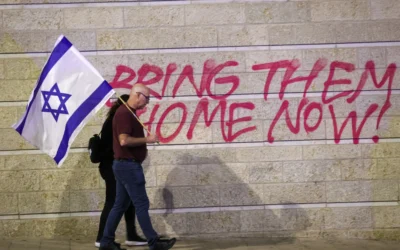
Hamas Accepts Trump Peace Plan to End Gaza War, Return Hostages
Hamas has accepted a peace plan introduced by President Donald Trump to end a nearly two-year war in Gaza and return hostages to Israel. The agreement marks a turning point in Middle East diplomacy and could open the door to a lasting peace if both sides honor their commitments. The plan reflects President Trump’s active leadership in global negotiations and his push for stability in the region. Key Elements of the Agreement Under the first phase of the plan, Hamas agrees to a full ceasefire, the withdrawal of Israeli forces to agreed-upon lines, and the return of all hostages, living and deceased. In exchange, Israel will release 250 prisoners serving life sentences and 1,700 Palestinians detained since October 2023. Hamas members who surrender their weapons will be granted amnesty. A technocratic, non-political Palestinian committee will temporarily manage essential services in Gaza. An international board, including world leaders and regional representatives, will oversee reconstruction and ensure transparency in rebuilding efforts. The goal is to stabilize Gaza, restore vital infrastructure, and create economic opportunities that discourage future conflict. Trump’s Announcement Announcing the deal, President Donald Trump said, “I am very proud to announce that Israel and Hamas have both signed off on the first Phase of our Peace Plan. This means that ALL of the Hostages will be released very soon, and Israel will withdraw their Troops to an agreed upon line as the first steps toward a Strong, Durable, and Everlasting Peace. All Parties will be treated fairly! This is a GREAT Day for the Arab and Muslim World, Israel, all surrounding Nations, and the United States of America, and we thank the mediators from Qatar, Egypt, and Turkey, who worked with us to make this Historic and Unprecedented Event happen. BLESSED ARE THE PEACEMAKERS!” “I am very proud to announce that Israel and Hamas have both signed off on the first Phase of our Peace Plan… BLESSED ARE THE PEACEMAKERS!” – President Donald J. Trump pic.twitter.com/lAUxi1UPYh — The White House (@WhiteHouse) October 8, 2025 The president’s statement highlighted his administration’s diplomatic efforts and the cooperation between multiple nations. His message emphasized fairness, unity, and optimism for what could become one of the most significant peace breakthroughs in decades. (RELATED NEWS: Trump Issues a Grim Ultimatum to Hamas) Role of Mediators and International Support The success of this agreement rests heavily on the work of mediators from Qatar, Egypt, and Turkey, who helped facilitate direct talks. Their involvement was critical in overcoming longstanding distrust. These nations have acted as neutral brokers in previous negotiations, but this time, their cooperation with Trump’s team gave the plan unprecedented momentum. Internationally, the peace plan has received cautious support. Several Arab states view it as a chance to reduce regional instability, while Western nations welcome the potential for humanitarian recovery. Still, questions remain about the long-term political framework and whether the agreement will eventually lead to Palestinian statehood. Israeli and Palestinian Reactions Israeli Prime Minister Benjamin Netanyahu welcomed the agreement, calling it a crucial step toward bringing home hostages and restoring calm. He confirmed that his cabinet would meet to approve the first phase of the deal and ensure its proper enforcement. Netanyahu expressed gratitude to President Trump and his team for their efforts: “A great day for Israel. Tomorrow I will convene the government to approve the agreement and bring all our dear hostages home. I thank the heroic soldiers of the IDF and all the security forces, thanks to whose courage and sacrifice we have reached this day. I thank from the depths of my heart President Trump and his team for their mobilization for this sacred mission of releasing our hostages. With the help of the Almighty, together we will continue to achieve all our goals and expand peace with our neighbors.” יום גדול לישראל. אכנס מחר את הממשלה כדי לאשר את ההסכם ולהחזיר את כל חטופינו היקרים הביתה. אני מודה לחיילי צה״ל הגיבורים ולכל כוחות הביטחון שבזכות אומץ ליבם והקרבתם הגענו ליום הזה. אני מודה מעומק ליבי לנשיא טראמפ ולצוותו על התגייסותם למשימה קדושה זו של שחרור חטופינו. בעזרת… — Benjamin Netanyahu – בנימין נתניהו (@netanyahu) October 8, 2025 Hamas, on its part, framed the decision as a pragmatic move to protect Gaza’s population and rebuild shattered communities. The group emphasized that the plan’s humanitarian and reconstruction clauses were decisive factors in their acceptance. Challenges and Concerns While the deal offers hope, its implementation remains complex. Hamas has raised concerns about the disarmament process and the future role of Israeli forces in border areas. Israel has insisted that all hostages—living and deceased—be returned before any further concessions. There is also uncertainty about who will enforce reconstruction and security arrangements. The proposed international board must coordinate massive rebuilding projects while ensuring that funds do not fuel future conflicts. Analysts caution that if either side hesitates or violates the agreement, the fragile peace could collapse quickly. Still, the inclusion of multiple global stakeholders gives the plan more structure and oversight than many past efforts. Humanitarian and Reconstruction Goals If implemented, the plan will allow essential aid to flow into Gaza. For civilians enduring nearly two years of conflict, this will bring immediate relief. Hospitals, schools, and housing projects are set to receive top priority under the reconstruction phase. The agreement envisions an economic revival that promotes self-sufficiency. Infrastructure experts from the Middle East will oversee modernization projects, creating jobs and restoring public services. In this sense, the peace plan is designed not just to end violence but to build a sustainable future. The Hostages and Public Response According to estimates, 48 hostages remain in Hamas captivity, with 21 believed to be alive. Their families have expressed profound gratitude for the deal, calling it a historic step toward reuniting loved ones. Many families credit Trump’s persistence for breaking the deadlock and sparking progress. In Israel, public reaction has been largely supportive. Citizens weary of years of conflict see this as an opportunity to end bloodshed and begin healing. In Gaza, reactions are mixed—some…
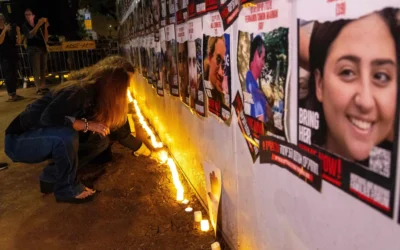
Hamas Agrees to Release Hostages After Trump Ultimatum
Al Jazeera reported that Hamas delivered its response to President Donald Trump’s peace proposal, just hours after Trump had set a 6:00 p.m. ET Sunday deadline. According to the report, Hamas said it is ready to release all Israeli hostages — both living and deceased — under the terms of Trump’s exchange plan. pic.twitter.com/3dGpkSu0kW — Karoline Leavitt (@PressSec) October 3, 2025 Hamas has submitted its response to Trump’s Gaza plan, saying it is ready to release all Israeli captives – both living and dead – in exchange for an end to Israel’s war and the complete withdrawal of Israeli forces from the enclave, as outlined in Trump’s proposal. pic.twitter.com/9sCwJUbbpO — Al Jazeera English (@AJEnglish) October 3, 2025 However, the statement did not fully concede to other critical demands. For example, Hamas did not expressly agree to disarm, a central requirement of both Israel and the United States. Still, the prospect of a full hostage release could dramatically change the negotiation landscape. (RELATED NEWS: Trump Issues a Grim Ultimatum to Hamas) What Hamas Agreed To Hamas’s statement outlined several key concessions. It expressed readiness to enter negotiations immediately, through mediators, to finalize the details of the deal. They agreed to transfer the administration of Gaza to an independent Palestinian technocratic body, based on national consensus and backed by Arab and Islamic countries. It also insisted that its demands include Israel’s complete withdrawal from Gaza and an end to military operations there. While Hamas accepted some elements, it reserved the right to negotiate others. The omission of disarmament remains a major sticking point. What Trump’s Ultimatum Entailed President Trump’s ultimatum didn’t specify whether Hamas had to accept every point of the 20-point plan immediately. Instead, it seems to have focused on critical demands — including total withdrawal, disarmament, and ending hostilities. By setting a deadline, Trump aimed to force Hamas’s hand. The ultimatum raised the stakes: agree or face “total destruction,” as the proposal stated. The strategy sought to create diplomatic pressure and shift control back to the negotiating parties. (RELATED NEWS: Trump’s Leaked Gaza Peace Plan: A Bold 21-Point Vision for Lasting Stability) President Trump is optimistic about the outlook: pic.twitter.com/JzeyA0pH3e — Rapid Response 47 (@RapidResponse47) October 3, 2025 Why the Hostage Release Matters Releasing all hostages would mark a major turning point. For one, it could ease domestic and international pressure on Israel to negotiate. It would also shift public sentiment, especially in Israel, where these individuals’ families have been demanding action for months or years. Moreover, if Hamas follows through, Israel and its backers might feel compelled to soften some demands or extend the talks. The hostage issue has long been among the most emotionally charged elements of any agreement. Remaining Hurdles and Risks Even with goodwill over hostages, significant hurdles remain. Disarmament is at the top of the list. Israel and the U.S. insist Hamas must lay down its weapons. Hamas has not agreed to that. Verification and enforcement present another issue. Who will certify Hamas’s compliance? Which party will monitor disarmament and ensure the deal sticks? The question of power sharing in Gaza also adds complexity. Transitioning governance to technocrats will not be easy. Local political factions may resist. Israel will also demand assurances against renewed attacks. Without strong security guarantees, leaders in Jerusalem may be reluctant to move forward. Some analysts also note that the timing could be significant. A deal may be tied to the October 7 anniversary of the 2023 Hamas attack, which triggered the current conflict. Possible Scenarios Ahead Full Deal and Ceasefire In the best case, Hamas follows through. Hostages are released, Israeli forces withdraw, Gaza’s governance shifts, and disarmament begins. A long-term ceasefire could follow, stabilizing the region. Partial Implementation Hamas might only partially comply — releasing hostages while resisting disarmament or full withdrawal. Negotiations would resume, but distrust would loom. Breakdown and Escalation If any party backpedals or imposes unacceptable terms, the agreement could collapse. Israel might resume military action or impose harsher constraints. Delayed Timeline Even if an agreement is possible, execution could stretch over weeks or months. Transitional arrangements and security logistics take time. Why This Moment Is Critical The hostage issue has been central to public opinion, both in Israel and globally. If Hamas displays willingness to free hostages, it alters moral and political dynamics. The expiration of Trump’s ultimatum forces clarity. Hamas’s response, partial though it may be, establishes a baseline from which diplomats can negotiate. This moment coincides with the second anniversary of the October 7, 2023 Hamas terror attack, which ignited this war. Negotiators may use the symbolism to drive momentum. For the United States and Israel, proving that diplomacy can yield results offers political cover. For Hamas and its allies, agreeing to hostage release without disarming offers a way to claim moral high ground. Final Word Hamas’s response to Trump’s ultimatum represents a cautious but notable shift. Although it did not accept all demands, the group’s willingness to free hostages opens a door to diplomacy. The future remains uncertain. The next steps will test whether confidence, verification, and willingness to compromise can overcome longstanding divides. At the same time, the stakes could not be higher. Both Israel and Hamas face immense pressure from their own populations, international mediators, and regional powers. Any sign of weakness or retreat may carry political costs. This means negotiators must balance humanitarian urgency with political survival. Whether this moment produces a lasting breakthrough or simply another temporary pause in hostilities will depend on how quickly trust can be built and whether all sides are willing to compromise beyond initial gestures. Cut Through the Noise. Slice Through the Lies. Share the Truth. At The Modern Memo, we don’t tiptoe around the narrative—we swing a machete through it. The mainstream won’t say it, so we will. If you’re tired of spin, censorship, and sugar-coated headlines, help us rip the cover off stories that matter. Share this article. Wake people up. Give a voice to the truth the powerful want buried. This fight…
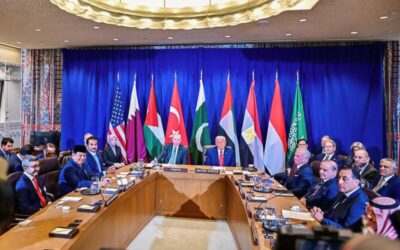
Trump’s Leaked Gaza Peace Plan: A Bold 21-Point Vision for Lasting Stability
President Donald Trump shakes up the Middle East once again. A leaked document reveals his comprehensive 21-point peace plan to end the Gaza conflict. This blueprint demands quick hostage releases and Hamas’s removal from power. It also opens doors to Palestinian statehood and economic revival. Arab allies cheer the proposal with enthusiasm. They see it as a fresh path forward after years of deadlock. Now, as Trump prepares to meet Israeli Prime Minister Benjamin Netanyahu, the world watches closely. This plan could reshape the region—or spark new debates. The leak drops at a tense moment. Israel’s military pushes deeper into Gaza City. Netanyahu vows to crush Hamas entirely. Trump, fresh from United Nations talks, shared early drafts with Arab and Muslim partners. Those allies responded with rare optimism. They praised the balance between Israeli security and Palestinian hopes. President Trump weighed in on Truth Social: But questions linger. Will Hamas accept these tough terms? How will the U.S. enforce them? Let’s dive into the plan’s core elements and why it matters. Kicking Things Off with Hostages and a Ceasefire Right out of the gate, Trump’s plan demands action. The first point insists that Hamas release all Israeli hostages within 48 hours of any deal. That’s a bold move, designed to bring relief to families who’ve been waiting nearly two years for their loved ones. In return, the plan calls for an immediate end to the fighting across Gaza. No more rockets, no more airstrikes—just a chance for people to catch their breath. (MORE NEWS: Cartel “La Diabla” Busted for Baby, Organ Ring in Mexico) This approach is all about building trust quickly. Past peace efforts often fell apart because they dragged on without clear wins. Trump, drawing on his experience with the Abraham Accords, knows the value of momentum. Those accords brought Israel and Arab nations together, and now he’s applying that same deal-making energy here. Once the fighting stops, the plan shifts to deradicalization—think schools teaching peace instead of conflict and community leaders promoting unity. It’s about tackling the roots of violence to pave the way for lasting change. Offering Palestinians a Path to Statehood For Palestinians, this plan offers a glimmer of hope. One key point lays out a clear path to statehood, which marks a shift from Trump’s earlier ideas. Back in February, he suggested temporarily moving Gazans out to turn the strip into a “Riviera of the Middle East.” That didn’t sit well with many, who called it tone-deaf. Now, the plan ensures anyone who leaves Gaza can return whenever they want, easing fears of permanent displacement. What’s more, Israel would commit to not annexing Gaza or the West Bank. Trump’s been firm on this, recently telling reporters, “I won’t let Israel annex the West Bank. Not happening.” This promise calms Arab concerns and keeps the focus on progress rather than endless disputes over settlements. The plan also envisions a revitalized Gaza, with new homes, thriving businesses, and job opportunities for locals. It’s a vision of hope, not just survival. Taking Down Hamas and Setting Up New Leadership Hamas doesn’t get a free pass here. The plan demands the group be banned from any future government. Lower-level members who choose peace might get amnesty, but the leadership has to go—potentially to other countries, as outlined in the plan. Regional powers would back this up with security guarantees, ensuring Hamas sticks to the deal or faces serious consequences. In the meantime, a temporary international government would step in, led by the U.S., Arab states, and European partners. Think of it like the post-World War II rebuilding of Germany, guided by a coalition to keep things stable. This group would oversee Gaza’s transition, paving the way for an economic zone with low tariffs, free-flowing goods, and tourists flocking to revitalized beaches. Humanitarian aid would pour in, too, matching or exceeding the support seen in the January 2025 hostage swap. Food, medicine, and supplies would reach those in need, ensuring no one’s left behind while talks continue. Transforming Gaza into a Hub of Opportunity The long-term goal is to turn Gaza from a war zone into a place of opportunity. The peace plan calls for all sides to work together on rebuilding, with Israel releasing key Palestinian prisoners as a goodwill gesture. Israeli forces would gradually pull back, securing borders without occupying the territory. Arab allies would play a big role, too, forming a stabilization force with troops from countries like Egypt and Jordan to train local security teams. (MORE NEWS: Dallas ICE Office Attack Sparks Grief and Political Uproar) There’s even a nod to Qatar, with Israel agreeing to halt strikes on the Gulf state, which has hosted Hamas leaders in the past. This could ease tensions and strengthen regional cooperation. The vision is inspiring: farmers replanting fields, fishermen expanding their catches, and young entrepreneurs launching startups. Gaza could shift from relying on aid to standing on its own, with a “Riviera” vibe driven by its own people. Prosperity, the plan bets, will steer youth away from extremism and toward a brighter future. Global Support and Cautious Hope The world’s taking notice. U.S. Special Envoy Steve Witkoff is optimistic, saying at the Concordia summit, “This plan addresses Israel’s concerns and those of its neighbors. We’re hopeful—maybe even confident—that a breakthrough is coming.” European leaders, like France’s president, are urging global unity behind the plan. The U.S. State Department is all in, focusing on ending the war, freeing hostages, dismantling Hamas, and rushing aid to Gaza. Arab allies are especially excited. Those who saw early drafts praise the plan’s balance, particularly its focus on deradicalization and statehood. Saudi Arabia and the UAE, key players in the Abraham Accords, likely see this as a continuation of that progress. But not everyone’s on board. Hamas has called the terms a “surrender,” and protests have flared in Gaza. Israel, meanwhile, wants guarantees the plan will hold. Israeli Prime Minister Benjamin Netanyahu was optimistic when interviewed by Fox News on Sunday: ‘FREE OUR HOSTAGES’:…