

Immigration
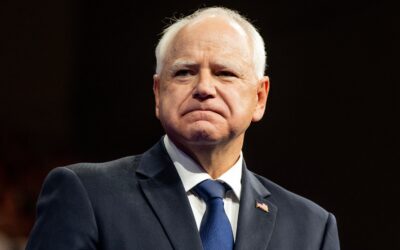
Somali Immigrant Fraud in Minnesota and the Collapse of State Oversight
When photos surfaced showing Somali criminal immigrant Abdul Dahir Ibrahim posing with prominent Minnesota Democrats, the images spread fast. People wanted to know why a man with a long record of fraud — and a long-standing deportation order — was anywhere near elected leaders. But the conversation didn’t stop with the photos. Instead, it kicked open a deeper discussion about Minnesota’s growing list of taxpayer-funded fraud scandals, including the massive Feeding Our Future pandemic case and even a recent decision by a judge to overturn a multimillion-dollar Medicaid-fraud conviction. A lot has happened in Minnesota over the past few years, and each story connects to a much larger pattern: serious failures in state government oversight, slow responses by state agencies, and enormous losses of taxpayer money. The Ibrahim Case: A Symbol of Bigger Problems Abdul Dahir Ibrahim had a long history of fraud before U.S. authorities arrested him in December 2025. Before arriving in Minnesota, he’d already been convicted of asylum and welfare fraud in Canada. After his arrival, he was involved in additional criminal activity, including providing false information to police and driving without a valid license. Because of these offenses, he’d been under a deportation order since 2004. For years, though, that order wasn’t enforced. So when photos emerged showing the Somali criminal immigrant standing next to Minnesota political figures, it didn’t sit well with the public. And honestly, it wasn’t just about him — it was about what he represented. His arrest happened at the same time Minnesota was dealing with some of the largest fraud cases in state history, many involving public-benefit programs. This was the moment people started connecting dots. Feeding Our Future: The Massive $250M Pandemic Fraud Case The Feeding Our Future scandal remains one of the biggest COVID-era fraud cases in America. Federal prosecutors charged dozens of Somali immigrants with stealing roughly $250 million from the federal child-nutrition program. That’s not speculation — that’s the number straight from federal indictments. The scheme worked like this: Fake meal sites were set up across Minnesota. Fraudulent invoices were submitted to claim reimbursed meals. Very few — if any — actual meals were served to children. Those involved then spent the money on luxury cars, real estate, and travel. Dozens of defendants have since pleaded guilty or been convicted. It’s a staggering case, and Minnesota is still dealing with the fallout. White House Deputy Chief of Staff for Policy Stephen Miller didn’t mince words. In an interview with Fox News, he called the scandal: “the single greatest theft of taxpayer dollars through welfare fraud in American history.” His comment reflected a growing national opinion: that this fraud wasn’t just large — it was a catastrophic failure of Minnesota state government oversight. More Stories Drowning in Bills? These Debt Solutions Could Be the Break You Need Out-of-Town Renters Are Driving Up Demand in These Five Cities Under Siege: My Family’s Fight to Save Our Nation – Book Review & Analysis Scott Jensen: “Their timeline’s a year off.” Minnesota gubernatorial candidate Dr. Scott Jensen also weighed in, specifically pointing the finger at Governor Tim Walz and the Minnesota Department of Education. According to Jensen, the administration knew a serious problem existed a year earlier than they’ve publicly claimed. Jensen told the New York Post: “Tim Walz and the Minnesota Department of Education knew in 2020 that there was a problem… but they didn’t get the FBI involved until 2021. And yet they’ve made claims that as soon as they learned about it, they got the FBI involved. That’s not true. Their timeline’s a year off.” This disagreement about the timeline matters. If state officials really waited a year to bring in federal investigators, that delay may have allowed the fraud to grow far beyond what it could have been. And that’s exactly what many Minnesotans are concerned about. Another Case That Shocked the State: Judge Overturns $7.2M Medicaid Fraud Conviction As if Minnesota didn’t have enough controversy already, a judge recently overturned a $7.2 million Medicaid fraud conviction involving a Somali couple accused of using taxpayer money to fund luxury living. According to reporting, Judge Sarah West threw out the conviction, citing problems with how the evidence tied the couple directly to the fraudulent billing. The case had drawn public outrage because of how the stolen money was allegedly spent — expensive clothing, high-end vehicles, and lavish travel. When the conviction was tossed, critics argued that Minnesota’s legal system was becoming too soft on major fraud cases. The timing of the reversal made the situation even more volatile, landing right in the middle of public anger over Feeding Our Future and other ongoing investigations. For many Minnesotans, it felt like yet another example of accountability slipping through the cracks. A Pattern That’s Hard to Ignore When you step back and look at all of this together — the Feeding Our Future scandal, the overturned Medicaid-fraud conviction, and the Ibrahim arrest — the common threads become obvious: Minnesota has a systemic oversight problem and a Somali criminal immigrant problem. Millions of taxpayer dollars have been stolen or misused. Feeding Our Future alone costs $250 million, and state and federal investigators now estimate the total Medicaid fraud in Minnesota has climbed to roughly $1 billion, revealing just how widespread and organized these schemes have become. Warning signs were overlooked. And political leaders are still giving conflicting timelines about when they first knew something was wrong. This is why the outrage hasn’t died down. Dr. Mehmet Oz, Administrator for the Centers for Medicare & Medicaid Services, sent Governor Walz a letter giving Minnesota 60 days to comply with directives to clean up Medicaid fraud and abuse. Dr. Oz also released a public video: You’ve probably heard the news by now: Minnesota fraudsters stole over $1 billion from Medicaid. And you deserve an explanation. Our staff at CMS told me they’ve never seen anything like this in Medicaid — and everyone from Gov. Tim Walz on down needs to be investigated,…
Top 10 States That Took in the Most Refugees
The United States continues to bring in thousands of refugees every year through the official U.S. Refugee Admissions Program. At the same time, the Trump administration has imposed new travel restrictions and entry bans on countries that officials link to security or terrorism concerns. Because of this, many people want to know how many refugees still arrive from those restricted nations and which states take in the most. According to the FY 2025 report “Arrivals by State and Nationality” from the U.S. Refugee Processing Center, a total of 38,102 refugees were admitted. These were legally admitted refugees, not illegal border crossers or other migrant categories. Top 10 States That Took in the Most Refugees The same federal report shows that refugee resettlement is not spread evenly across the country. Instead, a small group of states takes in most of the arrivals. Here are the top ten states by number of refugees received in FY 2025: 1. Texas – 3,923 2. California – 3,044 3. New York – 2,438 4. Florida – 1,513 5. Pennsylvania – 1,504 6. Ohio – 1,500 7. Illinois – 1,454 8. Georgia – 1,442 9. Minnesota – 1,337 10. Washington – 1,320 These ten states alone account for a large share of all refugees who arrived in the country last fiscal year. This makes them key destinations in any national discussion about refugee policy and resettlement. More Stories Drowning in Bills? These Debt Solutions Could Be the Break You Need Out-of-Town Renters Are Driving Up Demand in These Five Cities Under Siege: My Family’s Fight to Save Our Nation – Book Review & Analysis Which Countries Face Bans or Restrictions? In June 2025, the Trump administration issued Proclamation 10949, which restricts or bans entry from 19 countries. Twelve nations face a broad suspension of entry, while seven others face partial restrictions on certain visa types or categories. The restricted list includes Afghanistan, Burma, Chad, the Republic of the Congo, Equatorial Guinea, Eritrea, Haiti, Iran, Libya, Somalia, Sudan, Yemen, Burundi, Cuba, Laos, Sierra Leone, Togo, Turkmenistan, and Venezuela. While the policy targets security risks, the refugee program still allows some people from these countries to enter after extensive vetting and under specific exceptions. How Many Refugees Came From Restricted Countries? According to the 2025 FY Refugee Processing Center report, 21,105 refugees were admitted from the 19 countries that now face full or partial entry bans or restrictions under the Trump administration. Afghanistan led all countries with 6,758 refugees, while Venezuela followed with 4,589. Burma contributed 3,547 refugees, and Somalia added another 2,496. This number highlights a critical tension. On one hand, the federal government has tightened travel rules for certain countries. On the other hand, the United States has admitted tens of thousands of people fleeing war, persecution, and instability from those same regions. As debates over immigration and national security continue, these facts help show what is really happening on the ground in our refugee program. The Takeaway More than 21,000 refugees arrived in the United States in the last year from countries the Trump administration classifies as high-risk or dangerous. These individuals entered through the legal refugee pipeline, but the sheer volume underscores why public awareness matters. The recent National Guard attack in Washington, D.C. shows why vigilance is essential — even with vetting systems in place, dangerous individuals can still slip through, proving that current screening has not fully protected American citizens from those who choose to do harm. As a populace, we must understand the scale of these arrivals, stay informed about federal resettlement decisions, and remain aware of who is entering our towns and cities. Awareness is not fear — it is responsibility. By knowing the facts, communities can better protect their values, their safety, and their future. Where does your state stand? Expose the Spin. Shatter the Narrative. Speak the Truth. At The Modern Memo, we don’t cover politics to play referee — we swing a machete through the spin, the double-speak, and the partisan theater. While the media protects the powerful and buries the backlash, we dig it up and drag it into the light. If you’re tired of rigged narratives, selective outrage, and leaders who serve themselves, not you — then share this. Expose the corruption. Challenge the agenda. Because if we don’t fight for the truth, no one will. And that fight starts with you. 📩 Love what you’re reading? Don’t miss a headline! Subscribe to The Modern Memo here! Explore More News Trump Designates Muslim Brotherhood a Terrorist Organization Trump and Elon Musk Reunite, Boosting GOP Unity Top 5 Essential Survival Gear Items For Any Adventure Epstein Files Bill Sparks New Questions as Jeffries Email Emerges

Visa Failures Exposed: Afghan Evacuees and the Deadly Consequences of Rushed Vetting
In July 2021, the U.S. House of Representatives passed the ALLIES Act, a bill that expanded and accelerated the special immigrant visa program (SIVs) for Afghan nationals who assisted the United States during the war. The bill passed by an overwhelming margin of 407–16. Those 16 “no” votes all came from Republican lawmakers, many of whom warned the bill allowed “rushed admittance and not enough scrutiny” during a dangerous and unstable moment. The 16 Republicans Who Voted NO These representatives opposed the bill to expedite the visa program: 1. Andy Biggs 2. Lauren Boebert 3. Ken Buck 4. Andrew Clyde 5. Matt Gaetz 6. Bob Good 7. Paul Gosar 8. Marjorie Taylor Greene 9. Jody Hice 10. Thomas Massie 11. Mary Miller 12. Barry Moore 13. Ralph Norman 14. Scott Perry 15. Matt Rosendale 16. Chip Roy At the time, they argued the legislation expanded eligibility too broadly and weakened visa vetting requirements, opening the door to potential security risks. Their warnings were criticized as exaggerated, politically motivated, or unfounded. But today, several years later, those concerns have resurfaced with renewed urgency. More Stories Drowning in Bills? These Debt Solutions Could Be the Break You Need Out-of-Town Renters Are Driving Up Demand in These Five Cities Under Siege: My Family’s Fight to Save Our Nation – Book Review & Analysis A Program Under Fire: Operation Allies Welcome The ALLIES Act became a key pillar of Operation Allies Welcome (OAW), the massive resettlement effort that brought more than 70,000 Afghan evacuees to the United States in a matter of months. The operation unfolded in an atmosphere of chaos and fear after former President Biden’s botched military withdrawal from Afghanistan. Supporters said speed of visa approval was essential to protect U.S. allies before the Taliban took full control. However, critics insisted the acceleration weakened vetting, relied on incomplete records, and failed to properly examine individuals with military, intelligence, or extremist backgrounds. Although government audits later stated agencies followed established vetting procedures, the question remained: Did the rush cut corners in visa issuance anyway? This week, two violent incidents have forced the country to look hard at that question. A Bomb Threat in Texas Raises Alarm Earlier this week, federal agents arrested Mohammad Dawood Alokozay, an Afghan evacuee brought in under OAW. Authorities allege he posted a video of himself constructing a bomb and threatened to blow up a building in Fort Worth, Texas. BREAKING: An Afghan national was arrested this week after posting a video of himself on TikTok indicating he was building a bomb with an intended target of the Fort Worth area, according to DHS. Mohammad Dawood Alokozay is charged at the state level with making a terroristic… pic.twitter.com/Dmbmtp3gNs — Fox News (@FoxNews) November 29, 2025 EXCLUSIVE: Video of Afghan National Mohammad Dawood Alokozay planning to mass murder Americans with a car bomb in Texas. Watch his fellow Muslims cheer him on and offer support. Dallas and Fort Worth were his targets. Mohammad was imported into America by the Biden regime… pic.twitter.com/FP5VtxL8vo — Benny Johnson (@bennyjohnson) November 29, 2025 He reportedly showed materials, gave instructions, and made direct threats — raising immediate fears that he was preparing for an actual attack. This incident alone reignited concerns about the visa vetting process, especially for evacuees displaying signs of radicalization. But it was only the first shock of the week. A Nation Stunned: Deadly Ambush of National Guard Members Then, the nation was rocked by a deadly attack in Washington, D.C. Two members of the West Virginia National Guard — 20-year-old Sarah Beckstrom and 24-year-old Andrew Wolfe — were ambushed while on duty near the White House. Beckstrom died from her injuries. Wolfe remains in critical condition, fighting for his life. Police identified the shooter as Rahmanullah Lakanwal, an Afghan national who also entered the United States under Operation Allies Welcome. According to reports, Lakanwal had ties to a CIA-backed unit in Afghanistan — a background that should have triggered heightened review. National Guard shooter Rahmanullah Lakanwal, his wife, & five kids were moved straight into Walton Place Apartments — subsidized housing partnered with the Bellingham Housing Authority. The waitlist for American families is six months to three years. American elderly, disabled,… pic.twitter.com/HQnG9aHGZ4 — Derrick Evans (@DerrickEvans4WV) November 28, 2025 Authorities are treating the attack as a targeted, ambush-style assault. The killing of a young service member and the near-fatal wounding of another have devastated their families and shook the nation. Did the Rush Create Preventable Risks? These two high-profile cases — a credible bomb threat and a deadly ambush — have intensified criticism that the 2021 SIV expansion and evacuation effort prioritized speed over safety. Opponents of the ALLIES Act had argued: – Eligibility was expanded too broadly – Vetting was rushed due to political pressure – Afghanistan’s poor record-keeping made verification difficult – Individuals with militant or extremist ties could slip through Supporters dismissed these claims in 2021. But now, with American service members dead or critically injured, the debate looks very different. A Country Reeling — and Demanding Answers Communities across America are grieving. Citizens are questioning how individuals admitted under a humanitarian program could turn violent so quickly. After the recent attacks, the Trump administration has paused Afghan immigration processing and ordered a review of how evacuees were vetted before entering the United States. U.S. Citizenship and Immigration Services issued a statement: “In the wake of the shooting of two National Guard service members in Washington, D.C., Wednesday by an Afghan national, U.S. Citizenship and Immigration Services issued new guidance allowing for negative, country-specific factors to be considered when vetting aliens from 19 high-risk countries. This guidance comes after the Trump administration halted refugee resettlement from Afghanistan and the entry of Afghan nationals in its first year of office.” Effective immediately, processing of all immigration requests relating to Afghan nationals is stopped indefinitely pending further review of security and vetting protocols. The protection and safety of our homeland and of the American people remains our singular focus…
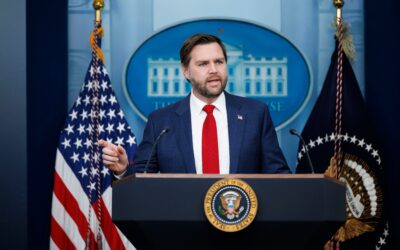
JD Vance: Illegal Immigration Drives Up Home Prices
The Modern Memo may be compensated and/or receive an affiliate commission if you click or buy through our links. Featured pricing is subject to change. Rising Home Costs and the Immigration Debate In recent months, Vice President J.D. Vance has linked the growing housing-affordability crisis in America to the increase in illegal immigration. He argues that when millions of people arrive without legal status, they create new demand for housing, and that in turn drives up home prices and rents for American citizens. Furthermore, he contends that regulatory burdens and insufficient home construction further amplify the problem, Breitbart News reports. Vance’s Key Argument: Demand Outpacing Supply Vance asserts that the U.S. is experiencing too much demand for housing and not enough new homes to match. He notes that younger Americans are “worried about the basics,” including the ability to buy a home. He connects this directly to mass illegal immigration under former President Joe Biden. If more people enter the country—especially those without legal status—they require housing. He claims that those demands compete with citizens and drive up prices for everyone. Additionally, he argues that regulatory and construction shortfalls worsen the crisis. For example, new-home building lags behind where it should be, and local regulations add costs and delay projects. Because of this, Vance believes the American Dream of owning a home is slipping out of reach for many, particularly younger generations. Related Stories Kamala Teases 2028 Run as Democrats Scramble for Strategy FBI Probes Hunting Stand Near Trump’s Air Force One Area Trump Scores Legal Victory: $500M Fraud Penalty Overturned Young Americans at a Disadvantage According to Vance, younger generations (millennials and younger) face steeper hurdles than previous ones. He pointed out that while older generations often acquired homes by age 30, many in the younger cohort cannot even begin that journey. This matters because homeownership has long been a major way for families to build wealth. With prices soaring and supply tight, the pathway has narrowed. Vance says the combination of rising costs, high interest rates, tighter lending, and increased competition means it’s harder for a young person to buy a first home now than it was decades ago. He casts the situation as less about individual failure and more about structural shifts in the economy and housing market. Immigration’s Role According to Vance Central to Vance’s viewpoint is the idea that large-scale illegal immigration has drawn more people into the housing market than the system can easily absorb. For instance, he has used figures suggesting “20 million” or “25 million” undocumented people competing for housing. He argues that every new person needing a home exerts pressure on limited housing stock, especially in tight markets. Furthermore, he says that when legal entry is lax and enforcement weak, the influx accelerates the problem. By linking immigration to housing, Vance hopes to shift some policy focus toward border-security, enforcement, and limiting illegal entries — as part of the broader housing-affordability agenda. Supply-Side Problems and Structural Constraints Although demand is an important piece, Vance also highlights supply-side issues. He says that too few homes have been built in recent years and that local zoning rules, building regulations, and high development costs delay or block construction. For young buyers, this means fewer entry-level homes and more bidding wars. Vance’s solution emphasizes unlocking supply: simplifying regulations, increasing production, and thereby easing price pressure. He argues that without such structural fixes, simply blaming demand alone will not suffice. Moreover, he draws comparisons to other countries that faced high immigration and housing-cost spikes, using that to support his claim that immigration and housing affordability are linked. 🚨 JUST IN — JD VANCE: “We need to build 5 MILLION new homes!” Yep, and we need to deport 20 MILLION illegals! If we do both of those things (and quickly), we can FINALLY start making housing affordable again. pic.twitter.com/TKfa7OcpYG — Nick Sortor (@nicksortor) November 14, 2025 What It Means for Homebuyers For young Americans trying to buy a home, the message from Vance is that they are caught in a confluence of pressures: high demand, tight supply, regulatory friction, and migration-driven competition. If his diagnosis is correct, then policy actions would need to address all these elements simultaneously. From a practical standpoint, this suggests that aspiring buyers may need to broaden their search areas, adjust expectations (in terms of size or location), and act quickly when opportunities arise. Meanwhile, policymakers may need to streamline permitting, incentivize construction of starter homes, and ensure that housing supply keeps pace with growing need. If, on the other hand, the primary challenges are supply-side rather than immigration-driven demand, then focusing resources entirely on border enforcement may miss the bigger housing-policy target. Moving Forward: Policy and Opportunity Looking ahead, if the government adopts Vance’s framing, we might see increased emphasis on stricter immigration enforcement, border control, and minimizing illegal entries — all linked to housing-affordability goals. At the same time, a supply-side push could involve incentives for builders, reduced regulations, tax breaks for starter homes, and faster development permitting. For homebuyers, that means staying informed about local housing-policy changes, monitoring interest-rate and credit-market trends, and preparing financially (saving for down payments, improving credit scores). In markets where supply is increasing or regulatory burdens easing, buyers may find better opportunities. Ultimately, as Vance argues, the goal should be to restore the possibility of homeownership for young Americans — enabling them to buy a home, build equity, and feel rooted in their communities. Final Thoughts In summary, J.D. Vance presents a bold argument: that illegal immigration has materially contributed to America’s housing-affordability crisis by driving up demand while supply lags. He combines this with a critique of regulatory barriers and the younger generation’s diminishing access to homeownership. While many experts agree that the housing supply shortfall is a central issue, they caution that immigration is only one part of a complex equation. For young Americans hoping to buy a home, recognizing both the demand and supply aspects of the challenge is critical. And…

U.S. Visa Applications May Be Denied For Health Issues
The U.S. Department of State recently issued internal guidance that may tighten requirements for immigrants seeking visas, according to the New York Post. Under the directive, visa officers are instructed to consider applicants’ health conditions and potential reliance on public assistance when deciding whether to approve a visa. Conditions cited include obesity, cancer, diabetes, cardiovascular and respiratory diseases, neurological and mental health disorders. What the Guidance Says The memo, as examined by KFF Health News, informs consular officers to assess whether an applicant has the financial resources to cover lifetime medical costs without depending on U.S. public benefits. Further, the applicant’s family health and wider ability to participate in the workforce may also be evaluated. If officers believe a visa applicant may become a “public charge,” they may deny the application. Why This Change Matters Previously, visa screenings focused mostly on communicable diseases and vaccination requirements. Now, the evaluation expands to chronic conditions and potential long-term cost burdens. This signals a shift in how the U.S. weighs health in immigration policy. Experts say the change could affect many applicants who have managed conditions but now face new scrutiny. Implications for Applicants For immigrants, this means more than just filling out paperwork. Those with conditions like obesity, diabetes, or serious health issues might see additional hurdles. They could be asked more questions about insurance, family support, past medical history, and job prospects. Long-term planning and financial readiness now become part of visa considerations. Controversy and Concerns Critics argue the policy risks discrimination and sets a troubling precedent: access to residence could hinge on health and wealth, not just legal eligibility. Some worry it could disproportionately affect applicants from lower-income countries or those with limited health coverage. On the other hand, supporters say the U.S. has a right to protect public resources and ensure that newcomers can integrate without undue burden. More Stories AI Job Cuts Surge: How Automation Is Reshaping the U.S. Workforce in 2025 Holiday Travelers May Face Flight Delays as Shutdown Deepens Daylight Saving Time Debate Heats Up Across States What This Means for Immigration Trends The directive could slow processing of some visa applications and shift the profile of approved immigrants. For families, it may mean preparing more documentation. For immigration attorneys and advocates, it means revising guidance. And for prospective immigrants, it adds another dimension to decision-making: not just job and eligibility, but health and projected costs. As a result, the United States may see fewer applicants in certain categories while attracting those who can show stronger financial and medical self-sufficiency. The emphasis on long-term independence signals a new focus on fiscal responsibility within immigration policy. Looking Ahead As the guidance rolls out, monitoring will be key. Will visa denial rates rise on health grounds? Will there be legal challenges or calls for clarity? Also, how will this align with U.S. immigration goal of attracting skilled workers? The balance between access and cost-control will shape future immigration policies. Observers expect new data to emerge within months, giving insight into how many applicants are affected and whether the policy leads to measurable savings in public spending. Ultimately, the goal will be to maintain compassion while protecting the sustainability of the nation’s resources. Final Word In short, the new health-based visa screening marks a significant shift in U.S. immigration policy. It underscores that applicant health and financial independence are now central to visa decisions. For prospective immigrants, this means preparing more comprehensively. The conversation also raises a broader question about how America manages limited healthcare and social-service resources. Many American citizens already face high medical costs and gaps in coverage, so immigration policies must ensure that visa holders can support themselves without adding strain to an overburdened system. A sustainable approach encourages applicants who can contribute in needed areas while reducing long-term dependency, promoting fairness for both new arrivals and taxpayers alike. Expose the Spin. Shatter the Narrative. Speak the Truth. At The Modern Memo, we don’t cover politics to play referee — we swing a machete through the spin, the double-speak, and the partisan theater. While the media protects the powerful and buries the backlash, we dig it up and drag it into the light. If you’re tired of rigged narratives, selective outrage, and leaders who serve themselves, not you — then share this. Expose the corruption. Challenge the agenda. Because if we don’t fight for the truth, no one will. And that fight starts with you. 📩 Love what you’re reading? Don’t miss a headline! Subscribe to The Modern Memo here! Explore More News AI Job Cuts Surge: How Automation Is Reshaping the U.S. Workforce in 2025 Holiday Travelers May Face Flight Delays as Shutdown Deepens Daylight Saving Time Debate Heats Up Across States Retirement 2025: America’s Safest and Wealthiest Towns to Call Home

Britons Warn of Rising Tension Between Migrants and Locals
A new study shows most Britons believe their country is changing too fast and want firm action to protect national identity and security. The research, conducted by the Policy Institute at King’s College London, found a sharp rise in public concern about migrants, cultural shifts, and divisions between those born in the UK and those who have immigrated. Public Frustration Reaches New Highs According to the findings reported by Breitbart News, 86 percent of respondents believe there is tension between migrants and UK-born residents—up from 74 percent just two years ago. Across all political lines, the concern is widespread. Supporters of Reform UK and the Conservative Party expressed the strongest levels of concern, but even voters for Labour, the Liberal Democrats, and the Greens said the country feels more divided than before. Majority Feel Britain Is Changing Too Quickly Half of those surveyed said British culture is “changing too fast.” Only one in five disagreed. Nearly half also said they “would like my country to be the way it used to be.” Many citizens believe the government has failed to protect traditional values and community stability. In recent years, record migration numbers have changed local populations, schools, and housing demand. For many, those changes have happened faster than the government can manage. More Stories AI Job Cuts Surge: How Automation Is Reshaping the U.S. Workforce in 2025 Holiday Travelers May Face Flight Delays as Shutdown Deepens Daylight Saving Time Debate Heats Up Across States Identity and Security Concerns The report also found that 81 percent of right-leaning voters said Britain risks losing its identity if it remains too open. A large share of respondents linked that loss of identity to weak border enforcement and lenient immigration policies. Many voters said the UK must tighten immigration rules to restore order and security. Concerns include pressure on housing, public services, and the job market. Political Implications The strength of these opinions could shape upcoming elections. Immigration, border security, and cultural identity are dominant issues. With the public increasingly united in frustration, political leaders are under pressure to respond with clear action. Parties that downplay the problem risk losing voters who feel unheard. Calls for reduced immigration, stricter visa policies, and faster deportations of those who break the law are becoming central to debate. Calls for Stronger Borders and Enforcement Many Britons say the government must strengthen borders, enforce immigration law, and remove those who entered illegally. Illegal crossings across the English Channel remain high despite promises to stop them. Critics warn that every failure erodes public confidence and encourages more unlawful entry. Border control advocates argue that enforcement is about protecting resources for citizens and upholding national law. No nation, they say, can function effectively without control over who enters or stays within its borders. A Nation at a Crossroads The findings show a nation divided but determined. Many Britons feel their way of life is being transformed without consent and that the pace of change is unsustainable. For them, strong borders and strict immigration limits are not optional—they are essential. Political leaders now face growing pressure to prove that their policies can deliver results. The government’s credibility may depend on showing real control over migration and reassuring citizens that their concerns matter. Final Word Recent research from King’s College London reveals profound unease across Britain over the rapid pace of societal change. A decisive majority of respondents believe the nation has lost control of its borders and that its core national identity is now under genuine threat. The public’s verdict is unequivocal: they demand bold, immediate action to reclaim security, restore stability, and reassert a coherent national purpose. Britons must rally behind candidates aligned with the Britain First movement—those committed to confronting these challenges head-on, rather than ignoring or concealing them. United action is essential now, before the erosion becomes irreversible. Cut Through the Noise. Slice Through the Lies. Share the Truth. At The Modern Memo, we don’t tiptoe around the narrative—we swing a machete through it. The mainstream won’t say it, so we will. If you’re tired of spin, censorship, and sugar-coated headlines, help us rip the cover off stories that matter. Share this article. Wake people up. Give a voice to the truth the powerful want buried. This fight isn’t just ours—it’s yours. Join us in exposing what they won’t tell you. America needs bold truth-tellers, and that means you. 📩 Love what you’re reading? Don’t miss a headline! Subscribe to The Modern Memo here! Explore More News President of Nigeria Responds to Trump Criticism Election 2025 Analysis: Democrats Sweep as Shutdown Continues General Motors Cuts Over 1,700 Jobs as EV Demand Slows ACA Premiums Are Rising — But Not Because of Expiring Subsidies

ICE Blocked by Pritzker’s Sanctuary Law After Fatal Crash
A heartbreaking crash in Coles County, Illinois, has reignited fierce debate between ICE and the state’s sanctuary policies. Michael and Gail Clayton — a respected Republican county official and his wife — were killed when an alleged illegal immigrant, driving under the influence, crossed into their lane and struck their car head-on. The Claytons were well known in Charleston for their kindness and community service. Their sudden deaths have shaken the town — and raised serious questions about whether Illinois Governor Pritzker’s decision to shield illegal immigrants from federal law enforcement contributed to this tragedy. The Crash and the Suspect On October 24, 34-year-old Edwin Pacheco-Meza, a Honduran national living illegally in the United States, allegedly veered his van into oncoming traffic. The impact killed both Michael, 71, and Gail Clayton, 66, at the scene. (MORE NEWS: Kamala Teases 2028 Run — Democrats Scramble for Strategy) Authorities reported that Pacheco-Meza appeared intoxicated. In his vehicle, police found open alcohol containers, drugs, and even an extended ammunition magazine. An 18-year-old Guatemalan passenger, Juan Morales-Martinez, also in the country illegally, was charged with drug and weapons offenses. Prosecutors quickly filed charges of reckless homicide and aggravated DUI against Pacheco-Meza. ICE officials later confirmed both men were in the country unlawfully and lodged detainer requests to take them into custody. Assistant Secretary for Public Affairs at the Department of Homeland Security Tricia McLaughlin said: “Two innocents were killed because this criminal illegal alien chose to drive under the influence. President Trump and Secretary Noem have unleashed ICE and CBP in Illinois to restore law-and-order and remove criminal illegal aliens from our communities. Anyone who is in the U.S. illegally and thinks they can roam free while breaking our laws and harming Americans is in for a rude awakening. If you are in our country illegally and break our laws, we will find you, arrest you, remove you, and you will never return.” How Illinois’ Sanctuary Law Comes Into Play Here is where the story becomes more complicated — and controversial. Illinois law bars local police and county jails from cooperating with federal immigration detainers. Under Governor J.B. Pritzker’s “Trust Act,” state and local agencies are prohibited from holding someone for ICE unless there is a federal court order. In practice, this means that even when immigration authorities ask to take custody of criminal suspects, local jails must ignore those requests. According to reports, detainers were placed on both men after the crash, but local officials initially refused to honor them. This policy undermines public safety and invites exactly the kind of tragedy that took the Claytons’ lives. There is a human cost when those laws shield people accused of serious crimes. Community Shock and Grief The deaths of Michael and Gail Clayton have devastated the small town of Charleston. Their obituary describes the couple as warm, dependable, and deeply involved in local life. They volunteered in civic projects, attended the farmers’ market, and supported small businesses. Their loss has left the community in deep shock and mourning. It’s a reminder of how policy decisions made in the state capital can reach into the heart of a small community. What Sanctuary States Get Wrong This crash has revived a national conversation about what sanctuary states owe their citizens. Opponents of these policies say Illinois’ refusal to cooperate with ICE leaves law enforcement powerless to prevent known offenders from remaining in the country. (RELATED NEWS: Portland Police Go Easy on Antifa…Again) When local officials ignore federal detainers, they effectively place politics above public safety. Federal immigration law exists to identify and remove individuals who commit crimes after entering the country illegally. When states block that process, they weaken both accountability and deterrence. Even those who support a compassionate immigration system are now questioning whether blanket non-cooperation makes sense. Compassion should not come at the expense of safety — and laws meant to protect the vulnerable should not allow reckless behavior that endangers innocent families. The Federal-State Divide This case highlights a growing rift between federal immigration enforcement and certain state governments. ICE and the Department of Homeland Security maintain that immigration law is a federal responsibility. Yet states like Illinois, California, and New York have passed legislation to limit cooperation, often citing civil rights concerns. The result is confusion, uneven enforcement, and, in tragic cases like this one, deadly outcomes. Local police are caught in the middle — bound by state restrictions yet facing the real-world consequences when things go wrong. Calls for Change As details of the crash spread, public pressure on state leaders has intensified. Lawmakers are calling for a review of Illinois’ sanctuary statutes, arguing that local agencies must be able to communicate with federal authorities when crimes involve non-citizens. Others insist on a balanced approach — maintaining trust with immigrant communities while ensuring that those who commit crimes are not protected from accountability. Regardless of where one stands politically, the deaths of the Claytons are forcing an uncomfortable but necessary conversation about the limits of sanctuary policies. A Case That Demands Accountability Michael and Gail Clayton should still be alive. Their deaths were not a random accident; they were the foreseeable result of a system that failed to put public safety first. When state officials choose to defy federal law, they assume responsibility for what happens next. Every ignored detainer, every preventable crime, every family left grieving — these are the consequences of decisions made in Springfield and echoed across other sanctuary states. The Takeaway The tragedy in Charleston, Illinois, is a national warning. When state leaders prioritize ideology over enforcement, the victims are often ordinary citizens like the Claytons. As the investigation continues, one thing is clear: the sanctuary model is under scrutiny. States that reject cooperation with federal law must reckon with the outcomes of that choice. The Claytons’ memory deserves more than condolences. It deserves action and a renewed commitment to laws that protect every American, regardless of politics or policy debates. Cut Through the Noise. Slice Through the…
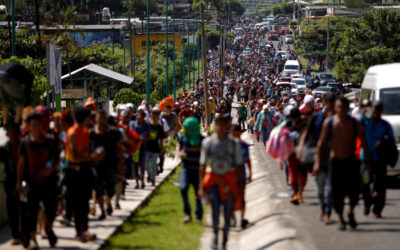
Cuban Migrant Caravan Shifts Destination to Mexico City
A new caravan led mainly by Cuban migrants is making its way through southern Mexico. But unlike past movements, this group is not trying to reach the United States. Instead, they are heading for Mexico City, hoping to build a new life there. This shift marks a dramatic change in migration patterns. For years, the U.S. was the ultimate goal for most migrants traveling through Mexico. Now, stricter border controls and changing political realities have pushed many to look for safety and opportunity elsewhere. A Journey with a New Goal The caravan began in Tapachula, near the border with Guatemala. It includes more than a thousand people from Cuba and other Latin American countries. They are traveling north on foot and by bus, aiming to reach the Mexican capital. Their message is simple: they want permission to live and work in Mexico legally. Many of them have waited months in overcrowded shelters in Tapachula. Some were stuck there for nearly a year, unable to move north or find jobs. Frustration and hunger pushed them to organize and take to the road. They believe reaching Mexico City will give them a better chance to speak directly to government officials and demand legal documents. Trump’s Policies Shift the Migration Map Since Donald Trump returned to the White House in early 2025, the U.S. has seen a sharp decline in illegal border crossings. The administration has expanded deportations, increased patrols, and enforced new agreements with Mexico and Central American nations. (MORE NEWS: Apple Pulls ICE-Tracking Apps from App Store) The New York Post is reporting that ICE is on track to deport 600,000 illegal immigrants in 2025 and 2 million have left voluntarily. “This is just the beginning.” As a result, the number of migrants attempting to cross into the U.S. has dropped to historic lows. This has forced many to rethink their plans. For the first time in years, a large number of migrants now say they intend to stay in Mexico rather than risk the journey north. Some say they no longer see the U.S. as a welcoming place. Others fear being detained or deported if they try to cross. For them, Mexico represents a chance to work, earn money, and live without constant fear of arrest. Seeking Opportunity Inside Mexico Mexico, specifically Mexico City, is becoming a new destination for migrants across the region. Many believe they can find jobs in construction, agriculture, or tourism. Some also hope to start small businesses or join family members already living in the country. The Mexican government has been trying to manage this new wave of settlement. Officials have offered temporary humanitarian permits that allow migrants to travel and seek work. However, these permits often expire after 30 days, leaving many in legal limbo once again. Many immigrants have been outright denied or have received pushback on their requests, leaving them frustrated. A migrant caravan leaves southern Mexico and heads for the capital Mexico City in search of better opportunities. The Cuban and Haitian migrants cite red tape and high costs as barriers to making life in Mexico work pic.twitter.com/G35cg1NBc9 — Reuters (@Reuters) October 2, 2025 Despite the uncertainty, migrants remain hopeful. They see Mexico City as a symbol of progress — a place where their voices can be heard and their paperwork processed faster. Hardships on the Road The journey north is dangerous and exhausting. Migrants face long days of walking under intense heat with little food or water. Some travel with small children or elderly relatives. Along the way, they risk robbery, extortion, and abuse from criminal groups that target vulnerable travelers. Local residents sometimes offer food and shelter, but others are less welcoming. Some communities fear that large groups of migrants will strain local resources or increase insecurity. Despite these challenges, the caravan continues to move forward. (RELATED NEWS: Cartel “La Diabla” Busted for Baby, Organ Ring in Mexico) Mexico’s Complex Role Mexico now faces a difficult balancing act. On one hand, it must show compassion and manage the humanitarian crisis. On the other, it must maintain cooperation with the United States, which continues to pressure Mexico to control migration flows. The Mexican National Migration Institute has been documenting participants and reviewing cases to determine who may qualify for residency. In past caravans, authorities have used a strategy of dispersing migrants to other regions to prevent large concentrations near the capital or the U.S. border. A Turning Point in Migration The Cuban-led caravan may mark the beginning of a new migration era. Instead of using Mexico as a bridge to the United States, many migrants now view it as a final destination. Economic opportunity, cultural familiarity, and proximity to home make Mexico an appealing choice. While challenges remain — from bureaucracy to discrimination — migrants say they prefer the uncertainty of Mexico over the hostility they expect at the U.S. border. This shift could reshape regional migration policies for years to come. The U.S. may see reduced border pressure, while Mexico will need stronger systems for asylum, employment, and integration. How both governments respond will define the next chapter in North American migration. The Road Ahead: A Hard Truth As the caravan moves closer to Mexico City, the country faces mounting pressure. Streets and shelters are already crowded with people waiting for government help. Local resources are stretched thin, and frustration is growing among residents who feel their communities are being overrun. Many Mexicans argue it’s time to draw a firm line. They believe the government must stop encouraging massive caravans that drain public funds and disrupt local life. What began as a humanitarian issue has become a matter of national security and social stability. The reality is that Mexico cannot absorb endless waves of migrants. Jobs are limited, infrastructure is weak, and public services are already under strain. While compassion matters, so does responsibility. Allowing thousands of undocumented migrants to remain without control invites long-term problems that will hurt ordinary citizens first. The hard truth for some is that the…

Des Moines Superintendent Arrested by ICE: Fake Degrees, Crimes
A major scandal has erupted in Iowa. Authorities arrested Ian Andre Roberts, then–superintendent of Des Moines Public Schools, raising fresh questions about his past. Investigators say his history includes drug convictions, weapons charges, fraudulent credentials, and immigration violations. As the full account unfolds, officials and the public alike are demanding answers. Background: From Education Leader to Arrested Suspect Roberts began working as superintendent in Des Moines in 2023. At first, there were few signs that serious legal trouble loomed. However, when U.S. Immigration and Customs Enforcement agents moved in on September 26, Roberts attempted to flee. They pursued his vehicle, found him hiding in nearby brush, and ultimately took him into custody. His ICE arrest triggered a bombshell disclosure by the Department of Homeland Security. In a public statement, DHS asserted Roberts had a long record of criminal conduct and maintained he should never have been serving in a role overseeing children. Shortly after, Roberts resigned his position. (MORE NEWS: Apple Pulls ICE-Tracking Apps from App Store) Criminal Allegations: Drugs, Guns, and Fraud The roster of charges against Roberts is extensive and severe. Investigators allege that a search of his home revealed multiple firearms: a loaded 9 mm pistol tucked under a couch cushion, a rifle in the master bedroom closet, and a shotgun behind a headboard. Moreover, one handgun was found in a vehicle he used while fleeing ICE. 🚨Holy crap. DHS just released more info on the Iowa school superintendent and illegal alien Ian Andre Roberts. He has a very long, violent criminal record, combined with immigration fraud. He also voted in elections. pic.twitter.com/lZDeRJKmnw — Katie Pavlich (@KatiePavlich) October 3, 2025 But weapons are not the only concern. The DHS and FBI allege Roberts has a decades-long history of drug crimes. In New York, his record reportedly includes criminal possession of narcotics with intent to sell, forgery, and related offenses dating back to the mid-1990s. In Pennsylvania, the accusation includes unlawful possession of a loaded firearm in 2022. On top of that, Maryland records allegedly show reckless driving, unsafe operation, and speeding convictions from 2012. Compounding these allegations are claims that Roberts also held fake or unverified academic credentials. He listed Morgan State University as his alma mater and claimed to be an incoming MBA candidate at MIT’s Sloan School of Management. But Morgan State confirmed to the Des Moines Register that he attended without earning a degree. MIT’s registrar also told the Register that no record exists of him ever being enrolled in that program. Immigration Violations and Status Issues Beyond criminal allegations, Roberts faces severe immigration-related accusations. DHS says he entered the U.S. multiple times under different visas—first as a visitor, then on a student visa in 1999. An immigration judge in Dallas ordered his removal in absentia in May 2024. Nevertheless, Roberts filed applications for work authorization in 2000, 2018, and 2019—each granted for just one year. Those ultimately expired. (MORE NEWS: Cartel “La Diabla” Busted for Baby, Organ Ring in Mexico) DHS also claims Roberts was illegally registered to vote as a Democrat in Maryland, raising serious concerns about voter registration controls. While some aspects remain under investigation, the combined allegations portray a complex web of alleged misconduct. Impact on Public Education and Trust The arrest has rattled the Des Moines Public Schools system. The school board initially placed Roberts on paid leave, then switched to unpaid leave, and finally accepted his resignation. Many parents, teachers, and stakeholders feel blindsided. How did someone with such a background secure a leadership role in a major school district? Furthermore, the scandal calls into question hiring and vetting practices in public education. If school systems failed to detect fictitious degrees or an extensive criminal history, then oversight mechanisms may be deeply flawed. Beyond internal processes, the case risks damaging public confidence. Schools play a central role in community trust. When a leader falls under suspicion for crimes and deceit, that trust erodes quickly. Des Moines Public School Board is now suing JG Consulting: 🚨 BREAKING: The Des Moines Public School Board is now deflecting all responsibility for hiring former Superintendent Ian Roberts by taking legal action against the search firm that assisted in the hiring, JG Consulting. Roberts passed background checks conducted by both JG… pic.twitter.com/RPdqgRFPp0 — Dustin Grage (@GrageDustin) October 3, 2025 Voices from DHS and Reactions In response, DHS Assistant Secretary Tricia McLaughlin stated: “Ian Andre Roberts, a criminal illegal alien with multiple weapons charges and a drug trafficking charge, should have never been able to work around children. When ICE officers arrested this Superintendent, he was in possession of an illegal handgun, a hunting knife, and nearly $3,000 in cash. This criminal illegal alien is now in U.S. Marshals custody and facing charges for being an illegal alien in possession of a firearms. Under Secretary Noem, ICE will continue to arrest the worst of the worst and put the safety of America’s children FIRST.” Meanwhile, local and state-level officials have faced pressure to explain how Roberts gained access to influential education roles. As more revelations emerge, the scrutiny has intensified. Conclusion: A Scandal That Demands Clarity The arrest of Ian Andre Roberts marks a serious and complicated turning point in public education oversight. The charges span drugs, weapons, fraud, and immigration violations. His alleged falsification of academic credentials only deepens the concerns. In the wake of the revelations, Des Moines Public Schools faces not only legal fallout but a crisis of credibility. As authorities move forward, stakeholders and the public alike deserve transparency and reform. Through this case, we are reminded that leadership roles—especially those entrusted with children’s lives and future—demand rigorous scrutiny. Public systems must apply higher standards, not lower them. If that standard is not met, the consequences affect more than one man—they affect the integrity of public education itself. Forget the narrative. Reject the script. Share what matters. At The Modern Memo, we call it like it is — no filter, no apology, no corporate leash. If you’re tired of being lied to,…

Apple Pulls ICE-Tracking Apps from App Store
Apple has removed a number of apps from its App Store that allowed users to track the presence of ICE (Immigration and Customs Enforcement) agents, according to the New York Post. The decision came after the Trump administration threatened legal action. The removed apps included one called ICEBlock, which had gained hundreds of thousands of users. In response, Apple confirmed that it took down ICEBlock and similar apps after being contacted by law enforcement. The company did not name which agencies or detail each app removed. What Was ICEBlock and Why It Mattered ICEBlock was an app that let users anonymously report and view the approximate location of ICE agents within a five-mile radius. By crowdsourcing observations, users could see where ICE enforcement was reportedly active and warn each other. The app’s creators promoted it as a tool to help immigrants avoid law enforcement encounters. The app had 1.1 million users. Director of the FBI Kash Patel reported the shooter at the Dallas ICE facility last week used ICE tracking apps: @FBIDallas and FBI HQ have been working 24/7 to seize devices, exploit data, and process writings obtained on location and in the subject’s person/residence/bedroom. This @FBI is committed to providing timely updates, as promised: – The perp downloaded a document titled “Dallas… — FBI Director Kash Patel (@FBIDirectorKash) September 25, 2025 Because of its controversial goal—to help people evade immigration enforcement—ICEBlock drew both support and criticism. Supporters viewed it as a defense against perceived overreach. But in reality, it enabled illegal behavior and endangered public safety by interfering with law enforcement. Why Apple Acted: Legal Pressure and Enforcement Apple’s removal of the app followed intense pressure from the Trump administration. Officials issued legal threats, demanding that Apple stop distributing apps designed to help users avoid ICE. Facing potential liability, Apple complied. (MORE NEWS: Viral 2019 Debate Clip Shows Democrats Back Healthcare for Illegal Immigrants) In its statement, Apple said it removed the apps after being contacted by unspecified law enforcement entities. The company did not confirm whether the removal was voluntary or mandated by law. Thus, Apple appears to have acted preemptively to avoid legal exposure. The move signals how tech firms may sometimes yield to government pressure when enforcement agencies assert regulatory or legal authority. Reactions and Debate The removal has sparked fierce debate. Advocates for free speech and digital tools argued that Apple’s action constitutes censorship—restricting tools that users voluntarily choose to download. On the other hand, critics claim the apps endanger enforcement and public safety. Some supporters of ICEBlock’s removal say that no platform should host tools explicitly designed to help users dodge law enforcement. They argue developers should not assist with illegal conduct. Opponents, however, say that the government should not be able to dictate which apps people can access. The tension between safety, free speech, and corporate responsibility is central to this dispute. What It Means for Developers and Users For developers, the removal shows a warning: apps facilitating the evasion of law enforcement may be vulnerable to removal, especially if authorities condemn them. Even if an app is popular, it may not be safe from takedown under pressure. (RELATED NEWS: Dallas ICE Office Attack Sparks Grief and Political Uproar) For users, this event underscores how volatile app availability can be when government interest is involved. Tools can be removed overnight if they encroach upon legally sensitive territory. Moving forward, developers planning apps that interact with law enforcement or surveillance should tread carefully. They must anticipate potential legal challenges and consider whether their functionality may be perceived as enabling wrongdoing. Lessons on Tech, Governance, and Power This episode highlights how tech platforms serve as gatekeepers. Even though Apple is a private company, its control over app distribution gives it de facto regulatory power. Its decisions can shape which tools people can access and which voices gain amplification. However, it is important to note that this action is not government overreach. It is no different from laws in some states that ban laser jammers or radar detectors. Just as those devices interfere with traffic enforcement, ICE-tracking apps directly interfere with immigration enforcement. When technology is designed to obstruct the law, removal becomes a matter of public safety, not censorship. Moreover, the case reveals how when law enforcement deems an app inappropriate or dangerous, companies may be willing—or compelled—to submit. That is especially true when technology contributes to serious crimes, including the potential harm or even murder of innocent people. In such cases, restrictions are not about silencing dissent but about protecting lives. At the same time, the controversy underscores the tension between security and liberty. Governments want tools and mechanisms to maintain order. Citizens and activists often want the ability to observe, document, or resist government action. When technology sits in the middle of that clash, conflict is inevitable. Final Word Apple’s removal of ICE-tracking apps like ICEBlock signals a major shift at the intersection of tech, law, and politics. Under pressure from the Trump administration, Apple pulled apps that helped users avoid ICE agents. The move has stirred debate about censorship, corporate responsibility, and civil liberties. Going forward, developers must consider legal risks when building apps tied to law enforcement or surveillance. Meanwhile, users must recognize that app access is never fully secure. As technology continues to permeate government and personal lives, the boundaries of power will remain contested—and the decisions of big tech companies will carry weighty consequences. Expose the Spin. Shatter the Narrative. Speak the Truth. At The Modern Memo, we don’t cover politics to play referee — we swing a machete through the spin, the double-speak, and the partisan theater. While the media protects the powerful and buries the backlash, we dig it up and drag it into the light. If you’re tired of rigged narratives, selective outrage, and leaders who serve themselves, not you — then share this. Expose the corruption. Challenge the agenda. Because if we don’t fight for the truth, no one will. And that fight starts with you.
- 1
- 2