

National Weather Service
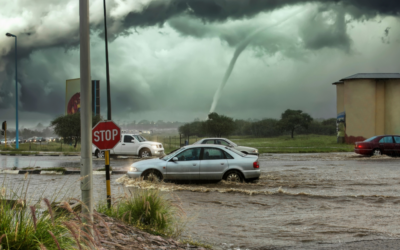
Hurricane Warnings Ramp Up For Summer With ‘Above Normal’ Forecast
Atlantic hurricane season starts this month and pretty much no one is excited for it, especially since it may be an “above” average year. Hurricane season start on June 1 and runs through November 30 each year, according to Live Science. This turbulent time in our annual calendar could be 60% more active than normal, the National Oceanic and Atmospheric Administration said in late May. Anywhere from 13 to 19 named tropical storms are anticipated, with anywhere from six to 10 of them turning into hurricanes. Thankfully, NWS has predicted highly active hurricane seasons for as long as any of our editorial team can remember. It is smarter to over-warn and under-deliver when it comes to Mother Nature, especially with so many of our major cities and urban centers lying in flood zones. Is This A Fair Forecast? Even in the most recent forecast, LiveScience notes that “normal” years see roughly 14 named storms, seven of which become hurricanes, with three being classed as “major” hurricanes. Is it fair to say that a forecast ranging from under to slightly over the “average” is so significantly “above normal?” Technically, yes. Socially … no. This will probably (hopefully) be a hurricane season like any other … we pray. (MORE NEWS: Best Crops To Grow During A Nuclear Apocalypse, According To Scientists) “NOAA has a 70% confidence in its predictions of this year’s storm frequency. Last year, before the 2024 hurricane season, NOAA predicted that there would be 17 to 25 named storms, eight to 13 hurricanes, and four to seven major hurricanes — an even more severe forecast than this year’s outlook. However, the season actually resulted in 18 named storms, 11 hurricanes, and five major hurricanes,”the outlet wrote. What Prompted The Forecast? Warmer-than-average water temperatures in our oceans and potential for high activity throughout the West African Monsoon season. “This outlook is a call to action: be prepared. Take proactive steps now to make a plan and gather supplies to ensure you’re ready before a storm threatens,” NWS Director Ken Graham said in a statement. (RELATED: Guys, We May Have Found The Most Addictive New Outdoors Show On YouTube) Graham’s comments come a year after members of Congress wrote him to express serious concerns about reports of NWS network and equipment outages during extreme weather events. What Will The 2026 Storms Be Named? Andrea, Barry, Chantal, Dexter, Erin, Fernand, Gabrielle, Humberto, Imelda, Jerry, Karen, Lorenzo, Melissa, Nestor, Olga, Pablo, Rebekah, Sebastien, Tanya, Van, and Wendy. (RELATED: Soviet Spacecraft May Hit US Thanks To Uncontrolled Reentry) “NOAA and the National Weather Service are using the most advanced weather models and cutting-edge hurricane tracking systems to provide Americans with real-time storm forecasts and warnings,” Commerce Secretary Howard Lutnick said in a statement shared by NOAA. “With these models and forecasting tools, we have never been more prepared for hurricane season.” Hurricane helene, Boone NCpic.twitter.com/OYskw00jqW — Terrifying Nature (@TerrifyingNatur) October 2, 2024 Trucks hauled away debris piled up at a city park in Treasure Island, Florida, following Hurricane Milton. pic.twitter.com/Bs2tBvt0G0 — AccuWeather (@accuweather) October 28, 2024 HurricaneSandyAftermathHobokenFloodedStreet TMM Analysis Hurricane season is only a threat if you ignore the warnings. On the TMM Scale of Danger, we’d rank them a 0/10 if you get out of dodge; a 10 if you’re an idiot and stick around to ride out the carnage. Don’t believe us? Go back and watch the videos above. One of the other things we recommend most folks do is check out the NOAA Seven-Day Graphical Tropical Weather Outlook, which is a pretty accurate (and cool) tool for seeing storms as they develop over our oceans.