

Putin
Trump Vows Tough Sanctions on Russia After Deadly Attack
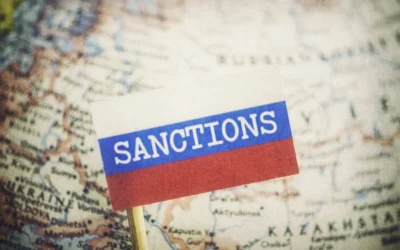
President Trump responded firmly and vowed tough sanctions after Russia launched its most devastating assault on Ukraine since the start of the war. The strike involved 810 drones and multiple missiles aimed at Kyiv and surrounding areas. Ukrainian officials reported at least four people dead and more than forty injured. Among the targets was Ukraine’s central government headquarters, marking the first time Moscow directly hit that building. (RELATED NEWS: Trump and His ‘Art of the Deal’ for Ukraine Peace) Trump called the attack a deliberate escalation and promised to punish Russian President Vladimir Putin. He announced plans for a new wave of sanctions designed to cripple Russia’s ability to fund its war effort. The president emphasized that oil exports remain Russia’s economic lifeline, and those flows must be disrupted to reduce Moscow’s capacity to continue the assault. A “Phase Two” of Sanctions Trump described the upcoming measures as a “second phase” of economic pressure. While earlier rounds of sanctions restricted banking and trade, this next step will focus heavily on Russian energy. The president signaled that the United States will push for penalties not only on Russia itself but also on countries that continue to purchase Russian oil. Q: “Are you ready to move to the second phase of sanctions against Russia?” TRUMP: “Yeah, I am.” pic.twitter.com/ikRedacRms — Breaking911 (@Breaking911) September 7, 2025 Treasury Secretary Scott Bessent confirmed that Washington is exploring secondary tariffs on nations still engaging in oil trade with Moscow. These tariffs would place heavy costs on countries that attempt to skirt sanctions by buying Russian crude. The strategy is designed to make it more expensive for Russia’s largest buyers to continue their partnerships. India Already Targeted India quickly felt the impact of this new approach. The United States announced a fifty percent tariff on Indian imports, directly tied to New Delhi’s ongoing purchase of Russian oil. Ukrainian leaders praised the move, calling it a meaningful step toward weakening Russia’s funding pipeline. Critics, however, argue that tariffs will not achieve their full effect unless they target the largest consumers of Russian energy. China and India together account for most of Russia’s oil exports. Without stronger measures directed at both nations, sanctions risk losing their power. Energy analysts note that these penalties could disrupt global crude flows, raising costs for many countries. Europe and U. S. Push for United Strategy European leaders quickly rallied behind Washington’s strategy. Officials from the European Union met with U.S. representatives to coordinate the nineteenth package of sanctions since the war began. Talks focused on expanding restrictions on oil sales, tightening financial measures, and limiting access to key technologies. EU sanctions envoy David O’Sullivan stressed the importance of unity across the Atlantic. By working together, the United States and Europe aim to close loopholes and prevent Moscow from shifting its trade to willing partners. European Council President Antonio Costa added that the new sanctions would send a clear signal of resolve after the deadly strike on Kyiv. Ukraine Demands Swift Action Ukrainian President Volodymyr Zelensky condemned the Russian assault as a crime against civilians. He urged allies to respond with action, not just words. That is why statements by state leaders and institutions must be backed by strong actions – sanctions against Russia and individuals connected with Russia, tough tariffs and other restrictions on trade with Russia. Their losses must be felt. That is what is truly convincing. — Volodymyr Zelenskyy / Володимир Зеленський (@ZelenskyyUa) September 7, 2025 Prime Minister Yuliya Svyrydenko “condemned the assault as a blatant rejection of peace efforts.” Ukraine’s leaders framed the bombing as proof that Putin has no intention of de-escalating. Instead, they argued, Moscow is intensifying the war and must face the strongest possible response. The strike on the government headquarters underscored the danger of delay in international decision-making. Russia’s Defiance Despite growing pressure, the Kremlin dismissed the latest sanctions threats. Spokesperson Dmitry Peskov said: “No sanctions will be able to force the Russian Federation to change the consistent position that our president has repeatedly spoken about.” Still, analysts note that energy revenue is critical to Russia’s survival. If oil sales fall sharply, the Kremlin will face mounting difficulty in financing both the war effort and its domestic programs. Even if sanctions do not alter Putin’s political stance, they could weaken its ability to sustain military operations at the current scale. Economic and Global Impact The threat of secondary sanctions could reshape energy markets worldwide. Restricting Russia’s oil buyers would redirect global trade flows and potentially create shortages in some regions. Traders warn that costs may rise as markets adjust, though supporters argue that the sacrifice is necessary to limit Russia’s war chest. For Western nations, the sanctions also carry risks. Higher energy prices could strain households and industries already coping with inflation. Leaders in Washington and Brussels stress that the long-term goal outweighs the short-term discomfort. By targeting Russia’s oil trade now, they believe they can shorten the war and reduce future instability. What Comes Next The coming weeks will test Western resolve. Trump has committed to a second wave of sanctions designed to cut deeper into Russia’s economy than ever before. Europe is preparing to match those measures with its own package. Together, these actions could finally limit the resources Russia depends on to sustain its invasion. The global energy market may feel the strain, but the underlying message is clear: Western powers are no longer content with symbolic measures. They are moving toward sanctions that directly threaten Russia’s ability to wage war. Whether these efforts succeed will depend on coordination, persistence, and the willingness of nations like China and India to resist or adapt. Bottom Line Trump’s vow to punish Putin after the deadly attack on Ukraine signals a decisive shift in strategy. The focus on oil revenues and secondary sanctions marks an escalation in economic warfare aimed at crippling Moscow’s war machine. Trump has given Putin every opportunity to come to the table with a serious plan and to stop the strikes long…
Trump and His ‘Art of the Deal’ for Ukraine Peace
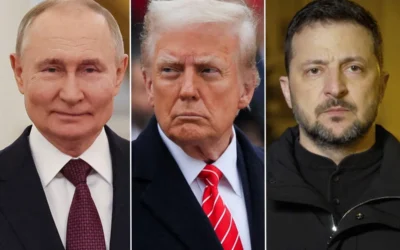
President Trump met with Russian leader Vladimir Putin in Alaska on Friday to see if a deal could be reached to end the war in Ukraine. After the meeting, Trump told European allies that Putin proposed Russia take full control of the Donbas region. This move, Putin argued, would stop the fighting and bring peace. A European diplomat told Fox News that “President Trump supports the terms of this proposal.” Secretary of State Marco Rubio, however, pushed back on that claim on “Sunday Morning Futures,” saying, “The president has said that, in terms of territories, these are things that Zelenskyy is going to have to decide on. These are things that the Ukrainian side is going to have to agree to.” Another masterclass from Secretary Marco Rubio. A must watch! pic.twitter.com/7NY6EHZHyh — Brigitte Gabriel (@ACTBrigitte) August 17, 2025 Donbas at the Heart of the Deal The Donbas region, home to 6.5 million people, includes Luhansk and Donetsk, according to the Ukrainian Research Institute of Harvard University. Ukraine still holds about 30% of Donetsk. President Volodymyr Zelenskyy has vowed not to surrender that land. He insists giving up Donbas would be unconstitutional and warns it could enable future Russian offensives. NOW – Zelensky says Ukraine’s constitution makes giving up land “impossible,” and should only be discussed at a trilateral meeting; if Russia “refuses,” more sanctions “must” be imposed. pic.twitter.com/7wicKa5erW — Disclose.tv (@disclosetv) August 17, 2025 Despite this, Trump urged Zelenskyy to accept Putin’s offer. Zelenskyy will meet Trump at the White House on Monday to discuss the peace proposal. Trump Shifts Toward Peace Agreement Trump initially supported a ceasefire. But after his talks with Putin, he shifted toward a full peace deal. Russia, Trump said, wants a long-term settlement, not just a temporary fix. On Truth Social, Trump said on Saturday: “It was determined by all that the best way to end the horrific war between Russia and Ukraine is to go directly to a Peace Agreement, which would end the war, and not a mere Ceasefire Agreement, which often times do not hold up.” On Sunday, he said, “BIG PROGRESS ON RUSSIA. STAY TUNED! President DJT.” Mixed Reaction From Europe European leaders reacted cautiously. While they did not endorse Putin’s plan, they praised Trump’s leadership in seeking peace. (RELATED : The Trade Deal That Changed Everything: U.S.–EU Breakthrough) German Chancellor Friedrich Merz told ZDF television, “And the good news is that America is ready to participate in such security guarantees and is not leaving it to the Europeans alone.” About the possibility of a peace agreement, he said, “If that works out, it’s worth more than a ceasefire.” The European Commission issued a statement on Trump’s efforts, saying they: “welcomed President Trump’s efforts to stop the killing in Ukraine, end Russia’s war of aggression, and achieve just and lasting peace.” But skepticism remained. Czech Foreign Minister Jan Lipavský posted: “From Putin, we heard the same propagandistic nonsense about the ‘roots of the conflict’ that his state television promotes. The problem is Russian imperialism, not Ukraine’s desire to live freely.” (RELATED: Alaska Hosts Historic Summit Between Trump and Putin) EU foreign policy chief Kaja Kallas posted on X: “President Trump’s resolve to get a peace deal is vital. The EU and our European partners worked to coordinate with President Trump ahead of Alaska meeting. But the harsh reality is that Russia has no intention of ending this war anytime soon.” Hungarian Prime Minister and friend of Trump, Viktor Orban expressed optimism, writing: “For years we have watched the two biggest nuclear powers dismantle the framework of their cooperation and shoot unfriendly messages back and forth. That has now come to an end. Today the world is a safer place than it was yesterday. May every weekend be at least this good!” Putin and Zelenskyy Respond Putin said his talk with Trump was “very frank.” He added: “We, of course, respect the position of the American administration, which sees the need for a speedy end to military actions. We would like to move to resolving all issues by peaceful means.” Several European leaders will join Zelenskyy in Washington by invitation of President Trump to continue negotiations for a peace deal and to keep them part of the process, as they are close to the region. On Sunday, Zelenskyy met in Brussels with European Commission President Ursula von der Leyen, who will travel with him. Zelenskyy posted on X: “We agreed on the necessity of a ceasefire for subsequent diplomatic steps, effective security guarantees for Ukraine, and continued sanctions pressure on Russia.” I had an important meeting with President of the European Commission @vonderleyen in Brussels. Significant support for Ukraine in the context of the upcoming meeting with President Trump. Today, together and in several formats, we are determining what we will discuss in… pic.twitter.com/I8doSrACqR — Volodymyr Zelenskyy / Володимир Зеленський (@ZelenskyyUa) August 17, 2025 Tomorrow will be the day to watch. Will Trump be able to make progress with Zelenskyy? Up to this point, he has been unwilling to make concessions. It remains to be seen if both sides can agree on a lasting deal. If anyone can make it happen, it is the Dealmaker-in-Chief. For him, negotiation is an art form he has long mastered. Forget the Headlines. Challenge the Script. Deliver the Truth. At The Modern Memo, we don’t tiptoe through talking points — we swing a machete through the media’s favorite lies. They protect power. We confront it. If you’re sick of censorship, narrative control, and being told what to think — stand with us. Share the story. Wake the people. Because truth dies in silence — and you weren’t made to stay quiet.