

Scott Bessent
Bessent: U.S. Economy Will Accelerate Strongly in Early 2026
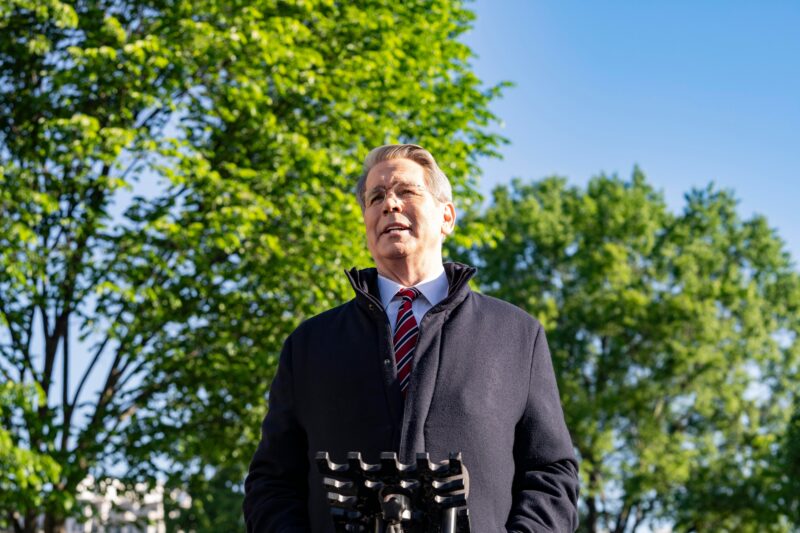
The Modern Memo may be compensated and/or receive an affiliate commission if you click or buy through our links. Featured pricing is subject to change. Scott Bessent, the U.S. Treasury Secretary, stated that he expects a “substantial acceleration” in the American economy during the first and second quarters of 2026. His comments, delivered during an interview, painted an optimistic picture of rising incomes, falling inflation, and renewed consumer confidence. Bessent’s outlook stands in contrast to the economic uncertainty many households have felt in recent years. The Key Drivers of His Optimism Bessent explained that several important factors are shaping his forecast. Among the most significant is the expectation that inflation will continue declining. Over the last several years, Americans faced higher costs for essential goods, including food, gasoline, housing, and utilities. Inflation reached levels not seen in decades. However, Bessent believes that this pressure is easing. He described the situation visually, saying, “Imagine two lines. There is the inflation line; that is going to start turning down. Then there’s the income line; real wages are going to increase.” The moment these lines move in opposite directions, households experience relief because their money stretches further. Another driver of Bessent’s optimism is the recent executive order that reduced tariffs on key imported goods. Items such as beef, coffee, and other essentials will enter the U.S. market at lower cost. This policy change intends to bring immediate downward pressure to price levels nationwide. Lower tariffs can reduce expenses for both businesses and consumers. The Inflation Challenge and Wage Growth During the interview, Bessent argued that the administration “inherited this terrible inflation.” He acknowledged that Americans have been burdened by higher costs, but he stressed that new policies are starting to work. “We are flattening it out,” he said, referring to inflation’s trajectory. What matters most to households is not only that inflation slows but that wages grow faster than prices. Bessent expects exactly that in early 2026. He predicted that “in the first two quarters of next year,” the U.S. will “see the inflation curve bend down and the real income curve substantially accelerate.” This shift could create more buying power, allowing families to spend on groceries, travel, savings, or investments with less financial strain. When real income increases, it often leads to increases in consumer spending, a key component of economic growth. 🚨 JUST IN: In an incredible development, Treasury Sec. SCOTT BESSENT announces the US economy will likely “substantially ACCELERATE” in Q1 or Q2 of next year Just in time for the midterms…all part of the plan. “The increase in real incomes – Americans will feel it in Q1, Q2… pic.twitter.com/4ieFi6RWld — Eric Daugherty (@EricLDaugh) November 16, 2025 The Role of Interest Rates and Energy Prices Another important part of Bessent’s prediction involves interest rates and energy prices. As borrowing costs decline, families and businesses may find it easier to purchase homes, finance equipment, or pay down debt. Lower interest rates can stimulate economic activity and help households feel more financially secure. Energy prices also contribute heavily to consumer costs. When gasoline and utilities become more affordable, it frees up spending for other areas. Bessent noted that improvements in energy markets should help fuel economic acceleration, especially early in the year when heating bills and transportation demand often mix. More Stories Kamala Teases 2028 Run as Democrats Scramble for Strategy FBI Probes Hunting Stand Near Trump’s Air Force One Area Trump Scores Legal Victory: $500M Fraud Penalty Overturned Potential Benefits for American Families If Bessent’s predictions prove correct, the first half of 2026 could bring relief for millions of Americans. Rising wages, combined with slower inflation, would mean greater financial stability. Families may notice they have more flexibility in their budgets. Parents might find it easier to manage childcare expenses. Young adults might feel more confident pursuing homeownership. Retirees might see their savings last longer. Stronger economic conditions can also influence job markets. As businesses feel more secure, they may hire more workers, offer better benefits, or invest in expansion. Job growth supports communities and boosts confidence across entire regions. Risks That Could Derail the Outlook Even with his optimism, Bessent acknowledged that certain risks remain. Global economic instability, supply chain disruptions, or geopolitical tensions could affect U.S. conditions. Economic recoveries rarely follow a perfectly smooth path. There is also the possibility that inflation could spike again due to unexpected factors, such as energy volatility or global shortages. If that happens, wage gains may not be enough to create meaningful improvement in people’s real earnings. Furthermore, wage growth historically lags behind broader economic indicators. Even if the economy strengthens, it could take time for the improvements to show up in paychecks. Indicators to Watch in 2026 Americans and policymakers will watch several key indicators to measure whether Bessent’s forecast holds true. These include: monthly inflation reports real wage growth hiring rates consumer spending levels small business optimism manufacturing and service sector data changes in interest rates trends in energy costs Each of these areas reveals important clues about the strength of the economy. If they move in the direction Bessent anticipates, his prediction of a “substantial acceleration” will gain credibility. Final Word In summary, Scott Bessent’s forecast suggests that the United States may enter a period of meaningful economic improvement in early 2026. His comments reflect confidence in declining inflation, rising wages, and more favorable conditions for families. Although risks remain, his view offers hope for a stronger and more stable financial landscape. If his predictions come to pass, American households could experience real relief and renewed optimism. The next several months will reveal whether the U.S. economy begins the acceleration Bessent believes is already underway. Forget the narrative. Reject the script. Share what matters. At The Modern Memo, we call it like it is — no filter, no apology, no corporate leash. If you’re tired of being lied to, manipulated, or ignored, amplify the truth. One share at a time, we dismantle the media machine — with facts, boldness,…
U.S. Imposes Major Sanctions on Russian Oil Giants to Cut War Funding
The Trump administration has taken one of its boldest foreign policy steps yet—issuing sweeping sanctions against Russia’s top two oil companies, Rosneft and Lukoil. The move aims to choke off the energy revenue that fuels Moscow’s war in Ukraine and to pressure Russian President Vladimir Putin into agreeing to a ceasefire. In announcing the decision, President Donald Trump emphasized the power and scale of the new measures. He expressed confidence that the measures will bite. The administration is leaning on economic strength—rather than direct military force—to confront foreign aggression and change behavior. “I think that they’ll certainly have an impact there. They’re massive sanctions and sanctions on oil. The two biggest oil companies, among the biggest in the world,” Trump said. .@POTUS: “These are tremendous sanctions. These are very big against their two big oil companies — and we hope that they won’t be on for long. We hope that the war will be settled.” https://t.co/6vbswraYmV pic.twitter.com/FONI7ECFAw — Rapid Response 47 (@RapidResponse47) October 22, 2025 A Clear Message: End the War, Stop the Killing Treasury Secretary Scott Bessent, in an interview with Fox Business, underscored the humanitarian and strategic purpose behind the move: “Now is the time to stop the killing and for an immediate ceasefire. Given President [Vladimir] Putin’s refusal to end this senseless war, the Treasury is sanctioning Russia’s two largest oil companies that fund the Kremlin’s war machine. The Treasury is prepared to take further action if necessary to support President Trump’s effort to end yet another war. We encourage our allies to join us in and adhere to these sanctions.” His remarks make the intent clear: apply economic pressure to push Russia toward peace talks and halt its aggression in Ukraine. Scott Bessent on a new round of Russian sanctions. pic.twitter.com/inNmFKbt9x — Praying Medic (@prayingmedic) October 22, 2025 Why the Sanctions Target Energy The sanctions focus on the lifeblood of the Russian economy: oil. Rosneft and Lukoil account for a large share of Russia’s crude output. That production funds the state budget and, by extension, the war effort. By freezing U.S. assets and barring Americans from doing business with these firms, the Treasury seeks to undercut Russia’s war chest. The measures also reach subsidiaries involved in exploration, refining, shipping, and trading to close common loopholes. (MORE NEWS: Government Shutdown Stalls Real Estate in 5 States) Global Reaction and Rising Oil Prices Global markets reacted quickly. Oil benchmarks moved higher as traders priced in potential supply disruptions. Energy equities rose in anticipation of stronger margins for non-Russian producers. However, higher energy prices can ripple through the economy. Transportation costs can climb. Inflation can pick up. European countries still adjusting away from Russian barrels may face supply-chain headaches and higher import bills. (MORE NEWS: Trump’s East Wing Demolition and Ballroom Plan Explained) Allies Urged to Join the Effort Bessent’s Fox Business interview included a direct appeal to partners to amplify the pressure. Coordinated action matters. When allies mirror sanctions and tighten rules on shipping, insurance, and financing, Russia has fewer paths to reroute oil. That unity also reduces the risk that third parties will undermine the policy by offering easy workarounds. Economic Pressure as a Path to Peace The strategy relies on financial tools to achieve diplomatic ends. Rather than deploying troops, the United States is betting that a sustained cutoff of oil income will strain the Kremlin’s calculus. Bessent made clear that the Treasury stands ready to escalate if Moscow refuses to change course. Future steps could include broader actions on tankers, service providers, and institutions that help move or insure sanctioned barrels. What This Means for Americans For U.S. households, the immediate concern is fuel costs. Prices at the pump may rise as markets digest tighter supply. Shipping and heating bills can also increase. Even so, officials argue that confronting aggression now can prevent larger conflicts and higher costs later. Meanwhile, U.S. energy producers may benefit from greater demand for reliable, non-Russian supply, supporting jobs and investment in oil and gas regions. Conclusion: A Defining Moment for U.S. Policy The sanctions on Rosneft and Lukoil mark a forceful use of economic power. By targeting Russia’s largest oil revenue sources, Washington seeks to constrict the funding of war and to drive momentum toward a ceasefire. As President Trump put it, these are massive sanctions aimed squarely at the energy sector. And as Secretary Bessent told Fox Business, now is the time to stop the killing and press for peace. The coming weeks will reveal whether coordinated economic pressure can help end a senseless conflict and restore stability. Expose the Spin. Shatter the Narrative. Speak the Truth. At The Modern Memo, we don’t cover politics to play referee — we swing a machete through the spin, the double-speak, and the partisan theater. While the media protects the powerful and buries the backlash, we dig it up and drag it into the light. If you’re tired of rigged narratives, selective outrage, and leaders who serve themselves, not you — then share this. Expose the corruption. Challenge the agenda. Because if we don’t fight for the truth, no one will. And that fight starts with you.