Tech
Meta $800 Smart Glasses Demo Fumbles with Glitches
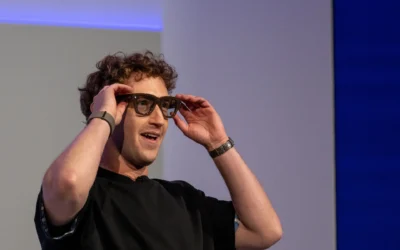
Mark Zuckerberg wanted to show the world how Meta’s new smart glasses could change the way we live. Instead, his big moment at Meta Connect 2025 was overshadowed by something as simple as bad Wi-Fi. The launch had all the hype, big promises, and even a celebrity chef on stage, but what most people walked away remembering was the glitch that made everything grind to a halt. A Lineup Meant to Impress Meta rolled out three versions of its new smart glasses. The star of the show was the Ray-Ban Display, an $800 pair packed with a tiny, high-resolution screen right inside the lens. Then came the Ray-Ban Meta Gen 2, a $379 mid-tier option, and the Oakley Meta Vanguard, a $499 version built for sports and outdoor use. Ray-Ban Meta glasses created a breakthrough category of stylish and useful AI glasses and we’re expanding this further with another heavyweight icon: Oakley Meta. Oakley is no stranger to innovating and pushing boundaries and we’re excited to unlock a new category of performance… pic.twitter.com/6zKOsrmhxM — Boz (@boztank) June 20, 2025 Each pair is designed to do more than just look cool. They can take photos, translate conversations in real time, and even bring an AI assistant to your daily routine. The Display model in particular stands out because it lets you watch videos, get directions, or follow instructions directly through the lens. That’s the kind of futuristic experience Meta wants to sell. When the Cooking Demo Fell Apart To show off the glasses in action, Zuckerberg teamed up with chef Jack Mancuso. The plan was simple: demonstrate how the AI could guide someone step by step through a recipe. But instead of making cooking easier, the assistant got things wrong. It skipped steps, assumed ingredients had already been mixed, and confused the order of the instructions. Zuckerberg tried to reset it, but the problems kept happening. He laughed it off and pointed to a weak Wi-Fi connection, but the audience could clearly see that the smart glasses weren’t working the way they were supposed to. Sometimes, the demo just doesn’t work. At Meta Connect, Mark Zuckerberg’s showcase for how AI can help a chef put together a BBQ sauce came to an awkward end. pic.twitter.com/RmkRKXUyoa — TechCrunch (@TechCrunch) September 18, 2025 The Call That Never Connected Next, Zuckerberg tried to prove how seamless the glasses could be with Meta’s new neural wristband. The idea was to answer a video call using nothing more than a quick hand gesture. On paper, it sounds futuristic and convenient. On stage, it just didn’t work. Zuckerberg waved his hand several times, but the call never connected. The ringtone played, but nothing happened. Again, the blame went to the Wi-Fi, but it was hard to ignore the fact that the demo had completely missed its mark. (MORE NEWS: TikTok: Trump Announces Deal With China) I don’t even like Mark Zuckerberg, but to be fair, he’s putting himself out there and innovating more than Tim Cook ever has. I’d rather see a live, raw mistake like this, when Zuck’s demo of the new Meta glasses failed to answer a call on stage, than watch another overly… pic.twitter.com/nYJRSbqT9N — Teslaconomics (@Teslaconomics) September 18, 2025 The Real Reason Things Went Wrong After the event, Meta’s tech team explained what actually caused the problems. And it turns out, the Wi-Fi excuse wasn’t the full story. The cooking demo broke down because every smart glass in the building responded to the command “Hey Meta, start Live AI.” Instead of just one device pulling information from the server, dozens lit up at once. That flood of requests crashed the system. In short, Meta accidentally overloaded its own servers in real time. The failed video call came from a different issue. Just as the call notification came in, the glasses went into sleep mode. When they woke back up, the notification didn’t reappear. It was a bug the engineers had never seen before—a perfect example of how unpredictable live demos can be. The company says both problems have since been fixed. Why People Care Even with the glitches, there’s still a lot of excitement about these glasses. Early testers praised the brightness of the Display model, which is strong enough to use outdoors, and its ability to produce sharp images inside the lens. The Oakley Vanguard also caught attention for its rugged design that appeals to athletes and outdoor fans. The potential is clear. If Meta gets this right, people could translate a conversation instantly, follow workout routines without looking at their phone, or answer calls with nothing more than a hand movement. That’s the future the company is betting on. (MORE NEWS: AI Is Taking Entry-Level Jobs and Shaking Up the Workforce) Live Demos Are Always Risky Of course, this isn’t the first time a live tech demo has gone wrong. From frozen screens to unresponsive gadgets, even the biggest companies have stumbled. But for Meta, the timing of this mistake matters. The company is trying to prove it can dominate the next wave of technology, moving beyond social media and into hardware and AI. A clunky presentation doesn’t mean the product won’t work, but it does raise doubts. When people see glitches on stage, they wonder what will happen in everyday life. Reliability matters just as much as innovation. Can Meta Recover? The good news for Meta is that the problems were technical hiccups, not deal-breakers. The glasses are still scheduled to hit the market on September 30, and the company says everything will work as intended by then. If the technology holds up in real-world use, many of those who laughed at the demo may change their tune. Still, the lesson is clear: Meta has to be flawless moving forward. People expect a polished experience, especially when they’re being asked to spend up to $800. Bugs and glitches might be forgiven at a conference, but they won’t be tolerated in daily life. (MORE NEWS: AI Stethoscope Spots Deadly Heart Conditions 15 Seconds)…
TikTok: Trump Announces Deal With China
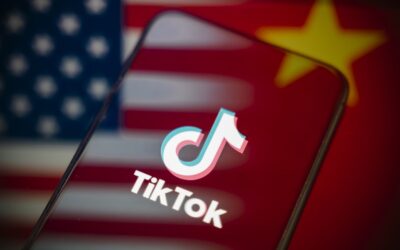
President Donald Trump says a deal has been reached with China over TikTok, with only final details left to lock in. According to Trump, he will speak directly with Chinese President Xi Jinping on Friday to seal the agreement. This move marks a turning point in the long-running battle over TikTok’s future in the United States. At the heart of the issue has always been the app’s most valuable asset—its recommendation algorithm—and now, after months of uncertainty, a path forward seems to be in place. NOW – Trump: “We have a deal on TikTok. I’ve reached a deal with China.” pic.twitter.com/GPlS4UJuQZ — Disclose.tv (@disclosetv) September 16, 2025 Why the Tiktok Algorithm Became the Flashpoint TikTok’s success comes down to its algorithm, the technology that drives the For You page. This is what keeps users hooked and what makes TikTok such a powerful platform. For years, U.S. officials worried that the algorithm, owned by TikTok’s parent company ByteDance in China, could be used to push certain narratives or collect sensitive data on American users. China, however, has been unwilling to give up one of its most prized technologies. That’s why this fight has never just been about a social media app—it’s been about national security, intellectual property, and global power. What the TikTok Deal Includes While we await details, the agreement Trump is expected to announce offers a compromise. Rather than stripping ByteDance of ownership altogether, the deal would allow the algorithm to be licensed to a U.S.-based entity. That means the technology would still belong to ByteDance, but it would operate under new safeguards inside the United States. American officials would have oversight of U.S. user data, and a third party could be put in place to manage the most sensitive parts of the system. This setup would give the U.S. more control over how TikTok runs here, while still letting China hold on to its intellectual property. (MORE NEWS: AI Is Taking Entry-Level Jobs and Shaking Up the Workforce) Why It’s Happening Now There’s urgency behind the timing. U.S. law set a deadline requiring TikTok to divest from Chinese control or face a potential ban. That deadline is fast approaching, and without an agreement, TikTok could vanish from American app stores. By announcing the deal now, Trump is signaling that the standoff is over. The planned phone call with Xi Jinping on Friday is expected to finalize the details and remove any last roadblocks. Both leaders want to avoid escalation, but both also want to show they are defending their nations’ interests. Treasury Secretary Scott Bessent weighed in: Under President Trump, America is back. Talks with China are respectful and results-driven. @POTUS was ready to let TikTok go dark and made clear that we will never trade away national security. Thanks to his tough negotiating, a framework for a deal is in place, and China is… pic.twitter.com/3QdD4iro5U — Treasury Secretary Scott Bessent (@SecScottBessent) September 16, 2025 Questions That Still Remain Even with a deal on the table, some big questions linger. Will American oversight of the algorithm be strong enough to satisfy critics? How much transparency will be built into the system so users can trust it? And will Congress sign off on the final arrangement, or push for even tougher conditions? On the Chinese side, export-control rules could also complicate how the licensing arrangement is structured. If Beijing insists on tighter restrictions, parts of the deal could face delays. Why This Agreement Matters Beyond TikTok If the deal is finalized Friday, it won’t just impact TikTok. It will set the stage for how countries around the world handle foreign-owned apps and technologies. Nations everywhere are wrestling with the same issues: data security, content influence, and who ultimately controls the technology behind powerful platforms. This agreement could become the blueprint for managing those challenges. It also feeds into broader U.S.-China relations, which remain strained over tariffs, trade restrictions, and technology policy. A successful deal here could cool tensions and open the door to cooperation in other areas. What Happens Next After the call between Trump and Xi, the next step will be writing the legal framework. That means spelling out who has authority over data, how licensing will work, and what safeguards will protect U.S. users. (MORE NEWS: AI Stethoscope Spots Deadly Heart Conditions 15 Seconds) If all goes as planned, TikTok’s millions of American users will be able to keep scrolling without interruption. But if the deal hits a snag, the threat of restrictions or even a ban still hangs in the balance. The Bigger Picture This announcement highlights how much bigger the TikTok story has become. It’s not just about a social media app anymore—it’s about technology, influence, and the balance of power between the world’s two largest economies. By stepping in and announcing a deal, Trump is moving the debate from endless speculation to concrete action. Friday’s call with Xi will be the real test, but for now, TikTok looks closer than ever to having its future in the U.S. secured. Cut Through the Noise. Slice Through the Lies. Share the Truth. At The Modern Memo, we don’t tiptoe around the narrative—we swing a machete through it. The mainstream won’t say it, so we will. If you’re tired of spin, censorship, and sugar-coated headlines, help us rip the cover off stories that matter. Share this article. Wake people up. Give a voice to the truth the powerful want buried. This fight isn’t just ours—it’s yours. Join us in exposing what they won’t tell you. America needs bold truth-tellers, and that means you.