

General Motors once promised a fast transition to electric vehicles. The company spoke boldly about ending gas car production and moving fully into a new future. Now, under CEO Mary Barra, GM is slowing that plan. The auto giant is investing again in gas engines while softening its electric targets. This change shows how customer demand and practical realities are reshaping the future of cars.
GM’s Original Bold EV Plan
In 2021 and 2022, General Motors announced big goals. Mary Barra pledged that GM would stop selling internal combustion cars by 2035. She also promised that 30 new EV models would hit global markets by the middle of the decade according to the Wall Street Journal. At the same time, the company began converting plants to EV production.
Those announcements positioned GM as a leader in the EV market. The automaker seemed determined to take on Tesla and other early electric players. For a time, GM looked like it would drive the industry forward. (MORE NEWS: 1 in 3 U.S. Drivers Lack Enough Car Insurance, Study Warns)
But the Daily Mail said in July that General Motors “reported $1.89 billion in net income for the second quarter, a sharp $1.1 billion decline from $2.93 billion during the same period last year. That’s a 35 percent drop from the previous quarter alone.” The momentum and appeal ov EVs is waning.
A Shift in Tone and Strategy
Now GM’s tone has changed. The company no longer talks about ending gas cars by 2035. Instead, Barra describes the shift as a process that must follow what customers want. GM has delayed or canceled several EV projects. Some plants once meant for EVs now build trucks and SUVs with gas engines.
This shift signals that GM is moving away from promises that may not match the market. The company insists it still believes in EVs, but it is not forcing the change.
Why GM Is Slowing Down
There are several reasons behind the slowdown.
First, EV demand is weaker than expected. Many drivers prefer gas cars because they are familiar, flexible, and reliable. Families worry about charging stations and long charge times. High prices also push buyers away from EVs.
Second, tax credits that helped EV sales are fading. Without these breaks, electric cars cost more than many people can afford.
Third, political fights around fuel economy rules create uncertainty. General Motors has pushed back against stricter standards that do not line up with what drivers are actually buying.
A Renewed Focus on Gas and Hybrid Vehicles
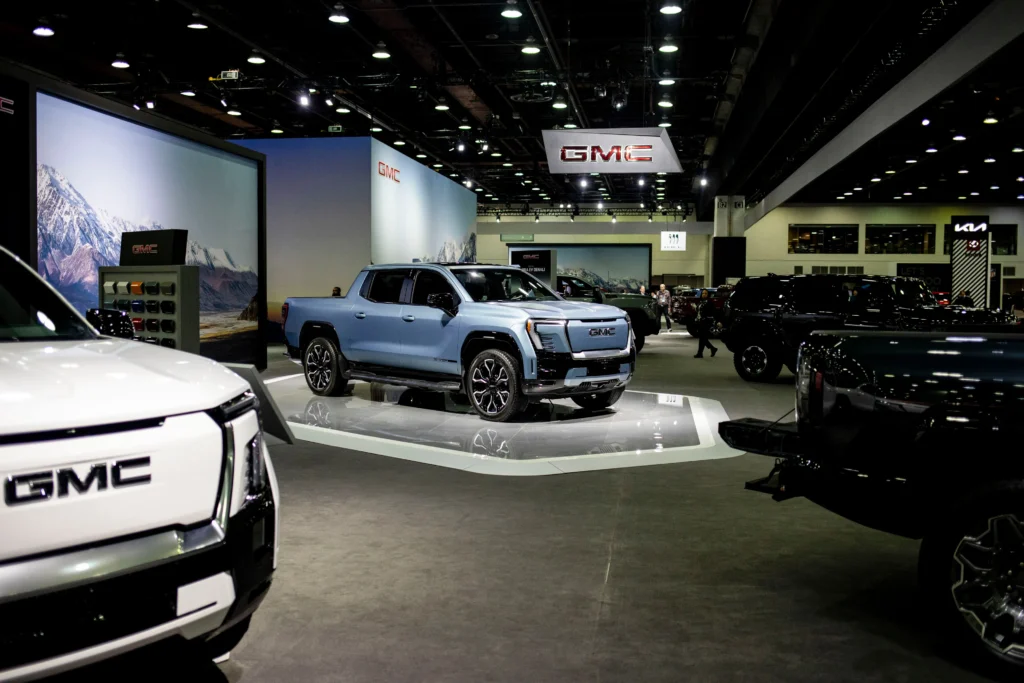
While slowing EV plans, GM is doubling down on gas vehicles. The company is spending billions to upgrade factories that make trucks and SUVs. These vehicles remain GM’s most profitable products and are still in high demand. (MORE NEWS: Trump Admin and Musk’s xAI Launch Federal AI Partnership)
GM is also investing in V-8 engines, showing its belief in the long future of gas power. At the same time, the company is exploring hybrids as a middle option. This dual strategy protects profits while keeping EVs available for those who want them.
Lobbying and Political Pressure
GM has also stepped up its presence in Washington. Leaders like California Governor Gavin Newsom have criticized the company for resisting stricter emissions rules. Fox Business reported his comments about the situation last week:
“We’ve ceded that. GM sold us out. Mary Barra sold us ou. Eliminating Ronald Reagan’s work, eliminating the progress we’ve made under the California Resources Board of 1967 where we began the process of regulating tailpipe emissions. The Republicans rolled that back this year, Donald Trump’s leadership. But the American automobile manufacturers allowed that to happen, GM led that effort.”
At the same time, GM is working to ensure that regulations reflect real-world consumer demand.
This debate highlights a central issue: many Americans simply do not want electric cars. For them, gas and hybrid vehicles remain the best choice.
Balancing Profit and Choice
Mary Barra’s leadership reflects a clear balance. On one hand, General Motors is keeping EVs in its lineup for buyers who want them. On the other hand, the company is protecting its core market of trucks, SUVs, and traditional cars.
By keeping both options open, GM avoids forcing drivers down a single path. That choice is important for families, businesses, and rural communities that rely on gas vehicles every day.
Industry-Wide Challenges
GM is not the only automaker adjusting. Ford, Toyota, and others have slowed their EV rollout. High costs, battery supply issues, and slower consumer adoption affect the entire industry.
At the same time, companies like Tesla continue to focus only on EVs. The split shows that there is no single road ahead. Drivers want options, and carmakers are taking different approaches to meet that demand.
Public Image and Reputation
This new strategy could affect GM’s reputation. The company once branded itself as fully committed to an all-electric future. Now it is seen as more cautious. For drivers who want EVs, that may sound like backtracking. But for drivers who prefer gas vehicles, GM’s decision is welcome.
In the end, the move highlights a basic truth: not everyone will choose electric. By keeping gas and hybrid cars strong, GM is listening to millions of Americans who value freedom of choice.
The Road Ahead
Looking ahead, General Motors must continue to balance both sides. If EV sales grow quickly, GM has products ready. If gas vehicles remain strong, GM will keep delivering trucks, SUVs, and cars people love.
Mary Barra’s decision reflects a flexible strategy. It avoids locking customers into one future. Instead, it allows the market to decide. That approach respects drivers and keeps GM competitive in a changing industry.
Conclusion: Why Choice Matters
The future of driving should be defined by freedom, not force. Some people are excited about electric cars, while others prefer the reliability and range of gas vehicles. Many families simply want the option that fits their needs best. When companies and governments allow drivers to choose, innovation grows naturally, and the market stays strong.
Mandates, on the other hand, remove freedom. They risk leaving behind people who live in rural areas, drive long distances, or rely on heavy-duty trucks. Cars are not one-size-fits-all, and neither should policy be. That is why the road ahead should be shaped by drivers, not mandates.
Forget the narrative. Reject the script. Share what matters.
At The Modern Memo, we call it like it is — no filter, no apology, no corporate leash.
If you’re tired of being lied to, manipulated, or ignored, amplify the truth.
One share at a time, we dismantle the media machine — with facts, boldness, and zero fear. Stand with us. Speak louder. Because silence helps them win.
