



Autism Hope Grows With Promising Developments
Big news is swirling around autism research, and it has parents, doctors, and advocates paying attention. For years, families have asked why autism rates keep climbing and what can be done to help children thrive. Now, two new developments may offer clues and hope. While these findings remain preliminary, they carry real promise. The Possible Link Between Tylenol and Autism President Donald Trump and U.S. health officials point to studies that suggest a possible connection between acetaminophen (best known as Tylenol) use during pregnancy and a higher risk of autism in children. They allege that expectant mothers who take large amounts of acetaminophen may unknowingly increase the odds of autism or ADHD in their children. God bless you, President Trump, for being brave. pic.twitter.com/E9Hweu8d2Y — Secretary Kennedy (@SecKennedy) September 22, 2025 This theory is based on several long-running studies, including the Boston Birth Cohort and the Nurses’ Health Study. Researchers reported patterns that seem to connect prenatal acetaminophen use with later developmental challenges. Officials like FDA Commissioner Marty Makary say the data are “too strong to ignore.” Of course, not everyone agrees. Tylenol’s manufacturer, Kenvue, disputes the claims, saying sound science does not prove a causal link. Tylenol made a statement on its website: Many independent doctors also warn that much more research is needed before conclusions are drawn. Still, the fact that this conversation is now on the national stage could mark a turning point. It signals that researchers may finally be on to something about one of the many possible contributors to autism. (MORE NEWS: Gen Z Credit Scores Drop, But Future Looks Bright) Trump Raises Concerns on Childhood Vaccinations President Trump also brought to light another issue he believes deserves national attention: childhood vaccinations. Trump warned against over-vaccinating babies and young children, saying, “It’s too much liquid, too many different things are going into that baby at too big a number the size of this thing. When you look at it, it’s like 80 different vaccines and beyond vaccines, 80, and you give that to a little kid.” Secretary Robert F. Kennedy Jr. echoed those concerns, emphasizing that families deserve to be heard. “Some 40-70% of mothers who have children with autism believe that their child was injured by a vaccine. President Trump believes that we should be listening to these mothers instead of gaslighting and marginalizing them like prior administrations.” “Some 40-70% of mothers who have children with autism believe that their child was injured by a vaccine. President Trump believes that we should be listening to these mothers instead of gaslighting and marginalizing them like prior administrations.” – @SecKennedy pic.twitter.com/491tqIpgKy — The White House (@WhiteHouse) September 23, 2025 The comments highlight a larger debate about medical freedom, parental choice, and how government agencies handle vaccine schedules for children. Both Trump and Kennedy framed the issue as one of respect for parents and accountability from institutions that have too often dismissed their voices. A Cancer Drug May Offer New Hope The second development is even more uplifting for families already living with autism. A cancer drug called leucovorin, long used for anemia and chemotherapy support, is now being tested for new purposes. Early studies show that leucovorin may help non-verbal children with autism begin to speak, improve social skills, pay attention longer, and reduce repetitive behaviors. Doctors who have studied leucovorin in this new context are calling the results encouraging. Imagine a child who has never spoken a word suddenly beginning to form sentences after treatment. Parents in early studies have reported exactly that. To be clear, leucovorin is not yet approved by the FDA for autism treatment. Right now, doctors can only prescribe it “off-label.” But regulators are already reviewing evidence and have hinted they may update the drug label to reflect potential use in speech-related deficits tied to autism. That would be a major step forward. The Autism Action Plan: A Three-Part Strategy The White House also laid out a structured Autism Action Plan that signals a serious national commitment. The plan focuses on three major steps. Informing Doctors and Families The FDA will issue a physician notice and update safety labels on acetaminophen, citing a potential association between prenatal use and adverse neurodevelopmental outcomes. The Department of Health and Human Services will also launch a nationwide campaign to educate families and protect public health. Making a Therapeutic Available The FDA will recognize leucovorin as the first therapeutic for children with cerebral folate deficiency and autistic symptoms. Once approved, state Medicaid programs will be able to cover leucovorin for autism spectrum disorder. At the same time, the National Institutes of Health will conduct confirmatory trials to better understand its impact. Increasing Research Investment Through the Autism Data Science Initiative, the NIH will invest more than $50 million to fund 13 new projects. These efforts are designed to push forward understanding, therapies, and long-term solutions for autism. Rep. Mary Miller weighs in on this bold plan: For decades, politicians ignored the rise of autism in America. President Trump is taking action. His Autism Action Plan will inform parents, expand treatment, and fund research, finally delivering answers families have needed for years. This is the leadership we prayed for! pic.twitter.com/qAMxd2xTDM — Rep. Mary Miller (@RepMaryMiller) September 22, 2025 Why Families Should Pay Attention This is where the story gets exciting. Autism affects about one in 31 eight-year-olds, according to the CDC. That’s a big jump compared to past decades. Parents, teachers, and doctors have worked tirelessly to adapt, but the need for answers is growing. With support now coming directly from the Trump administration, there is new momentum to get to the bottom of things. That support could move the needle forward on both research and practical help for families. For years, much of the focus has been on behavioral therapies and classroom strategies. Those tools help, but they don’t address the underlying biology. Now, with possible environmental links like acetaminophen and vaccines and potential medical treatments like leucovorin, science may finally be uncovering deeper…
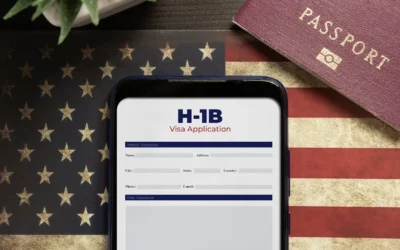
Trump’s New H-1B Visa Rule: What You Need to Know
President Donald Trump just rolled out a major shake-up to the H-1B visa program. On September 19, 2025, he signed a proclamation called “Restriction on Entry of Certain Nonimmigrant Workers.” Here’s the big headline: anyone applying for a new H-1B visa after September 21, 2025, will have to pay a $100,000 fee before stepping foot in the United States. That’s not a typo. One hundred thousand dollars. Who Has to Pay, and Who Doesn’t The fee applies only to new petitions filed after the deadline. If you’re an H-1B worker who already has a visa, you’re safe. Renewals also don’t trigger the new charge. In other words, the people who need to worry are the ones filing fresh petitions to come to the U.S. under the H-1B specialty-occupation visa. Everyone else—current holders and those who already filed before September 21—gets a pass. (MORE NEWS: London: 100K Rally-Goers Unite Against Mass Immigration) How Long Will This Last? Right now, the proclamation is set to run for 12 months, ending on September 20, 2026. But like most things in Washington, that could change. Extensions are on the table, depending on how agencies like USCIS, the Department of State, and Homeland Security review the results. Why the Big Change? The White House says the move is about protecting American workers. Officials argue the H-1B system has been misused—bringing in people for lower-wage jobs instead of filling truly specialized roles. By tacking on a $100,000 fee, the administration hopes to discourage companies from using the program unless they’re hiring for top-tier positions. Alongside the fee, the Department of Labor is expected to raise wage requirements, while Homeland Security plans to favor higher-paid, higher-skilled applicants in the H-1B lottery. The idea is simple: if you’re going to bring in foreign workers, they should be the best of the best. (MORE NEWS: Al-Qaida Threat Prompts Federal Warning to Law Enforcement) The days of employers abusing H-1B Visas are over. Introducing PROJECT FIREWALL—our plan to ensure high-skilled jobs go to AMERICANS FIRST 🇺🇸 pic.twitter.com/XPwBJSZfto — U.S. Department of Labor (@USDOL) September 19, 2025 What This Means for Employers and Workers This shift points to more opportunities and better pay for American workers. For employers, though, the cost is steep. Hiring an H-1B worker was already expensive, and adding an extra $100,000 means companies will think twice about bringing in cheaper foreign labor. The days of tech companies laying off American workers while turning around to hire foreign replacements are coming to an end. For applicants abroad, the road ahead is tougher. They’ll need to find employers not only willing but financially able to shoulder the added cost, which could make sponsorship far less common. Congressman Brandon Gill quotes an example of H-1B Visa abuse from the proclamation in his recent X post: America is a nation, not a jobs program for foreign workers. Our H-1B visa program has been abused for far too long. pic.twitter.com/OXi4duqvcQ — Congressman Brandon Gill (@RepBrandonGill) September 20, 2025 Will There Be Exceptions? Here’s where things get a little less clear. The proclamation leaves room for “national interest” exceptions. Early signs suggest doctors and other critical workers may end up on that list. As this gets hammered out, there’s hope the administration will carve out exceptions for people whose skills the U.S. can’t afford to lose. We’ll just have to wait and see how broad—or narrow—those exceptions end up being. What You Should Do if You’re Affected Check your filing date. If your petition was filed before September 21, the new rule doesn’t touch you. Plan for the cost. If you’re filing now, factor in the fee. It’s not optional. Watch for updates. Agencies will issue more guidance in the coming weeks. Get advice. Immigration lawyers and experts can help you figure out whether you qualify for an exemption. The Bigger Picture This move is about more than paperwork. It’s part of a larger push to reshape how America handles skilled immigration. For years, the U.S. has been a magnet for global talent. Now the message is clear: if you want to come, it’s going to cost a lot more—and the bar for entry will be higher. It is long overdue and will help open doors for American graduates who’ve struggled to compete with H-1B applicants. Final Thoughts Love it or hate it, the $100,000 fee changes the game. Companies must weigh the costs against their need for specialized skills. Workers will need to plan carefully and keep an eye on how the rules evolve. One thing is certain: America’s approach to skilled immigration is shifting fast. And with exceptions still being debated—possibly for doctors and other critical workers—the final shape of this policy is far from set in stone. For now, both employers and workers should prepare. Because in this new landscape, hiring global talent just got a lot more complicated.
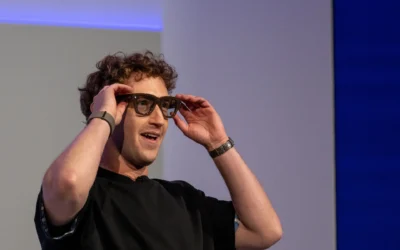
Meta $800 Smart Glasses Demo Fumbles with Glitches
Mark Zuckerberg wanted to show the world how Meta’s new smart glasses could change the way we live. Instead, his big moment at Meta Connect 2025 was overshadowed by something as simple as bad Wi-Fi. The launch had all the hype, big promises, and even a celebrity chef on stage, but what most people walked away remembering was the glitch that made everything grind to a halt. A Lineup Meant to Impress Meta rolled out three versions of its new smart glasses. The star of the show was the Ray-Ban Display, an $800 pair packed with a tiny, high-resolution screen right inside the lens. Then came the Ray-Ban Meta Gen 2, a $379 mid-tier option, and the Oakley Meta Vanguard, a $499 version built for sports and outdoor use. Ray-Ban Meta glasses created a breakthrough category of stylish and useful AI glasses and we’re expanding this further with another heavyweight icon: Oakley Meta. Oakley is no stranger to innovating and pushing boundaries and we’re excited to unlock a new category of performance… pic.twitter.com/6zKOsrmhxM — Boz (@boztank) June 20, 2025 Each pair is designed to do more than just look cool. They can take photos, translate conversations in real time, and even bring an AI assistant to your daily routine. The Display model in particular stands out because it lets you watch videos, get directions, or follow instructions directly through the lens. That’s the kind of futuristic experience Meta wants to sell. When the Cooking Demo Fell Apart To show off the glasses in action, Zuckerberg teamed up with chef Jack Mancuso. The plan was simple: demonstrate how the AI could guide someone step by step through a recipe. But instead of making cooking easier, the assistant got things wrong. It skipped steps, assumed ingredients had already been mixed, and confused the order of the instructions. Zuckerberg tried to reset it, but the problems kept happening. He laughed it off and pointed to a weak Wi-Fi connection, but the audience could clearly see that the smart glasses weren’t working the way they were supposed to. Sometimes, the demo just doesn’t work. At Meta Connect, Mark Zuckerberg’s showcase for how AI can help a chef put together a BBQ sauce came to an awkward end. pic.twitter.com/RmkRKXUyoa — TechCrunch (@TechCrunch) September 18, 2025 The Call That Never Connected Next, Zuckerberg tried to prove how seamless the glasses could be with Meta’s new neural wristband. The idea was to answer a video call using nothing more than a quick hand gesture. On paper, it sounds futuristic and convenient. On stage, it just didn’t work. Zuckerberg waved his hand several times, but the call never connected. The ringtone played, but nothing happened. Again, the blame went to the Wi-Fi, but it was hard to ignore the fact that the demo had completely missed its mark. (MORE NEWS: TikTok: Trump Announces Deal With China) I don’t even like Mark Zuckerberg, but to be fair, he’s putting himself out there and innovating more than Tim Cook ever has. I’d rather see a live, raw mistake like this, when Zuck’s demo of the new Meta glasses failed to answer a call on stage, than watch another overly… pic.twitter.com/nYJRSbqT9N — Teslaconomics (@Teslaconomics) September 18, 2025 The Real Reason Things Went Wrong After the event, Meta’s tech team explained what actually caused the problems. And it turns out, the Wi-Fi excuse wasn’t the full story. The cooking demo broke down because every smart glass in the building responded to the command “Hey Meta, start Live AI.” Instead of just one device pulling information from the server, dozens lit up at once. That flood of requests crashed the system. In short, Meta accidentally overloaded its own servers in real time. The failed video call came from a different issue. Just as the call notification came in, the glasses went into sleep mode. When they woke back up, the notification didn’t reappear. It was a bug the engineers had never seen before—a perfect example of how unpredictable live demos can be. The company says both problems have since been fixed. Why People Care Even with the glitches, there’s still a lot of excitement about these glasses. Early testers praised the brightness of the Display model, which is strong enough to use outdoors, and its ability to produce sharp images inside the lens. The Oakley Vanguard also caught attention for its rugged design that appeals to athletes and outdoor fans. The potential is clear. If Meta gets this right, people could translate a conversation instantly, follow workout routines without looking at their phone, or answer calls with nothing more than a hand movement. That’s the future the company is betting on. (MORE NEWS: AI Is Taking Entry-Level Jobs and Shaking Up the Workforce) Live Demos Are Always Risky Of course, this isn’t the first time a live tech demo has gone wrong. From frozen screens to unresponsive gadgets, even the biggest companies have stumbled. But for Meta, the timing of this mistake matters. The company is trying to prove it can dominate the next wave of technology, moving beyond social media and into hardware and AI. A clunky presentation doesn’t mean the product won’t work, but it does raise doubts. When people see glitches on stage, they wonder what will happen in everyday life. Reliability matters just as much as innovation. Can Meta Recover? The good news for Meta is that the problems were technical hiccups, not deal-breakers. The glasses are still scheduled to hit the market on September 30, and the company says everything will work as intended by then. If the technology holds up in real-world use, many of those who laughed at the demo may change their tune. Still, the lesson is clear: Meta has to be flawless moving forward. People expect a polished experience, especially when they’re being asked to spend up to $800. Bugs and glitches might be forgiven at a conference, but they won’t be tolerated in daily life. (MORE NEWS: AI Stethoscope Spots Deadly Heart Conditions 15 Seconds)…

Gen Z Credit Scores Drop, But Future Looks Bright
FICO released their annual FICO Score Credit Insights Report and Gen Z has seen its credit scores fall more than any other generation over the past year. The average FICO score for all U.S. consumers dropped two points to 715. For Gen Z, the decline was three points, bringing their average to 676 — the largest year-over-year decrease for any age group since 2020. Insights From FICO: Gen Z Is Leading in Financial Health, Too Despite the drop in scores, Gen Z is showing unusual engagement with their financial health. According to FICO’s “Financial Health Revolution: How Gen Z Is Leading the Charge,” Gen Z and Millennials check their credit scores monthly at about one and a half times the rate of older generations. The same report finds that among Gen Z and Millennial consumers, 44% and 45% respectively report credit score improvements over the past six months, suggesting the trend is already turning upward. Gen Z also often uses credit strategically. When income dropped or unexpected expenses came, about half of this age group used credit cards or Buy Now, Pay Later loans to make ends meet. Why Credit Scores Are Declining Several factors contribute to the decline for Gen Z. Student loan debt plays a major role. About one-third of these borrowers have active student loans, which is roughly double the rate for the overall population. (RELATED NEWS: Skipping Coverage: The New Trend Among Young Adults) Delinquency reporting for student loans resumed recently. During the COVID-19 pandemic, payments were paused. Now that collections have restarted, late or missed payments are appearing on credit reports again. Economic pressures hit the young generation especially hard. Inflation, high housing and living costs, and a tougher job market make it harder for many in this age bracket to stay current on bills. What This Means Lower credit scores can make daily financial life harder. It may cost more or be harder to get approved for car loans, mortgages, or credit cards. Higher interest rates or fees can result from weaker scores. Insurance rates, rental applications, and other services sometimes depend on credit strength. (MORE NEWS: AI Is Taking Entry-Level Jobs and Shaking Up the Workforce) At the same time, FICO’s report shows that Gen Z is not passive. Their frequent credit score checks and willingness to take steps to build financial health suggest potential for recovery. Steps Gen Z Can Take to Improve Their Credit Scores Even with these challenges, there are clear actions that can help: Check your credit score regularly so you know where you stand. Pay bills on time. Even the minimum payment helps; late payments hurt credit a lot. Set up automatic payments to avoid forgetting due dates. Keep your credit utilization low — aim to use a modest portion of your available credit. Avoid taking on unnecessary new debt, especially if you already have student loans or variable expenses. Because this group is already engaging with financial tools more often, these habits can build up sooner. The Bright Side: Gen Z’s Recovery Potential Ultimately, Gen Z has something many generations do not: high levels of awareness about credit health. FICO reports that they treat credit scores like a fitness tracker — checking them often, making improvements, and using credit tools as financial safety nets when needed. Even though their scores have dropped, many in this group are reporting improvements in the past few months. Small but consistent efforts can make a real difference. Final Thoughts Headlines focus on falling scores, but there’s another side to the story. Gen Z is changing how people manage money. They use apps, track spending in real time, and share money tips with friends online. Credit scores matter, but they are only part of the bigger picture. What makes Gen Z different is their awareness and adaptability. They don’t ignore money problems — they try things, learn fast, and adjust. With that kind of energy, this generation has the potential to become one of the most financially resilient yet. Forget the narrative. Reject the script. Share what matters. At The Modern Memo, we call it like it is — no filter, no apology, no corporate leash. If you’re tired of being lied to, manipulated, or ignored, amplify the truth. One share at a time, we dismantle the media machine — with facts, boldness, and zero fear. Stand with us. Speak louder.

Al-Qaida Threat Prompts Federal Warning to Law Enforcement
Al-Qaida Isn’t Done With America More than twenty years after the 9/11 attack, Al-Qaida is reminding the world it’s still out there. A new report from the National Counterterrorism Center (NCTC), the group and its Yemen-based branch, Al-Qaida in the Arabian Peninsula (AQAP), are once again urging attacks inside the United States. The report, intended to inform law enforcement, warns that this “highlights its persistent and enduring threat to the country, US officials, and public safety.” What makes this alarming is that AQAP isn’t just another affiliate. It is “the only affiliate to have successfully enabled an attack in the homeland.” That fact makes its propaganda especially concerning for law enforcement and security officials. (MORE NEWS: Utah Arrests: Explosive Device Found Under Fox News Vehicle) Propaganda Made for America In July 2025, AQAP released the 10th edition of its Inspire Guide. Written in English, the magazine was clearly designed to reach people inside the U.S. The NCTC report notes that it “celebrated recent attacks in the US and called on its supporters in the homeland to conduct attacks, using simple attack methods, such as firearms, explosives, knives, vehicle-rammings, or Molotov cocktails.” The guide didn’t stop at methods. It pointed out “that proper targets were individuals or organizations that support Israel, as well as law enforcement and the government.” It also added that large protests or civil disturbances could be used as cover for terrorism. In short, it gave a blueprint to anyone angry enough to act. Al-Qaida Leadership Pushes Harder This isn’t just propaganda magazines. The group’s leaders are putting their voices directly behind these threats. In June, AQAP leader Sa’d Atif al-Aulaqi released a video titled Inciting the Believers. In it, he called for attacks against “the US President, Vice President, Secretaries of Defense and State, members of Congress, their families, and at least one private US citizen.” His justification was chilling. Aulaqi urged revenge and declared that “reciprocity is legitimate,” adding there was “no distinction between civilian and military targets.” That statement signals a wide-open call to violence with no boundaries. (MORE NEWS: BREAKING: Charlie Kirk Memorial: Armed Man ID’d at Stadium) The group released another Inspire Guide in June, focused on what it called “A Message Beyond Bullets: Attack on the Jewish Capital Museum in Washington, D.C.” The article encouraged lone actors in America to carry out violence. Intelligence officials believe it was an attempt to exploit anger over the killing of two Israeli Embassy employees in May. Same Old Playbook If this all sounds familiar, it should. The NCTC report points out that “many of the suggested target themes in recent al-Qa‘ida threats are consistent with the group’s post 9/11 attack plots in the homeland.” Aviation, symbolic or economic sites, U.S. government and military facilities, and public spaces all remain at the top of the terror group’s list. For example, AQAP tried to bomb planes in 2010 by hiding explosives in printer cartridges. In 2009, the so-called “underwear bomber” nearly took down a flight to Detroit after being trained by AQAP leaders. And of course, the most infamous example remains September 11, 2001, when nearly 3,000 people were killed in coordinated hijackings. This recycling of themes shows that while tactics may change, the targets haven’t. Al-Qaida knows what creates panic and draws headlines, and it hasn’t forgotten. U.S. Officials Step Up Warnings The recent spike in threats prompted the Office of the Director of National Intelligence (ODNI) and the NCTC to push new information to federal, state, and local law enforcement. Director of the National Counterterrorism Center, Joe Kent posted on X stay vigilant: The ODNI press release emphasized that cooperation between the intelligence community and law enforcement “has never been stronger.” It credited President Trump’s policies, saying they “have ensured that America is more prepared than ever to respond to and address any threat directly, rapidly, and with strategic coordination.” NCTC Director Joe Kent underscored the urgency: “The relentless pursuit of our enemies means clearly defining and understanding them… Constant vigilance includes guarding our borders and ensuring our communities are informed. We have the knowledge and leadership to keep America safe.” He noted that NCTC and its partners are monitoring “24/7 to thwart these attacks and keep Americans safe.” What This Means for Communities For law enforcement, the message is clear: stay alert, share intelligence quickly, and be ready for lone actors who may move without warning. For communities, it’s a reminder that crowded places like airports, major events, and symbolic public spaces can still attract attention from terrorists. Event organizers and local officials need to plan security with these low-tech attack methods in mind. While nobody wants daily life to feel locked down, balancing openness with protection is essential in today’s environment. The Bottom Line Al-Qaida hasn’t gone anywhere. AQAP is blasting out English propaganda, its leader is urging violence against U.S. officials and civilians, and its guides are eyeing protests and public gatherings as targets. In other words, the group is recycling old tactics for a new audience. The NCTC put it plainly: “Al-Qa‘ida’s resurgence of calls for attacks in the homeland highlights its persistent and enduring threat to the country, US officials, and public safety.” That’s why the response cannot be passive. America won’t look away. Vigilance is more than a strategy—it’s survival. And as long as terrorists call for blood, the United States will meet them with strength, unity, and an unshakable resolve to protect its people. Expose the Spin. Shatter the Narrative. Speak the Truth. At The Modern Memo, we don’t cover politics to play referee — we swing a machete through the spin, the double-speak, and the partisan theater. While the media protects the powerful and buries the backlash, we dig it up and drag it into the light. If you’re tired of rigged narratives, selective outrage, and leaders who serve themselves, not you — then share this. Expose the corruption. Challenge the agenda. Because if we don’t fight for the truth, no one will. And that fight starts with…
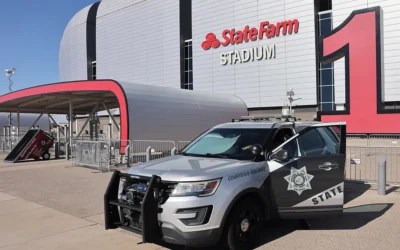
BREAKING: Charlie Kirk Memorial: Armed Man ID’d at Stadium
Authorities arrested an armed man at State Farm Stadium in Glendale, Arizona, just days before thousands are expected to gather for the Charlie Kirk memorial service. The man, identified as 42-year-old Joshua Runkles, was in fact working as guest security for the event but had not properly coordinated with the Secret Service. “We do not believe this person was attempting anything nefarious,” Turning Point USA spokesperson Andrew Kolvet posted on X. Even so, his arrest has heightened awareness around security as the nation prepares to honor Kirk. I want to add a note of clarity here. This individual was doing advance security for a known guest planning to attend the memorial service tomorrow. We do not believe this person was attempting anything nefarious, however the advance was not done in proper coordination with the… https://t.co/i6YvnMUog1 — Andrew Kolvet (@AndrewKolvet) September 20, 2025 The Arrest Law enforcement intervened after spotting behavior that raised concern. Runkles was carrying several weapons, including a firearm and multiple knives, and presented expired law enforcement credentials. He explained that he was on-site as part of a private security detail, but officials noted he had not gone through proper channels with the Secret Service. Officers moved quickly to detain him before he could access areas that were still being locked down for the memorial. He was booked into the Maricopa County Jail and later released on bond. Investigators are still piecing together what happened. Heightened Security Charlie Kirk’s memorial is expected to draw more than 100,000 attendees, including former President Donald Trump, Vice President J.D. Vance, and many other political leaders. Because of the size of the gathering and its national importance, the Department of Homeland Security designated it a Level-1 Special Event Assessment Rating. That is the highest security classification possible, reserved for events such as presidential inaugurations and major national ceremonies. This designation means extraordinary precautions are in place. Security teams have set up multiple checkpoints, metal detectors, and no-bag policies. Hundreds of officers from local, state, and federal agencies will work together to maintain order. Aerial surveillance will monitor crowds from above, while plainclothes agents will move among attendees. Authorities are also using intelligence-sharing systems to track any potential risks in real time. Why It Matters The arrest highlights the ongoing risks facing large public gatherings in today’s political climate. With tensions running high after Kirk’s tragic death earlier this month, even small disruptions could have dangerous consequences. Unauthorized armed individuals not only put attendees at risk but also raise concerns for the safety of dignitaries and officials. In this case, Runkles was working as guest security but had not obtained the necessary Secret Service credentials. Carrying multiple weapons and presenting expired law enforcement credentials created confusion and raised alarms among authorities. Investigators are now focused on understanding how the lapse occurred and ensuring tighter coordination so that similar breaches cannot happen again. A Nation on Edge Charlie Kirk’s death in Utah shook millions of Americans. The young conservative activist and founder of Turning Point USA was gunned down in a shocking act of political violence. His memorial service is not only a chance to honor his life but also a moment for the nation to reflect on the cost of division and hostility. (RELATED NEWS: AOC Slams Charlie Kirk with Scathing House Floor Comments) Many who plan to attend see the gathering as a public stand for faith, family, and the values Kirk spent his life defending. But the heightened security shows that public events, especially those with symbolic importance, are now potential flashpoints. Communities across the country are grappling with how to balance free expression and public safety in an era of rising tension. What Comes Next Officials are reassessing screening procedures to prevent similar lapses in the future. At the time of Runkles’ arrest, full security protocols for the memorial had not yet been activated. Protective fencing and additional barriers were only installed today. Workers are out here in 99° heat building a steel fence all around State Farm Arena to secure Charlie’s memorial tomorrow pic.twitter.com/8Y530SesV2 — Jack Poso 🇺🇸 (@JackPosobiec) September 20, 2025 For those attending the memorial, organizers are urging compliance with all security measures. Guests should prepare for longer wait times at checkpoints and restrictions on personal items. There is also a no bag policy in force, similar to other large events. These precautions may be inconvenient, but they are necessary to protect lives and preserve the integrity of the service. There is a strict No Bag Policy for tomorrow’s memorial service for Charlie This includes purses, backpacks, and even clear bags Security WILL be enforcing this and you will have to go to the back Share this to prevent any confusion tomorrow with staff just doing their jobs — Jack Poso 🇺🇸 (@JackPosobiec) September 20, 2025 Honoring Charlie Kirk As investigators continue their work, the nation’s attention turns to honoring the life and legacy of Charlie Kirk. His leadership, advocacy, and passion for civic engagement inspired countless young people. For his supporters, the memorial is not just a farewell but a call to continue the work he championed. (RELATED NEWS: Charlie Kirk: A Patriot Remembered, A Legacy Unbroken) This situation is a sobering reminder of the threats that come with standing boldly in the public square. Yet it also underscores why Kirk’s message mattered so deeply. He spoke about courage in the face of opposition, and that message now resonates more strongly than ever. The Final Word The events in Glendale reveal the challenges of hosting a national memorial in a time of division and unrest. But they also highlight the determination of law enforcement to safeguard Americans as they gather to mourn. With strong security measures in place, Charlie Kirk’s memorial will go forward as planned. In moments like this, unity and vigilance matter most. Security scares should not overshadow the purpose of the day: to remember a life lost too soon and to recommit to a vision of America that values faith, truth, and freedom. Update:…

AOC Slams Charlie Kirk with Scathing House Floor Comments
OPINION Rep. Alexandria Ocasio-Cortez sparked outrage this week when she voted against a House resolution meant to honor the life of Charlie Kirk. Instead of showing restraint, she used her floor speech to launch a scathing tirade against a man who is no longer alive to defend himself. Her remarks went far beyond disagreement, attacking Kirk’s beliefs and public statements in a way that ignited debate over whether lawmakers should tarnish the memory of the deceased to score political points. BREAKING: AOC just took to the House floor to defend her No vote on the Resolution honoring the life of Charlie Kirk. This is going to make your blood boil. AOC: “We should be clear about who Charlie Kirk was… His rhetoric and beliefs were ignorant, uneducated, and sought to… pic.twitter.com/MMjecCmyk5 — Gunther Eagleman™ (@GuntherEagleman) September 19, 2025 What the Resolution Said and the Vote Breakdown The resolution proposed by House Republicans aimed to honor Kirk as a husband, father, Christian, and founder of Turning Point USA. It also condemned political violence in all forms and expressed condolences to his family after his assassination. Supporters of the measure argued that it was a chance for Congress to come together, set aside partisanship, and send a clear message that violence against public figures has no place in America. (RELATED NEWS: Charlie Kirk: A Patriot Remembered, A Legacy Unbroken) A similar resolution was passed after the death of Minnesota State House Speaker Emerita Melissa Hortman and her husband, Mark Hortman. That measure condemned political violence and won unanimous support in both the House and Senate. Every single Republican in Congress voted for it. But when it came to honoring Charlie Kirk, 96 Democrats in the House either voted against the resolution or chose to vote “present.” The Senate was unanimous. Republicans have once again shown themselves to be the party willing to compromise. On issues like this, they do the right thing instead of letting partisan grudges stand in the way of basic decency. AOC’s Criticism of Kirk Instead of supporting the measure, AOC spoke forcefully against it. She labeled Kirk’s rhetoric as “ignorant” and “uneducated,” spreading falsehoods and taking his words out of context to paint him in the worst possible light. She cited past remarks—misrepresenting his stance on the Civil Rights Act, affirmative action, and minority groups—as proof of her claims. Ocasio-Cortez even pointed to his reaction after the Paul Pelosi attack, twisting his comments to suggest he minimized political violence. In her speech, AOC argued that passing a resolution in Kirk’s honor would normalize what she framed as harmful rhetoric and send the wrong message to targeted communities. For her, honoring Kirk meant overlooking her interpretation of his so-called divisive beliefs, even though her accusations rested on distortions. The Executive Producer of the Charlie Kirk Show, Andrew Kolvet was on Laura Ingraham to talk about AOC’s disgraceful words: AOC can say what she wants—Americans will respond.@AndrewKolvet: “Her words were disgraceful. Congress couldn’t even unite to condemn the assassination of Charlie Kirk, an American hero. That’s shameful.” pic.twitter.com/mhDqg6gWGt — Laura Ingraham (@IngrahamAngle) September 19, 2025 And as if the speech wasn’t bad enough, she later sent out a fundraising email, doubling down on her rhetoric. She raised money from the death of Charlie Kirk. This should tell you all you need to know. AOC just sent an email attacking Charlie Kirk, calling his views “ignorant” and claiming they “sought to disenfranchise millions.” This comes right after she voted no on a resolution honoring his legacy and calling it a “great pain” to Americans. Her moral low knows no limits. pic.twitter.com/BRx7tgpNm0 — Benny Johnson (@bennyjohnson) September 19, 2025 The Final Word Beyond this single vote, the real question is how we choose to honor human life. Charlie Kirk was more than his politics—he was a husband, a father, a friend, and a man who inspired millions. His death was not just a political moment; it was a tragedy that should remind us of the value of every life. At a time like this, partisanship should fade into the background. Sadly, the negative rhetoric that fills the public square played a role in his death. When leaders and commentators treat their opponents as enemies rather than fellow Americans, they stoke anger and division that can spill into violence. This isn’t the moment for score-settling or harsh tirades against someone who can no longer speak for himself. It’s a time to turn down the temperature, to step back from the toxic cycle, and to recognize the human cost of hateful words. Honoring Charlie’s life does not mean ignoring disagreements. It means showing basic decency, setting aside the harsh labels, and remembering the person beyond the politics. Every resolution, every tribute, should start with the truth that life is sacred. If we cannot unite on that, then we have lost something far greater than a vote in Congress—we have lost our sense of humanity. I’ll leave you with this. Earlier this year, Charlie shared the words of Senator John Kennedy. Wise man. “Let her speak.” Senator John Kennedy on AOC is pure gold: “I consider AOC to be the leader of the Democratic Party.” “I think she’s the reason there are directions on a shampoo bottle.” “Our plan for dealing with her is Operation Let Her Speak.” 😂😂 pic.twitter.com/o88QzFr7VB — Charlie Kirk (@charliekirk11) April 9, 2025 Cut Through the Noise. Slice Through the Lies. Share the Truth. At The Modern Memo, we don’t tiptoe around the narrative—we swing a machete through it. The mainstream won’t say it, so we will. If you’re tired of spin, censorship, and sugar-coated headlines, help us rip the cover off stories that matter. Share this article. Wake people up. Give a voice to the truth the powerful want buried. This fight isn’t just ours—it’s yours. Join us in exposing what they won’t tell you. America needs bold truth-tellers, and that means you.

Protect Your Home Like Family: Smart Budgeting Tips
Why Budgeting Matters Owning a home is exciting. It feels like a big milestone, whether you’re getting ready to buy or you’ve already got the keys. But here’s the truth—homeownership is more than just a monthly mortgage. If you don’t plan ahead, extra costs like rising insurance rates or a busted water heater can sneak up and mess with your budget. The good news? With a little planning, you can stay ahead of those expenses and actually enjoy your home without constant money stress. Working with a good mortgage lender also adds value by helping you understand the full cost picture—mortgage, taxes, and insurance—so you can set a realistic budget from the start. What Insurance Really Costs Homeowners insurance isn’t optional—it’s protection. It covers you if your house is damaged by fire, storms, or theft. But the cost isn’t the same for everyone. It depends on where you live, the age of your home, and even what materials it’s built from. (RELATED NEWS: 1 in 3 U.S. Drivers Lack Enough Car Insurance, Study Warns) If you’re looking to buy, get an insurance quote early so you know what to expect. If you already own, don’t just auto-renew every year—check your coverage and see if you can get a better rate. Bundling with car insurance or adding safety features could lower your premium. Either way, you’ll want to make sure your coverage grows as your home’s value goes up. It’s also essential to add extra coverage for your valuable items. Investopedia says: “If you own a lot of high-priced possessions (fine art or antiques, fine jewelry, designer clothes), you might want to pay extra to put them on an itemized schedule, purchase a rider to cover them, or even buy a separate policy.” Don’t Forget About Taxes Property taxes aren’t always front of mind when you’re excited about a new home, but they’re a real part of the budget. They can go up as your home’s value rises or as local governments adjust rates. (RELATED NEWS: Skipping Coverage: The New Trend Among Young Adults) For buyers, don’t just look at today’s number—plan for increases. For current owners, check past trends in your area so you’re not blindsided when the bill lands in your mailbox. Have tax debt? We can help! Repairs and Maintenance: The Sneaky Costs Here’s the part of budgeting that no one loves to talk about: repairs. Every house has them. Appliances wear out, roofs leak, air conditioners quit in the middle of summer. Experts say to set aside 1–3% of your home’s value every year for maintenance and repairs. On a $200,000 house, that’s $2,000–$6,000. If you’re buying, factor that into your budget right now. If you already own, start putting money into a good interest-bearing bank account for future repairs. Even small amounts add up and make life easier when the unexpected happens. Best-case scenario, you won’t use it, and that money will continue to grow. Upgrade your windows today! Everyday Costs You Might Miss It’s not just the big stuff. Utilities, internet, trash pickup, lawn care, and snow removal (depending on where you live) all add up. And if you’re in a neighborhood with a homeowners association, expect monthly or yearly dues. Those dues may cover landscaping or amenities, but they can go up over time. Buyers should ask about these costs upfront, and current homeowners should review them every year. Why Savings Matter So Much Every homeowner needs two safety nets. First, an emergency fund—3 to 6 months of living expenses set aside for life’s curveballs like job loss or medical bills. Second, a repair fund just for the house. That way, when the water heater goes, you’re not draining your emergency money. If you’re new to saving, don’t stress. Start small, stay consistent, and build from there. Choose a bank with low or no fees and accounts that earn interest—you’ll be glad you did in the long run. Where a Home Warranty Can Help Even with savings, big repairs sting. That’s why a lot of people add a home warranty. It’s a service plan that helps cover major appliances and systems when they break down. If you’re buying, it can give you peace of mind while you settle into your new place. If you already own, adding one now could still help you handle surprise repairs without wiping out your family budget. Just make sure you know what’s covered and what’s not. Simple Steps to Build Your Budget List your monthly income and fixed expenses. Estimate your mortgage (or current payment), plus taxes and insurance. Add utilities, HOA dues, and a repair fund (1–3% of the home’s value). Factor in savings for emergencies and long-term repairs. Check the numbers. If your housing costs eat up more than 30–35% of your income, look for ways to adjust. Keeping It Stress-Free Want to keep your budget in check? Track your spending for a few months to see where your money really goes. Assume costs like insurance and taxes will rise over time. Automate your savings so you don’t have to think about it. And keep up with routine maintenance—it’s cheaper to service your HVAC once a year than replace it years too soon. Protect Your Home Like Family Buying or owning a home doesn’t have to mean sleepless nights worrying about money. With smart budgeting, you can cover the basics—mortgage, insurance, taxes, and utilities—and still prepare for the unexpected. A home warranty gives you that extra safety net, stepping in when appliances or systems fail and saving you from draining your savings on a single repair. Your home is more than walls and a roof—it protects your family, your memories, and your future. Treat it like a member of the family. Plan ahead, save consistently, and add the protection of a warranty. When you do, you give your home the same care it gives you—keeping it strong, dependable, and a place where you can truly rest easy. Protect your home like it protects you. Forget the narrative….

1 in 3 U.S. Drivers Lack Enough Car Insurance, Study Warns
Imagine getting into a fender-bender on the way to work, only to discover the other driver is uninsured. Suddenly, you’re not just late for a meeting, you’re staring down thousands of dollars in bills. Replacing a bumper today costs more than some used cars did a decade ago. And a single ER visit can run higher than your monthly mortgage. That’s why the latest study showing one in three drivers lack enough insurance should make everyone pay attention. A 2025 report from the Insurance Research Council (IRC) reveals that more than one in three drivers in the United States were either uninsured or underinsured in 2023. The study, Uninsured and Underinsured Motorists: 2017–2023, shows the combined rate climbed to 33.4 percent, a sharp increase from 23.8 percent in 2017. This growing problem highlights the financial risks drivers face every time they get behind the wheel. Breaking Down the Numbers The IRC study provides a clear picture of how widespread the problem has become: 15.4 percent of drivers in 2023 carried no auto insurance at all. 18.0 percent of drivers carried insurance that failed to fully cover the costs of a serious accident. Together, uninsured and underinsured drivers accounted for more than one in three motorists nationwide. The report explains, “Uninsured motorist and Underinsured motorist claim frequencies increased at faster rates than Bodily Injury claim frequency, leading to a sharp increase in the combined rate of uninsured and underinsured motorists.” In other words, accidents are costing more, and too many policies are falling short. (RELATED NEWS: Skipping Coverage: The New Trend Among Young Adults) State-by-State Differences The risk is not evenly spread across the country. According to the IRC, “Uninsured motorist rates varied dramatically by state in 2023, ranging from a low of 5.7 percent in Maine to a high of 28.2 percent in Mississippi.” Insurance Information Institute reports: New Mexico had an uninsured rate of 24.1 percent, while the District of Columbia followed with 23.1 percent. On the lower end, Utah posted 6.2 percent, and Idaho recorded 6.4 percent. Underinsured motorist rates climbed in nearly every state between 2017 and 2023, with the only exceptions being New York and the District of Columbia. This means drivers in certain regions face a much greater chance of being hit by someone without adequate insurance. Why the Numbers Are Rising Coverage reflects economic and legal factors at the time. The report notes that “UM rates rose in nearly every state from 2019 to 2020,” showing the strain of the pandemic on household budgets. Even as the economy improved, rates did not return to pre-pandemic levels. Rising medical and repair costs push up claim amounts, and when policies fail to keep pace, the gap between coverage and actual costs grows wider. Many states also set low minimum coverage requirements. Florida, for example, is the lowest in the country. The state only requires $10,000 property damage liability. These minimums are not enough to cover the expenses of a modern accident, leaving even insured drivers underinsured when serious injuries or major property damage occur. The Risks for Fully Insured Drivers Drivers who carry good insurance may think they are safe, but the study underscores the risk for everyone. If an uninsured or underinsured driver causes a crash, the other party often has to rely on their own coverage to pay for damages. Without uninsured or underinsured motorist protection, victims may face overwhelming medical bills, repair costs, and lost income. The IRC warns that higher underinsured motorist rates can also “worsen affordability” for everyone, since insurers spread the rising costs across all policyholders. This means responsible drivers end up paying higher premiums as the pool of underinsured drivers grows. (MORE NEWS: United CEO Scott Kirby Says Spirit Airlines Will Collapse) How Drivers Can Protect Themselves The study makes it clear that every driver should take a closer look at their own coverage. Practical steps include: Review your policy to confirm you carry uninsured and underinsured motorist coverage. Raise liability limits above state minimums to guard against lawsuits and high-cost accidents. Consider collision and comprehensive coverage if your vehicle is valuable or still financed. Shop around for competitive rates, look for discounts, and adjust deductibles to keep premiums manageable. Taking these measures ensures you are not left exposed when facing an at-fault driver who lacks enough insurance. Final Word The IRC’s findings send a clear warning: Drivers are often unprepared for tragedy. They take risks—not only with their own health and property, but everyone else’s too. They also leave themselves open to lawsuits if they are not full covered. One mistake by an uninsured driver, or one decision to carry too little coverage, can alter the course of your life. We’re all just one accident away from a financial mess. Don’t let someone else’s mistake ruin your life. Review your policy today, raise your limits if needed, and give yourself the peace of mind you deserve. Forget the narrative. Reject the script. Share what matters. At The Modern Memo, we call it like it is — no filter, no apology, no corporate leash. If you’re tired of being lied to, manipulated, or ignored, amplify the truth. One share at a time, we dismantle the media machine — with facts, boldness, and zero fear. Stand with us. Speak louder.

California Volleyball Clash Over Transgender Athletes
California is once again in the spotlight, and not for the right reasons. The state’s policies on transgender athletes are creating conflict after conflict, and this time, volleyball is at the center of the storm. Families, students, and coaches are speaking out, saying the rules don’t prioritize fairness or safety. A High School Girl Forced Out of the Game At Jurupa Valley High School, senior Hadeel Hazameh walked away from volleyball. Why? Because she says she spent three years sharing a locker room with a biological male. For her, that wasn’t just uncomfortable—it violated her faith and her rights. She filed a lawsuit, joined by teammate Alyssa McPherson, who is Catholic and says she faced the same struggle. Both of these brave young women argue that girls shouldn’t have to compromise their beliefs, their privacy, or their safety just to play sports. Their lawsuit names the school district, the California Interscholastic Federation, and the Department of Education. They’re asking for what should be common sense: fairness and respect for girls. A Muslim American girl in California is standing up against the state’s trans athletes policies after spending three years sharing a locker room with a transgender volleyball teammate – a violation of her religion. She is also calling out Gavin Newsom for doing nothing to help… pic.twitter.com/I4qQhF4UKx — Jackson Thompson (@JackThompsonFOX) September 17, 2025 College Teams Caught in the Same Fight This isn’t only happening in high school gyms. At Santa Rosa Junior College, players filed a Title IX complaint after a transgender athlete joined the women’s volleyball team. One player says she got a concussion after taking a spike to the head. Another says she was injured, too, according to Fox News. These aren’t small scrapes—these are serious safety concerns. Two junior college women’s volleyball players in California allege they witnessed a transgender teammate give a concussion to a female player with a spike to the head, and one of them took one of the athlete’s spikes to the face herself. pic.twitter.com/tgksH60i7u — Jackson Thompson (@JackThompsonFOX) September 9, 2025 At San Jose State University, teammates say a biological male played on the women’s team for three years. They claim nobody told them the truth. In a lawsuit, player Brooke Slusser alleges that she was never told that her teammate, later identified as Blaire Fleming, is a biological male. For example: She says she moved into an apartment (with teammates including Fleming) and shared a room without knowing this. The lawsuit claims she only learned the truth toward the end of a season after overhearing non-team members referring to Fleming as “a dude.” Slusser also claims that Fleming asked to room with her, and that school officials assigned them to share rooms (on road trips), without disclosing Fleming’s birth sex. The case has now triggered a federal Title IX investigation. That’s how big this problem has become. (MORE NEWS: Skipping Coverage: The New Trend Among Young Adults) Why Girls Are Pushing Back The issue comes down to three simple points: fairness, safety, and faith. Girls are tired of being told to “just deal with it” when they’re asked to compete against transgender biological males. They know the physical differences aren’t erased by changing paperwork. Volleyball is a fast and powerful game, and the risk of injury is a real concern. Then there’s the matter of faith and privacy. Hazameh and McPherson both say their beliefs demand modesty. They shouldn’t be forced into locker rooms with males to keep their spot on the team. That’s not equality—it’s coercion. What Leaders Are (and Aren’t) Doing Governor Gavin Newsom admits it’s unfair for males to compete in female sports. Yet, when it comes time to act, he punts. His office says the policy was passed years ago under Jerry Brown and that the athletic federation and education department run independently. That excuse doesn’t fly with parents and students who want action now. Hazameh spoke out on Newsom’s lack of action: “If our governor himself says that it’s unfair, then he’s the one who should act on it… he should be the one to stand up, it shouldn’t have to be girls like me and Alyssa who have to forfeit in order to make a stand that this isn’t right… If you’re not going to do anything, then what are you here to do if you’re not here to make America better?” Saying the policy is wrong while leaving it untouched is like acknowledging the house is on fire and refusing to pick up a hose. Lawmakers Take a Pass Earlier this year, lawmakers had a chance to fix this. Two bills were introduced that would have stopped males from competing in girls’ sports. Both failed. Every Democrat voted them down. Some even compared the effort to historic oppression—ignoring the real oppression of girls losing their teams, their safety, and their voices. The message to families was clear: politics came before protecting daughters. And people are taking note. (MORE NEWS: Rising Socialism Exposes the Democratic Party’s Identity Crisis) Title IX: A Law Turned Upside Down Title IX was written to protect opportunities for women. It opened doors, built teams, and gave generations of girls the chance to compete. Now, that law is being twisted into something unrecognizable. Instead of protecting female athletes, it’s being used to justify rules that put them at a disadvantage. That’s why so many families are filing lawsuits. They’re asking the courts to restore the original intent of Title IX—to protect women, not erase them. What’s Next California is heading toward a reckoning. Lawsuits regarding transgender athletes are piling up. Federal investigations are underway. Parents are demanding change. And girls are speaking out louder than ever. The pressure is building, and leaders won’t be able to dodge the issue forever. The question is simple: will California protect the rights of girls, or will it continue to sacrifice them on the altar of ideology? Families know what’s at stake—privacy, safety, and the basic fairness that sports are supposed to be built…