



AI Country Song “Walk My Walk” Tops Charts Nationwide
The country music world is buzzing over a new number-one song, “Walk My Walk,” that wasn’t written or performed by humans. The tune by a group called Breaking Rust has climbed to the top of the Country Digital Song Sales chart, as reported by Breitbart News. The surprise is that Breaking Rust is entirely AI-generated. The vocals, melody, and even the album artwork were created through artificial intelligence. The song blends classic country themes—heartache, resilience, and pride—with modern production polish. Many fans admitted they didn’t realize a computer made it until they read about it online. That shock alone has fueled conversation across Nashville and beyond. How the Song Came to Life Breaking Rust exists mainly as a digital persona. Its cowboy image, voice, and lyrics were produced by an algorithm trained on thousands of popular country hits. The program assembled melodies and verses designed to appeal to mainstream listeners. The result is a tune that sounds oddly familiar, like something already on the radio, yet completely new in origin. Music analysts say “Walk My Walk” demonstrates how far generative technology has come. What once required a team of musicians and producers can now be accomplished in hours by a computer. For some, it’s exciting innovation; for others, it’s a warning sign for the future of artistry. Artists React with Concern The song’s success has rattled human performers. Country stars such as Darius Rucker and Matthew Ramsey from Old Dominion have spoken out, warning that AI could threaten jobs and the soul of the genre. They argue that music is built on storytelling and lived emotion—qualities that machines can imitate but never truly feel. Many artists fear a flood of cheap, computer-made songs will crowd out real musicians. They worry record labels might prioritize quantity over creativity. The debate has spread to social media, where fans are split between fascination and frustration. Why It Matters This milestone signals a turning point in entertainment. If listeners can no longer distinguish between human and artificial creation, what happens to authenticity? Music has always been a reflection of human experience, but AI challenges that definition. At the same time, streaming platforms reward output and engagement more than emotional depth, giving machine-made songs an advantage. Industry experts predict that AI will change how royalties, licensing, and songwriting credits are handled. Some see opportunity for collaboration between artists and algorithms. Others fear automation could hollow out the creative middle class of musicians who rely on writing songs for a living. Expanding Beyond Country AI’s influence is spreading well beyond country music. Similar acts have surfaced in pop, rock, and gospel. In the past few months alone, at least half a dozen AI-assisted artists have appeared on various charts. This shift shows how technology is disrupting not just production but also marketing and audience engagement. Record labels are experimenting with AI to predict hits, customize sounds, and even generate social media content. The line between art and algorithm continues to blur, forcing both creators and fans to rethink what originality means in the digital age. Legal and Ethical Challenges The rise of AI-generated songs raises tough legal questions. Who owns a song that no human wrote? Can an algorithm claim copyright protection? Legislators are scrambling to catch up. Last year, more than 200 musicians signed an open letter urging technology companies to protect human artistry and prevent machines from replacing creative labor. Some lawmakers are proposing rules that require full disclosure when a song is AI-generated. Others suggest new categories of copyright for digital creations. The conversation is just beginning, but the stakes are enormous for an industry built on intellectual property. Related Stories AI Job Cuts Surge: How Automation Is Reshaping the U.S. Workforce in 2025 Amazon Smart Glasses Redefine Delivery with AI Power Biotech Breakthrough Could End the Need for Liver Transplants The Human Element Still Matters Despite all the buzz, most critics agree that AI can’t replicate genuine emotion. A computer can analyze patterns, but it can’t live through heartbreak or hope. The strength of country music lies in its storytelling—real people expressing real struggles. That human touch remains irreplaceable, even as algorithms learn to mimic it with eerie accuracy. Some producers see potential in blending both worlds. By using AI to handle technical work, artists can focus on creativity. The balance between innovation and authenticity may define the next era of popular music. What the Future Holds Looking forward, the industry may settle into a hybrid model where humans and AI collaborate rather than compete. Machine learning could help songwriters explore new styles, improve sound quality, and reach wider audiences. Yet there will always be listeners who crave the imperfect beauty of a voice that comes from experience. The success of “Walk My Walk” shows that audiences are open to experimentation. Whether they embrace or reject AI long-term will depend on how the technology is used. If it enhances creativity, it may become a powerful ally. If it replaces the artist entirely, it could spark a cultural backlash. Final Thoughts “Walk My Walk” marks a defining moment in music history. It challenges long-held ideas about creativity, authorship, and authenticity. Whether seen as progress or peril, the arrival of AI in Nashville proves that the future of country music—and all music—will be shaped by how humanity chooses to engage with its own inventions. Unmask the Narrative. Rip Through the Lies. Spread the Truth. At The Modern Memo, we don’t polish propaganda — we tear it to shreds. The corporate press censors, spins, and sugarcoats. We don’t. If you’re tired of being misled, silenced, and spoon-fed fiction, help us expose what they try to hide. Truth matters — but only if it’s heard. So share this. Shake the silence. And remind the powerful they don’t own the story. 📩 Love what you’re reading? Don’t miss a headline! Subscribe to The Modern Memo here! Explore More News AI Job Cuts Surge: How Automation Is Reshaping the U.S. Workforce in 2025 ACA Premiums Are Rising…

Venezuela Mobilizes Troops as U.S. Warships Build Up
Venezuela has mobilized troops and weapons in response to a U.S. warship buildup in the Caribbean Sea. The move follows the deployment of the U.S. Navy’s aircraft carrier USS Gerald R. Ford to the region. President Nicolás Maduro claims the U.S. is threatening Venezuelan sovereignty and trying to destabilize his government. Officials in Caracas say the mobilization is a defensive act meant to protect national borders. They argue that Washington’s increased naval activity represents an act of intimidation. For months, U.S. and Venezuelan leaders have exchanged accusations, and the tension now appears to be reaching a new level. Venezuela’s Military Strategy The Venezuelan military is activating small, mobile units at more than 280 locations across the country. These troops are trained for long-term, guerrilla-style resistance rather than traditional warfare. Commanders are emphasizing quick movement, local familiarity, and the ability to fight in dispersed cells. According to Fox News, a source reportedly admitted, “We wouldn’t last two hours in a conventional war.” That blunt statement highlights the government’s acknowledgment that its forces cannot match U.S. firepower. Instead, the plan is to make any potential invasion costly and prolonged. Venezuelan officials call this the “resistance doctrine.” The U.S. Strategic Mission From Washington’s perspective, the increased military presence in the Caribbean is part of a broader mission to counter transnational crime and strengthen regional security. U.S. Southern Command has said its forces are focused on drug-trafficking routes and other illegal activities that threaten hemispheric stability. The arrival of the aircraft carrier group sends a clear message of deterrence. American officials insist the operation is not directed at any one nation but rather at criminal networks. However, the timing and location of the buildup near Venezuelan waters have fueled suspicions about U.S. intentions. Related News U.S. Strike on Venezuelan Drug Cartel Boat Signals New Era U.S. Confronts Venezuela Narco-State Miami Mayor’s Warning: NYC’s Mamdani Echoes Castro Economic Pressures and Domestic Strain Inside Venezuela, the mobilization exposes deep economic cracks. Reports indicate that some units have had to negotiate directly with local farmers for food because of supply shortages. Government logistics are stretched thin, and inflation continues to erode purchasing power. The strain is visible across the country. Fuel shortages, food insecurity, and crumbling infrastructure have created additional stress on the population. Critics argue that the government’s military focus diverts scarce resources from urgent social needs. Supporters counter that defending the homeland must come first. Regional and Global Reactions The international community is watching closely. Russia’s foreign ministry has expressed support for Venezuela and promised to respond to any requests for assistance. At the same time, Moscow has urged both sides to avoid escalation. Neighboring countries such as Colombia and Brazil have reinforced border patrols, wary of potential unrest spilling across frontiers. Diplomatic channels remain open, but mistrust runs deep. Many Latin American nations prefer neutrality, fearing involvement in a confrontation between two powerful adversaries. Still, the buildup underscores how quickly local disputes can become part of a larger global contest. Risk of Escalation Analysts warn that miscalculation could lead to a dangerous spiral. The presence of advanced U.S. naval assets so close to Venezuelan territory increases the chance of accidental encounters. A single incident—an overflight, a radar lock, or an intercepted signal—could ignite conflict. Maduro’s government insists that the mobilization is purely defensive. Yet the rhetoric has hardened on both sides. Washington has criticized Venezuela’s ties with authoritarian allies, while Caracas claims that the U.S. seeks regime change under the banner of democracy. Implications for the Region For the broader Caribbean and Latin America, the standoff carries serious implications. Increased militarization could trigger an arms buildup among neighboring nations. Regional trade routes and energy exports could also be disrupted if tensions escalate further. Humanitarian concerns loom large. Venezuela already faces mass migration, and renewed conflict could force more citizens to flee. Aid organizations warn that another refugee wave would strain nearby economies and social systems. The situation remains fluid, with few signs of compromise. What Comes Next Looking ahead, both governments face pivotal choices. The U.S. may maintain its military posture to demonstrate strength, while Venezuela will likely continue mobilizing in the name of sovereignty. President Trump has hinted that “the land will be next,” raising fears of deeper engagement. Whether diplomacy can defuse the crisis remains to be seen. Negotiations through regional partners could offer a path toward de-escalation. For now, the Caribbean stands at the center of a modern power struggle—one that blends politics, economics, and national pride in equal measure. The next few weeks will be crucial. Every move, every statement, and every ship positioning will signal intent. In this high-stakes environment, one misstep could shift the balance of peace in the Western Hemisphere. Cut Through the Noise. Slice Through the Lies. Share the Truth. At The Modern Memo, we don’t tiptoe around the narrative—we swing a machete through it. The mainstream won’t say it, so we will. If you’re tired of spin, censorship, and sugar-coated headlines, help us rip the cover off stories that matter. Share this article. Wake people up. Give a voice to the truth the powerful want buried. This fight isn’t just ours—it’s yours. Join us in exposing what they won’t tell you. America needs bold truth-tellers, and that means you. 📩 Love what you’re reading? Don’t miss a headline! Subscribe to The Modern Memo here! Explore More News AI Job Cuts Surge: How Automation Is Reshaping the U.S. Workforce in 2025 ACA Premiums Are Rising — But Not Because of Expiring Subsidies Daylight Saving Time Debate Heats Up Across States Retirement 2025: America’s Safest and Wealthiest Towns to Call Home
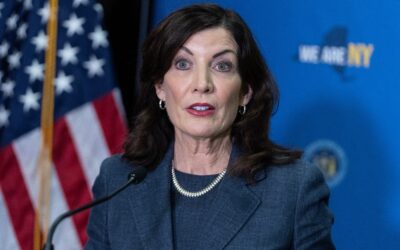
Hochul Reverses Course on Mamdani’s Costly Free Bus Plan
Governor Kathy Hochul has decided to reject Mayor-elect Zohran Mamdani’s proposal for free bus service across New York City, according to the New York Post, raising new questions about her credibility and consistency. What was once an endorsement of Mamdani and his progressive platform has now turned into a rejection of one of his key initiatives. The reversal has drawn attention not only to the plan’s feasibility but also to Hochul’s changing political calculations as she faces mounting pressure in an upcoming election year. The Cost Behind the “Free” Promise Mamdani campaigned on the idea of fare-free public transportation as a way to make commuting more affordable for working families. The concept sounded attractive in a city where the cost of living keeps rising, but the price tag tells a different story. His plan would cost roughly $700 million annually and remove one of the Metropolitan Transportation Authority’s most dependable revenue sources. To fill that gap, the state would need to raise taxes or redirect funding from other critical areas, such as education and infrastructure. What’s called “free” bus service would, in reality, come at the expense of taxpayers who already carry one of the heaviest financial burdens in the country. Hochul’s Words vs. Her Record Governor Hochul has publicly acknowledged these fiscal challenges. “We’re spending a lot of money, so I cannot set forth a plan right now that takes money out of a system that relies on the fares of the buses and the subways,” she said when addressing the proposal. Her stance may sound pragmatic, but it stands in stark contrast to her past support for Zohran Mamdani — a candidate known for championing expensive social programs. By endorsing him, Hochul effectively lent credibility to the same policy agenda she is now disavowing. The shift raises questions about whether her decisions are guided by principle or by political convenience. Taxpayers Bear the Burden For New Yorkers, the debate is not about politics — it’s about fairness. Fare revenue helps maintain and operate one of the largest and most complex public transit systems in the world. Removing it would force the state to rely more heavily on taxpayers to fund daily operations, maintenance, and payroll. That means higher taxes, fewer resources for essential programs, or both. The people who stand to pay the most are those already struggling to make ends meet. In effect, the plan would take from the many to subsidize rides for a few — a redistribution of costs disguised as a public service. The Political Reality Hochul’s reversal comes at a time when her political future is on the line. With Republican Congresswoman Elise Stefanik positioning herself as a strong challenger in next year’s gubernatorial race, Hochul appears to be pivoting toward the center. By opposing Mamdani’s free bus plan, she distances herself from the far-left economic policies that could alienate moderate voters. This calculated repositioning may help her appear more fiscally responsible, but it also highlights an uncomfortable truth: she once endorsed Mamdani’s platform and is now publicly rejecting its cornerstone ideas. That contradiction fuels skepticism about whether her decisions reflect genuine conviction or simple political survival. Leadership and Accountability Leadership requires consistency, and voters tend to remember when officials change their stance after endorsing a policy or candidate. Hochul’s endorsement of Mamdani was not a minor gesture — it was a public show of support for his priorities. Now, as she rejects his policies under pressure, her credibility is called into question. New Yorkers deserve leaders who make decisions based on sound judgment and fiscal responsibility, not shifting campaign needs. Reversing course may score short-term political points, but it can damage long-term trust. More Stories AI Job Cuts Surge: How Automation Is Reshaping the U.S. Workforce in 2025 Holiday Travelers May Face Flight Delays as Shutdown Deepens Daylight Saving Time Debate Heats Up Across States The Broader Lesson This controversy reveals a larger truth about government spending: nothing is ever truly free. Every public program has a cost, and those costs inevitably fall on taxpayers. In the case of New York’s free bus proposal, the promise of affordability would likely lead to higher taxes, reduced services, or both. As the city continues to navigate economic challenges, policymakers must prioritize sustainability over symbolism. A program that drains public funds without a viable revenue source is not compassionate. It’s careless and irresponsible. Final Thoughts Governor Hochul’s rejection of the free bus plan is the right move financially, but it comes too late to erase her earlier support for the movement that created it. Her shift illustrates how political pressure and electoral vulnerability can reshape policy positions overnight. For voters, it’s a reminder to look beyond campaign slogans and pay attention to consistency and credibility. Fiscal responsibility is just common sense. And in a city already burdened by high taxes and debt, that’s what New Yorkers need most from their leaders. Cut through the noise. Drown out the spin. Deliver the truth. At The Modern Memo, we’re not here to soften the blow — we’re here to land it. The media plays defense for the powerful. We don’t. If you’re done with censorship, half-truths, and gaslighting headlines, pass this on. Expose the stories they bury. This isn’t just news — it’s a fight for reality. And it doesn’t work without you. 📩 Love what you’re reading? Don’t miss a headline! Subscribe to The Modern Memo here! Explore More News AI Job Cuts Surge: How Automation Is Reshaping the U.S. Workforce in 2025 Holiday Travelers May Face Flight Delays as Shutdown Deepens Daylight Saving Time Debate Heats Up Across States Retirement 2025: America’s Safest and Wealthiest Towns to Call Home

U.S. Visa Applications May Be Denied For Health Issues
The U.S. Department of State recently issued internal guidance that may tighten requirements for immigrants seeking visas, according to the New York Post. Under the directive, visa officers are instructed to consider applicants’ health conditions and potential reliance on public assistance when deciding whether to approve a visa. Conditions cited include obesity, cancer, diabetes, cardiovascular and respiratory diseases, neurological and mental health disorders. What the Guidance Says The memo, as examined by KFF Health News, informs consular officers to assess whether an applicant has the financial resources to cover lifetime medical costs without depending on U.S. public benefits. Further, the applicant’s family health and wider ability to participate in the workforce may also be evaluated. If officers believe a visa applicant may become a “public charge,” they may deny the application. Why This Change Matters Previously, visa screenings focused mostly on communicable diseases and vaccination requirements. Now, the evaluation expands to chronic conditions and potential long-term cost burdens. This signals a shift in how the U.S. weighs health in immigration policy. Experts say the change could affect many applicants who have managed conditions but now face new scrutiny. Implications for Applicants For immigrants, this means more than just filling out paperwork. Those with conditions like obesity, diabetes, or serious health issues might see additional hurdles. They could be asked more questions about insurance, family support, past medical history, and job prospects. Long-term planning and financial readiness now become part of visa considerations. Controversy and Concerns Critics argue the policy risks discrimination and sets a troubling precedent: access to residence could hinge on health and wealth, not just legal eligibility. Some worry it could disproportionately affect applicants from lower-income countries or those with limited health coverage. On the other hand, supporters say the U.S. has a right to protect public resources and ensure that newcomers can integrate without undue burden. More Stories AI Job Cuts Surge: How Automation Is Reshaping the U.S. Workforce in 2025 Holiday Travelers May Face Flight Delays as Shutdown Deepens Daylight Saving Time Debate Heats Up Across States What This Means for Immigration Trends The directive could slow processing of some visa applications and shift the profile of approved immigrants. For families, it may mean preparing more documentation. For immigration attorneys and advocates, it means revising guidance. And for prospective immigrants, it adds another dimension to decision-making: not just job and eligibility, but health and projected costs. As a result, the United States may see fewer applicants in certain categories while attracting those who can show stronger financial and medical self-sufficiency. The emphasis on long-term independence signals a new focus on fiscal responsibility within immigration policy. Looking Ahead As the guidance rolls out, monitoring will be key. Will visa denial rates rise on health grounds? Will there be legal challenges or calls for clarity? Also, how will this align with U.S. immigration goal of attracting skilled workers? The balance between access and cost-control will shape future immigration policies. Observers expect new data to emerge within months, giving insight into how many applicants are affected and whether the policy leads to measurable savings in public spending. Ultimately, the goal will be to maintain compassion while protecting the sustainability of the nation’s resources. Final Word In short, the new health-based visa screening marks a significant shift in U.S. immigration policy. It underscores that applicant health and financial independence are now central to visa decisions. For prospective immigrants, this means preparing more comprehensively. The conversation also raises a broader question about how America manages limited healthcare and social-service resources. Many American citizens already face high medical costs and gaps in coverage, so immigration policies must ensure that visa holders can support themselves without adding strain to an overburdened system. A sustainable approach encourages applicants who can contribute in needed areas while reducing long-term dependency, promoting fairness for both new arrivals and taxpayers alike. Expose the Spin. Shatter the Narrative. Speak the Truth. At The Modern Memo, we don’t cover politics to play referee — we swing a machete through the spin, the double-speak, and the partisan theater. While the media protects the powerful and buries the backlash, we dig it up and drag it into the light. If you’re tired of rigged narratives, selective outrage, and leaders who serve themselves, not you — then share this. Expose the corruption. Challenge the agenda. Because if we don’t fight for the truth, no one will. And that fight starts with you. 📩 Love what you’re reading? Don’t miss a headline! Subscribe to The Modern Memo here! Explore More News AI Job Cuts Surge: How Automation Is Reshaping the U.S. Workforce in 2025 Holiday Travelers May Face Flight Delays as Shutdown Deepens Daylight Saving Time Debate Heats Up Across States Retirement 2025: America’s Safest and Wealthiest Towns to Call Home

Trump’s 50-Year Mortgage Plan Could Change Home Buying
President Donald Trump and his team have proposed a new concept in home financing: a 50-year fixed mortgage. According to Federal Housing Finance Agency Director Bill Pulte, the agency is indeed working on this plan. The idea is to help younger and first-time buyers by lowering monthly payments. At the same time, it aims to address ever-rising home prices. Why This Matters Homeownership has become more out of reach for many Americans. For instance, the average age of first-time homebuyers in 2025 reached about 40 years old—a record high. Many younger adults now feel locked into apartments as rising home prices and high mortgage rates keep them out of the market. With a 50-year mortgage, this won’t guarantee a home—but it offers a more gradual path into ownership. What the Proposal Involves Under the plan, the mortgage term would stretch to 50 years instead of the typical 30. Director Pulte called it a “complete game changer.” The logic: by lengthening the repayment period, monthly installments decrease. That makes homes more affordable on a monthly basis. Thanks to President Trump, we are indeed working on The 50 year Mortgage – a complete game changer. https://t.co/HZDPzO0qJG — Pulte (@pulte) November 8, 2025 Meanwhile, the proposal would still allow borrowers the option to refinance into a shorter term when their financial situation improves. Supporters say this flexibility can help young buyers start owning now and move to stronger terms later. More Stories AI Job Cuts Surge: How Automation Is Reshaping the U.S. Workforce in 2025 Holiday Travelers May Face Flight Delays as Shutdown Deepens Daylight Saving Time Debate Heats Up Across States The Historical Context It’s worth noting that the standard 30-year fixed mortgage has its roots in the Franklin D. Roosevelt administration’s New Deal. That system helped many Americans to own homes after the Great Depression. Now, this new proposal offers the next evolution by stretching the term even further to meet today’s housing-market challenges. Pros: How It Could Help Monthly payments could drop, improving affordability for many buyers. The lower monthly cost might allow a person to qualify for a home that would otherwise be out of reach. It opens up a path into ownership for people who might otherwise wait years. As one commenter put it: “That would really help young people get their own home… this gives them a chance of not being stuck in an apartment their whole lives.” The plan signals a policy shift toward supporting first-time buyers and younger generations rather than simply maintaining status quo. Cons: What to Watch However, there are important cautions. A 50-year mortgage means a buyer will be paying interest for a much longer period. Over time, the total cost of the home may rise significantly compared to a shorter loan. The term “Forever Debt” has already appeared in commentary. Moreover, longer loan terms may encourage people to buy homes they cannot afford long-term—just because the monthly payment seems low now. Also, critics say the plan does not address one root of the problem: large investment firms buying up single-family homes and limiting supply. What This Means for Home Buyers If the proposal comes to pass, home buyers—especially younger ones—could face a new financing option. They might gain access to homes earlier, with lower monthly payments. On the flip side, they should carefully consider long-term implications: longer debt, more interest, and potential risk if property values drop. Therefore, buyers should approach with a full view: understand your budget, your long-term goals, and the housing market in your area. The Road Ahead At this stage, the 50-year mortgage is still a proposal under study by the FHFA. It does not yet have full details or a timeline for implementation. Policymakers will need to consider factors such as the impact on mortgage markets, lenders, home-price inflation, and financial stability. In other words: this idea is ambitious, but its success will depend on careful design and execution. Final Thoughts In short, the 50-year mortgage proposal marks a bold attempt to make home-buying more accessible in a challenging market. With rising prices and older first-time buyers, the policy seeks to shift the balance. Yet it comes with trade-offs—namely long-term interest costs and structural market concerns. For now, potential buyers should stay informed, weigh their options, and look beyond low monthly payments to the lifetime of the loan. Forget the narrative. Reject the script. Share what matters. At The Modern Memo, we call it like it is — no filter, no apology, no corporate leash. If you’re tired of being lied to, manipulated, or ignored, amplify the truth. One share at a time, we dismantle the media machine — with facts, boldness, and zero fear. Stand with us. Speak louder. Because silence helps them win. 📩 Love what you’re reading? Don’t miss a headline! Subscribe to The Modern Memo here! Explore More News AI Job Cuts Surge: How Automation Is Reshaping the U.S. Workforce in 2025 Holiday Travelers May Face Flight Delays as Shutdown Deepens Daylight Saving Time Debate Heats Up Across States Retirement 2025: America’s Safest and Wealthiest Towns to Call Home

DOJ Stops ISIS-Linked Halloween Terror Plot Targeting Jews
The U.S. Department of Justice (DOJ) moved quickly and decisively to stop an ISIS-linked Halloween terror plot targeting Jewish and LGBTQ communities. The threat was real and imminent, yet law-enforcement units intervened in time. As such, the nation saw an example of effective coordination and rapid response. The Scope of the Plot According to federal prosecutors, the conspiracy involved at least five young men across Michigan and New Jersey who allegedly aimed to carry out a mass shooting on Halloween. The plot included domestic violence and possibly foreign travel to join ISIS abroad. Investigators say suspects communicated via encrypted messaging, trained at gun ranges, and discussed targeting specific communities — including a Jewish center and LGBTQ bars. More Stories Nancy Pelosi’s Stock Profits Raise Serious Questions Top Trump Officials Move to Fort McNair Amid Rising Threats Broadband Overhaul: Trump Fixes Biden’s Failed $42.5B Plan Evidence of Radicalization Fox News is reporting that in the complaint filed November 5 in the Eastern District of Michigan, prosecutors charged three Michigan suspects with conspiring to provide material support to ISIS. They allegedly stockpiled firearms—AR-15-style rifles, shotguns, handguns—and approximately 1,680 rounds of ammunition. They also used the code word “pumpkin” to signify their Halloween attack timeline. Meanwhile, in New Jersey, two more suspects had pledged themselves to ISIS and remained in frequent communication with the Michigan cell. Coordination and Action The U.S. Attorney for New Jersey, Alina Habba, described the operation as “a model of coordination against extremist threats.” She pledged that the DOJ “will continue to move swiftly and decisively whenever terrorism or hate threatens our communities.” The FBI and federal prosecutors tapped into encrypted group chats, weapon training evidence, and overseas travel attempts to disrupt the terror network. FBI Director Kash Patel praised the leadership of U. S. Attorney Habba in an X post: Team America 🇺🇸 https://t.co/i2WylwJAUe — Alina Habba (@AlinaHabba) November 9, 2025 Why the Attack Matters This plot displays several troubling trends: home-grown radicalization, encrypted online communications, and targeting of vulnerable communities. The suspects used messaging apps to share ISIS propaganda and train for domestic violence. Additionally, one suspect reportedly tried to fly to Turkey via Newark Liberty International Airport to reach Syria. Because the planned target included a Jewish center and LGBTQ bars, the incident underscores the intersecting threats of terrorism and hate. The Role of Timing and Technology Timing played a key role in preventing tragedy. The “pumpkin” code word indicates the attackers planned around Halloween; investigators seized the plot before October 31. They intercepted encrypted chats, observed firearms training footage, and found tactical vests, GoPro cameras, and large ammunition caches. Technology worked both for the attackers and against them. While the suspects used encrypted chats, federal agents also used digital forensics and intelligence sharing to dismantle the network. Impact and Implications As a result of the investigation, multiple arrests were made and charges filed. The Michigan defendants remain held in Detroit; the New Jersey defendants appeared in Newark and Seattle courts. All face charges related to providing material support to a foreign terrorist organization, and potentially additional sealed juvenile cases. The disruption of this conspiracy sends a firm message: terror plots, including those inspired by foreign extremist groups, will be met with rapid response and prosecution. What Comes Next Looking ahead, DOJ and law-enforcement agencies emphasise that this case is not isolated. They will continue to monitor encrypted communications, domestic radicalization, and cross-state extremist networks. U.S. Attorney Habba said the threat of terrorism is real when Americans are threatened, and that the response will remain fast, focused, and united. Continued cooperation between federal offices, state authorities, and the FBI will remain critical. Final Thoughts Ultimately, this case shows how swift action, strong coordination, and modern investigative tools can stop a terror plot in its tracks. Although the threat was serious and aimed at vulnerable communities, decisive intervention prevented tragedy. While these suspects were homegrown extremists, the case underscores how vital national vigilance remains. The threat of sleeper cells cannot be ignored, especially given that our borders were wide open under the Biden administration, which allowed individuals with dangerous intent to enter the country. The Trump administration and federal law enforcement agencies have made clear that they take every potential threat seriously. Through a closed border, tighter intelligence sharing, and stronger interagency cooperation, they continue to work to detect and stop terror networks before they act. The message is clear: terrorism in any form will be met with swift, coordinated, and decisive action. Cut through the noise. Drown out the spin. Deliver the truth. At The Modern Memo, we’re not here to soften the blow — we’re here to land it. The media plays defense for the powerful. We don’t. If you’re done with censorship, half-truths, and gaslighting headlines, pass this on. Expose the stories they bury. This isn’t just news — it’s a fight for reality. And it doesn’t work without you. 📩 Love what you’re reading? Don’t miss a headline! Subscribe to The Modern Memo here! Explore More News AI Job Cuts Surge: How Automation Is Reshaping the U.S. Workforce in 2025 Holiday Travelers May Face Flight Delays as Shutdown Deepens Daylight Saving Time Debate Heats Up Across States Retirement 2025: America’s Safest and Wealthiest Towns to Call Home

Christian Music Goes Mainstream with Brandon Lake and Forrest Frank
Christian music is having a moment like never before. Once seen as niche or confined to church settings, the genre is now breaking through to the wider world. With fresh sounds, social-media savvy, and a new generation of artists, faith-based songs are climbing charts and filling playlists far beyond Sunday mornings. The New Wave of Faith-Based Artists Two names stand out in this transformation—Brandon Lake and Forrest Frank. Both artists bring different styles, but together they’re reshaping how people see Christian music. Brandon Lake has been a leading figure in modern worship for years, known for passionate live performances and heartfelt songwriting. Forrest Frank, a multi-talented singer and producer, has introduced a pop-driven, relatable tone that resonates deeply with younger audiences. Their success shows that Christian music is no longer limited to traditional radio or church venues. It’s becoming a force in mainstream culture without losing its spiritual roots. The Power of Social Media A big part of this new success story is TikTok. After a skateboarding accident left Forrest Frank with fractured vertebrae, he turned to social media to share his recovery and a new song inspired by it. That video went viral, helping him reach millions of new listeners. This moment showed how platforms like TikTok, YouTube, and Instagram can bridge faith and everyday life. Today, Christian artists meet audiences where they already are—online, on their phones, and in their feeds. More Stories Nancy Pelosi’s Stock Profits Raise Serious Questions Top Trump Officials Move to Fort McNair Amid Rising Threats Broadband Overhaul: Trump Fixes Biden’s Failed $42.5B Plan Chart Success and Growing Reach The results speak for themselves. “For the first time in more than a decade, two Christian-genre songs have appeared simultaneously on the Billboard Hot 100,” The Wall Street Journal reported. This achievement marks a milestone in Christian music history. Not only are these songs topping faith-based charts, but they’re also reaching mainstream listeners who may not normally tune into Christian radio. Streaming platforms like Spotify and Apple Music have fueled this expansion, offering personalized playlists that mix genres seamlessly. Now, a listener might find a worship anthem between pop and hip-hop tracks and not skip it. Why the Sudden Surge? Several factors explain this wave of popularity. The sound has evolved. Modern Christian artists blend elements of pop, hip-hop, R&B, and electronic music. The result feels current, not confined to one format. The message is relatable. Rather than heavy sermons, today’s Christian songs focus on themes like hope, struggle, and healing. That authenticity appeals to younger listeners seeking encouragement in a chaotic world. There’s the cultural shift toward openness about faith. Many artists aren’t afraid to mention God or gratitude in their lyrics, and audiences are responding. Artists Who Bridge the Gap Brandon Lake and Forrest Frank represent two sides of the same coin. Lake brings the fire of worship and community; Frank brings creativity, humor, and everyday storytelling. Together, they demonstrate that Christian artists can stay true to their message while connecting with modern audiences. Their rise also encourages collaboration across genres. More mainstream musicians are exploring spiritual themes, and more Christian artists are performing at major festivals. This cross-pollination keeps the music fresh and inclusive. The Impact Beyond Music The influence of this movement extends beyond streaming numbers. Churches and youth groups are using these modern songs to engage members who grew up on digital culture. Christian creators are producing podcasts, YouTube videos, and short-form content that link faith with creativity. As Christian music becomes more visible, it’s also helping reshape public perception. It’s no longer just church music. It’s inspiring, accessible, and relevant. Challenges Along the Way Still, with success comes tension. Some critics worry that going mainstream could water down the message. Others argue that reaching a wider audience is exactly what Christian artists are meant to do. The key challenge is balance—keeping the spiritual focus while embracing growth. Many artists, including Lake and Frank, have been open about this journey. They view their work as both ministry and art. Looking Ahead The future of Christian music looks brighter than ever. As more artists experiment with new styles and platforms, the audience will only grow. Expect to see more collaborations, viral moments, and songs that blur the line between sacred and mainstream. The genre is not just experiencing a moment—it’s part of a greater spiritual movement back to Christianity. Christian music is becoming a cultural bridge, connecting faith with everyday experience in ways that resonate far beyond church walls. The Takeaway In the end, this isn’t only about chart positions or viral hits. It’s about connection. By blending authentic faith with modern creativity, artists like Brandon Lake and Forrest Frank are proving that Christian music can inspire, uplift, and unite people everywhere. And as The Wall Street Journal put it, this era marks the first time in more than ten years that multiple Christian songs have broken into the Billboard Hot 100—a powerful sign that the genre has found its place in today’s music world. Forget the narrative. Reject the script. Share what matters. At The Modern Memo, we call it like it is — no filter, no apology, no corporate leash. If you’re tired of being lied to, manipulated, or ignored, amplify the truth. One share at a time, we dismantle the media machine — with facts, boldness, and zero fear. Stand with us. Speak louder. Because silence helps them win. 📩 Love what you’re reading? Don’t miss a headline! Subscribe to The Modern Memo here! Explore More News AI Job Cuts Surge: How Automation Is Reshaping the U.S. Workforce in 2025 Holiday Travelers May Face Flight Delays as Shutdown Deepens Daylight Saving Time Debate Heats Up Across States Retirement 2025: America’s Safest and Wealthiest Towns to Call Home

Britons Warn of Rising Tension Between Migrants and Locals
A new study shows most Britons believe their country is changing too fast and want firm action to protect national identity and security. The research, conducted by the Policy Institute at King’s College London, found a sharp rise in public concern about migrants, cultural shifts, and divisions between those born in the UK and those who have immigrated. Public Frustration Reaches New Highs According to the findings reported by Breitbart News, 86 percent of respondents believe there is tension between migrants and UK-born residents—up from 74 percent just two years ago. Across all political lines, the concern is widespread. Supporters of Reform UK and the Conservative Party expressed the strongest levels of concern, but even voters for Labour, the Liberal Democrats, and the Greens said the country feels more divided than before. Majority Feel Britain Is Changing Too Quickly Half of those surveyed said British culture is “changing too fast.” Only one in five disagreed. Nearly half also said they “would like my country to be the way it used to be.” Many citizens believe the government has failed to protect traditional values and community stability. In recent years, record migration numbers have changed local populations, schools, and housing demand. For many, those changes have happened faster than the government can manage. More Stories AI Job Cuts Surge: How Automation Is Reshaping the U.S. Workforce in 2025 Holiday Travelers May Face Flight Delays as Shutdown Deepens Daylight Saving Time Debate Heats Up Across States Identity and Security Concerns The report also found that 81 percent of right-leaning voters said Britain risks losing its identity if it remains too open. A large share of respondents linked that loss of identity to weak border enforcement and lenient immigration policies. Many voters said the UK must tighten immigration rules to restore order and security. Concerns include pressure on housing, public services, and the job market. Political Implications The strength of these opinions could shape upcoming elections. Immigration, border security, and cultural identity are dominant issues. With the public increasingly united in frustration, political leaders are under pressure to respond with clear action. Parties that downplay the problem risk losing voters who feel unheard. Calls for reduced immigration, stricter visa policies, and faster deportations of those who break the law are becoming central to debate. Calls for Stronger Borders and Enforcement Many Britons say the government must strengthen borders, enforce immigration law, and remove those who entered illegally. Illegal crossings across the English Channel remain high despite promises to stop them. Critics warn that every failure erodes public confidence and encourages more unlawful entry. Border control advocates argue that enforcement is about protecting resources for citizens and upholding national law. No nation, they say, can function effectively without control over who enters or stays within its borders. A Nation at a Crossroads The findings show a nation divided but determined. Many Britons feel their way of life is being transformed without consent and that the pace of change is unsustainable. For them, strong borders and strict immigration limits are not optional—they are essential. Political leaders now face growing pressure to prove that their policies can deliver results. The government’s credibility may depend on showing real control over migration and reassuring citizens that their concerns matter. Final Word Recent research from King’s College London reveals profound unease across Britain over the rapid pace of societal change. A decisive majority of respondents believe the nation has lost control of its borders and that its core national identity is now under genuine threat. The public’s verdict is unequivocal: they demand bold, immediate action to reclaim security, restore stability, and reassert a coherent national purpose. Britons must rally behind candidates aligned with the Britain First movement—those committed to confronting these challenges head-on, rather than ignoring or concealing them. United action is essential now, before the erosion becomes irreversible. Cut Through the Noise. Slice Through the Lies. Share the Truth. At The Modern Memo, we don’t tiptoe around the narrative—we swing a machete through it. The mainstream won’t say it, so we will. If you’re tired of spin, censorship, and sugar-coated headlines, help us rip the cover off stories that matter. Share this article. Wake people up. Give a voice to the truth the powerful want buried. This fight isn’t just ours—it’s yours. Join us in exposing what they won’t tell you. America needs bold truth-tellers, and that means you. 📩 Love what you’re reading? Don’t miss a headline! Subscribe to The Modern Memo here! Explore More News President of Nigeria Responds to Trump Criticism Election 2025 Analysis: Democrats Sweep as Shutdown Continues General Motors Cuts Over 1,700 Jobs as EV Demand Slows ACA Premiums Are Rising — But Not Because of Expiring Subsidies

Nancy Pelosi’s Stock Profits Raise Serious Questions
A recent report reveals that Nancy Pelosi and her husband, Paul Pelosi, earned more than $130 million in stock profits over her congressional career, including a return of approximately 16,930%, according to an exclusive from the New York Post. This startling number prompts concern about potential conflicts of interest, especially given Pelosi’s long tenure in powerful roles. The Figures Behind the Headlines When Pelosi entered office in 1987, she and her husband reportedly held between $610,000 and $785,000 in stocks. Over the decades, that portfolio is estimated to have grown to around $133.7 million in stock assets. Meanwhile, the couple’s net worth is now estimated at roughly $280 million. To put the stock return in context, the 16,930% gain vastly outpaces the roughly 2,300% rise of the Dow Jones in the same period. Why This Matters The sheer magnitude of the gain raises questions. A public servant—especially someone who has held the office of Speaker of the House—amassing this level of profit invites scrutiny. The overlap between legislative power and personal financial gain can erode public trust. After all, when a lawmaker benefits financially while in office, citizens may wonder whether decisions were made for policy or profit. Transparency and accountability become critical: the public deserves to know not only that officials invest, but how their trades relate to their legislative actions. More Stories AI Job Cuts Surge: How Automation Is Reshaping the U.S. Workforce in 2025 Holiday Travelers May Face Flight Delays as Shutdown Deepens Daylight Saving Time Debate Heats Up Across States Potential Conflicts of Interest Given Pelosi’s influence over fiscal policy, her significant stock holdings pose potential conflicts. When a lawmaker votes on legislation affecting markets, industries, or regulation, having substantial personal investments in those sectors could skew incentives. Moreover, the timing of trades—or the choice of companies—can look suspicious when a public official holds both policy-power and investment power. While no law necessarily says a member of Congress cannot invest, ethics rules demand care. Transparency Gaps and the Need for Reform Despite disclosure rules for members of Congress, critics argue that the system has gaps. For example, disclosures often list ranges, not precise amounts. Plus, many trades go unlinked to specific legislative actions. As a result, the public cannot always determine whether a trade happened before or after policy announcements. With Pelosi’s massive gain, these structural issues matter. Reformers say that to rebuild trust, Congress should require trades be reported in real time, provide full amounts rather than ranges, and perhaps ban lawmakers from trading individual stocks altogether. Otherwise, large gains by lawmakers risk being interpreted as “inside” or preferential. Why Some Argue This Is Not Enough Defenders of Pelosi might say her stock trading was legal and reported under the rules. They might also argue that she is free to invest and that Pelosi’s financial acumen is separate from her public role. Even so, legal is not always sufficient from a public perspective: ethics standards must reflect not only legality but fairness. When a public servant earns a fortune while holding significant legislative power, voters may reasonably ask: did the rules allow it, or did the rules permit it too easily? The Broader Implication for Public Trust Beyond one person, this case signals a larger issue: when lawmakers appear to profit from the system they serve, the public’s faith in government falters. Citizens expect elected officials to act without bias and to serve the public interest first. When a lawmaker becomes extraordinarily wealthy during tenure, it complicates the message. Even if innocently earned, the optics count. Therefore, the Pelosi case underscores how financial gains and policy power can blur the lines between public service and personal enrichment. Moving Forward: What to Watch The Pelosi stock controversy has reignited public debate over congressional ethics and financial transparency. As the spotlight grows brighter, several key actions and questions emerge that could shape the future of accountability in Washington. Check for any disclosure of timing: Did trades happen around major policy announcements or regulatory shifts? Timing often reveals intent, and close alignment with legislative events can raise red flags. Consider legislative impact: Review whether legislation she championed directly or indirectly benefited Pelosi’s portfolio. Lawmakers should ensure that public policy decisions never appear to serve private interests. Monitor proposed ethics reforms: Watch for any new reform efforts in Congress that may have been motivated by this revelation. These proposals could determine whether lawmakers are serious about preventing future conflicts. Evaluate stalled reform efforts: If reform efforts stall, that says something about how willing the legislature is to police its own. Inaction may signal complacency and a lack of political will to address corruption concerns. Demand accountability from representatives: Finally, voters should ask their representatives to commit to either divesting individual stocks, using blind trusts, or at least providing full transparency. Public servants must uphold integrity and restore faith in the system. Ultimately, the public’s response to this issue will determine whether ethics in Congress evolve or remain stagnant. True reform requires both pressure from citizens and courage from lawmakers willing to lead by example. Final Thoughts With Nancy Pelosi leaving public life, the issue isn’t only about legality — it’s about accountability. For years, banning congressional stock trading meant challenging one of Washington’s most powerful figures, and no one dared. But this isn’t just about Pelosi’s case — lawmakers on both sides of the aisle have profited under the same system. Now that its most visible participant is stepping down, Congress has no cover left. Will they act at last, or keep pretending the problem retires with her? Unmask the Narrative. Rip Through the Lies. Spread the Truth. At The Modern Memo, we don’t polish propaganda — we tear it to shreds. The corporate press censors, spins, and sugarcoats. We don’t. If you’re tired of being misled, silenced, and spoon-fed fiction, help us expose what they try to hide. Truth matters — but only if it’s heard. So share this. Shake the silence. And remind the powerful they…

Screens, Wrinkles, and Regret: The Joys of Modern Aging
First, it was our posture and neck strain, then our hands, our eyes, and the blue light from screens. Now it’s aging from tech neck wrinkles — fantastic. Another modern reminder that our devices are quietly reshaping not just how we live, but how we age. The New York Post recently reported that smartphones may be doing more than just draining our time — they’re also accelerating visible signs of aging. Dermatologists are seeing younger patients with wrinkles, sagging skin, and creases forming around the neck and jawline. The cause isn’t years in the sun, but years spent staring down at a screen. More Stories AI Job Cuts Surge: How Automation Is Reshaping the U.S. Workforce in 2025 Holiday Travelers May Face Flight Delays as Shutdown Deepens Daylight Saving Time Debate Heats Up Across States How Tech Neck Develops Tech neck begins with posture. Each time you tilt your head forward to read or type, you increase the pressure on your neck muscles and spine. When the head bends at a 45-degree angle, the weight on the cervical spine can rise to around 50 pounds. That strain doesn’t just tire your muscles — it folds the thin, delicate skin of your neck over and over again. Over time, those folds create fine lines that deepen into wrinkles. Because the neck’s skin has less collagen and elasticity than the face, it’s one of the first places where this repeated motion leaves a mark. The result is crepey, sagging skin that shows up far earlier than it should — sometimes even in people under thirty. The Blue-Light Problem Posture isn’t the only reason screens are giving us wrinkles. The article also highlights the growing concern about blue light — the high-energy light emitted by phones, tablets, and computers. This light penetrates deeper layers of the skin, where it can trigger oxidative stress and damage collagen. Collagen is the structural protein that keeps skin smooth and firm. When blue light breaks it down, the skin becomes weaker, duller, and more prone to fine lines. Add in the fact that screen use disrupts sleep — thanks to blue light’s impact on melatonin production — and you have a perfect storm of premature aging: less repair overnight, more puffiness, and slower cell turnover. Even people who religiously use sunscreen can fall victim to blue-light aging, since most SPF products protect against UV rays but not visible light. Dermatologists now recommend using mineral sunscreens containing iron oxides or skincare with antioxidants like vitamin C, niacinamide, or green tea to defend against digital exposure. More Than Skin Deep Tech neck isn’t only a cosmetic issue. That same forward-tilted posture that creases the skin can cause physical problems too. Muscles in the neck and shoulders tighten, the upper spine becomes rounded, and nerve pathways can become compressed. Over time, this may lead to chronic stiffness, headaches, and even tingling sensations in the arms. Our bodies weren’t designed to spend hours each day in a bent-forward position. When that posture becomes the norm, it changes how we move and breathe. Poor alignment can reduce lung capacity and even affect mood and focus. So, while the visible aging draws attention, the deeper concern is how this position impacts long-term health. How to Prevent Tech Neck The good news: small, consistent habits can make a big difference. Here’s how to keep your neck and skin healthy even in a screen-heavy world: Raise your screen. Keep your phone or laptop at eye level so your head stays upright rather than tilted. Take micro-breaks. Every 20 to 30 minutes, stand up, roll your shoulders, or gently stretch your neck. Strengthen supporting muscles. Simple moves like chin tucks, shoulder blade squeezes, and wall angels build endurance and correct posture. Use blue-light protection. Switch devices to night mode, apply skincare with antioxidants, and wear sunscreen on your neck daily. Stay hydrated. Dehydrated skin shows lines more easily. Drink water throughout the day and moisturize consistently. Be mindful of sleep. Limit screen use before bed to restore your body’s natural repair cycle. Consistency matters more than perfection. A few posture checks and daily skincare steps can reduce both discomfort and visible damage. The Digital Age of Aging What makes this issue so striking is how quietly it happens. Most of us think of aging as something influenced by genetics or sun exposure — not by how we hold our phones. Yet the lines forming across the neck and the dullness around the jawline are new markers of our tech-driven lifestyle. Experts say awareness is the first step. We can’t avoid technology, but we can use it smarter. Holding devices higher, moving often, and taking breaks may seem small, but over time they restore balance to how our bodies and skin respond to daily screen time. The Bottom Line Our devices connect us, entertain us, and help us work — but they also demand a price from our bodies. The rise of tech neck shows how the smallest daily habits can accelerate aging in subtle ways. The good news is that you don’t need drastic changes to protect yourself. Lift your screen, stretch your spine, shield your skin, and rest your eyes. A few intentional choices can keep you looking and feeling younger, no matter how long your day online lasts. The future may be digital, but the solution to aging gracefully in it is refreshingly human: awareness, balance, and good posture. Cut through the noise. Drown out the spin. Deliver the truth. At The Modern Memo, we’re not here to soften the blow — we’re here to land it. The media plays defense for the powerful. We don’t. If you’re done with censorship, half-truths, and gaslighting headlines, pass this on. Expose the stories they bury. This isn’t just news — it’s a fight for reality. And it doesn’t work without you. Do you need to find health insurance? Now is the perfect time during Open Enrollment. Click HERE for details. 📩 Love what you’re…