
Health
The Amber Dust: Early “Live Oak” Surge Grips the South in Aggressive Allergy Start
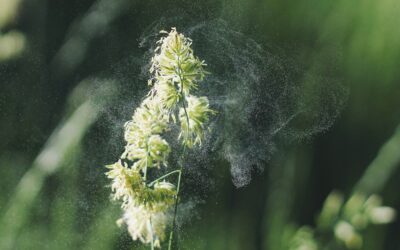
Residents across the Southern United States are waking up to a familiar, albeit premature, sight: a thick layer of neon-yellow dust coating cars, porches, and sidewalks. Health experts are sounding the alarm as a particularly aggressive Live Oak pollen season has arrived weeks ahead of schedule, creating a “pollen storm” that is complicating the public health landscape from Texas to the Carolinas. At The Modern Memo, we analyze the biological triggers behind this early surge, the “priming effect” on the human immune system, and why this year’s oak cycle is hitting harder than usual. The Biological “Pulse”: Why Now? Typically, Live Oaks (Quercus virginiana) begin their heavy shedding in late March or early April. However, a combination of record-breaking warm temperatures in February and specific moisture patterns has triggered an early “pulse” of catkins—the dangling, tassel-like structures that release pollen. High Volume, High Impact: Live Oaks are prolific producers. A single mature tree can release millions of pollen grains. When thousands of these trees sync their reproductive cycles across a region, the air quality index (AQI) for biological pollutants can skyrocket into the “Extreme” category within hours. The “Aero-Allergen” Factor: Unlike heavier pollens that fall close to the source, oak pollen is lightweight and designed to be wind-borne. This allows it to travel miles from the nearest forest, infiltrating urban centers and indoor environments alike. The Human Toll: Beyond the “Sniffles” For the millions of Americans with seasonal allergic rhinitis, this isn’t just an inconvenience; it’s a systemic inflammatory event. Experts warn that the early start is causing a “priming effect.” Immune Priming: When the body is exposed to a sudden, heavy load of allergen early in the year, the immune system becomes hyper-reactive. This “primed” state means that even small amounts of subsequent pollens (like grass or mold) can trigger disproportionately severe reactions later in the spring. Respiratory Complications: For those with underlying conditions like asthma or COPD, the aggressive oak season can lead to increased broncho-constriction. ER visits for respiratory distress often spike during the first two weeks of the yellow dust “fallout.” The “Mental Fog”: Modern research highlights the neurological impact of systemic inflammation caused by allergies, often referred to as “pollen brain.” Symptoms include decreased cognitive function, irritability, and fatigue, as the body redirects energy to its inflammatory response. Strategic Defense: Taking Control of the Season With the Southern U.S. currently in the “Yellow Zone,” medical professionals are advising a proactive, rather than reactive, stance. The Barrier Method: High-efficiency particulate air (HEPA) filters are no longer optional for sensitive individuals. Keeping windows closed and running internal air filtration can reduce indoor pollen counts by up to 90%. Nasal Hygiene: Using saline rinses (Neti pots) twice daily physically removes the pollen grains from the nasal mucosa before they can trigger the histaminic cascade. Timed Medication: Immunologists suggest starting “maintenance” medications—such as intranasal corticosteroids—before symptoms reach their peak to prevent the immune system from reaching that critical “primed” state. Final Word The early arrival of the Live Oak season is a reminder that our biological environment operates on its own clock, regardless of the calendar. When you look past the “annoying dust” and focus on the data—the accelerated catkin cycle and the systemic inflammatory risks—you gain a clearer picture of a genuine public health challenge. Quality information replaces the frustration of a yellow car with the clarity of a health strategy. It allows you to see this season not as an inevitable period of suffering, but as a manageable environmental event. By choosing to prepare your home and your body now, you align your health with the reality of a changing, and increasingly pollen-heavy, Southern landscape. Where Facts, Context, and Perspective Matter At The Modern Memo, our goal is simple: to provide clear, well-researched reporting in a media landscape that often feels overwhelming. We focus on substance over sensationalism, and context over commentary. If you value thoughtful analysis, transparent sourcing, and stories that go beyond the headline, we invite you to share our work. Informed conversations start with reliable information, and sharing helps ensure important stories reach a wider audience. Journalism works best when readers engage, question, and participate. By reading and sharing, you’re supporting a more informed public and a healthier media ecosystem. The Modern Memo may be compensated and/or receive an affiliate commission if you click or buy through our links. Featured pricing is subject to change. 📩 Love what you’re reading? Don’t miss a headline! Subscribe to The Modern Memo here!