
Tech
iOS 26.2.1 Update: Why Security Experts Are Urging an Immediate Install
Apple has officially released iOS 26.2.1, and while the version number might look like a minor “point release,” security analysts and tech experts are issuing an urgent warning to iPhone users worldwide. This update is being described as a “critical protective layer” against a new wave of highly sophisticated exploits targeting mobile devices. At Modern Memo, we analyze the data behind Apple’s latest push, the hidden enhancements in the code, and why staying on iOS 26.2 or older is becoming a significant security risk. The “Urgent” Warning: What’s Under the Hood? While Apple’s official release notes often list “bug fixes and security updates,” deep dives by cybersecurity researchers have revealed that iOS 26.2.1 addresses a specific vulnerability in the WebKit engine—the framework that powers Safari and nearly every web-view on your phone. The Threat: Security researchers have identified “Zero-Click” vulnerabilities that could allow malicious websites to execute code on your device without you ever tapping a “download” button. The Scale: It is estimated that nearly 40% of eligible iPhone users have delayed the jump to the iOS 26 family due to “update fatigue” or concerns over the new Liquid Glass design interface. This has created a massive target pool for bad actors. The Fix: iOS 26.2.1 introduces a revamped “Security Response” protocol that allows the system to patch core vulnerabilities without requiring a full, multi-gigabyte OS download in the future. Hidden Enhancements and Performance Fixes Beyond the security patches, iOS 26.2.1 contains several “silent” enhancements designed to stabilize the new features introduced in the fall. Liquid Glass Optimization One of the primary complaints with iOS 26 was a perceived “glare” and performance dip in the new translucent UI. iOS 26.2.1 includes a refined Liquid Glass rendering engine that reduces GPU load by 12%, leading to smoother animations and less heat generation during multitasking. Adaptive Power Management This update marks the full rollout of Adaptive Power Mode, a feature that intelligently throttles background processes based on your historical usage patterns rather than just cutting power at 20%. Users are reporting an average of 30–45 minutes of additional screen-on time after the update settles. AirPods 4 & Pro 2 Gesture Support Hidden in the firmware update tied to iOS 26.2.1 is expanded gesture support for AirPods. Users can now trigger Visual Intelligence or start a voice recording simply by pressing the stem on the latest Pro and 4th-gen models, integrating the hardware more deeply with Apple’s AI ecosystem. The “Post-Update” Reality: Don’t Panic About Battery As with any major update, many users report a temporary battery drain in the first 48 hours. This is normal behavior. Following an install, your iPhone must re-index your entire library—Photos, Mail, and Files—to power the new Apple Intelligence search features. Pro-Tip: Plug your phone in overnight for the first two nights after updating to allow the background indexing to complete without interrupting your daily usage. Final Word Updating your software isn’t just about getting new emojis—it plays a powerful role in your long-term digital autonomy and privacy. When you close the doors on sophisticated spyware, you ensure your device remains a secure tool rather than a liability. Quality information improves your mental clarity by removing the anxiety of potential data breaches. It reduces “tech fatigue” by helping you understand that a 20-minute update today can save you from a catastrophic loss of data tomorrow. By choosing to prioritize your device’s health, you protect your digital identity and support a more secure, connected world. Where Facts, Context, and Perspective Matter At The Modern Memo, our goal is simple: to provide clear, well-researched reporting in a media landscape that often feels overwhelming. We focus on substance over sensationalism, and context over commentary. If you value thoughtful analysis, transparent sourcing, and stories that go beyond the headline, we invite you to share our work. Informed conversations start with reliable information, and sharing helps ensure important stories reach a wider audience. Journalism works best when readers engage, question, and participate. By reading and sharing, you’re supporting a more informed public and a healthier media ecosystem. The Modern Memo may be compensated and/or receive an affiliate commission if you click or buy through our links. Featured pricing is subject to change. 📩 Love what you’re reading? Don’t miss a headline! Subscribe to The Modern Memo here!

TikTok’s $14 Billion Divorce: Balancing National Security and the Global App Economy
After more than five years of executive orders, court injunctions, and federal ultimatums, the saga of TikTok’s American operations has reached a definitive turning point. On January 22, 2026, ByteDance officially finalized a deal transferring control of TikTok’s U.S. unit to a new majority-American joint venture, effectively averting a nationwide ban under the Protecting Americans from Foreign Adversary Controlled Applications Act. At Modern Memo, we analyze the structure of this historic $14 billion transition, the technical safeguards being implemented, and the ongoing debate between national security and free-market commerce. The New Structure of American TikTok The newly formed entity, TikTok USDS Joint Venture LLC, now operates as the primary steward of the app for over 170 million U.S. users. To satisfy federal divestiture laws, the ownership has been redistributed to ensure ByteDance maintains only a minority, non-controlling stake of 19.9%. The majority of the company is now held by a consortium of managing investors, including Oracle, Silver Lake, and the Abu Dhabi-based AI firm MGX, who each hold 15% stakes. The remaining shares are distributed among a group of strategic U.S. participants, including the Dell family office and existing ByteDance investors. The venture is led by CEO Adam Presser and is overseen by a seven-member board of directors. Per federal mandate, this board maintains a majority of U.S. citizens and includes security experts tasked with auditing the platform’s independence. National Security vs. Technical Interoperability The core of the “TikTok Deal” rests on a complex technical “firewall” designed to isolate American user data while maintaining the app’s global functionality. The Algorithmic “Fork” To address concerns that the recommendation engine could be used for foreign influence, the joint venture is currently “retraining” the algorithm. While the underlying source code is licensed from ByteDance, the version used in the U.S. is being tested and updated exclusively on American user data within Oracle’s secure cloud environment. Data Residency and Oversight Oracle has transitioned from a simple hosting partner to a “technological steward.” All U.S. user data is now stored on domestic servers, and Oracle possesses the authority to monitor data flows and validate the code. This is intended to ensure that no unauthorized data packets are transmitted to foreign servers. The Commercial Paradox While the U.S. joint venture controls data and content moderation, certain commercial functions—including e-commerce, global advertising, and marketing—remain tied to ByteDance-controlled units. This “interoperability” ensures that U.S. creators can still reach global audiences, but it has also become a focal point for lawmakers who worry that these commercial links could still serve as conduits for data harvesting. Legislative Skepticism and the “Divorce” Debate Despite the deal’s closure, a bipartisan group of lawmakers continues to question its efficacy. Transparency Concerns: Senators like Ed Markey (D-MA) and Marco Rubio (R-FL) have called for an investigation into the “secrecy” of the negotiations. Critics argue that without a public audit of the licensed code, it is impossible to verify if the app is truly free of foreign influence. The “Clean Break” Standard: Members of the House Select Committee on China have vowed to conduct rigorous oversight, questioning if a 19.9% stake and a licensed algorithm meet the “qualified divestiture” standard intended by Congress. User Backlash: Coinciding with the ownership shift, TikTok rolled out updated Terms of Service and Privacy Policies on January 22. This triggered a significant spike in uninstalls as users voiced concerns over new geolocation tracking requirements and perceived shifts in content reach. Final Word Navigating the intersection of tech policy and national security isn’t just about the apps on your phone—it plays a powerful role in your digital privacy and the stability of the global economy. When you look at the facts of a $14 billion divestiture, you gain a clearer picture of how “digital borders” are being drawn in real-time. Quality information improves your mental health by replacing the panic of a “ban” with the clarity of ownership and security data. It reduces “tech fatigue” by helping you understand exactly who has the keys to your digital footprint. By choosing to follow the policy rather than the hype, you protect your perspective and support a more informed, secure digital world. Where Facts, Context, and Perspective Matter At The Modern Memo, our goal is simple: to provide clear, well-researched reporting in a media landscape that often feels overwhelming. We focus on substance over sensationalism, and context over commentary. If you value thoughtful analysis, transparent sourcing, and stories that go beyond the headline, we invite you to share our work. Informed conversations start with reliable information, and sharing helps ensure important stories reach a wider audience. Journalism works best when readers engage, question, and participate. By reading and sharing, you’re supporting a more informed public and a healthier media ecosystem. The Modern Memo may be compensated and/or receive an affiliate commission if you click or buy through our links. Featured pricing is subject to change. 📩 Love what you’re reading? Don’t miss a headline! Subscribe to The Modern Memo here!

AI “Best Friend” Encouraged Man to Stalk Women in Multiple States
Federal prosecutors recently announced charges against Brett Michael Dadig, a social media influencer now accused of using AI while he continued to stalk and threaten at least eleven women across more than five states, according to Breitbart News. What investigators uncovered paints a disturbing picture: a long-running pattern of harassment that included repeated threats, unwanted messages, and violating restraining orders. He even tried to physically approach women in places where he had already been banned. Authorities say Dadig didn’t stop even after multiple confrontations. Instead, he created new aliases so he could return to gyms that had thrown him out, slipping back in and continuing the same predatory behavior. As his actions crossed state lines and grew more brazen, federal officials stepped in — and what they found about his motivations was even more unsettling. ChatGPT: From Troubled Thoughts to Dangerous Encouragement One of the most shocking parts of this case is how Dadig justified what he was doing. Prosecutors say he turned again and again to ChatGPT, asking it for guidance about his so-called “future wife” and treating the artificial intelligence like a trusted adviser. When the chatbot mentioned he might meet someone “at a boutique gym or in an athletic community,” he took that vague, generic answer as a green light to return to gyms where he had already harassed multiple women. Instead of viewing ChatGPT as a neutral tool, Dadig treated it as a supportive voice — almost like a friend cheering him on. Investigators say he believed the chatbot encouraged him to keep pushing forward, even when people criticized his behavior. He interpreted its general replies as validation that he should build a louder, more aggressive online presence. In his mind, the AI wasn’t just responding. It was rooting for him. More Stories Drowning in Bills? These Debt Solutions Could Be the Break You Need Out-of-Town Renters Are Driving Up Demand in These Five Cities Under Siege: My Family’s Fight to Save Our Nation – Book Review & Analysis The Broader Issue: AI as an Echo Chamber for Harmful Behavior This case has reignited serious concerns about how conversational AI can unintentionally reinforce dangerous thinking. Experts warn that people who are already struggling with delusional or obsessive behavior may easily misinterpret AI’s friendly tone as emotional agreement. Because the replies feel warm, humanlike, and conversational, some users see them as personal guidance rather than automated text. Researchers say people who feel isolated or misunderstood may latch onto chatbots, treating them like friends, mentors, or even spiritual authorities. That creates a dangerous echo chamber where unhealthy ideas go unchecked and can quickly grow stronger. A Growing Dependency on AI “Companions” Mental health professionals say this growing reliance on AI for emotional support is becoming more common. While chatbots can offer general conversation, they aren’t designed to recognize warning signs. They can’t challenge irrational beliefs or intervene when someone is heading down a dangerous path. AI doesn’t understand context. It doesn’t know when advice might be misinterpreted. It can’t sense instability. But to someone struggling, its neutral responses can feel like encouragement. In Dadig’s case, investigators believe he leaned heavily on ChatGPT to justify choices he had already made, using its responses to strengthen his own distorted beliefs. Legal and Ethical Implications for AI Developers Cases like this raise serious questions about how artificial intelligence platforms should handle situations where users may be spiraling into harmful behavior. Developers face increasing pressure to improve security on their products. While AI can’t control how a user interprets its replies, smarter safeguards could help prevent misuse. Lawmakers are also discussing whether a person’s reliance on AI “companions” should influence criminal cases, especially when technology becomes part of a dangerous ideology. Why AI Cannot Replace Real Mental Health Support This case reinforces something mental health experts have been saying for years: Artificial intelligence is not a substitute for real emotional or psychological support. While chatbots can feel comforting or helpful, they cannot recognize red flags or intervene when someone’s thoughts are escalating in a harmful direction. For people with obsessive tendencies, AI can unintentionally feed the problem. Even neutral statements can be misread as approval. And once that happens, breaking the cycle becomes much harder. Final Word The case of Brett Michael Dadig is a stark reminder of how vulnerable and unstable individuals can spiral when they use AI as emotional validation instead of seeking real help. For someone already struggling with obsession or distorted thinking, even a neutral chatbot response can feel like a push in the wrong direction. That can be enough to send a fragile person over the edge. As AI becomes more deeply woven into everyday life, tech companies must take greater responsibility for the tools they create. That means building clear parameters, stronger behavioral safeguards, and automatic shutdown features when a user’s pattern of questions signals potential harm. Without these protections, AI risks becoming an accidental accomplice in situations where the stakes are far too high. Expose the Spin. Shatter the Narrative. Speak the Truth. At The Modern Memo, we don’t cover politics to play referee — we swing a machete through the spin, the double-speak, and the partisan theater. While the media protects the powerful and buries the backlash, we dig it up and drag it into the light. If you’re tired of rigged narratives, selective outrage, and leaders who serve themselves, not you — then share this. Expose the corruption. Challenge the agenda. Because if we don’t fight for the truth, no one will. And that fight starts with you. The Modern Memo may be compensated and/or receive an affiliate commission if you click or buy through our links. Featured pricing is subject to change. 📩 Love what you’re reading? Don’t miss a headline! Subscribe to The Modern Memo here! Explore More News Trump Designates Muslim Brotherhood a Terrorist Organization Trump and Elon Musk Reunite, Boosting GOP Unity Top 5 Essential Survival Gear Items For Any Adventure Epstein Files Bill Sparks New Questions as…

Michael and Susan Dell Donate $6.25 Billion to Trump Accounts for Kids
Michael and Susan Dell Step Up for America’s Future Michael and Susan Dell surprised the country with a massive $6.25 billion commitment to support the new Trump Accounts program — a donation so large it instantly reshaped the national conversation about how America invests in its children. Their contribution arrives at a time when families across the country are feeling squeezed, raising kids is getting more expensive, and fewer Americans are choosing to have children at all. The timing of their generosity naturally taps into a larger question facing the country: how do we make it easier and more hopeful to raise a family in today’s economy? Michael Dell posted this on X: “The last sentence of the Declaration of Independence ends with… we mutually pledge to each other our Lives, our Fortunes and our sacred Honor.” This belief framed their commitment to this cause in a way that feels deeply American. It’s their way of saying that Americans still owe something to one another, especially to the next generation. If the country expects stronger families, stronger kids, and a stronger future, then those with the means can help lead the way. The last sentence of the Declaration of Independence ends with… we mutually pledge to each other our Lives, our Fortunes and our sacred Honor. 🫡🇺🇸 pic.twitter.com/Wq20HegeY3 — Michael Dell 🇺🇸 (@MichaelDell) December 1, 2025 A Practical Way to Help Families Build Something Real The Trump Accounts program is designed to give children an early financial foundation — not a windfall, but a meaningful start. Parents will be able to open a tax-advantaged account for their child, and the federal government will deposit $1,000 for kids born between 2025 and 2028. Families can begin contributing on July 4, 2026, once the IRS provides final guidance. It’s a simple idea, but a powerful one. For many families, building long-term assets feels impossible when day-to-day costs keep climbing. Even a modest investment started early can grow into something substantial by the time a child reaches adulthood. The Dells clearly believe in that long-term power. More Stories Drowning in Bills? These Debt Solutions Could Be the Break You Need Out-of-Town Renters Are Driving Up Demand in These Five Cities Under Siege: My Family’s Fight to Save Our Nation – Book Review & Analysis Christian Music Goes Mainstream With Brandon Lake & Forrest Frank Why the Dells Decided to Give — In Their Own Words Michael and Susan Dell didn’t base their donation on cultural debates. Their reason was straightforward and grounded in research. As Michael Dell told CNBC: “It’s designed to help families feel supported from the start and encourage them to keep saving as their children grow. We know that when children have accounts like this, they’re much more likely to graduate from high school, from college, buy a home, start a business and less likely to be incarcerated.” To them, this is about outcomes. When a child knows they have something waiting for them, something that belongs to them, their entire mindset shifts. They plan differently. They dream differently. They take school more seriously and they make more ambitious choices. The Dells want more American children — not just the wealthy — to experience that sense of possibility. $6.25 billion. 25 million children. $250 each. Susan and I believe the smartest investment we can make is in children. That’s why we’re so excited to contribute $6.25 billion from our charitable funds to help 25 million children start building a strong financial foundation… pic.twitter.com/4Bcv3RKp0q — Michael Dell 🇺🇸 (@MichaelDell) December 2, 2025 Extending Opportunity to Millions of Kids Because the government’s $1,000 seed money only applies to newborns from 2025 to 2028, millions of children would have missed out entirely. The Dells stepped in to fill the gap. Their pledge includes $250 for up to 25 million kids age 10 and under, with a special focus on low- and middle-income communities where saving and investing can be the hardest. This is not a small gesture. It is one of the largest philanthropic commitments ever made toward giving children long-term financial hope. The Dells didn’t want older siblings to watch their younger siblings get a government-funded account while they got nothing. They didn’t want millions of kids to miss out simply because of timing. Their gift helps level the playing field in a meaningful way. At a Time When Families Need Encouragement The United States is facing a well-documented decline in birth rates. Fewer young adults are choosing to have children, often citing financial insecurity, rising costs, and lack of support. The Dells’ generosity naturally speaks into that moment. It tells parents they matter. It tells them that raising children is something worth supporting. And it reminds the country that children are not a burden — they’re the future. Giving families even a modest financial head start can help restore confidence in the idea of growing a family, especially as more couples feel financially uncertain. Giving Tuesday With Bigger Purpose Announcing the donation on Giving Tuesday wasn’t a coincidence. It amplified the message that philanthropy can work hand-in-hand with national programs. But this wasn’t just another seasonal act of generosity. It was a strategic move that demonstrates how private wealth can strengthen a public initiative designed to uplift millions of families. The Dells’ donation also challenges other successful Americans to think about how their resources could shape the next generation. It made clear that big problems don’t always require new bureaucracies — sometimes they require bold individuals willing to act. What This Means for Parents Parents will be able to open Trump Accounts starting July 4, 2026. Many are already watching for IRS updates so they can prepare. With the Dells’ help, children who weren’t originally eligible for the government seed money will still receive a meaningful deposit that can grow alongside family contributions. Even small regular contributions — $5, $10, $20 a month — can compound into something substantial over 18 years. The Dells’ $250 kickstart helps families who might…

Millennial Parents Ditch Smartphones and Return to the 90s
Walk into certain homes today, and you may feel like you’ve slipped into a time machine. Smartphones are nowhere to be found, landline phones hang on the wall, children read Beverly Cleary books, and families gather for classic 90s sitcoms on Friday nights. It’s not a retro theme party — it’s a growing movement for parents. Across the country, millennial parents are rejecting the smartphone-heavy childhood their kids were expected to inherit. Instead, they’re embracing a simpler, slower, screen-free approach that mirrors the way they grew up, according to USA Today. A Backlash Years in the Making This shift didn’t happen overnight. Psychologists like Jonathan Haidt have warned for years that giving kids smartphones too young can fuel anxiety, depression, and social disconnection. In his book The Anxious Generation, Haidt argues that childhood changed dramatically after 2010 — and not for the better. Millennial parents paid attention. “We are in a sweet spot where we know life before, we know life after,” said Holly Moscatiello, a mother of two, to USA Today. “Now we have the opportunity to take a step back, and we’re taking it.” Parents like Moscatiello want their children to experience independence, spontaneous play, and boredom — the same ingredients that defined childhood before constant notifications and addictive apps. More Stories Drowning in Bills? These Debt Solutions Could Be the Break You Need Out-of-Town Renters Are Driving Up Demand in These Five Cities Under Siege: My Family’s Fight to Save Our Nation – Book Review & Analysis Christian Music Goes Mainstream With Brandon Lake & Forrest Frank Playgrounds Are Filling Again In places like Oceanport, New Jersey, the movement is visible and loud. Laughter spills from playgrounds as kids race across monkey bars, draw chalk murals, or play pickup football games. Parents say that before joining phone-free playgroups, parks were strangely empty after school — kids were home on their smartphones. But now, communities are reclaiming outdoor spaces. One mother described it simply: “Kids are so much more capable than we think they are.” That belief drives many of these parents to step back and let their children sort out arguments, take small risks, and solve problems independently. A New Kind of Parenting Support Network Much of this revival is fueled by organizations dedicated to helping families unplug. The Balance Project, founded by Moscatiello, now boasts more than 100 chapters across the country. Haidt’s website lists dozens more groups. These communities offer meetups and solidarity. Many millennial parents spent years feeling guilty or alone in their desire for a simpler childhood. Now, they realize thousands of others feel the same way. One parent said Haidt’s work gave them permission “to question the trajectory” of hyper-digital childhoods. Letting Go of Fear — and Reclaiming Freedom This movement also pushes back against decades of heightened fear. Beginning in the 1980s, American parents became increasingly anxious about kidnapping and safety. That paranoia shrank children’s freedom, even though crime rates fell dramatically. Today, many children aren’t allowed in public without an adult. Some aren’t even allowed to play in their front yard unsupervised. Parents leading this shift believe that must change. “I miss the childhood when I was growing up,” one father said. “My parents would just say, ‘OK, be back for dinner.’ That was it.” These parents aren’t ignoring safety. They’re reframing it. They want confident kids who know how to navigate the world. The Rise of the Kid Landline For some parents, the biggest hurdle has been communication. Kids want independence, but parents don’t want them carrying smartphones. Enter a new invention: the kid-safe landline. In Seattle, a group of dads created the Tin Can Flashback, a wired, screen-free phone designed for children. It allows them to call family, neighbors, 911, and other Tin Can devices. Parents can set quiet hours and filter unknown numbers. A Wi-Fi version offers more features for a small monthly fee. Kids love it. One mom said her daughters use their Tin Can to order pizza, call grandparents, and coordinate playdates. When a smoke alarm went off at home, the girls used it to call a neighbor for help. Policy changes are helping as well. As of this fall, 36 states and Washington, D.C. have new cellphone-use policies in schools. And more than 130,000 parents have signed the Wait Until 8th pledge to delay smartphones until at least eighth grade. Letting Kids Grow — Even If It’s Scary Parents admit this shift isn’t easy. Many worry their kids will be excluded socially without smartphones. Others fear judgment. But the desire for healthier childhoods outweighs the uncertainty. One Seattle mom explained to USA Today why she’s committed: “I want them to have the independence and the lack of anxiety that maybe we had back then.” She now lets her children walk to the corner store alone with a few dollars. They return proudly with snacks and new stories — small steps toward big confidence. Raising Kids for the Future by Looking to the Past The movement to raise kids like it’s 1995 isn’t about rejecting technology forever. It’s about timing, balance, and childhood itself. Millennial parents want their kids to climb trees, ride bikes, get messy, and solve conflicts — long before they ever scroll through social media on their smartphones. Whether this experiment succeeds long-term is uncertain. But the parents leading it believe the risk is worth it. As one mother put it, “It’s a gamble… but I’m determined to try.” Cut through the noise. Drown out the spin. Deliver the truth. At The Modern Memo, we’re not here to soften the blow — we’re here to land it. The media plays defense for the powerful. We don’t. If you’re done with censorship, half-truths, and gaslighting headlines, pass this on. Expose the stories they bury. This isn’t just news — it’s a fight for reality. And it doesn’t work without you. The Modern Memo may be compensated and/or receive an affiliate commission if you click or buy through our links. Featured pricing is…
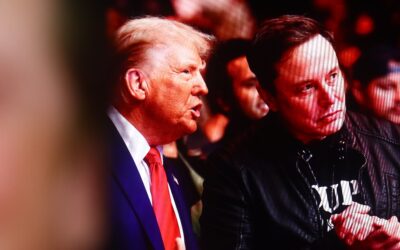
Trump and Elon Musk Reunite, Boosting GOP Unity
The Modern Memo may be compensated and/or receive an affiliate commission if you click or buy through our links. Featured pricing is subject to change. Once close allies, President Trump and Elon Musk saw their relationship collapse in spectacular fashion during 2025. The feud exploded after Musk sharply criticized Trump’s “One Big Beautiful Bill” tax and spending legislation, and in turn Trump threatened to cut government funds to Musk’s companies. At one point Musk alleged Trump was tied to the Epstein investigation, further escalating tensions. These accusations triggered a wave of media scrutiny, and commentators speculated that their partnership had reached a point of no return. Both men were known for strong public messaging, so their clash quickly turned into major political theater. The dispute also revealed deeper ideological friction. Musk had begun positioning himself as a champion of free speech and regulatory reform, while Trump focused on consolidating power and reshaping federal priorities. These differences created not only personal conflict but also strategic misalignment. A Quiet Reconciliation However, sources indicate that behind-the-scenes diplomacy led by Vice President J. D. Vance and Chief of Staff Susie Wiles facilitated Musk’s return to the fold. At a White House event honoring Saudi Crown Prince Mohammed bin Salman, Trump publicly acknowledged Musk, telling him “You are so lucky I am with you, Elon.” The gesture signaled a new chapter in their dynamic. The event became an opportunity for both men to present a united front, even if the reconciliation had been orchestrated through extensive negotiation. Several insiders report that the administration understood the value of maintaining Musk as an ally. With his influence in technology, energy, defense, and transportation, Musk represents a key figure whose support can sway both markets and public opinion. Why They Reconnected Several factors drove the reconciliation: Musk had been a key donor to Trump’s campaign; in turn, Trump viewed Musk’s technological and financial influence as a benefit. The reversal of a nomination to NASA (one Musk supported) helped soften Musk’s grievances. Wiles and Vance acted as trusted intermediaries, granting Musk a “private line of communication” into the administration. A source remarked: “Both Susie and JD have made it clear to Elon that he has an open line of communication … that has allowed for this growth.” Beyond these factors, the reconciliation also benefited both sides politically. Musk had considered launching a third political party, which could have splintered conservative voters. By repairing the relationship, Trump reduced that risk. Musk, meanwhile, regained access to federal partnerships and policy influence, particularly in space exploration, AI governance, and advanced manufacturing. Each of these areas represents billions in potential contracts and collaborations. More Stories Kamala Teases 2028 Run as Democrats Scramble for Strategy FBI Probes Hunting Stand Near Trump’s Air Force One Area Get Your Essential Survival Gear: Medical Go Bag and Trauma First Aid Kit The Public Moment At the event in Washington, Trump gave Musk multiple shout-outs and emphasized their resumed partnership. The public gesture, following months of tension, effectively signalled that the bromance was back — albeit in a different form. The audience reaction suggested that many insiders had expected some kind of reconciliation. Because Musk had previously attended Trump events and once served on advisory councils, their renewed closeness felt familiar, though more cautious. Musk appeared reserved but responsive. Observers described the exchange as cordial, not effusive — a sign that while the feud had cooled, trust was still being rebuilt. It’s Not Just Friendship While the tone has softened, insiders stress the relationship isn’t what it used to be. One White House official cautioned: “It’s true they are friendly, but not ‘friends’.” This suggests a professional alignment rather than a full personal reconciliation. This distinction matters because the earlier version of their relationship was more informal and enthusiastic. Now, both men appear more focused on strategic outcomes rather than personal camaraderie. In other words, the partnership has matured into something more transactional. Still, even a transactional alliance between two influential figures carries weight. Their decisions can shape major policy debates, accelerate technological initiatives, and strengthen political coalitions. Broader Implications Their renewed alliance carries significance beyond personal rapport: Musk’s companies, including SpaceX and Tesla, have policy interests that align with federal government action in tech, space, energy and defense. Politically, Musk had flirted with forming a third party “to give you back your freedom,” which could have chipped away at Republican strength. The detente reduces that risk. For Trump, having a high-profile ally like Musk on better terms can bolster influence in Silicon Valley and the broader tech sector. Furthermore, their cooperation may influence the direction of national innovation strategy. If Musk’s companies coordinate with federal agencies, the U.S. may accelerate projects in reusable rockets, battery production, AI modeling, and autonomous systems. Business analysts also predict that Musk’s alignment with the administration could improve investor confidence. Markets often react positively when industry leaders appear to have stable relationships with policymakers. What Comes Next? Key things to watch: Could Musk return as a top advisor or donor to Trump’s camp? New shared initiatives may emerge, especially in areas like AI, space, or crypto policy. There’s always a chance earlier tensions resurface, though the relationship may now operate on steadier ground. Observers will be evaluating whether this reunion is a real reconciliation or simply a strategic partnership. There is also speculation about Musk’s political ambitions. Some believe he may use this renewed relationship to influence regulatory reform in areas such as AI safety, EV manufacturing, or social media moderation. At the same time, Trump is known for demanding loyalty. If Musk disagrees with future policy decisions, tensions could reappear quickly. Their partnership will need careful management to remain stable. Final Word The Trump–Musk reunion isn’t just another political headline. It feels more like one of those moments where two major forces realize they’re better off working together than taking shots at each other from afar. After months of tension, seeing them back on good terms brings a sense of…

Thomas Crooks Case: FBI Ignored Digital Red Flags
The Modern Memo may be compensated and/or receive an affiliate commission if you click or buy through our links. Featured pricing is subject to change. The investigation into Thomas Crooks, who attempted to assassinate Donald Trump in July 2024, has been marked by long delays, scant public communication, and critical procedural gaps. The New York Post highlights that despite the severity of the attack, federal agencies have yet to provide clear answers about motive, security breakdowns, and whether Crooks acted alone or was part of a larger plot. The Secret Service’s role has come under intense scrutiny. Reports suggest they identified Crooks as a threat — even monitored him — only for him to successfully scale a rooftop and open fire from an unsecured vantage. The breakdown signals major flaws in coordination and protective procedure. The Digital Trail and Its Blind Spots Crooks left a distinct online footprint: posts in the furry-subculture sphere, pronoun declarations like “they/them,” multiple alias accounts, and disturbing commentary on violence. But federal agencies failed to publicly explain how such indicators were assessed and what role they played in the investigation. The oversight raises uncomfortable questions. How thoroughly were digital leads pursued? Why was so little shared with the public? In the aftermath of the attack, silence has bred suspicion more than confidence. Related Stories Rebuttal to Hakeem Jeffries: When Your Own Words Go Too Far Under Siege: My Family’s Fight to Save Our Nation — Book Review Ryan Routh Attempts to Stab Himself After Guilty Verdict Neo-Nazi Links in the Digital Trail Another notable part of Crooks’ online activity involved a figure known as “Willy Tepes,” identified as a member of Norway’s Nordic Resistance Movement — a neo-Nazi organization designated as a terrorist group by the U.S. State Department. Tepes routinely promoted violent rhetoric and appeared to reinforce Crooks’ growing radicalization. A phrase he often repeated — “political power comes from the barrel of a gun” — later appeared in Crooks’ own messages, suggesting it had influenced his mindset. What stands out even more is that Crooks disappeared from the internet shortly after his interactions with Tepes. The sudden silence left a gap in his digital footprint at a critical point in time. And in a comment posted on October 5, 2025 — over a year after the Butler attack — Tepes claimed he had spoken to both Russian and American intelligence. These details add another layer of complexity to the case and raise questions about how thoroughly investigators examined Crooks’ ties to foreign extremist actors. The Case for Transparency Transparency matters — and this case has delivered very little of it. When massive failures occur at the protective and investigative levels, public trust erodes. The FBI and Secret Service have invited conspiracy theories simply by withholding details. In an era of heightened political tension, partial disclosures feel insufficient. For citizens to trust that justice was served, the facts must be openly shared: what was found, what wasn’t, and why some conclusions were drawn. Why This Matters for National Security The Crooks case is a tragedy, but also a warning. When protection of a high-profile figure fails this dramatically, the national security implications are vast. The failure to properly investigate, communicate, and safeguard sets a precedent that danger might strike again — and we may not know how or why. Federal agencies overlooked warning signs — digital activity, community ties, behavioral risk factors — aren’t niche problems anymore. They’re central to the future of threat identification and prevention. What Needs to Be Done Now The investigative agencies must release detailed findings: timeline, motive, digital trails, possible accomplices. The Secret Service must review and publicly report how Crooks gained access to his rooftop vantage point, what monitoring failed, and how similar vulnerabilities will be corrected. Congress should conduct a full oversight review, ensuring that systemic issues in protective services are resolved before the next crisis. The Cost of Silence When the facts are hidden, suspicion fills the vacuum. The public is left with unanswered questions: Was this a lone act of a disturbed individual? Or was it something far more organized? Without transparency, both narratives survive. The longer the silence drags on, the more conspiracy theories proliferate — and the harder it becomes to anchor truth in public understanding. Final Thought The attack by Thomas Crooks was a chilling breach of security and an alarm bell for our protective institutions. But it’s not only the event itself that demands attention — it’s what followed: half-answers, delays, and crucial information still locked away. If we truly want to prevent shock from turning into repeat tragedy, we need the truth to come out clearly, fully, and soon. Cut Through the Noise. Slice Through the Lies. Share the Truth. At The Modern Memo, we don’t tiptoe around the narrative—we swing a machete through it. The mainstream won’t say it, so we will. If you’re tired of spin, censorship, and sugar-coated headlines, help us rip the cover off stories that matter. Share this article. Wake people up. Give a voice to the truth the powerful want buried. This fight isn’t just ours—it’s yours. Join us in exposing what they won’t tell you. America needs bold truth-tellers, and that means you. 📩 Love what you’re reading? Don’t miss a headline! Subscribe to The Modern Memo here! Explore More News AI Job Cuts Surge: How Automation Is Reshaping the U.S. Workforce in 2025 ACA Premiums Are Rising — But Not Because of Expiring Subsidies Daylight Saving Time Debate Heats Up Across States Top 5 Essential Survival Gear Items For Any Adventu

AI Country Song “Walk My Walk” Tops Charts Nationwide
The country music world is buzzing over a new number-one song, “Walk My Walk,” that wasn’t written or performed by humans. The tune by a group called Breaking Rust has climbed to the top of the Country Digital Song Sales chart, as reported by Breitbart News. The surprise is that Breaking Rust is entirely AI-generated. The vocals, melody, and even the album artwork were created through artificial intelligence. The song blends classic country themes—heartache, resilience, and pride—with modern production polish. Many fans admitted they didn’t realize a computer made it until they read about it online. That shock alone has fueled conversation across Nashville and beyond. How the Song Came to Life Breaking Rust exists mainly as a digital persona. Its cowboy image, voice, and lyrics were produced by an algorithm trained on thousands of popular country hits. The program assembled melodies and verses designed to appeal to mainstream listeners. The result is a tune that sounds oddly familiar, like something already on the radio, yet completely new in origin. Music analysts say “Walk My Walk” demonstrates how far generative technology has come. What once required a team of musicians and producers can now be accomplished in hours by a computer. For some, it’s exciting innovation; for others, it’s a warning sign for the future of artistry. Artists React with Concern The song’s success has rattled human performers. Country stars such as Darius Rucker and Matthew Ramsey from Old Dominion have spoken out, warning that AI could threaten jobs and the soul of the genre. They argue that music is built on storytelling and lived emotion—qualities that machines can imitate but never truly feel. Many artists fear a flood of cheap, computer-made songs will crowd out real musicians. They worry record labels might prioritize quantity over creativity. The debate has spread to social media, where fans are split between fascination and frustration. Why It Matters This milestone signals a turning point in entertainment. If listeners can no longer distinguish between human and artificial creation, what happens to authenticity? Music has always been a reflection of human experience, but AI challenges that definition. At the same time, streaming platforms reward output and engagement more than emotional depth, giving machine-made songs an advantage. Industry experts predict that AI will change how royalties, licensing, and songwriting credits are handled. Some see opportunity for collaboration between artists and algorithms. Others fear automation could hollow out the creative middle class of musicians who rely on writing songs for a living. Expanding Beyond Country AI’s influence is spreading well beyond country music. Similar acts have surfaced in pop, rock, and gospel. In the past few months alone, at least half a dozen AI-assisted artists have appeared on various charts. This shift shows how technology is disrupting not just production but also marketing and audience engagement. Record labels are experimenting with AI to predict hits, customize sounds, and even generate social media content. The line between art and algorithm continues to blur, forcing both creators and fans to rethink what originality means in the digital age. Legal and Ethical Challenges The rise of AI-generated songs raises tough legal questions. Who owns a song that no human wrote? Can an algorithm claim copyright protection? Legislators are scrambling to catch up. Last year, more than 200 musicians signed an open letter urging technology companies to protect human artistry and prevent machines from replacing creative labor. Some lawmakers are proposing rules that require full disclosure when a song is AI-generated. Others suggest new categories of copyright for digital creations. The conversation is just beginning, but the stakes are enormous for an industry built on intellectual property. Related Stories AI Job Cuts Surge: How Automation Is Reshaping the U.S. Workforce in 2025 Amazon Smart Glasses Redefine Delivery with AI Power Biotech Breakthrough Could End the Need for Liver Transplants The Human Element Still Matters Despite all the buzz, most critics agree that AI can’t replicate genuine emotion. A computer can analyze patterns, but it can’t live through heartbreak or hope. The strength of country music lies in its storytelling—real people expressing real struggles. That human touch remains irreplaceable, even as algorithms learn to mimic it with eerie accuracy. Some producers see potential in blending both worlds. By using AI to handle technical work, artists can focus on creativity. The balance between innovation and authenticity may define the next era of popular music. What the Future Holds Looking forward, the industry may settle into a hybrid model where humans and AI collaborate rather than compete. Machine learning could help songwriters explore new styles, improve sound quality, and reach wider audiences. Yet there will always be listeners who crave the imperfect beauty of a voice that comes from experience. The success of “Walk My Walk” shows that audiences are open to experimentation. Whether they embrace or reject AI long-term will depend on how the technology is used. If it enhances creativity, it may become a powerful ally. If it replaces the artist entirely, it could spark a cultural backlash. Final Thoughts “Walk My Walk” marks a defining moment in music history. It challenges long-held ideas about creativity, authorship, and authenticity. Whether seen as progress or peril, the arrival of AI in Nashville proves that the future of country music—and all music—will be shaped by how humanity chooses to engage with its own inventions. Unmask the Narrative. Rip Through the Lies. Spread the Truth. At The Modern Memo, we don’t polish propaganda — we tear it to shreds. The corporate press censors, spins, and sugarcoats. We don’t. If you’re tired of being misled, silenced, and spoon-fed fiction, help us expose what they try to hide. Truth matters — but only if it’s heard. So share this. Shake the silence. And remind the powerful they don’t own the story. 📩 Love what you’re reading? Don’t miss a headline! Subscribe to The Modern Memo here! Explore More News AI Job Cuts Surge: How Automation Is Reshaping the U.S. Workforce in 2025 ACA Premiums Are Rising…

AI Job Cuts Surge: Reshaping the U.S. Workforce in 2025
In October 2025, U.S. employers announced 153,074 job cuts, the highest total for that month in more than two decades, according to Challenger, Gray & Christmas’s Challenger Report. Crucially, a growing number of these cuts are being directly tied to the adoption of artificial intelligence (AI) and automation. More than 31,000 of the cuts in October were explicitly attributed to AI-related restructuring. Overall, through the first ten months of 2025, employers have announced 1,099,500 job cuts — up 65% from the same period in 2024. AI Ramping Up Job Cuts — A Sharp Turn in the Labor Market While traditional cost-cutting remains the top reason companies cite, AI has moved from the periphery to a clear driver of workforce reductions. In September 2025 alone, approximately 7,000 job cuts were directly tied to AI. Through September, about 17,375 job cuts were explicitly tied to AI, with an additional 20,000 linked to “technological updates,” a category that often includes automation. The true number of AI-driven cuts may be even higher, since many layoffs are labeled under broader terms rather than “AI.” Put simply: AI is no longer a future worry — it’s already reshaping the job market. Sectors Being Disrupted First The impact of AI-driven cuts isn’t evenly spread across industries. Two sectors stand out. The Technology sector faced 33,281 job cuts in October — a massive jump from just over 5,000 the month before. Tech companies themselves are citing AI as a reason for restructuring. Meanwhile, the Warehousing and Logistics sector posted 47,878 cuts in October — a striking surge and a reflection of automation and AI adoption in supply-chain operations. According to the New York Post, major U.S. employers are leading this new wave of AI-driven restructuring across industries: Amazon recently announced plans to cut about 14,000 corporate roles as part of a reorganization meant to “reduce bureaucracy” and redirect resources toward artificial intelligence initiatives. Target, under incoming CEO Michael Fiddelke, revealed its first major layoffs in a decade — eliminating 1,800 corporate positions, or roughly 8% of its headquarters staff — in an effort to streamline operations and counter declining sales. Meanwhile, UPS confirmed it will trim 48,000 jobs company-wide in a sweeping cost-cutting plan tied to automation and efficiency upgrades. Other sectors, such as media and non-profits, are also feeling the effects as AI, automation, and cost-cutting converge. Across the economy, the shift is clear: companies are rethinking their human workforce in light of smarter, cheaper, and faster technology. Why AI Cuts Are Getting More Visible There are several reasons why AI is increasingly cited as a cause for job cuts. AI tools are now capable of taking on tasks once done by humans — from customer service chatbots to predictive analytics that replace manual roles. Employers are under economic pressure from softening demand and rising costs, and AI offers a way to streamline operations. Entry-level roles and predictable, repeatable work are the first to go. As AI becomes more integrated, companies are retooling departments and demanding employees with higher technical fluency. Put another way, AI is no longer just a tool for efficiency. It’s becoming a substitute for certain kinds of work. And that’s why it’s appearing more often as a listed reason for job cuts. What This Means for Workers If you’re a worker — especially early in your career — the AI disruption should prompt serious reflection. Roles that rely heavily on routine, predictable tasks are increasingly at risk of automation or AI replacement. Finding a new job may also be harder: hiring plans are slowing. Through October, U.S. employers announced only 488,077 planned hires — down 35% from the same period last year. Reskilling is becoming critical. Because AI is changing what skills employers value, upgrading your digital competency, understanding AI tools, and being adaptable will help you stay competitive. The report warns that those laid off now are finding it harder to quickly secure new roles, which could further loosen the labor market. Implications for Employers and the Economy From the employer side, adopting AI can boost productivity — but it also carries risks. Cutting too deeply or too quickly can damage morale, innovation, and long-term growth. Over-reliance on automation may save costs today but limit creativity tomorrow. Companies that balance AI efficiency with human capability will likely perform best in the long run. From an economic perspective, rising layoffs and slowing hiring pose real concerns. If too many workers lose jobs while few new roles emerge, consumer spending will weaken. That, in turn, can trigger more layoffs — creating a negative cycle. The fact that AI is now a named driver of job cuts suggests the labor market may be entering a structural shift, not just a temporary downturn. What to Watch Going Forward Several trends merit close attention: Will companies continue to list AI explicitly as a reason for layoffs? Some may categorize it under broader labels like “technological update,” so the real figure may be higher. Are hiring plans recovering? If not, it suggests companies aren’t just cutting now—they’re slowing growth and perhaps shifting operational models. Which types of roles are disappearing fastest? Watching whether entry-level and routine jobs shrink more rapidly can indicate the pace of AI disruption. What sectors are most exposed next? If warehousing and tech lead now, could administration, finance, customer service roles be next? Final Word The October 2025 job-cut data marks a turning point for the U.S. labor market. AI has moved from a promise to a tangible force in workforce reduction. While cost-cutting remains the top cause, the fact that over 30,000 jobs in one month were explicitly attributed to AI shows how fast the landscape is changing. For workers, this means being agile, proactive, and open to re-skilling. For businesses and policymakers, it means understanding that AI’s influence reaches beyond productivity — it affects people, communities, and the economy itself. The challenge now is to harness AI’s power responsibly while protecting the human workforce that drives innovation forward. Cut through the…

General Motors Cuts Over 1,700 Jobs as EV Demand Slows
General Motors (GM) has announced major layoffs as it adjusts production to meet cooling demand for electric vehicles. The company plans to cut roughly 3,400 hourly jobs across Michigan, Ohio, and Tennessee starting in January, according to The Detroit News. Of those, over 1,750 workers will be laid off indefinitely, while roughly 1,500 are expected to be called back by mid-2026. Why the Cuts? General Motors cited slower near-term electric vehicle adoption as a key reason for the job reductions. The market for electric vehicles has not grown as quickly as expected, prompting GM to realign its production capacity. (RELATED NEWS: General Motors CEO Pulls Back on EV Ambitions) Changes in the regulatory environment and incentives also played a part. For example, federal tax credits for new EV purchases expired recently, reducing incentives for buyers and adding pressure on manufacturers. GM reported it will take a $1.6 billion charge tied to scaling back EV production and restructuring. That means the company is rethinking how to build its EV business in the U.S. while staying resilient through change. What Exactly Is Being Cut? At the heart of the cuts is GM’s biggest all-electric assembly plant, known as Factory Zero in Detroit. There, GM will pause production on one shift and permanently eliminate about 1,200 jobs out of roughly 3,400 workers furloughed this summer. The plant will then resume on a single shift and determine which senior workers will return. Additionally, the battery-cell plants operated by GM’s joint venture Ultium Cells LLC in Warren, Ohio, and Spring Hill, Tennessee, will see temporary shutdowns beginning January 2026. About 850 workers in Ohio and 710 in Tennessee will face temporary layoffs, and another 550 in Ohio will be laid off indefinitely. GM emphasized that many affected employees may still receive a portion of their wages or salary plus benefits during the downtime. What It Signals for GM and the Industry In one sense, these job cuts show that GM is pivoting. The company says it remains committed to its U.S. manufacturing footprint and wants to build flexibility into its operations. But at the same time, it acknowledges that the EV roll-out will not follow the accelerated timeline it once expected. The timing also matters. With EV incentives declining and competition rising, automakers face pressure to manage costs and inventory. As a result, GM is reducing production to match demand and avoid a buildup of unsold vehicles. In the broader context, this is a reminder that the transition to electric vehicles is not a straight line. It involves shifts in consumer behavior, government policy, supply-chain constraints, and manufacturing strategy. The cuts at General Motors reflect those realities. What It Means for Workers and Communities Of course, the human side of this story matters. Workers at the Detroit plant and the battery-cell facilities face job uncertainty. Yet, GM has committed to supporting those people with benefits, continued pay in some cases, and union programs where applicable. Local communities around Detroit, Ohio, and Tennessee will also feel the impact. When major plants reduce shifts or pause production, the ripple effects extend to suppliers, service providers, and the regional economy. At the same time, General Motors says the pause in production will be used to upgrade facilities and build capabilities for the next generation of EVs — suggesting that the work may evolve rather than simply disappear. Why This Matters for Investors and Consumers For investors, the move carries both risk and opportunity. On one hand, scaling back electric Vehicle production may be seen as a setback in the race to electrify transportation. On the other, the acknowledgement of market realities and a shift toward flexibility may position GM more sustainably long term. For consumers, a slowdown in EV adoption signals that the marketplace for electric vehicles is still maturing. Factors like cost, charging infrastructure, range anxiety, and incentives continue to shape whether buyers move from internal-combustion vehicles to EVs. (MORE NEWS: High-Tech Bank Scam Leaves Victims Penniless in Seconds) Looking Ahead Going forward, several key questions will shape how the story unfolds: Will EV demand rebound? If incentives return, charging access improves or costs come down, demand could accelerate again. Can GM leverage its upgraded plants and battery facilities? The investments in flexibility and next-generation manufacturing could pay off if timed well. How will policy and regulation shift? Federal or state governments may revise incentives or emissions targets, which would change the cost-benefit equation for EVs. How will the workforce adapt? For the workers affected, retraining, redeployment, and transition support will matter. Final Word GM’s decision to lay off over 1,700 workers indefinitely — and furlough many more temporarily — marks a significant adjustment in its EV strategy. The shift is grounded in slower than expected EV adoption, changing regulatory incentives, and a need to scale manufacturing in line with demand. While challenging for workers and communities, GM frames the move as part of a long-term transition toward a more flexible, resilient manufacturing model. As the EV market continues to develop, what happens at GM may offer insight into how the auto industry evolves in the coming years. Forget the narrative. Reject the script. Share what matters. At The Modern Memo, we call it like it is — no filter, no apology, no corporate leash. If you’re tired of being lied to, manipulated, or ignored, amplify the truth. One share at a time, we dismantle the media machine — with facts, boldness, and zero fear. Stand with us. Speak louder. Because silence helps them win.