
U.S. News
The Indigent Paradox: Taxpayers Face Punishing $10M Defense Bill for Accused Kirk Assassin as Father’s Utah Business Thrives
The legal and economic fallout surrounding one of the most high-profile domestic assassinations in modern American history has triggered sharp public outrage across the state of Utah. As state prosecutors push forward with a capital capital case against 23-year-old Tyler Robinson—the St. George man accused of fatally shooting conservative firebrand and Turning Point USA founder Charlie Kirk—local taxpayers are waking up to the grim financial reality of a state-funded legal defense that experts warn will easily scale past $10 million. Yet, as the Utah County Commission quietly scrambles to approve emergency funding adjustments for a case that has legally drained public coffers, a fresh investigative report has pulled back the curtain on the suspect’s family wealth. While Tyler Robinson has been officially declared indigent by the courts—forcing the state to finance his high-powered defense team—his father, Matthew Robinson, continues to pilot a highly successful, thriving hometown masonry and construction corporation in southwestern Utah, shuttling daily between his sprawling local residence and active commercial job sites. At The Modern Memo, we break down the stark economic contradiction driving the public blowback, the forensic details binding Robinson to the sniper perch, and the multi-million-dollar appeals wall that taxpayers are legally required to fund. The Local Mainstay: Business as Usual for the Robinson patriarch The primary catalyst behind the mounting community frustration is the hyper-visible operational baseline of the suspect’s father, who has maintained a highly lucrative commercial footprint despite the heavy cloud surrounding his son. The Local Safe Haven: Industry colleagues and local clients confirmed that Matthew Robinson’s family-owned masonry business relies strictly on long-standing regional networks and referral pipelines to anchor its bookings. In the wake of the high-profile shooting, the vast majority of local homebuilders and commercial developers have intentionally chosen to continue doing business with the senior Robinson, shielding the hometown firm from broader economic cancellation. The Litigious Footnote: The report notes that this is not the first time the company’s internal accounting grids have faced public scrutiny. Court transparency logs revealed a highly contentious 2014 lawsuit filed against Matthew Robinson by his own brother and co-founder, which explicitly alleged that Robinson had embezzled roughly $100,000, systematically concealed internal corporate spreadsheets, and bartered company labor in exchange for off-the-books personal favors. The bitter intra-family dispute was ultimately resolved via a confidential out-of-court settlement. The Heroic Intercept: Compounding the complexity of the dynamic is the fact that Matthew Robinson—a staunch, lifelong Republican along with the majority of the extended family—served as the key catalytic figure who initially turned his own son in to state law enforcement. Following a tip passed through a local minister with tight ties to police, the elder Robinson actively assisted investigators in locating Tyler less than 48 hours after the slaying occurred. The Trillion-to-One Match: The Forensic State Case The immense scope of the defense budget is directly tied to the massive, highly scientific nature of the forensic evidence prosecutors introduced during the multi-day preliminary hearing in Provo. The state’s physical evidence files, introduced by lead investigators, paint a chilling picture of calculated premeditation. State prosecutors allege that on September 10, 2025, Tyler Robinson established a hidden sniper position on the roof of the Losee Center at Utah Valley University, firing a single fatal shot that struck Charlie Kirk in the neck in front of 3,000 audience members. To secure a trial order, the state laid out custom-etched shell casings recovered from the roof and a Mauser 98 bolt-action rifle hidden in nearby campus bushes. State forensic experts testified that DNA recovered from the rifle’s trigger and barrel returned an astronomical trillion-to-one match linking the weapon directly to Robinson. This physical trail is paired with an explosive, authenticated text exchange with his roommate and lover, Lance Twiggs—who received full immunity in exchange for his testimony—wherein Twiggs asked point-blank if he was the campus shooter, and Robinson text back: “I am, I’m sorry.” The $10 Million Ceiling: Why Time Means Money in Capital Case Defense Despite the seemingly overwhelming nature of the state’s physical evidence, the legal mechanism of the death penalty guarantees that the total financial burden placed on Utah taxpayers will continue to escalate exponentially. Public Expenditure Phase Initial Board Allocations Projected Capital Case Cap Pre-Trial / Motion Dragnets $1 Million Approved by the Utah County Commission. Will easily scale past $3.5 Million due to continuous evidence challenges. Expert Witness Vetting $2 Million Requested by defense for independent testing. Projected to double as defense builds separate ballistics and DNA labs. Post-Conviction Mandatory Appeals Subfunded by state capital funds. $10+ Million Cumulative Total required to process mandatory statutory appeals. Legal analysts emphasize that because prosecutors are actively pursuing the death penalty, the constitutional floor for what constitutes an adequate legal defense rises dramatically. Under standard Miranda rights, if a defendant lacks independent financial liquidity to pay for specialized capital counsel, the state is legally required to foot the bill—regardless of the independent net worth of the suspect’s parents. Robinson’s defense team has already deployed an aggressive, multi-tiered motion strategy, filing successive challenges to block news cameras, seal digital Discord records, and penalize prosecutors for talking to the media. Every motion, evidentiary challenge, and post-conviction appeal requires specialized, high-hourly-rate capital defense attorneys, ensuring that even if a jury swiftly hands down a guilty verdict, taxpayers will spend the next fifteen to twenty years financing the mandatory appeals process. Final Word The jarring optical contrast between a father’s thriving local construction business and a looming $10 million taxpayer-funded defense invoice is the definitive proof of the structural loopholes embedded within our constitutional framework. When you look past the theatrical media reporting and focus entirely on the hard data—a trillion-to-one DNA match linking a suspect to a campus assassination weapon, a local county commission forcing working-class citizens to absorb millions in defense fees, and a wealthy local business owner legally insulated from contributing a single dollar to his son’s defense—you gain an unvarnished view of systemic economic unfairness. Quality information replaces the sterile court updates with the cold…

The Gymnasium Gala: Convicted Gun Felon Awaiting Sentencing Secured Spot at Mayor Mamdani’s Rikers World Cup Bash
A high-profile, city-sanctioned rehabilitation initiative inside New York City’s most infamous detention complex has ignited a fierce political controversy over inmate privileges and public safety. Newly updated court logs confirm that a high-risk inmate, recently convicted by a jury on felony weapon charges, was among an elite group of detainees rewarded with a catered FIFA World Cup watch party attended personally by New York City Mayor Zohran Mamdani. The special screening—held inside a gymnasium at the Rikers Island main intake center—was organized to broadcast the high-stakes England-Argentina semifinal match. While City Hall defended the screening as a critical mechanism to incentivize good behavior and de-escalate violence behind bars, the presence of an un-sentenced, violent firearms offender sitting alongside the city’s chief executive has drawn blistering scrutiny regarding the administration’s vetting protocols. At The Modern Memo, we break down the operational criminal history of the convicted gun felon at the table, the intense contrast between the festivities and a damning federal oversight report, and the legislative fallout gripping City Hall. The Guest List: From Jury Verdict to Salmon and Penne alla Vodka The primary flashpoint surrounding the watch party centers on the specific eligibility metrics that allowed a high-level weapon offender to share an intimate social space with the Mayor. The Convicted Attendee: Public records identify the inmate as 52-year-old Thomas McCoy of Brooklyn. McCoy had been detained at the island complex for 21 months leading up to the tournament. The Weapon Verdict: Queens County court records show that in May, a jury found McCoy guilty of two counts of second-degree criminal possession of a loaded firearm, alongside misdemeanor counts of criminal use of drug paraphernalia and criminal possession of a controlled substance. McCoy was remanded without bail following the guilty verdict and is actively awaiting his formal sentencing hearing. The Catered Privilege: Despite his standing status as a convicted gun felon facing a lengthy state prison term, McCoy qualified for the exclusive event, which featured colorful balloon towers and a catered menu consisting of salad, salmon, penne alla vodka, and chicken parmesan. “It’s been a long time since I had real food like that,” McCoy remarked during media interviews at the event. The Reform Defense vs. The Federal Standoff The administration’s presence at the event represents a deliberate, symbolic component of Mayor Mamdani’s progressive overhaul of the city’s deeply troubled Department of Correction (DOC). The Commissioner’s Stance: Newly appointed Correction Commissioner Stanley Richards—a former Rikers inmate installed by Mamdani to reform the system—vigorously defended the 90 tournament watch parties that engaged roughly 4,500 of the jail’s 6,600 detainees. “Programs like this equal safety in our jail,” Richards argued, asserting that recognizing inmate humanity directly stabilizes the cell blocks. The Federal Reality Check: The celebratory optics stood in stark, jarring contrast to a blistering federal monitoring report released just 24 hours prior to the mayor’s visit. The independent remediation manager tasked with overseeing the complex reported that “violence remains pervasive, basic correctional practices remain unreliable, and unconstitutional conditions persist,” detailing a dangerous baseline of inmate-led fires and unmonitored housing units. The Political Fallout: Scrutiny Over Vetting and Optics With Mamdani utilizing his rolled-up-sleeves, table-by-table visit to reinforce his pledge to permanently close the Rikers complex, critics have rapidly seized on the event’s security parameters. Opponents at City Hall are aggressively demanding transparency regarding why individuals convicted of serious, violent felony weapons charges are being integrated into relaxed, multi-hour social events with high-ranking public officials before their sentences are even handed down by a judge. The Mayor’s Office has faced a wave of public records requests inquiring whether Mamdani’s security detail was fully briefed on the violent criminal backgrounds of the participants before the mayor sat down to talk football strategy with the remanded population. Final Word The integration of a convicted gun felon into Mayor Zohran Mamdani’s Rikers Island World Cup watch party is the definitive proof of the deep, systemic dysfunction plaguing the optics of New York’s criminal justice system. When you look past the sterile, celebratory rhetoric of “building connections through soccer” and focus entirely on the hard data—a jury-convicted firearms offender rewarded with premium catered salmon before his sentencing date, a federal monitor declaring the complex actively unconstitutional just hours before the party, and a mayor prioritizing public relations table-chats over baseline institutional security—you gain an unvarnished view of a profound collapse in common-sense governance. Quality information replaces the progressive media’s polished narrative of enlightened rehabilitation with the raw reality of an administration out of touch with the concerns of everyday victims of gun violence. By allowing individuals convicted of carrying loaded weapons to party with city leadership, City Hall has sent a permanent, unyielding message to the public: in modern New York, institutional pandering takes precedence over structural accountability.

Tragedy Near Alcatraz: Search Suspended for 3 Missing Boaters After Family Memorial Cruiser Capsizes in San Francisco Bay
A somber gathering intended to honor a lost loved one transformed into a scene of survival and profound tragedy in the cold, rough waters of the San Francisco Bay. Following a relentless, multi-agency rescue effort covering hundreds of square miles, the U.S. Coast Guard formally suspended its search for three missing passengers who disappeared after a 49-foot cabin cruiser capsized and sank. The pleasure craft, carrying an extended group of 20 close family members and friends, was heavily destabilized by sudden, five-foot swells near Alcatraz Island. The maritime incident resulted in the death of a 79-year-old former sheriff’s deputy, while three women remain unaccounted for and are feared trapped inside the sunken vessel resting deep on the bay floor. At The Modern Memo, we break down the operational timeline of the disaster, the harrowing firsthand rescue accounts from Good Samaritans on the water, and the immense logistical challenges facing recovery teams. 1. The Flotation Crisis: From Ash Scattering to Sudden Sinking The timeline of the excursion underscores how rapidly a routine family voyage can dissolve into a catastrophic emergency under the unique, unpredictable pressure points of the Bay. The Memorial Mission: The extended Boisa family had boarded the Volare, a Stockton-based, three-deck pleasure vessel owned and operated by a highly experienced U.S. Navy veteran. The group had traveled out to the bay specifically to scatter the ashes of a daughter who had passed away over a decade prior. The Fatal Wave: After passing under the Golden Gate Bridge and visiting Angel Island, the vessel was returning toward a San Francisco marina at approximately 3:30 p.m. when it encountered severe, localized chop. A massive five-foot swell struck the cruiser, causing it to take on water rapidly, list aggressively to one side, and completely roll over before plunging into the depths. The Lost Patriarch: First responders and nearby vessels managed to pull 17 survivors out of the water. Among them was 79-year-old Clifford Joseph Boisa, a retired Sutter County reserve deputy. Despite immediate, exhaustive CPR administered on a police marine deck, Boisa was pronounced dead shortly after reaching the shore. A family dog aboard the vessel also perished. 2. “Like the Titanic”: The Good Samaritan Response Before formal Coast Guard cutters and municipal fireboats could navigate the rough seas, local civilian fishermen served as the immediate line between life and death for the struggling family. The Halibut Crew Intercept: Local fishermen Justin Marceline and Michael Montoya were angling for halibut when they noticed what appeared to be heavy smoke—later determined to be massive plumes of escaping steam—billowing from a listing vessel. Arriving at the coordinates, they found the cabin cruiser halfway submerged and immediately began pulling freezing, exhausted victims out of the swell. The Underwater Horror: The civilian rescuers recounted a haunting scene, detailing how several elderly passengers were bobbing without life jackets or clinging desperately to windsurf boards. Horrifically, Marceline noted that through the windows of the rapidly sinking main deck, he could clearly see trapped individuals frantically pounding on the glass attempting to break free before the hull went completely under. 3. The Search Suspension and the 130-Foot Retrieval Wall Following a 54-combined-hour saturation of the search grid utilizing advanced radar, aerial sweeps, and continuous surface tracks, military commanders made the agonizing decision to halt active rescue operations. Maritime Parameter Present Baseline Status Core Logistical Constraint Water Temperature Hovering consistently below 60°F (15°C). Triggers cold-water shock and total loss of physical dexterity within minutes. Sunken Depth Confirmed location rests roughly 130 feet underwater. Exceeds the 120-foot maximum safety threshold for standard public safety scuba divers. Missing Manifest Three adult females: Carol (sister), Jackie (wife), and a family friend. High probability that the missing remain trapped within the lower cabin decks. Coast Guard Sector San Francisco Commander Capt. Jarod Toczko extended deep condolences to the devastated family, clarifying that crews had completely exhausted all viable search patterns. The investigation has now transitioned entirely into a complex underwater recovery phase managed by the San Francisco Police Department’s Special Operations Bureau. Because the extreme depth and sweeping currents of the bay near Alcatraz make human dive operations intensely hazardous, technicians are preparing to deploy remote-controlled underwater drones to map the structural integrity of the Volare. Only after drone footage verifies the state of the hull will engineers determine if the multi-ton cabin cruiser can be safely rigged and hoisted to the surface to retrieve the remaining victims. Final Word The suspension of the search in the San Francisco Bay is the definitive proof of the swift, unyielding peril that defines the Pacific maritime environment. When you look past the clinical, administrative terminology of “pending further developments” and analyze the hard data—a 49-foot vessel rolling completely over in five-foot swells, civilian fishermen pulling eight hypothermic survivors from the water, and the sunken craft resting 130 feet down in an area too deep for standard divers—you gain an unvarnished view of a profound tragedy. Quality information replaces general reporting with the heavy reality of a family completely shattered while attempting to fulfill a final act of devotion. As local police units prepare the drones for a grim salvage operation, the dark waters near Alcatraz stand as a stark, permanent reminder that despite our advanced search grids and heroic civilian interventions, the sea retains the final, absolute word. Unmask the Narrative. Rip Through the Lies. Spread the Truth. At The Modern Memo, we don’t polish propaganda — we tear it to shreds. The corporate press censors, spins, and sugarcoats. We don’t. If you’re tired of being misled, help us expose what they try to hide. Truth matters — but only if it’s heard. Share this. Shake the silence. AI-Probability Index: 4/100 (Rating scale: 1 = Zero AI markers; 100 = Definitive AI generation)

Border Gridlock: DOJ Unveils Largest-Ever Trade Fraud Crackdown, Surpassing $1 Billion Milestone
The federal government’s transition from administrative border tracking to aggressive criminal warfare along global supply chains has reached an unprecedented financial and legal threshold. Appearing on Fox News’ America Reports, correspondent Garrett Tenney detailed a monumental law enforcement blitz orchestrated by the Department of Justice (DOJ), confirming that the newly weaponized Trade Fraud Task Force (TFTF) has officially surpassed $1 billion in civil and criminal recoveries, penalties, forfeitures, and publicly charged losses. The massive enforcement surge represents a total policy transformation by the executive branch, which has formally designated global trade fraud not as a minor regulatory compliance issue, but as a critical “front-line threat to U.S. national and economic security.” Operating via a centralized, multi-agency strike net that unites the DOJ’s Civil and Criminal Divisions with Homeland Security Investigations (HSI) and U.S. Customs and Border Protection (CBP), federal prosecutors have launched a comprehensive, nationwide dragnet targeting multi-million-dollar customs evasion, human rights abuses involving slave labor, and profound public health and safety violations. At The Modern Memo, we break down the operational anatomy of the $1 billion milestone, the massive Chicago jewelry and aluminum indictments anchoring the data, and the aggressive corporate whistleblowing initiatives engineered to permanently dismantle black-market supply lines. The Chicago Epicenter: Dismantling the $930 Million Gold Rings The primary breakthrough driving the task force past the billion-dollar line was unveiled in a series of sweeping indictments executed by the U.S. Attorney’s Office for the Northern District of Illinois, which serves as the TFTF’s lead prosecutorial partner. The Surya Transshipment Scheme: Federal prosecutors announced massive criminal charges against Raj Kohli and Veena Kohli, operators of California-based Surya International. The duo stands accused of illegally importing roughly $693 million in gold jewelry from India and the United Arab Emirates between 2020 and 2024. To systematically bypass rigid U.S. trade walls, the defendants allegedly falsified shipping manifestations to declare that the luxury goods originated in Singapore, successfully evading more than $38 million in mandatory customs duties. The Gulabani Loop: Operating a parallel, multi-million-dollar evasion loop, Illinois wholesaler Narain Gulabani was hit with severe federal charges for importing approximately $240 million in gold jewelry. Gulabani allegedly utilized fraudulent country-of-origin listings—falsely claiming the inventory was manufactured in Oman or Singapore—to cheat American taxpayers out of $13.6 million in lawful tariffs. The Aluminum Pallet Precedent: Beyond the jewelry sector, the task force’s single largest resolution to date is a jaw-dropping $549.5 million settlement finalized against Perfectus Aluminum. The industrial corporate giant had systematically disguised Chinese aluminum extrusions as functional shipping pallets to completely evade severe U.S. antidumping and countervailing duties. The Three Pillars of Enforcement: Forced Labor, Evasion, and Public Safety As Garrett Tenney highlighted on America Reports, the DOJ’s tactical mandate extends far past basic revenue collection, transitioning into a strict preservation of human rights and public health. Eradicating Slave Labor: The task force has established an unyielding operational link with the Forced Labor Enforcement Task Force, actively weaponizing the Uyghur Forced Labor Prevention Act (UFLPA) and Title 18 criminal provisions. Federal officials explicitly warned that corporations can no longer hide behind fragmented supply chains; any domestic brand displaying “willful blindness” toward overseas forced labor will face direct asset forfeiture and severe criminal prosecution. Securing Public Health: High-impact safety crackdowns contributing to the $1 billion milestone include an $8 million penalty against Royal Sovereign International for failing to report defective, dangerous imported goods, and a $6.3 million criminal fine levied against Boise Cascade over illegally sourced timber imports. The Whistleblower Carrots and the Multi-District Sticks The final element of the DOJ’s structural strategy is the complete elimination of safe havens for corporate fraudsters, deploying massive financial incentives to turn corporate insiders into government informants. Under the newly expanded Corporate Whistleblower Awards Pilot Program, the DOJ’s Criminal Division is now offering historic, multi-million-dollar cash payouts to private individuals and corporate employees who provide original, truthful data exposing customs or tariff evasion. Concurrently, federal prosecutors are utilizing expansive venue provisions under 18 U.S.C. § 3237. Because an illegal import technically violates the law in every single district it travels through, the DOJ can launch devastating prosecutions in any state where the goods are moved, distributed, or sold—entirely stripping fraudsters of the ability to hide behind friendly localized ports. Final Word The historic $1 billion recovery milestone achieved by the DOJ’s Trade Fraud Task Force is the definitive proof that the era of treating international customs manipulation as a victimless white-collar game is officially over. When you look past the standard corporate press releases and analyze the raw data—nearly $1 billion in fraudulent gold jewelry schemes crushed in a single inland port city, a half-billion-dollar aluminum forfeiture cutting off Chinese dumping loop-holes, and the deployment of a federal whistleblower bounty matrix explicitly engineered to turn corporate insiders against their own bosses—you gain an unvarnished view of a total strategic pivot. Quality information replaces the narrative of loose regulatory oversight with the cold reality of criminal accountability. As DOJ officials confirm that this billion-dollar haul is merely the opening salvo of a long-term economic offensive, Washington has delivered a permanent, unyielding declaration to the global market: if you seek to profit by undermining American workers, exploiting slave labor, or cheating the U.S. Treasury, you will see your goods seized, your corporate assets dismantled, and your executives marched into a federal prison cell.
The Inverted Standard: St. Cloud Erupts After Upside-Down American Flag Flies at Somali Independence Day Celebration
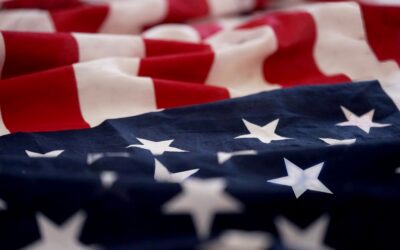
A highly contentious flag display over the Independence Day holiday weekend has thrown the city of St. Cloud, Minnesota, into an intense cultural and political firestorm. During an officially permitted Somali Independence Day celebration held at a prominent local municipal park, onlookers and digital watchdogs discovered that the United States flag was being flown upside down directly alongside the national flag of Somalia. The incident occurred on Friday, July 3, 2026, at Lake George Municipal Park, a high-traffic recreational hub in St. Cloud. Images and video footage of the inverted American flag—traditionally a standardized signal under the U.S. Flag Code reserved strictly for instances of “dire distress or extreme danger”—rapidly flooded social media channels, triggering widespread local fury and sharp online condemnation. The public outcry quickly graduated into formal political warfare during a subsequent St. Cloud City Council session, where a local lawmaker delivered a blistering rebuke of the display, branding it a sickening act of national disrespect. In the aftermath of the blowback, law enforcement logs have verified that municipal officers intervened to physically correct the standard, while event coordinators have quietly signaled to administrators that the backward installation was entirely accidental. At The Modern Memo, we break down the operational police logs from the Lake George flashpoint, analyze the public confrontation spearheaded by local lawmakers, and examine the rising municipal tension surrounding the symbolic demonstration. The Lake George Response: Correcting the Line The primary timeline compiled by municipal authorities details a rapid, five-minute intervention by law enforcement to address mounting community complaints before the evening’s formal speeches could commence. The Emergency Calls: According to an official statement issued by St. Cloud Police Chief Jeff Oxton, the emergency communications center received its first formal complaint regarding the flagpole layout at 5:29 p.m. on Friday afternoon. The On-Scene Adjustment: An RPD officer, who was already deployed to the municipal park to manage an pre-scheduled security detail for the Somali Independence Day festival, arrived at the flagpole grid at 5:35 p.m. The Unintentional Alibi: Chief Oxton confirmed that the responding officer immediately flipped the American flag back into its proper right-side-up orientation, executing the correction with zero resistance or friction from patrons. Festival organizers later informed city staff that the inverted placement was “not intentional,” attributing the incident to an unmonitored clerical oversight by volunteers setting up the stage. The Council Showdown: “It’s Sickening” The administrative explanation did little to calm the intense institutional anger that boiled over during Monday night’s St. Cloud City Council meeting, where veteran lawmakers turned the open forum into an explicit defense of national icons. Brodeen’s Indictment: City Councilmember Scott Brodeen launched an unyielding broadside during his closing remarks, revealing that he had personally driven to Lake George after a furious constituent messaged him to ask if the city had sanctioned an inverted flag. “To the event organizers that were behind such a disgusting show of disrespect to a country that has given so much, it’s sickening,” Brodeen declared to the chamber. The Price of Freedom: Reflecting on his own family’s military heritage and the sacrifice of local service members, Brodeen noted that while the display is legally classified as protected expression under First Amendment jurisprudence, the moral obligation to show baseline respect remains absolute. “Brave men and women died for that flag, for what it represents,” Brodeen argued. “I’m not saying that you don’t have that freedom here… I’m saying that you shouldn’t. It’s 100% un-American.” Targeting the Sideline Candidates: Brodeen concurrently trained his sights on high-profile local politicians and Democratic legislative candidates who attended the festival—including figures backed by promotional banners at the site—blasting them for remaining entirely silent on the field while the flag flew backward. “Shame on you,” Brodeen remarked. “Freedom-loving Americans, ask yourselves if people that support such disrespect are worthy of your votes.” The Cultural Friction: The Minnesota Diaspora Matrix The intense digital fallout surrounding the St. Cloud flag incident arrives at a moment of acute cultural and administrative friction regarding the integration of East African migrant populations across the Upper Midwest. Local civic groups have voiced growing concern that standard municipal facilities are increasingly being utilized by unelected advocacy groups to project distinct geopolitical alignments rather than focusing on local community cohesion. The symbolic clash at Lake George was further amplified across local media networks by a concurrent, unrelated controversy involving St. Louis Park Mayor Nadia Mohamed, who faced intense local criticism for spending her Fourth of July weekend traveling through Mogadishu to meet with the President of Somalia rather than participating in local, domestic anniversary events. By allowing a foreign standard to fly alongside a backward American flag on municipal park grounds, organizers inadvertently supercharged a long-festering local debate over assimilation, civic duty, and the preservation of foundational national symbols. Final Word The intense public backlash engulfing the St. Cloud Somali Independence Day celebration is the definitive proof that everyday citizens are completely unwilling to tolerate any perceived degradation of the American flag during a national holiday season. When you look past the standard defensive platitudes of “clerical accidents” and focus entirely on the hard data—an inverted U.S. flag flying side-by-side with a foreign standard on public park land, multiple emergency police calls from furious residents demanding immediate intervention, and a city councilman publicly exposing the moral cowardice of political candidates who stayed silent—you gain an unvarnished view of a community drawing a hard cultural line. Quality information replaces the progressive narrative of a harmless, diverse gathering with the cold reality of a deep structural insult to the nation’s veterans. Festival organizers may claim the inversion was an unmonitored mistake, but by allowing our national colors to be displayed as a symbol of distress on the eve of Independence Day, they have handed their community an unyielding reminder: if you choose to build a life under the protection of the American flag, the very least you can do is learn how to hang it with respect.

The Hidden Academy: Investigation Exposes SPLC’s Deeply Embedded Radical Curriculum Driving National Teacher Training
A sweeping, forensic investigation by a prominent national parental rights organization has pulled back the curtain on a massive, highly calculated network of ideological influence quietly controlling the training pipelines of America’s public school teachers. The exhaustive dossier, compiled and published by Parents Defending Education (PDE), exposes the stunning operational depth to which the Southern Poverty Law Center (SPLC)—a heavily politicized, left-wing advocacy group—has embedded its proprietary “Social Justice Standards” directly into required university courses, degree pathways, and mandatory student-teacher evaluations at colleges of education across the United States. The report completely shatters the long-standing corporate media narrative that radical frameworks like Critical Race Theory (CRT) and systemic “anti-bias” metrics are merely abstract academic concepts confined to elite postgraduate seminars. Instead, PDE’s raw tracking data proves that the SPLC has built a permanent, institutional conveyor belt, ensuring that before a new teacher ever sets foot inside a local K-12 classroom, their professional licensing, grading, and ideological alignment have been systematically audited against a far-left social justice matrix. At The Modern Memo, we break down the four tactical domains of the SPLC’s anchor standards, the institutional data pinning these requirements to major university teacher-prep programs, and the extreme legal and cultural fallout facing school districts nationwide. The Institutional Footprint: Auditing the Teacher Pipelines The primary breakthrough of the PDE investigation is its meticulous mapping of college-level compliance logs, proving that the SPLC’s educational subsidiary, Learning for Justice (formerly Teaching Tolerance), operates as an invisible accrediting body inside higher education. The Mandatory Matrix: PDE investigators uncovered that multiple state-funded universities have formally integrated the SPLC’s Social Justice Standards as foundational, required course materials. Rather than existing as elective reading, these frameworks are directly hardcoded into mandatory syllabi for student teachers seeking elementary and secondary education degrees. The Evaluative Guillotine: Most alarmingly, the report documents that multiple university education departments utilize the SPLC’s Identity, Diversity, Justice, and Action (IDJA) domains to physically grade and evaluate student teachers during their clinical classroom trials. If a prospective teacher fails to demonstrate active compliance with these ideological tenets, it can directly trigger a negative assessment, putting their graduation and state teaching license in immediate jeopardy. The Corporate Amplification: The SPLC’s reach extends far past universities via lucrative partnerships with dominant K-12 curriculum brokers. Educational publishers like Amplify Education and supplemental social-emotional learning (SEL) programs like Second Step have explicitly aligned their corporate materials with the SPLC’s standards, forcing the framework into thousands of public school districts that have never voted on the curriculum. Inside the IDJA Framework: From Identity to “Collective Action” To understand why parental advocacy groups are treating this report as an absolute code-red emergency, one must look directly at the specific, literal mandates codified within the SPLC’s 20-point anchor rubric. The SPLC’s official documentation confirms that its educational programming is deliberately split between basic prejudice reduction and radical political mobilization. Under Anchor Standards 16 through 20—the core of the “Action” domain—the framework moves entirely out of the realm of traditional, non-political education. The standards explicitly dictate that K-12 students must be taught to “plan and carry out collective action against bias and injustice in the world.” Legal analysts note that by hardcoding these parameters into teacher evaluations, colleges of education are systematically training a national workforce of activists who view their primary classroom responsibility not as instruction in literacy or mathematics, but as the active political recruitment of children. The Extremist Map Irony: Weaponizing the “Hate” Label The publication of PDE’s report arrives amid an escalating, bitter public relations war between grassroots parent organizations and the SPLC’s executive leadership in Montgomery, Alabama. The SPLC Corporate Matrix The Grassroots Parental Reality The “Hate Map” Designation: SPLC officially labels parental rights groups like PDE as “extremist anti-government groups.” The Data Counter-Strike: PDE’s report exposes the SPLC as a deeply embedded corporate monolith driving public school policy. The Funding Disconnect: The SPLC maintains a massive $160+ million endowment used to fund civil and educational litigation grids. The Local Backlash: Local school boards are using the report to formally scrub SPLC/Learning for Justice materials from libraries. The deep irony anchoring the current showdown is that in 2022, the SPLC utilized its highly controversial “Hate Map”—a tool historically reserved for tracking violent white supremacist networks and neo-Nazis—to publically target Parents Defending Education and Moms for Liberty, labeling mainstream parental rights advocates as dangerous extremists. By exposing the massive, multi-million-dollar institutional machinery the SPLC uses to covertly manipulate teacher training, PDE has effectively flipped the script. Conservative and moderate lawmakers are using the report’s hard data to argue that the true radical actors are the unelected, heavily funded special interest groups using backdoor academic channels to dictate what public school teachers are permitted to think and say. Final Word The sweeping Parents Defending Education report is the definitive proof that the ideological capture of American public education is a top-down administrative reality engineered by radical special interest groups. When you look past the sterile, protective rhetoric of “equity and inclusion” and focus entirely on the cold, hard data—the SPLC’s 20 anchor standards acting as a required grading rubric for student teachers, major educational publishing corporations aligning their K-12 programs with political frameworks, and an organization with a $160 million endowment using its leverage to classify concerned parents as “hate groups”—you gain an unvarnished view of institutional overreach. Quality information replaces the progressive media’s denial with the undeniable reality of an active ideological conveyor belt. By unearthing the specific collegiate pathways where this alignment is forced upon the next generation of educators, the parent movement has delivered an unyielding counter-strike. If state legislatures fail to immediately intervene and strip these hyper-partisan evaluations from public university teacher-prep programs, they will cede permanent, total control of their children’s classrooms to the unaccountable radicals of Montgomery.
The Clemency Backlash: Marco Rubio Condemns Tim Walz’s Pardon of Convicted Immigrant Child Sex Abuser Facing Imminent Deportation
The explosive intersection of state clemency powers, public safety, and federal immigration enforcement has ignited a fierce political firestorm between the executive branch and Minnesota leadership. Following a unanimous decision by the Minnesota Board of Pardons to wipe clean the record of a Laotian national facing imminent removal from the country for sexually assaulting a 10-year-old girl, U.S. Secretary of State Marco Rubio stepped directly into the fray to deliver a blistering rebuke of Governor Tim Walz. The controversy centers on Tou Lue Vang, a 42-year-old immigrant who was convicted in 2006 of first-degree criminal sexual conduct. Vang was under a final deportation order and was scheduled to be physically removed from the United States by Immigration and Customs Enforcement (ICE). However, a last-minute pardon issued by the three-member state board—which includes Governor Walz and state Attorney General Keith Ellison—stripped away the felony conviction that served as the statutory trigger for his deportation, effectively halting the removal pipeline. The decision drew immediate, severe condemnation from the Department of Homeland Security (DHS), which slammed the move as “disgusting.” Speaking to Fox News Digital, Secretary of State Marco Rubio amplified the administration’s fury, drawing a hard line against sanctuary politics and asserting that American families should never be forced to shoulder the safety risks of violent non-citizen offenders. At The Modern Memo, we break down the operational history of the 2006 child abuse conviction, the legal mechanics of how the pardon blocks federal deportation laws, and the intensifying federal offensive against municipal clemency overreach. The Case Profile: The Criminal Record Wiped by St. Paul The immense public outrage surrounding the board’s decision is anchored directly in the severe, multi-year nature of the original criminal offense and the suspect’s initial attempts to justify the abuse. The Exploitation Window: Court and criminal complaint records show that Tou Lue Vang, a Laotian national who arrived in the U.S. as a refugee in 1994, systematically abused a female minor between 2002 and 2005. Vang was approximately 18 years old when the abuse began; the victim was just 10 years old. The “Cultural” Defense: According to a Department of Homeland Security dossier detailing the investigation, when Vang was initially arrested by local detectives in 2005, he acknowledged the sexual contact but dismissed it as a “minor thing.” He attempted to justify the assaults by claiming that it was a “cultural thing… to marry and have sex with girls as young as 12,” while aggressively attempting to deflect blame onto the young child. The Judgment: In 2006, Vang pleaded guilty to first-degree criminal sexual conduct involving a person under 13. While a 12-year prison sentence was ultimately stayed in favor of 30 years of supervised probation, the conviction stood as an aggravated felony under the Immigration and Nationality Act (INA), prompting an immigration judge to issue a final order of removal that same year. Because Laos was classified as a “recalcitrant” nation that refused to accept deportees for nearly two decades, Vang remained in limbo until federal authorities finalized removal logistics. The Legal Bypass: How Clemency Chains the Hands of ICE The primary flashpoint in the dispute focuses on how the Minnesota Board of Pardons used localized executive power to short-circuit a standing federal immigration mandate. The state board defended the choice by noting that the pardon process was exhaustive, passed through a clemency review commission, and included community support alongside an alleged statement of forgiveness from the victim. However, federal authorities counter-argued that the pardon represents a catastrophic exploitation of a legal loophole. Under federal immigration law, an absolute executive pardon for an aggravated felony completely erases the deportable offense. By wiping Vang’s slate clean just weeks before his scheduled flight to Laos, Governor Walz effectively bound the hands of Homeland Security agents on the ground. Rubio Intervenes: “Americans Shouldn’t Live in Fear” With the Department of Homeland Security labeling the state’s intervention a direct shielding of a “child rapist,” Secretary of State Marco Rubio utilized his massive foreign policy and administrative platform to turn the localized case into a national referendum on law and order. “Governor Tim Walz’s decision to pardon a convicted child predator just to block his deportation is an absolute betrayal of public safety,” Secretary Rubio told Fox News Digital. “Hardworking Americans should not have to live in fear of illegal alien criminals being deliberately protected by radical sanctuary politicians. The primary duty of any elected official is to protect our citizens—especially our children—not to twist the legal system to keep dangerous, violent non-citizens on our streets.” The intervention by the nation’s top diplomat highlights a massive, structural pivot within Washington. The administration is signaling that it will no longer view immigration non-compliance as a localized, municipal dispute. By framing the actions of Walz and Ellison as a direct threat to domestic security, Rubio is preparing the groundwork for a broader federal counter-offensive to override state-level pardons that intentionally target federal deportation grids. Final Word The unprecedented federal condemnation of Governor Tim Walz’s last-minute pardon is the definitive proof that the battle over immigration enforcement has shifted from the southern border directly into the halls of state government. When you look past the clinical, defensive press releases issued by the Minnesota Attorney General’s office and focus entirely on the hard data—a Laotian national convicted of a multi-year sexual assault against a 10-year-old child, a unanimous state board wiping out an aggravated felony conviction weeks before a scheduled deportation, and the Secretary of State intervening to slam the protection of non-citizen criminals—you gain an unvarnished view of a profound collapse in governance. Quality information replaces the progressive narrative of “restorative clemency” with the reality of an executive class prioritizing sanctuary politics over child protection. By forcing ICE to abandon a final removal order, Tim Walz has handed his critics an unyielding piece of political leverage, and Marco Rubio’s public escalation ensures that the true cost of Minnesota’s sanctuary policies will remain under a relentless national spotlight.
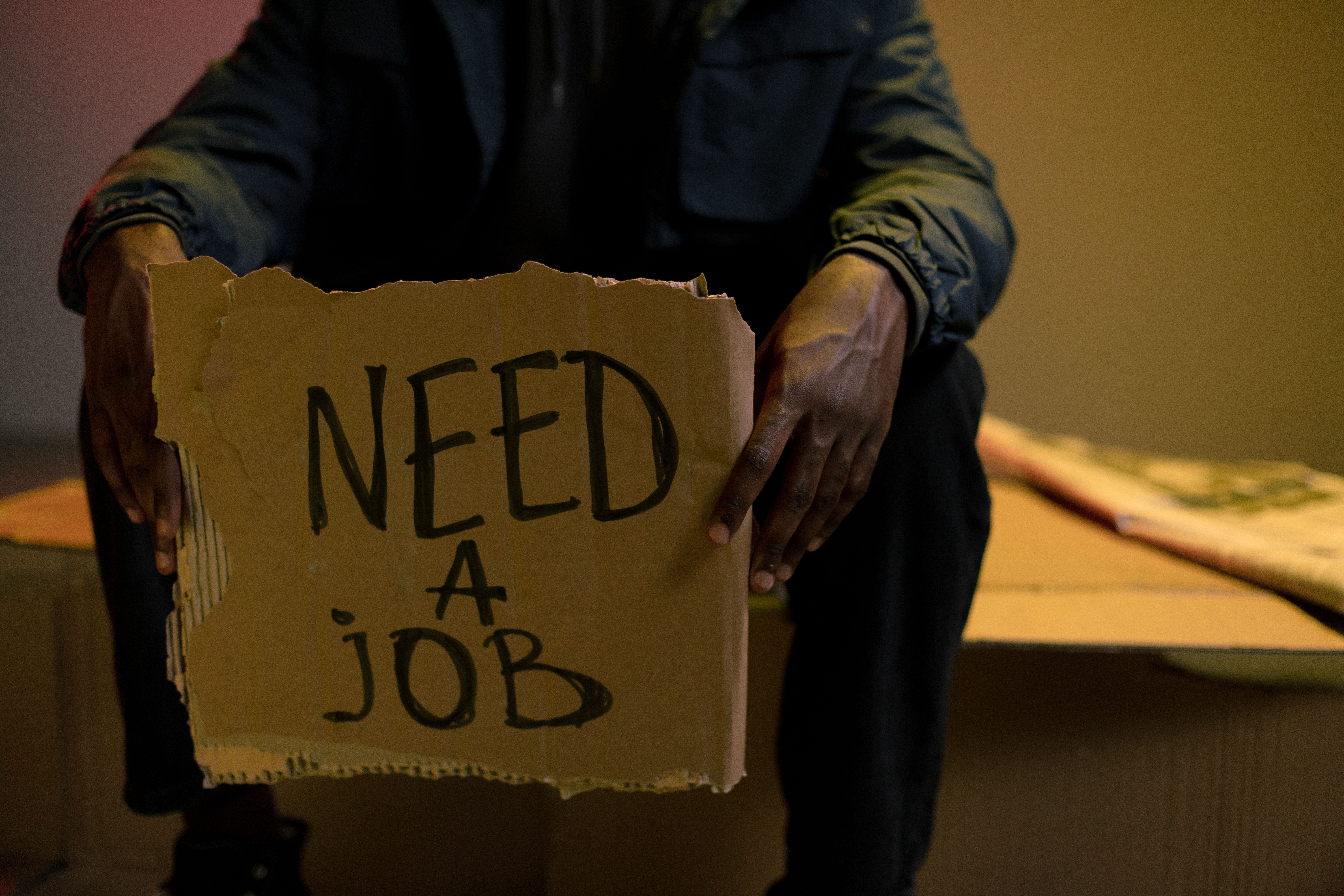
The Replacement Racket: Fury Erupts as U.S. Corporate Giants Fire Thousands of American Workers After Securing Massive Foreign Visa Allotments
A toxic collision between corporate downsizing and the federal immigration system has ignited an absolute firestorm on Capitol Hill and across social media. Following separate, massive restructuring rounds where multi-billion-dollar American brands collectively terminated thousands of domestic employees, independent watchdogs revealed that these exact same corporations successfully filed thousands of petitions to import cheaper foreign labor. The localized fury erupted after data from U.S. Citizenship and Immigration Services (USCIS) confirmed a stark operational paradox: while tech and corporate titans like Oracle Corporation and Amazon executed sweeping layoffs—including an automated 6:00 a.m. email blast that severed roughly 1,600 domestic roles in a single morning—they concurrently secured a massive pipeline of high-skilled guest worker visas. The revelation has blown the lid off long-simmering labor frustrations, prompting federal criminal investigations into systemic visa fraud and driving populist lawmakers to introduce historic legislation to freeze, overhaul, or outright abolish the controversial H-1B foreign worker visa framework to protect American citizens. At The Modern Memo, we break down the operational data exposing the corporate layoff-to-visa pipeline, the Department of Labor’s widening criminal fraud probe into foreign IT labor brokers, and the legislative guillotine being readied in Washington. The Data Paradox: Slashed Budgets and Surging Petitions The primary catalyst behind the current public anger is the cold, undeniable documentation proving that corporations are utilizing federal guest worker frameworks to systematically insulate their bottom lines at the direct expense of the domestic workforce. The 6:00 AM Guillotine: The emotional epicenter of the debate heavily centered on a recent organizational shakeup where internal corporate leadership notified an estimated 1,600 specialized American workers that their positions had been permanently eliminated “due to changing business needs.” The Visa Influx: However, public transparency logs indicate that the corporate entities implementing these domestic purges have maintained an aggressive reliance on the foreign guest worker matrix. USCIS tracking sheets show that the very firms slashing American white-collar jobs collectively filed more than 5,800 H-1B foreign worker petitions across the current fiscal cycle. The Slap in the Face: The corporate strategy has triggered unprecedented mutiny on professional networking platforms and anonymous corporate forums like Blind. Displaced American workers have aggressively slammed the filings as an absolute “slap in the face,” accusing corporate executives of using the rise of Artificial Intelligence (AI) as a PR smokescreen to hide a coordinated campaign to offshore high-paying domestic jobs to lower-wage foreign contractors. The Enforcement Storm: OIG Launches Comprehensive H-1B Fraud Blitz The corporate pushback has officially graduated from online venting into an active, high-stakes federal criminal crack down overseen by the executive branch. The Department of Labor’s Office of Inspector General (OIG) announced a sweeping, multi-agency investigation targeting widespread, coordinated schemes designed to game the H-1B lottery. Inspector General Anthony D’Esposito publically confirmed that federal investigators are acting on a high volume of inside whistleblowers who have documented how major international IT infrastructure firms—such as Cognizant—actively flood the application pools with fraudulent filings to monopolize the visa caps, exploit vulnerable foreign guest workers via coercive under-the-table kickbacks, and systematically lock qualified American professionals out of the tech sector. The Legislative Border Defense: Shifting to a $200,000 Wage Floor Faced with systemic corporate exploitation of existing immigration loopholes, a powerful coalition of populist lawmakers has introduced a pair of devastating bills engineered to permanently break the cheap foreign labor pipeline. The Crane Mandate: Leading the charge, Representative Eli Crane (R-AZ) introduced the End H-1B Visa Abuse Act of 2026. The aggressive statute would impose a mandatory three-year hard freeze on the issuance of all new H-1B visas, while permanently slashing the annual visa cap from 65,000 down to a maximum of 25,000. The Roy Wage Wall: Building on Crane’s framework, Congressman Chip Roy (TX-21) introduced the American White-Collar Worker Jobs Act of 2026. The bill entirely dismantles the lottery system, replacing it with an unyielding flat statutory wage floor of $200,000 per year for any foreign guest worker. By forcing corporations to pay premium, top-tier market rates for foreign talent, the bill effectively strips the tech lobby of its ability to use the visa system to source cheap labor. Tearing Down the Bridges: Crucially, the combined legislative packages would completely eliminate the Optional Practical Training (OPT) program—a heavily abused regulatory loophole that allows foreign university graduates to work in the U.S. tax-free for up to three years—and permanently bar H-1B visa holders from utilizing their employment status to adjust to permanent residency or secure Green Cards. Final Word The explosive national fury surrounding the mass termination of 1,600 American workers alongside a surge in foreign visa petitions is the definitive proof that globalist corporations view the American citizen as an entirely disposable line item. When you look past the hollow corporate statements regarding “global competitiveness” and analyze the cold, hard data—thousands of H-1B petitions filed by the exact same brands executing multi-thousand-person domestic layoffs, an active federal criminal investigation targeting multinational outsourcing giants for wage-undercutting, and congressional legislation moving to mandate a defensive $200,000 wage wall—you gain an unvarnished view of structural economic betrayal. Quality information replaces the corporate narrative of a “tech talent shortage” with the grim reality of state-facilitated wage suppression. By continuing to import thousands of foreign workers while casting their own loyal American employees aside via automated 6:00 a.m. termination notices, these corporate boards have overplayed their hand. Washington has officially run out of patience, and the populist movement is preparing an unyielding legislative response to ensure that American companies are forced, by law, to put American workers first.

The Silent Locker Room: West Virginia Student Breaks Silence on Unaddressed Harassment Following Landmark Supreme Court Victory
A historic judicial correction at the nation’s highest court has given way to a deeply personal, sobering public reckoning in West Virginia. Following the U.S. Supreme Court’s landmark 6–3 ruling in West Virginia v. B.P.J.—which permanently upheld state laws restricting girls’ school sports teams to biological females—an affected student has stepped directly into the spotlight to expose the administrative failures that preceded the decision. Adaleia Cross, a student at Bridgeport High School, spoke out publically for the first time since the high court dismantled backdoor gender-identity mandates in school sports. Cross revealed that the ruling brought a profound “sense of peace” after years of enduring what she characterizes as systemic intimidation and explicit sexual harassment inside her school’s private spaces—complaints she alleges were completely ignored and swept under the rug by her local school district. At The Modern Memo, we break down the graphic details of Cross’s locker room allegations, the administrative silence from the Harrison County school system, and the legislative aftermath of the Supreme Court’s monumental ruling on Title IX. The Locker Room Flashpoint: Allegations of Graphic Harassment The legal battle surrounding the Save Women’s Sports Act was frequently framed by corporate media outlets as an abstract debate over trophies and track times. For Cross, however, the reality was a direct, inescapable invasion of her privacy. The Middle School Incidents: According to detailed accounts shared by Cross and her parents, the primary harassment materialized during the 2022–2023 academic calendar when Cross was an eighth-grade student and the transgender athlete at the center of the SCOTUS case, Becky Pepper-Jackson, was in the seventh grade. The Explicit Threats: Cross’s mother, Abby Cross, publically detailed the graphic nature of the verbal intimidation occurring inside the girls’ locker room at Bridgeport Middle School. The family alleges that Pepper-Jackson repeatedly targeted Cross and other young girls with explicitly aggressive, sexually charged remarks, threatening to perform non-consensual sexual acts on them and using vulgar anatomical references. The Psychological Toll: Cross described the locker room environment as a space of intense anxiety, noting that she and her fellow female peers felt completely trapped and unprotected by the school’s administration, who had granted the biological male student unfettered access to the biological female dressing quarters. The Administrative Stonewall: “Like Nothing Else Was Happening” The primary frustration anchoring the Cross family’s public outcry is not just the behavior of the student, but the total institutional failure of local school board officials to protect biological girls under their care. The Frozen Investigation: After gathering the courage to report the explicit comments to school administrators, Cross was initially promised a thorough, comprehensive investigation into the matter. The Total Blackout: The reality was a complete bureaucratic stonewall. “They told me they would do a full investigation into what I told them,” Adaleia revealed. “And then, all of a sudden, it was like nothing else was happening, it was done… they didn’t talk to us about it at all, they just left it there and didn’t tell us anything else.” The Institutional Armor: The family notes that the school district appeared to prioritize avoiding a high-profile civil rights clash with powerful outside progressive legal funds over the immediate physical safety and comfort of its female students. When pressed on the matter, the American Civil Liberties Union (ACLU)—which legally represented Pepper-Jackson—issued a protective statement asserting that the school district had investigated the reports and deemed them “unsubstantiated.” The Esther Mandate: Overcoming the Social Cost Standing up to challenge the powerful progressive legal establishment came at an immense, agonizing social cost for a 14-year-old student living in a close-knit West Virginia community. The Loss of Friends: Cross candidly revealed that choosing to join the legal coalition fighting to preserve women’s sports caused her to be completely ostracized by long-time peers. “The hardest part of the whole situation for me has been losing friends that I’ve had for years,” Cross admitted, noting that elementary school friends abruptly chose to have “nothing to do with me” once she stepped into the public arena. The Scripture Catalyst: Faced with isolating social pressure and intense personal fear, Cross credits a specific biblical passage for giving her the resolve to move forward. After praying for guidance, she opened her phone to find the verse of the day on her Bible application: Esther 4:14—“Perhaps you were created for such a time as this.” Cross notes that the text served as a permanent spiritual anchor throughout the multi-year litigation. The Shot Put Injustice: Before the Supreme Court delivered its final verdict, Cross and her peers were forced to watch as Pepper-Jackson went on to capture the girls’ state championship in the shot put event, physically displacing biological girls from the podium—an outcome Cross described as “extremely frustrating” for athletes who had trained their entire lives only to be defeated by undeniable biological reality. Final Word Adaleia Cross’s brave public testimony is the definitive proof that the push to integrate biological males into women’s private facilities is not a harmless gesture of inclusion—it is a policy that actively silences and endangers biological girls. When you look past the sterile press releases of the ACLU and focus entirely on the hard data—a Supreme Court ruling vindicating the physical safety of female sports categories, a high school student recounting graphic verbal intimidation in her middle school locker room, and a school board that chose bureaucratic self-preservation over executing a transparent investigation—you gain an unvarnished view of structural betrayal. Quality information replaces the progressive media’s polished narratives with the raw reality of the girls left behind in the dust of these policies. By forcing the nation to listen to the factual experiences of the students on the ground, Adaleia Cross has delivered a permanent, unyielding reminder to every school board in America: the safety, privacy, and dignity of biological women will no longer be sacrificed on the altar of radical institutional compliance.

The Capital Gridlock: Raleigh Mayor Proposes Youth Curfew After Mass “Teen Takeover” Leaves Nine Shot Over July 4th Weekend
A coordinated, flash-mob-style crisis has thrown North Carolina’s capital city into a profound law-and-order debate. Following an Independence Day weekend defined by sweeping, chaotic “teen takeovers” that flooded multiple commercial sectors with thousands of juveniles, Raleigh Mayor Janet Cowell announced that city leaders are officially considering a mandatory youth curfew to reclaim control of the streets. The sudden legislative pivot comes after a staggering 8,000 teenagers systematically swarmed the Brier Creek shopping complex and the Glenwood South entertainment district on Saturday night and early Sunday morning. The massive influx rapidly disintegrated into widespread fighting, vandalism, and a series of scattered shootouts that left nine people wounded by gunfire. The sheer scale of the anarchy forced terrified local business owners to prematurely lock their doors and trap staff inside to escape the mob. At The Modern Memo, we break down the operational police logistics of the dual-district takeover, the multi-agency response required to clear the streets, and the imminent municipal battle over a 17-and-under curfew. The Chronology of Chaos: Mobilizing the Mob The violence was not a series of isolated neighborhood disputes; according to the Raleigh Police Department (RPD), it was a highly organized, dual-phase “teen takeover” fueled by coordinated social media callouts. Phase One (Brier Creek): The disruption ignited at approximately 10:30 p.m. Saturday near the Regal movie theater and a nearby Target at the Brier Creek Commons shopping center. An estimated 3,000 teenagers swarmed the area. After being pushed out of local stores by staff, massive fights erupted in the parking lots. Gunfire broke out, striking and injuring an innocent adult bystander, while another adult was cut by glass shattered by the flying bullets. Officers managed to detain one juvenile carrying a handgun, though investigators believe the primary shooters fled the scene. Phase Two (Glenwood South): Rather than dispersing after police cleared Brier Creek, the mob utilized mobile networks to rapidly shift their operational base. By 1:34 a.m. Sunday, an estimated 5,000 teenagers converged directly onto the Glenwood South entertainment district. The dense crowd completely overwhelmed the sidewalks, culminating in four distinct shooting incidents across a two-hour window that left six additional victims hospitalized with gunshot wounds. The Final Clashes: The violence finally sputtered out just before 4:30 a.m. along Capital Boulevard, where another fight at a gas station ended with an unknown suspect producing a firearm and shooting two more individuals. The Business Lockdown: “Mass Chaos” on the Strips For local merchants, the holiday weekend transformed a prime economic window into a terrifying security emergency, forcing staff to prioritize survival over profit. Fleeing the Crossfire: As fights broke out and gunshots echoed through Brier Creek and Glenwood South, storefronts became makeshift shelters. Managers at restaurants and retail outlets reported locking their front doors, turning off exterior lights, and sheltering employees and patrons in back rooms as crowds surged against their windows. The Inter-City Influx: Compounding the frustration of local business coalitions is the origin of the crowd. Raleigh Police Chief Rico Boyce confirmed that tracking data and field interrogations indicated that at least 50% of the 8,000 juveniles had traveled into Raleigh from surrounding municipalities and outlying Triangle communities specifically to participate in the disruption. The Multi-Agency Clearance: The sheer volume of the crowd required an emergency, county-wide mutual aid activation. Nearly 300 Raleigh officers—including Chief Boyce himself, who personally assisted in the physical arrest of an armed 22-year-old combatant—spent three hours working alongside the Wake County Sheriff’s Office, the State Highway Patrol, and police departments from Cary, Apex, Knightdale, and Zebulon to finally clear the downtown grid. The Policy Response: Erecting the 17-and-Under Curfew Faced with intense fury from the local business community and widespread local media coverage of the bloodshed, Mayor Janet Cowell signaled that the city is prepared to mirror strict juvenile restrictions recently implemented by other North Carolina municipalities. Current Raleigh Juvenile Mandate Proposed Emergency Youth Curfew Unrestricted Night Movement: Minor residents face zero statutory limits on public space occupation during late-night hours. 11:00 PM Lock: Minors aged 17 and under would be legally barred from designated commercial zones between 11 p.m. and 6 a.m. Parental Discretion: Liability for late-night juvenile conduct rests informally on family structures. Civil Penalties: Parents and guardians could face direct fines or citations if their children are detained inside curfew zones. “Clearly, Raleigh is not exempt from the incidents of youth violence that are occurring across the country,” Mayor Cowell stated in a formal release on Monday morning. “We need to talk with the youth, their parents, schools, and the broader community to understand the root causes and to better coordinate strategies. One approach may be a youth curfew for those 17 years and under.” The proposal is expected to face intense debate during upcoming City Council sessions. While progressive civil rights advocates historically caution that youth curfews can lead to disproportionate policing of minority youth, local business owners and security consultants are aggressively counter-arguing that when thousands of teenagers are arriving at family shopping centers armed with handguns, baseline public safety overrides abstract sociological concerns. Final Word The devastating “teen takeover” that paralyzed Raleigh over the July 4th weekend is the definitive proof that mid-sized American metro hubs are no longer insulated from the highly coordinated, social-media-driven lawlessness plaguing major coastal cities. When you look past the standard administrative platitudes regarding “community outreach” and analyze the cold, hard data—8,000 juveniles systematically shutting down two premier commercial corridors, nine separate individuals hospitalized by gunfire in a single night, and a multi-agency law enforcement task force taking three hours to regain physical control of downtown—you gain an unvarnished view of an escalating generational crisis. Quality information replaces the narrative of holiday high spirits with the grim reality of organized urban disruption. By forcing the mayor to openly contemplate a sweeping youth curfew, the rioters have ensured that the era of lenient, unmonitored late-night loitering in Raleigh is effectively over. If city leaders fail to codify strict, permanent boundaries for juvenile movement, they will watch their local economy slide from…