

World News
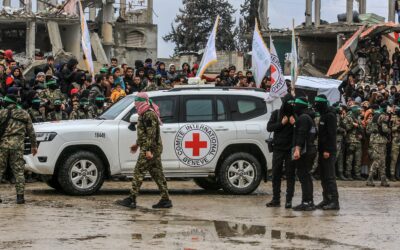
BREAKING: All 20 Living Israeli Hostages Released From Hamas Captivity
The world watched in relief and gratitude as all 20 Israeli hostages were released into the care of the International Committee of the Red Cross (ICRC). This marks a historic turning point in the pursuit of lasting peace between Israel and Hamas. Early Monday, Red Cross convoys were seen moving through Gaza as the first seven hostages were freed under the new ceasefire peace agreement. Hours later, 13 more hostages joined them, completing the full transfer to Israeli custody. The handover began around 8 a.m. and continued throughout the morning under careful coordination by the Red Cross and Israeli Defense Forces. BREAKING: The remaining 13 hostages were just received by the Red Cross. They are now heading toward IDF positions in Gaza and will back in Israel soon pic.twitter.com/pIJomXYeD3 — Visegrád 24 (@visegrad24) October 13, 2025 This moment — the safe release of all 20 hostages — represents the first step in the 20-point plan toward peace. The framework was built to restore stability, rebuild trust, and lay the groundwork for a new era of cooperation in the region. (RELATED NEWS: Hamas Accepts Trump Peace Plan to End Gaza War, Return Hostages) Emotional Scenes Across Israel As news of the first releases spread, emotional scenes unfolded across Israel. Families gathered in homes, public squares, and synagogues to celebrate. In Tel Aviv, crowds cheered and waved flags as live coverage showed the Red Cross convoys crossing into Israeli territory. Many held signs reading “Welcome Home” and “We Prayed for You,” echoing the deep relief felt across the nation. Prime Minister Benjamin Netanyahu and his wife, Sara, prepared special care kits for each returning hostage. Each kit included clothing, personal items, and digital devices to help reconnect them with loved ones. Inside, a handwritten note from the Netanyahus read: “On behalf of all the people of Israel, welcome back! We have been waiting for you. We embrace you. — Sara and Benjamin Netanyahu.” The Role of the Red Cross and the Ceasefire Agreement The International Committee of the Red Cross (ICRC) played a vital role in the hostage exchange. The organization protected civilians, coordinated humanitarian operations, and ensured safe passage for both hostages and prisoners. Red Cross convoys moved steadily between Gaza and Israel throughout the day, carrying with them the fragile but tangible hope of renewed peace. Under the ceasefire terms, Israel released more than 1,900 Palestinian prisoners in exchange for 20 Israeli hostages. The exchange followed weeks of intensive negotiations led by Israeli, Palestinian, American, and regional mediators. Their tireless diplomatic work broke the cycle of violence that has divided the region for generations and opened the door to reconciliation. Trump’s Leadership and Global Cooperation Israeli officials confirmed that this day would not have been possible without President Trump’s leadership. He brokered the peace framework and will be central in holding all parties to their commitments. Caroline Glick, Prime Minister Netanyahu’s international affairs advisor, affirmed Israel’s confidence in Trump’s leadership, calling him “a sincere friend of Israel” and “a man of peace through strength.” “We have deep faith in President Trump — in his sincerity, his support for Israel, and his leadership,” Glick told Fox News Digital. “We are confident in his commitment to holding all parties accountable to the deal, in partnership with Prime Minister Netanyahu.” (MORE NEWS: Trump Orders Military Pay Amid Government Shutdown) The partnership between Washington and Jerusalem delivered immediate humanitarian results and built the foundation for long-term stability. Trump’s plan prioritizes accountability and opportunity, ensuring that every step toward peace rests on transparency, action, and shared responsibility — not empty promises. President Trump’s Visit to Israel and the Region President Trump arrived in Tel Aviv today, drawing intense global attention to this landmark moment — the release of hostages from Gaza and the renewed push for peace. He came to demonstrate his personal commitment to the process, meet with key Israeli leaders and affected families, and then travel to Egypt for a major peace summit. A VIEW FROM AIR FORCE ONE, flying over the beach front of the U.S. Embassy branch in Tel Aviv… 🙏🏼🕊️ pic.twitter.com/CA9EZ1R89f — Dan Scavino (@Scavino47) October 13, 2025 Arrival in Israel After landing at Ben Gurion Airport, Trump praised the “unbreakable bond” between the United States and Israel and called the moment a rare opportunity to bring stability and progress to a turbulent region. Israeli officials welcomed him warmly, and he promised to engage directly with those most affected by the conflict. pic.twitter.com/02DCbpsBru — Dan Scavino (@Scavino47) October 13, 2025 Speaking to the Knesset Trump will address Israel’s Knesset today in what officials describe as a historic speech. His remarks will highlight unity, reconciliation, and the path forward as the ceasefire and hostage-release agreement move ahead. Meeting With Hostage Families Before leaving Israel, Trump plans to meet privately with families of the released hostages. Their voices shaped public support and helped build momentum behind the agreement. The Hostages & Missing Families Forum formally invited him to meet, saying the visit shows genuine solidarity and compassion from the U.S. toward those who endured unimaginable hardship. On to the Peace Summit in Egypt After his visit to Israel, Trump will travel to Sharm El-Sheikh, Egypt, where he will join world leaders for a regional peace summit focused on implementing the ceasefire, ensuring humanitarian access, and determining Gaza’s future governance. He reportedly insisted on being present for this historic moment — not only as a symbolic figure but as a hands-on participant in the negotiations. His presence signals that he intends to serve not just as a broker of peace but as a witness and guarantor to its success. The 20-Point Plan Toward Peace The release of all 20 hostages launches the first phase of the 20-point peace plan — a detailed framework that drives demilitarization, reconstruction, and reconciliation across Gaza. Phase One secures the hostages’ freedom and enforces an immediate ceasefire. Phase Two, now underway, calls on Israel and its partners to demobilize and disarm Hamas, then lead efforts to deradicalize…

Melania Trump Helps Reunite Ukrainian Children Amid War
First Lady Melania Trump says she helped facilitate the successful reuniting of eight Ukrainian children with their families after initiating quiet diplomacy with Russian President Vladimir Putin. She emphasized that this open channel of communication is ongoing and focused on humanitarian outcomes for children affected by war. WATCH LIVE: First lady Melania Trump makes major announcement in Washington, D.C. https://t.co/noX9pl4luA — Fox News (@FoxNews) October 10, 2025 Shift into Humanitarian Diplomacy In August, Melania Trump sent a heartfelt letter to President Putin urging him to protect children caught in the conflict. Her husband, President Donald Trump, personally delivered the message during a summit meeting in Alaska. Putin responded in writing, which opened the door to continued discussions between the two offices. The First Lady released a statement yesterday: “We must foster a future for our children which is rich with potential, security, and complete with free will. A world where dreams will be realized rather than faded by war. Much has unfolded since President Putin received my letter last August. He responded in writing signaling a willingness to engage with me directly and outlining details regarding the Ukrainian children residing in Russia. And since then, President Putin and I have had an open channel of communication regarding the welfare of these children.” “I hope peace will come soon… It can begin with our children.” – @FLOTUS pic.twitter.com/eTnAIEpPqC — Office of the First Lady (@FirstLadyOffice) October 10, 2025 Over the following months, representatives from both sides engaged in private conversations to arrange the children’s return. These talks were coordinated between human rights officials in both Russia and Ukraine. (MORE NEWS: Letitia James Indicted: Virginia Grand Jury Charges NY AG) Reunifications and Verification According to Melania Trump, eight children have been reunited with their families in the past 24 hours under this new initiative. Among them, three were returned from regions within Russia, while five were reunited from other areas where they had become disconnected from relatives during the early stages of the war. Russian and Ukrainian human rights officials verified the children’s identities and confirmed family links before allowing them to cross borders. The process, though complex, was conducted through mutual cooperation to ensure accuracy and safety. The agreement also allows for children who were minors at the time of displacement, but who have since turned 18, to be considered for reunification. Melania Trump highlighted this clause as an important recognition that the trauma of family separation does not disappear with age. While the number may seem small, she described these reunifications as proof that diplomacy can yield compassionate results, even in times of conflict. Melania’s Track Record with Children This initiative builds on Melania Trump’s long-standing work focused on children’s well-being. During her first term as First Lady, she launched the Be Best initiative, which centered on children’s health, safety, and the effects of social media. The campaign promoted kindness, online responsibility, and emotional resilience among young people. Melania also visited children’s hospitals and foster programs across the United States, highlighting pediatric health care and family stability. Her overseas trips often included visits to schools and orphanages, such as her widely covered 2018 Africa tour, where she met with children affected by poverty and illness. After her husband left office in 2021, Melania remained mostly out of the public eye, but she continued to support child-focused causes. She helped create a scholarship program for foster children and sponsored initiatives promoting early education and literacy. (MORE NEWS: Hamas Accepts Trump Peace Plan to End Gaza War, Return Hostages) When she returned to the White House, Melania resumed her focus on youth. She hosted events for students, promoted mental wellness, and visited children’s hospitals to comfort patients. Her ongoing involvement reflects a consistent dedication to improving the lives of young people through advocacy and outreach. Her latest effort—helping to reunite Ukrainian children with their parents—fits naturally within that mission. It also shows her willingness to engage in global diplomacy to protect children in crisis zones. What Comes Next Melania Trump described the channel with Russia as ongoing and expressed hope that more children will soon be reunited with their families. She said her team is committed to maintaining open communication and ensuring that each case is verified and handled with care. Officials from both countries have acknowledged the effort as a positive step forward, though challenges remain in identifying and verifying all children separated by the war. Melania’s office plans to continue cooperation with international organizations and human rights groups to expand the program. The First Lady emphasized that even small steps can have a large emotional impact. Each reunion represents hope, healing, and the power of diplomacy to make a human difference. She said she believes compassion and persistence can bridge divides—even those formed during war. Through her negotiations and long-standing commitment to children’s welfare, Melania Trump has redefined her role on the world stage. Her initiative demonstrates that leadership can take many forms and that humanitarian outreach remains one of the most powerful tools for peace. Final Word Melania Trump’s legacy may ultimately be defined by her devotion to children and her determination to act on their behalf. By helping reunite young Ukrainians with their families, she has taken a deeply human step that reaches beyond politics and into the heart of the Russia-Ukraine conflict. Her quiet diplomacy has opened a small but meaningful channel of communication between two nations locked in war. While it will not end the fighting, this act of compassion shows that dialogue is still possible and that humanity can exist even amid division. In a conflict often defined by loss, her gesture offers a rare moment of hope—one that could help lay the groundwork for broader cooperation and, eventually, a path toward peace. Forget the narrative. Reject the script. Share what matters. At The Modern Memo, we call it like it is — no filter, no apology, no corporate leash. If you’re tired of being lied to, manipulated, or ignored, amplify the truth. One share at…
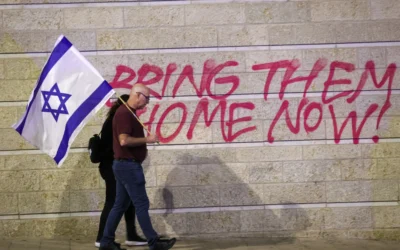
Hamas Accepts Trump Peace Plan to End Gaza War, Return Hostages
Hamas has accepted a peace plan introduced by President Donald Trump to end a nearly two-year war in Gaza and return hostages to Israel. The agreement marks a turning point in Middle East diplomacy and could open the door to a lasting peace if both sides honor their commitments. The plan reflects President Trump’s active leadership in global negotiations and his push for stability in the region. Key Elements of the Agreement Under the first phase of the plan, Hamas agrees to a full ceasefire, the withdrawal of Israeli forces to agreed-upon lines, and the return of all hostages, living and deceased. In exchange, Israel will release 250 prisoners serving life sentences and 1,700 Palestinians detained since October 2023. Hamas members who surrender their weapons will be granted amnesty. A technocratic, non-political Palestinian committee will temporarily manage essential services in Gaza. An international board, including world leaders and regional representatives, will oversee reconstruction and ensure transparency in rebuilding efforts. The goal is to stabilize Gaza, restore vital infrastructure, and create economic opportunities that discourage future conflict. Trump’s Announcement Announcing the deal, President Donald Trump said, “I am very proud to announce that Israel and Hamas have both signed off on the first Phase of our Peace Plan. This means that ALL of the Hostages will be released very soon, and Israel will withdraw their Troops to an agreed upon line as the first steps toward a Strong, Durable, and Everlasting Peace. All Parties will be treated fairly! This is a GREAT Day for the Arab and Muslim World, Israel, all surrounding Nations, and the United States of America, and we thank the mediators from Qatar, Egypt, and Turkey, who worked with us to make this Historic and Unprecedented Event happen. BLESSED ARE THE PEACEMAKERS!” “I am very proud to announce that Israel and Hamas have both signed off on the first Phase of our Peace Plan… BLESSED ARE THE PEACEMAKERS!” – President Donald J. Trump pic.twitter.com/lAUxi1UPYh — The White House (@WhiteHouse) October 8, 2025 The president’s statement highlighted his administration’s diplomatic efforts and the cooperation between multiple nations. His message emphasized fairness, unity, and optimism for what could become one of the most significant peace breakthroughs in decades. (RELATED NEWS: Trump Issues a Grim Ultimatum to Hamas) Role of Mediators and International Support The success of this agreement rests heavily on the work of mediators from Qatar, Egypt, and Turkey, who helped facilitate direct talks. Their involvement was critical in overcoming longstanding distrust. These nations have acted as neutral brokers in previous negotiations, but this time, their cooperation with Trump’s team gave the plan unprecedented momentum. Internationally, the peace plan has received cautious support. Several Arab states view it as a chance to reduce regional instability, while Western nations welcome the potential for humanitarian recovery. Still, questions remain about the long-term political framework and whether the agreement will eventually lead to Palestinian statehood. Israeli and Palestinian Reactions Israeli Prime Minister Benjamin Netanyahu welcomed the agreement, calling it a crucial step toward bringing home hostages and restoring calm. He confirmed that his cabinet would meet to approve the first phase of the deal and ensure its proper enforcement. Netanyahu expressed gratitude to President Trump and his team for their efforts: “A great day for Israel. Tomorrow I will convene the government to approve the agreement and bring all our dear hostages home. I thank the heroic soldiers of the IDF and all the security forces, thanks to whose courage and sacrifice we have reached this day. I thank from the depths of my heart President Trump and his team for their mobilization for this sacred mission of releasing our hostages. With the help of the Almighty, together we will continue to achieve all our goals and expand peace with our neighbors.” יום גדול לישראל. אכנס מחר את הממשלה כדי לאשר את ההסכם ולהחזיר את כל חטופינו היקרים הביתה. אני מודה לחיילי צה״ל הגיבורים ולכל כוחות הביטחון שבזכות אומץ ליבם והקרבתם הגענו ליום הזה. אני מודה מעומק ליבי לנשיא טראמפ ולצוותו על התגייסותם למשימה קדושה זו של שחרור חטופינו. בעזרת… — Benjamin Netanyahu – בנימין נתניהו (@netanyahu) October 8, 2025 Hamas, on its part, framed the decision as a pragmatic move to protect Gaza’s population and rebuild shattered communities. The group emphasized that the plan’s humanitarian and reconstruction clauses were decisive factors in their acceptance. Challenges and Concerns While the deal offers hope, its implementation remains complex. Hamas has raised concerns about the disarmament process and the future role of Israeli forces in border areas. Israel has insisted that all hostages—living and deceased—be returned before any further concessions. There is also uncertainty about who will enforce reconstruction and security arrangements. The proposed international board must coordinate massive rebuilding projects while ensuring that funds do not fuel future conflicts. Analysts caution that if either side hesitates or violates the agreement, the fragile peace could collapse quickly. Still, the inclusion of multiple global stakeholders gives the plan more structure and oversight than many past efforts. Humanitarian and Reconstruction Goals If implemented, the plan will allow essential aid to flow into Gaza. For civilians enduring nearly two years of conflict, this will bring immediate relief. Hospitals, schools, and housing projects are set to receive top priority under the reconstruction phase. The agreement envisions an economic revival that promotes self-sufficiency. Infrastructure experts from the Middle East will oversee modernization projects, creating jobs and restoring public services. In this sense, the peace plan is designed not just to end violence but to build a sustainable future. The Hostages and Public Response According to estimates, 48 hostages remain in Hamas captivity, with 21 believed to be alive. Their families have expressed profound gratitude for the deal, calling it a historic step toward reuniting loved ones. Many families credit Trump’s persistence for breaking the deadlock and sparking progress. In Israel, public reaction has been largely supportive. Citizens weary of years of conflict see this as an opportunity to end bloodshed and begin healing. In Gaza, reactions are mixed—some…
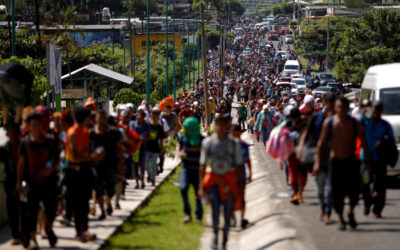
Cuban Migrant Caravan Shifts Destination to Mexico City
A new caravan led mainly by Cuban migrants is making its way through southern Mexico. But unlike past movements, this group is not trying to reach the United States. Instead, they are heading for Mexico City, hoping to build a new life there. This shift marks a dramatic change in migration patterns. For years, the U.S. was the ultimate goal for most migrants traveling through Mexico. Now, stricter border controls and changing political realities have pushed many to look for safety and opportunity elsewhere. A Journey with a New Goal The caravan began in Tapachula, near the border with Guatemala. It includes more than a thousand people from Cuba and other Latin American countries. They are traveling north on foot and by bus, aiming to reach the Mexican capital. Their message is simple: they want permission to live and work in Mexico legally. Many of them have waited months in overcrowded shelters in Tapachula. Some were stuck there for nearly a year, unable to move north or find jobs. Frustration and hunger pushed them to organize and take to the road. They believe reaching Mexico City will give them a better chance to speak directly to government officials and demand legal documents. Trump’s Policies Shift the Migration Map Since Donald Trump returned to the White House in early 2025, the U.S. has seen a sharp decline in illegal border crossings. The administration has expanded deportations, increased patrols, and enforced new agreements with Mexico and Central American nations. (MORE NEWS: Apple Pulls ICE-Tracking Apps from App Store) The New York Post is reporting that ICE is on track to deport 600,000 illegal immigrants in 2025 and 2 million have left voluntarily. “This is just the beginning.” As a result, the number of migrants attempting to cross into the U.S. has dropped to historic lows. This has forced many to rethink their plans. For the first time in years, a large number of migrants now say they intend to stay in Mexico rather than risk the journey north. Some say they no longer see the U.S. as a welcoming place. Others fear being detained or deported if they try to cross. For them, Mexico represents a chance to work, earn money, and live without constant fear of arrest. Seeking Opportunity Inside Mexico Mexico, specifically Mexico City, is becoming a new destination for migrants across the region. Many believe they can find jobs in construction, agriculture, or tourism. Some also hope to start small businesses or join family members already living in the country. The Mexican government has been trying to manage this new wave of settlement. Officials have offered temporary humanitarian permits that allow migrants to travel and seek work. However, these permits often expire after 30 days, leaving many in legal limbo once again. Many immigrants have been outright denied or have received pushback on their requests, leaving them frustrated. A migrant caravan leaves southern Mexico and heads for the capital Mexico City in search of better opportunities. The Cuban and Haitian migrants cite red tape and high costs as barriers to making life in Mexico work pic.twitter.com/G35cg1NBc9 — Reuters (@Reuters) October 2, 2025 Despite the uncertainty, migrants remain hopeful. They see Mexico City as a symbol of progress — a place where their voices can be heard and their paperwork processed faster. Hardships on the Road The journey north is dangerous and exhausting. Migrants face long days of walking under intense heat with little food or water. Some travel with small children or elderly relatives. Along the way, they risk robbery, extortion, and abuse from criminal groups that target vulnerable travelers. Local residents sometimes offer food and shelter, but others are less welcoming. Some communities fear that large groups of migrants will strain local resources or increase insecurity. Despite these challenges, the caravan continues to move forward. (RELATED NEWS: Cartel “La Diabla” Busted for Baby, Organ Ring in Mexico) Mexico’s Complex Role Mexico now faces a difficult balancing act. On one hand, it must show compassion and manage the humanitarian crisis. On the other, it must maintain cooperation with the United States, which continues to pressure Mexico to control migration flows. The Mexican National Migration Institute has been documenting participants and reviewing cases to determine who may qualify for residency. In past caravans, authorities have used a strategy of dispersing migrants to other regions to prevent large concentrations near the capital or the U.S. border. A Turning Point in Migration The Cuban-led caravan may mark the beginning of a new migration era. Instead of using Mexico as a bridge to the United States, many migrants now view it as a final destination. Economic opportunity, cultural familiarity, and proximity to home make Mexico an appealing choice. While challenges remain — from bureaucracy to discrimination — migrants say they prefer the uncertainty of Mexico over the hostility they expect at the U.S. border. This shift could reshape regional migration policies for years to come. The U.S. may see reduced border pressure, while Mexico will need stronger systems for asylum, employment, and integration. How both governments respond will define the next chapter in North American migration. The Road Ahead: A Hard Truth As the caravan moves closer to Mexico City, the country faces mounting pressure. Streets and shelters are already crowded with people waiting for government help. Local resources are stretched thin, and frustration is growing among residents who feel their communities are being overrun. Many Mexicans argue it’s time to draw a firm line. They believe the government must stop encouraging massive caravans that drain public funds and disrupt local life. What began as a humanitarian issue has become a matter of national security and social stability. The reality is that Mexico cannot absorb endless waves of migrants. Jobs are limited, infrastructure is weak, and public services are already under strain. While compassion matters, so does responsibility. Allowing thousands of undocumented migrants to remain without control invites long-term problems that will hurt ordinary citizens first. The hard truth for some is that the…
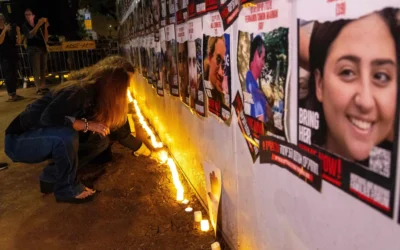
Hamas Agrees to Release Hostages After Trump Ultimatum
Al Jazeera reported that Hamas delivered its response to President Donald Trump’s peace proposal, just hours after Trump had set a 6:00 p.m. ET Sunday deadline. According to the report, Hamas said it is ready to release all Israeli hostages — both living and deceased — under the terms of Trump’s exchange plan. pic.twitter.com/3dGpkSu0kW — Karoline Leavitt (@PressSec) October 3, 2025 Hamas has submitted its response to Trump’s Gaza plan, saying it is ready to release all Israeli captives – both living and dead – in exchange for an end to Israel’s war and the complete withdrawal of Israeli forces from the enclave, as outlined in Trump’s proposal. pic.twitter.com/9sCwJUbbpO — Al Jazeera English (@AJEnglish) October 3, 2025 However, the statement did not fully concede to other critical demands. For example, Hamas did not expressly agree to disarm, a central requirement of both Israel and the United States. Still, the prospect of a full hostage release could dramatically change the negotiation landscape. (RELATED NEWS: Trump Issues a Grim Ultimatum to Hamas) What Hamas Agreed To Hamas’s statement outlined several key concessions. It expressed readiness to enter negotiations immediately, through mediators, to finalize the details of the deal. They agreed to transfer the administration of Gaza to an independent Palestinian technocratic body, based on national consensus and backed by Arab and Islamic countries. It also insisted that its demands include Israel’s complete withdrawal from Gaza and an end to military operations there. While Hamas accepted some elements, it reserved the right to negotiate others. The omission of disarmament remains a major sticking point. What Trump’s Ultimatum Entailed President Trump’s ultimatum didn’t specify whether Hamas had to accept every point of the 20-point plan immediately. Instead, it seems to have focused on critical demands — including total withdrawal, disarmament, and ending hostilities. By setting a deadline, Trump aimed to force Hamas’s hand. The ultimatum raised the stakes: agree or face “total destruction,” as the proposal stated. The strategy sought to create diplomatic pressure and shift control back to the negotiating parties. (RELATED NEWS: Trump’s Leaked Gaza Peace Plan: A Bold 21-Point Vision for Lasting Stability) President Trump is optimistic about the outlook: pic.twitter.com/JzeyA0pH3e — Rapid Response 47 (@RapidResponse47) October 3, 2025 Why the Hostage Release Matters Releasing all hostages would mark a major turning point. For one, it could ease domestic and international pressure on Israel to negotiate. It would also shift public sentiment, especially in Israel, where these individuals’ families have been demanding action for months or years. Moreover, if Hamas follows through, Israel and its backers might feel compelled to soften some demands or extend the talks. The hostage issue has long been among the most emotionally charged elements of any agreement. Remaining Hurdles and Risks Even with goodwill over hostages, significant hurdles remain. Disarmament is at the top of the list. Israel and the U.S. insist Hamas must lay down its weapons. Hamas has not agreed to that. Verification and enforcement present another issue. Who will certify Hamas’s compliance? Which party will monitor disarmament and ensure the deal sticks? The question of power sharing in Gaza also adds complexity. Transitioning governance to technocrats will not be easy. Local political factions may resist. Israel will also demand assurances against renewed attacks. Without strong security guarantees, leaders in Jerusalem may be reluctant to move forward. Some analysts also note that the timing could be significant. A deal may be tied to the October 7 anniversary of the 2023 Hamas attack, which triggered the current conflict. Possible Scenarios Ahead Full Deal and Ceasefire In the best case, Hamas follows through. Hostages are released, Israeli forces withdraw, Gaza’s governance shifts, and disarmament begins. A long-term ceasefire could follow, stabilizing the region. Partial Implementation Hamas might only partially comply — releasing hostages while resisting disarmament or full withdrawal. Negotiations would resume, but distrust would loom. Breakdown and Escalation If any party backpedals or imposes unacceptable terms, the agreement could collapse. Israel might resume military action or impose harsher constraints. Delayed Timeline Even if an agreement is possible, execution could stretch over weeks or months. Transitional arrangements and security logistics take time. Why This Moment Is Critical The hostage issue has been central to public opinion, both in Israel and globally. If Hamas displays willingness to free hostages, it alters moral and political dynamics. The expiration of Trump’s ultimatum forces clarity. Hamas’s response, partial though it may be, establishes a baseline from which diplomats can negotiate. This moment coincides with the second anniversary of the October 7, 2023 Hamas terror attack, which ignited this war. Negotiators may use the symbolism to drive momentum. For the United States and Israel, proving that diplomacy can yield results offers political cover. For Hamas and its allies, agreeing to hostage release without disarming offers a way to claim moral high ground. Final Word Hamas’s response to Trump’s ultimatum represents a cautious but notable shift. Although it did not accept all demands, the group’s willingness to free hostages opens a door to diplomacy. The future remains uncertain. The next steps will test whether confidence, verification, and willingness to compromise can overcome longstanding divides. At the same time, the stakes could not be higher. Both Israel and Hamas face immense pressure from their own populations, international mediators, and regional powers. Any sign of weakness or retreat may carry political costs. This means negotiators must balance humanitarian urgency with political survival. Whether this moment produces a lasting breakthrough or simply another temporary pause in hostilities will depend on how quickly trust can be built and whether all sides are willing to compromise beyond initial gestures. Cut Through the Noise. Slice Through the Lies. Share the Truth. At The Modern Memo, we don’t tiptoe around the narrative—we swing a machete through it. The mainstream won’t say it, so we will. If you’re tired of spin, censorship, and sugar-coated headlines, help us rip the cover off stories that matter. Share this article. Wake people up. Give a voice to the truth the powerful want buried. This fight…

Trump Issues a Grim Ultimatum to Hamas
On September 30, 2025, President Donald Trump announced that Hamas has “three or four days” to accept a 20-point peace plan aimed at ending the war in Gaza. If Hamas refuses, he warned, the group “will meet a very sad end.” Trump framed his ultimatum in sharp terms, signaling that his patience is limited—and that consequences will follow swiftly. He stated, “We’re going to do about 3 or 4 days. We’ll see how it is … And if it’s not, it’s going to be a very sad end.” His message stressed that all Arab and Muslim nations—including Israel—have already backed his proposal, leaving Hamas isolated unless it joins. (RELATED NEWS: Trump’s Leaked Gaza Peace Plan: A Bold 21-Point Vision for Lasting Stability) Trump also added, “All Arab countries have signed, all Muslim countries have signed, Israel has signed. We are just waiting for Hamas, and Hamas will do it or not – and if not, it will be a very sad end.” President Trump: “All Arab countries have signed, all Muslim countries have signed, Israel has signed. We are just waiting for Hamas, and Hamas will do it or not – and if not, it will be a very sad end.” pic.twitter.com/k5cL06LubL — Eyal Yakoby (@EYakoby) September 30, 2025 What the Proposed Plan Includes The 20-point proposal envisions a path toward ending hostilities, disarming Hamas, securing hostages’ release, and rebuilding Gaza. Israel already endorsed the plan, committing to halt military operations once it is in place. Meanwhile, high-level envoys from Egypt and Qatar reportedly presented the plan to Hamas negotiators, requesting a response in “good faith.” The plan also includes international backing: several Muslim and Arab nations released a joint statement supporting Trump’s proposal. Signatories included Saudi Arabia, Jordan, the United Arab Emirates, Indonesia, Pakistan, Turkey, Qatar, and Egypt. They hailed the proposal as supportive of both Palestinian rights and Israeli security. Reactions from Israel’s Leadership Although Prime Minister Benjamin Netanyahu accepted the plan, he faces dissent within his own right-wing coalition. Some coalition members strongly object, calling acceptance of the plan a “diplomatic failure” that ignores lessons learned from past conflicts. Moreover, Netanyahu’s finance minister, Bezalel Smotrich, publicly criticized the move, warning it could undermine Israel’s long-term security. Yet even in opposition, figures like Yair Lapid and Benny Gantz expressed cautious support. Lapid argued that, given time pressure around hostages and conflicting priorities, Trump’s offer might be the only viable path. Gantz pledged to keep party politics from derailing the effort. (MORE NEWS: Miami Mayor’s Warning: NYC’s Mamdani Echoes Castro) Thus, Israel’s leadership appears divided: one part ready to gamble on the plan, the other anxious about its risks. Hamas’s Likely Rejection A senior Hamas figure told the BBC that the group is likely to reject Trump’s peace plan. According to the official, the proposal “serves Israel’s interests” and “ignores those of the Palestinian people.” The source stressed that Hamas is unlikely to agree to disarming and handing over weapons—one of the plan’s central requirements. Hamas also reportedly opposes the deployment of an International Stabilisation Force (ISF) in Gaza. Leaders view such a force as a new form of occupation, something they cannot accept. While Israeli Prime Minister Netanyahu accepted Trump’s plan during White House talks, Hamas has not issued an official response. Still, the BBC report underscores the growing likelihood of rejection. This stance reflects Hamas’s long-standing insistence on retaining its armed capacity. It also highlights deep mistrust toward any foreign military presence in Gaza. Such objections set up a direct clash with the very conditions at the heart of Trump’s proposal. Why the Timing Matters The three-to-four-day timeline adds urgency. Such a short window may be intended to minimize stalling or political maneuvering. In this way, Trump keeps pressure high and leaves minimal room for delay. Global momentum favors the plan. With Israel, Arab nations, and many Muslim countries aligned, Trump seeks to create a diplomatic consensus that corners Hamas. By claiming all other parties are “signed up,” Trump frames rejection as purely Hamas’s choice. The hostage situation remains a critical driver. The urgency to free all 46 hostages adds emotional and political weight. The war cannot linger indefinitely without mounting costs—human, economic, and reputational. Internal politics in Israel add complexity. Netanyahu must balance coalition pressure against international obligation. His maneuvering around acceptance and coalition fractures could destabilize the government just when peace talks are reaching a climax. Possible Outcomes and Risks If Hamas accepts the plan, hostilities could end swiftly. Gaza would begin rebuilding, and displaced people might return. International aid flows could resume. Yet, the threat of future insurgency or rearmament would persist. If Hamas rejects it, military action might resume at full scale. Trump’s phrasing—“very sad end”—hints at harsher measures or public condemnation. That path risks full escalation, wider casualties, and regional backlash. Either way, any plan faces serious hurdles: ensuring disarmament, verifying compliance, providing long-term security, and building trust. Even more, breaking the cycle of violence in Gaza will require continual diplomacy, monitoring, and guarantees—not just a signed agreement. The Takeaway Trump’s ultimatum places Hamas at the center of a diplomatic storm. With only days to decide, the group faces a stark choice: accept sweeping demands that could bring relief to Gaza or reject them and face consequences that Trump has promised will be severe. Israel and nearly every major Arab and Muslim nation have already signaled support for the plan. That leaves Hamas standing alone, clinging to weapons and rhetoric while the rest of the region pushes for peace. Internal disputes within Israel may exist, but they do not change the fact that Hamas is increasingly isolated. The clock is ticking. The coming days will determine whether Hamas chooses cooperation or destruction. If it accepts the deal, the war could shift toward peace and rebuilding. If it refuses, the “very sad end” Trump warned of will not be a figure of speech—it will become a reality. Cut Through the Noise. Slice Through the Lies. Share the Truth. At The Modern Memo, we don’t…
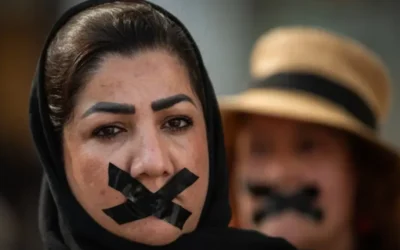
Taliban Nixes Internet in Afghanistan, Citing Morality
Much of Afghanistan has plunged into a nationwide internet blackout. The move came after the Taliban regime ordered a shutdown of web and mobile services. The regime cited moral reasons, claiming the shutdown was meant to “prevent immoral activities.” This drastic step has triggered alarm across Afghanistan and the international community. Critics warn it will worsen economic collapse, cripple basic services, and strip citizens of their rights. What Happened: Shutdown in Practice In the days before the blackout, Taliban officials reportedly began severing fiber-optic cables in several provinces. The regime spokesman in Balkh province claimed these cuts were ordered by the supreme leader, Haibatullah Akhundzada. (MORE NEWS: Trump’s Leaked Gaza Peace Plan: A Bold 21-Point Vision for Lasting Stability) Most of Afghanistan lost internet access. Mobile phone networks also suffered severe disruptions. Internet monitoring group NetBlocks confirmed that the country was in the midst of a total internet blackout as of the following Tuesday afternoon. ⚠️ Update: It has now been 24 hours since #Afghanistan imposed a national internet blackout, cutting off residents from the rest of the world; the ongoing measure marks the Taliban’s return to conservative values it espoused a quarter of a century ago limiting basic freedoms pic.twitter.com/8g04yEi4Ht — NetBlocks (@netblocks) September 30, 2025 A local shopkeeper in Kabul described the impact bluntly: “We are blind without phones and internet. All our business relies on mobiles… The market is totally frozen,” The National reported. Adding to this, a bank employee said clients could no longer complete online banking, cash withdrawals, or money authorizations. An unnamed Afghan government source told reporters that the blackout would last “until further notice.” The shutdown would affect not only banking, but customs, trade, and all sectors nationwide. In addition, international and local media operations were disrupted. Tolo News and Radio Free Europe reported difficulties in maintaining communications. Taliban Justification: Morality Over Connectivity The Taliban framed the shutdown as a morality measure. According to their spokesman, internet applications had “badly affected the ongoing economic, cultural and religious foundations of society.” (MORE NEWS: Cartel “La Diabla” Busted for Baby, Organ Ring in Mexico) He argued that such digital tools allowed immoral content to spread, undermining Afghan values. Thus, they insisted the blackout was necessary to uphold social decency. However, Taliban advisors reportedly cautioned that the economic fallout would be catastrophic. Still, the supreme leader reportedly overruled them. International and Domestic Reactions The United Nations swiftly condemned the shutdown. It called on the Taliban to restore internet and telecom services immediately. The U.N. Assistance Mission in Afghanistan (UNAMA) warned that the blackout: Leaves Afghanistan “almost completely cut off from the outside world” Threatens economic stability Exacerbates one of the world’s worst humanitarian crises Imposes further restrictions on freedom of information and expression The U.N. also noted its own operations were severely hampered, forcing staff to rely on radio communications and limited satellite links. Meanwhile, adding to the concern, Human Rights Watch researcher Fereshta Abbasi criticized the Taliban’s moral rationale and emphasized the tangible harms of the blackout. In Kabul, the airport was reported to be nearly deserted. All flights were canceled, and Airport officials said they did not expect operations to resume until at least Thursday. The Human Cost: Economy, Rights, and Daily Life The internet is more than entertainment—it is central to modern life. It enables commerce, education, communication, health services, and banking. By cutting these links, the Taliban have disrupted everything. Business and trade: Vendors, delivery services, payment processors, and supply chains all rely on digital connectivity. The blackout freezes markets. Banking and finance: Without online systems, citizens cannot access funds, transfer money, or pay bills. Information access: Citizens lose means to access news, make informed decisions, and voice dissent. Health and aid services: NGOs, hospitals, and relief groups rely on internet links to coordinate and share vital data. Freedom of expression: The shutdown is a further restriction on speech and press. Afghanistan is already navigating severe economic and humanitarian challenges. This blackout compounds the suffering by choking the country’s information lifeline and paralyzing public services. The Plight of Afghan Women: More Than Just Disconnection The Taliban’s internet shutdown deepens an already desperate crisis for Afghan women. Under the regime, women face sweeping bans on education, work, and public movement. The blackout compounds these restrictions by cutting off what little access they still had to communication, solidarity, and outside aid. Even before the shutdown, many women were forced out of schools or universities, barred from most professions, and subjected to strict dress codes and male guardianship rules. In this landscape, the internet offered a fragile lifeline: a way to read, learn quietly, seek virtual help, or connect with women’s rights groups beyond the country. Now, with connectivity severed, women lose access to critical resources: Remote education—already one of few remaining options—vanishes. Online counseling, advocacy, and support networks become inaccessible. Digital activism and reporting—tools used to amplify women’s voices under tyranny—are silenced. Information about health, legal aid, and safety disappears from reach. Without these channels, women are increasingly isolated and vulnerable. They face greater risk of abuse, disappearances, and unaccountability. The blackout strips them not only of connection to the world, but also of the hope and tools they had to resist suppression. In short, while the internet blackout hurts all Afghans, for women it is not just a disruption—it is another wall erected to lock them further into silence. Why It Matters: Lessons and Warnings The blackout shows how authoritarian regimes can weaponize infrastructure—turning the internet off as a tool of control. Once you control connectivity, you control discourse. Moreover, it underscores digital access as a human right. Access to information and communication is essential to participation in society. Cutting it off isolates citizens and shields power from scrutiny. The global community must pay attention. Such shutdowns have regional consequences — for migration, security, media, and regional stability. Above all, the Afghan people suffer most. They bear the consequences of censorship decisions made far above their control. Looking Ahead: What Comes Next? At present,…
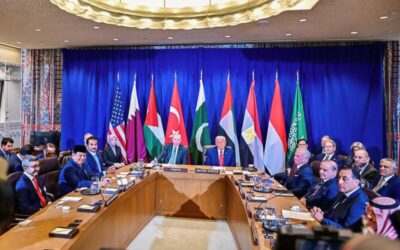
Trump’s Leaked Gaza Peace Plan: A Bold 21-Point Vision for Lasting Stability
President Donald Trump shakes up the Middle East once again. A leaked document reveals his comprehensive 21-point peace plan to end the Gaza conflict. This blueprint demands quick hostage releases and Hamas’s removal from power. It also opens doors to Palestinian statehood and economic revival. Arab allies cheer the proposal with enthusiasm. They see it as a fresh path forward after years of deadlock. Now, as Trump prepares to meet Israeli Prime Minister Benjamin Netanyahu, the world watches closely. This plan could reshape the region—or spark new debates. The leak drops at a tense moment. Israel’s military pushes deeper into Gaza City. Netanyahu vows to crush Hamas entirely. Trump, fresh from United Nations talks, shared early drafts with Arab and Muslim partners. Those allies responded with rare optimism. They praised the balance between Israeli security and Palestinian hopes. President Trump weighed in on Truth Social: But questions linger. Will Hamas accept these tough terms? How will the U.S. enforce them? Let’s dive into the plan’s core elements and why it matters. Kicking Things Off with Hostages and a Ceasefire Right out of the gate, Trump’s plan demands action. The first point insists that Hamas release all Israeli hostages within 48 hours of any deal. That’s a bold move, designed to bring relief to families who’ve been waiting nearly two years for their loved ones. In return, the plan calls for an immediate end to the fighting across Gaza. No more rockets, no more airstrikes—just a chance for people to catch their breath. (MORE NEWS: Cartel “La Diabla” Busted for Baby, Organ Ring in Mexico) This approach is all about building trust quickly. Past peace efforts often fell apart because they dragged on without clear wins. Trump, drawing on his experience with the Abraham Accords, knows the value of momentum. Those accords brought Israel and Arab nations together, and now he’s applying that same deal-making energy here. Once the fighting stops, the plan shifts to deradicalization—think schools teaching peace instead of conflict and community leaders promoting unity. It’s about tackling the roots of violence to pave the way for lasting change. Offering Palestinians a Path to Statehood For Palestinians, this plan offers a glimmer of hope. One key point lays out a clear path to statehood, which marks a shift from Trump’s earlier ideas. Back in February, he suggested temporarily moving Gazans out to turn the strip into a “Riviera of the Middle East.” That didn’t sit well with many, who called it tone-deaf. Now, the plan ensures anyone who leaves Gaza can return whenever they want, easing fears of permanent displacement. What’s more, Israel would commit to not annexing Gaza or the West Bank. Trump’s been firm on this, recently telling reporters, “I won’t let Israel annex the West Bank. Not happening.” This promise calms Arab concerns and keeps the focus on progress rather than endless disputes over settlements. The plan also envisions a revitalized Gaza, with new homes, thriving businesses, and job opportunities for locals. It’s a vision of hope, not just survival. Taking Down Hamas and Setting Up New Leadership Hamas doesn’t get a free pass here. The plan demands the group be banned from any future government. Lower-level members who choose peace might get amnesty, but the leadership has to go—potentially to other countries, as outlined in the plan. Regional powers would back this up with security guarantees, ensuring Hamas sticks to the deal or faces serious consequences. In the meantime, a temporary international government would step in, led by the U.S., Arab states, and European partners. Think of it like the post-World War II rebuilding of Germany, guided by a coalition to keep things stable. This group would oversee Gaza’s transition, paving the way for an economic zone with low tariffs, free-flowing goods, and tourists flocking to revitalized beaches. Humanitarian aid would pour in, too, matching or exceeding the support seen in the January 2025 hostage swap. Food, medicine, and supplies would reach those in need, ensuring no one’s left behind while talks continue. Transforming Gaza into a Hub of Opportunity The long-term goal is to turn Gaza from a war zone into a place of opportunity. The peace plan calls for all sides to work together on rebuilding, with Israel releasing key Palestinian prisoners as a goodwill gesture. Israeli forces would gradually pull back, securing borders without occupying the territory. Arab allies would play a big role, too, forming a stabilization force with troops from countries like Egypt and Jordan to train local security teams. (MORE NEWS: Dallas ICE Office Attack Sparks Grief and Political Uproar) There’s even a nod to Qatar, with Israel agreeing to halt strikes on the Gulf state, which has hosted Hamas leaders in the past. This could ease tensions and strengthen regional cooperation. The vision is inspiring: farmers replanting fields, fishermen expanding their catches, and young entrepreneurs launching startups. Gaza could shift from relying on aid to standing on its own, with a “Riviera” vibe driven by its own people. Prosperity, the plan bets, will steer youth away from extremism and toward a brighter future. Global Support and Cautious Hope The world’s taking notice. U.S. Special Envoy Steve Witkoff is optimistic, saying at the Concordia summit, “This plan addresses Israel’s concerns and those of its neighbors. We’re hopeful—maybe even confident—that a breakthrough is coming.” European leaders, like France’s president, are urging global unity behind the plan. The U.S. State Department is all in, focusing on ending the war, freeing hostages, dismantling Hamas, and rushing aid to Gaza. Arab allies are especially excited. Those who saw early drafts praise the plan’s balance, particularly its focus on deradicalization and statehood. Saudi Arabia and the UAE, key players in the Abraham Accords, likely see this as a continuation of that progress. But not everyone’s on board. Hamas has called the terms a “surrender,” and protests have flared in Gaza. Israel, meanwhile, wants guarantees the plan will hold. Israeli Prime Minister Benjamin Netanyahu was optimistic when interviewed by Fox News on Sunday: ‘FREE OUR HOSTAGES’:…

Cartel “La Diabla” Busted for Baby, Organ Ring in Mexico
Martha Alicia Mendez Aguilar, better known as “La Diabla,” thought she could hide in Juárez, Mexico. But earlier this month, she was captured in a joint U.S.–Mexico operation. The charges against her aren’t about drugs or weapons. They’re darker. She’s accused of running a cartel baby-trafficking and organ-harvesting ring—an operation so disturbing that even seasoned investigators were stunned. Her arrest is a big win for law enforcement, but the story behind it reveals something bigger. Cartels aren’t just about drugs anymore. They’re moving into crimes most people never thought possible. And that makes this case one of the most chilling in years. Who Exactly Is “La Diabla”? Aguilar isn’t just another cartel name. She worked with the Jalisco New Generation Cartel, one of Mexico’s most violent groups. Her nickname, “La Diabla,” which means “She-Devil,” says it all. She earned a reputation for being ruthless. According to investigators, she targeted poor, vulnerable women—many of them already pregnant. She promised them help, sometimes money, sometimes medical care. Once she had them in her grip, she lured them to hidden clinics. (MORE NEWS: U.S. Strike on Venezuelan Drug Cartel Boat Signals New Era) That’s where the horror began. Unregulated cesarean operations were performed under dangerous conditions. Some mothers didn’t survive. Their newborns were taken and sold. Reports say babies went for as much as $14,000 each. On top of that, the mothers’ organs were harvested and sold on the black market. Think about that for a moment. Babies sold like merchandise. Mothers treated as disposable. It’s the kind of cruelty that earns a person the name “La Diabla.” How She Got Caught Her downfall came on September 2. Authorities tracked her to Juárez, right across the border from El Paso, Texas. Mexican officials worked side by side with U.S. agencies to pull off the arrest. The U.S. National Counterterrorism Center had been involved for months. Its director, Joe Kent, said her capture was crucial to saving innocent lives. He also pointed out something many people don’t want to hear: cartels are diversifying. Drugs aren’t the only game anymore. They’re moving into new areas—human trafficking, organ sales, cybercrime—anything that brings in cash. That’s why the U.S. recently designated groups like the CJNG as foreign terrorist organizations. The goal is to give law enforcement more tools to shut them down. Aguilar’s arrest is proof that approach can work. Thanks to @POTUS, cartels are finally being treated as terrorists. @ODNIgov‘s NCTC recently provided intel to Mexican law enforcement partners that led to the arrest of Martha Alicia Mendez Aguilar, known as ‘La Diabla’ — a CJNG cartel-affiliated baby trafficker, in Juarez,… pic.twitter.com/CRNgJWVHkV — NCTC Director Joe Kent (@NCTCKent) September 24, 2025 The Office of the Director of National Intelligence, Tulsi Gabbard released a statement praising the multi-country, multi-agency operation that led to Aguilar’s arrest: Why Cartels Do This With cartels, the answer is always about money—and opportunity. Drug trafficking is risky. Border security is tougher, and competition between cartels is brutal. By branching out into other crimes, they spread the risk and increase their profits. Babies and organs fetch high prices. At the same time, poor women are easy targets. Many live in places where health care is scarce and oversight is weak. Cartels know they can operate in those shadows. And unlike drug shipments, which face heavy surveillance, these crimes are easier to hide. In short, it’s a perfect storm: desperate victims, weak systems, and greedy criminals. What Happens Next Authorities are now trying to map out Aguilar’s network. Who helped her? Were doctors involved? How far did the trafficking chain stretch? Those questions will take time to answer. There are also big legal challenges. These crimes cross borders, which means multiple countries have to work together. It’s messy, and cartels count on that. Still, her arrest sends a loud message: no one is untouchable. At the same time, this case shows prevention is just as important as prosecution. Vulnerable women need more protection. They need safe hospitals, real economic options, and information that helps them spot dangers before it’s too late. Without that, criminals like Aguilar will always find victims. Why This Story Hits Hard Cartels have always been ruthless. But this feels different. For years, people thought of cartels as drug dealers and smugglers. Now we see they’ll exploit life itself as a commodity. Babies sold to the highest bidder. Women discarded for parts. It’s a level of cruelty that forces everyone to pay attention. And it’s not just about Mexico. When babies are sold across borders and organs are trafficked into international markets, the whole world is involved—whether it wants to be or not. A Wake-Up Call The capture of “La Diabla” is a defining moment in the war on cartels. They are evolving, adapting, and looking for new ways to make money. Law enforcement can strike back when nations work together. But the bigger fight is still ahead. Networks like Aguilar’s don’t die with one arrest. They regroup, they shift, and they keep going. That’s why governments need to move fast, not just to punish criminals but to protect the people most at risk. “La Diabla” may now be in custody, but her crimes remind us of something chilling: as long as desperation exists, cartels will exploit it. Her arrest is a victory—but also a warning that the darkest chapters of cartel violence may not be behind us. Cut through the noise. Drown out the spin. Deliver the truth. At The Modern Memo, we’re not here to soften the blow — we’re here to land it. The media plays defense for the powerful. We don’t. If you’re done with censorship, half-truths, and gaslighting headlines, pass this on. Expose the stories they bury. This isn’t just news — it’s a fight for reality. And it doesn’t work without you.
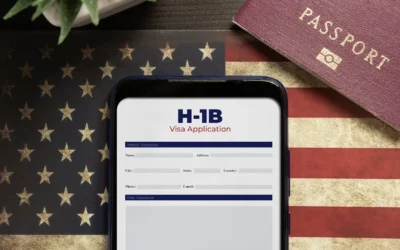
Trump’s New H-1B Visa Rule: What You Need to Know
President Donald Trump just rolled out a major shake-up to the H-1B visa program. On September 19, 2025, he signed a proclamation called “Restriction on Entry of Certain Nonimmigrant Workers.” Here’s the big headline: anyone applying for a new H-1B visa after September 21, 2025, will have to pay a $100,000 fee before stepping foot in the United States. That’s not a typo. One hundred thousand dollars. Who Has to Pay, and Who Doesn’t The fee applies only to new petitions filed after the deadline. If you’re an H-1B worker who already has a visa, you’re safe. Renewals also don’t trigger the new charge. In other words, the people who need to worry are the ones filing fresh petitions to come to the U.S. under the H-1B specialty-occupation visa. Everyone else—current holders and those who already filed before September 21—gets a pass. (MORE NEWS: London: 100K Rally-Goers Unite Against Mass Immigration) How Long Will This Last? Right now, the proclamation is set to run for 12 months, ending on September 20, 2026. But like most things in Washington, that could change. Extensions are on the table, depending on how agencies like USCIS, the Department of State, and Homeland Security review the results. Why the Big Change? The White House says the move is about protecting American workers. Officials argue the H-1B system has been misused—bringing in people for lower-wage jobs instead of filling truly specialized roles. By tacking on a $100,000 fee, the administration hopes to discourage companies from using the program unless they’re hiring for top-tier positions. Alongside the fee, the Department of Labor is expected to raise wage requirements, while Homeland Security plans to favor higher-paid, higher-skilled applicants in the H-1B lottery. The idea is simple: if you’re going to bring in foreign workers, they should be the best of the best. (MORE NEWS: Al-Qaida Threat Prompts Federal Warning to Law Enforcement) The days of employers abusing H-1B Visas are over. Introducing PROJECT FIREWALL—our plan to ensure high-skilled jobs go to AMERICANS FIRST 🇺🇸 pic.twitter.com/XPwBJSZfto — U.S. Department of Labor (@USDOL) September 19, 2025 What This Means for Employers and Workers This shift points to more opportunities and better pay for American workers. For employers, though, the cost is steep. Hiring an H-1B worker was already expensive, and adding an extra $100,000 means companies will think twice about bringing in cheaper foreign labor. The days of tech companies laying off American workers while turning around to hire foreign replacements are coming to an end. For applicants abroad, the road ahead is tougher. They’ll need to find employers not only willing but financially able to shoulder the added cost, which could make sponsorship far less common. Congressman Brandon Gill quotes an example of H-1B Visa abuse from the proclamation in his recent X post: America is a nation, not a jobs program for foreign workers. Our H-1B visa program has been abused for far too long. pic.twitter.com/OXi4duqvcQ — Congressman Brandon Gill (@RepBrandonGill) September 20, 2025 Will There Be Exceptions? Here’s where things get a little less clear. The proclamation leaves room for “national interest” exceptions. Early signs suggest doctors and other critical workers may end up on that list. As this gets hammered out, there’s hope the administration will carve out exceptions for people whose skills the U.S. can’t afford to lose. We’ll just have to wait and see how broad—or narrow—those exceptions end up being. What You Should Do if You’re Affected Check your filing date. If your petition was filed before September 21, the new rule doesn’t touch you. Plan for the cost. If you’re filing now, factor in the fee. It’s not optional. Watch for updates. Agencies will issue more guidance in the coming weeks. Get advice. Immigration lawyers and experts can help you figure out whether you qualify for an exemption. The Bigger Picture This move is about more than paperwork. It’s part of a larger push to reshape how America handles skilled immigration. For years, the U.S. has been a magnet for global talent. Now the message is clear: if you want to come, it’s going to cost a lot more—and the bar for entry will be higher. It is long overdue and will help open doors for American graduates who’ve struggled to compete with H-1B applicants. Final Thoughts Love it or hate it, the $100,000 fee changes the game. Companies must weigh the costs against their need for specialized skills. Workers will need to plan carefully and keep an eye on how the rules evolve. One thing is certain: America’s approach to skilled immigration is shifting fast. And with exceptions still being debated—possibly for doctors and other critical workers—the final shape of this policy is far from set in stone. For now, both employers and workers should prepare. Because in this new landscape, hiring global talent just got a lot more complicated.