

Address
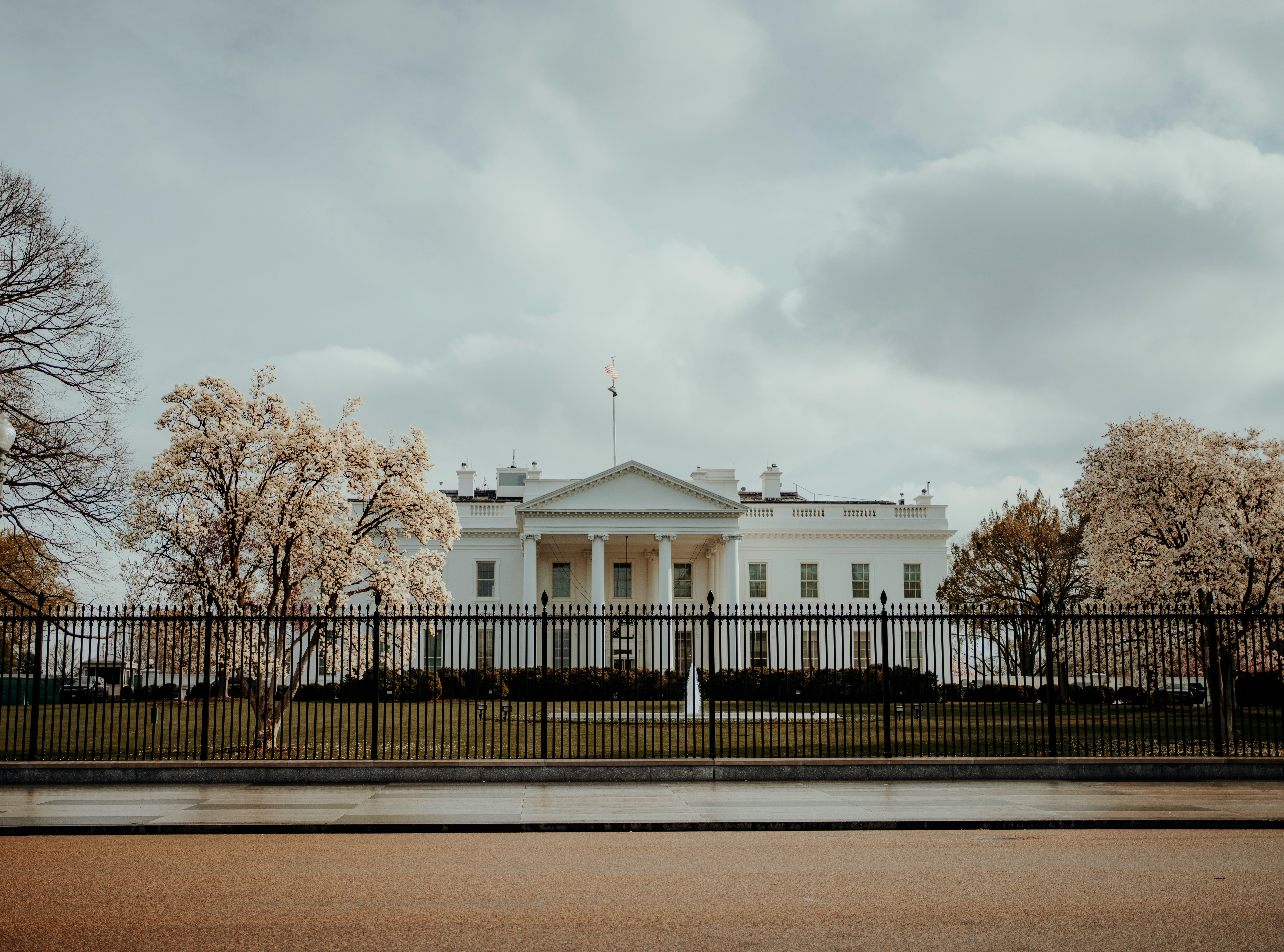
A Tale of Two Georges: King Charles III Urges Unity in Historic Address to Congress Following Oval Office Meeting
In a moment steeped in both royal pageantry and high-stakes diplomacy, King Charles III made history on Tuesday, April 28, 2026, becoming the first British monarch in 35 years to address a joint meeting of the U.S. Congress. The visit, marking the 250th anniversary of American independence, served as a powerful—if subtle—diplomatic charm offensive amid growing transatlantic tensions over the conflict in Iran and trade policy. At The Modern Memo, we analyze the King’s “unshakeable” message to a divided Washington, the freewheeling Oval Office meeting with President Trump, and why this state visit is being framed as a vital repair mission for the “Special Relationship.” The Oval Office: Handshakes and “Fantastic” Reviews The day began at the White House, where President Trump and First Lady Melania Trump welcomed the King and Queen Camilla with a military parade and jet flyover on the South Lawn. The Meeting: Following the ceremony, the King and the President held a private meeting in the Oval Office. Trump, who has frequently touted his admiration for the British monarchy, described the session as “really good,” calling the King a “fantastic person.” Bridging the Rift: Behind the scenes, the meeting was tasked with smoothing over public disagreements between Trump and British Prime Minister Keir Starmer. While Trump has criticized London’s refusal to join the U.S. blockade on Iran, the King’s presence acted as a stabilizing force, shifting the focus from policy disputes to historic kinship. The Historic Address: “A Tale of Two Georges” Standing before a packed House chamber, King Charles delivered a nearly 30-minute speech that balanced wit with solemnity. He notably referenced his ancestor, King George III, and America’s first president, George Washington. The Reconciliation: “King George never set foot in America and, please rest assured, I am not here as part of some cunning rearguard action!” the King joked, drawing laughter from both sides of the aisle. Standing Against Violence: In a poignant moment that earned a standing ovation, the King addressed the shooting at the White House Correspondents’ Dinner just days prior. “Such acts of violence will never succeed,” he declared. “Whatever our differences… we stand united in our commitment to uphold democracy.” Global Priorities: The King urged “unyielding resolve” in the defense of Ukraine and emphasized the “collapse of critical natural systems,” a subtle nod to his lifelong advocacy for environmental preservation as a matter of national security. The “indispensable” Alliance The King’s address was not just about the past; it was a firm call for a shared future in an increasingly volatile world. NATO and Security: Addressing the Republican-controlled Congress, Charles highlighted the “indispensable partnership” of NATO, describing the commitment of the U.S. Armed Forces as the “heart” of Western defense. Economic Foundations: At a time when the administration has threatened new tariffs, the King reminded lawmakers that the U.S.-U.K. commercial ties are the “strong foundations on which to continue to build for generations yet unborn.” Final Word The state visit of King Charles III is a masterclass in “soft power” during a “hard power” era. When you look past the noise of the “Iran rift” and focus on the data—the bipartisan standing ovations and the reaffirmation of the NATO alliance—you gain a clearer picture of a relationship that remains too big to fail. Quality information replaces the headlines of “transatlantic tension” with the reality of an alliance that has survived 250 years of revolution, world wars, and political shifts. It allows you to see that while presidents and prime ministers may disagree, the “Special Relationship” is anchored in something deeper than a single policy. By choosing to stand in the “citadel of democracy,” the King has ensured that even in a time of conflict, the bridge between London and Washington remains open. Where Facts, Context, and Perspective Matter At The Modern Memo, our goal is simple: to provide clear, well-researched reporting in a media landscape that often feels overwhelming. We focus on substance over sensationalism, and context over commentary. If you value thoughtful analysis, transparent sourcing, and stories that go beyond the headline, we invite you to share our work. Informed conversations start with reliable information, and sharing helps ensure important stories reach a wider audience. Journalism works best when readers engage, question, and participate. By reading and sharing, you’re supporting a more informed public and a healthier media ecosystem. The Modern Memo may be compensated and/or receive an affiliate commission if you click or buy through our links. Featured pricing is subject to change. 📩 Love what you’re reading? Don’t miss a headline! Subscribe to The Modern Memo here!

Harvesting Freedom: Trump Pledges “Total Support” to American Farmers in White House Address
Standing before a backdrop of green John Deere tractors and a delegation of the nation’s top agricultural producers, President Trump delivered a sweeping address from the South Lawn of the White House today. The message was clear: in an era of global instability and rising input costs, the American farmer is not just a part of the economy—they are the “backbone of national security.” At The Modern Memo, we analyze the President’s new “Sovereignty First” agricultural subsidies, the aggressive rollbacks of EPA “overreach,” and why the administration is framing food independence as the ultimate deterrent against foreign adversaries. The “Golden Soil” Initiative: Slashing the Red Tape The centerpiece of the President’s remarks was the formal announcement of the Golden Soil Initiative, a comprehensive executive order designed to dismantle the regulatory hurdles that have squeezed family farms for decades. Ending the “WOTUS” Nightmare: Trump confirmed the final, permanent rescission of the “Waters of the United States” (WOTUS) rule, which he characterized as a “power grab” by Washington bureaucrats over every puddle and drainage ditch on private land. “From now on,” Trump told the cheering crowd, “you decide how to manage your land, not some consultant in a suit 1,000 miles away.” Fertilizer Independence: To combat the high costs driven by global supply chain disruptions, the President announced new incentives for domestic phosphate and nitrogen production. The goal is to decouple American yields from the volatility of foreign energy markets. Trade as a Tactical Weapon The President took a characteristically hard line on international trade, specifically addressing the ongoing “Phase 3” negotiations with China and the European Union’s restrictive agricultural barriers. Reciprocal Fairness: Trump warned that any nation placing “unfair” tariffs or unscientific “green” restrictions on American beef, corn, or soy would face immediate and equivalent “America-First” levies. Fueling the Future: The administration reaffirmed its commitment to E15 and higher ethanol blends, viewing the American corn grower as a vital partner in the “Liquid Gold” energy strategy that seeks to make the U.S. the world’s undisputed energy superpower. Food Security is National Security Against the backdrop of the ongoing conflict in the Middle East and the closure of key shipping lanes, the President framed the American farm as a strategic asset. The “Breadbasket” Defense: “A country that cannot feed itself is not a country,” Trump declared. He argued that the current global chaos proves why “globalist” supply chains are a liability. By prioritizing domestic production over cheap foreign imports, the administration aims to ensure that American grocery shelves remain full regardless of international turmoil. Support for the Next Generation: The President also touched on the “Death Tax,” promising to push for a permanent repeal to ensure that multi-generational family farms aren’t sold off to developers or foreign investment firms just to pay a tax bill. Final Word President Trump’s address to the nation’s farmers was more than a policy speech; it was a reassertion of the value of the producer over the paper-pusher. When you look past the noise of “environmental” critiques and focus on the data—the rising costs of fertilizer, the burden of federal regulations, and the critical need for food sovereignty—you gain a clearer picture of an administration that understands where real power comes from. Quality information replaces the rhetoric of “sustainability” with the clarity of “survivability.” It allows you to see these agricultural reforms not as a handout, but as the essential fortification of our nation’s foundational industry. By choosing to back the men and women who work the land, you align your perspective with the reality that American greatness begins in the soil. Where Facts, Context, and Perspective Matter At The Modern Memo, our goal is simple: to provide clear, well-researched reporting in a media landscape that often feels overwhelming. We focus on substance over sensationalism, and context over commentary. If you value thoughtful analysis, transparent sourcing, and stories that go beyond the headline, we invite you to share our work. Informed conversations start with reliable information, and sharing helps ensure important stories reach a wider audience. Journalism works best when readers engage, question, and participate. By reading and sharing, you’re supporting a more informed public and a healthier media ecosystem. The Modern Memo may be compensated and/or receive an affiliate commission if you click or buy through our links. Featured pricing is subject to change. 📩 Love what you’re reading? Don’t miss a headline! Subscribe to The Modern Memo here!