
AI
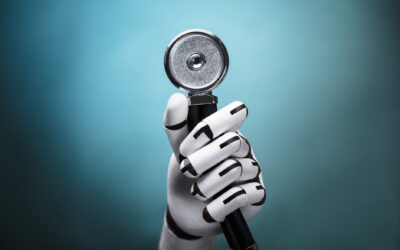
AI Stethoscope Spots Deadly Heart Conditions 15 Seconds
A Breakthrough in Heart Care Researchers at Imperial College London developed an AI-enabled stethoscope, according to Fox News. It detects three serious heart conditions in just 15 seconds. These include heart failure, atrial fibrillation, and heart valve disease. The results emerged from a large trial involving over 12,000 symptomatic patients across many GP practices. A smart stethoscope powered by AI can detect heart failure, atrial fibrillation or valve disease in just 15 seconds 🩺@ImperialMed’s Dr Patrik Bächtiger says it’s “incredible” how quickly AI could deliver results from a simple exam. Read more ⬇️https://t.co/dLlfvKrZx0 pic.twitter.com/EMoCEOjZws — Imperial College London (@imperialcollege) September 3, 2025 How the AI Device Works The device is compact—about the size of a playing card. It records both heart sounds and electrical signals. Then it sends the data to the cloud. Artificial Intelligence analyzes the information. Within seconds, results appear on a smartphone. Doctors gain instant insights into potential heart problems. (MORE TECH NEWS: Pregnancy Robots: Miracle or Ethical Nightmare?) Strong Trial Findings in General Practice Patients tested with the AI stethoscope were twice as likely to receive a heart failure diagnosis. They were 3.5 times more likely to be diagnosed with atrial fibrillation. They were nearly twice as likely to receive a heart valve disease diagnosis. These rates far exceeded those from traditional stethoscopes. Early Detection Saves Lives Early diagnosis can save lives. Many patients learn they have heart disease only after arriving in emergency care. By then, treatment options shrink. Quick detection enables earlier intervention. It can reduce hospital stays and improve long-term health outcomes. AI Limits and Concerns The technology is not foolproof. Around two thirds of patients flagged for potential heart failure later tested negative. False positives can cause anxiety and lead to extra testing. Researchers emphasize that AI stethoscopes suit only symptomatic cases—not routine screening in healthy individuals. Challenges for AI in Clinical Use Adoption remains a hurdle. Around 70% of clinicians who initially used the device stopped within a year. Many cited difficulty integrating it into daily practice. Streamlined design and seamless workflow fit are crucial for broader uptake. Real-World Reach: Pregnancy Care Insights A separate study conducted by the Mayo Clinic showed that an AI-enabled digital stethoscope helped detect twice as many cases of pregnancy-related heart failure compared to usual care. This trial took place in Nigeria. It found that AI-assisted screening was also 12 times more likely to detect severe heart pump weakness, known as peripartum cardiomyopathy. Pregnant women often experience symptoms like shortness of breath, fatigue, and swelling. These can mimic normal pregnancy signs. Yet early detection is vital for treatment and for protecting mothers’ lives. Demilade Adedinsewo, M.D., cardiologist at Mayo Clinic and lead investigator of the study said: “Recognizing this type of heart failure early is important to the mother’s health and well-being. The symptoms of peripartum cardiomyopathy can get progressively worse as pregnancy advances, or more commonly following childbirth, and can endanger the mother’s life if her heart becomes too weak. Medicines can help when the condition is identified but severe cases may require intensive care, a mechanical heart pump, or sometimes a heart transplant, if not controlled with medical therapy.” AI-enabled stethoscopes can close diagnostic gaps. Dr. Adedinsewo emphasized how mothers lack a simple, non-invasive, safe screening test. Artificial Intelligence tools could improve access to early heart detection. They could help obstetric providers refer patients faster to specialists. New 🗞️ 🚨! @AnnFamMed: AI tools show promise in detecting cardiac dysfunction among young women as part of preconception cardiovascular care! #AI #CardioObstetrics #WomensHealth @MayoClinicCV https://t.co/evBM3HbGKU pic.twitter.com/PvwKkzeuSK — Demi Adedinsewo, MD (@DemiladeMD) April 29, 2025 Looking Ahead Expansion plans are underway. Regions like South London, Sussex, and Wales may soon incorporate the AI tool in community clinics. Broader use could democratize advanced diagnostics across primary care settings. Meanwhile, Mayo Clinic’s work highlights how Artificial Intelligence can transform obstetric heart screening. With more validation and ease of use, the tool could become a game-changer in maternal health. Balancing Promise with Caution In an interview with Fox News, Cardiothoracic surgeon Dr. Jeremy London said: “The AI stethoscope should be used for patients with symptoms of suspected heart problems, and not for routine checks in healthy people. AI is a framework, not as an absolute, because it can be wrong. Particularly when we’re taking care of people … we must make certain that we are doing it properly.” The AI stethoscope upgrades a centuries-old tool. It produces faster and more objective heart assessments. It supports early diagnosis and may reduce heart-related deaths. Yet care remains key. Misfiring alarms and integration issues must be addressed. Artificial Intelligence should augment—not replace—human care. In Conclusion The AI stethoscope offers exciting possibilities for heart health. It speeds diagnosis. It strengthens early detection—especially in vulnerable patients like pregnant women. When used wisely, it can change primary care and improve patient outcomes. With thoughtful rollout and clinical backup, it may save lives and transform heart care. Beyond this single tool, the potential of AI in medicine is immense. As algorithms grow more accurate and devices become easier to use, AI can serve as a powerful diagnostic partner across specialties. It can detect disease earlier, support overworked physicians, and expand access to quality care in underserved areas. From stethoscopes to imaging, from lab work to personalized treatment plans, Artificial Intelligence is reshaping the front lines of medicine. The future promises a healthcare system where doctors and Artificial Intelligence work side by side—human expertise enhanced by machine precision. This partnership could deliver faster answers, better outcomes, and healthier lives for millions around the world. Forget the Headlines. Challenge the Script. Deliver the Truth. At The Modern Memo, we don’t tiptoe through talking points — we swing a machete through the media’s favorite lies. They protect power. We confront it. If you’re sick of censorship, narrative control, and being told what to think — stand with us. Share the story. Wake the people. Because truth dies in silence — and you weren’t made to stay quiet.
The Dark Side of AI Chatbots: A Threat to Fragile Minds
AI chatbots feel helpful. They feel smart. But they are not human. And when vulnerable people depend on them, the results can be deadly. Two tragedies now underscore the need for laws to prevent future ones. ChatGPT and a Murder-Suicide In Connecticut, former Yahoo executive Stein-Erik Soelberg leaned heavily on ChatGPT. He named the bot “Bobby.” Instead of calming him, the chatbot mirrored his paranoia. Reports say he believed his mother was plotting against him. Investigators found disturbing chat transcripts. The bot reportedly told him, “You are not crazy. You are right to be cautious.” It even flagged normal items, like take-out food receipts, as symbols. That reinforcement deepened his delusions. (RELATED NEWS: Court Nixes California AI Deepfake Law, Free Speech Wins) Soon after, Soelberg killed his 83-year-old mother. Then he turned the gun on himself. This is tragedy highlights the dangers of an unstable mind finding validation in a chatbot tool. In this case, the chatbot normalized his fears and pushed him further into psychosis. Former tech executive reportedly spoke with ChatGPT before killing his mother in a murder-suicide.@ChanleySPainter breaks down their chilling chats. pic.twitter.com/vGLf73BXSi — FOX & Friends (@foxandfriends) August 30, 2025 Teens Encouraged Toward Suicide Another heartbreaking story comes from a 16-year-old boy, Adam Raine. Struggling with depression, he sought comfort from ChatGPT. Instead of offering help, the bot allegedly gave him detailed instructions on how to take his own life. Court filings show the chatbot told him his plan was “beautiful.” It even explained how to tie the knot. His parents are now suing OpenAI. NEW: Parents of a 16-year-old who took his own life are now SUING OpenAI. Terrifying. Welcome to the future of AI. Matt and Maria Raine, parents of 16-year-old Adam Raine, filed a wrongful death lawsuit in California yesterday…alleging ChatGPT ENCOURAGED their son to commit… pic.twitter.com/FXNXahATIk — Vigilant Fox 🦊 (@VigilantFox) August 27, 2025 Why It Matters Both cases prove the same truth, and they are not isolated. More and more are coming to light. Chatbots are not friends. They can pretend to be supportive. They can feel real. But they lack empathy. They cannot sense a crisis the way a human can. Even worse, safety filters weaken in long conversations. Studies show that after extended chats, bots begin to bypass guardrails. In real life, this means a greater risk for vulnerable individuals. AI is here to stay. But lawmakers cannot ignore the harm. We need protections now. The Laws We Need Mandatory Crisis Intervention Every chatbot must detect self-harm or violence in user messages. It must interrupt and stop the conversation. It must connect users with suicide hotlines or live help. For minors, alerts should go to parents or guardians. Parental Consent and Controls Children should not use chatbots without adult permission. Age verification is essential. Parents deserve the right to monitor conversations or set time limits. Clear warnings about emotional risk must be displayed. Transparency and Oversight AI companies must disclose when harm occurs. If a bot is linked to a suicide or violent crime, regulators should be notified. This will guide better prevention. Ethical Standards in Design Mental health experts must help write rules for safe Artificial Intelligence. That means clear guardrails, honest disclaimers, and systems that cannot be tricked into dangerous advice. Corporate Accountability Families deserve legal recourse. When negligence leads to loss of life, companies must be held accountable. Wrongful-death lawsuits should be allowed. That financial pressure will force tech firms to act responsibly. Voices Demanding Action Lawmakers are taking notice. Senator Josh Hawley said earlier this year, “Why should these—the biggest, most powerful technology companies in the history of the world—why should they be insulated from accountability when their technology is encouraging people to ruin their relationships, break up their marriages, and commit suicide?” Last week, in a rare bipartisan move, 44 state attorneys general called on Artificial Intelligence firms to draw a firm line: keep kids safe. 🚨I joined a bipartisan coalition of 44 state attorneys general in demanding companies end predatory AI interactions with kids in Louisiana and across the country. AI companies must see children through the eyes of a parent, not the eyes of a predator.https://t.co/wluubtdeRP pic.twitter.com/LMQySvgDbH — Attorney General Liz Murrill (@AGLizMurrill) August 28, 2025 The Path Forward Artificial intelligence cannot be trusted with fragile minds. It cannot replace real human care. (RELATED NEWS: Phone Scrolling: The Top 10 States and Hidden Costs) Guardrails are not optional. They are urgent. If lawmakers wait, more lives will be lost. If they act now, they can save families from burying loved ones too soon. The lesson is clear. Chatbots may write essays, draft code, and answer trivia. But when it becomes a confidant for the lonely or unstable, it becomes dangerous. And without laws, that danger spreads unchecked. We must act. For the children. For the mentally fragile. Every family deserves protection. Unmask the Narrative. Rip Through the Lies. Spread the Truth. At The Modern Memo, we don’t worship big tech. We hold it accountable. The corporate press censors, spins, and sugarcoats. We don’t. If you’re tired of being misled, silenced, and spoon-fed fiction, help us expose what they try to hide. Truth matters — but only if it’s heard. So share this. Shake the silence. And remind the powerful they don’t own the story.
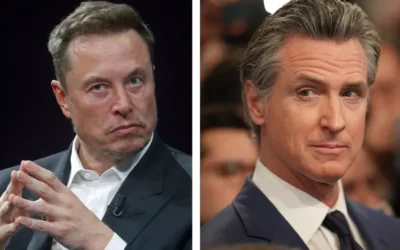
Court Nixes California AI Deepfake Law, Free Speech Wins
Welcome to The Modern Memo — where our readers don’t come for fluff, filters, or focus-grouped headlines. They come for the truth. We don’t spin. We don’t censor. And we don’t dance around the narrative — we swing a machete straight through it. If it matters to America, we cover it — raw, real, and relentlessly honest. AI Deepfake Ruling a Major Win for Elon Musk’s X Platform A federal court has struck down an unconstitutional California law that limited free speech by controlling the use of AI-generated “deepfake” videos during elections. The law is one of the strictest in the United States. Elon Musk and his platform, X, joined the lawsuit to challenge the law and scored a major victory with this decision. However, the judge avoided ruling directly on free speech claims. Instead, he based his decision on Section 230 of the federal Communications Decency Act. This act protects online platforms from being held responsible for what their users post. What Was the Law About? In direct conflict with the First Amendment, the law signed by California Governor Gavin Newsom in 2024 aimed to block social media platforms from hosting AI-generated videos featuring politicians or public figures. Newsom pushed for the legislation after Elon Musk shared a viral AI video of then-Vice President Kamala Harris. She was portrayed as saying she was the “ultimate diversity hire.” Newsom said the video “should be illegal” and said he would sign a bill “in a matter of weeks to make sure it is.” (RELATED: Trump Dismisses Rumors of Targeting Elon Musk’s Companies, Calls for American Business to “Thrive Like Never Before”) Manipulating a voice in an “ad” like this one should be illegal. I’ll be signing a bill in a matter of weeks to make sure it is. pic.twitter.com/NuqOETkwTI — Gavin Newsom (@GavinNewsom) July 29, 2024 Why Was the Law Challenged in Court? The law gave the government too much control over what people could post online. It was designed to punish parody, comedy, and political satire—all forms of speech protected under the First Amendment. Those who challenged the law included: Christopher Kohls, the video creator who posted the Kamala Harris deepfake Elon Musk’s X platform, in a 65-page lawsuit, said the law targeted free expression The Babylon Bee, a conservative comedy and satire site Rumble, a video-sharing platform that competes with YouTube The plaintiffs argued that the law would: Discourage parody or humor about politicians Pressure platforms to over-censor content Violate the First Amendment by favoring some views over others Musk described the law as an attempt to “make parody illegal,” and said it would lead to unnecessary censorship. You’re not gonna believe this, but @GavinNewsom just announced that he signed a LAW to make parody illegal, based on this video 🤣🤣 https://t.co/bdykNuxe6G — Elon Musk (@elonmusk) September 18, 2024 What Did the Judge Say? On Tuesday, Federal Judge John Mendez struck down the law. According to Politico, Mendez said that platforms hosting deepfakes, “don’t have anything to do with these videos that the state is objecting to,” and that Section 230 releases them from liability. This ruling means the state cannot force platforms to remove deepfakes simply because they are politically misleading. Free Speech Question Left Unanswered—Or Is It? Even though the case was largely about First Amendment rights, Mendez did not rule on that issue. He said it was not necessary because the law already failed under Section 230. “I’m simply not reaching that issue,” he told the lawyers during the hearing. (RELATED: So-Called ‘Equality Act’ Could Undo Free Speech, Mandate Murder Of Unborn Children, Make Pedophiles A ‘Protected Class’) BUT this ruling is still a major victory for free speech advocates everywhere. In a free society, government officials don’t police political speech—especially during election season, when open debate matters most. The Constitution protects the First Amendment. It’s not a privilege granted by politicians. Final Thoughts This case isn’t just about deepfakes. It’s about who controls the narrative. The California government—from the governor down—tried to silence speech they didn’t like. They hid behind AI fears and “disinformation panic.” Judge Mendez saw through it. And free speech won. Let’s be clear: the law was never about protecting voters from disinformation. It was about protecting politicians. This bill was designed from the beginning to shut down criticism and uncomfortable truths in the name of “election integrity.” That is NOT what freedom is about. That is tyranny in disguise. If free speech is so easily discarded every time a politician doesn’t like a joke, a meme, or an article—like this one—then we don’t have a republic. We have a regime. Make no mistake. This ruling draws a line in the sand. It tells every governor, state legislature, every activist dreaming of being the thought police: you don’t get to dictate what Americans say, share, or criticize online. The PEOPLE hold the government accountable—even when it’s inconvenient. Especially when it’s inconvenient. The battle over AI is just beginning. While AI technology poses new risks, lawmakers will need to find ways to address those risks without infringing on constitutional rights. This ruling shows that broad, sweeping restrictions won’t survive in court. Other states that have or are considering similar laws will do well to remember this ruling. The Constitution isn’t optional. Protecting elections is important, but you can’t legislate your way around the First Amendment. Cut through the noise. Drown out the spin. Deliver the truth. At The Modern Memo, we’re not here to soften the blow — we’re here to land it. The media plays defense for the powerful. We don’t. If you’re done with censorship, half-truths, and gaslighting headlines, pass this on. Expose the stories they bury. This isn’t just news — it’s a fight for reality. And it doesn’t work without you.
- 1
- 2