
Book Review
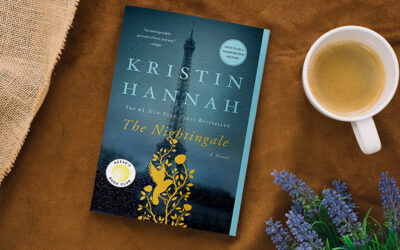
The Nightingale Review: Kristin Hannah’s WWII Classic
Read it or Leave it? Kristin Hannah’s The Nightingale isn’t just another World War II novel—it’s one of those books that sticks with you long after you close the cover. It takes you straight into Nazi-occupied France, but the real focus is on two sisters and the very different ways they handle the chaos around them. That’s what makes this book so powerful. And with a film adaptation directed by Michael Morris on the way, this story is about to reach even more people. Two Sisters, Two Kinds of Courage The heart of the book is Vianne and Isabelle. Vianne is the older sister, more cautious, and focused on protecting her daughter after her husband is sent off to fight. Then a German officer takes over her home, forcing her into decisions she never thought she’d face. Isabelle, on the other hand, is restless and fiery. She joins the Resistance, runs missions, and leads Allied airmen through the mountains. One fights by holding her family together, the other by risking her life on the front lines of defiance. Hannah shows us that bravery isn’t one-size-fits-all. Life Under Occupation Kristin Hannah has a gift for making history feel real. You don’t just read about shortages or military patrols—you feel the unease of walking through a market, the tension of wondering who you can trust, and the dread of a knock on the door. Through rich description, she shows how war transforms ordinary routines into acts of survival. These details pull the reader deeper into the story and keep the tension sharp on every page. (MORE NEWS: Wyoming Rancher Defies Age to Raise Giant U.S. Flag) Themes That Go Beyond War Yes, this is a World War II story, but the themes run far deeper. The Nightingale is about love in all its forms—love of family, love of country, and love that survives even in the darkest times. It’s also about sacrifice and the quiet strength it takes just to keep going. Hannah shines a light on the women’s side of war, which is often overlooked. Resistance took many forms—not just soldiers in combat, but women keeping families fed, sheltering the hunted, and holding life together in silence. A Book That Hits Hard Emotionally This novel doesn’t tiptoe around heartbreak. Kristin Hannah takes readers through loss, betrayal, and devastation, but she balances it with moments of tenderness and hope. You see characters rise above their pain, even when the cost is enormous. By the time the story wraps up, the weight of it all lingers—you don’t just set the book down and move on. Why the Storytelling Works Part of what makes The Nightingale so compelling is the way Hannah structures it. She switches between the sisters’ perspectives, keeping the pace tight and the stakes high. The rhythm shifts between moments of danger and quiet reflection, so you never feel bogged down. She also uses a framing device that doesn’t reveal its full impact until the end, which makes the story hit even harder when it all comes together. Headed for the Big Screen Hannah’s novel is already beloved, but now it’s getting the Hollywood treatment. Michael Morris is directing the film, and anticipation is high. Fans are eager to see how the movie captures the heartbreak, suspense, and resilience that make the book unforgettable. The adaptation itself is proof of the story’s staying power. Why Readers Keep Coming Back So many World War II novels fade into the background, but The Nightingale keeps standing out. That’s because it’s not only about war—it’s about people. It reminds us that history isn’t only made by leaders and armies. It’s also shaped by ordinary citizens—sisters in small towns, mothers trying to keep their children safe, and neighbors who choose to resist in quiet but powerful ways. That universality is what makes the book timeless. (MORE NEWS: LSU Tiger Marching Band Embraces 66-Year-Old Newcomer) Final Thoughts Kristin Hannah delivers a novel that is both heartbreaking and full of hope. The Nightingale celebrates love, family, sacrifice, and the quiet forms of bravery that often go unnoticed. It’s no wonder readers have embraced it so passionately—and with a film on the horizon, its reach will only grow. If you want historical fiction that feels alive, emotionally gripping, and impossible to forget, this is the book to read. Beyond the Hype. Into the Truth. At The Modern Memo, we don’t chase trends—we cut through them. The glossy marketing won’t tell you if a book is worth your time, but we will. Tired of sugar-coated reviews and fake five-star ratings? We rip the cover off and get real about what’s inside. Honest reviews. No spin. No apologies. Because readers deserve more than hype. They deserve the truth.
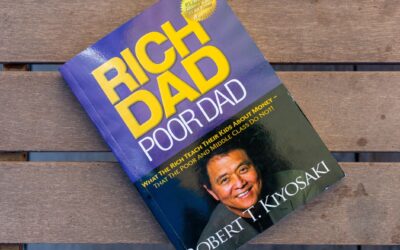
“Rich Dad, Poor Dad” by Robert Kiyosaki: A Book Review
Read It or Leave It Robert Kiyosaki’s Rich Dad, Poor Dad remains one of the most influential personal finance books ever written. It challenges the way we think about money, work, and financial freedom. Kiyosaki tells the story of growing up with two father figures—his biological “poor dad” and his best friend’s “rich dad.” Each taught him a completely different philosophy about money and success. Two Philosophies of Money The “poor dad,” Kiyosaki’s biological father, represents the traditional mindset of the poor and middle class. He believed in hard work, job security, and higher education as the only path to success. Though had a Ph.D. in education, yet he lived with fear of losing his job and focused on what he couldn’t afford. He avoided risk and trusted the idea that a good job with benefits was the ultimate safety net. The “rich dad,” however, thought differently. He only had an eighth-grade education, but became one of Hawaii’s wealthiest businessmen. He didn’t ask if something could be done—he asked how it could be done. Instead of seeing limits, he searched for financial solutions and opportunities. He believed in taking risks, building businesses, and acquiring income-generating assets. Key Lessons from Rich Dad, Poor Dad Kiyosaki and his friend learned firsthand from “rich dad.” He taught them the value of money by putting them to work, not by handing out cash. His focus was on financial literacy, passive income, and making money work for you instead of trading time for a paycheck. (RELATED NEWS: Back-to-School 2025: How Parents Are Spending) One quote that stood out to me as helpful insight was: “Keep your daytime job but start buying real assets. Not liabilities or personal effects that have no real value once you get them home. Keep expenses low, reduce liabilities, and diligently build a base of solid assets.” This lesson lays the foundation of the book: it’s not about how much you earn, but about how much you keep and grow. Kiyosaki drives this home with another insight: “There is a difference between being poor and being broke. Being broke is temporary. Poor is eternal.” That simple distinction shifts the mindset. Financial struggle is not inevitable; it’s tied to habits and decisions. The Power of Assets vs. Liabilities One of the most powerful takeaways from the book is understanding assets and liabilities. Kiyosaki explains: “An asset puts money in your pocket. A liability takes money out of your pocket.” This concept sounds simple, but it’s a game-changer. Many people think they own assets when they’re really buying liabilities—cars, gadgets, or even a house that drains cash without creating income. Another helpful quote is: “A person can be highly educated, professionally successful, but financially illiterate.” Financial literacy, Kiyosaki argues, matters more than academic degrees when it comes to building lasting wealth. (RELATED NEWS: Catherine Zeta-Jones and the U.S. Homeownership Divide) Quotes That Inspire Action Throughout the book, Kiyosaki drops memorable one-liners that shift the way you think about money. These are some of the quotes that stood out: “So many people say, ‘Oh, I’m not interested in money.’ Yet they’ll work at a job for eight hours a day.” “Once you understand the difference between assets and liabilities, concentrate your efforts on buying income-generating assets.” “Wealth is a person’s ability to survive so many days forward – or, if I stopped working today, how long could I survive?” “Financial struggle is often directly the result of people working all their lives for someone else.” “Often in the real world, it’s not the smart who get ahead, but the bold.” “Simple math and common sense are all you need to do well financially.” “Most people never win because they’re afraid of losing, or failing.” Each of these insights pushes readers to take control, think differently, and act boldly when it comes to money. Why This Book Still Matters 28 Years Later This is a book every young adult should read. Schools rarely teach financial literacy at the high school or college level. Rich Dad, Poor Dad fills that gap by teaching practical principles: Build multiple streams of income. Reduce liabilities and grow assets. Learn to invest in real estate, stocks, and businesses. Don’t just work for money—make money work for you. As Kiyosaki points out, acquiring more money won’t help if you don’t know how to manage it. Money management, not just income, creates financial security. Final Thoughts Rich Dad, Poor Dad is more than a personal finance book—it’s a mindset shift. It helps the reader to stop thinking like a “poor dad” and start thinking like someone who has a strong financial future. It’s a challenge to step out of a comfort zone, to take healthy risks, and to reframe how money is viewed. If you want to achieve financial freedom, change your mindset, and start building wealth, this book is a must-read. Keep it in your personal library and revisit it often. It’s an excellent guide for anyone ready to stop living paycheck-to-paycheck and start building a life of financial independence. Definitely READ IT! Beyond the Hype. Into the Truth. At The Modern Memo, we don’t chase trends—we cut through them. The glossy marketing won’t tell you if a book is worth your time, but we will. Tired of sugar-coated reviews and fake five-star ratings? We rip the cover off and get real about what’s inside. Honest reviews. No spin. No apologies. Because readers deserve more than hype. They deserve the truth.