
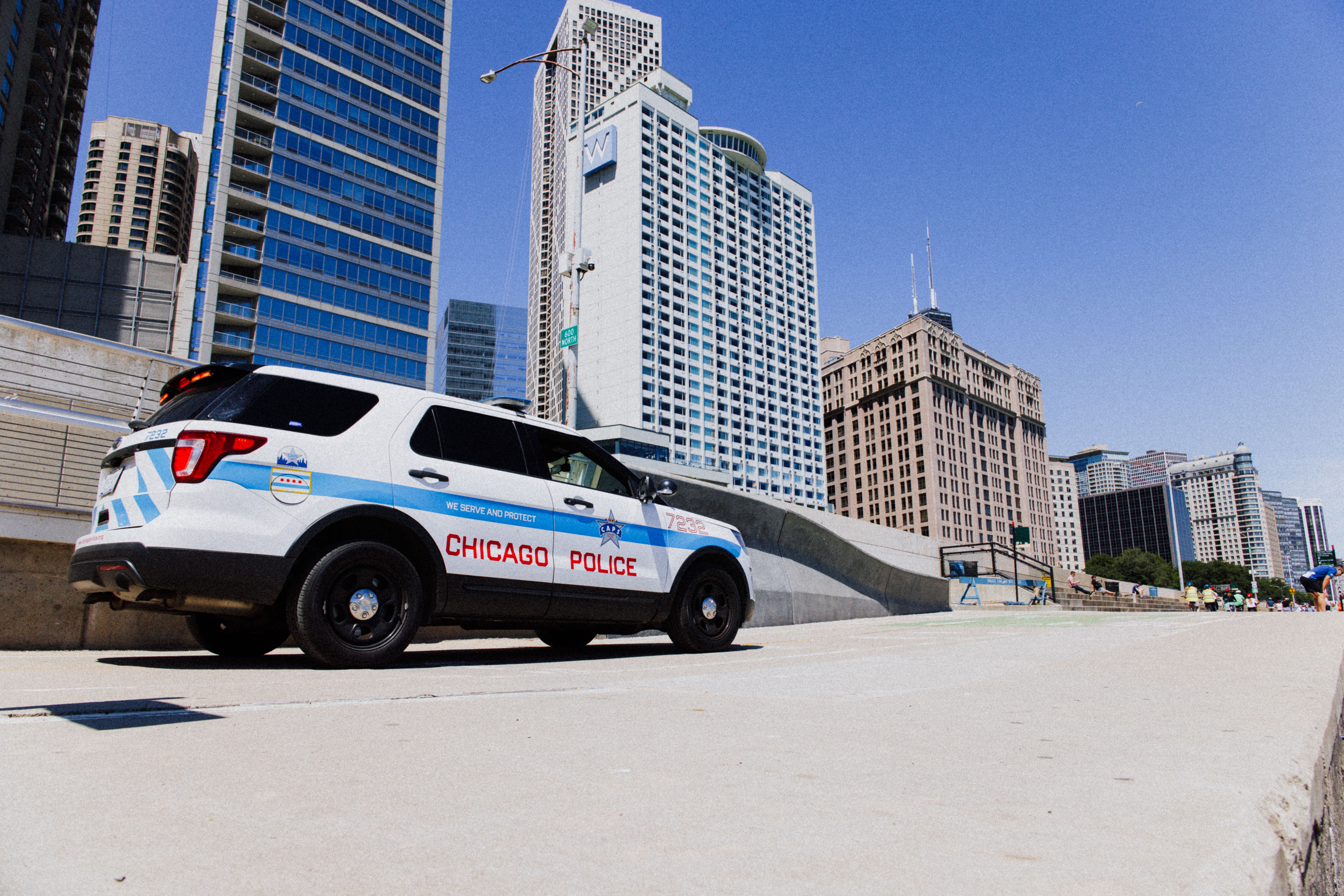
A bloody and chaotic extended holiday weekend in Chicago has plunged the nation’s third-largest city back into a bitter national debate over violent crime and federal military intervention. A heavy spate of shootings across the city over the Juneteenth holiday left at least 7 people dead and 38 others injured, triggering immediate, aggressive condemnation from Washington.
Taking to Truth Social on Sunday morning, President Donald Trump lambasted Illinois Democratic Governor J.B. Pritzker for administrative inaction and repeatedly refusing federal assistance. Trump claimed that if given authorization to deploy structural military backing, his administration could permanently stabilize the city in a matter of weeks.
At The Modern Memo, we break down the raw crime data from the holiday weekend, the mechanics of a horrific South Side mass shooting, and the intensifying constitutional standoff over urban National Guard deployments.
The Holiday Toll: Drive-By Massacres and Rapid Violence
The surge of violence completely overshadowed what local leaders intended to be a weekend of peaceful community celebration, including the high-profile opening of the Barack Obama Presidential Center on the South Side.
-
The Princeton Park Drive-By: The most severe single incident materialized late Friday night near 95th Street and Wentworth Avenue. According to the Chicago Police Department (CPD), an SUV pulled up to a crowd gathered for a Juneteenth celebration and opened fire, unleashing a hail of bullets that left more than 100 shell casings on the pavement. The mass shooting wounded 12 people, ranging in age from 17 to 47.
-
The Body Count: Preliminary metrics shared by CPD investigators confirmed at least two dozen separate shooting incidents across the extended weekend window. Among those killed by gunfire were a 50-year-old man shot in the chest on Friday, an 18-year-old shot in the armpit on Saturday evening, and a 21-year-old fatally struck in the chest on Sunday.
-
The Mayoral Reaction: Chicago Mayor Brandon Johnson heavily condemned the bloodshed on social media, expressing deep frustration over the disruption of the holiday. “What should have been a night of celebration and community reflection for Juneteenth was shattered by a horrific act of violence,” Johnson stated.
The Truth Social Broadside: “In ONE MONTH”
The holiday statistics instantly caught the attention of the White House, prompting President Trump to revive his long-standing, aggressive push to override local municipal control with federal forces.
“Lots of killing going on in Chicago,” Trump wrote Sunday morning. “Why isn’t Governor Pritzker calling me for help. I could make Chicago a safe City in ONE MONTH, in ONE YEAR, it would be one of the safest!!!”
-
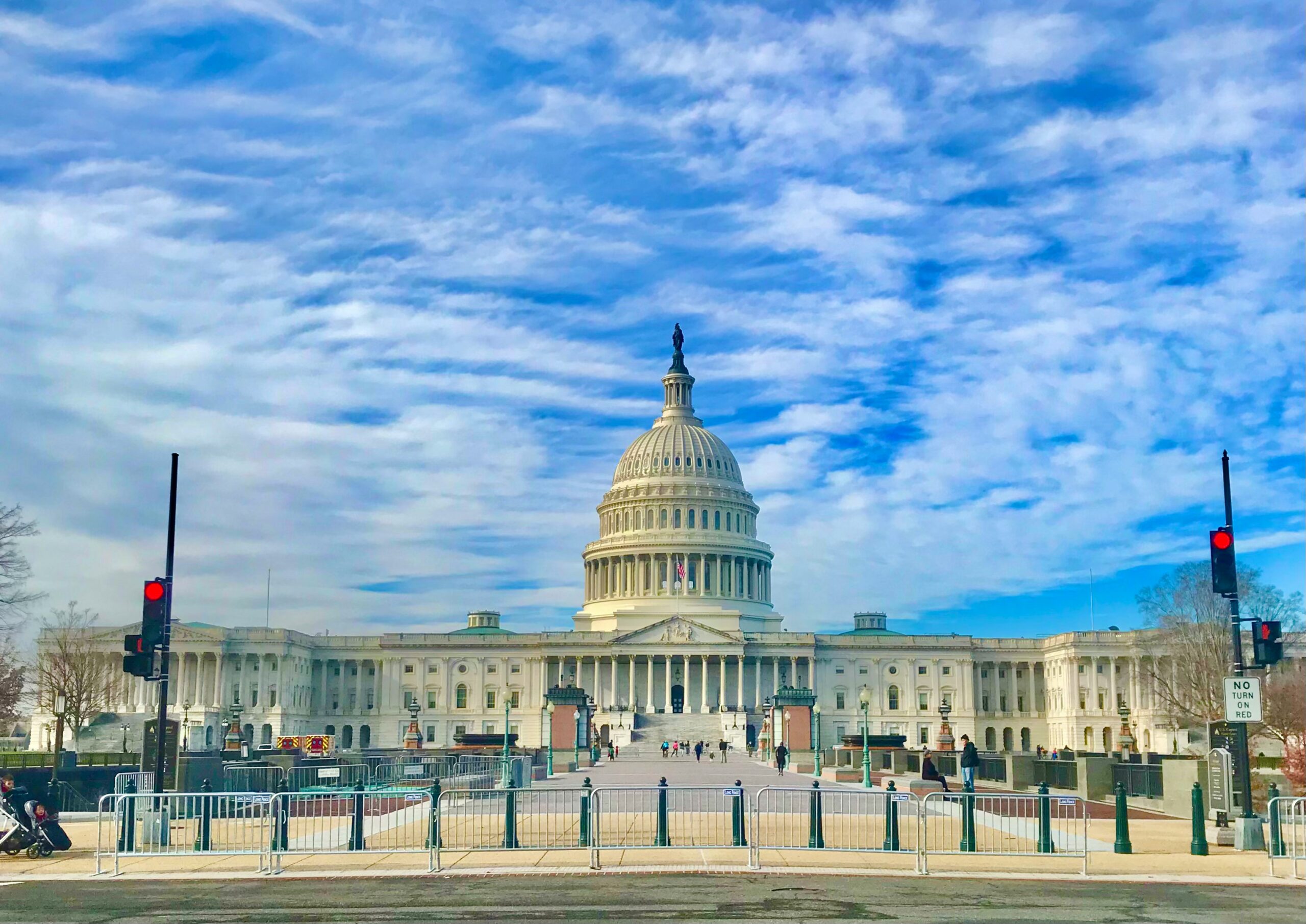
The Enforcement Precedents: The administration’s rhetoric is backed by a series of ongoing deployments. Under Trump’s current term, National Guard troops have already been aggressively sent on specific crime-fighting and perimeter-control missions inside several Democrat-led metropolitan hubs, including New Orleans, Memphis, and Washington, D.C.
-
The Legal Standoff: The White House has consistently targeted Illinois executive leadership for failing to sign off on similar measures. Governor Pritzker—a prominent national Democrat and a frequently discussed contender for the 2028 presidential cycle—has repeatedly and fiercely rebuffed the administration’s pressure, labeling previous deployment attempts as an unconstitutional overreach of federal executive power.
The Data Divide: Rising Friction vs. Falling Long-Term Trends
The political battle over Chicago’s law-and-order landscape highlights a profound statistical divide between recent short-term holiday spikes and the city’s broader, long-term crime trajectories.
While Trump’s Truth Social post pointed to a city in total collapse, independent think tanks and criminal justice analysts suggest the reality is more nuanced. While current CPD data indicates a slight, single-digit increase in shooting incidents compared to the exact same tracking period last year, Chicago’s overall violent crime rates have actually experienced a downward trajectory over the past three years—paralleling a broader, post-pandemic stabilization seen nationwide.
However, for local violence prevention groups like the Peacekeepers and Violence Interrupters, the nuances of long-term percentages mean little when communities are actively ducking drive-by gunfire. Local aldermen and community leaders note that the continuous, high-volume shell casing counts left behind on holiday weekends demonstrate that access to illegal, modified firearms remains an unsolved emergency that local authorities are struggling to contain on their own.
Final Word
The deadly Juneteenth weekend in Chicago is the definitive proof that local progressive administrative strategies remain highly vulnerable to acute, devastating bursts of urban violence. When you look past the standard political spin and focus entirely on the hard data—7 people dead and 38 wounded over a single holiday weekend, 100 shell casings recovered from a single South Side street corner, and a president offering a one-month military stabilization blueprint—you gain an unvarnished view of a profound leadership failure.
Quality information replaces the hollow platitudes of “community healing” with the cold reality of a paralyzed executive branch. By repeatedly rejecting federal National Guard support while families bleed out in Princeton Park, Governor Pritzker and local officials are forcing everyday citizens to pay the ultimate price for an ongoing partisan pride war.
