
Chicago

“Why Do Convicts Matter More Than My Daughter?” Slain Loyola Student’s Parents Torpedo Democrats’ Sanctuary Policies on Capitol Hill
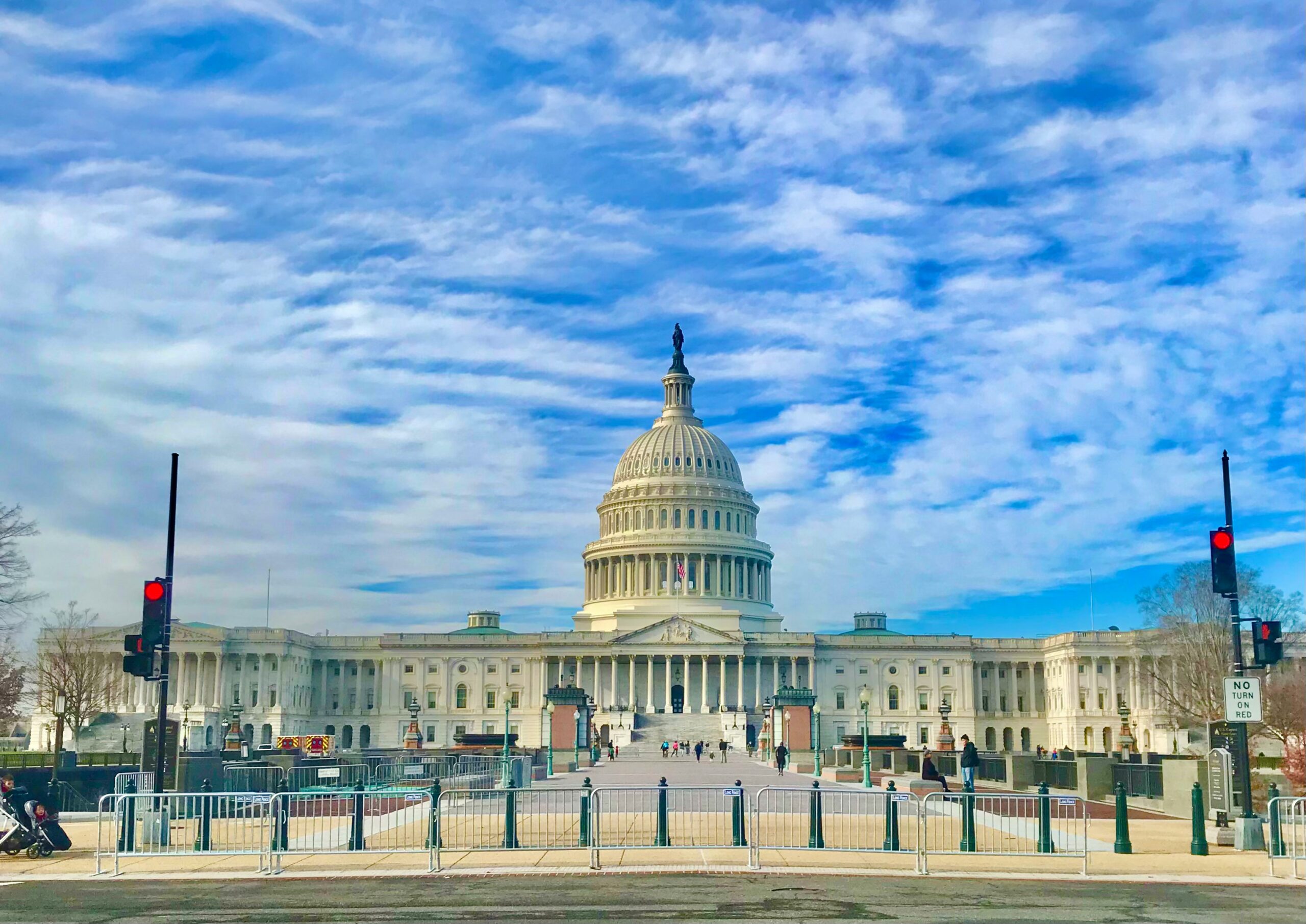
A devastating, emotionally raw congressional hearing has laid bare the human cost of the nation’s ongoing border security crisis. Jessica and Thomas Gorman, the grieving parents of 18-year-old Loyola University freshman Sheridan Gorman, appeared before a House Judiciary subcommittee on Tuesday to deliver a furious indictment of the municipal sanctuary city policies they blame for their daughter’s “preventable murder.” Sheridan, an vibrant first-year student from Yorktown, New York, was shot and killed in the back on March 19, 2026, while walking with friends along a beach pier in Chicago’s Rogers Park neighborhood. Her accused killer, Jose Medina, is a Venezuelan migrant who illegally crossed the southern border in 2023. Despite a subsequent arrest for theft, local sanctuary policies prevented immigration authorities from detaining him, keeping him on the streets until the fatal encounter. The Gormans’ testimony transformed into an explosive political showdown as Jessica Gorman fiercely torched Democratic lawmakers for displaying what she described as total indifference and “disrespectful” deflections toward the safety of American children. At The Modern Memo, we break down the operational failures that allowed an illegal immigrant to evade deportation, the emotional highlights of the Gormans’ Capitol Hill testimony, and the escalating legislative fight to impose strict legal liabilities on sanctuary cities. The Prevention Failure: How Sanctuary Memos Shielded a Killer The core of the Gormans’ congressional grievances rests on a clear sequence of law enforcement gaps that critics argue represent the structural failure of Chicago’s current municipal sanctuary protocols. The Border Entry: According to Cook County prosecutorial data, Jose Medina entered the United States illegally through Texas in 2023, immediately surrendering to Border Patrol. He was processed and subsequently released into the interior of the country under a heavily utilized humanitarian parole pipeline. The Shoplifting Safe Haven: Months before the murder, Medina was arrested by local law enforcement in the Chicago metropolitan area for retail theft and shoplifting. Under standard federal immigration enforcement guidelines, Immigration and Customs Enforcement (ICE) routinely issues detainer requests to local jails, asking them to hold deportable non-citizens until federal agents can assume custody. The Sanctuary Wall: However, because Chicago and Cook County strictly enforce local sanctuary ordinances, municipal authorities are legally prohibited from honoring ICE detainers for non-violent misdemeanors. Medina was promptly released back into the public without federal notification—a bureaucratic disconnect that left him free to acquire an illegal .40-caliber handgun. The Testimony: “Look Me in the Eye and Explain” Appearing before the House subcommittee hearing titled “Sanctuary Policies: Victims’ Perspectives,” Jessica Gorman delivered a tearful, blistering address that silenced the chamber and put minority lawmakers on the defensive. The Buddy Bench Memory: Gorman began by painting a picture of her daughter’s gentle nature, describing her as the little girl who would deliberately sit on her grade school’s “buddy bench” to ensure no lonely child was left without a friend. The Ultimate Question: Gripping the microphone, Gorman directly challenged the Democratic members of the committee. “I challenge you all to sit down with me, take my hand, look me in the eye, and then explain to me because I just don’t understand,” Gorman pleaded. “Explain why people here illegally matter more than your American citizens. Explain why sanctuary policies matter more than my Sheridan’s life.” Torching the Indifference: The hearing took a remarkably tense turn when a Democratic lawmaker sought to contextualize the crime within broader urban gun violence statistics rather than immigration policy. Gorman reacted with unyielding fury, accusing the opposition of dismissing her daughter’s specific cause of death to protect an abstract political position. In an emotional, sarcastic rebuke that instantly went viral online, Gorman remarked that she supposed she should be “thankful that my daughter was murdered, not raped,” signaling her complete disgust with politicians downplaying the illegal status of the shooter. The November Mandate: Lawler Pushes the Sanctuary Liability Act The Gormans’ public testimony has injected massive, late-summer momentum into a coordinated legislative counter-offensive led by House Republicans to dismantle urban sanctuary protections across the country. The Lawler Mandate: Following the hearing, Congressman Mike Lawler (R-NY), who represents the Gormans’ home district, issued a fierce public statement directly aligned with the grieving parents. “No mother should ever have to bury her daughter because politicians chose open borders and sanctuary policies over public safety,” Lawler stated. “To every Democrat who shrugged off this hearing and continues to support these dangerous policies: the blood of Sheridan Gorman is on your hands.” The Sanctuary Liability Act: Capitalizing on the public outrage, House populists are aggressively advancing the Sanctuary Liability Act. The proposed statute would strip cities like Chicago, New York, and San Francisco of their sovereign immunity, allowing the families of victims to directly sue municipal governments for financial damages if a crime is committed by an illegal alien who was shielded from an ICE detainer. The Call to the Ballot Box: As the hearing concluded, Thomas and Jessica Gorman issued a direct, non-partisan appeal to parents across the United States, urging them to remember their daughter’s face when entering the voting booth this November. The parents emphasized that voters face a definitive, structural choice: support leaders who will actively fortify the borders and cooperate with federal law enforcement, or continue electing officials who prioritize sanctuary maps over the lives of American children. Final Word The heartbreaking testimony of Thomas and Jessica Gorman is the definitive proof that sanctuary city ordinances are not compassionate, abstract social experiments—they are structural vulnerabilities that leave innocent citizens exposed to preventable violence. When you look past the cold, defensive statistics deployed by minority lawmakers and focus entirely on the hard data—an 18-year-old freshman shot in the back on a college beach, a repeat offender migrant shielded from an ICE detainer by Chicago city codes, and a grieving mother forcing Congress to look her in the eye—you gain an unvarnished view of a catastrophic governance failure. Quality information replaces the progressive narrative of “protecting vulnerable immigrant communities” with the reality of an administrative state protecting criminal aliens at the expense of its…
The One-Month Ultimatum: Chicago’s Deadly Juneteenth Weekend Sparks Fierce Federal-State Law Enforcement Clash
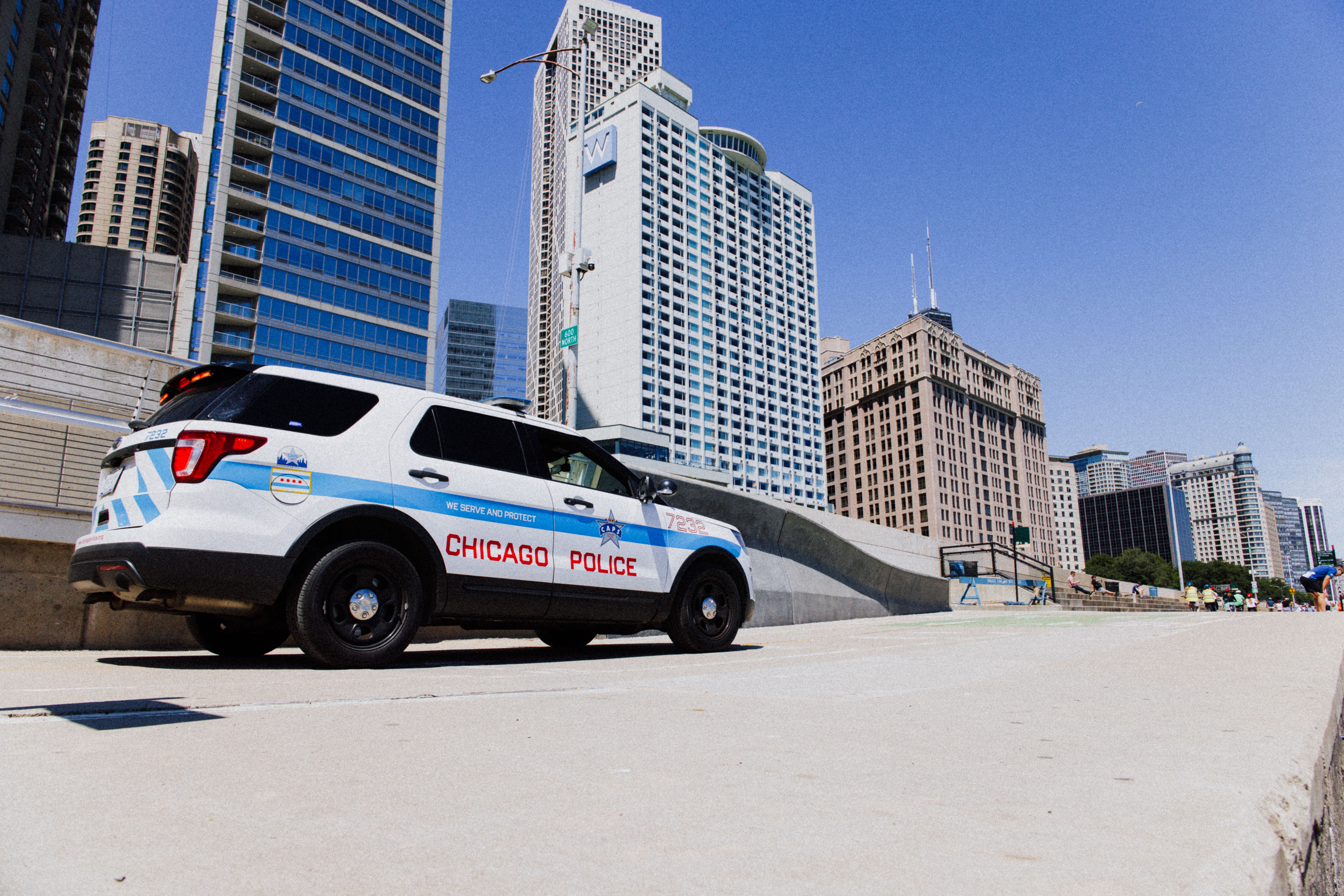
A bloody and chaotic extended holiday weekend in Chicago has plunged the nation’s third-largest city back into a bitter national debate over violent crime and federal military intervention. A heavy spate of shootings across the city over the Juneteenth holiday left at least 7 people dead and 38 others injured, triggering immediate, aggressive condemnation from Washington. Taking to Truth Social on Sunday morning, President Donald Trump lambasted Illinois Democratic Governor J.B. Pritzker for administrative inaction and repeatedly refusing federal assistance. Trump claimed that if given authorization to deploy structural military backing, his administration could permanently stabilize the city in a matter of weeks. At The Modern Memo, we break down the raw crime data from the holiday weekend, the mechanics of a horrific South Side mass shooting, and the intensifying constitutional standoff over urban National Guard deployments. The Holiday Toll: Drive-By Massacres and Rapid Violence The surge of violence completely overshadowed what local leaders intended to be a weekend of peaceful community celebration, including the high-profile opening of the Barack Obama Presidential Center on the South Side. The Princeton Park Drive-By: The most severe single incident materialized late Friday night near 95th Street and Wentworth Avenue. According to the Chicago Police Department (CPD), an SUV pulled up to a crowd gathered for a Juneteenth celebration and opened fire, unleashing a hail of bullets that left more than 100 shell casings on the pavement. The mass shooting wounded 12 people, ranging in age from 17 to 47. The Body Count: Preliminary metrics shared by CPD investigators confirmed at least two dozen separate shooting incidents across the extended weekend window. Among those killed by gunfire were a 50-year-old man shot in the chest on Friday, an 18-year-old shot in the armpit on Saturday evening, and a 21-year-old fatally struck in the chest on Sunday. The Mayoral Reaction: Chicago Mayor Brandon Johnson heavily condemned the bloodshed on social media, expressing deep frustration over the disruption of the holiday. “What should have been a night of celebration and community reflection for Juneteenth was shattered by a horrific act of violence,” Johnson stated. The Truth Social Broadside: “In ONE MONTH” The holiday statistics instantly caught the attention of the White House, prompting President Trump to revive his long-standing, aggressive push to override local municipal control with federal forces. “Lots of killing going on in Chicago,” Trump wrote Sunday morning. “Why isn’t Governor Pritzker calling me for help. I could make Chicago a safe City in ONE MONTH, in ONE YEAR, it would be one of the safest!!!” The Enforcement Precedents: The administration’s rhetoric is backed by a series of ongoing deployments. Under Trump’s current term, National Guard troops have already been aggressively sent on specific crime-fighting and perimeter-control missions inside several Democrat-led metropolitan hubs, including New Orleans, Memphis, and Washington, D.C. The Legal Standoff: The White House has consistently targeted Illinois executive leadership for failing to sign off on similar measures. Governor Pritzker—a prominent national Democrat and a frequently discussed contender for the 2028 presidential cycle—has repeatedly and fiercely rebuffed the administration’s pressure, labeling previous deployment attempts as an unconstitutional overreach of federal executive power. The Data Divide: Rising Friction vs. Falling Long-Term Trends The political battle over Chicago’s law-and-order landscape highlights a profound statistical divide between recent short-term holiday spikes and the city’s broader, long-term crime trajectories. While Trump’s Truth Social post pointed to a city in total collapse, independent think tanks and criminal justice analysts suggest the reality is more nuanced. While current CPD data indicates a slight, single-digit increase in shooting incidents compared to the exact same tracking period last year, Chicago’s overall violent crime rates have actually experienced a downward trajectory over the past three years—paralleling a broader, post-pandemic stabilization seen nationwide. However, for local violence prevention groups like the Peacekeepers and Violence Interrupters, the nuances of long-term percentages mean little when communities are actively ducking drive-by gunfire. Local aldermen and community leaders note that the continuous, high-volume shell casing counts left behind on holiday weekends demonstrate that access to illegal, modified firearms remains an unsolved emergency that local authorities are struggling to contain on their own. Final Word The deadly Juneteenth weekend in Chicago is the definitive proof that local progressive administrative strategies remain highly vulnerable to acute, devastating bursts of urban violence. When you look past the standard political spin and focus entirely on the hard data—7 people dead and 38 wounded over a single holiday weekend, 100 shell casings recovered from a single South Side street corner, and a president offering a one-month military stabilization blueprint—you gain an unvarnished view of a profound leadership failure. Quality information replaces the hollow platitudes of “community healing” with the cold reality of a paralyzed executive branch. By repeatedly rejecting federal National Guard support while families bleed out in Princeton Park, Governor Pritzker and local officials are forcing everyday citizens to pay the ultimate price for an ongoing partisan pride war.

Class Dismissed: CTU Demands “Protest Day” as Chicago Schools Grapple with Record Teacher Truancy
While Chicago’s students are frequently criticized for falling behind, the real attendance crisis at Chicago Public Schools (CPS) appears to be coming from the front of the classroom. Tensions reached a breaking point this week, April 24, 2026, as the Chicago Teachers Union (CTU) launched a aggressive campaign to cancel classes on May 1st, demanding that teachers be allowed to participate in “May Day” socialist and unionist protests. At The Modern Memo, we analyze the CTU’s “International Workers’ Day” ultimatum, the growing trend of teacher absenteeism, and why parents are increasingly fed up with a curriculum that prioritizes picketing over phonics. The May Day Ultimatum May 1st, traditionally known as International Workers’ Day, has long been a rallying point for global socialist and communist organizations. This year, the CTU is treating the date not as a school day, but as a mandatory “day of action.” The Demand: Union leadership has pushed back hard against CPS suggestions that the school day proceed as scheduled. The CTU argues that forcing teachers to be in the classroom on May 1st is an “affront” to labor rights. The “Protest” Priority: Critics point out that the union is effectively encouraging a mass walkout. “Our children are already struggling with massive learning loss,” one local parent group stated. “To prioritize a socialist holiday over a day of instruction is a betrayal of the city’s youth.” Global Alignment: The CTU’s insistence on joining May Day rallies aligns the union with radical international labor groups, further fueling concerns that the Chicago school system is being used as a training ground for political activism rather than academic excellence. A Systemic Truancy Crisis The May Day standoff is merely a symptom of a much larger problem plaguing the district: chronic teacher absenteeism. New data reveals that teacher “truancy” is reaching levels that threaten the basic functionality of the city’s schools. Empty Desks at the Front: On any given Friday, thousands of CPS classrooms are reportedly staffed by substitutes—or left without a dedicated instructor—due to teachers using “mental health days” or union-sanctioned “service days.” The Substitute Strain: The surge in teacher absences has forced the district to spend millions on emergency substitutes, a cost that is passed directly to the Chicago taxpayer while student proficiency scores continue to hover near historic lows. Accountability Vacuum: Unlike the students, who face truancy officers and grade penalties, the “truant” teachers are shielded by a CTU contract that makes disciplinary action for excessive absences nearly impossible. The “Workers’ Paradise” vs. The Parent’s Reality As the CTU prepares to march under the banners of May Day, the gap between union rhetoric and parental reality has never been wider. Taxpayer Funding, Union Agenda: Chicago taxpayers fund the salaries of these educators, yet the CTU increasingly behaves as a sovereign political entity rather than a public service provider. Learning Loss: Data shows that Chicago students are still reeling from the pandemic-era closures—closures that the CTU fought to extend. Every day lost to a “protest” further widens the achievement gap for the city’s most vulnerable children. Final Word The CTU’s obsession with May Day is a neon sign flashing the union’s true priorities. When you look past the noise of “labor solidarity” and focus on the data—the rising rates of teacher absenteeism and the declining proficiency of CPS students—you gain a clearer picture of a system where the “workers” have abandoned the work. Quality information replaces the union’s “social justice” narrative with the reality of a generation of children being left behind by adults who would rather be on the streets than in the schools. It allows you to see that May 1st isn’t about “worker rights”—it’s about which side of the classroom door the CTU values more. By choosing the protest over the pupil, the union is proving that in Chicago, the only thing “truant” is common sense. Where Facts, Context, and Perspective Matter At The Modern Memo, our goal is simple: to provide clear, well-researched reporting in a media landscape that often feels overwhelming. We focus on substance over sensationalism, and context over commentary. If you value thoughtful analysis, transparent sourcing, and stories that go beyond the headline, we invite you to share our work. Informed conversations start with reliable information, and sharing helps ensure important stories reach a wider audience. Journalism works best when readers engage, question, and participate. By reading and sharing, you’re supporting a more informed public and a healthier media ecosystem. The Modern Memo may be compensated and/or receive an affiliate commission if you click or buy through our links. Featured pricing is subject to change. 📩 Love what you’re reading? Don’t miss a headline! Subscribe to The Modern Memo here!