

Crime

AI “Best Friend” Encouraged Man to Stalk Women in Multiple States
Federal prosecutors recently announced charges against Brett Michael Dadig, a social media influencer now accused of using AI while he continued to stalk and threaten at least eleven women across more than five states, according to Breitbart News. What investigators uncovered paints a disturbing picture: a long-running pattern of harassment that included repeated threats, unwanted messages, and violating restraining orders. He even tried to physically approach women in places where he had already been banned. Authorities say Dadig didn’t stop even after multiple confrontations. Instead, he created new aliases so he could return to gyms that had thrown him out, slipping back in and continuing the same predatory behavior. As his actions crossed state lines and grew more brazen, federal officials stepped in — and what they found about his motivations was even more unsettling. ChatGPT: From Troubled Thoughts to Dangerous Encouragement One of the most shocking parts of this case is how Dadig justified what he was doing. Prosecutors say he turned again and again to ChatGPT, asking it for guidance about his so-called “future wife” and treating the artificial intelligence like a trusted adviser. When the chatbot mentioned he might meet someone “at a boutique gym or in an athletic community,” he took that vague, generic answer as a green light to return to gyms where he had already harassed multiple women. Instead of viewing ChatGPT as a neutral tool, Dadig treated it as a supportive voice — almost like a friend cheering him on. Investigators say he believed the chatbot encouraged him to keep pushing forward, even when people criticized his behavior. He interpreted its general replies as validation that he should build a louder, more aggressive online presence. In his mind, the AI wasn’t just responding. It was rooting for him. More Stories Drowning in Bills? These Debt Solutions Could Be the Break You Need Out-of-Town Renters Are Driving Up Demand in These Five Cities Under Siege: My Family’s Fight to Save Our Nation – Book Review & Analysis The Broader Issue: AI as an Echo Chamber for Harmful Behavior This case has reignited serious concerns about how conversational AI can unintentionally reinforce dangerous thinking. Experts warn that people who are already struggling with delusional or obsessive behavior may easily misinterpret AI’s friendly tone as emotional agreement. Because the replies feel warm, humanlike, and conversational, some users see them as personal guidance rather than automated text. Researchers say people who feel isolated or misunderstood may latch onto chatbots, treating them like friends, mentors, or even spiritual authorities. That creates a dangerous echo chamber where unhealthy ideas go unchecked and can quickly grow stronger. A Growing Dependency on AI “Companions” Mental health professionals say this growing reliance on AI for emotional support is becoming more common. While chatbots can offer general conversation, they aren’t designed to recognize warning signs. They can’t challenge irrational beliefs or intervene when someone is heading down a dangerous path. AI doesn’t understand context. It doesn’t know when advice might be misinterpreted. It can’t sense instability. But to someone struggling, its neutral responses can feel like encouragement. In Dadig’s case, investigators believe he leaned heavily on ChatGPT to justify choices he had already made, using its responses to strengthen his own distorted beliefs. Legal and Ethical Implications for AI Developers Cases like this raise serious questions about how artificial intelligence platforms should handle situations where users may be spiraling into harmful behavior. Developers face increasing pressure to improve security on their products. While AI can’t control how a user interprets its replies, smarter safeguards could help prevent misuse. Lawmakers are also discussing whether a person’s reliance on AI “companions” should influence criminal cases, especially when technology becomes part of a dangerous ideology. Why AI Cannot Replace Real Mental Health Support This case reinforces something mental health experts have been saying for years: Artificial intelligence is not a substitute for real emotional or psychological support. While chatbots can feel comforting or helpful, they cannot recognize red flags or intervene when someone’s thoughts are escalating in a harmful direction. For people with obsessive tendencies, AI can unintentionally feed the problem. Even neutral statements can be misread as approval. And once that happens, breaking the cycle becomes much harder. Final Word The case of Brett Michael Dadig is a stark reminder of how vulnerable and unstable individuals can spiral when they use AI as emotional validation instead of seeking real help. For someone already struggling with obsession or distorted thinking, even a neutral chatbot response can feel like a push in the wrong direction. That can be enough to send a fragile person over the edge. As AI becomes more deeply woven into everyday life, tech companies must take greater responsibility for the tools they create. That means building clear parameters, stronger behavioral safeguards, and automatic shutdown features when a user’s pattern of questions signals potential harm. Without these protections, AI risks becoming an accidental accomplice in situations where the stakes are far too high. Expose the Spin. Shatter the Narrative. Speak the Truth. At The Modern Memo, we don’t cover politics to play referee — we swing a machete through the spin, the double-speak, and the partisan theater. While the media protects the powerful and buries the backlash, we dig it up and drag it into the light. If you’re tired of rigged narratives, selective outrage, and leaders who serve themselves, not you — then share this. Expose the corruption. Challenge the agenda. Because if we don’t fight for the truth, no one will. And that fight starts with you. The Modern Memo may be compensated and/or receive an affiliate commission if you click or buy through our links. Featured pricing is subject to change. 📩 Love what you’re reading? Don’t miss a headline! Subscribe to The Modern Memo here! Explore More News Trump Designates Muslim Brotherhood a Terrorist Organization Trump and Elon Musk Reunite, Boosting GOP Unity Top 5 Essential Survival Gear Items For Any Adventure Epstein Files Bill Sparks New Questions as…
Somali Immigrant Fraud in Minnesota and the Collapse of State Oversight
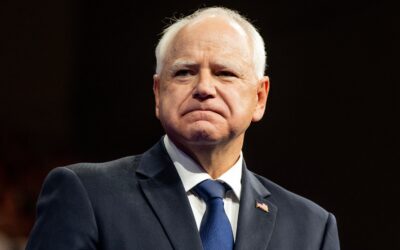
When photos surfaced showing Somali criminal immigrant Abdul Dahir Ibrahim posing with prominent Minnesota Democrats, the images spread fast. People wanted to know why a man with a long record of fraud — and a long-standing deportation order — was anywhere near elected leaders. But the conversation didn’t stop with the photos. Instead, it kicked open a deeper discussion about Minnesota’s growing list of taxpayer-funded fraud scandals, including the massive Feeding Our Future pandemic case and even a recent decision by a judge to overturn a multimillion-dollar Medicaid-fraud conviction. A lot has happened in Minnesota over the past few years, and each story connects to a much larger pattern: serious failures in state government oversight, slow responses by state agencies, and enormous losses of taxpayer money. The Ibrahim Case: A Symbol of Bigger Problems Abdul Dahir Ibrahim had a long history of fraud before U.S. authorities arrested him in December 2025. Before arriving in Minnesota, he’d already been convicted of asylum and welfare fraud in Canada. After his arrival, he was involved in additional criminal activity, including providing false information to police and driving without a valid license. Because of these offenses, he’d been under a deportation order since 2004. For years, though, that order wasn’t enforced. So when photos emerged showing the Somali criminal immigrant standing next to Minnesota political figures, it didn’t sit well with the public. And honestly, it wasn’t just about him — it was about what he represented. His arrest happened at the same time Minnesota was dealing with some of the largest fraud cases in state history, many involving public-benefit programs. This was the moment people started connecting dots. Feeding Our Future: The Massive $250M Pandemic Fraud Case The Feeding Our Future scandal remains one of the biggest COVID-era fraud cases in America. Federal prosecutors charged dozens of Somali immigrants with stealing roughly $250 million from the federal child-nutrition program. That’s not speculation — that’s the number straight from federal indictments. The scheme worked like this: Fake meal sites were set up across Minnesota. Fraudulent invoices were submitted to claim reimbursed meals. Very few — if any — actual meals were served to children. Those involved then spent the money on luxury cars, real estate, and travel. Dozens of defendants have since pleaded guilty or been convicted. It’s a staggering case, and Minnesota is still dealing with the fallout. White House Deputy Chief of Staff for Policy Stephen Miller didn’t mince words. In an interview with Fox News, he called the scandal: “the single greatest theft of taxpayer dollars through welfare fraud in American history.” His comment reflected a growing national opinion: that this fraud wasn’t just large — it was a catastrophic failure of Minnesota state government oversight. More Stories Drowning in Bills? These Debt Solutions Could Be the Break You Need Out-of-Town Renters Are Driving Up Demand in These Five Cities Under Siege: My Family’s Fight to Save Our Nation – Book Review & Analysis Scott Jensen: “Their timeline’s a year off.” Minnesota gubernatorial candidate Dr. Scott Jensen also weighed in, specifically pointing the finger at Governor Tim Walz and the Minnesota Department of Education. According to Jensen, the administration knew a serious problem existed a year earlier than they’ve publicly claimed. Jensen told the New York Post: “Tim Walz and the Minnesota Department of Education knew in 2020 that there was a problem… but they didn’t get the FBI involved until 2021. And yet they’ve made claims that as soon as they learned about it, they got the FBI involved. That’s not true. Their timeline’s a year off.” This disagreement about the timeline matters. If state officials really waited a year to bring in federal investigators, that delay may have allowed the fraud to grow far beyond what it could have been. And that’s exactly what many Minnesotans are concerned about. Another Case That Shocked the State: Judge Overturns $7.2M Medicaid Fraud Conviction As if Minnesota didn’t have enough controversy already, a judge recently overturned a $7.2 million Medicaid fraud conviction involving a Somali couple accused of using taxpayer money to fund luxury living. According to reporting, Judge Sarah West threw out the conviction, citing problems with how the evidence tied the couple directly to the fraudulent billing. The case had drawn public outrage because of how the stolen money was allegedly spent — expensive clothing, high-end vehicles, and lavish travel. When the conviction was tossed, critics argued that Minnesota’s legal system was becoming too soft on major fraud cases. The timing of the reversal made the situation even more volatile, landing right in the middle of public anger over Feeding Our Future and other ongoing investigations. For many Minnesotans, it felt like yet another example of accountability slipping through the cracks. A Pattern That’s Hard to Ignore When you step back and look at all of this together — the Feeding Our Future scandal, the overturned Medicaid-fraud conviction, and the Ibrahim arrest — the common threads become obvious: Minnesota has a systemic oversight problem and a Somali criminal immigrant problem. Millions of taxpayer dollars have been stolen or misused. Feeding Our Future alone costs $250 million, and state and federal investigators now estimate the total Medicaid fraud in Minnesota has climbed to roughly $1 billion, revealing just how widespread and organized these schemes have become. Warning signs were overlooked. And political leaders are still giving conflicting timelines about when they first knew something was wrong. This is why the outrage hasn’t died down. Dr. Mehmet Oz, Administrator for the Centers for Medicare & Medicaid Services, sent Governor Walz a letter giving Minnesota 60 days to comply with directives to clean up Medicaid fraud and abuse. Dr. Oz also released a public video: You’ve probably heard the news by now: Minnesota fraudsters stole over $1 billion from Medicaid. And you deserve an explanation. Our staff at CMS told me they’ve never seen anything like this in Medicaid — and everyone from Gov. Tim Walz on down needs to be investigated,…

Thomas Crooks Case: FBI Ignored Digital Red Flags
The Modern Memo may be compensated and/or receive an affiliate commission if you click or buy through our links. Featured pricing is subject to change. The investigation into Thomas Crooks, who attempted to assassinate Donald Trump in July 2024, has been marked by long delays, scant public communication, and critical procedural gaps. The New York Post highlights that despite the severity of the attack, federal agencies have yet to provide clear answers about motive, security breakdowns, and whether Crooks acted alone or was part of a larger plot. The Secret Service’s role has come under intense scrutiny. Reports suggest they identified Crooks as a threat — even monitored him — only for him to successfully scale a rooftop and open fire from an unsecured vantage. The breakdown signals major flaws in coordination and protective procedure. The Digital Trail and Its Blind Spots Crooks left a distinct online footprint: posts in the furry-subculture sphere, pronoun declarations like “they/them,” multiple alias accounts, and disturbing commentary on violence. But federal agencies failed to publicly explain how such indicators were assessed and what role they played in the investigation. The oversight raises uncomfortable questions. How thoroughly were digital leads pursued? Why was so little shared with the public? In the aftermath of the attack, silence has bred suspicion more than confidence. Related Stories Rebuttal to Hakeem Jeffries: When Your Own Words Go Too Far Under Siege: My Family’s Fight to Save Our Nation — Book Review Ryan Routh Attempts to Stab Himself After Guilty Verdict Neo-Nazi Links in the Digital Trail Another notable part of Crooks’ online activity involved a figure known as “Willy Tepes,” identified as a member of Norway’s Nordic Resistance Movement — a neo-Nazi organization designated as a terrorist group by the U.S. State Department. Tepes routinely promoted violent rhetoric and appeared to reinforce Crooks’ growing radicalization. A phrase he often repeated — “political power comes from the barrel of a gun” — later appeared in Crooks’ own messages, suggesting it had influenced his mindset. What stands out even more is that Crooks disappeared from the internet shortly after his interactions with Tepes. The sudden silence left a gap in his digital footprint at a critical point in time. And in a comment posted on October 5, 2025 — over a year after the Butler attack — Tepes claimed he had spoken to both Russian and American intelligence. These details add another layer of complexity to the case and raise questions about how thoroughly investigators examined Crooks’ ties to foreign extremist actors. The Case for Transparency Transparency matters — and this case has delivered very little of it. When massive failures occur at the protective and investigative levels, public trust erodes. The FBI and Secret Service have invited conspiracy theories simply by withholding details. In an era of heightened political tension, partial disclosures feel insufficient. For citizens to trust that justice was served, the facts must be openly shared: what was found, what wasn’t, and why some conclusions were drawn. Why This Matters for National Security The Crooks case is a tragedy, but also a warning. When protection of a high-profile figure fails this dramatically, the national security implications are vast. The failure to properly investigate, communicate, and safeguard sets a precedent that danger might strike again — and we may not know how or why. Federal agencies overlooked warning signs — digital activity, community ties, behavioral risk factors — aren’t niche problems anymore. They’re central to the future of threat identification and prevention. What Needs to Be Done Now The investigative agencies must release detailed findings: timeline, motive, digital trails, possible accomplices. The Secret Service must review and publicly report how Crooks gained access to his rooftop vantage point, what monitoring failed, and how similar vulnerabilities will be corrected. Congress should conduct a full oversight review, ensuring that systemic issues in protective services are resolved before the next crisis. The Cost of Silence When the facts are hidden, suspicion fills the vacuum. The public is left with unanswered questions: Was this a lone act of a disturbed individual? Or was it something far more organized? Without transparency, both narratives survive. The longer the silence drags on, the more conspiracy theories proliferate — and the harder it becomes to anchor truth in public understanding. Final Thought The attack by Thomas Crooks was a chilling breach of security and an alarm bell for our protective institutions. But it’s not only the event itself that demands attention — it’s what followed: half-answers, delays, and crucial information still locked away. If we truly want to prevent shock from turning into repeat tragedy, we need the truth to come out clearly, fully, and soon. Cut Through the Noise. Slice Through the Lies. Share the Truth. At The Modern Memo, we don’t tiptoe around the narrative—we swing a machete through it. The mainstream won’t say it, so we will. If you’re tired of spin, censorship, and sugar-coated headlines, help us rip the cover off stories that matter. Share this article. Wake people up. Give a voice to the truth the powerful want buried. This fight isn’t just ours—it’s yours. Join us in exposing what they won’t tell you. America needs bold truth-tellers, and that means you. 📩 Love what you’re reading? Don’t miss a headline! Subscribe to The Modern Memo here! Explore More News AI Job Cuts Surge: How Automation Is Reshaping the U.S. Workforce in 2025 ACA Premiums Are Rising — But Not Because of Expiring Subsidies Daylight Saving Time Debate Heats Up Across States Top 5 Essential Survival Gear Items For Any Adventu

25 Girls Kidnapped in Nigeria: Inside the Dawn Raid
The Modern Memo may be compensated and/or receive an affiliate commission if you click or buy through our links. Featured pricing is subject to change. Imagine being asleep in a quiet boarding school, only to be jolted awake by gunfire before the sun even rises. That’s exactly what happened to dozens of girls in northwest Nigeria when armed men stormed their school around 4 a.m. According to Fox News, the attackers didn’t hesitate. They went straight through the campus with deadly intent, killing a staff member and a guard before reaching the building where the girls slept. When the chaos settled, 25 girls had been taken. The attackers vanished into the darkness just as quickly as they arrived, leaving behind terrified students, grieving staff, and shocked families. It’s the kind of incident that makes every parent’s heart drop — and sadly, it’s not the first time something like this has happened in the region. Coordinated Tactics Used by the Attackers The details coming out of this incident paint a picture of a group that knew exactly what it was doing. Witnesses told authorities that the men arrived on motorcycles, which is a common tactic in rural Nigeria because it lets attackers slip in and out without relying on major roads. They were also carrying what officials described as “sophisticated weapons.” This detail suggests the operation was not random. Instead, it points to planning, coordination, and possible support from larger criminal networks. The attackers moved fast, took out the people who could fight back, and then focused on the students. Their precision made it clear that this wasn’t random violence. This was a calculated operation. More Stories Kamala Teases 2028 Run as Democrats Scramble for Strategy FBI Probes Hunting Stand Near Trump’s Air Force One Area Get Your Essential Survival Gear: Medical Go Bag and Trauma First Aid Kit Government Launches Urgent Rescue Mission As soon as news of the kidnapping reached authorities, security forces launched what they called a “massive search-and-rescue operation.” They’re searching forests, trails, and the remote areas where these groups often hide victims. Nigeria’s Information Minister, Mohamed Idris, stressed that the attackers don’t care about religious or ethnic identity. In his words, “These criminals attack anyone they believe is vulnerable.” Even though the government is responding quickly, rescue missions like these are extremely challenging. The terrain is difficult, the attackers move constantly, and the victims are often taken far from the attack site. Kidnapping Highlights a Troubling History This kidnapping immediately brought back memories of previous tragedies. The most infamous occurred in 2014, when more than 200 schoolgirls were abducted from the town of Chibok. Since then, the region has faced repeated mass kidnappings. In 2024, more than 280 schoolchildren were taken in Kaduna State. That same year, over 200 displaced women and children were kidnapped in Borno State while gathering firewood. These repeated incidents show how deeply rooted the problem has become. Kidnappings are no longer isolated crises. They are a recurring threat that hangs over families, educators, and entire communities. Why Schools Remain High-Risk Targets Schools in northern Nigeria face several challenges that make them easy targets. Many operate in remote areas with limited security. Guards often lack training and proper weapons. This leaves schools vulnerable when faced with heavily armed attackers. Girls’ schools carry symbolic weight. Educating girls represents progress, independence, and opportunity — all things extremist or criminal groups may want to disrupt. But the biggest reason is money. Kidnapping has become a profitable industry. Even when governments refuse to negotiate, communities sometimes raise funds to free their loved ones. Impact on Families, Communities, and Education Every time a school is attacked, fear spreads through nearby villages. Parents begin questioning whether it’s worth sending their children — especially daughters — back to class. For the girls who return or witness the attacks, the trauma can last for years. Some struggle with nightmares. Others develop anxiety or lose interest in school entirely. Local businesses feel the strain too. People stay indoors more often, markets close earlier, and farmers avoid remote fields. Life becomes restricted because everyone is constantly looking over their shoulder. Long-Term Measures Needed to Improve Security As the search effort continues, many Nigerians want the government to focus on prevention just as much as rescue operations. They want better security at schools, stronger intelligence-gathering, and better cooperation between federal and local authorities. While military responses are important, experts say they won’t be enough on their own. Nigeria needs long-term strategies that involve education, economic improvements, and community programs that reduce the appeal of joining armed groups. Schools must become safe places again. Without that, progress — especially for girls — becomes nearly impossible. The Takeaway The kidnapping of these 25 girls highlights how vulnerable many communities in northern Nigeria still are. Families are left waiting for answers, and schools continue to operate under constant fear of becoming the next target. Each new attack exposes gaps in security that can no longer be ignored. Stronger protections, better resources, and consistent support from leaders at every level are essential if real change is going to happen. Parents want more than promises. They want their children to be able to attend school without risking their lives. Until meaningful, long-term solutions are put in place, the cycle of fear and uncertainty will continue — and the future of girls’ education will remain at risk. Forget the Headlines. Challenge the Script. Deliver the Truth. At The Modern Memo, we don’t tiptoe through talking points — we swing a machete through the media’s favorite lies. They protect power. We confront it. If you’re sick of censorship, narrative control, and being told what to think — stand with us. 📩 Love what you’re reading? Don’t miss a headline! Subscribe to The Modern Memo here! Explore More News AI Job Cuts Surge: How Automation Is Reshaping the U.S. Workforce in 2025 ACA Premiums Are Rising — But Not Because of Expiring Subsidies Daylight Saving Time Debate Heats Up Across…

ICE Blocked by Pritzker’s Sanctuary Law After Fatal Crash
A heartbreaking crash in Coles County, Illinois, has reignited fierce debate between ICE and the state’s sanctuary policies. Michael and Gail Clayton — a respected Republican county official and his wife — were killed when an alleged illegal immigrant, driving under the influence, crossed into their lane and struck their car head-on. The Claytons were well known in Charleston for their kindness and community service. Their sudden deaths have shaken the town — and raised serious questions about whether Illinois Governor Pritzker’s decision to shield illegal immigrants from federal law enforcement contributed to this tragedy. The Crash and the Suspect On October 24, 34-year-old Edwin Pacheco-Meza, a Honduran national living illegally in the United States, allegedly veered his van into oncoming traffic. The impact killed both Michael, 71, and Gail Clayton, 66, at the scene. (MORE NEWS: Kamala Teases 2028 Run — Democrats Scramble for Strategy) Authorities reported that Pacheco-Meza appeared intoxicated. In his vehicle, police found open alcohol containers, drugs, and even an extended ammunition magazine. An 18-year-old Guatemalan passenger, Juan Morales-Martinez, also in the country illegally, was charged with drug and weapons offenses. Prosecutors quickly filed charges of reckless homicide and aggravated DUI against Pacheco-Meza. ICE officials later confirmed both men were in the country unlawfully and lodged detainer requests to take them into custody. Assistant Secretary for Public Affairs at the Department of Homeland Security Tricia McLaughlin said: “Two innocents were killed because this criminal illegal alien chose to drive under the influence. President Trump and Secretary Noem have unleashed ICE and CBP in Illinois to restore law-and-order and remove criminal illegal aliens from our communities. Anyone who is in the U.S. illegally and thinks they can roam free while breaking our laws and harming Americans is in for a rude awakening. If you are in our country illegally and break our laws, we will find you, arrest you, remove you, and you will never return.” How Illinois’ Sanctuary Law Comes Into Play Here is where the story becomes more complicated — and controversial. Illinois law bars local police and county jails from cooperating with federal immigration detainers. Under Governor J.B. Pritzker’s “Trust Act,” state and local agencies are prohibited from holding someone for ICE unless there is a federal court order. In practice, this means that even when immigration authorities ask to take custody of criminal suspects, local jails must ignore those requests. According to reports, detainers were placed on both men after the crash, but local officials initially refused to honor them. This policy undermines public safety and invites exactly the kind of tragedy that took the Claytons’ lives. There is a human cost when those laws shield people accused of serious crimes. Community Shock and Grief The deaths of Michael and Gail Clayton have devastated the small town of Charleston. Their obituary describes the couple as warm, dependable, and deeply involved in local life. They volunteered in civic projects, attended the farmers’ market, and supported small businesses. Their loss has left the community in deep shock and mourning. It’s a reminder of how policy decisions made in the state capital can reach into the heart of a small community. What Sanctuary States Get Wrong This crash has revived a national conversation about what sanctuary states owe their citizens. Opponents of these policies say Illinois’ refusal to cooperate with ICE leaves law enforcement powerless to prevent known offenders from remaining in the country. (RELATED NEWS: Portland Police Go Easy on Antifa…Again) When local officials ignore federal detainers, they effectively place politics above public safety. Federal immigration law exists to identify and remove individuals who commit crimes after entering the country illegally. When states block that process, they weaken both accountability and deterrence. Even those who support a compassionate immigration system are now questioning whether blanket non-cooperation makes sense. Compassion should not come at the expense of safety — and laws meant to protect the vulnerable should not allow reckless behavior that endangers innocent families. The Federal-State Divide This case highlights a growing rift between federal immigration enforcement and certain state governments. ICE and the Department of Homeland Security maintain that immigration law is a federal responsibility. Yet states like Illinois, California, and New York have passed legislation to limit cooperation, often citing civil rights concerns. The result is confusion, uneven enforcement, and, in tragic cases like this one, deadly outcomes. Local police are caught in the middle — bound by state restrictions yet facing the real-world consequences when things go wrong. Calls for Change As details of the crash spread, public pressure on state leaders has intensified. Lawmakers are calling for a review of Illinois’ sanctuary statutes, arguing that local agencies must be able to communicate with federal authorities when crimes involve non-citizens. Others insist on a balanced approach — maintaining trust with immigrant communities while ensuring that those who commit crimes are not protected from accountability. Regardless of where one stands politically, the deaths of the Claytons are forcing an uncomfortable but necessary conversation about the limits of sanctuary policies. A Case That Demands Accountability Michael and Gail Clayton should still be alive. Their deaths were not a random accident; they were the foreseeable result of a system that failed to put public safety first. When state officials choose to defy federal law, they assume responsibility for what happens next. Every ignored detainer, every preventable crime, every family left grieving — these are the consequences of decisions made in Springfield and echoed across other sanctuary states. The Takeaway The tragedy in Charleston, Illinois, is a national warning. When state leaders prioritize ideology over enforcement, the victims are often ordinary citizens like the Claytons. As the investigation continues, one thing is clear: the sanctuary model is under scrutiny. States that reject cooperation with federal law must reckon with the outcomes of that choice. The Claytons’ memory deserves more than condolences. It deserves action and a renewed commitment to laws that protect every American, regardless of politics or policy debates. Cut Through the Noise. Slice Through the…

High-Tech Bank Scam Leaves Victims Penniless in Seconds
A ruthless new wave of bank fraud is sweeping across the U.S., leaving victims stunned and financially shattered. According to the Federal Trade Commission (FTC), more than 516,000 Americans reported falling prey to a so-called “imposter scam” in 2025, with total losses nearing $1.7 million, the New York Post reports. How the Scam Works First, the victim gets a call, email, or pop-up message claiming their account has been compromised. Then, a scammer posing as a bank or tech support agent creates panic and urgency. After that, the victim is told to transfer money to a “safe” account—or to install software that secretly gives the fraudster access to their computer. This layered trick, often called the “phantom hacker” scheme, uses fear and confusion to push victims into acting fast. The scammers often bring in a second voice—someone pretending to be law enforcement or a government agent—to make the ruse even more believable. (MORE NEWS: Boost Your Metabolism Naturally with This Easy 30-Minute Daily Habit) Real Victims, Devastated Lives One of the most shocking stories comes from 33-year-old journalist Noel Phillips of New York, who spoke exclusively to The Post. “It’s devastating,” he said. “They used fear-tactics to basically hypnotize me into handing over all the money I’d worked so hard to earn and save over the last four years.” Phillips watched in disbelief as scammers, posing as bank employees and law enforcement, emptied his account. “My entire world just came crashing down within the few minutes it took to walk into the bank,” he recalled. Another victim, 65-year-old caterer Deborah Moss from Northern California, lost a staggering $162,000 after someone posing as a friendly “Miss Barbara” convinced her to give up verification codes and approve wire transfers. “I started screaming like you wouldn’t believe,” Moss said. “I was, like, ‘Oh, my f—ing God.’ I was just hysterical. That was all my money.” Why It’s Getting Worse — And Smarter Scammers aren’t just using old tricks anymore. With advanced technology like AI-generated voices and caller ID spoofing, they sound more convincing than ever. “AI can certainly amplify the scams, making them more believable,” said Christopher Brown of the FTC. The phone numbers that appear on victims’ caller IDs often look legitimate—but they’re completely fake. Spoofed calls now number in the billions each month. With each fake call, scammers are perfecting their psychological tactics, learning exactly how to manipulate fear and urgency to make people act. A Broken Safety Net Even worse, victims say they aren’t getting enough help after the fact. One 86-year-old woman, Nina Mortellito, lost $700,000 after scammers convinced her to move large sums from several banks. Her attorney argues that the banks ignored obvious red flags. “This is a well-known epidemic in America. All the banks are aware that this is a major problem, but we don’t feel that banks are doing a reasonable job to protect people,” he said. Phillips agreed that his bank failed to protect him. “The bigger injustice than a scammer stealing money is when your bank doesn’t help customers who fall victim to such a crime,” he told reporters. What You Must Do Now Thankfully, there are ways to protect yourself from these high-tech criminals. Experts urge consumers to stay alert and follow a few key steps: Hang up immediately if you get an unsolicited call asking you to move money or install software. Verify independently by using the phone number on your bank card or official website. Never trust the number shown on caller ID. Never give remote access to anyone who calls you out of the blue claiming to represent your bank or tech support. Speak up quickly if you think you’ve been targeted. Reporting suspicious activity can prevent others from becoming victims. These steps may sound simple, but scammers rely on panic to override logic. Taking a deep breath and verifying before acting can save your entire savings. The Urgent Warning As the crisis deepens, regulators are under pressure to act. The Federal Communications Commission (FCC) has implemented new technologies like STIR/SHAKEN to authenticate caller numbers, but fraudsters keep finding ways around them. (MORE NEWS: Retirement 2025: America’s Safest and Wealthiest Towns to Call Home) “This is a scam that can destroy someone’s entire retirement,” warns Brown. “If you delay even a few hours, it could be too late.” Cybersecurity experts say that banks and telecom companies must do more to protect their customers, but for now, the responsibility often falls on individuals to stay vigilant. Final Take You’ve worked hard for your savings—don’t let them vanish because of one phone call or email. These scammers are no longer clumsy amateurs. They build elaborate fake worlds of fear and authority, then exploit your trust and urgency to drain your accounts in seconds. As one victim put it bluntly, “All my money is gone, and there’s no guarantee that I’ll ever get it back.” Stay alert. Ask questions. Trust your instincts. Because if you don’t, you could find yourself fighting alone to reclaim what’s yours. To report a suspected scam, contact your bank and local law enforcement immediately. Cut through the noise. Drown out the spin. Deliver the truth. At The Modern Memo, we’re not here to soften the blow — we’re here to land it. The media plays defense for the powerful. We don’t. If you’re done with censorship, half-truths, and gaslighting headlines, pass this on. Expose the stories they bury. This isn’t just news — it’s a fight for reality. And it doesn’t work without you.

Portland Police Go Easy on Antifa…Again
Late on a Saturday evening, chaos erupted outside the U.S. Immigration and Customs Enforcement (ICE) facility in Portland. A large group of masked Antifa dressed in black clashed with conservative activists — one of whom wore a “Make America Great Again” flag. Federal agents fired rubber bullets and used smoke grenades in an attempt to break up the confrontations. The violence left several injured and reignited questions over the role of police in controlling unrest. Threat at the Gate What began as a demonstration quickly spiraled out of control. Witnesses described a chaotic scene as both sides hurled objects and shouted across barriers. Federal agents stationed at the ICE facility responded with crowd control measures to prevent the building from being overrun. Despite the heavy presence of law enforcement, the violence continued for hours, according to Breitbart News. Escalation in the Early Hours As the night progressed, tensions only intensified. Antifa threw fireworks and smoke bombs, and the masked group surged toward the facility’s entrance. ICE agents, facing a volatile crowd, deployed forceful deterrents to keep violent offenders back. Meanwhile, local police stood by and observed. No arrests were made during or after the melee. The Portland Police Bureau later stated that officers did not observe any crimes that required immediate action. (MORE NEWS: Rebuttal to Hakeem Jeffries: When Your Own Words Go Too Far) Why No Arrests? The lack of arrests triggered widespread criticism. City residents, reporters, and peaceful protestors questioned how a large-scale brawl could occur without a single person being detained. Police officials defended their response, explaining that their priority was to maintain safety and avoid escalating tensions. However, others accused the department of turning a blind eye to politically motivated violence. Video footage circulated online showing masked rioters standing behind city officers as federal agents tried to regain control of the scene. Funding, Structure, and Allegations The clashes appeared to be part of a larger, organized movement rather than a spontaneous protest. Investigators have pointed to potential funding and coordination among activist groups, including Antifa. Reports claim that several well-known advocacy networks and donors have supported these riots, possibly channeling funds through nonprofit organizations. Federal officials have also said that foreign contributors could be involved, adding another layer of complexity to the unrest. The Department of Justice has stated that it is actively investigating how these groups organize and sustain their operations. 🚨 Make no mistake: Antifa is a radical terrorist organization that explicitly calls for the overthrow of the U.S. Government, law enforcement authorities, and our system of law. Under the Trump Administration, Antifa’s days are over. MUST WATCH. ⬇️ pic.twitter.com/2M6qvzTQ29 — The White House (@WhiteHouse) October 9, 2025 The Federal Government Responds As the unrest continues, federal authorities have taken a closer interest in Portland’s recurring clashes. Officials are seeking to lift a restraining order that currently prevents the president from sending the National Guard into the city. The goal is to restore order around the ICE facility and reestablish peace in nearby neighborhoods that have endured months of nightly conflict. The request has drawn national attention, reigniting debate about the balance between federal and local control in crisis situations. Local Consequences and Public Reaction The ongoing turmoil has taken a toll on Portland residents. Fireworks and explosions echo through nearby neighborhoods, keeping families awake and anxious. Small business owners worry about property damage and dwindling foot traffic. Many locals feel caught between two extremes: violent Antifa on one side and an increasingly passive police response on the other. Critics argue that the Portland Police Bureau’s decision not to intervene sends a troubling message about public safety and accountability. At the same time, civil liberties advocates caution that increasing police or military presence could worsen tensions and threaten constitutional rights. The debate underscores the difficult balance between maintaining order and protecting free expression. Implications Going Forward The events outside the Portland ICE facility highlight a fine line between protest and riot. While peaceful activism is protected by law, the use of explosives, masks, and aggression pushes those boundaries. Without enforcement, future confrontations could become even more dangerous. (MORE NEWS: Trump’s East Wing Demolition and Ballroom Plan Explained) The potential funding and coordination behind these actions also raise questions about transparency and influence. If outside organizations or foreign donors are financing domestic unrest, lawmakers and investigators will likely pursue deeper inquiries. This could shape new laws on protest funding, national security, and law enforcement strategy. Finally, the division between local and federal agencies remains a critical issue. While federal officers took active measures to secure the facility, city police chose restraint. Determining when and how each level of authority should act remains an unresolved challenge, one that could shape the city’s policies for years to come. What to Watch Next Observers are watching several key developments. Federal investigators may soon reveal evidence about how protest groups coordinate and fund their activities. Portland’s police leadership might face public pressure to clarify its policies on nonintervention. Courts could also decide whether to lift restrictions on deploying the National Guard. Each decision will affect how Portland, and possibly other cities, respond to future unrest. Final Word The clash outside the Portland ICE facility reflects deeper divisions in American society. It raises questions about law enforcement’s responsibilities, the influence of political movements, and the fragile balance between civil rights and security. The absence of arrests after hours of Antifa-led violence has become a symbol of broader frustration — both with unrest in the streets and inaction by authorities. As Portland braces for what comes next, the outcome could redefine how the nation handles protest, policing, and public order. Cut through the noise. Drown out the spin. Deliver the truth. At The Modern Memo, we’re not here to soften the blow — we’re here to land it. The media plays defense for the powerful. We don’t. If you’re done with censorship, half-truths, and gaslighting headlines, pass this on. Expose the stories they bury. This isn’t just news — it’s a fight…

Thieves Steal Napoleon’s Jewels in Daring Daylight Heist
In a stunning daylight robbery, a commando-style team of thieves broke into the Louvre Museum in Paris and stole crown jewels tied to Emperor Napoleon Bonaparte and Empress Eugénie. The theft shocked France and the wider world. It also raised urgent questions about security at the planet’s most visited museum. The Heist Unfolds On Sunday morning, around 9:30 a.m., four masked men targeted the Apollo Gallery, home to France’s imperial jewels. They reached a second-floor balcony with a furniture hoist known as a monte-meuble. Then they breached a window and moved fast. Video shows one thief cutting into a display with a handheld saw. Others smashed a second case. Within minutes, the crew grabbed several pieces, including a tiara, a necklace, a brooch, and emerald earrings linked to Empress Eugénie. They fled to waiting scooters and vanished into city streets. Later, investigators found a damaged crown near the gallery, suggesting a dropped or abandoned item during the rush to escape. (MORE NEWS: FBI Probes Hunting Stand Near Trump’s Air Force One Area) A Commando Team of Four Police now describe the suspects as a coordinated unit. They wore construction gear to blend in with renovation activity. Two entered the gallery. Two stayed outside as lookouts and drivers. Their timing looked deliberate and precise. They struck as the museum transitioned to opening hours, a moment when attention divides between staff duties and incoming visitors. Moreover, the thieves brought the right tools: a lift, cutting equipment, and likely glass-rated blades. Their plan hinted at advance scouting and knowledge of the floor plan. Consequently, investigators are examining prior access, contractor movements, and any unusual activity near the Apollo Gallery in the days before the heist. Why This Theft Matters The Louvre draws millions each year. Yet these jewels carry weight beyond tourism. They are national symbols. They link modern France to the Second Empire and the legacy of Napoleon III and Empress Eugénie. Because the pieces are highly recognizable, experts fear the thieves could melt settings or re-cut stones. If that happens, the trail grows cold. The historic objects become raw materials. Heritage turns into anonymous bullion. Therefore, the race to recover the jewels is on. Security Questions for a Global Icon Security at the Louvre has faced scrutiny before. Staff have warned about crowding and staffing pressures. Now, this daylight breach magnifies those concerns. Did the thieves exploit maintenance routines? Did equipment left on-site ease access? And did alarm responses meet the challenge of power tools and determined intruders? In response, museum leaders and cultural officials are reviewing protocols. Expect tighter controls around construction zones, more checks on contractor gear, and faster response playbooks for tool-based attacks. In addition, other major museums will reassess their own vulnerabilities, especially for small, portable, high-value objects. Political and Public Reactions National leaders condemned the crime as a humiliation and a shock to cultural identity. Opposition figures pointed to a broader decline in public order. Meanwhile, the Louvre closed for forensic work and an immediate inventory. Technicians collected prints, fiber, and tool marks. They also pulled footage from museum cameras and nearby streets, hoping to map every step of the crew’s approach and escape. The Historical Stakes The missing pieces are not merely luxury. They are artifacts of statecraft, ceremony, and image-making under the Second Empire. Empress Eugénie’s jewels embodied power and elegance. They told a story of ambition—artfully cut in diamonds, emeralds, and gold. Their loss is a cultural wound. It weakens the public’s direct connection to a pivotal chapter of French history. The Investigation So Far Authorities launched a nationwide manhunt and alerted Interpol. Customs posts and borders received warnings about distinctive gemstones and imperial designs. Detectives are reviewing bike, traffic, and street cameras across likely routes. They also monitor resale channels, both physical and online. Above all, they know time matters. Experts say the first 48 hours often determine whether intact jewels can be found before stones are removed or metal is melted. (MORE NEWS: George Santos a Free Man After Trump Commutes His Sentence) How Museums Can Respond Globally, museums face a tough balance: access and awe versus armor and alarms. This heist tips the scale. Expect more human patrols, smarter sensors, and rapid-lockdown procedures. Expect, too, fresh attention to insider risk, contractor vetting, and after-hours equipment control. Because thieves innovate, defenders must adapt—fast and continuously. What Happens Next The Louvre is expected to reopen soon, but rebuilding trust will take time. Visitors will want proof that its treasures are secure. Donors will question whether protections truly match the value of what’s inside. And the public will be watching for arrests, confessions, and, hopefully, the return of the stolen jewels. In the meantime, vigilance matters. Jewelers, auction houses, and collectors should keep an eye out for anything suspicious. Investigators will follow leads and monitor trade networks. Recovering the pieces would mean more than solving a crime — it would show that France can still defend its history. Final Thoughts The Louvre robbery is a reminder of how fragile history can be, even in the world’s most secure museums. The thieves relied on speed and precision; investigators now counter with patience and determination. With some luck — and relentless pressure — the jewels might find their way home. Whatever the outcome, this heist shows that protecting the past takes more than alarms and glass cases — it takes constant vigilance. Cut through the noise. Drown out the spin. Deliver the truth. At The Modern Memo, we’re not here to soften the blow — we’re here to land it. The media plays defense for the powerful. We don’t. If you’re done with censorship, half-truths, and gaslighting headlines, pass this on. Expose the stories they bury. This isn’t just news — it’s a fight for reality. And it doesn’t work without you.

John Bolton Pleads Not Guilty to Classified Documents Charges
A federal grand jury has indicted former National Security Advisor John Bolton on 18 counts tied to improper handling of classified materials, per the U.S. Department of Justice. The charges include eight counts of transmitting national defense information and 10 counts of retaining national defense information. From about April 2018 through August 2025, the indictment claims Bolton shared more than a thousand pages of classified documents—some marked TOP SECRET/SCI—with two unauthorized individuals. In addition, the papers were allegedly stored in his Maryland home in violation of federal law. FBI Director Kash Patel said, “The FBI’s investigation revealed that John Bolton allegedly transmitted top secret information using personal online accounts and retained said documents in his house in direct violation of federal law. The case was based on meticulous work from dedicated career professionals at the FBI who followed the facts without fear or favor. Weaponization of justice will not be tolerated, and this FBI will stop at nothing to bring to justice anyone who threatens our national security.” (MORE NEWS: China’s Rare Earth Clampdown Threatens U.S. Tech, Defense) He turned himself in to federal authorities today and pleaded not guilty after being indicted in the classified information probe. Alleged Mishandling: Transmission and Retention According to the Department of Justice: “Bolton illegally transmitted NDI by using personal email and messaging application accounts to send sensitive documents classified as high as Top Secret. These documents revealed intelligence about future attacks, foreign adversaries, and foreign-policy relations. “ Beyond the transmissions, the indictment charges Bolton with retaining classified documents. The DOJ Press Release reads: “Bolton illegally retained NDI documents within his home. These documents included intelligence on an adversary’s leaders as well as information revealing sources and collections used to obtain statements on a foreign adversary.” FBI Raid and Seizures In August 2025, FBI agents raided John Bolton’s home under a search warrant tied to a long-running investigation into classified document handling. Items Seized The FBI removed multiple devices and materials, including: Two iPhones (one red, one black) Three computers (a Dell XPS laptop, a Dell Precision Tower, another Dell model) One Seagate hard drive Two SanDisk 64 GB USB drives A white binder labeled “Statements and Reflections to Allied Strikes…” Four boxes of printed daily activities Typed folders labeled Trump I-IV These items are central to the government’s case that Bolton stored and processed classified data improperly. Legal Context Judge’s Warning in the 2020 Memoir Case The 2025 indictment revives concerns from his 2020 legal battle over Bolton’s “tell-all” book, The Room Where It Happened, about his service in the first Trump administration. In United States v. Bolton (Case No. 1:20-cv-1580-RCL), the government alleged he violated book prepublication review protocols by publishing without security clearance, risking classified information exposure. Seeking to block further distribution, including the audiobook, the government requested an injunction. U.S. District Judge Royce C. Lamberth denied this, citing the digital age’s irreversible information spread. He stated: “If nothing else, the government argues, an injunction today would at least prevent any further spread of the book… In the Internet age, even a handful of copies in circulation could irrevocably destroy confidentiality… The damage is done. There is no restoring the status quo.” Lamberth warned: “Defendant Bolton has gambled with the national security of the United States. He has exposed his country to harm and himself to civil (and potentially criminal) liability.” Although no injunction was issued, Bolton’s royalties were placed in a constructive trust. 2021 Biden DOJ Probe Dropped In 2021, a Biden-era DOJ probe into Bolton’s retention of classified documents was dropped for political reasons, and prosecutors concluded the memoir contained no classified information. 2025 Indictment and Trump DOJ Response The 2025 charges, alleging Bolton shared over a thousand pages of TOP SECRET/SCI documents and improperly stored them at his Maryland home, echo these earlier concerns. Attorney General Pamela Bondi emphasized, “There is one tier of justice for all Americans. Anyone who abuses a position of power and jeopardizes our national security will be held accountable. No one is above the law.” Why This Case Matters This indictment raises important issues about how top officials should treat classified information—and whose oversight they face. It also ties into broader debates over document handling policies, accountability for former officials, and national security. In particular: The case tests whether a former high-ranking official can be held criminally liable for retaining or disseminating classified intelligence after leaving government. It underscores tensions between public commentary, such as memoirs and speeches, and legal boundaries around classified materials. It spotlights the challenge of safeguarding intelligence while preserving certain free speech rights for former officials. Moreover, the case could influence future decisions about how strictly courts and prosecutors enforce laws on classified materials—especially for people who once held government security clearances. (MORE NEWS: Shock at the Vatican: Muslim Prayer Room Approved Inside Historic Library) The Takeaway The indictment of John Bolton marks one of the most consequential national security cases in recent history. Federal prosecutors allege that a former top U.S. official—trusted with the nation’s most sensitive intelligence—knowingly shared and stored highly classified information outside secure channels. The charges and FBI’s detailed findings suggest an extensive pattern of misconduct that could carry serious legal consequences if proven. This case also serves as a reminder that no individual, regardless of past position or political influence, is immune from accountability. As Bolton faces the legal process, the broader question remains: how should America safeguard its secrets while balancing transparency, free speech, and justice? The outcome of this case will likely shape how future administrations handle classified information and the standards to which their senior officials are held. Expose the Spin. Shatter the Narrative. Speak the Truth. At The Modern Memo, we don’t cover politics to play referee — we swing a machete through the spin, the double-speak, and the partisan theater. While the media protects the powerful and buries the backlash, we dig it up and drag it into the light. If you’re tired of rigged narratives, selective outrage,…
Des Moines Superintendent Arrested by ICE: Fake Degrees, Crimes
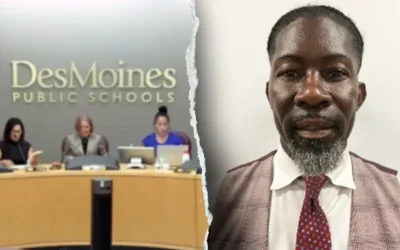
A major scandal has erupted in Iowa. Authorities arrested Ian Andre Roberts, then–superintendent of Des Moines Public Schools, raising fresh questions about his past. Investigators say his history includes drug convictions, weapons charges, fraudulent credentials, and immigration violations. As the full account unfolds, officials and the public alike are demanding answers. Background: From Education Leader to Arrested Suspect Roberts began working as superintendent in Des Moines in 2023. At first, there were few signs that serious legal trouble loomed. However, when U.S. Immigration and Customs Enforcement agents moved in on September 26, Roberts attempted to flee. They pursued his vehicle, found him hiding in nearby brush, and ultimately took him into custody. His ICE arrest triggered a bombshell disclosure by the Department of Homeland Security. In a public statement, DHS asserted Roberts had a long record of criminal conduct and maintained he should never have been serving in a role overseeing children. Shortly after, Roberts resigned his position. (MORE NEWS: Apple Pulls ICE-Tracking Apps from App Store) Criminal Allegations: Drugs, Guns, and Fraud The roster of charges against Roberts is extensive and severe. Investigators allege that a search of his home revealed multiple firearms: a loaded 9 mm pistol tucked under a couch cushion, a rifle in the master bedroom closet, and a shotgun behind a headboard. Moreover, one handgun was found in a vehicle he used while fleeing ICE. 🚨Holy crap. DHS just released more info on the Iowa school superintendent and illegal alien Ian Andre Roberts. He has a very long, violent criminal record, combined with immigration fraud. He also voted in elections. pic.twitter.com/lZDeRJKmnw — Katie Pavlich (@KatiePavlich) October 3, 2025 But weapons are not the only concern. The DHS and FBI allege Roberts has a decades-long history of drug crimes. In New York, his record reportedly includes criminal possession of narcotics with intent to sell, forgery, and related offenses dating back to the mid-1990s. In Pennsylvania, the accusation includes unlawful possession of a loaded firearm in 2022. On top of that, Maryland records allegedly show reckless driving, unsafe operation, and speeding convictions from 2012. Compounding these allegations are claims that Roberts also held fake or unverified academic credentials. He listed Morgan State University as his alma mater and claimed to be an incoming MBA candidate at MIT’s Sloan School of Management. But Morgan State confirmed to the Des Moines Register that he attended without earning a degree. MIT’s registrar also told the Register that no record exists of him ever being enrolled in that program. Immigration Violations and Status Issues Beyond criminal allegations, Roberts faces severe immigration-related accusations. DHS says he entered the U.S. multiple times under different visas—first as a visitor, then on a student visa in 1999. An immigration judge in Dallas ordered his removal in absentia in May 2024. Nevertheless, Roberts filed applications for work authorization in 2000, 2018, and 2019—each granted for just one year. Those ultimately expired. (MORE NEWS: Cartel “La Diabla” Busted for Baby, Organ Ring in Mexico) DHS also claims Roberts was illegally registered to vote as a Democrat in Maryland, raising serious concerns about voter registration controls. While some aspects remain under investigation, the combined allegations portray a complex web of alleged misconduct. Impact on Public Education and Trust The arrest has rattled the Des Moines Public Schools system. The school board initially placed Roberts on paid leave, then switched to unpaid leave, and finally accepted his resignation. Many parents, teachers, and stakeholders feel blindsided. How did someone with such a background secure a leadership role in a major school district? Furthermore, the scandal calls into question hiring and vetting practices in public education. If school systems failed to detect fictitious degrees or an extensive criminal history, then oversight mechanisms may be deeply flawed. Beyond internal processes, the case risks damaging public confidence. Schools play a central role in community trust. When a leader falls under suspicion for crimes and deceit, that trust erodes quickly. Des Moines Public School Board is now suing JG Consulting: 🚨 BREAKING: The Des Moines Public School Board is now deflecting all responsibility for hiring former Superintendent Ian Roberts by taking legal action against the search firm that assisted in the hiring, JG Consulting. Roberts passed background checks conducted by both JG… pic.twitter.com/RPdqgRFPp0 — Dustin Grage (@GrageDustin) October 3, 2025 Voices from DHS and Reactions In response, DHS Assistant Secretary Tricia McLaughlin stated: “Ian Andre Roberts, a criminal illegal alien with multiple weapons charges and a drug trafficking charge, should have never been able to work around children. When ICE officers arrested this Superintendent, he was in possession of an illegal handgun, a hunting knife, and nearly $3,000 in cash. This criminal illegal alien is now in U.S. Marshals custody and facing charges for being an illegal alien in possession of a firearms. Under Secretary Noem, ICE will continue to arrest the worst of the worst and put the safety of America’s children FIRST.” Meanwhile, local and state-level officials have faced pressure to explain how Roberts gained access to influential education roles. As more revelations emerge, the scrutiny has intensified. Conclusion: A Scandal That Demands Clarity The arrest of Ian Andre Roberts marks a serious and complicated turning point in public education oversight. The charges span drugs, weapons, fraud, and immigration violations. His alleged falsification of academic credentials only deepens the concerns. In the wake of the revelations, Des Moines Public Schools faces not only legal fallout but a crisis of credibility. As authorities move forward, stakeholders and the public alike deserve transparency and reform. Through this case, we are reminded that leadership roles—especially those entrusted with children’s lives and future—demand rigorous scrutiny. Public systems must apply higher standards, not lower them. If that standard is not met, the consequences affect more than one man—they affect the integrity of public education itself. Forget the narrative. Reject the script. Share what matters. At The Modern Memo, we call it like it is — no filter, no apology, no corporate leash. If you’re tired of being lied to,…
- 1
- 2