
Cycling
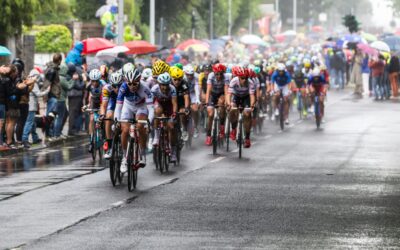
Tadej Pogačar Wins Historic Fifth Tour de France, Joining Cycling’s Greatest Ever
Slovenian cyclist Tadej Pogačar completed one of the most dominant runs in modern cycling history this week, capturing his fifth Tour de France title and becoming just the fifth rider ever to win the race three years running, joining an elite club that includes some of the sport’s most legendary names. A Dominant Three Weeks Pogačar entered the race’s final stage in Paris with a commanding seven-minute lead, all but guaranteeing the win before the peloton even hit the Champs-Élysées. His total time across the grueling three-week race — which spanned more than 3,321 kilometers and 54,450 meters of elevation gain, starting in Barcelona — came in at 73 hours, 56 minutes, and 26 seconds, nearly six and a half minutes faster than his nearest competitor, Belgium’s Remco Evenepoel. Dutch rider Mathieu van der Poel won the final stage itself by the thinnest of margins, edging out Pogačar in a two-man sprint after the pair broke away from the pack late in the race — but the stage win did nothing to change the overall outcome, which had been effectively sealed days earlier. Joining Cycling Royalty With this fifth overall title, Pogačar becomes just the fifth cyclist in history to win the Tour de France three years in a row, joining a group that includes Jacques Anquetil, Eddy Merckx, Bernard Hinault, and Miguel Induráin — legendary names in the sport’s history. He’s the first rider to pull off three straight wins since Chris Froome accomplished the feat from 2015 to 2018. “Unbelievable,” Pogačar told reporters after crossing the finish line, thanking his fans and team for the support that carried him through another grueling campaign. A Race Marked by More Than Racing This year’s edition wasn’t without disruption. The final stage’s route was shortened after security and police resources originally assigned to the race were reassigned to help battle wildfires burning in southwest France, a reminder of how extreme summer conditions across Europe are increasingly bleeding into major sporting events. Even with the shortened course, the finale delivered one of the more dramatic sprint finishes of the tournament, capping off a Tour that once again cemented Pogačar’s place among the sport’s all-time greats. This story is developing.
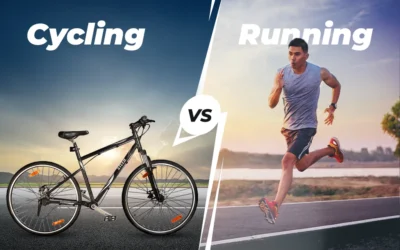
Ditch the Pavement: Why Running Is Aging You Faster
Many people love the rush of pounding the pavement, whether it’s the sense of freedom, the endorphin high, or the satisfaction of clocking in miles. Running is celebrated as one of the simplest, most accessible ways to stay fit. Lace up your shoes, and off you go. But could this beloved habit actually be accelerating the aging process? Some experts say yes. A leading plastic surgeon warns that while running has benefits, it also carries hidden costs: damaged joints, stressed skin, and even facial changes that can make you appear older. The good news? There are low-impact alternatives that still deliver cardiovascular health, strength, and energy—without the wear and tear. Let’s explore why swapping the daily jog for a gentler routine could be the smarter path to staying youthful, strong, and vibrant. The Warning from a Plastic Surgeon Dr. Gerald Imber, a renowned New York City plastic surgeon, recently ignited debate with a viral TikTok and Instagram videos that racked up more than 12 million views. In it, he boldly declared: “Running feels great, but your knees go, your ankles go, your hip goes, your skin goes, and your face sags.” Imber has spent decades observing how lifestyle choices impact aging, and he argues that distance running often does more harm than good. While he doesn’t dismiss cardio altogether, he stresses moderation and balance. His message is clear: logging mile after mile may not be the fountain of youth we think it is. In fact, choosing smarter forms of exercise can preserve your health and appearance far longer. (RELATED NEWS: Diet Soda Speeds Brain Aging, RFK Jr. Targets Additives) How Running Takes a Toll on the Body Running is high-impact by nature. With every stride, your skeleton absorbs forces up to three times your body weight. Over time, this repeated pounding stresses knees, ankles, and hips. Research has linked long-term, high-mileage running to greater risk of osteoarthritis, especially in older adults or those with prior injuries. Spinal discs can compress with repetitive impact, contributing to stiffness, back pain, or even height loss as the years go by. But the effects aren’t just internal. Outdoor running exposes your skin to ultraviolet rays that accelerate collagen breakdown, leading to sagging, wrinkles, and sun damage. The endurance training required for long-distance running also burns through fat reserves, including facial fat. Dr. Imber points out, “Have you ever seen a long-time runner without a gaunt, old face?” Genetics, lifestyle, and moderation certainly influence how bodies respond. Some people run for decades without serious injury. Still, the scientific consensus supports caution: high-mileage running increases risks that low-impact alternatives largely avoid. For those who love running, balance is key—limiting mileage, mixing in strength training, and cross-training with cycling, swimming, or elliptical workouts can reduce long-term damage. Low-Impact Champions: Cycling, Swimming, and More So what’s the solution? Imber champions cycling as an ideal substitute. Unlike running, cycling is low-impact yet still highly effective for cardiovascular health. Pedaling works major muscle groups—legs, core, and even arms—while sparing your joints from repeated stress. (MORE NEWS: Take a Family Gap Year: Ditch the Routine and Travel) But cycling isn’t the only option, he says. The elliptical, swimming, and even the treadmill set at an incline are equally effective, offering variety while protecting bones and joints. These exercises keep intensity high but impact low, making them excellent choices for people of all ages. Cycling, in particular, is versatile. You can ride outdoors for fresh air and scenery or stay indoors on a stationary bike, fitting workouts neatly into any schedule. With a properly fitted bike—seat adjusted for a slight knee bend and handlebars set at a comfortable height—you can ride efficiently and safely. Beginners might start with five to ten minutes at an easy pace, gradually increasing to 30–45 minutes, three to five times per week. A steady cadence of 80–100 revolutions per minute (RPM), moderate resistance, and regular hydration form the foundation of a solid cycling routine. This smooth, sustainable motion makes cycling—and its fellow low-impact workouts—accessible across all ages and fitness levels. Why Low-Impact Exercise Preserves Youth Low-impact exercise doesn’t just protect your joints; it actively promotes long-term vitality. Studies show that cyclists, swimmers, and elliptical users enjoy stronger cardiovascular health and lower risks of heart disease. Compared to non-riders, cyclists are about 40% less likely to experience knee pain or arthritis by age 65. Cognitive benefits also stand out. Research links regular aerobic activity like cycling or swimming to sharper memory and slower age-related cognitive decline. The act of balancing, steering, or coordinating movements engages the brain, reducing fall risk—a major concern as we age. Unlike running, these forms of exercise avoid excessive facial fat loss and minimize sun exposure (especially if done indoors). By sparing both joints and skin, they support a more youthful look and feel. As Dr. Imber advises, “Low-impact aerobics is the way to get exercise.” Public health guidelines echo this, recommending at least 150 minutes of moderate aerobic activity weekly—easily met through cycling, swimming, or time on the elliptical. Moving Toward a Vibrant Future The message isn’t to abandon the joy of movement—it’s to move smarter. Imagine yourself gliding through a tree-lined park on a bike, swimming smooth laps in a pool, or powering through an elliptical session while music fuels your rhythm. You’re not just getting fit; you’re protecting joints, preserving skin, and building resilience for the decades ahead. Cycling offers a fun, accessible, and sustainable path to health. Pair it with twice-weekly strength training to build muscle and support bones, and you’ll create a well-rounded fitness plan. Track your progress with a fitness app, and celebrate milestones as you go. In the end, the goal isn’t to stop exercising—it’s to choose exercise that keeps you vibrant for life. By swapping out pavement-pounding runs for smooth, joint-friendly workouts, you can safeguard both your body and your appearance. Your future self will thank you for every mile you pedal, lap you swim, or incline conquered on the treadmill. The right exercise won’t just…