
Elon Musk

The Billionaire’s Bridge: Elon Musk Offers to Fund TSA Salaries Amid “Hostage” Budget Battle
In a move that has electrified the debate over the ongoing Department of Homeland Security (DHS) shutdown, Elon Musk took to X on Saturday, March 21, 2026, to offer a private-sector solution to a government-made crisis. With over 50,000 TSA officers facing their second full $0 paycheck this week, Musk proposed to personally cover the agency’s payroll—estimated at roughly $23 million per day—to ensure the nation’s airports remain functional and its workers remain fed. At The Modern Memo, we analyze the “symbolic vs. practical” reality of Musk’s offer, the escalating desperation at TSA checkpoints, and why the administration’s focus on security is clashing with a legislative stalemate. The Offer: “I Would Like to Pay” Musk’s post was characteristically direct, framing the shutdown not just as a fiscal lapse, but as a direct assault on the American traveler and the frontline worker. The Statement: “I would like to offer to pay the salaries of TSA personnel during this funding impasse that is negatively affecting the lives of so many Americans,” Musk wrote. The Scale: With the DHS shutdown now entering its 37th day, the backpay owed to TSA screeners has surpassed $600 million. For Musk, whose net worth hovers near $840 billion, the gesture is a drop in the bucket; for an officer in Boise or Houston, it is the difference between an eviction notice and a month’s rent. The Legal Hurdle: Despite the generosity, federal law (specifically the Anti-Deficiency Act) strictly prohibits the government from accepting private “donations” to fund agency operations without a specific act of Congress. Experts suggest the offer is more of a “political flare” designed to embarrass lawmakers into action. Desperation at the Gates: Plasma Sales and Food Pantries The urgency of Musk’s intervention is underscored by the deteriorating conditions for TSA staff. Essential workers are required to report to duty without pay, but many have reached a literal breaking point. The “Call-Out” Surge: Nationwide absenteeism has spiked as officers take on side gigs—driving for Lyft or delivering for Amazon—just to survive. Survival Tactics: Reports have emerged of TSA officers selling their plasma to make ends meet, while major airports like Seattle-Tacoma and Denver have opened on-site food pantries and requested grocery card donations for their security staff. The Resignation Wave: Nearly 400 officers have resigned since the shutdown began on Valentine’s Day, choosing the certainty of the private sector over the “loyalty test” of working for free. The Political Chessboard: ICE vs. The Shutdown While Musk offers a financial bridge, the Trump administration has signaled a more aggressive operational shift. The ICE Deployment: President Trump has threatened to deploy ICE agents to major airports to assist with security and address growing queues. Supporters see this as a necessary backup for a thinning frontline; critics view it as an escalation of the very immigration disputes that started the shutdown on February 14. The Thune-Schumer Stalemate: Senate Majority Leader John Thune noted that while negotiators are “narrowing the gap,” the core dispute—Democrats’ refusal to fund ICE enforcement following a controversial incident in Minnesota—remains the primary roadblock to a DHS-wide resolution. Final Word Elon Musk’s offer highlights a fundamental truth of 2026: when the state fails to provide basic infrastructure, the citizens with the means will step into the vacuum. When you look past the “publicity stunt” labels and focus on the data—the $23 million daily payroll, the missing paychecks, and the four-hour lines in Houston—you gain a clearer picture of a government that has prioritized leverage over the lives of its own defenders. Quality information replaces the noise of budget jargon with the reality of TSA families in food lines. It allows you to see Musk’s move as a definitive challenge to a Washington establishment that expects “essential” work for “zero” reward. By choosing to support a return to order and compensation, you align your perspective with the belief that security is too important to be used as a political poker chip. Where Facts, Context, and Perspective Matter At The Modern Memo, our goal is simple: to provide clear, well-researched reporting in a media landscape that often feels overwhelming. We focus on substance over sensationalism, and context over commentary. If you value thoughtful analysis, transparent sourcing, and stories that go beyond the headline, we invite you to share our work. Informed conversations start with reliable information, and sharing helps ensure important stories reach a wider audience. Journalism works best when readers engage, question, and participate. By reading and sharing, you’re supporting a more informed public and a healthier media ecosystem. The Modern Memo may be compensated and/or receive an affiliate commission if you click or buy through our links. Featured pricing is subject to change. 📩 Love what you’re reading? Don’t miss a headline! Subscribe to The Modern Memo here!
Elon Musk Calls for EU to be Abolished After Hefty Fine
Elon Musk made waves once again — and this time, he went straight for the European Union. On December 6, 2025, right after the EU hit his platform X with a massive €120 million ($140 million) fine, Musk fired back with a bold message. He said the EU should be abolished completely, and that member countries should take back full control of their own governments. As expected, his comments spread like wildfire. Everyone from policymakers to everyday social media users had something to say about it. The people of Europe should withdraw from the EU to regain their sovereignty https://t.co/QTbkSgePrh — Elon Musk (@elonmusk) December 6, 2025 Musk has never been shy about sharing his views, but this statement hit differently. It wasn’t just about a fine or a disagreement over rules. It was a full-on challenge to one of the world’s most powerful political institutions. Whether people agreed with him or not, it was clear that his comments struck a nerve across the globe. Fine: What Triggered the Outrage The spark that set everything off was the European Commission’s fine against X under the Digital Services Act (DSA). The DSA is the EU’s big effort to rein in online platforms by making them more transparent, more responsible, and more accountable for harmful or illegal content. According to regulators, X wasn’t doing enough — especially when it came to dealing with misinformation and extremist material. Musk didn’t take the accusation lightly. He said the fine had nothing to do with safety or compliance and everything to do with trying to control free speech online. To him, the EU’s enforcement felt like punishment for allowing open discussion, even when that discussion included unpopular or controversial opinions. Instead of quietly paying the fine, Musk escalated the situation in a way only he could. More Stories Drowning in Bills? These Debt Solutions Could Be the Break You Need Out-of-Town Renters Are Driving Up Demand in These Five Cities Under Siege: My Family’s Fight to Save Our Nation – Book Review & Analysis Growing US-European Diplomatic Strain Musk’s comments didn’t stay in the business world. They quickly became a diplomatic issue when top American officials weighed in. U.S. Secretary of State Marco Rubio slammed the fine, calling it an attack on American companies and American innovation. His message was clear: the EU was crossing a line by imposing such a heavy penalty on X. U. S. Ambassador to the EU, Andrew Puzder, also spoke out about the incident: Today’s excessive €120M fine is the result of EU regulatory overreach targeting American innovation. The Trump Administration has been clear: we oppose censorship and will challenge burdensome regulations that target US companies abroad. We expect the EU to engage in fair, open,… https://t.co/EAld2QJaen — U.S. Ambassador to the EU (@USAmbEU) December 6, 2025 All of this made a tense situation even more complicated. What started as a regulatory fine quickly turned into a broader political debate between two major global players. Musk’s Broader Pattern of Opposition to EU Influence If you’ve followed Musk over the past few years, his criticism of the European Union probably doesn’t surprise you. He has repeatedly questioned the union’s authority, especially when it comes to digital policy and speech regulation. Critics insist Musk is looking out for his own interests. After all, the EU’s regulations could affect everything from Tesla to SpaceX to X. They argue that he wants the union weakened because its oversight makes it harder for tech giants to operate freely. But his supporters see him as a champion of personal freedom and innovation. Whether people view him as a disruptor or a defender, one thing is clear: Musk has become one of the most vocal opponents of EU regulatory power. What’s at Stake: Democracy, Regulation, and Global Tech The fight between Musk and the European Union isn’t really about one fine. It’s part of a much bigger debate about how digital spaces should be governed. European officials say the DSA is essential for protecting citizens from misinformation, dangerous content, and foreign manipulation. They believe strong rules help maintain order and keep the online world safer. Musk, however, argues that too much regulation can become a threat in itself. He believes it limits creativity, restricts the exchange of ideas, and gives too much power to unelected officials. He sees X as a platform where people should be able to talk openly, even if those conversations get messy. From his perspective, the EU’s approach leans too far toward control, while his vision champions freedom and innovation. This clash of philosophies is at the heart of the debate. And because it involves global tech giants, European governments, and the United States, the consequences reach far beyond one company’s bottom line. Musk isn’t likely to let this go. His comments could inspire other tech leaders to question EU authority, and they may also influence public opinion in several countries already debating issues of sovereignty. The conflict may even shape upcoming elections or policy discussions as governments decide how much control they want to hand over to Brussels. Final Word Elon Musk’s stand against the European Union is a direct challenge to a system that has grown far too controlling. He’s calling out a bureaucracy that restricts free speech, slows innovation, and tries to dictate how tech platforms operate. Musk’s push for national sovereignty and open communication aligns with the values many Americans already champion. By confronting EU overreach head-on, he’s defending the principle that people and individual nations — not distant institutions — should shape the future of technology. His willingness to speak plainly and push back is driving a conversation that needed to happen, and he’s showing once again that he isn’t afraid to take on powerful systems when freedom is on the line. Cut Through the Noise. Slice Through the Lies. Share the Truth. At The Modern Memo, we don’t tiptoe around the narrative—we swing a machete through it. The mainstream won’t say it, so we will. If you’re…
Trump and Elon Musk Reunite, Boosting GOP Unity
The Modern Memo may be compensated and/or receive an affiliate commission if you click or buy through our links. Featured pricing is subject to change. Once close allies, President Trump and Elon Musk saw their relationship collapse in spectacular fashion during 2025. The feud exploded after Musk sharply criticized Trump’s “One Big Beautiful Bill” tax and spending legislation, and in turn Trump threatened to cut government funds to Musk’s companies. At one point Musk alleged Trump was tied to the Epstein investigation, further escalating tensions. These accusations triggered a wave of media scrutiny, and commentators speculated that their partnership had reached a point of no return. Both men were known for strong public messaging, so their clash quickly turned into major political theater. The dispute also revealed deeper ideological friction. Musk had begun positioning himself as a champion of free speech and regulatory reform, while Trump focused on consolidating power and reshaping federal priorities. These differences created not only personal conflict but also strategic misalignment. A Quiet Reconciliation However, sources indicate that behind-the-scenes diplomacy led by Vice President J. D. Vance and Chief of Staff Susie Wiles facilitated Musk’s return to the fold. At a White House event honoring Saudi Crown Prince Mohammed bin Salman, Trump publicly acknowledged Musk, telling him “You are so lucky I am with you, Elon.” The gesture signaled a new chapter in their dynamic. The event became an opportunity for both men to present a united front, even if the reconciliation had been orchestrated through extensive negotiation. Several insiders report that the administration understood the value of maintaining Musk as an ally. With his influence in technology, energy, defense, and transportation, Musk represents a key figure whose support can sway both markets and public opinion. Why They Reconnected Several factors drove the reconciliation: Musk had been a key donor to Trump’s campaign; in turn, Trump viewed Musk’s technological and financial influence as a benefit. The reversal of a nomination to NASA (one Musk supported) helped soften Musk’s grievances. Wiles and Vance acted as trusted intermediaries, granting Musk a “private line of communication” into the administration. A source remarked: “Both Susie and JD have made it clear to Elon that he has an open line of communication … that has allowed for this growth.” Beyond these factors, the reconciliation also benefited both sides politically. Musk had considered launching a third political party, which could have splintered conservative voters. By repairing the relationship, Trump reduced that risk. Musk, meanwhile, regained access to federal partnerships and policy influence, particularly in space exploration, AI governance, and advanced manufacturing. Each of these areas represents billions in potential contracts and collaborations. More Stories Kamala Teases 2028 Run as Democrats Scramble for Strategy FBI Probes Hunting Stand Near Trump’s Air Force One Area Get Your Essential Survival Gear: Medical Go Bag and Trauma First Aid Kit The Public Moment At the event in Washington, Trump gave Musk multiple shout-outs and emphasized their resumed partnership. The public gesture, following months of tension, effectively signalled that the bromance was back — albeit in a different form. The audience reaction suggested that many insiders had expected some kind of reconciliation. Because Musk had previously attended Trump events and once served on advisory councils, their renewed closeness felt familiar, though more cautious. Musk appeared reserved but responsive. Observers described the exchange as cordial, not effusive — a sign that while the feud had cooled, trust was still being rebuilt. It’s Not Just Friendship While the tone has softened, insiders stress the relationship isn’t what it used to be. One White House official cautioned: “It’s true they are friendly, but not ‘friends’.” This suggests a professional alignment rather than a full personal reconciliation. This distinction matters because the earlier version of their relationship was more informal and enthusiastic. Now, both men appear more focused on strategic outcomes rather than personal camaraderie. In other words, the partnership has matured into something more transactional. Still, even a transactional alliance between two influential figures carries weight. Their decisions can shape major policy debates, accelerate technological initiatives, and strengthen political coalitions. Broader Implications Their renewed alliance carries significance beyond personal rapport: Musk’s companies, including SpaceX and Tesla, have policy interests that align with federal government action in tech, space, energy and defense. Politically, Musk had flirted with forming a third party “to give you back your freedom,” which could have chipped away at Republican strength. The detente reduces that risk. For Trump, having a high-profile ally like Musk on better terms can bolster influence in Silicon Valley and the broader tech sector. Furthermore, their cooperation may influence the direction of national innovation strategy. If Musk’s companies coordinate with federal agencies, the U.S. may accelerate projects in reusable rockets, battery production, AI modeling, and autonomous systems. Business analysts also predict that Musk’s alignment with the administration could improve investor confidence. Markets often react positively when industry leaders appear to have stable relationships with policymakers. What Comes Next? Key things to watch: Could Musk return as a top advisor or donor to Trump’s camp? New shared initiatives may emerge, especially in areas like AI, space, or crypto policy. There’s always a chance earlier tensions resurface, though the relationship may now operate on steadier ground. Observers will be evaluating whether this reunion is a real reconciliation or simply a strategic partnership. There is also speculation about Musk’s political ambitions. Some believe he may use this renewed relationship to influence regulatory reform in areas such as AI safety, EV manufacturing, or social media moderation. At the same time, Trump is known for demanding loyalty. If Musk disagrees with future policy decisions, tensions could reappear quickly. Their partnership will need careful management to remain stable. Final Word The Trump–Musk reunion isn’t just another political headline. It feels more like one of those moments where two major forces realize they’re better off working together than taking shots at each other from afar. After months of tension, seeing them back on good terms brings a sense of…
Tesla Launches Cheaper Model Y and Model 3 to Boost Sales
Tesla has introduced new, lower-cost versions of its popular Model Y and Model 3. The move marks a major shift in strategy as the electric carmaker seeks to boost sales and widen its market reach. While the announcement signals a push toward affordability, it also raises questions about how these cheaper models will impact Tesla’s profits and brand image. Meet Model Y Standard & Model 3 Standard – our most affordable vehicles Ultra-low cost of ownership, engineered for safety & comes with the best Tesla features you love – 321 mi of range – Extreme efficiency that takes you farther + saves you $$ – Minimal maintenance – Can… pic.twitter.com/2cMQ5NW6Yf — Tesla (@Tesla) October 7, 2025 Why Tesla Is Betting on Price Cuts Tesla has faced slowing sales in recent months. Many buyers have been deterred by rising costs and the expiration of the federal electric vehicle tax credit, which once made Tesla models more affordable. To stay competitive, Tesla decided to launch new “Standard” versions of its Model Y and Model 3. The Model Y Standard starts at around $39,990, while the Model 3 Standard begins at about $36,990. (MORE NEWS: Trump Admin and Musk’s xAI Launch Federal AI Partnership) By cutting prices, the company aims to attract more cost-conscious drivers without abandoning its image as a premium automaker. This strategy reflects their attempt to balance two identities — luxury innovator and mass-market competitor. What’s Being Cut (and What You Still Get) To reach a lower price point, Tesla removed or simplified some features. The new Standard versions come without certain upgrades, such as advanced Autosteer capabilities, driver assistance systems, rear seat heaters, touchscreens for rear passengers, and premium lighting or finishes. The panoramic glass roof in some models has been replaced by a metal one, and the sound system is slightly scaled back. However, the essentials remain. Both models still promise over 300 miles of range and the same signature electric performance Tesla is known for. For many buyers, that may be enough. The company is betting that drivers will accept fewer luxuries in exchange for a more accessible price tag. Market Response: Mixed Reactions The reaction from investors and analysts has been cautious. Tesla’s stock fell by more than four percent after the announcement. Some analysts argue that the price difference between the new Standard trims and existing versions isn’t significant enough to make a major impact. Others worry that cheaper models could reduce their profit margins without guaranteeing higher sales. At the same time, some see the move as necessary. Tesla faces growing competition from Chinese automakers and traditional car companies that are rapidly expanding their electric vehicle lineups. Lower prices could help the company maintain its market share in an increasingly crowded field. (MORE NEWS: Meta $800 Smart Glasses Demo Fumbles with Glitches) Balancing Risk and Opportunity The new models come with both risks and rewards. On the positive side, the cheaper versions could help Tesla recapture buyers who were priced out of the market. They could also strengthen their position as the most recognizable electric vehicle brand in the world. But the downsides are clear. Reducing prices may hurt profits, and simplifying features could make Tesla cars feel less special. If buyers view these new models as “budget” versions rather than smart alternatives, Tesla’s brand image might take a hit. Previously, the company had hinted at developing an entirely new, smaller $25,000 vehicle. Instead, the company chose to simplify existing models. Some analysts see this as a cautious move — a sign that they wants to increase affordability without taking on the cost and complexity of designing a brand-new car. What Happens Next Deliveries for the new Standard versions are expected to begin in late 2025 or early 2026. Tesla will be closely watching how customers respond. Strong demand could encourage the company to expand its lineup of affordable vehicles, while weak sales might push it back toward its premium roots. Competition remains fierce. Automakers like BYD, Volkswagen, and Ford are releasing new electric vehicles at similar or lower prices. With global EV demand slowing and government incentives changing, Tesla must prove that its strategy can work in a more competitive, less predictable market. The company’s success will depend on whether these new models still feel like true Teslas — vehicles that deliver cutting-edge performance, efficiency, and technology, even at a lower price. The Road Ahead The introduction of cheaper Model Y and Model 3 versions marks a turning point for Tesla. The company that once defined the luxury electric car is now trying to appeal to the average consumer. This shift could expand its customer base and drive long-term growth. Still, the challenge is clear. The company must show that affordability and quality can coexist. If the company can keep its cars exciting while making them more accessible, it may once again set the standard for the electric vehicle market. But if the balance tips too far toward cost-cutting, Tesla could find itself in a tough position — caught between mass-market ambitions and its premium past. In the end, Tesla’s bet on affordability is a bold move. It could either spark a new wave of growth or expose the limits of its brand. The next year will reveal whether cheaper can still mean better — and whether Tesla’s latest gamble will pay off. Forget the narrative. Reject the script. Share what matters. At The Modern Memo, we call it like it is — no filter, no apology, no corporate leash. If you’re tired of being lied to, manipulated, or ignored, amplify the truth. One share at a time, we dismantle the media machine — with facts, boldness, and zero fear. Stand with us. Speak louder. Because silence helps them win.
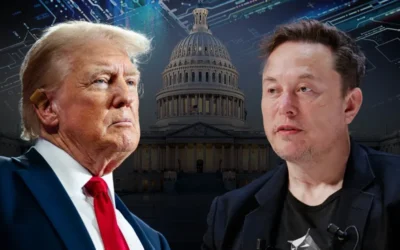
Trump Admin and Musk’s xAI Launch Federal AI Partnership
The Trump administration has signed a new agreement with Elon Musk’s company xAI to bring advanced artificial intelligence into federal operations. Through the deal with the General Services Administration (GSA), agencies across the government will gain access to xAI’s Grok 4 and Grok 4 Fast models. Leaders on the Record The new partnership between the Trump admin and xAI is being framed as both a government modernization effort and a bid for U.S. leadership in artificial intelligence. Federal Acquisition Service Commissioner Josh Gruenbaum tied the deal directly to government accountability and competitiveness. “Widespread access to advanced AI models is essential to building the efficient, accountable government that taxpayers deserve—and to fulfilling President Trump’s promise that America will win the global AI race,” he said. Gruenbaum added that GSA values xAI for “partnering with GSA—and dedicating engineers—to accelerate the adoption of Grok to transform government operations.” On the industry side, xAI cofounder and CEO Elon Musk stressed the scope of what the agreement makes possible. “xAI has the most powerful AI compute and most capable AI models in the world. Thanks to President Trump and his administration, xAI’s frontier AI is now unlocked for every federal agency empowering the U.S. Government to innovate faster and accomplish its mission more effectively than ever before,” Musk said. Fellow xAI cofounder Ross Nordeen focused on cost and collaboration. “‘Grok for Government’ will deliver transformational AI capabilities at $0.42 per agency for 18 months, with a dedicated engineering team ensuring mission success,” Nordeen explained. “We will work hand in glove with the entire government to not only deploy AI, but to deeply understand the needs of our government to make America the world leader in advanced use of AI.” (MORE NEWS: AI Is Taking Entry-Level Jobs and Shaking Up the Workforce) What the Partnership Aims to Do This move is about adoption at scale. Agencies need tools that draft, summarize, search, and reason across complex information. They need faster answers for citizens and clearer guidance for staff. They also need consistent technology so each office is not reinventing the wheel. A shared platform can cut duplication, reduce delays, and raise the baseline for service quality. At the same time, agencies want help during rollout. They need engineers who can integrate systems, train teams, and troubleshoot in real time. The plan puts technical support alongside the tools so offices can move quickly without getting stuck in setup. (MORE NEWS: The Dark Side of AI Chatbots: A Threat to Fragile Minds) Why This Matters Now Other nations are investing heavily in AI. The Trump admin wants to keep pace and set standards. Modern government runs on information. If the tools to sort, draft, and decide are faster and more accurate, the work moves faster and the outcomes improve. That is true for benefits, permits, inspections, grants, and more. This partnership also signals a practical shift. Instead of small pilots that never scale, the plan aims at broad access. When the same core capabilities are available across agencies, good ideas spread faster and cost less to repeat. How Agencies Could Use It Start with the inbox. AI can triage citizen questions, propose replies, and surface policy references so staff can finalize answers in minutes. Case teams can summarize long files and highlight the few lines that matter most. Program analysts can scan reports for trends and anomalies. Field offices can translate notices and instructions so more people understand them on the first read. Managers gain time back. Drafts of memos, briefings, and forms arrive in seconds. Teams still review and approve. But they start from a strong first pass instead of a blank page. Over time, staff can build playbooks for recurring tasks so the next request is even faster. Safeguards, Not Surprises Speed alone is not the goal. Agencies must protect sensitive data. They must log how tools are used. They must keep a human in the loop for decisions that affect people’s lives. Good oversight includes access controls, audit trails, testing, and clear guidance about when to accept, edit, or reject an AI suggestion. Clarity matters for the public, too. People should know that the government uses AI to draft and sort, while humans make the final calls. Straightforward disclosures build trust and reduce confusion. Strong privacy practices do the same. What Success Looks Like Success shows up in fewer backlogs and faster cycle times. It shows up when citizens get clearer answers and fewer repeat requests. Additionally, in staff surveys, teams report spending more time on judgment and less time on routine drafting. It also shows up in budgets. Shared tools and reusable patterns reduce duplicative contracts and one-off builds. Agencies get more value from each dollar because they start with the same core capability and adapt it to their mission. What Comes Next The fastest path is simple: pick a handful of high-volume tasks, set clear guardrails, and measure results. Train teams early and often. Capture what works in short playbooks. Share those playbooks across offices so others can use them on day one. As the tools mature, add more use cases. Keep the same rules: protect data, log usage, review outputs, and improve based on feedback. With that rhythm, agencies can move quickly and still maintain control. The Bottom Line This deal is more than a contract. It changes how the federal government approaches artificial intelligence. By putting advanced models directly into agency workflows, the administration is trying to modernize operations, reduce waste, and position the U.S. to lead in a fast-moving global race. Whether the plan succeeds will depend on execution: securing sensitive data, training employees, and integrating new tools with old systems. If agencies can balance speed with safeguards, they stand to deliver faster, clearer, and more reliable services to the public. If not, the effort risks becoming another big promise weighed down by bureaucracy. Either way, the partnership signals that Washington is serious about AI — and that the government wants to set the pace rather than follow it. Unmask the…
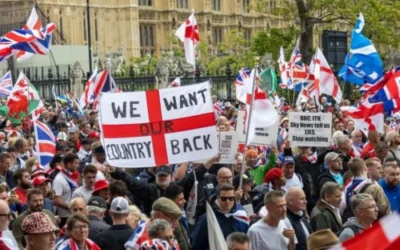
London: 100K Rally-Goers Unite Against Mass Immigration
Massive Turnout at London Rally On September 13, 2025, more than 100,000 people filled central London for a rally titled “Unite the Kingdom.” The event was organized by Tommy Robinson, a controversial figure known for his anti-immigration activism. Police estimated the crowd at around 110,000, making it one of the largest protests in modern British history. The guardian reported “110k” at our London rally today. Yet, literally had their own helicopter showing the millions of patriots 🤡 Legacy media proving again they’ll just lie to your face for their own agenda. This is why nobody trusts them. We are the media now. pic.twitter.com/s0yOh2NEfe — Tommy Robinson 🇬🇧 (@TRobinsonNewEra) September 13, 2025 The rally focused on immigration, national identity, and frustration with government policies. Protesters carried English flags, Union Jacks, American flags, and Israeli flags. Many wore MAGA hats as chants of “Stop the boats” and “Send them home” echoed across the city streets. Alongside those messages, people honored Charlie Kirk, the late American activist. Supporters held pictures, raised signs in his memory, and chanted his name throughout the demonstration. (MORE NEWS:Fake Jobs Boom Exposed: Nearly 2 Million Vanish) Counter-Protesters Gather While Robinson’s supporters dominated London streets, about 5,000 counter-protesters also turned out. Their message centered on opposing what they described as xenophobia and far-right extremism. Police prepared for both groups with a massive deployment. More than 1,600 officers, including mounted units and riot teams, patrolled London. Buffer zones separated the rallies, though some protesters attempted to cross the police lines. Authorities reported repeated efforts to breach the cordons, which led to clashes. Violence and Arrests Although organizers promoted the rally as peaceful, violence broke out. Officers reported bottles, flares, and other objects thrown from the crowd. Police confirmed that 26 officers were injured, four of them seriously. Injuries included broken teeth and concussions. At least 25 people were arrested. The charges ranged from assaulting officers to damaging property and engaging in violent disorder. Authorities stressed that while the majority of attendees stayed within the law, a smaller but aggressive group escalated the situation. Political Tensions Rise The rally came at a time of growing division in Britain over immigration. Record numbers of migrants crossing the English Channel this year have intensified calls for action. Asylum centers and migrant housing have become focal points for protests across the country. (RELATED NEWS: Kilmar Abrego Garcia and the Deep Immigration Divide) For many supporters, the demonstration represented more than a call for stricter immigration controls. They described it as a stand for free speech, national sovereignty, and resistance to political elites. Critics, however, argued that the march reflected growing far-right influence and hostility toward immigrants. Elon Musk’s Message One of the most striking moments came from Elon Musk, who addressed the crowd by video. He warned that immigration was being used as a political tool. “There’s a massive incentive on the left to import voters. So if they can’t convince their nation to vote for them, they’re going to import people from other nations to vote for them. It’s a strategy that will succeed if it is not stopped.” 💯 https://t.co/IF8cDC3g3t — Elon Musk (@elonmusk) September 13, 2025 Musk also expressed wider concerns about Britain’s future. He said free speech and open debate were being stifled. According to him, the BBC enables policies that erode national identity. He argued that mass migration was causing rapid social change, that the government had failed to protect its citizens, and that Britain now stood at a crossroads between decline and renewal. His remarks drew thunderous applause from the marchers and quickly spread across social media, intensifying the debate over Britain’s direction. Robinson’s Video Message After the rally ended, Robinson recorded a thank-you video from his car. He praised the crowd for making history and called for continued involvement. “Every one of you helped us make history today. The fight is not over, it’s just starting. We need all of you to get involved. Everyone. We’ve all got a role to play. Don’t talk about change. Be the change. Thank you to Elon Musk, man. What a moment… Twenty minutes of Elon Musk’s time, he gave that time to you, the British public. He spoke up for us. He continues to fight for us for free speech. As has Donald Trump. As has JD Vance. So when you voted to save America, it wasn’t a vote to save America.. Everything wouldn’t have happened today without your vote. It’s a vote to save the West… we are fighting back.” 🇬🇧🇬🇧🇬🇧 Unite the Kingdom 🇬🇧🇬🇧🇬🇧 https://t.co/jRDmwLJIi0 — Elon Musk (@elonmusk) September 13, 2025 The video circulated widely online, energizing his supporters and tying the event to a larger international movement. Opposition Voices Stand Up To Racism and allied groups used their counter-protest to call for tolerance and inclusion. They argued that immigration strengthens the UK and warned that Robinson’s message was dangerous. Leaders urged the government to take a stronger stand against what they called the rise of far-right extremism. Police praised both sides for mostly staying within their designated areas, but they acknowledged the day was marked by tension, confrontations, and disruption. The Metropolitan Police said it would review its planning after so many officers were hurt. What Comes Next The “Unite the Kingdom” rally showed how immigration now dominates British politics. Prime Minister Keir Starmer faces pressure to act, and inaction could spark more protests. The counter-protest highlighted Britain’s divide. Opponents of Robinson’s message plan to intensify their campaigns, while his backers push harder for change. Immigration debates have left Parliament and moved to the streets. Leaders must confront issues of security, housing, and identity while protecting freedoms. The London rally proved immigration is Britain’s defining political fight, and the government’s response will shape the nation’s future. Cut through the noise. Drown out the spin. Deliver the truth. At The Modern Memo, we’re not here to soften the blow — we’re here to land it. The media plays defense for the powerful. We don’t. If you’re…
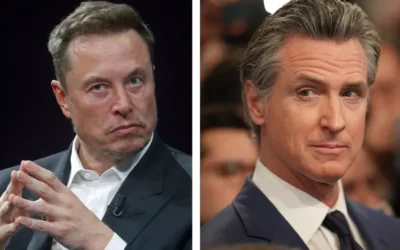
Court Nixes California AI Deepfake Law, Free Speech Wins
Welcome to The Modern Memo — where our readers don’t come for fluff, filters, or focus-grouped headlines. They come for the truth. We don’t spin. We don’t censor. And we don’t dance around the narrative — we swing a machete straight through it. If it matters to America, we cover it — raw, real, and relentlessly honest. AI Deepfake Ruling a Major Win for Elon Musk’s X Platform A federal court has struck down an unconstitutional California law that limited free speech by controlling the use of AI-generated “deepfake” videos during elections. The law is one of the strictest in the United States. Elon Musk and his platform, X, joined the lawsuit to challenge the law and scored a major victory with this decision. However, the judge avoided ruling directly on free speech claims. Instead, he based his decision on Section 230 of the federal Communications Decency Act. This act protects online platforms from being held responsible for what their users post. What Was the Law About? In direct conflict with the First Amendment, the law signed by California Governor Gavin Newsom in 2024 aimed to block social media platforms from hosting AI-generated videos featuring politicians or public figures. Newsom pushed for the legislation after Elon Musk shared a viral AI video of then-Vice President Kamala Harris. She was portrayed as saying she was the “ultimate diversity hire.” Newsom said the video “should be illegal” and said he would sign a bill “in a matter of weeks to make sure it is.” (RELATED: Trump Dismisses Rumors of Targeting Elon Musk’s Companies, Calls for American Business to “Thrive Like Never Before”) Manipulating a voice in an “ad” like this one should be illegal. I’ll be signing a bill in a matter of weeks to make sure it is. pic.twitter.com/NuqOETkwTI — Gavin Newsom (@GavinNewsom) July 29, 2024 Why Was the Law Challenged in Court? The law gave the government too much control over what people could post online. It was designed to punish parody, comedy, and political satire—all forms of speech protected under the First Amendment. Those who challenged the law included: Christopher Kohls, the video creator who posted the Kamala Harris deepfake Elon Musk’s X platform, in a 65-page lawsuit, said the law targeted free expression The Babylon Bee, a conservative comedy and satire site Rumble, a video-sharing platform that competes with YouTube The plaintiffs argued that the law would: Discourage parody or humor about politicians Pressure platforms to over-censor content Violate the First Amendment by favoring some views over others Musk described the law as an attempt to “make parody illegal,” and said it would lead to unnecessary censorship. You’re not gonna believe this, but @GavinNewsom just announced that he signed a LAW to make parody illegal, based on this video 🤣🤣 https://t.co/bdykNuxe6G — Elon Musk (@elonmusk) September 18, 2024 What Did the Judge Say? On Tuesday, Federal Judge John Mendez struck down the law. According to Politico, Mendez said that platforms hosting deepfakes, “don’t have anything to do with these videos that the state is objecting to,” and that Section 230 releases them from liability. This ruling means the state cannot force platforms to remove deepfakes simply because they are politically misleading. Free Speech Question Left Unanswered—Or Is It? Even though the case was largely about First Amendment rights, Mendez did not rule on that issue. He said it was not necessary because the law already failed under Section 230. “I’m simply not reaching that issue,” he told the lawyers during the hearing. (RELATED: So-Called ‘Equality Act’ Could Undo Free Speech, Mandate Murder Of Unborn Children, Make Pedophiles A ‘Protected Class’) BUT this ruling is still a major victory for free speech advocates everywhere. In a free society, government officials don’t police political speech—especially during election season, when open debate matters most. The Constitution protects the First Amendment. It’s not a privilege granted by politicians. Final Thoughts This case isn’t just about deepfakes. It’s about who controls the narrative. The California government—from the governor down—tried to silence speech they didn’t like. They hid behind AI fears and “disinformation panic.” Judge Mendez saw through it. And free speech won. Let’s be clear: the law was never about protecting voters from disinformation. It was about protecting politicians. This bill was designed from the beginning to shut down criticism and uncomfortable truths in the name of “election integrity.” That is NOT what freedom is about. That is tyranny in disguise. If free speech is so easily discarded every time a politician doesn’t like a joke, a meme, or an article—like this one—then we don’t have a republic. We have a regime. Make no mistake. This ruling draws a line in the sand. It tells every governor, state legislature, every activist dreaming of being the thought police: you don’t get to dictate what Americans say, share, or criticize online. The PEOPLE hold the government accountable—even when it’s inconvenient. Especially when it’s inconvenient. The battle over AI is just beginning. While AI technology poses new risks, lawmakers will need to find ways to address those risks without infringing on constitutional rights. This ruling shows that broad, sweeping restrictions won’t survive in court. Other states that have or are considering similar laws will do well to remember this ruling. The Constitution isn’t optional. Protecting elections is important, but you can’t legislate your way around the First Amendment. Cut through the noise. Drown out the spin. Deliver the truth. At The Modern Memo, we’re not here to soften the blow — we’re here to land it. The media plays defense for the powerful. We don’t. If you’re done with censorship, half-truths, and gaslighting headlines, pass this on. Expose the stories they bury. This isn’t just news — it’s a fight for reality. And it doesn’t work without you.
Scott Jennings Warns Elon Musk Third Party Could Divide ‘Forces’ Trying To ‘Save Western Civilization’
Written by Daily Caller News Foundation Reporter/Clipper Jason Cohen. CNN senior political commentator Scott Jennings warned Elon Musk on Sunday that his newly launched third party could divide the right and help Democrats win. Musk posted on X Saturday that he had just created the “America Party,” asserting it would restore “freedom” to Americans. Jennings said on “State of the Union with Jake Tapper and Dana Bash” that the effort could backfire by splitting conservatives and Republicans who otherwise share core goals. (RELATED: ‘If I Was Waiting For FEMA, I Would Be Screwed’: You’ll Sob Watching What’s Happening In NC Months After Hurricane Helene) “It’s harder than it looks to start a political party. And, you know, we’ll see where they go with it. My humble advice to Elon, who I admire very much, actually, is that you may be dividing the forces of people who want to save Western civilization to the benefit of the people who don’t,” Jennings said. “And so, to the extent that this effort would divide conservatives and Republicans against each other, that wouldn’t be helpful, because it would leave the country to people who want unfettered immigration, who don’t share your fiscal views, and so on and so forth.” “So, we’ll see where it goes. I sort of hope everybody puts the band back together the way they had it back in 2024, because when everybody was working together, things worked quite well,” he added. Musk began to repeatedly float the idea of creating the “America Party” to cater to disaffected fiscal conservatives and libertarians after becoming frustrated by Republican lawmakers’ support for President Donald Trump’s “big, beautiful” bill — which the president signed into law on Friday. (RELATED: California Dems Blame Wildfires On Trump After Their Party Created Tinderbox Of Regs) However, political experts said that Musk’s billions would be better spent buying him influence within the GOP’s existing party structure instead of challenging America’s entrenched two-party duopoly. To continue reading this article, please click here. TMM Analysis We are living through a major social revolution, whether we want to admit it or not. Sometimes it can be hard to see the forest from the trees. But rest assured, change is here. We already lived through a major disruption with the MAGA movement upending years of Republican-In-Name-Only (RINO) leadership. So, does Musk have the power to create a third party? The short answer is: yes. The long answer is: yes, but he probably won’t see it come to fruition the way he truly desires. Unless he can harness the power of all those feeling disenfranchised by Trump Republicanism, far-leftist extremist Democrats (which seem to be the only Democrats who have any type of power), and bring all young people together under one umbrella that is both pro-life and pro-choice, pro-America, while also being pro-globalist, he doesn’t really stand a chance of making the difference he hope. (RELATED: Guys, We May Have Found The Most Addictive New Outdoors Show On YouTube) In the same way that the Tea Party, Libertarians, and the Independents do very little-to-nothing to change American politics, any new party would probably face the same negligible attention. It can be easy to think that you have power, particularly if you have a lot of followers on various Internet platforms, but none of this power is real. No matter how many likes, clicks, and followers you have, almost none of it translates into macro-real-world influence. People with major followings on X, who think they are the voices within American politics, do not seem to realize they actually have less influence that the women made famous through MomTok (Secret Lives of Mormon Wives). Isn’t that insanely humbling to realize? We are interested in what you think about the chances of Musk’s potential third party changing American politics forever. Email us at [email protected] with your opinion, as we want to hear it all!
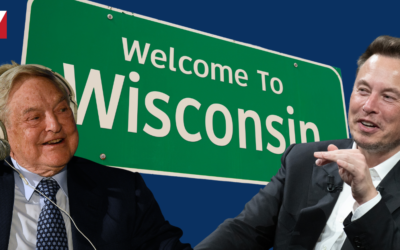
Wisconsin Could Control America If Voters Stay Home In April 2025
Wisconsin voters have the potential to decide the fate of all Americans in April, a situation finally getting some of the attention it deserves (but probably not enough). Voters in Wisconsin will head to the polls on April 1 to decide the ideological balance of the state’s Supreme Court, which could have a direct impact on every future presidential election. The “highly consequential” race will further dictate the future of issues such as life, religious freedom, as well as election integrity, and more. The current balance in Wisconsin’s Supreme Court is a 4-3 liberal majority after Justice Janet Protasiewicz won in 2023. Justice Ann Walsh Bradley is officially retiring her position, allowing for either an even balance or a significant liberal majority to dictate the future of Wisconsin’s legislation, according to Breitbart. “It’s probably going to be just as competitive as the last couple of presidential and gubernatorial elections and Senate elections here,” said former Wisconsin Republican Gov. Scott Walker, according to NBC News. Though the race is supposed to be nonpartisan, Walked noted the situation is promised to “reach a level that much more like what you see in partisan elections.” Who Are The Candidates? Left-wing billionaires like George Soros, Silicon Valley’s Reid Hoffman, and more, are pouring millions into Dane County Circuit Court judge Susan Crawford. “I believe people in Wisconsin deserve to feel safe as they go about their lives…My top priority in making decisions is always to make our communities safer,” said Crawford of her policies, according to Ballotpedia. Other liberal judges have also endorsed Crawford’s campaign. The Milwaukee Police Association officially endorsed Waukesha County Circuit court judge Brad Schimel’s campaign. He says he’s running to “restore confidence in the people of Wisconsin that the justice system will be fair and impartial…I will be honest about my principles, but will never prejudge a case.” Support is rolling into both campaigns, including $1 million from a group with ties to technology billionaire Elon Musk, according to Politico. Why This Matters To People Outside Of Wisconsin “Wisconsin is the only state that was one of the closest three margins in the last three Presidential elections. It was critical in deciding who became president each of the last three elections. The margins have been by less than 30,000 with over 3,000,000 votes cast,” Million Voices’ John Graves explains. “The four liberal justices overruled the three conservative justices after the liberal took over the court in 2023, and reversed the ruling on drop boxes and other critical election integrity rulings. That’s why it’s the most important state right now, and that’s why this election is so important.” The Wisconsin election isn’t just about what happens for state residents. The issues that matter most to you ultimately, as they trickle upwards from the local level, end up in the hands of those who run this nation. Wisconsin basically chooses the president every four years. Do you want policies related to noncitizen voting, ballot drop boxes, and more, to be part of Wisconsin’s electoral system? It is essential to tell your friends, family, pastor, anyone you know who may have ties to Wisconsin, to get out and vote in April. We’ll be bringing you the latest updates on the races, so be sure to share them with your kin. Read more from Million Voices and get your Wisconsin Voter Guide! Explore more from The Modern Memo.