

Lifestyle

The Awake “Sleep” Loop: Why Your Brain Flickers Off During the Day
If you have ADHD, you’ve likely experienced that maddening moment where your brain simply “checks out” in the middle of a sentence, a spreadsheet, or a conversation. For years, this was dismissed as a lack of willpower or “spacing out.” But groundbreaking research released in March 2026 has uncovered a startling biological truth: your brain might actually be falling asleep while you’re wide awake. At The Modern Memo, we dig into the neuroscience of “local sleep” and what this means for the way we manage focus and energy. The “Local Sleep” Phenomenon A study led by researchers at Monash University and published in the Journal of Neuroscience has identified a specific mechanism called local sleep. Unlike a full nap where your entire brain shuts down, local sleep occurs in small, localized patches of the brain. The Discovery: Scientists found that adults with ADHD show significantly more “slow-wave” activity—brain waves typically reserved for deep sleep—during everyday tasks than neurotypical adults. The “Flicker” Effect: These sleep-like waves effectively “turn off” specific neural circuits for a fraction of a second. This explains why ADHD focus lapses are so erratic; you can be perfectly dialed in one moment and completely “gone” the next as a patch of your brain takes a micro-nap. Why the ADHD Brain Seeks the Sandman This isn’t just about being tired; it’s about a fundamental struggle with brain arousal. The research suggests that when a task becomes demanding or, conversely, under-stimulating (boring), the ADHD brain’s arousal system falters. The Fatigue Factor: Because many people with ADHD already struggle with poor sleep quality or delayed circadian rhythms, their brains are in a constant state of “sleep hunger.” The Cleaning Crew: Some scientists hypothesize that these awake sleep-waves are the brain’s desperate attempt to “clean” itself of metabolic waste (cerebrospinal fluid flow) that usually happens at night, trading short-term attention for long-term neural maintenance. Working With the Flicker Understanding that your brain is literally trying to sleep can change how you organize your lifestyle. Instead of fighting the fog with brute force, 2026’s leading experts suggest these strategies: High-Stimulus Transitions: When you feel the “flicker” starting, change the sensory input. A cold blast of water, a high-tempo song, or a standing desk can provide the “threat” or “novelty” your brain needs to stay in an awake state. Strategic “Micro-Rest”: If your brain is trying to enter local sleep, give it what it wants—on your terms. Taking a 5-minute “dark break” (eyes closed, no phone) can sometimes satisfy the brain’s need for slow-waves, allowing you to return to work with a more stable focus. The Sound Solution: New research into “auditory stimulation” suggests that listening to specific sound frequencies during actual sleep can strengthen your deep-sleep cycles, which significantly reduces these sleep-like intrusions the following day. Final Word The “Awake Sleep Loop” is a paradigm shift in how we view ADHD. It moves the conversation from a moral failing to a biological necessity. When you look past the frustration of a lost afternoon and focus on the data—the localized slow-waves and the brain’s drive for restoration—you gain a clearer picture of your own cognitive rhythm. Quality information replaces the guilt of “laziness” with the clarity of neurobiology. It allows you to see your focus lapses not as a broken system, but as a protective one that simply needs better management. By choosing to align your lifestyle with your brain’s actual needs, you move toward a future where you don’t just “cope” with ADHD, but master the unique machinery of your mind. Where Facts, Context, and Perspective Matter At The Modern Memo, our goal is simple: to provide clear, well-researched reporting in a media landscape that often feels overwhelming. We focus on substance over sensationalism, and context over commentary. If you value thoughtful analysis, transparent sourcing, and stories that go beyond the headline, we invite you to share our work. Informed conversations start with reliable information, and sharing helps ensure important stories reach a wider audience. Journalism works best when readers engage, question, and participate. By reading and sharing, you’re supporting a more informed public and a healthier media ecosystem. The Modern Memo may be compensated and/or receive an affiliate commission if you click or buy through our links. Featured pricing is subject to change. 📩 Love what you’re reading? Don’t miss a headline! Subscribe to The Modern Memo here!

Decoding Your Health: How a New Smartphone Tutorial is Making “Forever Chemicals” Less Mysterious
We live in an age where we are constantly surrounded by invisible substances. From the non-stick coating on our pans to the stain-repellent finish on our favorite rug, our modern lives are intertwined with complex synthetic chemicals. Among the most talked-about are “forever chemicals” (PFAS) and various types of flame retardants. For years, learning about these chemicals felt like reading a foreign language—full of complex scientific jargon and confusing data charts. But a new study published this week in the Journal of Exposure Science & Environmental Epidemiology suggests that the solution to understanding our own health might be sitting right in our pockets. The “Smartphone Solution” to Environmental Literacy Researchers have developed a novel smartphone-based tutorial designed to turn intimidating lab results into clear, actionable health insights. Using a “Predict, Observe, and Explain” framework, the tutorial helps people interpret their personal chemical exposure data—like levels of PFAS or flame retardants—without needing a science degree. The study found that participants who used the tutorial were significantly more confident in understanding their results. More importantly, it leveled the playing field, helping people of all educational backgrounds make sense of complex health graphs and, crucially, motivating them to take simple, protective actions in their daily lives. What Are These Chemicals, Anyway? To make sense of your results, it helps to know what we’re looking for: “Forever Chemicals” (PFAS): These are man-made substances used for their ability to repel oil and water. Because they are designed with incredibly strong carbon-fluorine bonds, they don’t break down in the environment—hence the name “forever.” They are found in everything from water-resistant clothing and non-stick cookware to fast-food packaging. Over time, they can accumulate in our bodies and have been linked to immune system issues, thyroid problems, and other health risks. Flame Retardants: These are often added to furniture foam, electronics, and building materials to slow the spread of fire. Unfortunately, some of these chemicals are not chemically bound to the products they treat, meaning they can easily leach out into household dust, which we then breathe or ingest—particularly concerning for young children crawling on floors. Taking Control: Simple Swaps for a Healthier Home You don’t need to overhaul your entire life overnight to make a difference. The “Explain” phase of the new research tutorial emphasizes small, manageable changes. Here are some research-backed ways to lower your exposure: 1. Re-think the Kitchen Ditch the Non-Stick: If you can, swap out non-stick pans for stainless steel, cast iron, or ceramic-coated options. Skip Microwave Popcorn: The bags are often lined with PFAS to prevent grease from leaking. Pop kernels on the stove instead! 2. Manage Your Dust Wet Mop & Vacuum: Because flame retardants often settle into household dust, using a vacuum with a HEPA filter and damp-mopping your floors can significantly reduce your daily intake. Frequent Handwashing: It’s a simple but powerful habit, especially for kids, to wash hands before eating to remove any dust particles collected throughout the day. 3. Be Label-Savvy Look for “Free” Labels: When shopping for new furniture, rugs, or clothing, look for labels that explicitly say “PFAS-free,” “PFC-free,” or “fluoro-free.” Avoid “Stain-Resistant” Treatments: Skip the aftermarket stain-proofing sprays for your sofa or carpets. The risk of chemical exposure often outweighs the convenience of a stain-free fabric. Final Word The integration of digital tools into public health isn’t just about convenience; it’s a necessary evolution in how we navigate a chemically complex world. When you look past the daunting terminology of “PFAS” and focus on the data of accessible tutorials and simple home-management habits, you gain a clearer picture of your own agency. Quality information replaces the noise of chemical-anxiety with the clarity of actionable steps. It allows you to see your health not as something you are passively experiencing, but as something you can actively influence. By choosing to leverage these digital frameworks, you align your family’s daily habits with the latest environmental science, ensuring a more resilient, informed, and proactive future. Where Facts, Context, and Perspective Matter At The Modern Memo, our goal is simple: to provide clear, well-researched reporting in a media landscape that often feels overwhelming. We focus on substance over sensationalism, and context over commentary. If you value thoughtful analysis, transparent sourcing, and stories that go beyond the headline, we invite you to share our work. Informed conversations start with reliable information, and sharing helps ensure important stories reach a wider audience. Journalism works best when readers engage, question, and participate. By reading and sharing, you’re supporting a more informed public and a healthier media ecosystem. The Modern Memo may be compensated and/or receive an affiliate commission if you click or buy through our links. Featured pricing is subject to change. 📩 Love what you’re reading? Don’t miss a headline! Subscribe to The Modern Memo here!

The Muscle Menu: How Fast Food Transformed into a “Refuel” Station
If you’ve walked into a fast-food joint lately, you might have noticed the menu looks less like a “cheat meal” and more like a bodybuilder’s grocery list. In 2026, the restaurant industry is undergoing a massive shift: Protein is the new “Natural.” Driven by the rise of GLP-1 medications, a resurgence in macro-tracking, and the “ancestral eating” movement, the fast-food landscape is no longer about just calories—it’s about the protein-to-calorie ratio. At The Modern Memo, we break down why the industry is ditching the deep fryer for the grill and how influencers are turning your local burger joint into a high-performance refuel station. The “Refuel” Revolution: Chains Go High-Protein For years, fast food was the enemy of the fitness community. Today, it’s their biggest partner. Chains are no longer hiding their ingredients; they are spotlighting them as “clean fuel.” Chipotle’s “High Protein” Offensive: In late 2025, Chipotle launched its first-ever High Protein Menu, featuring items like the Double High Protein Bowl (packing a staggering 81 grams of protein). They even introduced the “High Protein Cup”—a 4-ounce side of adobo chicken or steak meant for those who just need a quick macro-boost on the go. Subway’s “Protein Pockets”: Ditching the heavy bread, Subway recently rolled out tortillas loaded with over 20 grams of protein, targeting the low-carb, high-satiety crowd. Dunkin’s “Dunk N’ Pump”: Even the donut kings are pivoting. Dunkin’ recently teamed up with Megan Thee Stallion to launch Protein Refreshers made with “protein milk,” marketing caffeine as a pre-workout tool. The Influencer “Macro-Audit” The most powerful force behind this change isn’t a corporate boardroom—it’s your social media feed. Fitness influencers have moved from reviewing supplements to performing “macro-audits” of fast-food menus. Customization Hacks: Creators on TikTok and Instagram have popularized “hacks”—like ordering double protein with no rice at Chipotle or “Fresco Style” at Taco Bell—to maximize lean mass gains. Direct Partnerships: Brands are leaning into this by letting influencers design their own “Go-To” orders. Chipotle’s “Team Chipotle 2026” features custom bowls from hockey stars like Matthew Tkachuk and snowboarder Red Gerard, allowing fans to “fuel like a pro” with a single tap on the app. The Athlete Endorsement: The UFC recently partnered with FoodStory Brands to launch high-performance protein bars, proving that the line between “sports nutrition” and “grocery staples” has officially evaporated. Why Now? The Science of Satiety The obsession with protein isn’t just a fad; it’s a response to changing medical and cultural trends. The GLP-1 Effect: With millions of Americans now using weight-loss medications like Ozempic and Wegovy, the focus has shifted to Satiety and Muscle Maintenance. Because these users eat less, what they do eat must be nutrient-dense. Protein is the gold standard for preventing muscle loss during rapid weight reduction. Satiety vs. Cravings: Protein and fiber are being marketed as the ultimate “fullness” duo. Industry reports for 2026 predict that “fibermaxxing” will be the next major trend to pair with the current protein craze. Ancestral Eating: A move toward “real” animal proteins (beef, pork, poultry) is winning out over the plant-based meat substitutes of the early 2020s. Consumers increasingly view animal protein as more “natural” and satisfying. Final Word The “Protein Everywhere” movement represents a fundamental pivot in how we view convenience. Fast food is no longer just “fast”—it’s becoming a tool for those who want to live longer, look better, and feel fuller. By aligning their menus with the goals of fitness influencers and the needs of a health-conscious public, restaurants are proving that you can satisfy a craving and a macro-count at the same time. As we move through 2026, expect to see even more specialized “Performance Menus” and supplements integrated directly into your morning coffee or afternoon snack. Where Facts, Context, and Perspective Matter At The Modern Memo, our goal is simple: to provide clear, well-researched reporting in a media landscape that often feels overwhelming. We focus on substance over sensationalism, and context over commentary. If you value thoughtful analysis, transparent sourcing, and stories that go beyond the headline, we invite you to share our work. Informed conversations start with reliable information, and sharing helps ensure important stories reach a wider audience. Journalism works best when readers engage, question, and participate. By reading and sharing, you’re supporting a more informed public and a healthier media ecosystem. The Modern Memo may be compensated and/or receive an affiliate commission if you click or buy through our links. Featured pricing is subject to change. 📩 Love what you’re reading? Don’t miss a headline! Subscribe to The Modern Memo here!

The “Set-Jetting” Surge: 2026’s Rise of the Pop-Culture Pilgrimage
In the travel world of 2026, the traditional guidebook is being replaced by the streaming queue. A new phenomenon known as “Set-Jetting” has evolved from a niche hobby into an $8 billion industry, as travelers increasingly bypass classic landmarks in favor of the specific landscapes featured in their favorite digital franchises. At Modern Memo, we explore the shift toward these “pop-culture pilgrimages” and how travel agencies are pivoting to meet the demand for immersive, screen-inspired itineraries. The Data: Fandom as the New GPS According to the 2026 Set-Jetting Forecast released by Expedia Group, the influence of film and television on travel decisions has reached a tipping point. The Stat: A staggering 81% of Gen Z and Millennial travelers now report that they plan their vacations based on locations they’ve seen on screen. The Desire: Over 53% of global travelers say their interest in visiting a filming location has increased year-over-year, leading agencies to rebrand these trips as “Fan Voyages.” The Economic Impact: What began as a curiosity fueled by shows like The White Lotus and Emily in Paris is now a primary driver of tourism revenue for regions that once sat off the beaten path. 2026’s Top “Pilgrimage” Destinations As new seasons and films debut, the map of “must-visit” locations shifts. Industry experts highlight several regions seeing a massive surge in bookings this year: Yorkshire, U.K.: Driven by the romantic moors of the new Wuthering Heights adaptation and the “Grand Finale” of Downton Abbey, the region is seeing record-breaking demand for estate tours and period-themed stays. The Dalmatian Coast, Croatia: Long a Game of Thrones staple, this region is experiencing a secondary boom due to the Netflix hit People We Meet on Vacation, with travelers seeking out the specific turquoise waters and seaside villas featured in the film. Samoa, Polynesia: Following the release of the live-action Moana, travel interest in the South Pacific has skyrocketed, with agencies offering “Wayfinder” packages that focus on Polynesian culture and oceanic exploration. Tuscany, Italy: The upcoming film Jay Kelly, starring George Clooney, has turned the quiet towns of Pitigliano and San Quirico d’Orcia into “supporting characters” that fans are eager to visit. Beyond the Photo Op: Immersive Fan Itineraries Travel agencies are moving beyond simple “bus tours” to offer what they call Immersive Fan Experiences. These specialized itineraries are designed to let fans “step into” the world of the show: Themed Workshops: From learn-to-code sessions inspired by tech thrillers to period-accurate etiquette classes for Bridgerton fans. “Gami-Vacations”: Leveraging the “Pop Culting” trend, some agencies now include augmented reality (AR) “missions” or quests at filming sites, allowing travelers to earn digital rewards through specialized apps. Screen-Accurate Stays: A rise in “Salvaged Stays”—historic buildings like former courthouses or warehouses that served as sets—allows fans to literally sleep where the action happened. The Utah Film Trail Closer to home, the Utah Film Trail has become a premier example of state-led pop-culture tourism. Launched officially in 2026, the self-driving itinerary guides visitors through the iconic backdrops of Forrest Gump, Thelma & Louise, and Yellowstone. The trail combines cinematic history with the state’s burgeoning Michelin-star culinary scene, proving that even “old” movies can continue to drive modern luxury travel. Final Word Staying informed on the evolution of “Set-Jetting” isn’t just about picking a vacation spot—it plays a powerful role in your understanding of how digital media reshapes our physical world. When you look past the trend and see the data of an $8 billion industry, you gain a clearer picture of how deeply storytelling influences our global economy. Quality information replaces the noise of viral travel clips with the clarity of industry forecasts and cultural data. It allows you to see these “pilgrimages” as more than just a search for a photo, but as a genuine search for connection with the stories that define our era. By choosing to follow the facts of the trend rather than just the hashtags, you align your perspective with the realities of modern tourism and support a more informed, adventurous future. Where Facts, Context, and Perspective Matter At The Modern Memo, our goal is simple: to provide clear, well-researched reporting in a media landscape that often feels overwhelming. We focus on substance over sensationalism, and context over commentary. If you value thoughtful analysis, transparent sourcing, and stories that go beyond the headline, we invite you to share our work. Informed conversations start with reliable information, and sharing helps ensure important stories reach a wider audience. Journalism works best when readers engage, question, and participate. By reading and sharing, you’re supporting a more informed public and a healthier media ecosystem. The Modern Memo may be compensated and/or receive an affiliate commission if you click or buy through our links. Featured pricing is subject to change. 📩 Love what you’re reading? Don’t miss a headline! Subscribe to The Modern Memo here!

The Analog Reset: Why Gen Z is Ditching the Scroll for the Soul
For the first generation of “digital natives,” the glow of the smartphone is beginning to lose its luster. In 2026, a significant cultural shift known as the “Analog 2026” movement is taking hold. Weary of algorithmic manipulation and “brain rot,” Gen Z is leadng a quiet rebellion against digital overload, trading infinite scrolls for tangible, tactile experiences. At Modern Memo, we explore the rise of the analog lifestyle and why “offline” has become the ultimate modern luxury. The “Dumbphone” Status Symbol In a world where being “always on” is the baseline, the ability to be unreachable has become a new status symbol of self-control. The “dumbphone” resurgence is no longer a niche hipster trend; it is a strategic mental health tool. Intentional Disconnect: High-end flip phones and 2005-era “bricks” are appearing in mirror selfies as badges of honor. By removing the ability to doomscroll, users report a drastic reduction in FOMO (Fear Of Missing Out) and social anxiety. The Two-Phone Strategy: Many are adopting a hybrid approach—carrying a minimalist device for daily life and keeping a smartphone tucked away in a bag solely for essential tools like GPS or mobile payments. The Physical Media Renaissance The era of “streaming everything and owning nothing” is facing a major backlash. Gen Z is fueling a massive spike in physical media sales, seeking a sense of permanence that a cloud-based file cannot provide. Vinyl and CDs: In 2025, vinyl sales reached nearly 44 million units, but 2026 is seeing a surprising surge in CDs and cassettes. Young buyers cite the lower price point and the ritual of “dedicated listening” as a way to connect more deeply with artists. Film Photography: Grainy, imperfect film photos have become a rebellion against the polished, AI-edited perfection of modern social media. The wait for a roll of film to be developed is now seen as a meditative exercise in delayed gratification. “Analog Bags” and Boredom-Busters One of the most viral trends of early 2026 is the “Analog Bag.” These are curated kits designed to replace the phone as a primary tool for fighting boredom during commutes or coffee breaks. Common “boredom-busters” found in these bags include: Tactile Hobbies: Mini knitting kits, crochet hooks, and adult LEGO sets. Paper Tools: Leather-bound journals, physical planners, and “zines” (self-published magazines). Deep Reading: A return to physical books, with “book club retreats” and silent reading meetups gaining massive traction in major cities. The “Digital Sunset” Ritual To combat the blue-light-induced insomnia of the 2020s, the “Digital Sunset” has become a standard wellness practice. This involves powering down all screens at least one hour before bed, replaced by “analog intimacy” activities like board games, home cooking from physical cookbooks, or embroidery. Brands are taking notice, too. From “doodle nights” at local cafes to stationery companies marketing “AI-free” journals, the market is rapidly adapting to a consumer base that wants to slow down. Final Word Embracing an analog lifestyle isn’t about rejecting technology; it’s about reclaiming agency over your attention. When you choose a physical book over a screen, you aren’t just reading—you are protecting your focus from a world designed to fragment it. Quality information improves your mental health by replacing the dopamine loops of “likes” with the lasting satisfaction of tangible creation. It reduces “digital fatigue” by helping you realize that some of life’s best moments aren’t meant to be shared, but simply experienced. By choosing to unplug, you protect your peace and support a more grounded, human-centric future. Where Facts, Context, and Perspective Matter At The Modern Memo, our goal is simple: to provide clear, well-researched reporting in a media landscape that often feels overwhelming. We focus on substance over sensationalism, and context over commentary. If you value thoughtful analysis, transparent sourcing, and stories that go beyond the headline, we invite you to share our work. Informed conversations start with reliable information, and sharing helps ensure important stories reach a wider audience. Journalism works best when readers engage, question, and participate. By reading and sharing, you’re supporting a more informed public and a healthier media ecosystem. The Modern Memo may be compensated and/or receive an affiliate commission if you click or buy through our links. Featured pricing is subject to change. 📩 Love what you’re reading? Don’t miss a headline! Subscribe to The Modern Memo here!

The Metabolism Shift: Navigating Weight Loss During Menopause
For many women, entering menopause feels like the body has suddenly rewritten its own rulebook. You may find that the same diet and exercise routine that kept you lean in your 30s is no longer working, and a new “menopause middle” seems to appear overnight. At Modern Memo, we strip away the “quick-fix” marketing to look at the raw biological shifts of midlife. Losing weight during this transition isn’t just about willpower; it’s about understanding a fundamental change in your hormones and metabolism. Why the Rules Change: The Hormonal Shift The primary driver of menopause weight gain is the decline of estrogen. As estrogen levels drop, the body naturally shifts how it stores fat, moving it from the hips and thighs to the abdominal area. This isn’t just a cosmetic change—visceral fat around the organs is metabolically active and can increase insulin resistance. Additionally, women begin to lose lean muscle mass at an accelerated rate during this time (a process called sarcopenia). Because muscle tissue burns more calories at rest than fat, this loss causes your Basal Metabolic Rate (BMR) to drop, meaning you need fewer calories to maintain your weight than you used to. The Modern Memo Strategy for Midlife Weight Loss To see results after 50, your approach must move from “eating less” to “eating specifically.” 1. Prioritize the “Protein Buffer” As estrogen declines, your body becomes less efficient at processing protein. To maintain muscle and keep your metabolism firing, aim for 25–30 grams of protein per meal. This “protein timing” prevents muscle wasting and triggers satiety hormones that curb the sugar cravings often driven by hormonal fluctuations. 2. Strength Over Cardio While brisk walking is excellent for heart health, excessive steady-state cardio can actually spike cortisol—a stress hormone that encourages belly fat storage. The Shift: Focus on resistance training (weights or bands) at least 2–3 times a week. Building just a few pounds of muscle can significantly raise your daily calorie burn. NEAT: Focus on “Non-Exercise Activity Thermogenesis”—standing while on the phone or taking the stairs—which can account for 15% of your daily energy expenditure. 3. Manage the Insulin Response During menopause, many women become more sensitive to carbohydrates. Switching to a Mediterranean-style diet—heavy on leafy greens, healthy fats like avocado, and fiber-rich legumes—helps stabilize blood sugar and reduces the systemic inflammation that often accompanies the transition. The Role of New Science: HRT and GLP-1s 2026 has brought groundbreaking data on medical interventions for menopause weight loss. A recent Mayo Clinic study published in The Lancet found that postmenopausal women using Hormone Replacement Therapy (HRT) in combination with newer weight-loss medications (like tirzepatide) lost 35% more weight than those using medication alone. While HRT isn’t a weight-loss drug, it restores estrogen levels that help regulate appetite and improve sleep quality. Better sleep leads to lower cortisol, making it easier for the body to let go of stored fat. Final Word Losing weight during menopause isn’t about fighting your body—it plays a powerful role in your long-term longevity and heart health. When you align your lifestyle with your new hormonal reality, you help your entire system function more efficiently. Quality sleep and targeted nutrition improve your mental clarity by balancing the hormones that affect mood and energy. It reduces “brain fog” and helps you feel more energized throughout the day. By choosing to prioritize muscle and metabolic health, you protect your body from the risks of midlife weight gain and support a more vibrant, resilient future. Where Facts, Context, and Perspective Matter At The Modern Memo, our goal is simple: to provide clear, well-researched reporting in a media landscape that often feels overwhelming. We focus on substance over sensationalism, and context over commentary. If you value thoughtful analysis, transparent sourcing, and stories that go beyond the headline, we invite you to share our work. Informed conversations start with reliable information, and sharing helps ensure important stories reach a wider audience. Journalism works best when readers engage, question, and participate. By reading and sharing, you’re supporting a more informed public and a healthier media ecosystem. The Modern Memo may be compensated and/or receive an affiliate commission if you click or buy through our links. Featured pricing is subject to change. 📩 Love what you’re reading? Don’t miss a headline! Subscribe to The Modern Memo here!
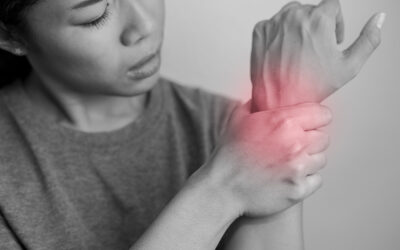
Sleep Positions That May Damage Your Nerves, Experts Warn
Many people assume that sleep position is simply a matter of comfort. However, experts warn that certain positions can place harmful pressure on nerves, joints, and muscles. Over time, this pressure can cause tingling, numbness, or even long-term nerve irritation. Because we stay in the same position for hours while sleeping, the way we arrange our arms, legs, and neck can have a major impact on our health. The Hidden Risks of “T. Rex” Arm Positioning One of the most common yet risky sleep habits is tucking the arms close to the chest or under a pillow. This curled posture resembles a “T. Rex” shape and can compress nerves in the elbows or wrists. When nerves stay compressed for hours, the result can be numbness or tingling upon waking. For some people, the sensation becomes chronic. This happens because repeated pressure slowly irritates the nerve pathways that control hand and arm movement. How Stomach Sleeping Affects the Spine and Nerves Another risky position is sleeping on the stomach. This requires twisting the neck to breathe, which can misalign the spine. Over time, the twisting motion puts strain on the nerves in the neck and shoulders. Many stomach sleepers report waking with headaches, stiff shoulders, or burning sensations down the arms. These symptoms often point to nerve compression caused by poor spinal alignment. Back Sleeping: Helpful for Some, Risky for Others Sleeping on the back is often considered neutral, but it is not perfect for everyone. People who snore or who struggle with acid reflux may find their symptoms worsen in this position. In addition, back sleepers may place their arms above their heads without realizing it. This posture can irritate the nerves in the upper arms and shoulders. However, with proper pillow support and relaxed arm placement, back sleeping can still be a healthy option. Why Side Sleeping Is Usually the Safest Choice Experts widely recommend side sleeping because it naturally aligns the spine and reduces pressure on nerves. This position keeps the airway open, supports circulation, and reduces strain on the lower back. To improve comfort, many people place a pillow between their knees. This helps prevent the hips from rotating and keeps the spine straight. With the right mattress and pillow, side sleeping can significantly reduce nerve-related discomfort. Small Adjustments That Make a Big Difference Improving sleep posture does not require major changes. Simple adjustments can relieve pressure and improve nerve health. For example, keeping the arms straight instead of bent reduces nerve compression. Choosing a supportive pillow that keeps the neck aligned can prevent pinched nerves in the shoulders. A medium-firm mattress helps distribute body weight evenly, minimizing pressure points on the hips and lower back. When Sleep Positions Lead to Long-Term Problems Ignoring nerve-related symptoms can lead to lasting damage. Persistent numbness, tingling, or burning sensations may indicate chronic nerve compression. Over time, compressed nerves can weaken muscles, reduce grip strength, or cause ongoing pain. Because sleep takes up a large portion of our lives, repeated harm each night can accumulate quickly. This is why experts encourage people to take nighttime posture seriously. How to Transition to a Healthier Sleeping Style Changing sleep habits can feel difficult at first. However, gradual adjustments make the transition easier. You can place pillows behind your back to prevent rolling onto your stomach. You can also adjust pillows under your arms to keep them straight. If you need to shift to side sleeping, start by doing it for part of the night. Over time, your body will adapt and the new position will begin to feel natural. Final Word Good sleep isn’t just about feeling rested — it plays a powerful role in your long-term health. When you sleep in positions that support your spine and protect your nerves, you help your entire body function more efficiently. Quality sleep improves cardiovascular health by lowering stress hormones, supporting healthy blood pressure, and giving your heart the downtime it needs to recover from daily strain. It also reduces brain fog by allowing your brain to clear out waste, strengthen memory, and restore mental clarity. And because your muscles and nervous system finally have a chance to relax, proper sleep positions help decrease overall fatigue, making you feel more energized and alert throughout the day. In short, choosing the right position does far more than prevent numbness or discomfort — it enhances your whole-body wellness. A few simple adjustments can protect your nerves, improve your physical performance, sharpen your thinking, and support a healthier heart. Good sleep is one of the easiest and most effective ways to strengthen your overall health from the inside out. Unmask the Narrative. Rip Through the Lies. Spread the Truth. At The Modern Memo, we don’t polish propaganda — we tear it to shreds. The corporate press censors, spins, and sugarcoats. We don’t. If you’re tired of being misled, silenced, and spoon-fed fiction, help us expose what they try to hide. Truth matters — but only if it’s heard. So share this. Shake the silence. And remind the powerful they don’t own the story. The Modern Memo may be compensated and/or receive an affiliate commission if you click or buy through our links. Featured pricing is subject to change. 📩 Love what you’re reading? Don’t miss a headline! Subscribe to The Modern Memo here! Explore More News Trump Designates Muslim Brotherhood a Terrorist Organization Trump and Elon Musk Reunite, Boosting GOP Unity Top 5 Essential Survival Gear Items For Any Adventure Epstein Files Bill Sparks New Questions as Jeffries Email Emerges

Army Veteran, 88, Still Working Full-Time After Losing Pension — Internet Raises Nearly $1.5M to Help
At 88 years old, Army veteran Ed Bambas still works full-time as a grocery store cashier in Brighton, Michigan. He shows up five days a week, often standing for more than eight hours at a time. While most people his age spend their days relaxing in retirement, Bambas continues to work simply because he has no other choice. He shared that he would prefer to slow down, but his income is too limited to cover his expenses. As a result, he keeps going with steady determination and a positive spirit. His story has touched millions, not only because of his age but because of the heartbreaking reason behind his financial struggle. A Promised Pension That Disappeared Bambas once believed he would enjoy a secure retirement. After retiring from General Motors in 1999, he counted on the pension and benefits he had earned through decades of hard work. However, everything changed in 2012 when GM went bankrupt. In the fallout, Bambas lost his pension, his health care coverage, and most of his life insurance. The timing could not have been worse. His wife became seriously ill around the same time, leading to mounting medical bills. Without the benefits he expected to rely on, Bambas was forced to sell his home and other property to stay afloat. The financial pressure grew even heavier after his wife of more than 50 years passed away. Left alone and without a safety net, Bambas did what he had always done—he kept working. @itssozer 88 year old veteran still working.. 😭❤️ (donate in B1O) #love #kind #veteran ♬ original sound – Samuel Weidenhofer More Stories Drowning in Bills? These Debt Solutions Could Be the Break You Need Out-of-Town Renters Are Driving Up Demand in These Five Cities Under Siege: My Family’s Fight to Save Our Nation – Book Review & Analysis Showing Up With Humility and Strength Despite the physical demands of the job, Bambas remains grateful that his body still allows him to work. He told WXYZ ABC he is “fortunate” to be able to stand for long hours and help customers with a smile. Co-workers and shoppers often describe him as polite, hardworking, and dedicated. Yet behind the scenes, he continues to work not out of passion, but out of necessity. His story is a reminder of how quickly retirement plans can collapse, especially for older Americans who depend on pensions that disappear during economic downturns. A Viral Video Sparks Nationwide Support Everything changed when Australian influencer Samuel Weidenhofer visited the Michigan supermarket and met Bambas. After hearing his story, the influencer posted a video highlighting the veteran’s situation and surprising him with a $400 tip. The video quickly gained traction across TikTok, Instagram, and YouTube. Millions of viewers were moved by Bambas’ humility and resilience. Weidenhofer decided to launch a GoFundMe campaign to help Bambas finally retire. Within hours, donations began pouring in. People from across the country—and even around the world—contributed what they could. Some gave $5. Others sent hundreds, and even thousands. Many shared stories of their own struggles or their appreciation for veterans like Bambas. Celebrities, including singer Charlie Puth, amplified the campaign by sharing it on social media. Each post helped draw even more attention to Bambas’ story and the need for change in how society supports aging veterans and retirees. Fundraising Surges to Nearly $1.5 Million Because of the overwhelming response, the GoFundMe campaign skyrocketed. At the time of this publication, the GoFundMe fund has reached just under $1.5 million—a powerful demonstration of nationwide compassion. The donations will be placed into a secure account or trust once the campaign closes. From there, the funds will help provide stability, cover living expenses, and give Bambas the financial freedom he has lived without for so many years. Most importantly, the support may finally allow him to retire with dignity. Technology Isn’t His Priority — But Kindness Is Although his story has gone viral, Bambas himself has not seen the video that changed his life. He still uses a flip phone and says he has never been on TikTok or Instagram. While the online attention feels surreal to him, he remains deeply grateful and humbled by the generosity of strangers. For him, the fundraiser is not about fame or recognition. Instead, it represents the kindness of people willing to step forward and help someone in need. A Story That Raises Larger Questions Beyond Bambas’ personal journey, his experience brings important issues into the spotlight. His situation raises questions about: The security of pensions for retirees The stability of health care and insurance benefits The support available to older veterans The financial challenges seniors face in today’s economy His story highlights how quickly life can change and how easily older Americans can fall through the cracks—even after a lifetime of hard work and service. Hope, Dignity, and a Brighter Future As donations continue to grow, Bambas’ life may soon look very different. After years of loss, sacrifice, and financial uncertainty, he now has a chance to experience comfort in his later years. With support from millions, he may finally be able to rest, enjoy his time, and live free from the constant pressure to work full-time just to survive. In the end, the response to his story proves something powerful: when people come together, even one small video can create real change. For Ed Bambas, that change is life-altering. And for the rest of us, his story is a reminder that compassion still makes a difference—one person, one share, and one act of generosity at a time. Forget the Headlines. Challenge the Script. Deliver the Truth. At The Modern Memo, we don’t tiptoe through talking points — we swing a machete through the media’s favorite lies. They protect power. We confront it. If you’re sick of censorship, narrative control, and being told what to think — stand with us. 📩 Love what you’re reading? Don’t miss a headline! Subscribe to The Modern Memo here! Explore More News Michael & Susan Dell…

Menopause: Turning Down the Heat, One Flash at a Time
The Modern Memo may be compensated and/or receive an affiliate commission if you click or buy through our links. Featured pricing is subject to change. Menopause can bring unexpected changes, and hot flashes are often the most disruptive. These sudden surges of heat can happen at any time—at work, during a conversation, or even in the middle of the night. While every woman’s experience is different, understanding what may trigger hot flashes is an important step toward feeling more in control. (RELATED NEWS: Health, Wellness & Preparedness for Today’s 40+ Mature Adults) Many women notice flare-ups tied to things like stress, certain foods, warm environments, or shifting sleep patterns. Others find their symptoms appear without warning. If hot flashes are becoming uncomfortable or unpredictable, you’re not alone. The key is learning how your body responds and discovering what can help you stay balanced throughout this transition. If you’re looking for practical ways to manage menopause symptoms, reduce discomfort, and regain confidence in your daily routine, you don’t have to figure it out on your own. Click below to access our in-depth guide, where you’ll learn: Common triggers that may be intensifying your hot flashes Simple lifestyle adjustments that can ease symptoms Ways to feel more comfortable, day and night What to do when hot flashes become overwhelming Your personalized path to menopause relief starts with the right information. Tap into the full guide to take your next step toward feeling better. Find Your Relief

Simple Steps for Weight Loss and Diabetes Control to Feel Better, Live Better
Simple Steps for Weight Loss and Diabetes Control to Feel Better, Live Better The Modern Memo may be compensated and/or receive an affiliate commission if you click or buy through our links. Featured pricing is subject to change. Discover a Smarter, More Supportive Way to Lose Weight If you’ve struggled to lose weight on your own, you’re not alone—and you don’t have to keep trying by yourself.Having a professional on your side can completely change your experience. With expert direction and steadyencouragement, you can finally make progress that feels realistic and long-lasting.Why Professional Support Matters Provides clear, personalized guidance tailored to your needs. Keeps you motivated and accountable as you build new habits. Helps you avoid common mistakes that slow or stop results. How Weight Loss Benefits Your Body Lightens the load on your heart, joints, and entire system. Helps your body use insulin more efficiently, improving energy. Supports better sleep, mood, and overall wellness. Realistic Changes That Work Add more nutrient-dense foods to your meals. Make small swaps to cut back on added sugars. Build movement into your day—even a few minutes at a time. Focus on consistency, not perfection. With the right partner guiding you, weight loss becomes easier, more achievable, and far more enjoyable.You deserve support that empowers/ you, teaches you, and helps you feel in control of your health again. (RELATED NEWS: Health, Wellness & Preparedness for Today’s 40+ Mature Adults) Explore Options for Weight Loss Diabetes Support — Smart Sips Enjoy Cocktails Again — Crafted Specifically for Diabetes Living with diabetes doesn’t mean you have to pass on a great cocktail. Diabetes Cocktails was created to bring enjoyment back to your glass, offering flavorful drinks made with smarter ingredients that support more stable blood sugar. These recipes avoid added sugars, keep carbs in check, and rely on clean, natural flavors so you can sip without second-guessing. What makes Diabetes Cocktails different is our commitment to balance. Every drink is thoughtfully built using low-impact mixers, fresh herbs, citrus, berries, and carefully selected spirits known to be gentler on glucose levels. From refreshing spritz-style drinks to upgraded classics and satisfying mocktails, there’s something for every taste. Here’s what you’ll experience with Diabetes Cocktails: Lower-carb, diabetes-friendly formulas that still taste amazing Sugar-conscious mixology using natural flavors instead of syrups Guidance on choosing spirits that fit better with diabetes management Simple, doable tips to enjoy drinks confidently and responsibly But beyond the recipes, our mission is to empower. You’ll find helpful suggestions for portion control, ingredient swaps, and strategies for enjoying social occasions without compromising your health goals. It’s all about blending enjoyment with smarter decision-making. Ready to bring flavor, confidence, and control back to your cocktail hour? Explore Diabetes Cocktails today — because living with diabetes shouldn’t take the fun out of life. It should simply inspire a better way to celebrate. See the Recipes