

Lifestyle

Emotional Well-Being and Aging: How Older Adults Can Thrive
Many people assume that as we age, our emotional well-being must inevitably decline. However, new research suggests otherwise, as reported by CNN. A large study of more than 8,000 older adults found that even those whose health or well-being was poor at the start were able to regain strong emotional and physical health within three years. This finding challenges the common belief that aging only brings losses. It shows that recovery and growth are possible later in life. The study, published on September 24 in the journal PLOS One, was a secondary analysis of data collected from the Canadian Longitudinal Study on Aging. “These findings apply to older adults aged 60 and over who are not currently in optimal health or well-being,” said Dr. Esme Fuller-Thomson, the study’s senior author. “The study offers hope and practical insights for older adults, caregivers, and policymakers by showing that with the right supports and lifestyle choices, many older adults can regain a high level of well-being even after experiencing sub-optimal well-being.” Researchers define optimal well-being as a balance of social support, positive attitudes toward aging, physical and mental health, life satisfaction, and independence in daily activities. The results offer hope that older adults can rebuild both emotional and physical strength, even after difficult periods. Why Emotional Well-Being Matters as Much as Physical Health Conversations about aging often focus on physical health—diet, exercise, and chronic illness. But this study shows that emotional health is just as vital for longevity and quality of life. Older adults who began the study with strong emotional well-being were nearly five times more likely to achieve overall good health after three years. This means that mindset, resilience, and emotional stability have measurable effects on how people age. (MORE NEWS: Smart Tips for Medicare Open Enrollment Success) Emotional well-being is also closely tied to lifestyle. Supportive relationships, regular exercise, quality sleep, and social activity all promote better health. Without emotional balance, even the best fitness or diet plans can lose their impact. Because many older adults face challenges such as loneliness, changing roles, and physical decline, supporting emotional resilience is key to thriving later in life. How Older Adults Can Regain Well-Being Experts point to several ways older adults can strengthen or restore their emotional health. These methods are practical and supported by science. Cultivate Strong Social Connections Social support plays a major role in emotional wellness. Staying in touch with family, friends, and community groups helps prevent loneliness and promotes a sense of purpose. Even short daily conversations can make a difference. Feeling connected to others boosts mood and motivation. Keep Moving Every Day Physical activity benefits both the body and the mind. Gentle exercise such as walking, stretching, or light strength training can improve mood, sleep, and energy levels. Even small changes—like taking the stairs or walking a few extra minutes—add up over time. Movement helps older adults maintain strength and independence. Make Sleep a Priority Good sleep is essential for emotional balance. Poor sleep can cause irritability, fatigue, and anxiety. Setting a regular bedtime, limiting caffeine, and creating a calming bedtime routine can lead to better rest and stronger emotional health. Think Positively About Aging A positive mindset can change everything. Older adults who see aging as an opportunity for learning and growth tend to feel more satisfied with life. Practicing gratitude, focusing on what’s going well, and celebrating small victories can all shift perspective and increase happiness. Avoid Harmful Habits Healthy choices protect both emotional and physical well-being. Avoiding smoking, limiting alcohol, and maintaining a balanced diet all support the body and mind. These small but consistent actions can prevent disease and improve overall mood. Find Purpose and Meaning Having a sense of purpose is one of the strongest predictors of emotional health. Engaging in hobbies, volunteering, mentoring, or creative pursuits gives life structure and meaning. Doing things that matter—no matter how small—helps older adults stay motivated and optimistic. Barriers and Important Context While the findings are hopeful, it’s important to remember that not every older adult has the same resources. Access to health care, income level, and community support can all affect recovery. People living alone or managing chronic illness may face bigger challenges. Yet the research still found that even those with serious pain or limitations were able to regain emotional and physical wellness. This shows that improvement is possible for nearly everyone. (MORE NEWS: YIKES! Diet Soda Gets More Bad News) The study also looked at patterns over time rather than testing specific treatments. It didn’t prove that one behavior alone causes recovery, but it highlighted a combination of factors that work together—emotional health, social support, and lifestyle choices. A Simple Roadmap for Emotional Renewal Older adults and caregivers can follow these practical steps to support emotional well-being: Reach out to friends and family regularly. Social connection reduces stress and boosts mood. Move your body daily. Gentle exercise keeps you strong and helps you sleep better. Create a calming bedtime routine to improve rest. Keep a gratitude journal or reflect on what went well each day. Engage in meaningful activities like volunteering, gardening, or art. Avoid smoking and limit alcohol to maintain energy and clarity. Ask for professional help if you struggle with sadness or anxiety. Counseling or group support can make a real difference. Believe that positive change is possible. Research proves that emotional recovery can happen at any age. Conclusion: Aging With Hope and Intention The main message from this research is clear: emotional well-being in later life is not fixed or destined to fade. Many older adults who started out struggling regained high levels of health and happiness within a few years. That recovery highlights the power of resilience, community, and healthy habits. Because emotional wellness can improve with effort, it’s never too late to take action. By building strong connections, staying active, maintaining a positive mindset, and finding purpose, older adults can experience renewal and joy well into their later years. Aging is not an ending—it’s an ongoing opportunity…
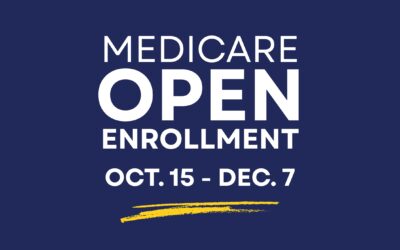
Smart Tips for Medicare Open Enrollment Success
During Medicare open enrollment, you have choices. You can stick with Original Medicare (Parts A and B), enroll in a Medicare Advantage (Part C) plan, add Part D for prescription drug coverage, or pick up a Medigap (supplement) plan. First, decide whether you prefer the flexibility of Original Medicare or whether a bundled advantage plan makes sense. Then, layer in drug coverage and supplemental insurance as needed. Medicare Open Enrollment happens every year from October 15 to December 7. During this time, you can review your current coverage and make changes that will take effect on January 1 of the following year. Transitioning between plans is allowed only during this period, so it’s your chance to adjust coverage to fit your current needs. Review Your Health and Prescription Needs Start by listing all your current prescriptions and estimating usage for the coming year. Compare that against each plan’s drug formulary (which drugs they cover and at what tier). Make sure your preferred pharmacists are in-network. (MORE NEWS: Maxwell House Rebrand: “Maxwell Apartment” Misses the Mark) Next, think about anticipated medical services: will you need frequent specialist visits, physical therapy, or imaging? Check if your doctors and hospitals are in the plan network. A plan with lower premiums but limited network can cost more in out-of-pocket travel or out-of-network fees. Compare Total Costs — Not Just Premiums Don’t be tempted to go for the cheapest premium alone. Evaluate the total cost: Premiums Deductibles Coinsurance or copays Annual out-of-pocket maximums Drug plan cost sharing A higher premium plan might save money overall if it lowers your coinsurance or out-of-pocket liability. Use plan comparison tools to model your expected costs under each option. Know the Difference: Medicare Advantage vs. Medigap + Original Medicare Many people confuse Medigap and Medicare Advantage, but they work quite differently: Medicare Advantage plans bundle Part A, B, and usually D. They often offer extra benefits (vision, dental, hearing) but may limit your provider network and require referrals. Medigap (supplement) plans work alongside Original Medicare. They help cover gaps like copays, coinsurance, and deductibles. You still retain the flexibility to see any provider who accepts Medicare. Decide whether you prefer provider flexibility (favoring Original/Medigap) or the additional perks of a Medicare Advantage plan. Watch for Changes Year to Year Plans often change annually — coverage, formulary, network, premiums — so even if you’re satisfied, you should reassess each fall. A drug you take might be moved off a formulary, or your doctor might drop from a network. Use the open enrollment window to switch plans if something no longer works for you. (MORE NEWS: Check for Extra Benefits and Perks Some plans offer extras beyond basic medical and drug coverage. Look for benefits such as: Dental, vision, or hearing coverage Wellness programs Fitness memberships (e.g., gym access) Transportation to medical appointments Telehealth services While not all extra benefits are available in every area, they can add real value if you use them. Consider how likely you are to use those perks before prioritizing a plan that offers them. Beware of Fraud and Scams Beware of aggressive marketing or offers that seem “too good to be true.” Watch out for red flags: Cold calls or emails asking for your Medicare number Offers of “free” devices or services if you enroll Requests to pay by gift card, cryptocurrency, or wire transfer Agents claiming to be “Medicare representatives” Always verify through official channels. Legitimate agents will not pressure you, ask for unconventional payment, or demand your Medicare number unsolicited. Check for Extra Help or Dual Eligibility Some enrollees qualify for additional assistance: Medicaid: If your income is low, you may qualify for both Medicaid and Medicare (dual eligibility). “Extra Help” for Part D: This federal program helps with drug plan costs if you meet income and resource requirements. Don’t miss out on benefits you’re eligible for simply because you didn’t run the numbers or ask. Get assistance from trusted nonprofits or state health insurance assistance programs. Make a Decision—and Enroll Early Once you’ve compared your options, make your decision early. Don’t wait until the last minute, because delays or glitches can happen. Submit your enrollment or change before the deadline. Then confirm that the plan is active starting the next year. After enrollment, keep your plan materials, track your notification letters, and make sure your prescriptions and providers are in place. Tips Summary (At a Glance) List your prescriptions, medical needs, and providers Compare total costs, not just premiums Know the differences between Medicare Advantage and Original + supplement Watch for annual plan changes Consider extra benefits, but don’t overvalue them Guard against fraud and scams Check eligibility for extra help Use official tools and impartial assistance Enroll early and confirm everything is in place Choosing the right Medicare plan doesn’t have to be stressful. A little research, clear comparisons, and early action can help you find coverage that truly works for you. Cut through the noise. Drown out the spin. Deliver the truth. At The Modern Memo, we’re not here to soften the blow — we’re here to land it. The media plays defense for the powerful. We don’t. If you’re done with censorship, half-truths, and gaslighting headlines, pass this on. Expose the stories they bury. This isn’t just news — it’s a fight for reality. And it doesn’t work without you.
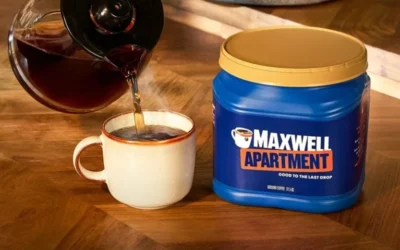
Maxwell House Rebrand: “Maxwell Apartment” Misses the Mark
For the first time in its 133-year history, Maxwell House is changing its name. The brand is temporarily rebranding itself as “Maxwell Apartment.” This bizarre move has coffee lovers across the country asking one big question: why mess with a name that has worked for more than a century? When your coffee tastes the same, why change the name? Loyal fans are baffled. This feels like yet another case of a heritage brand hiring marketing people with hairbrained ideas. Instead of honoring tradition, they’re gambling with brand identity—and risk ending up like other once-beloved brands that lost their way, such as Cracker Barrel. What the Change Actually Means Kraft Heinz, the parent company of Maxwell House, insists the coffee itself hasn’t changed. The flavor, the beans, and the recipe are all the same. The name swap is simply a marketing stunt. According to the company, “Maxwell Apartment” reflects the reality that more Americans rent than own homes. To push the message, they’re even offering a quirky deal: consumers can “lease” a year’s supply of coffee—four giant canisters—for about $40 on Amazon, complete with a novelty lease agreement. (MORE NEWS: General Motors CEO Pulls Back on EV Ambitions) On paper, it’s supposed to be clever. In practice, it feels like a gimmick that trivializes real housing struggles while doing nothing to strengthen the product’s appeal. Why This Is So Bizarre This rebrand doesn’t just raise eyebrows; it raises real questions about corporate decision-making: Heritage should matter. Maxwell House is a name etched in American culture since 1892. You don’t just tinker with that legacy for a quick PR stunt. It’s confusing. The metaphor falls flat and risks alienating loyal drinkers. It’s tone-deaf. Tying your coffee brand to housing stress feels like an attempt to profit off economic anxieties. That’s a strange, uncomfortable angle. Nothing actually changes. The product and taste remain the same. So what’s the point? Instead of generating trust, this rebrand sends the message that the company is flailing for attention. What They Were Probably Trying to Do To be fair, we can guess the strategy behind this move: Appeal to younger renters. The campaign may aim at Gen Z and millennial renters who feel disconnected from legacy brands. Create viral buzz. Big name changes grab headlines—and in that sense, Maxwell succeeded. Highlight affordability. Framing coffee as something you can “lease” cheaply may reinforce value at a time when café lattes cost $7. The problem is that shock tactics don’t build lasting loyalty. They create chatter, yes, but they risk eroding trust that took more than a century to earn. A Better Rebrand: Back to the Metal Cans If Maxwell House really wanted to refresh its brand without alienating loyalists, it should look backward, not sideways. (MORE NEWS: Ditch the Pavement: Why Running Is Aging You Faster) Many longtime fans remember the cool metal cans Maxwell House used to come in. Those sturdy blue tins weren’t just containers—they were Americana. People repurposed them to hold nails, screws, paintbrushes, and other garage essentials. They were practical, collectible, and they reinforced the brand’s identity as part of everyday American life. Bringing back the metal cans would be the kind of rebrand that makes sense: It honors tradition. Instead of erasing the past, it celebrates it. It’s useful. Consumers love packaging they can reuse instead of throw away. It’s nostalgic. It connects with older customers while introducing younger ones to something authentically retro. It’s sustainable. In an era focused on reducing waste, durable packaging is a win-win. Imagine the buzz if Maxwell House announced it was reintroducing its classic tins—fans would buy them not just for coffee but for the practical value. That’s the kind of move that strengthens a brand rather than confusing it. Why Companies Shouldn’t Fix What Isn’t Broken Legacy brands like Maxwell House thrive on trust and familiarity. Customers want the comfort of knowing exactly what they’re buying. When companies chase novelty for novelty’s sake, they risk undermining the very reason people stayed loyal in the first place. Marketing departments sometimes forget: people don’t always want clever—they want consistent. Maxwell House has built more than a century of goodwill around its name. Changing it, even temporarily, creates unnecessary confusion. And let’s be clear: housing struggles, inflation, and affordability are not fun topics to play with in a campaign. People want their morning cup of coffee to be comforting, not a reminder of economic stress. The Takeaway Maxwell House’s temporary leap to “Maxwell Apartment” is an odd reminder of how fragile brand identity can be when companies chase stunts instead of substance. A name that survived world wars, depressions, and countless coffee trends is suddenly being bent for a marketing gag. That feels small for a brand that once stood tall in the pantheon of American staples. What Maxwell House—and other classic brands—should remember is this: consumers crave authenticity. They don’t need gimmicks to connect with a product that’s already part of their daily lives. A bold move isn’t automatically a good move, and relevance doesn’t come from making fun of housing struggles. It comes from reminding people why they loved you in the first place. If Maxwell House wants to spark loyalty and conversation, a smarter play would be to lean into its heritage. Bring back the metal cans. Celebrate the history. Remind people that tradition has value in a world that changes too quickly. That kind of move would feel innovative without being absurd. Instead of trading its name for a punchline, Maxwell House should double down on what it does best: brewing coffee that has fueled American mornings for generations. That’s a story worth telling—no apartment lease required. Expose the Spin. Shatter the Narrative. Speak the Truth. At The Modern Memo, we don’t cover politics to play referee — we swing a machete through the spin, the double-speak, and the partisan theater. While the media protects the powerful and buries the backlash, we dig it up and drag it into the light. If you’re tired of…
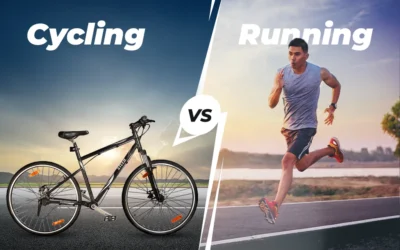
Ditch the Pavement: Why Running Is Aging You Faster
Many people love the rush of pounding the pavement, whether it’s the sense of freedom, the endorphin high, or the satisfaction of clocking in miles. Running is celebrated as one of the simplest, most accessible ways to stay fit. Lace up your shoes, and off you go. But could this beloved habit actually be accelerating the aging process? Some experts say yes. A leading plastic surgeon warns that while running has benefits, it also carries hidden costs: damaged joints, stressed skin, and even facial changes that can make you appear older. The good news? There are low-impact alternatives that still deliver cardiovascular health, strength, and energy—without the wear and tear. Let’s explore why swapping the daily jog for a gentler routine could be the smarter path to staying youthful, strong, and vibrant. The Warning from a Plastic Surgeon Dr. Gerald Imber, a renowned New York City plastic surgeon, recently ignited debate with a viral TikTok and Instagram videos that racked up more than 12 million views. In it, he boldly declared: “Running feels great, but your knees go, your ankles go, your hip goes, your skin goes, and your face sags.” Imber has spent decades observing how lifestyle choices impact aging, and he argues that distance running often does more harm than good. While he doesn’t dismiss cardio altogether, he stresses moderation and balance. His message is clear: logging mile after mile may not be the fountain of youth we think it is. In fact, choosing smarter forms of exercise can preserve your health and appearance far longer. (RELATED NEWS: Diet Soda Speeds Brain Aging, RFK Jr. Targets Additives) How Running Takes a Toll on the Body Running is high-impact by nature. With every stride, your skeleton absorbs forces up to three times your body weight. Over time, this repeated pounding stresses knees, ankles, and hips. Research has linked long-term, high-mileage running to greater risk of osteoarthritis, especially in older adults or those with prior injuries. Spinal discs can compress with repetitive impact, contributing to stiffness, back pain, or even height loss as the years go by. But the effects aren’t just internal. Outdoor running exposes your skin to ultraviolet rays that accelerate collagen breakdown, leading to sagging, wrinkles, and sun damage. The endurance training required for long-distance running also burns through fat reserves, including facial fat. Dr. Imber points out, “Have you ever seen a long-time runner without a gaunt, old face?” Genetics, lifestyle, and moderation certainly influence how bodies respond. Some people run for decades without serious injury. Still, the scientific consensus supports caution: high-mileage running increases risks that low-impact alternatives largely avoid. For those who love running, balance is key—limiting mileage, mixing in strength training, and cross-training with cycling, swimming, or elliptical workouts can reduce long-term damage. Low-Impact Champions: Cycling, Swimming, and More So what’s the solution? Imber champions cycling as an ideal substitute. Unlike running, cycling is low-impact yet still highly effective for cardiovascular health. Pedaling works major muscle groups—legs, core, and even arms—while sparing your joints from repeated stress. (MORE NEWS: Take a Family Gap Year: Ditch the Routine and Travel) But cycling isn’t the only option, he says. The elliptical, swimming, and even the treadmill set at an incline are equally effective, offering variety while protecting bones and joints. These exercises keep intensity high but impact low, making them excellent choices for people of all ages. Cycling, in particular, is versatile. You can ride outdoors for fresh air and scenery or stay indoors on a stationary bike, fitting workouts neatly into any schedule. With a properly fitted bike—seat adjusted for a slight knee bend and handlebars set at a comfortable height—you can ride efficiently and safely. Beginners might start with five to ten minutes at an easy pace, gradually increasing to 30–45 minutes, three to five times per week. A steady cadence of 80–100 revolutions per minute (RPM), moderate resistance, and regular hydration form the foundation of a solid cycling routine. This smooth, sustainable motion makes cycling—and its fellow low-impact workouts—accessible across all ages and fitness levels. Why Low-Impact Exercise Preserves Youth Low-impact exercise doesn’t just protect your joints; it actively promotes long-term vitality. Studies show that cyclists, swimmers, and elliptical users enjoy stronger cardiovascular health and lower risks of heart disease. Compared to non-riders, cyclists are about 40% less likely to experience knee pain or arthritis by age 65. Cognitive benefits also stand out. Research links regular aerobic activity like cycling or swimming to sharper memory and slower age-related cognitive decline. The act of balancing, steering, or coordinating movements engages the brain, reducing fall risk—a major concern as we age. Unlike running, these forms of exercise avoid excessive facial fat loss and minimize sun exposure (especially if done indoors). By sparing both joints and skin, they support a more youthful look and feel. As Dr. Imber advises, “Low-impact aerobics is the way to get exercise.” Public health guidelines echo this, recommending at least 150 minutes of moderate aerobic activity weekly—easily met through cycling, swimming, or time on the elliptical. Moving Toward a Vibrant Future The message isn’t to abandon the joy of movement—it’s to move smarter. Imagine yourself gliding through a tree-lined park on a bike, swimming smooth laps in a pool, or powering through an elliptical session while music fuels your rhythm. You’re not just getting fit; you’re protecting joints, preserving skin, and building resilience for the decades ahead. Cycling offers a fun, accessible, and sustainable path to health. Pair it with twice-weekly strength training to build muscle and support bones, and you’ll create a well-rounded fitness plan. Track your progress with a fitness app, and celebrate milestones as you go. In the end, the goal isn’t to stop exercising—it’s to choose exercise that keeps you vibrant for life. By swapping out pavement-pounding runs for smooth, joint-friendly workouts, you can safeguard both your body and your appearance. Your future self will thank you for every mile you pedal, lap you swim, or incline conquered on the treadmill. The right exercise won’t just…

Autism Hope Grows With Promising Developments
Big news is swirling around autism research, and it has parents, doctors, and advocates paying attention. For years, families have asked why autism rates keep climbing and what can be done to help children thrive. Now, two new developments may offer clues and hope. While these findings remain preliminary, they carry real promise. The Possible Link Between Tylenol and Autism President Donald Trump and U.S. health officials point to studies that suggest a possible connection between acetaminophen (best known as Tylenol) use during pregnancy and a higher risk of autism in children. They allege that expectant mothers who take large amounts of acetaminophen may unknowingly increase the odds of autism or ADHD in their children. God bless you, President Trump, for being brave. pic.twitter.com/E9Hweu8d2Y — Secretary Kennedy (@SecKennedy) September 22, 2025 This theory is based on several long-running studies, including the Boston Birth Cohort and the Nurses’ Health Study. Researchers reported patterns that seem to connect prenatal acetaminophen use with later developmental challenges. Officials like FDA Commissioner Marty Makary say the data are “too strong to ignore.” Of course, not everyone agrees. Tylenol’s manufacturer, Kenvue, disputes the claims, saying sound science does not prove a causal link. Tylenol made a statement on its website: Many independent doctors also warn that much more research is needed before conclusions are drawn. Still, the fact that this conversation is now on the national stage could mark a turning point. It signals that researchers may finally be on to something about one of the many possible contributors to autism. (MORE NEWS: Gen Z Credit Scores Drop, But Future Looks Bright) Trump Raises Concerns on Childhood Vaccinations President Trump also brought to light another issue he believes deserves national attention: childhood vaccinations. Trump warned against over-vaccinating babies and young children, saying, “It’s too much liquid, too many different things are going into that baby at too big a number the size of this thing. When you look at it, it’s like 80 different vaccines and beyond vaccines, 80, and you give that to a little kid.” Secretary Robert F. Kennedy Jr. echoed those concerns, emphasizing that families deserve to be heard. “Some 40-70% of mothers who have children with autism believe that their child was injured by a vaccine. President Trump believes that we should be listening to these mothers instead of gaslighting and marginalizing them like prior administrations.” “Some 40-70% of mothers who have children with autism believe that their child was injured by a vaccine. President Trump believes that we should be listening to these mothers instead of gaslighting and marginalizing them like prior administrations.” – @SecKennedy pic.twitter.com/491tqIpgKy — The White House (@WhiteHouse) September 23, 2025 The comments highlight a larger debate about medical freedom, parental choice, and how government agencies handle vaccine schedules for children. Both Trump and Kennedy framed the issue as one of respect for parents and accountability from institutions that have too often dismissed their voices. A Cancer Drug May Offer New Hope The second development is even more uplifting for families already living with autism. A cancer drug called leucovorin, long used for anemia and chemotherapy support, is now being tested for new purposes. Early studies show that leucovorin may help non-verbal children with autism begin to speak, improve social skills, pay attention longer, and reduce repetitive behaviors. Doctors who have studied leucovorin in this new context are calling the results encouraging. Imagine a child who has never spoken a word suddenly beginning to form sentences after treatment. Parents in early studies have reported exactly that. To be clear, leucovorin is not yet approved by the FDA for autism treatment. Right now, doctors can only prescribe it “off-label.” But regulators are already reviewing evidence and have hinted they may update the drug label to reflect potential use in speech-related deficits tied to autism. That would be a major step forward. The Autism Action Plan: A Three-Part Strategy The White House also laid out a structured Autism Action Plan that signals a serious national commitment. The plan focuses on three major steps. Informing Doctors and Families The FDA will issue a physician notice and update safety labels on acetaminophen, citing a potential association between prenatal use and adverse neurodevelopmental outcomes. The Department of Health and Human Services will also launch a nationwide campaign to educate families and protect public health. Making a Therapeutic Available The FDA will recognize leucovorin as the first therapeutic for children with cerebral folate deficiency and autistic symptoms. Once approved, state Medicaid programs will be able to cover leucovorin for autism spectrum disorder. At the same time, the National Institutes of Health will conduct confirmatory trials to better understand its impact. Increasing Research Investment Through the Autism Data Science Initiative, the NIH will invest more than $50 million to fund 13 new projects. These efforts are designed to push forward understanding, therapies, and long-term solutions for autism. Rep. Mary Miller weighs in on this bold plan: For decades, politicians ignored the rise of autism in America. President Trump is taking action. His Autism Action Plan will inform parents, expand treatment, and fund research, finally delivering answers families have needed for years. This is the leadership we prayed for! pic.twitter.com/qAMxd2xTDM — Rep. Mary Miller (@RepMaryMiller) September 22, 2025 Why Families Should Pay Attention This is where the story gets exciting. Autism affects about one in 31 eight-year-olds, according to the CDC. That’s a big jump compared to past decades. Parents, teachers, and doctors have worked tirelessly to adapt, but the need for answers is growing. With support now coming directly from the Trump administration, there is new momentum to get to the bottom of things. That support could move the needle forward on both research and practical help for families. For years, much of the focus has been on behavioral therapies and classroom strategies. Those tools help, but they don’t address the underlying biology. Now, with possible environmental links like acetaminophen and vaccines and potential medical treatments like leucovorin, science may finally be uncovering deeper…

Protect Your Home Like Family: Smart Budgeting Tips
Why Budgeting Matters Owning a home is exciting. It feels like a big milestone, whether you’re getting ready to buy or you’ve already got the keys. But here’s the truth—homeownership is more than just a monthly mortgage. If you don’t plan ahead, extra costs like rising insurance rates or a busted water heater can sneak up and mess with your budget. The good news? With a little planning, you can stay ahead of those expenses and actually enjoy your home without constant money stress. Working with a good mortgage lender also adds value by helping you understand the full cost picture—mortgage, taxes, and insurance—so you can set a realistic budget from the start. What Insurance Really Costs Homeowners insurance isn’t optional—it’s protection. It covers you if your house is damaged by fire, storms, or theft. But the cost isn’t the same for everyone. It depends on where you live, the age of your home, and even what materials it’s built from. (RELATED NEWS: 1 in 3 U.S. Drivers Lack Enough Car Insurance, Study Warns) If you’re looking to buy, get an insurance quote early so you know what to expect. If you already own, don’t just auto-renew every year—check your coverage and see if you can get a better rate. Bundling with car insurance or adding safety features could lower your premium. Either way, you’ll want to make sure your coverage grows as your home’s value goes up. It’s also essential to add extra coverage for your valuable items. Investopedia says: “If you own a lot of high-priced possessions (fine art or antiques, fine jewelry, designer clothes), you might want to pay extra to put them on an itemized schedule, purchase a rider to cover them, or even buy a separate policy.” Don’t Forget About Taxes Property taxes aren’t always front of mind when you’re excited about a new home, but they’re a real part of the budget. They can go up as your home’s value rises or as local governments adjust rates. (RELATED NEWS: Skipping Coverage: The New Trend Among Young Adults) For buyers, don’t just look at today’s number—plan for increases. For current owners, check past trends in your area so you’re not blindsided when the bill lands in your mailbox. Have tax debt? We can help! Repairs and Maintenance: The Sneaky Costs Here’s the part of budgeting that no one loves to talk about: repairs. Every house has them. Appliances wear out, roofs leak, air conditioners quit in the middle of summer. Experts say to set aside 1–3% of your home’s value every year for maintenance and repairs. On a $200,000 house, that’s $2,000–$6,000. If you’re buying, factor that into your budget right now. If you already own, start putting money into a good interest-bearing bank account for future repairs. Even small amounts add up and make life easier when the unexpected happens. Best-case scenario, you won’t use it, and that money will continue to grow. Upgrade your windows today! Everyday Costs You Might Miss It’s not just the big stuff. Utilities, internet, trash pickup, lawn care, and snow removal (depending on where you live) all add up. And if you’re in a neighborhood with a homeowners association, expect monthly or yearly dues. Those dues may cover landscaping or amenities, but they can go up over time. Buyers should ask about these costs upfront, and current homeowners should review them every year. Why Savings Matter So Much Every homeowner needs two safety nets. First, an emergency fund—3 to 6 months of living expenses set aside for life’s curveballs like job loss or medical bills. Second, a repair fund just for the house. That way, when the water heater goes, you’re not draining your emergency money. If you’re new to saving, don’t stress. Start small, stay consistent, and build from there. Choose a bank with low or no fees and accounts that earn interest—you’ll be glad you did in the long run. Where a Home Warranty Can Help Even with savings, big repairs sting. That’s why a lot of people add a home warranty. It’s a service plan that helps cover major appliances and systems when they break down. If you’re buying, it can give you peace of mind while you settle into your new place. If you already own, adding one now could still help you handle surprise repairs without wiping out your family budget. Just make sure you know what’s covered and what’s not. Simple Steps to Build Your Budget List your monthly income and fixed expenses. Estimate your mortgage (or current payment), plus taxes and insurance. Add utilities, HOA dues, and a repair fund (1–3% of the home’s value). Factor in savings for emergencies and long-term repairs. Check the numbers. If your housing costs eat up more than 30–35% of your income, look for ways to adjust. Keeping It Stress-Free Want to keep your budget in check? Track your spending for a few months to see where your money really goes. Assume costs like insurance and taxes will rise over time. Automate your savings so you don’t have to think about it. And keep up with routine maintenance—it’s cheaper to service your HVAC once a year than replace it years too soon. Protect Your Home Like Family Buying or owning a home doesn’t have to mean sleepless nights worrying about money. With smart budgeting, you can cover the basics—mortgage, insurance, taxes, and utilities—and still prepare for the unexpected. A home warranty gives you that extra safety net, stepping in when appliances or systems fail and saving you from draining your savings on a single repair. Your home is more than walls and a roof—it protects your family, your memories, and your future. Treat it like a member of the family. Plan ahead, save consistently, and add the protection of a warranty. When you do, you give your home the same care it gives you—keeping it strong, dependable, and a place where you can truly rest easy. Protect your home like it protects you. Forget the narrative….

Take a Family Gap Year: Ditch the Routine and Travel
Hayley and Lewis Trow, a couple from the U.K., decided to trade their regular jobs and home life for a gap year adventure with their six-year-old daughter, Nyla. They left their jobs, moved out of their permanent home, and embraced a life of travel and discovery. To their surprise, the costs of being on the road dropped significantly—by nearly 50%. What used to cost them around $5,000–$6,300 (£4,000-£5,000) per month at home now comes closer to $2,500–$3,800 (£2,000–£3,000) while traveling, Fox News Reports. They manage this by strict budgeting, cutting unnecessary expenses, choosing less expensive accommodations, and adjusting their lifestyle to the demands of travel. Education for Nyla continues via online tutoring aligned with the U.K. curriculum, and when in Bali she attends a temporary multicultural school. While the choice wasn’t easy—they gave up stability, faced questions from friends and family, and navigated unknowns—they value the time together and the experiences. They say that witnessing the world through their daughter’s eyes has made the change more than worth it. (RELATED NEWS: Noctourism: The Rise of Travel After Dark and How to Do It) Affordable Family Travel Tips That Work Many families dream of taking time away from routine to travel together. The good news is that family gap year or long-term travel doesn’t have to be out of reach. With planning, discipline, and flexibility, exploring the world with kids can cost less than staying home. Here are strategies that help families save money, simplify their lifestyle, and turn extended travel into something achievable: Clarify Your “Why” Before making any big changes, define your purpose. Some families want more quality time together, others want their kids to learn from new cultures, and some simply want a gap year to slow down and break free from routine. Your “why” shapes your plan. If it’s cultural learning, you may choose to stay longer in one place. If it’s bonding, you might focus on shared experiences. Having a clear reason keeps you motivated when budgets get tight or travel feels overwhelming. Build a Realistic Budget List your current expenses: housing, food, transportation, schooling, recreation, insurance. Estimate travel costs: lodging, flights, visas, food, schooling or tutoring, gear. Compare the two. For many families, travel can actually cost less once big fixed costs are reduced. Save With Intention Automate savings by moving a set amount each month into a travel account. Cut unnecessary spending like subscriptions, impulse purchases, or luxury extras. Pay down high-interest debt early to free up more money for travel. Stay Flexible and Look for Deals Be open about where and when you travel. Off-peak seasons often mean lower prices. Use price alerts, rewards programs, and comparison tools to find cheaper flights and lodging. Choose smaller accommodations and keep baggage to a minimum to avoid extra costs. Plan for Education and Daily Needs If you have school-age children, research options such as remote schooling, online tutoring, or temporary local schools abroad. Also, plan ahead for healthcare and travel insurance to avoid unexpected expenses. (MORE NEWS: Insurance Drones: Hidden Home Inspections Spark Backlash) Embrace Simpler Living Pack light and keep wardrobes minimal. Stay in guesthouses or short-term rentals instead of hotels. Cook meals at home or eat local food rather than dining out every day. Reduce costs at home by downsizing, renting out your house, or selling a car. Test With Shorter Trips You don’t have to commit to a full year of travel immediately. Try smaller steps: A month-long trip instead of twelve. A sabbatical or extended summer break. Remote work or job sharing if possible. These trial runs help you see what works for your family’s routine, finances, and schooling before you make a bigger leap. From Dream to Lifestyle Family gap years or extended travel with children is not just for the wealthy. Families can afford it by planning carefully, budgeting wisely, and living with intention. The key is to trade unnecessary expenses for meaningful experiences and to choose flexibility over routine. This kind of lifestyle doesn’t happen overnight. It grows from small, consistent steps: building savings, practicing minimalism, and learning how to stretch every dollar. Each adjustment brings you closer to a family rhythm that prioritizes experiences over possessions. The rewards go far beyond saving money. Gap year travel offers kids new cultures, languages, and friendships they may never experience in a classroom. It gives parents more time with their children, away from packed schedules and constant distractions. The memories created often outweigh anything a new car or gadget could provide. With clear priorities and a willingness to simplify, you can transform family travel from a distant dream into a sustainable way of life. Whether it’s a summer abroad, a semester on the road, or a full year of exploration, the choice to step out of routine can change not just where you live—but how you live as a family. The Modern Memo — where lifestyle news isn’t shallow, soft, or sold out. From what you eat to what you buy, we cover the choices that shape your freedom, health, and future — without the influencer fluff or corporate agenda. Real life deserves real reporting. And we’re here to give it to you straight.
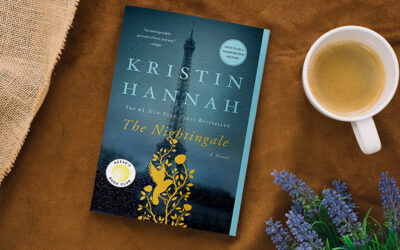
The Nightingale Review: Kristin Hannah’s WWII Classic
Read it or Leave it? Kristin Hannah’s The Nightingale isn’t just another World War II novel—it’s one of those books that sticks with you long after you close the cover. It takes you straight into Nazi-occupied France, but the real focus is on two sisters and the very different ways they handle the chaos around them. That’s what makes this book so powerful. And with a film adaptation directed by Michael Morris on the way, this story is about to reach even more people. Two Sisters, Two Kinds of Courage The heart of the book is Vianne and Isabelle. Vianne is the older sister, more cautious, and focused on protecting her daughter after her husband is sent off to fight. Then a German officer takes over her home, forcing her into decisions she never thought she’d face. Isabelle, on the other hand, is restless and fiery. She joins the Resistance, runs missions, and leads Allied airmen through the mountains. One fights by holding her family together, the other by risking her life on the front lines of defiance. Hannah shows us that bravery isn’t one-size-fits-all. Life Under Occupation Kristin Hannah has a gift for making history feel real. You don’t just read about shortages or military patrols—you feel the unease of walking through a market, the tension of wondering who you can trust, and the dread of a knock on the door. Through rich description, she shows how war transforms ordinary routines into acts of survival. These details pull the reader deeper into the story and keep the tension sharp on every page. (MORE NEWS: Wyoming Rancher Defies Age to Raise Giant U.S. Flag) Themes That Go Beyond War Yes, this is a World War II story, but the themes run far deeper. The Nightingale is about love in all its forms—love of family, love of country, and love that survives even in the darkest times. It’s also about sacrifice and the quiet strength it takes just to keep going. Hannah shines a light on the women’s side of war, which is often overlooked. Resistance took many forms—not just soldiers in combat, but women keeping families fed, sheltering the hunted, and holding life together in silence. A Book That Hits Hard Emotionally This novel doesn’t tiptoe around heartbreak. Kristin Hannah takes readers through loss, betrayal, and devastation, but she balances it with moments of tenderness and hope. You see characters rise above their pain, even when the cost is enormous. By the time the story wraps up, the weight of it all lingers—you don’t just set the book down and move on. Why the Storytelling Works Part of what makes The Nightingale so compelling is the way Hannah structures it. She switches between the sisters’ perspectives, keeping the pace tight and the stakes high. The rhythm shifts between moments of danger and quiet reflection, so you never feel bogged down. She also uses a framing device that doesn’t reveal its full impact until the end, which makes the story hit even harder when it all comes together. Headed for the Big Screen Hannah’s novel is already beloved, but now it’s getting the Hollywood treatment. Michael Morris is directing the film, and anticipation is high. Fans are eager to see how the movie captures the heartbreak, suspense, and resilience that make the book unforgettable. The adaptation itself is proof of the story’s staying power. Why Readers Keep Coming Back So many World War II novels fade into the background, but The Nightingale keeps standing out. That’s because it’s not only about war—it’s about people. It reminds us that history isn’t only made by leaders and armies. It’s also shaped by ordinary citizens—sisters in small towns, mothers trying to keep their children safe, and neighbors who choose to resist in quiet but powerful ways. That universality is what makes the book timeless. (MORE NEWS: LSU Tiger Marching Band Embraces 66-Year-Old Newcomer) Final Thoughts Kristin Hannah delivers a novel that is both heartbreaking and full of hope. The Nightingale celebrates love, family, sacrifice, and the quiet forms of bravery that often go unnoticed. It’s no wonder readers have embraced it so passionately—and with a film on the horizon, its reach will only grow. If you want historical fiction that feels alive, emotionally gripping, and impossible to forget, this is the book to read. Beyond the Hype. Into the Truth. At The Modern Memo, we don’t chase trends—we cut through them. The glossy marketing won’t tell you if a book is worth your time, but we will. Tired of sugar-coated reviews and fake five-star ratings? We rip the cover off and get real about what’s inside. Honest reviews. No spin. No apologies. Because readers deserve more than hype. They deserve the truth.
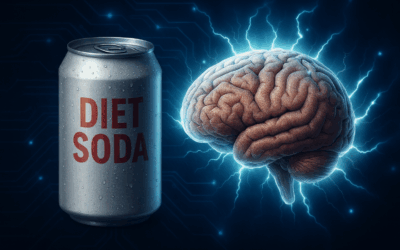
Diet Soda Speeds Brain Aging, RFK Jr. Targets Additives
A new study published in the journal Neurology suggests that drinking diet soda every day may speed up brain aging. Researchers followed 12,772 adults in Brazil for eight years. They found that people who consumed the most artificial sweeteners had a much faster decline in memory and thinking skills. The results were striking. Heavy users showed a 62 percent faster decline. That decline equaled about 1.6 extra years of brain aging. The study looked at several popular sweeteners. These included aspartame, saccharin, acesulfame-K, erythritol, xylitol, and sorbitol. Tagatose was the only one that did not show harm. All the others were linked to measurable cognitive decline. New Study Published in @GreenJournal: Some sugar substitutes linked to faster cognitive decline. https://t.co/XcZJVtIGHC#AANscience #BrainHealth pic.twitter.com/FWCdtJg0es — American Academy of Neurology (@AANmember) September 4, 2025 Midlife Habits Matter The findings showed the strongest impact in adults under 60. People with diabetes were also more vulnerable. Older adults over 60 showed no major difference, but the researchers warned that habits in midlife set the stage for brain health later on. Cognitive decline often begins decades before symptoms appear. A loss of 1.6 years of brain function may not sound dramatic, but across a population it is significant. This makes diet choices in middle age especially important. People often believe switching to diet soda protects their health. The research shows the story may be more complicated. Artificial sweeteners may reduce sugar intake, but they could come with hidden risks. (RELATED NEWS: SNAP Soda Ban: Ending Taxpayer Junk Food Subsidies) What the Experts Say Claudia Kimie Suemoto, the study author and a neurologist at the University of São Paulo, explained that people often see artificial sweeteners as harmless. She said the results suggest they may not be harmless, especially with frequent use in midlife: “Low- and no-calorie sweeteners are often seen as a healthy alternative to sugar, however our findings suggest certain sweeteners may have negative effects on brain health over time,” Other physicians note that reducing sugar can still help some people. But they also encourage natural alternatives when possible. Not everyone agrees on the interpretation. Industry groups argue that these sweeteners remain safe. They point out that all of the common sweeteners studied are approved by the Food and Drug Administration. The Trump Administration’s Warning However, the Trump Administration’s “Make Our Children Healthy Again” Assessment, released in May 2025 by the Make America Healthy Again Commission, directly addressed these additives. The commission, chaired by HHS Secretary Robert F. Kennedy, Jr., stated: “Artificial sweeteners like aspartame, sucralose, and saccharin, used widely in diet sodas and sugar-free foods, have been observed to interfere with the gut microbiome in some studies. Gut microbiome shifts have been linked to obesity, metabolic issues, and possibly glucose intolerance. The classification of aspartame as possibly carcinogenic (Group 2B) by the International Agency for Research on Cancer (IARC) further complicates the understanding of these widely used substances, especially given the existence of conflicting research results.” Kennedy has made it clear that he is on a mission to bring these risks to light. His push is not just about raising awareness but about eliminating harmful additives from the American diet altogether. By targeting products that undermine metabolic and brain health, RFK Jr. has positioned this fight as central to protecting the next generation. Why This Matters The debate highlights a bigger question. What is the real cost of relying on artificial substitutes? Diet sodas and low-calorie snacks are everywhere. People turn to them to manage weight or blood sugar. Yet brain health may be part of the tradeoff. Studies like this raise awareness about long-term risks. They also remind us that brain aging is not just a concern for seniors. For people in their 40s and 50s, the choices made today may shape how sharp the mind feels at 70 or 80. The study adds to a growing body of evidence that diet and lifestyle strongly affect the brain. What You Can Do Experts recommend moderation above all. Cutting back on artificial sweeteners can lower risk. Reading labels helps, since many “monk fruit” or “stevia” products are mixed with other sweeteners like erythritol. Choosing whole foods, fruits, and naturally sweetened items offers a safer path. Exercise also plays a key role. Physical activity helps the brain produce protective proteins and supports memory. Good, healthy habits form a stronger shield for long-term health. (RELATED NEWS: Tracy Beanz Reveals MAHA’s Mission & What Comes Next In Fascinating Interview) The Bigger Picture Artificial sweeteners have already faced criticism. Some past research connected them to gut health problems and metabolic changes. Others raised questions about possible links to strokes or heart issues. While the science is not settled, the pattern is clear. When used in excess, these substitutes may not deliver the safe solution people expect. None of this means sugar is healthy. High sugar intake is a proven risk factor for diabetes, obesity, and heart disease. The challenge is replacing sugar. That leaves many people searching for better alternatives. Small amounts of honey, maple syrup, or fruit can satisfy a sweet craving without the same risks. A Wake-Up Call for Consumers The study’s authors stressed that their results show association, not cause. Still, the message is clear enough for everyday life. If you drink diet soda daily, it may be time to cut back. Brain health is precious, and the habits you build now may protect you later. This is not a call to panic. It is a reminder to stay alert and informed. Labels and marketing often sell artificial sweeteners as a free pass. Science now suggests the pass may come with hidden costs. The best steps are simple. Limit sweeteners, eat healthy foods, and stay active. Your brain depends on it. Cut through the noise. Drown out the spin. Deliver the truth. At The Modern Memo, we’re not here to soften the blow — we’re here to land it. The media plays defense for the powerful. We don’t. If you’re done with censorship, half-truths, and…

Noctourism: The Rise of Travel After Dark and How to Do It
Noctourism offers a fresh way to travel. It invites people to explore the world after night falls. It shifts tourism from daylight into moonlight. This growing trend delivers unique experiences. It sparks curiosity. And it offers a new edge in a crowded travel market. What Is Noctourism? Noctourism means sightseeing after dark. It includes stargazing, night safaris, evening city tours, and guided walks. Travelers trade daytime crowds for quiet nights. They seek a new perspective. Landmarks and landscapes look different when the sun goes down. Shadows and light create drama. This trend reshapes how we experience destinations. Why It’s Rising Interest is growing quickly. A Booking.com survey showed that over 60% of travelers are now considering planning trips built around nighttime activities. Tour operators also report sharp increases in demand. Millennials play a key role in driving this change. Many want meaningful experiences at night that don’t center on alcohol. For them, noctourism blends adventure, culture, and wellness in one. A Solution to Overtourism Tourist hotspots often feel overwhelmed during the day. Noctourism offers relief. Visiting landmarks after hours means fewer crowds. It also transforms familiar sights into something fresh. A cathedral lit by moonlight feels different than in the glare of noon. A canyon under the stars reveals a beauty missed by day. Night gives destinations a second life. Night Safaris and Wildlife Encounters Wildlife tours illustrate the power of noctourism. Many mammals are nocturnal. A daytime safari may miss most of them. At night, the landscape changes. Safari operators highlight rare creatures that only appear in the dark. Travelers can see aardvarks, porcupines, or big cats in their natural rhythm. (MORE NEWS: Back-to-School 2025: How Parents Are Spending) Beyond Africa, other regions embrace night wildlife tours. In Madagascar and Costa Rica, lodges lead guided walks after sunset. In the Amazon, canoe trips reveal glowing eyes of caimans on the riverbank. Night travel makes the invisible visible. It allows travelers to connect with nature in a deeper way. Chasing the Aurora and Starry Skies The Northern Lights are a leading force behind noctourism. The aurora industry has grown into a multimillion-dollar sector. Strong solar activity in 2024 and 2025 has made conditions even better. Travel groups in northern regions report higher bookings for aurora hunts. People travel for thousands of miles to see them. Stargazing also draws interest. With light pollution clouding the night sky for much of the world, travelers search for dark-sky reserves and national parks. These places offer the Milky Way in its full glory. The night sky becomes both destination and attraction. Tips for Safe and Rewarding Noctourism Travel experts stress preparation. First, choose destinations known for safe and organized night experiences. National parks, wildlife lodges, and guided tours add structure and security. Second, match your trip with lunar cycles. New-moon periods bring the darkest skies for stargazing. Full moons, on the other hand, light up landscapes and create unique effects such as lunar rainbows at waterfalls. Gear matters. A headlamp with red and white light preserves night vision and prevents glare. Layered clothing protects against cool evening air. Guides add the final touch. Local experts ensure safety and share stories that bring depth to the experience. In Canada’s Yellowknife, for example, Indigenous guides mix aurora viewing with cultural insights, giving visitors both wonder and wisdom. Cultural and Urban Experiences After Dark Noctourism isn’t limited to nature. Cities also come alive at night. Some destinations open museums, temples, or historic landmarks after hours. Others host night markets where food, art, and music collide. Lantern festivals and moonlit ceremonies add cultural flavor. Travelers who join these events discover traditions and atmospheres hidden from the daytime schedule. Urban night tours now include architecture walks, cycling routes, and rooftop explorations. Seeing a skyline from a lit bridge or ancient ruins glowing under spotlights changes perception. Night transforms the ordinary into the extraordinary. (MORE NEWS: Phone Scrolling: The Top 10 States and Hidden Costs) How to Plan Your Noctourism Journey Start by asking what excites you most. If stars call to you, find a certified dark-sky reserve or a remote national park. If wildlife draws you in, look for night safaris in Africa, South America, or Asia. If culture interests you, check for cities that host after-dark museum access or seasonal festivals. Research timing. Aim for clear skies, new moons, or special celestial events. For aurora seekers, 2025 will provide more peak opportunities. For cultural travelers, align trips with festivals tied to lunar calendars. Planning around natural cycles makes every night more meaningful. Finally, pack smart. Bring comfortable shoes, flashlights, and clothes for cooler temperatures. Book guided tours when safety is a concern. Noctourism rewards the prepared traveler with unforgettable memories. Final Thoughts Noctourism redefines how we see the world. It turns familiar attractions into thrilling new experiences. It caters to curiosity and imagination. It allows travelers to witness stars, wildlife, and cultures in their natural rhythm. As tourism evolves, the night becomes the new frontier. Noctourism invites us to step out after dark. To leave behind the ordinary. To discover the extraordinary. And to see the world in a new light. The Modern Memo — where lifestyle news isn’t shallow, soft, or sold out. From what you eat to what you buy, we cover the choices that shape your freedom, health, and future — without the influencer fluff or corporate agenda. Real life deserves real reporting. And we’re here to give it to you straight.