
Oil

Ukrainian Drone Strike Kills 13 in Russian Oil City as Fuel Crisis Grinds On Deep Into Its Second Year
A Ukrainian drone strike on the Russian city of Nizhnekamsk killed 13 people, including a child, and wounded 75 others on Monday, regional authorities said, in one of the deadlier single strikes of a sustained Ukrainian campaign against Russia’s oil refining infrastructure that has now dragged the country’s fuel supply into its second year of sustained disruption. What Happened Authorities in Russia’s Tatarstan region confirmed the death toll following the strike, which the Ukrainian military said targeted an oil refinery in the city. Russian officials did not publicly confirm what the drones were aiming at, but Nizhnekamsk is a significant refining hub, home to two separate refineries as well as a major petrochemical plant — making it a logical target within Ukraine’s broader campaign to degrade the revenue and fuel supply that sustains Russia’s war effort. Ukraine has targeted Russian oil facilities with long-range drones nearly every day in recent months, part of a strategy Kyiv has pursued with increasing intensity since a dramatic escalation began in the second half of 2025. The strategy’s stated logic is straightforward: Russia’s oil and gas exports remain one of the Kremlin’s primary sources of war financing even amid extensive Western sanctions, and damaging domestic refining capacity simultaneously starves military fuel supplies while pressuring Russian civilians and, by extension, the political leadership overseeing the war. A Fuel Crisis Now Well Into Its Second Year Monday’s deadly strike is only the latest chapter in what has become a sustained, nationwide Russian fuel crisis. The trouble began in earnest in August 2025, when Ukraine dramatically ramped up drone strikes on Russian energy infrastructure, hitting more than a dozen facilities in a three-week span, concentrated heavily in Ryazan and Volgograd Oblasts. A late-August strike on the Ryazan refinery — one of the primary arteries supplying fuel to Moscow — was described by independent oil and gas analyst Boris Aronstein at the time as triggering “the most severe crisis in recent years,” with Russia’s repair capacity unable to keep pace with the frequency and coordination of the drone waves. The damage rippled outward from there. Crimea and Russia’s far east were the first regions to experience shortages, and by late September the problems had spread into the Volga river region and southern and central Russia. Forbes reported that conditions deteriorated quickly nationwide, with rising prices, rationing, long lines at gas stations, and pumps running dry in some areas. Nearly Every Region Now Affected Nearly a year later, the crisis hasn’t resolved — if anything, analysts say it has deepened. According to CNN’s analysis, nearly all of Russia’s 83 regions are now experiencing gasoline shortages or supply disruptions of some kind, with widespread rationing at gas stations. Sumit Ritolia, lead analyst for refining supply and modeling at commodities intelligence firm Kpler, estimated Russian gasoline production is currently running around 20% below domestic demand as a direct consequence of the sustained Ukrainian strikes, with refinery throughput sitting at multi-year lows. What’s changed compared to previous bouts of Russian fuel shortages, analysts say, is the sheer scale and persistence of the current campaign. “The key difference is the scale and persistence of the attacks,” Ritolia said, noting that Russia is also still working through repair backlogs from the previous year’s strikes even as new attacks continue to arrive. Sergey Vakulenko, a former longtime Russian oil and gas industry veteran now at the Carnegie Russia Eurasia Center, described the dynamic in stark terms: “In this race between the repairers and the attackers the balance is shifting” — in Ukraine’s favor. Repeated Hits on Major Refineries The strikes have repeatedly targeted some of Russia’s largest and most economically significant refineries. The Slavneft-YANOS facility in Yaroslavl — among Russia’s top-five largest refineries, with the capacity to process up to 15 million metric tons of crude annually — has been struck seven separate times in 2026 alone, according to reporting from the Kyiv Post, forcing repeated temporary shutdowns at a plant majority-owned by Russian state energy giants Rosneft and Gazprom. Ukrainian President Volodymyr Zelenskyy has been direct about the strategic rationale behind the sustained campaign, arguing that Russia’s energy sector both funds and directly fuels the broader invasion, and that continuing to degrade it is one of the more effective non-front-line levers Ukraine has to pressure Moscow. Western analysts broadly agree the strikes have had a real battlefield effect as well, with some assessing that the fuel disruption has measurably slowed Russian military logistics and added to pressure on the Kremlin to eventually return to serious negotiations. Moscow’s Response So Far Russia has taken emergency measures to try to manage the fallout, including a suspension of gasoline exports intended to preserve domestic supply while damaged refineries are repaired. Those stopgap measures, however, have so far failed to meaningfully outpace the continuing tempo of Ukrainian strikes, and the shortages have persisted and in some respects worsened over the past year rather than resolving. The Bigger Strategic Picture For supporters of continued Western military and intelligence support to Ukraine, the sustained success of this campaign is held up as clear evidence that Kyiv retains real capability to impose meaningful costs on Russia more than four years into the war, using long-range drone technology developed and scaled largely with Western backing. The strategy also carries a harder edge that’s drawn less public attention until strikes like Monday’s: refinery and energy-infrastructure targets sit inside populated Russian cities, meaning civilian casualties — like the 13 killed and 75 wounded in Nizhnekamsk — are increasingly a feature of this phase of the war rather than a rare exception. What Comes Next With Ukraine showing no signs of scaling back the pace of its refinery campaign and Russia continuing to struggle to keep repair efforts ahead of new strikes, the fuel crisis appears likely to remain a persistent feature of the Russian home front for the foreseeable future. How much longer Moscow can absorb the economic and political costs of nationwide fuel shortages — even as it continues prosecuting the broader…
The Bottleneck of Chaos: Iran’s Ceasefire Promise Shatters as 3,200 Vessels Choke the Strait
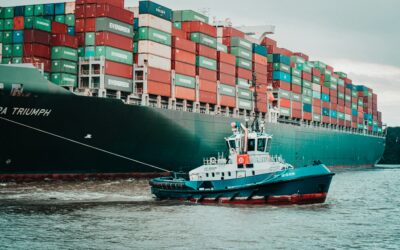
The ink on the “Islamabad Accord” is barely dry, yet the “peace” it promised is already showing signs of a calculated betrayal. As of April 10, 2026, a massive logjam of over 3,200 commercial vessels—ranging from VLCC oil tankers to massive container ships—has piled up outside the Strait of Hormuz. Despite Tehran’s weekend promise to allow safe passage, the waterway remains a “no-go zone” of bureaucratic delays and lingering IRGC threats. At The Modern Memo, we analyze the breakdown of the ceasefire’s most critical pillar, the economic toll of the “Hormuz Pile-up,” and why the Trump administration is signaling that the B-52s may need to return to the skies. The Broken Promise: Safe Passage or Selective Sabotage? Under the terms of the Islamabad Accord ratified on Wednesday, Iran committed to the immediate and unconditional reopening of the Strait. However, the reality on the water tells a far more sinister story. The “Technical” Excuse: Iranian port authorities and the IRGC Navy are claiming that “unexploded ordnance” and “navigational hazards” from the recent U.S. strikes require a slow, controlled entry of ships. The Pile-Up Data: Satellite imagery confirms that over 3,200 vessels are currently idling in the Gulf of Oman and the Arabian Sea. This includes approximately 65 million barrels of oil that are desperately needed to stabilize global markets. Strategic Throttling: Experts believe the regime is intentionally “throttling” the flow of traffic to maintain high oil prices and leverage the ceasefire as a shield while they move remaining military assets into hardened bunkers. The Economic Toll: A $1.8 Billion-a-Day Crisis The maritime logjam is not just a logistical headache; it is a direct assault on global trade. Every day the Strait remains “technically” closed, the global economy pays a staggering price. Insurance Skyrockets: Maritime insurance premiums for “War Risk” have failed to drop despite the ceasefire, as Lloyd’s of London cites “unverified safety conditions” within the Strait. Supply Chain Ripples: Container ships carrying electronics, automotive parts, and grain are missing their arrival windows at Jebel Ali and Abu Dhabi, threatening a secondary inflationary spike in the West just as prices began to settle. The “Wait and See” Cost: Analysts estimate the idling cost of this fleet exceeds $1.8 billion per day in fuel, crew wages, and lost opportunity. The Washington Response: “The Clock is Still Ticking” The White House has issued a stern warning to Tehran: a “technical” delay is the same as a “hostile” delay. Hegseth’s Warning: Defense Secretary Pete Hegseth stated this morning that U.S. Navy minesweepers are ready to clear the lanes without Iranian assistance. “If they can’t clear the path, we will,” Hegseth remarked, suggesting that any IRGC interference with U.S. minesweeping operations would be treated as a violation of the truce. No More Games: President Trump has reportedly instructed the Pentagon to maintain “Full Combat Readiness” for the carrier groups in the region. The administration views this “pile-up” as a clear violation of the “spirit” of the Islamabad Accord. Final Word The 3,200 ships idling outside the Strait are a physical monument to Iranian duplicity. When you look past the noise of “navigational safety” and focus on the data—the unprecedented vessel backlog and the regime’s refusal to facilitate U.S. minesweeping—you gain a clearer picture of an enemy that is using the word “peace” as a tactical maneuver. Quality information replaces the hope of a “diplomatic breakthrough” with the reality of a strategic bottleneck. It allows you to see that the Islamabad Accord was only the beginning of the pressure, not the end. By choosing to hold Tehran’s feet to the fire, the U.S. is ensuring that “safe passage” is a fact, not a favor. Where Facts, Context, and Perspective Matter At The Modern Memo, our goal is simple: to provide clear, well-researched reporting in a media landscape that often feels overwhelming. We focus on substance over sensationalism, and context over commentary. If you value thoughtful analysis, transparent sourcing, and stories that go beyond the headline, we invite you to share our work. Informed conversations start with reliable information, and sharing helps ensure important stories reach a wider audience. Journalism works best when readers engage, question, and participate. By reading and sharing, you’re supporting a more informed public and a healthier media ecosystem. The Modern Memo may be compensated and/or receive an affiliate commission if you click or buy through our links. Featured pricing is subject to change. 📩 Love what you’re reading? Don’t miss a headline! Subscribe to The Modern Memo here!
The Trump Dividend: Oil Prices Crater 13% as “Maximum Pressure” Reopens the Strait
In a massive win for the American consumer and a devastating blow to global inflation, global oil benchmarks plummeted by over 13% overnight. The historic collapse in prices follows the ratification of the “Islamabad Accord,” a two-week ceasefire that has successfully forced the reopening of the Strait of Hormuz—the world’s most critical energy artery. At The Modern Memo, we analyze the “Peace Through Strength” market surge, the end of the Iran war premium, and why this price drop is the ultimate validation of the administration’s energy sovereignty strategy. The Great Reset: Crude Below $95 The announcement of the ceasefire sent shockwaves through the trading floors in London and New York. Brent Crude and West Texas Intermediate (WTI), which had been flirting with the $115 mark during the height of the “Operation Epic Fury” strikes, fell into the low $90s within hours of the deal being signed. Ending the Blockade: The reopening of the Strait of Hormuz by the U.S.-Israeli coalition removes the “geopolitical risk premium” that has haunted global markets since the conflict began. The “Peace Dividend”: Market analysts at Goldman Sachs and Morgan Stanley noted that the 13% drop is one of the largest single-day movements in history, representing a massive shift in global liquidity toward the West. Supply Surge: With the threat of Iranian mine-laying neutralized by U.S. carrier groups, millions of barrels of oil that were “floating” in tankers off the coast of Oman are now flooding into the global supply chain. Victory for the Pump: Relief for American Families President Trump was quick to highlight the impact on domestic fuel prices, characterizing the market crash as a “massive tax cut” for the American people. Gas Prices Retreat: Internal projections suggest that if the Islamabad Accord holds, the national average for a gallon of gas could drop by as much as $0.45 to $0.60 within the next ten days. Crushing Inflation: Lower energy costs act as a “reverse-multiplier” on inflation, lowering the cost of logistics, farming, and manufacturing across the board. Strategic Leverage: The President pointed out that while the U.S. remains the world’s top energy producer, the stabilization of global lanes ensures that American exports remain competitive and the domestic economy remains “bulletproof” against foreign blackmail. The “Weakened Regime” Reality The price plunge isn’t just a win for the U.S.; it’s a strategic nightmare for the Islamic Republic, which relies on high oil prices and “black market” premiums to fund its regional proxies. Drying Up the War Chest: Every dollar oil drops is a dollar less that the IRGC has to spend on Hezbollah or the Houthis. By forcing the price down, the Trump administration is effectively de-funding the regime’s military capabilities from the outside in. The “Liquid Gold” Doctrine: Secretary of State Marco Rubio noted that the administration’s commitment to “unleashing American energy” has ensured that the U.S. is no longer at the mercy of OPEC+ or rogue state volatility. Final Word The 13% plunge in oil prices is the definitive metric of a conflict won. When you look past the noise of “diplomatic nuance” and focus on the data—the cratering of crude prices and the reopening of the world’s most vital waterway—you gain a clearer picture of an administration that understands how to use military might to secure economic stability. Quality information replaces the fear of a “recession-driving war” with the reality of a “strength-driven boom.” It allows you to see this price drop not as a market fluke, but as the inevitable result of a superpower finally acting like one. By choosing to support energy dominance, you align your perspective with the reality that a strong America means a cheaper, safer world. Where Facts, Context, and Perspective Matter At The Modern Memo, our goal is simple: to provide clear, well-researched reporting in a media landscape that often feels overwhelming. We focus on substance over sensationalism, and context over commentary. If you value thoughtful analysis, transparent sourcing, and stories that go beyond the headline, we invite you to share our work. Informed conversations start with reliable information, and sharing helps ensure important stories reach a wider audience. Journalism works best when readers engage, question, and participate. By reading and sharing, you’re supporting a more informed public and a healthier media ecosystem. The Modern Memo may be compensated and/or receive an affiliate commission if you click or buy through our links. Featured pricing is subject to change. 📩 Love what you’re reading? Don’t miss a headline! Subscribe to The Modern Memo here!
U.S. Imposes Major Sanctions on Russian Oil Giants to Cut War Funding
The Trump administration has taken one of its boldest foreign policy steps yet—issuing sweeping sanctions against Russia’s top two oil companies, Rosneft and Lukoil. The move aims to choke off the energy revenue that fuels Moscow’s war in Ukraine and to pressure Russian President Vladimir Putin into agreeing to a ceasefire. In announcing the decision, President Donald Trump emphasized the power and scale of the new measures. He expressed confidence that the measures will bite. The administration is leaning on economic strength—rather than direct military force—to confront foreign aggression and change behavior. “I think that they’ll certainly have an impact there. They’re massive sanctions and sanctions on oil. The two biggest oil companies, among the biggest in the world,” Trump said. .@POTUS: “These are tremendous sanctions. These are very big against their two big oil companies — and we hope that they won’t be on for long. We hope that the war will be settled.” https://t.co/6vbswraYmV pic.twitter.com/FONI7ECFAw — Rapid Response 47 (@RapidResponse47) October 22, 2025 A Clear Message: End the War, Stop the Killing Treasury Secretary Scott Bessent, in an interview with Fox Business, underscored the humanitarian and strategic purpose behind the move: “Now is the time to stop the killing and for an immediate ceasefire. Given President [Vladimir] Putin’s refusal to end this senseless war, the Treasury is sanctioning Russia’s two largest oil companies that fund the Kremlin’s war machine. The Treasury is prepared to take further action if necessary to support President Trump’s effort to end yet another war. We encourage our allies to join us in and adhere to these sanctions.” His remarks make the intent clear: apply economic pressure to push Russia toward peace talks and halt its aggression in Ukraine. Scott Bessent on a new round of Russian sanctions. pic.twitter.com/inNmFKbt9x — Praying Medic (@prayingmedic) October 22, 2025 Why the Sanctions Target Energy The sanctions focus on the lifeblood of the Russian economy: oil. Rosneft and Lukoil account for a large share of Russia’s crude output. That production funds the state budget and, by extension, the war effort. By freezing U.S. assets and barring Americans from doing business with these firms, the Treasury seeks to undercut Russia’s war chest. The measures also reach subsidiaries involved in exploration, refining, shipping, and trading to close common loopholes. (MORE NEWS: Government Shutdown Stalls Real Estate in 5 States) Global Reaction and Rising Oil Prices Global markets reacted quickly. Oil benchmarks moved higher as traders priced in potential supply disruptions. Energy equities rose in anticipation of stronger margins for non-Russian producers. However, higher energy prices can ripple through the economy. Transportation costs can climb. Inflation can pick up. European countries still adjusting away from Russian barrels may face supply-chain headaches and higher import bills. (MORE NEWS: Trump’s East Wing Demolition and Ballroom Plan Explained) Allies Urged to Join the Effort Bessent’s Fox Business interview included a direct appeal to partners to amplify the pressure. Coordinated action matters. When allies mirror sanctions and tighten rules on shipping, insurance, and financing, Russia has fewer paths to reroute oil. That unity also reduces the risk that third parties will undermine the policy by offering easy workarounds. Economic Pressure as a Path to Peace The strategy relies on financial tools to achieve diplomatic ends. Rather than deploying troops, the United States is betting that a sustained cutoff of oil income will strain the Kremlin’s calculus. Bessent made clear that the Treasury stands ready to escalate if Moscow refuses to change course. Future steps could include broader actions on tankers, service providers, and institutions that help move or insure sanctioned barrels. What This Means for Americans For U.S. households, the immediate concern is fuel costs. Prices at the pump may rise as markets digest tighter supply. Shipping and heating bills can also increase. Even so, officials argue that confronting aggression now can prevent larger conflicts and higher costs later. Meanwhile, U.S. energy producers may benefit from greater demand for reliable, non-Russian supply, supporting jobs and investment in oil and gas regions. Conclusion: A Defining Moment for U.S. Policy The sanctions on Rosneft and Lukoil mark a forceful use of economic power. By targeting Russia’s largest oil revenue sources, Washington seeks to constrict the funding of war and to drive momentum toward a ceasefire. As President Trump put it, these are massive sanctions aimed squarely at the energy sector. And as Secretary Bessent told Fox Business, now is the time to stop the killing and press for peace. The coming weeks will reveal whether coordinated economic pressure can help end a senseless conflict and restore stability. Expose the Spin. Shatter the Narrative. Speak the Truth. At The Modern Memo, we don’t cover politics to play referee — we swing a machete through the spin, the double-speak, and the partisan theater. While the media protects the powerful and buries the backlash, we dig it up and drag it into the light. If you’re tired of rigged narratives, selective outrage, and leaders who serve themselves, not you — then share this. Expose the corruption. Challenge the agenda. Because if we don’t fight for the truth, no one will. And that fight starts with you.